Belgium Road Trip: A Compact Country, Short Drives and How to Plan the Loop
A Belgium road trip built around short drives: a loop through Flanders, the Meuse valley and the Ardennes, parking habits and how to plan the driving days.
On this page
Belgium's compactness is the case for a road trip: a two-hour drive from Brussels reaches another country in almost any direction, or the sea. In a small country you can change the character of the landscape between breakfast and lunch, which is the argument for going by car rather than rail.
Belgium is small enough that nowhere in the country is a very long drive from anywhere else. CheeseWeb's road-trip guide makes the point that a two-hour drive from Brussels reaches another country in almost any direction, which puts the whole country within easy reach of a single base. The practical upshot: you can plan a loop around short hops rather than long motorway days.
The Shape of a Belgium Road Trip
Run the loop clockwise: start in Bruges, move east to Ghent and Antwerp, drop south to Leuven, then continue south to Namur and Liège before crossing the Ardennes. Flanders gives you canals, belfries and cathedral squares in close succession; the Meuse gives you a river valley with citadels on the ridge; the Ardennes gives you wooded hills and slower roads. Ending at Ostend instead, via Ypres, turns the loop into a coastal finish rather than adding a separate excursion.
The planning problem is therefore not distance but choice: which of Belgium's historic centres suit a car, where you can park at the edge of a walkable core, and whether to add the longer run south to the Meuse valley. Our Belgium itinerary sets out the cities in more detail if you want each one planned. The point here is the driving frame around them.
How Many Days You Need and What to Drop
For a Bruges-Ghent-Antwerp run, four days is enough to give each city a full day on foot. Any longer trip that pushes south into the Meuse valley and the Ardennes adds a distinctly different landscape and a further drive, so the question is how much time behind the wheel you want against time on foot.
Do you need a car for this Belgium loop? A car makes the southern half of the loop practical, because the Meuse valley and the Ardennes are harder to reach by rail alone. For a Flanders-only trip, the cities are close enough that the car is mostly a way of moving luggage between stops.
How long are the drives on this loop? The legs vary: the Flanders hops from Bruges to Ghent to Antwerp are short, while the run south towards Namur and the Meuse is the longer drive. Plan one substantial drive plus one city on foot per day, and check current route times before you set off.
Should you end at Ypres or at Ostend? Ypres suits travellers who want the Menin Gate and the surrounding battlefields as the end of the trip. Ostend suits a coastal finish on the way home.
If you are planning around the northern cities, our 3 days in Belgium outline covers a tighter version. A 5 day Belgium itinerary is the middle option. Choose by how much of the trip you want to spend behind the wheel versus on foot in a historic centre.
Bruges (Brugge): Start on the Canals
Bruges is a natural first stop: park once at the edge of the old centre and do the rest on foot. Anchor yourself at the Markt and the Burg, the two adjoining squares at the heart of the old town, and let the canals lead you out towards the quieter lanes. A half-day on foot covers the core comfortably.
Leave the car at the edge of the centre and treat Bruges as a walking stop; the medieval street pattern makes driving between sights pointless. If you are fitting Bruges into a shorter trip, the Basilica of the Holy Blood route in our 2 days in Belgium outline shows how the Burg fits a tight schedule. Aim for a full morning here before moving on to Ghent.
Ghent (Gent): Graslei, Korenlei and the Belfry
Ghent's historic core is larger than Bruges and spread across a few distinct clusters. Start at Graslei and Korenlei, the twin quays on the Leie lined with stepped gables, then walk on to the Belfort and Sint-Baafskathedraal, with the Gravensteen castle beyond. Park once and do the whole centre on foot.
The trade-off against Bruges is scale: Ghent feels like a working city rather than a preserved one, which makes it good for an afternoon of wandering but less immediately photogenic. Give Ghent the better part of a day, or an evening plus a morning if you are moving fast.
Antwerp (Antwerpen): Grote Markt and the Cathedral
Antwerp's Grote Markt is the city's front room, with the cathedral spire rising just behind the surrounding guild houses and the Vleeshuis a few streets towards the river. It is the most urban stop on the loop, which makes it the natural place to break the Flanders leg rather than racing between small towns. Park outside the old centre and walk in.
The city rewards a full day if you have it: the cathedral quarter, the Meir shopping street and the riverside all sit near the Grote Markt. If you are short of time, the square and cathedral alone justify the stop. Antwerp is also the point where the loop turns south, so plan to leave from here towards Leuven rather than doubling back west.
Leuven (Louvain): A Short Stop Between Flanders and the Meuse
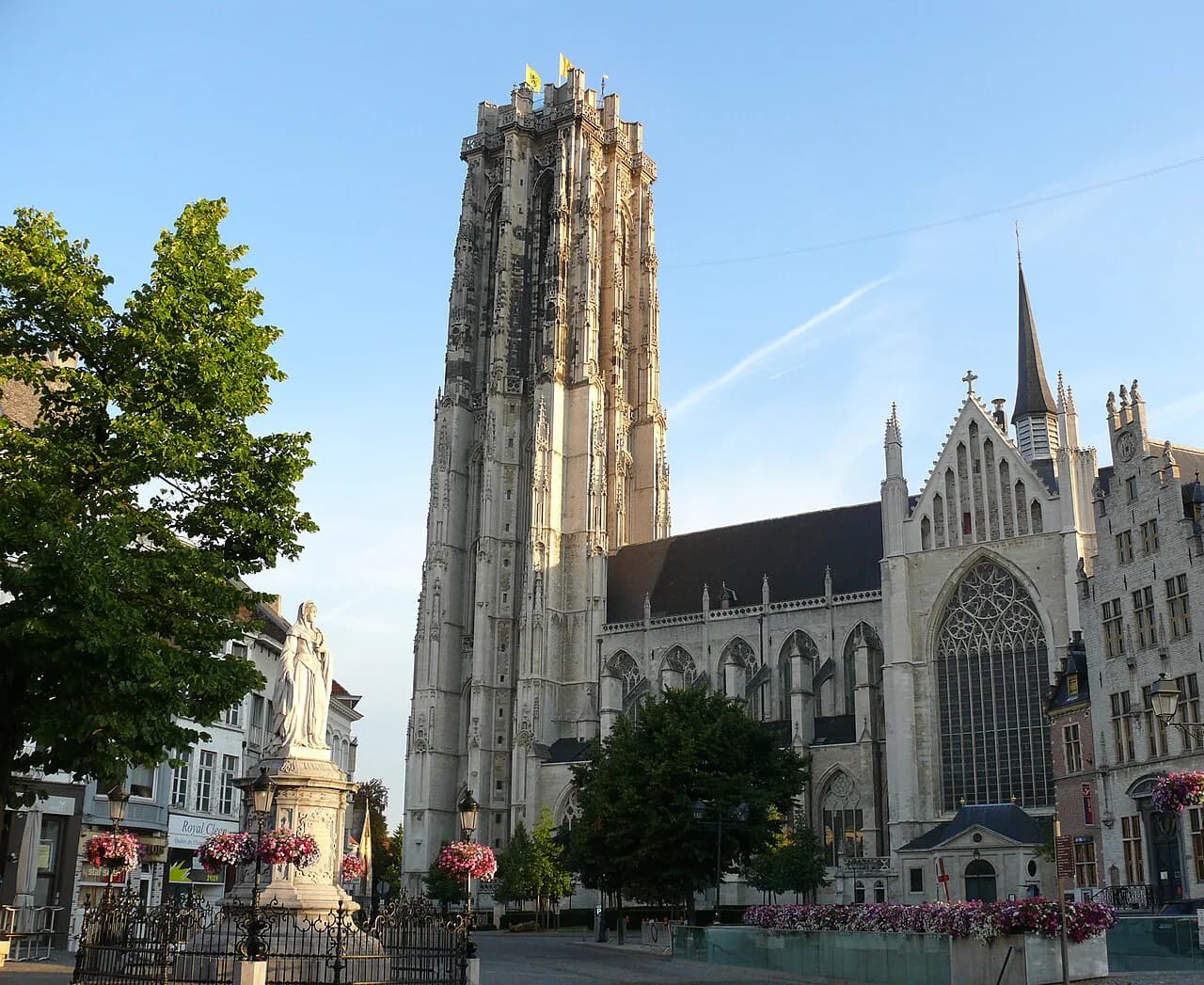
Leuven works best as a pause rather than a destination: a university city with a compact centre, useful for breaking the drive south without adding a full day. Walk the Grote Markt and the streets around it, take a coffee, and move on. It is the stop that keeps a four-day Flanders trip from feeling like a sequence of identical canal towns.
Treat Leuven as two or three hours at most unless a particular sight pulls you in. The value is in the rhythm of the trip: after Antwerp's density, a smaller centre resets the pace before the longer drive into Wallonia. From here the route turns towards Namur and the Meuse.
Namur (Namen): The Citadel Above the Two Rivers
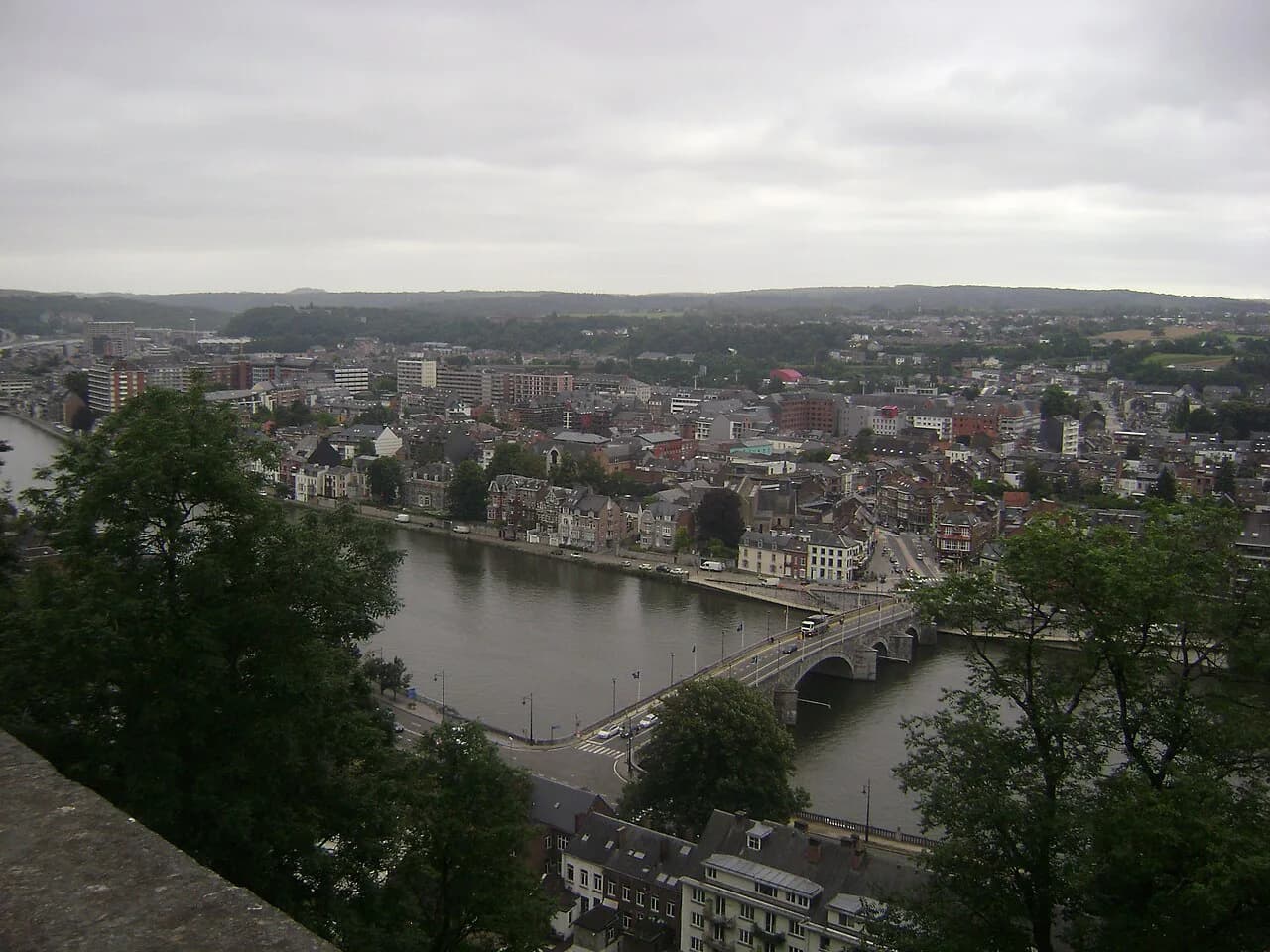
Namur is where the landscape changes: the Meuse and Sambre meet here, and the Citadelle de Namur occupies the rocky spur above the rivers. The historic core is compact and walkable once you have parked, and the citadel makes Namur the natural place to break the drive south rather than pushing straight through.
The citadel and the lower town sit at different levels, so allow time for the climb as well as the walk. Namur is also a sensible overnight stop before pushing on along the Meuse, and the reward is the view back over the confluence of the two rivers.
Liège (Luik): The Meuse Valley Leg
Liège is a bigger, rougher city than the Flanders stops, and the drive along the Meuse into it is the stretch where the landscape does the work. Treat the city as a base for the valley rather than a checklist of sights: the river, the quays and the surrounding hills set the tone.
Liège rewards a full day only if you want a large city's museums and streets; on a seven-day trip give it an afternoon and a night. From here, head south into the Ardennes rather than returning north. The loop closes by running back west towards Ypres or the coast.
Ypres (Ieper): The Menin Gate (Menenpoort) and the Battlefields
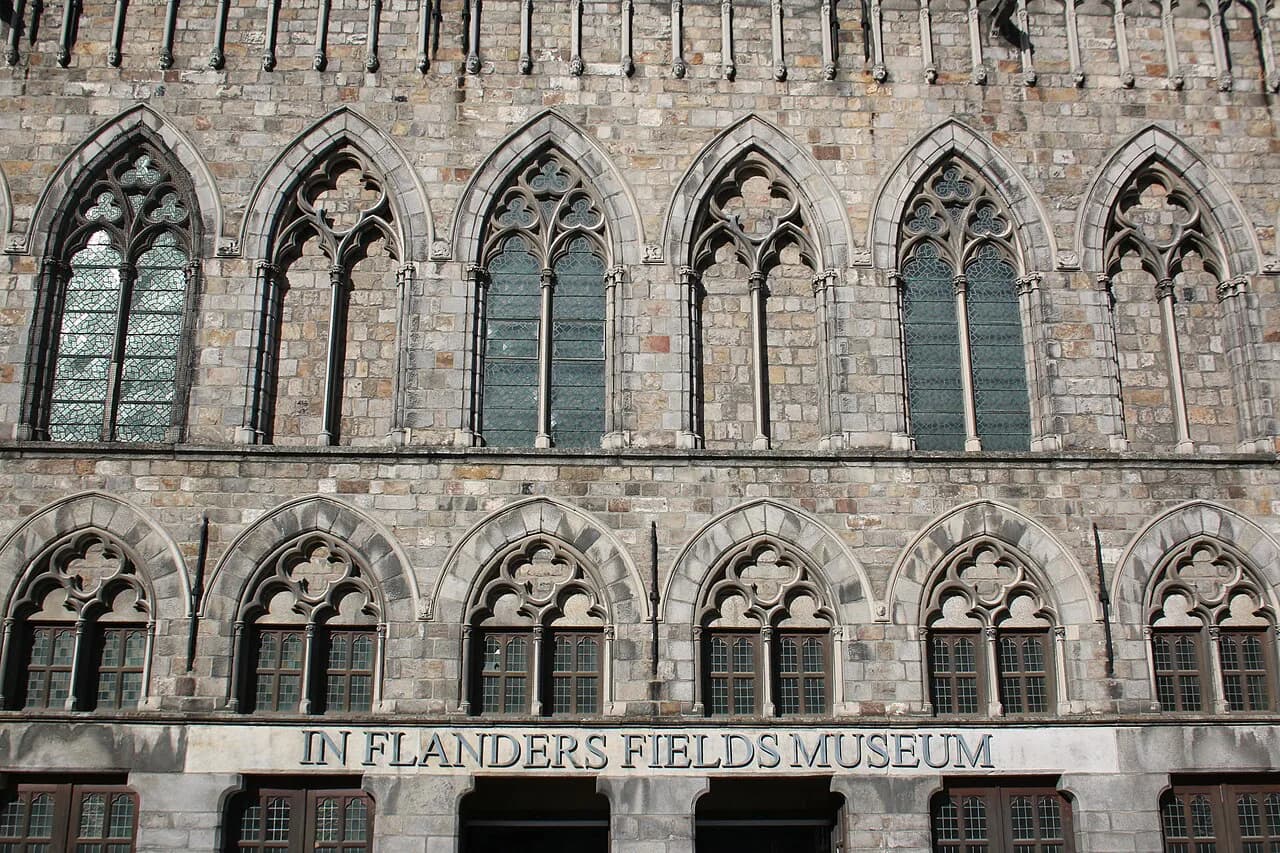
Ypres is a small town and quick to walk, with the centre focused on the Lakenhalle (Cloth Hall) and the Menin Gate (Menenpoort) on the eastern edge. The surrounding battlefields and cemeteries are scattered across open country outside the town. Keep the visit factual and quiet: these are memorial sites first.
A car lets you reach the battlefields and cemeteries in the surrounding countryside between stops in the town. Keep the visit factual and quiet; these are memorial sites first, and they reward unhurried time.
Ostend (Oostende) as the Coastal Option
Ostend is a coastal option rather than an extra inland stop: finish at the coast before the drive home or the ferry. It gives you a seafront, a working harbour and a compact centre to walk after the drive, and it works best if you are heading home that way.
Do not try to add Ostend on top of the Ardennes in the same week; the driving stacks up and the coast becomes a rushed detour. Choose either the inland finish or the coastal finish, and keep the loop honest.
Driving Times Between the Main Stops
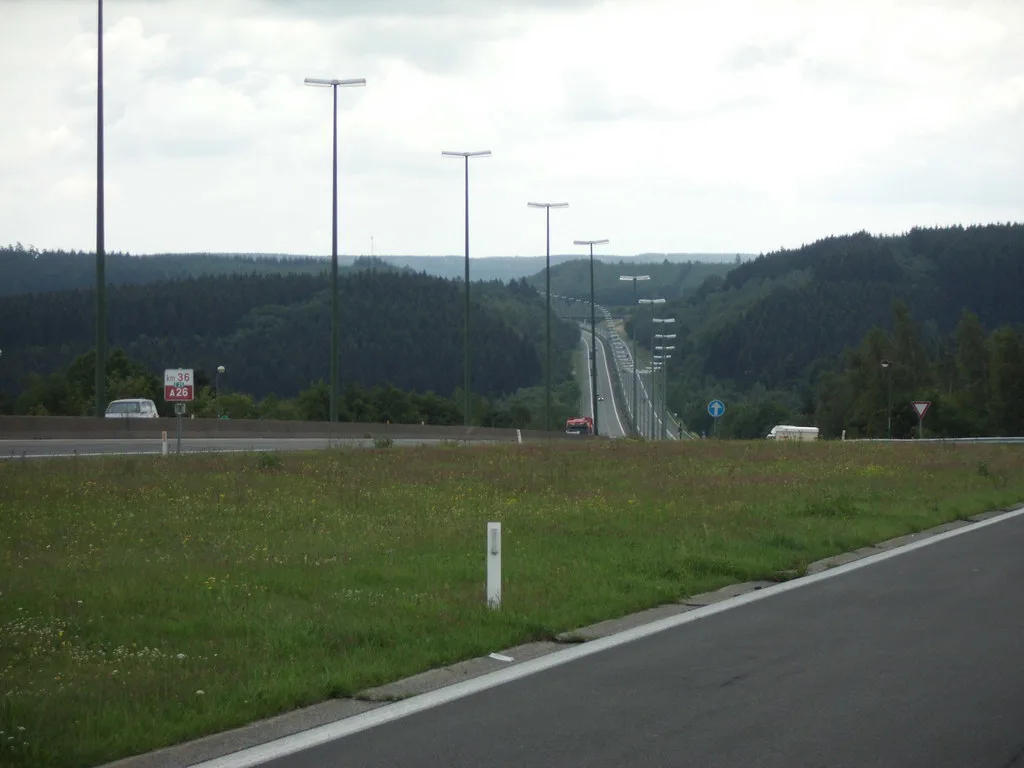
Belgium is small enough that no single leg of this loop is a long drive, but the legs are not equal: the Flanders hops are short, and the southern runs towards the Meuse are the longer ones. Plan the day around one substantial drive plus a city on foot, rather than two drives and two cities.
For a sense of scale, a two-hour drive from Brussels reaches another country in almost any direction, which puts the Flanders cluster within easy reach of a single base. Plan the longest drives for the morning or early afternoon, and check current route times before you set off.
Parking and Getting Into the City Centres
Every stop on this loop is best done by parking once at the edge of the historic centre and walking in. Bruges, Ghent and Antwerp all have medieval street patterns that make driving between sights impractical, and in Namur you leave the car in the lower town before climbing to the citadel. Treat the car as a way of moving between cities, not within them.
The practical habit is to find the car park the night before, leaving the car at the edge of the walkable centre, then walking everything. That way you see the squares and quays the way they are meant to be seen.
When to Go: Season, Crowds and Daylight
Late spring and early autumn give the best balance for a driving loop: long daylight for the southern legs and comfortable walking in the Flanders centres. High summer brings crowds to Bruges and Ghent, so early mornings are worth the effort, and spring and autumn keep the country roads quieter.
Daylight matters more than temperature on this route, because the scenic stretches south are the parts you want to drive in good light. Build the loop so the longest drives fall in the morning or early afternoon. In winter the short days make the Flanders stops the sensible focus.
A Four-Day Version of the Loop
Four days covers Flanders comfortably: Bruges on day one, Ghent on day two, Antwerp on day three, and Leuven as a short stop on day four before heading home. Park once in each city and walk the centre. This version keeps the driving short and the sightseeing densely packed, which suits a first trip.
What you give up is Wallonia: no Namur citadel, no Meuse valley, no Ardennes. In exchange you get Belgium's strongest historic centres without a single long drive. If that trade sounds right, our 3 days in Belgium outline is the tighter version; four days simply adds Leuven and a slower pace.
A Longer Version of the Loop
A longer version adds the southern half: Bruges, Ghent and Antwerp as before, then Leuven and the run south towards Namur and the Meuse valley. The extra days go mostly to driving and to Wallonia, not to more time in Flanders.
The trade-off is that a longer trip means more packing and unpacking, so keep overnight stops to two nights in the same place where you can, and let Namur work as a two-night base for the Meuse. For a middle-length option, a 5-Day Belgium Itinerary covers the route without the full week.
Which Loop Should You Drive?
Choose the four-day Flanders loop if your priorities are canals, belfries and cathedral squares, and you want short drives between dense historic centres. Choose the longer version if the Meuse valley and the Ardennes are the point, and you are happy with a further drive south as the anchor of the trip.
Either way, the loop works because the stops are ordered by landscape: Flanders first, then the river, then the hills. That order is the difference between a road trip and a list of cities. Decide the length, book the first night in Bruges, and let the route do the rest.
Frequently Asked Questions
Do you need a car for this Belgium loop?
A car makes the southern half of the loop practical, because the Meuse valley and the Ardennes are harder to reach by rail alone. For a Flanders-only trip, the cities are close enough that the car is mostly a way of moving luggage between stops. Either way, the route is built around parking at the edge of each centre and walking in.
How long are the drives on this loop?
The legs vary: the Flanders hops from Bruges to Ghent to Antwerp are short, while the run south towards Namur and the Meuse is the longer drive. Plan one substantial drive plus one city on foot per day, and check current route times before you set off.
Should you end at Ypres or at Ostend?
Ypres suits travellers who want the Menin Gate and the surrounding battlefields as the end of the trip. Ostend suits a coastal finish on the way home. Pick one finish rather than trying to do both at the end of a long trip.
Sources
Useful notes for your next trip
Optional updates to our guides.
You might also like
Continue reading
More guides you'll find useful