Bastogne: Battle of the Bulge Sites and How Long to Stay
Bastogne is a Belgian Ardennes town ringed by Battle of the Bulge museums and memorials. Here are the sites to see and how much time to allow.
On this page
Bastogne rewards a full day, and an overnight if you want two or three of its indoor sites without rushing. The town is small and most of the war sites sit within a short drive or walk of the centre, so the constraint is your own pace rather than distance. This guide separates the four museums by what each covers, names the individual memorials around town, and sets out a workable order for a half day, a full day or a night.
Bastogne is a city and municipality of Wallonia, in the province of Luxembourg, in the Ardennes of southern Belgium. That province is a Belgian one, not the Grand Duchy of Luxembourg next door, a distinction worth fixing before you book anything. The town sits in forested hill country, which shapes both its history and the way you get around it.
Where Bastogne sits in the Belgian Ardennes
The Ardennes is a band of wooded hills and plateaus running through southern Belgium and into France and Luxembourg, and Bastogne is one of its eastern Walloon towns. It lies in the province of Luxembourg, the Belgian province whose capital is Arlon, not in the neighbouring Grand Duchy. If you are touring the region, Bastogne pairs naturally with other Ardennes stops.
Distances in the Ardennes are modest on paper and slower in practice, because roads wind through valleys and forest. Plan Bastogne as a base or as a substantial stop rather than a quick detour squeezed between two cities. Coming from the north or west, it works as the eastern anchor of an Ardennes loop.
Why Bastogne matters: the siege of December 1944
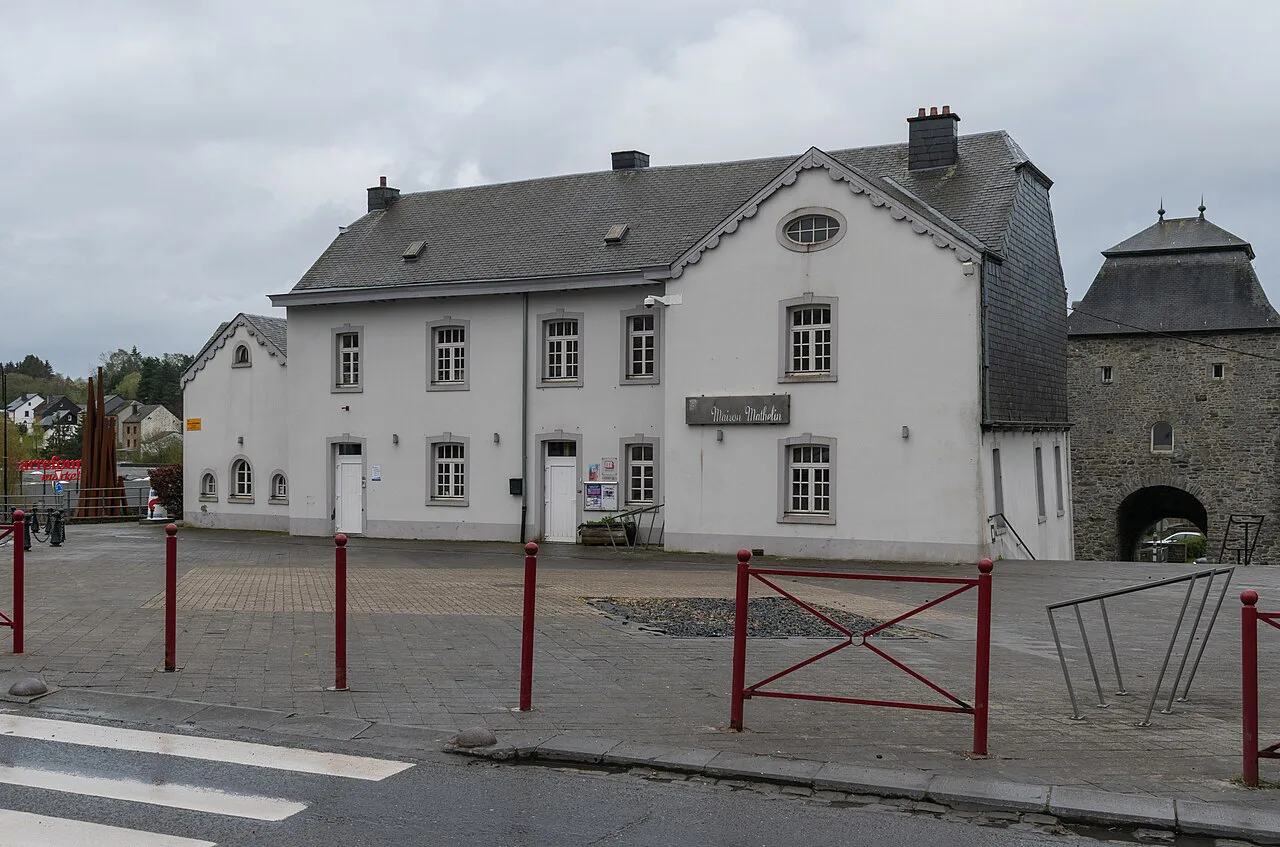
Bastogne had been liberated on 10 September 1944, and a few months later it came under a new German attack as part of the offensive aimed ultimately at Antwerp. The German advance pushed past the town on both sides, creating the bulge in the line that gave the battle its name, and Bastogne was surrounded. A fierce siege followed under difficult conditions.
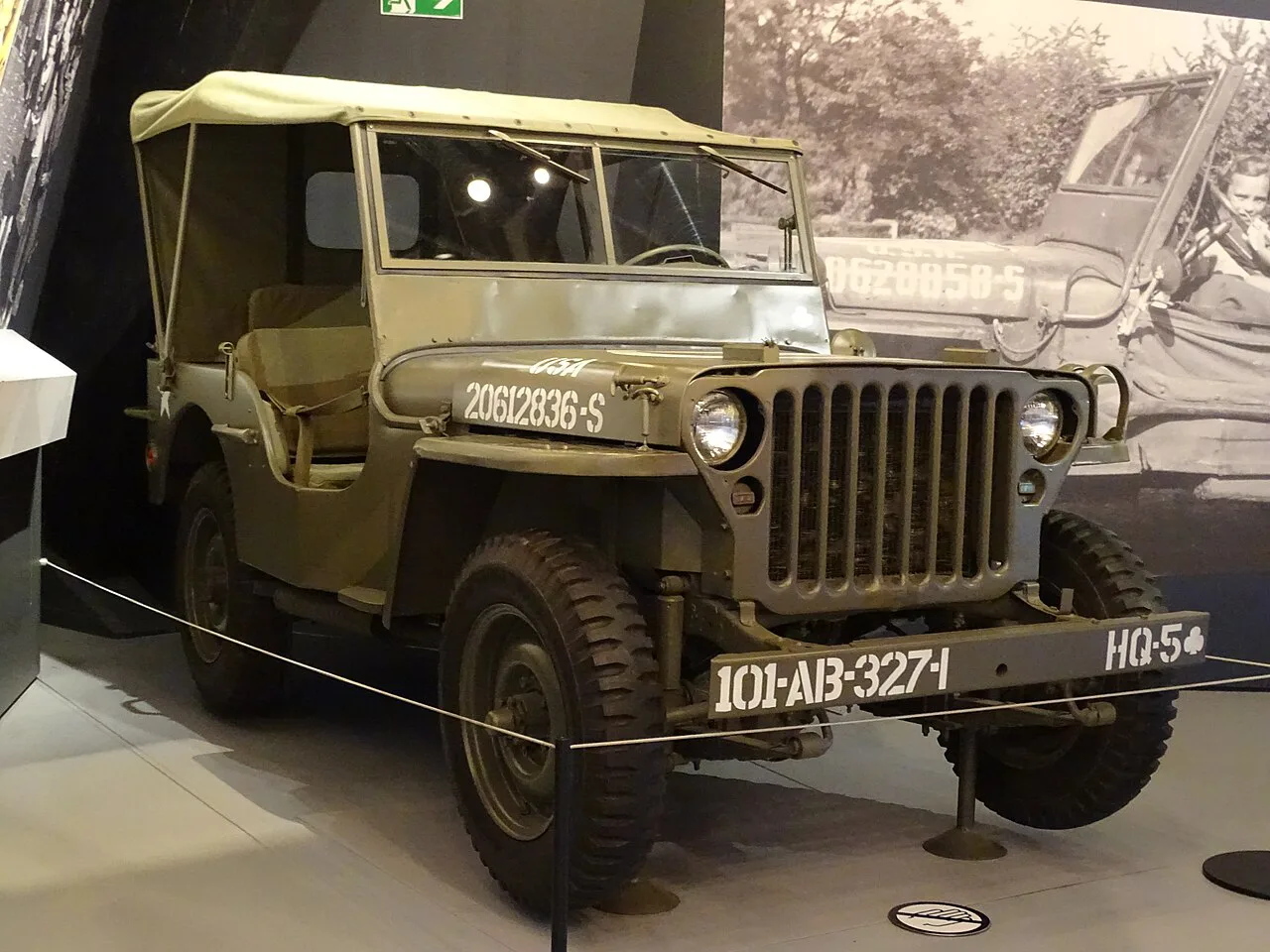
The 101st Airborne Division held the town with little ammunition, few food supplies and no cold-weather gear, while cloudy skies made resupply by air impossible and reinforcements were a week away. Outnumbered heavily, the defenders formed a 360-degree perimeter around the guns of the 333rd Artillery Battalion and shifted positions as the attacks came in. When the German commander demanded surrender, General McAuliffe replied with his famous one-word refusal.
Clear skies eventually allowed supply drops, aircraft helped the defenders whose artillery ammunition had run out, and Patton's arrival broke the siege and ended the Ardennes offensive. None of that would have counted had the Screaming Eagles not held the town. The Ardennes Counteroffensive is dated from 16 December 1944 to 16 January 1945.
Bastogne War Museum: what it covers and why it anchors a visit
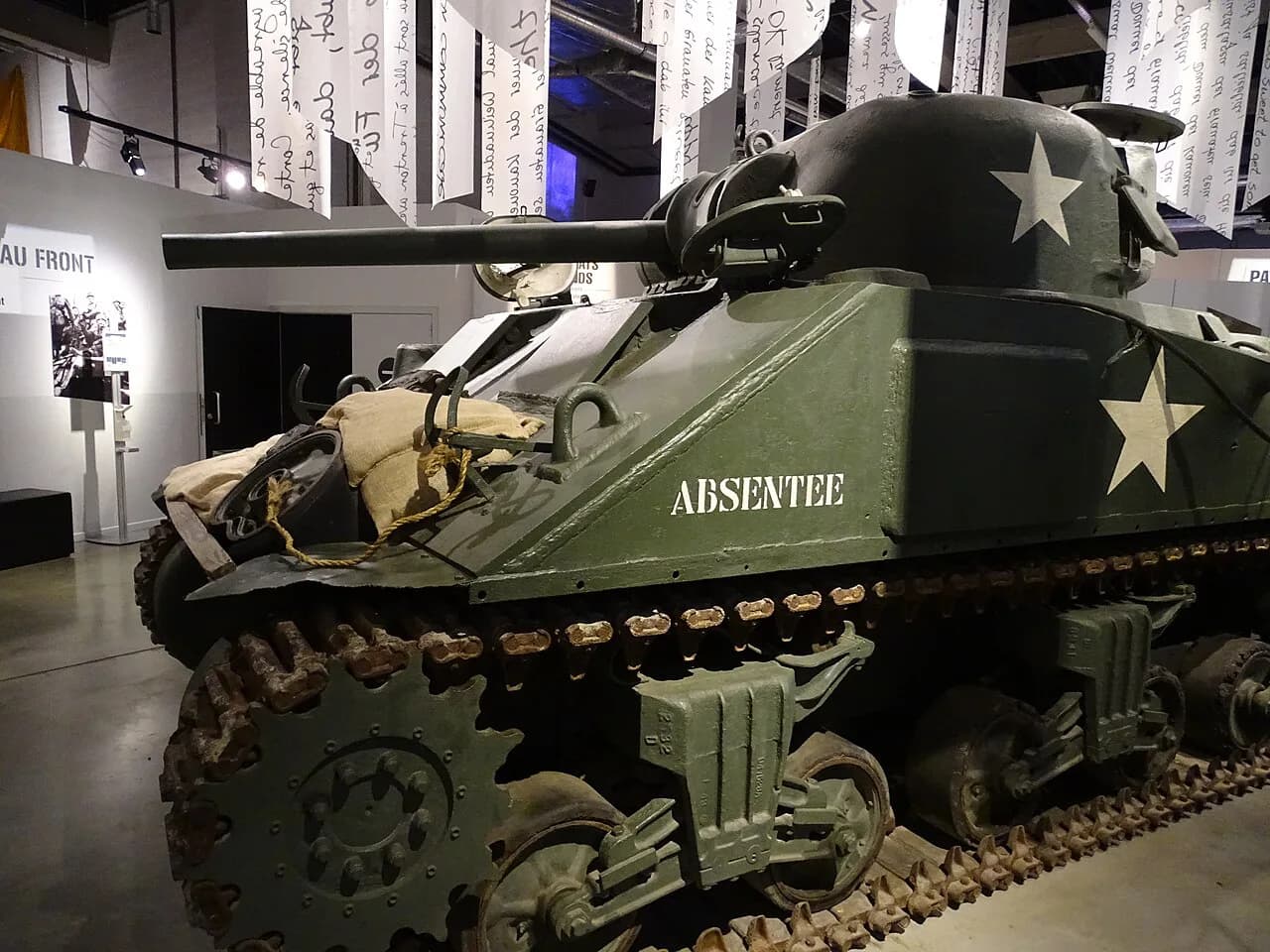
The Bastogne War Museum takes the Second World War as its subject with a particular focus on the Battle of the Bulge, which makes it the broadest of the town's indoor sites and the sensible first stop. If you only enter one museum, choose this one: it gives you the framework that the smaller, more specific sites then hang on.
Allow it real time rather than treating it as a briefing you skim before the memorials. Starting here also means the Mardasson Memorial, which stands close by, reads as the conclusion of a sequence rather than an isolated monument.
Bastogne Barracks: the museum in the former Allied headquarters
The Bastogne Barracks museum opened in 2010 and occupies the barracks that accommodated the Allied headquarters, which gives the visit a different weight from a purpose-built exhibition hall. It is the site for readers who want the rooms and the setting as much as the displays.
The Barracks and the War Museum overlap in subject but not in atmosphere, and doing both in one day takes a deliberate early start. If your time is tight, the Barracks is the more distinctive of the two buildings.
101st Airborne Museum and the Bastogne War Rooms compared
The 101st Airborne Museum is housed in the former officers' mess of the Belgian army, and the Bastogne War Rooms approach the battle through immersive exhibits built around strategic decisions. Both are compact enough to fit around a main museum, so the choice is really about emphasis: the Airborne museum for the division that held the town, the War Rooms for command and decision-making.
Treat these two as a pair if you have an overnight, and pick one if you have a single afternoon. Four indoor sites in one day is a false economy; two done properly stay with you longer.
Mardasson Memorial: the memorial to the Ardennes Counteroffensive
The Mardasson Memorial commemorates the Ardennes Counteroffensive of 16 December 1944 to 16 January 1945, and it is the ceremonial centre of a Bastogne visit. It is a place for quiet rather than exhibits, and it pairs naturally with the War Museum nearby.
Walking the town: McAuliffe, Patton and the Screaming Eagle
Bastogne's town-centre monuments can be done on foot as a single loop. The McAuliffe Memorial honours the general who defended the town in 1944, the Patton Monument honours the commander who broke the siege in December of that year, and the Screaming Eagle Monument carries the emblem of the US 101st Airborne Division.
Two more stops belong on the same walk: the Nurses of Bastogne Memorial, which commemorates the nurses who risked their lives to save others, and the Emile Cady Monument, which marks a corporal killed on 10 May 1940 during the first invasion. The Cady monument is a reminder that Bastogne's war did not begin in 1944, and it is easy to pass without noticing unless you are looking for it.
The Last Milestone of the Liberty Road
Bastogne marks the final point of the Liberty Road, the route that begins in Normandy and traces the Allied advance across France and Belgium. The Last Milestone stands as the terminus of that long line, which makes it a fitting stop for anyone who has followed the route eastwards.
Seen on its own it is a modest marker; seen as the end of a route that starts at the Normandy coast, it carries more weight. Read it as a terminus rather than a standalone sight and slot it into your walk accordingly.
Civilian and medical stories: Renée Lemaire and the nurses
The Memorial Renée Lemaire and the Nurses of Bastogne Memorial record the civilians and medical staff caught up in the fighting. Renée Lemaire is remembered among the civilians whose stories the offensive brought forward, and the nurses' memorial speaks to those who stayed at their posts as casualties mounted.
The town's return to ordinary life was harsh: houses destroyed, land mined, and daily existence to be rebuilt once the fighting stopped. The Institut Notre-Dame de Bastogne is a further reminder of that slow resumption, since classes there resumed only partially after the liberation of 10 September 1944. These stops are best approached slowly and without commentary.
How many days Bastogne needs
A half day covers one indoor site plus the town-centre monuments and, at a push, the Mardasson Memorial. A full day lets you take in the War Museum, the Barracks and the Mardasson in a single unhurried sequence with the town walk in between. An overnight is what you want if the 101st Airborne Museum or the War Rooms also matter to you, because fitting four museums into one day leaves no room to absorb any of them.
The trade-off is depth against breadth. Two sites understood well beat four rushed, and the memorials outdoors cost nothing but time. If you are passing through towards La Roche-en-Ardenne or Dinant, take the half-day version and accept that you will leave things unseen.
The 5.54 km Around Bastogne walking route
Liberation Route Europe publishes an Around Bastogne themed route as a hiking route of 5.54 km, linking sites and stories connected with the siege. Use it as the spine of a walking day: it takes you between the monuments and memorials rather than leaving you to improvise a circuit.
The route is a walking itinerary, so build the day around your feet and keep the museum visits for the parts of the day when you want to be indoors. It works well combined with one indoor site rather than as a substitute for the museums.
Getting your bearings and a workable visiting order
Start with the Bastogne War Museum for context, move to the Mardasson Memorial while the material is fresh, then walk the town monuments in the afternoon. Put the Barracks or one of the smaller museums on the second morning if you stay over, and finish with the Last Milestone of the Liberty Road before leaving.
The town itself is compact, and the memorials are close enough together that the walking route makes a coherent day without any transport at all. Save the driving for the sites outside the centre and keep the centre on foot.
Where Bastogne fits on a longer Ardennes itinerary
Bastogne is the eastern anchor of an Ardennes tour and pairs well with the wooded towns to the west and north. It sits naturally alongside the region's forested Ardennes stops, which makes a three- or four-day Ardennes loop realistic.
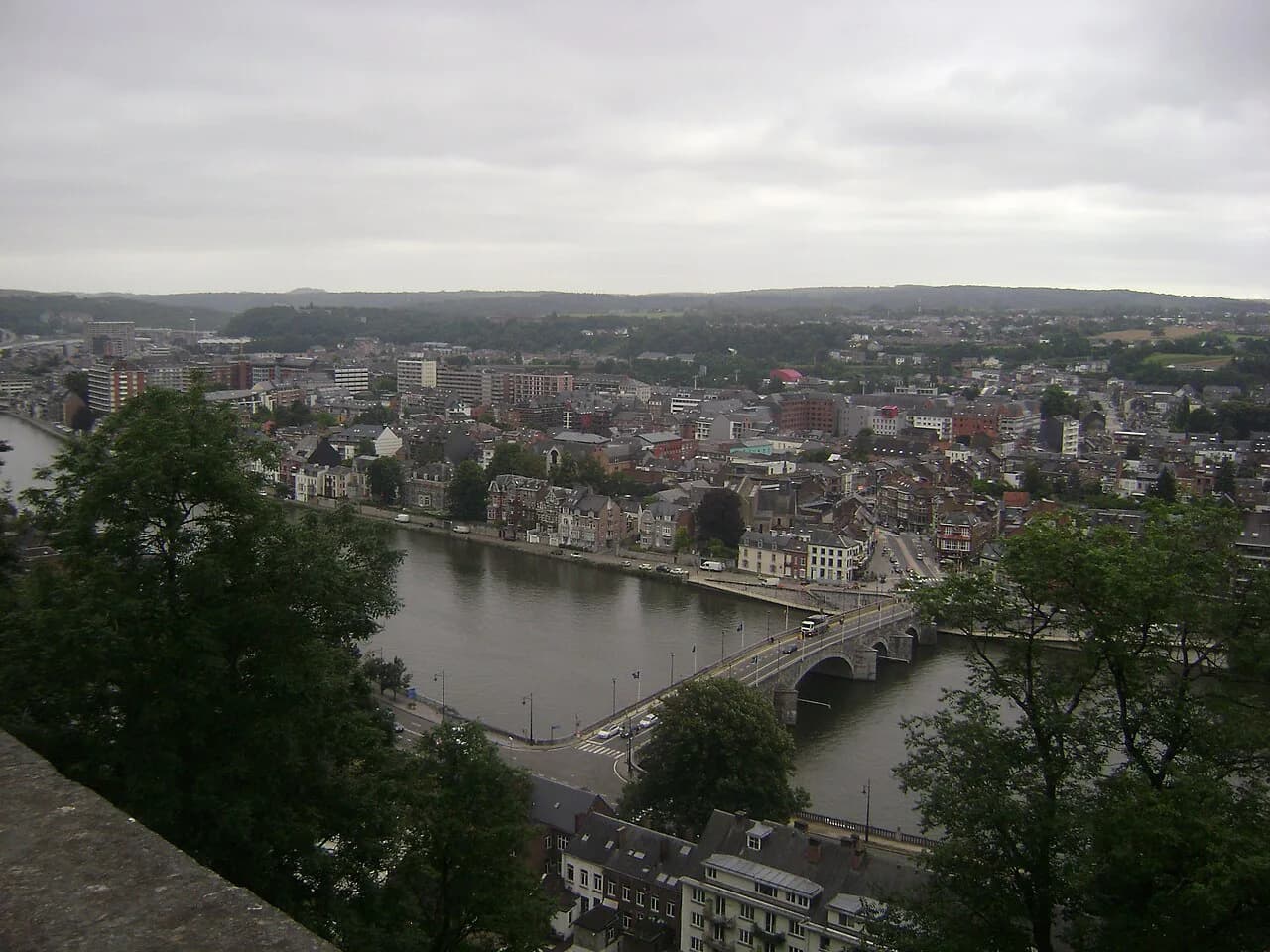
If you are coming from the north, La Roche-en-Ardenne makes a sensible overnight before Bastogne, and Dinant, with its citadel above the Meuse, works as the western bookend. Keep the driving days short and the museum days focused.
Should Bastogne be a stop or the reason for the trip?
Make Bastogne the reason for a two-day Ardennes stay if the 1944 offensive is what draws you to the region; make it a full-day stop if you are touring more widely. The War Museum, the Barracks and the Mardasson Memorial alone justify the journey.
Whichever you choose, build the day around one or two indoor sites and the outdoor memorials, and let the walking route carry you between them.
Explore more Belgium guides
Sources
Useful notes for your next trip
Optional updates to our guides.
You might also like
Continue reading
More guides you'll find useful