
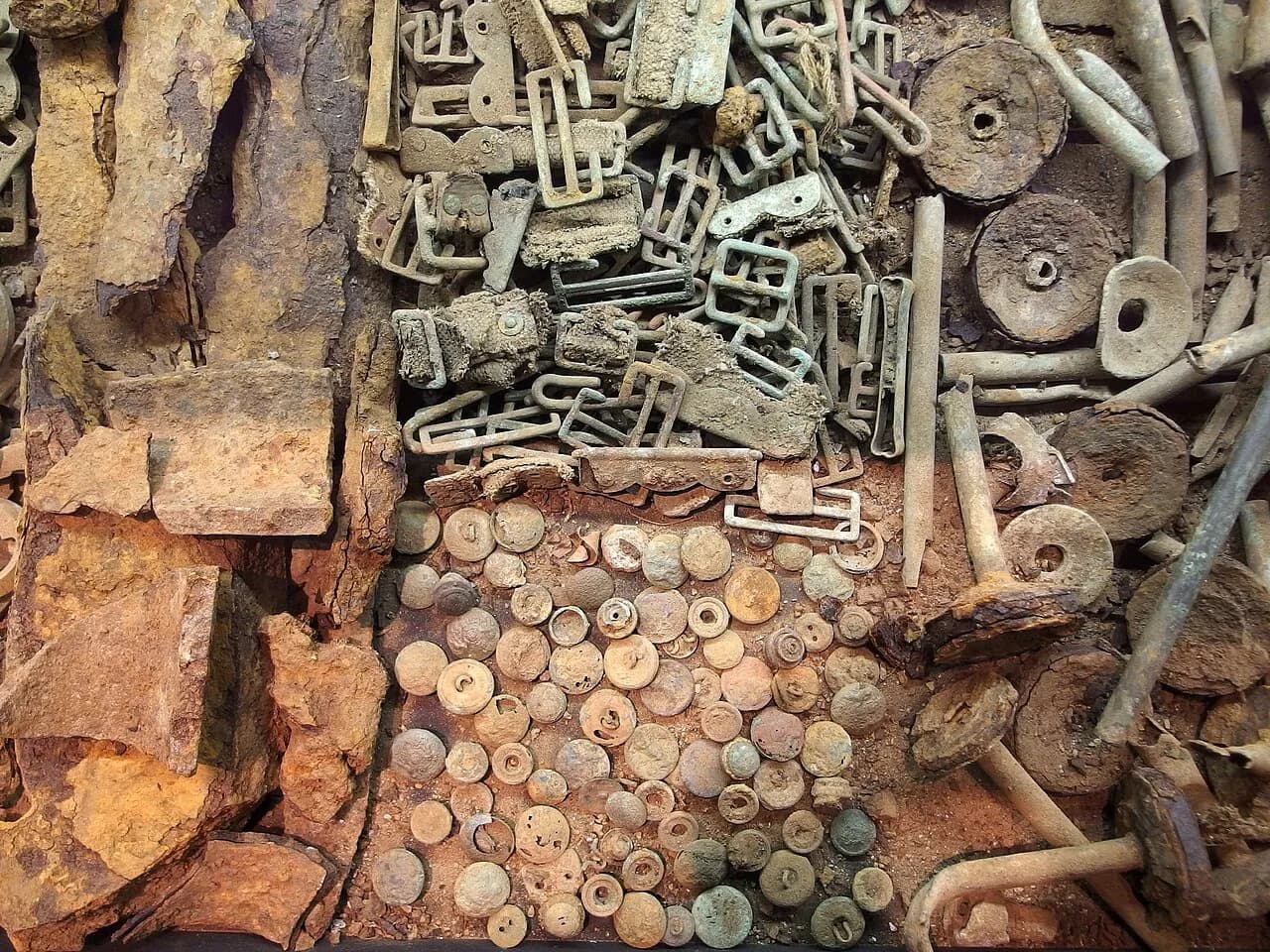
In Flanders Fields Museum, Ypres: What to See and Expect
Plan a visit to the In Flanders Fields Museum in Ypres: what the exhibition covers, the belfry climb, timings and tickets for this Cloth Hall museum.
On this page
The In Flanders Fields Museum is the reason most travellers give Ypres a full day rather than an afternoon. It occupies the Lakenhalle (Cloth Hall) on the Markt, and its exhibitions trace the First World War from 1914 to 1918 through the eyes of every side that fought here. This guide covers what you actually see inside, the optional belfry climb above the museum, what a ticket bought one visitor, and how to fit the Menin Gate ceremony into the same day.
Ypres is Ieper in Dutch, and the town you walk through is largely a 1930s reconstruction: Saint Martin's Cathedral, the Markt and the Cloth Hall were destroyed in the war and rebuilt in the 1930s. That context matters, because the museum sits inside one of the rebuilt landmarks it commemorates. For the wider picture of the battlefields, cemeteries and memorials around the town, the guide to WW1 sites Belgium is a useful companion.
Where the museum sits in Ypres
The museum is in the heart of the historic town, a short walk from the station and immediately recognisable by the Cloth Hall's long gabled front on the Markt. You enter the building and go up to the exhibition, which is laid out on the second floor. The setting is part of the point: the hall is one of the landmarks that was rebuilt after the war.
Allow the walk from the station as your orientation, since the route passes close to the Market Square and Saint Martin's Cathedral, both rebuilt in the 1930s. If you arrive by train, you can reach the museum on foot without needing any other transport.
What the exhibition covers
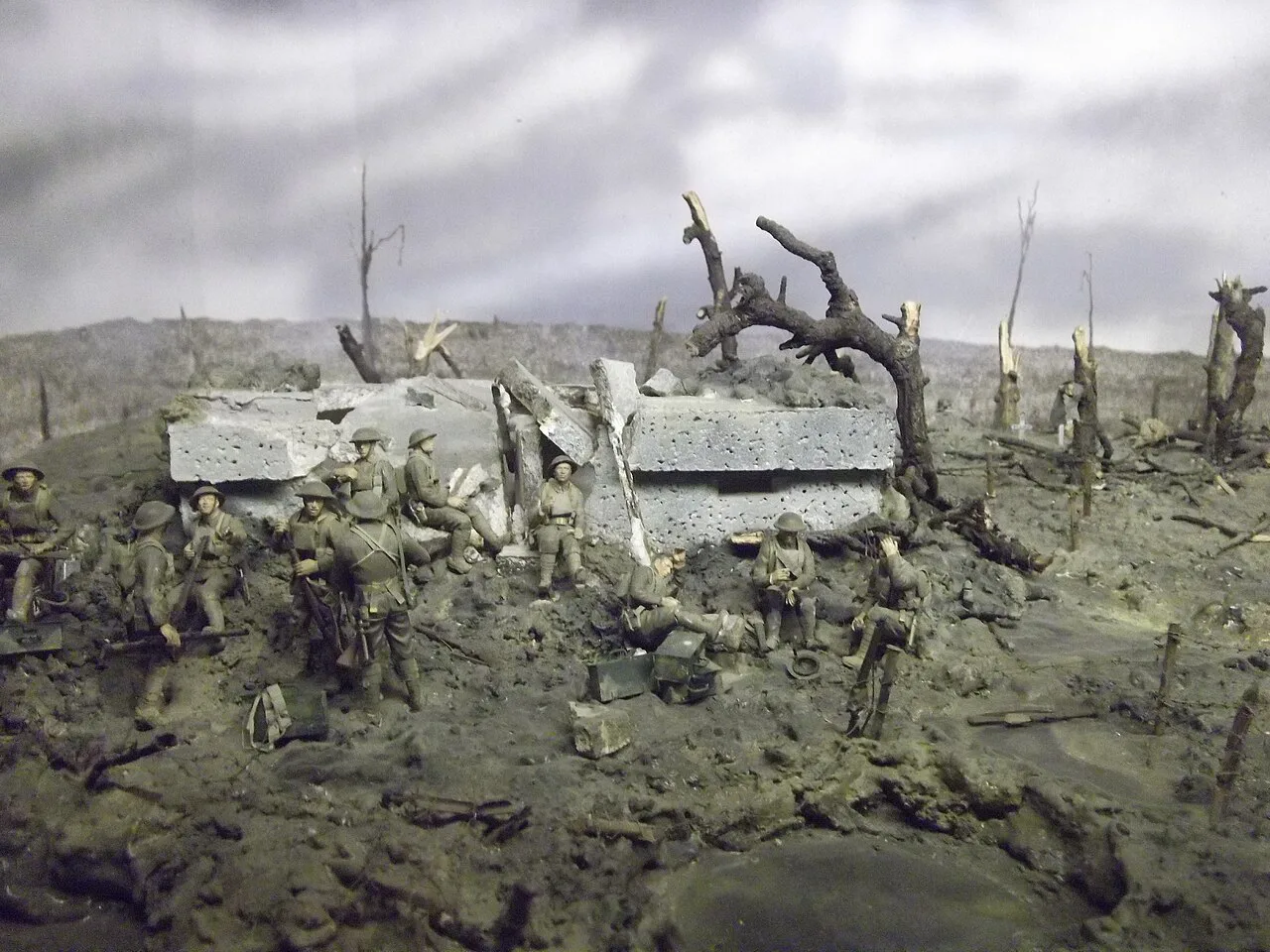
The permanent exhibition presents the war as a global conflict, with British, French, Belgian, German and Prussian forces all represented. Uniforms from different nations are displayed together to make the point that the war drew soldiers from far beyond Europe. The multi-national framing is what shapes a visit: it is not a single Allied narrative, and that is why the museum rewards a slower pace than its floor space suggests.
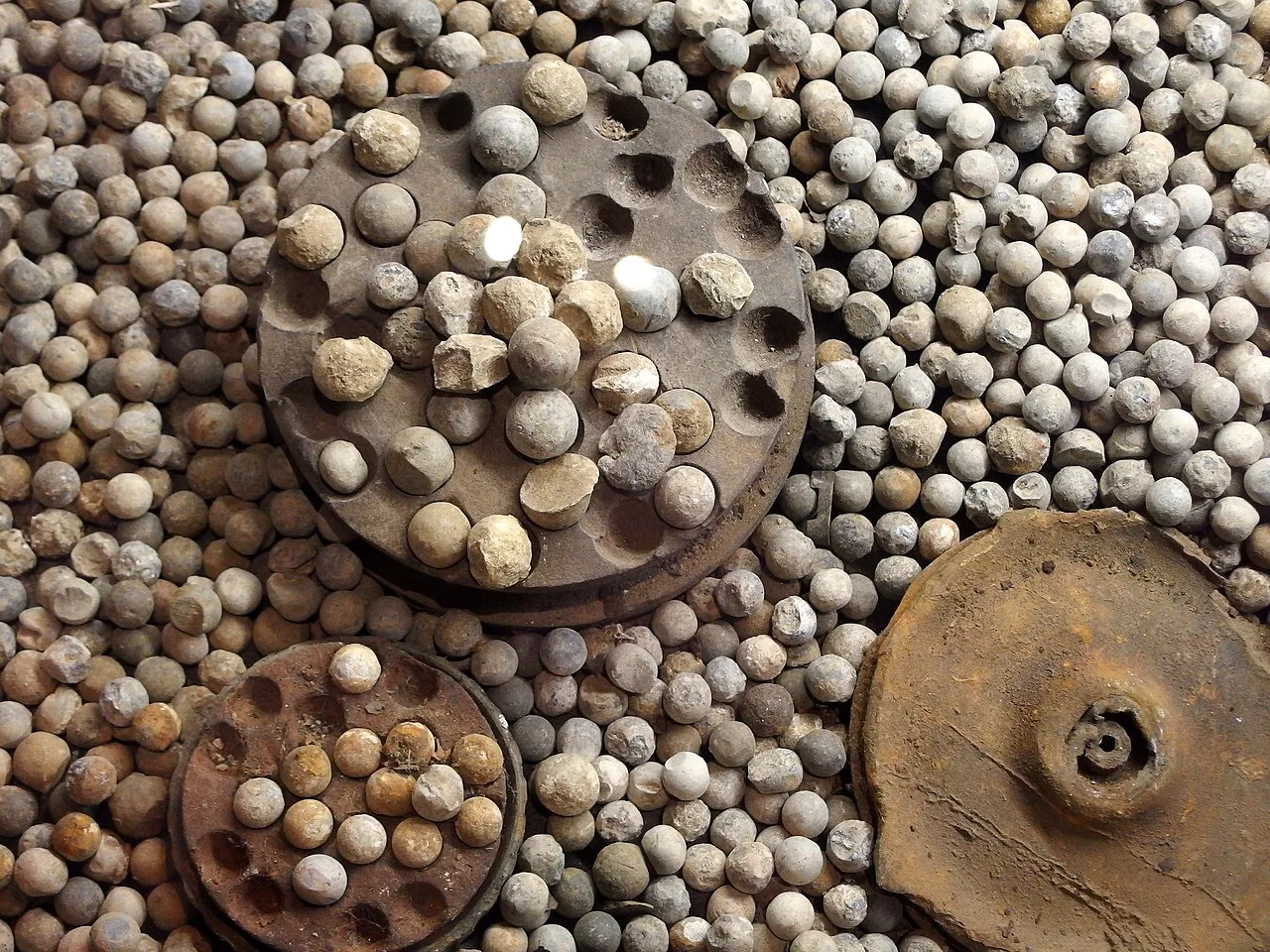
Displays combine photographs, artefacts and video, including film of enactments in which prisoners of war read out their letters home. Before-and-after photographs of Ypres are among the most affecting items, and a section on archaeological finds from the surrounding fields shows how much material still lies close to the surface. Family-oriented exhibits are built in for younger visitors.
How the displays are arranged and what to expect
The exhibition occupies one large open space, with subdued lighting that sets a sombre tone for the subject. It is divided into chronological blocks: the first, at the entrance, covers 1914 to 1916, and the second, at the far end of the room, runs from 1917 to the end of the war. Plan your route around those two halves rather than wandering, because the sequence carries the story.
An audio guide adds context to the objects and is worth taking if you want detail without reading every panel. The visit is emotional rather than interactive in tone, so build in a pause rather than trying to rush the whole floor before a timed belfry slot.
Tickets, timed entry and the belfry add-on
Booking a time slot online in advance smooths entry: one visitor who had done so paid on arrival after choosing the type of visit. That account, from a Sunday in summer, records 14.50 euros for a senior ticket, with 2 euros for the audio guide and a further 2 euros for the belfry. Treat those figures as an example of what one person paid rather than a current price list, and confirm the current rates when you book.
The same account notes that the museum opens daily from 10am, closing at 5pm on Sundays and 6pm on other days. Hours can change with the season, so check the museum's own site before fixing your day. The ticket desk lets you decide on the audio guide and belfry climb at the point of payment.
Climbing the Belfry
The belfry is a separate, optional climb rather than part of the exhibition, and it is the part of the visit most worth deciding on deliberately. The ascent runs almost 300 steps to a balcony above the clock, so it suits anyone comfortable with a long, enclosed staircase. From the top you look out over the fields around Ieper where the Western Front battles were fought, which is the reason to pay the supplement.
The tower holds a carillon of 49 bells, and timing your climb for a recital adds another dimension to the view. Going up first and descending into the museum afterwards is a sensible order if you want the landscape in your head before the exhibition.
How long to allow and pairing it with the Menin Gate
Two to three hours covers the exhibition at a reasonable pace. That leaves room to walk the Markt, see Saint Martin's Cathedral and still be in place for the evening ceremony.
The Menin Gate (Menenpoort) is a short walk from the Cloth Hall, and the Last Post ceremony has been held there since 1927. The gate commemorates soldiers killed in the war whose bodies were never recovered, and their names line its walls. Keep the tone quiet and respectful.
The gate is a memorial, not an attraction, so treat the visit as a commemoration rather than a photo stop.
The wider battlefields around Ypres
The fields and memorials that give the museum its name lie in the flat landscape outside the town. The story behind the poem, and the ground it describes, is set out in the guide to Flanders Fields, which helps you connect the exhibition to the places themselves.
If you have a car or join a tour, the Commonwealth War Graves Commission cemeteries are the natural next stop, and the scale of Tyne Cot makes it the one most visitors prioritise. Smaller sites such as Essex Farm cemetery and Lijssenthoek military cemetery each add a different perspective. A wider survey of WW1 cemeteries in Belgium helps you choose which to include in a short trip.
Behind the lines, Talbot House in Poperinge offered soldiers a place to rest away from the front. On the German side, the Vladslo German cemetery and the Grieving Parents figures by Käthe Kollwitz give a counterpoint to the Commonwealth cemeteries and round out the museum's multi-national view of the war.
Should you add the belfry climb?
Yes, if the weather is clear and you can manage almost 300 steps: the view over the former front line turns the exhibition's maps into real ground. Skip it if time is short or you are saving your legs for the battlefields, because the museum alone justifies the trip. Either way, book a timed slot, take the audio guide, and plan the day so the Last Post at the Menin Gate is your close.
Sources
Useful notes for your next trip
Optional updates to our guides.
You might also like



Continue reading
More guides you'll find useful





