Antwerp in Autumn: What September to November Is Like
Plan an autumn city break in Antwerp: how the season shifts from September to November, wet-day indoor stops and how to pace one to three days.
On this page
Antwerp repays a short autumn break most when you treat the season as a planning problem: three days is comfortable, two covers the centre well, and one day works only if you stay close to Het Steen and the Meir. Between September and November the city moves from mild outdoor weather to shorter, wetter afternoons, so the winning tactic is to keep a wet-day option in reserve rather than fill every hour. This guide sets out how the season shifts, which sights cope with rain, and one, two and three-day outlines.
What autumn in Antwerp is like
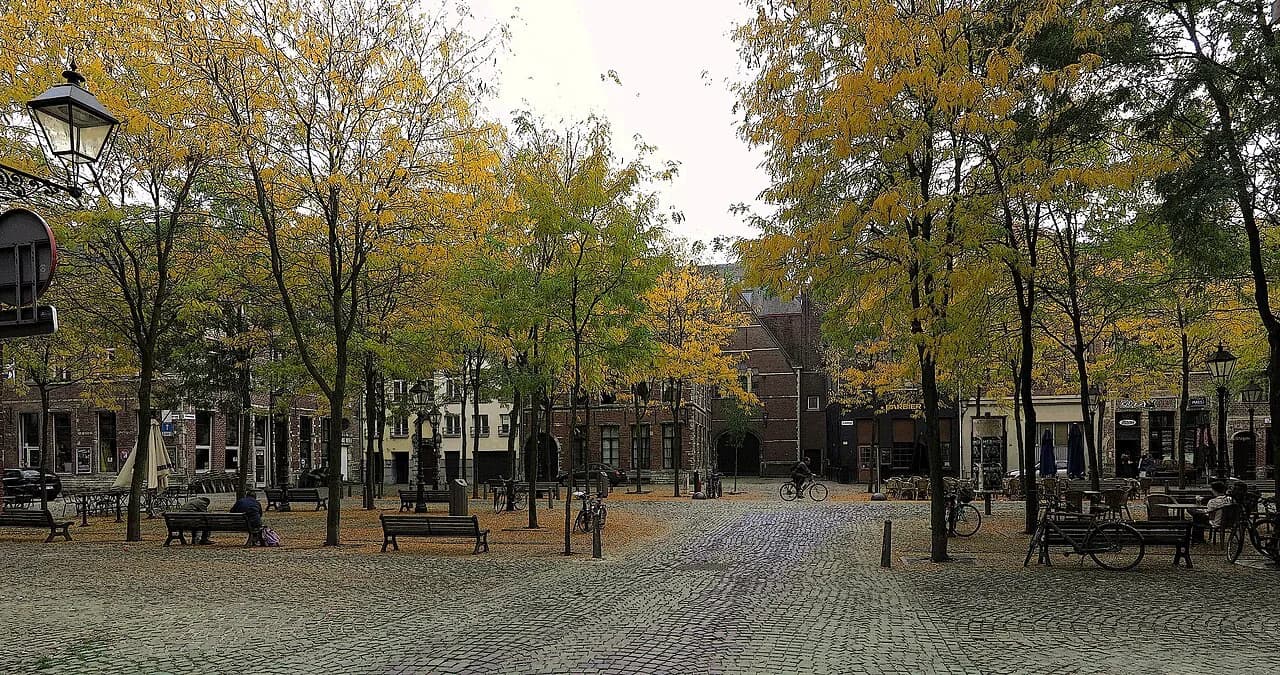
Autumn in Antwerp (Antwerpen) spans roughly September to November, and the three months feel quite different. Early September still carries long daylight and warm-enough spells that keep café terraces and the Scheldt quays comfortable, while late October and November bring shorter afternoons, wetter days and the pull of indoor rooms. That makes September and early October the best time to visit if you want dry walking and outdoor views, with November rewarding travellers who prefer museums over squares.
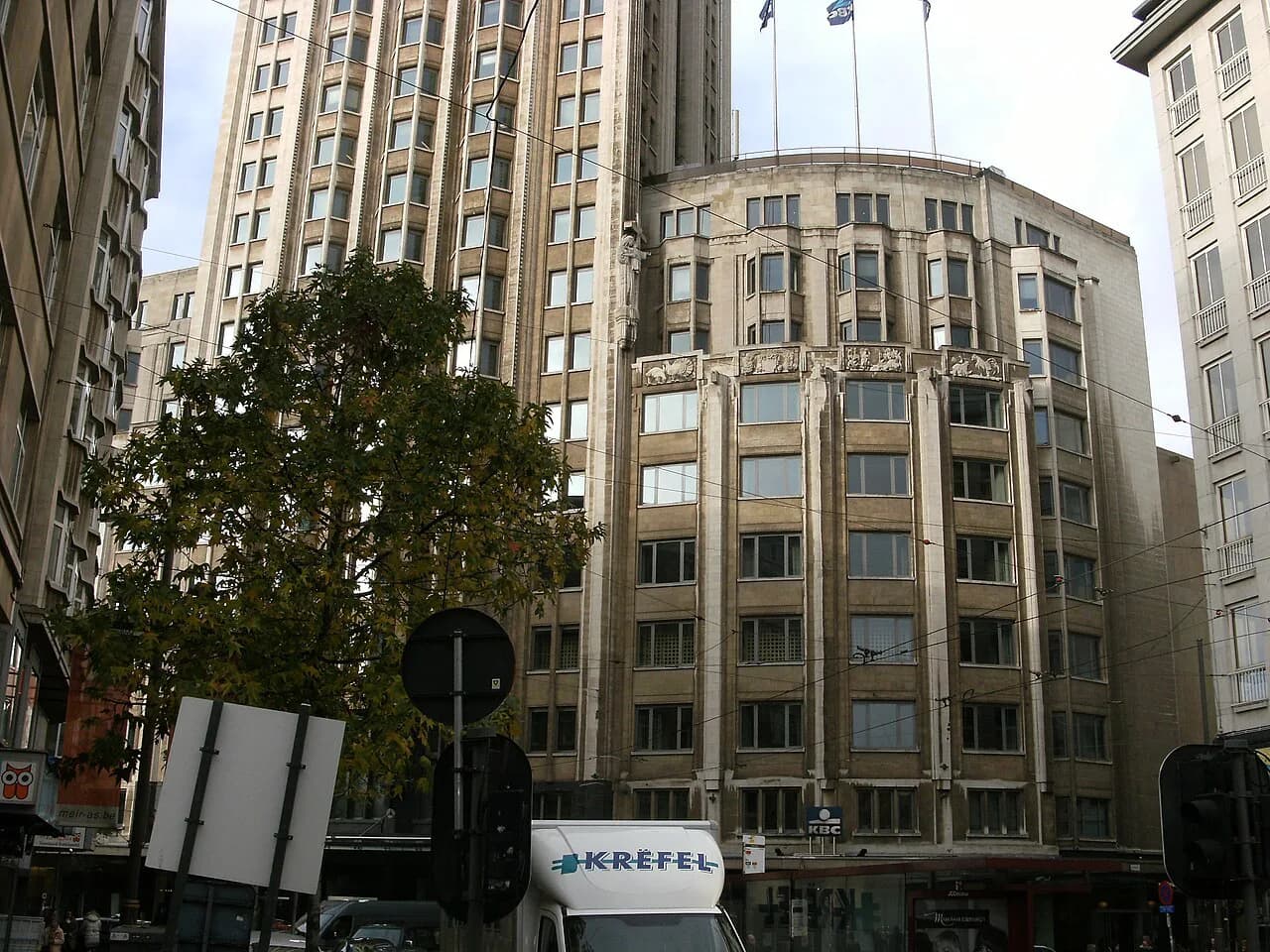
Treat any autumn description as qualitative rather than a forecast: the season is defined by changing light, falling temperatures and more frequent rain, not by fixed figures. A grey, damp October morning is part of the autumn reputation, and a wet afternoon can start on the Meir, one of the city's main shopping streets, lined with baroque buildings. If you need exact monthly temperatures and rainfall, check a climate table for Antwerp before you book.
How many days you need in autumn
Two days is the honest minimum for a first autumn visit: enough for Het Steen, the Grote Markt and cathedral quarter, one big museum and a riverside evening, with slack to reshuffle if rain sets in. Three days lets you absorb a wet afternoon without dropping anything and adds a district outside the core, which is where the season's short daylight matters least. A single day works for a repeat visitor who picks two or three nearby sights and stays in the centre.
Pace autumn days around the light rather than a fixed timetable: put outdoor walking, market browsing and square-hopping in the brighter middle of the day, and hold museums, churches and shopping for late afternoon when the light fades. Building one indoor and one outdoor option per day costs nothing and saves an afternoon. It is the simplest way to avoid standing in a queue for a museum you did not want while the rain stops.
Start at Het Steen: visitor centre, The Antwerp Story and the roof terrace
Het Steen is the sensible first stop of any autumn trip. The oldest building in the city now holds a visitor centre with information on walks, attractions and things to do, so you can book a guided walk or pick up a map before committing to a route. It also sells the Antwerp City Pass and Museum Pass, which give free entry to all the museums, so a wet forecast is the moment to buy one rather than wait.
On the next floor, The Antwerp Story introduces the city's history, districts, museums and residents through screens, holograms and models of buildings you will later see in the flesh. For a short autumn break it is an efficient orientation, and children get something interactive; allow a short visit rather than a whole morning. Then head up to the panoramic roof terrace, which gives a wide view over the city, the port and the Scheldt.
Indoor museums and churches for wet afternoons
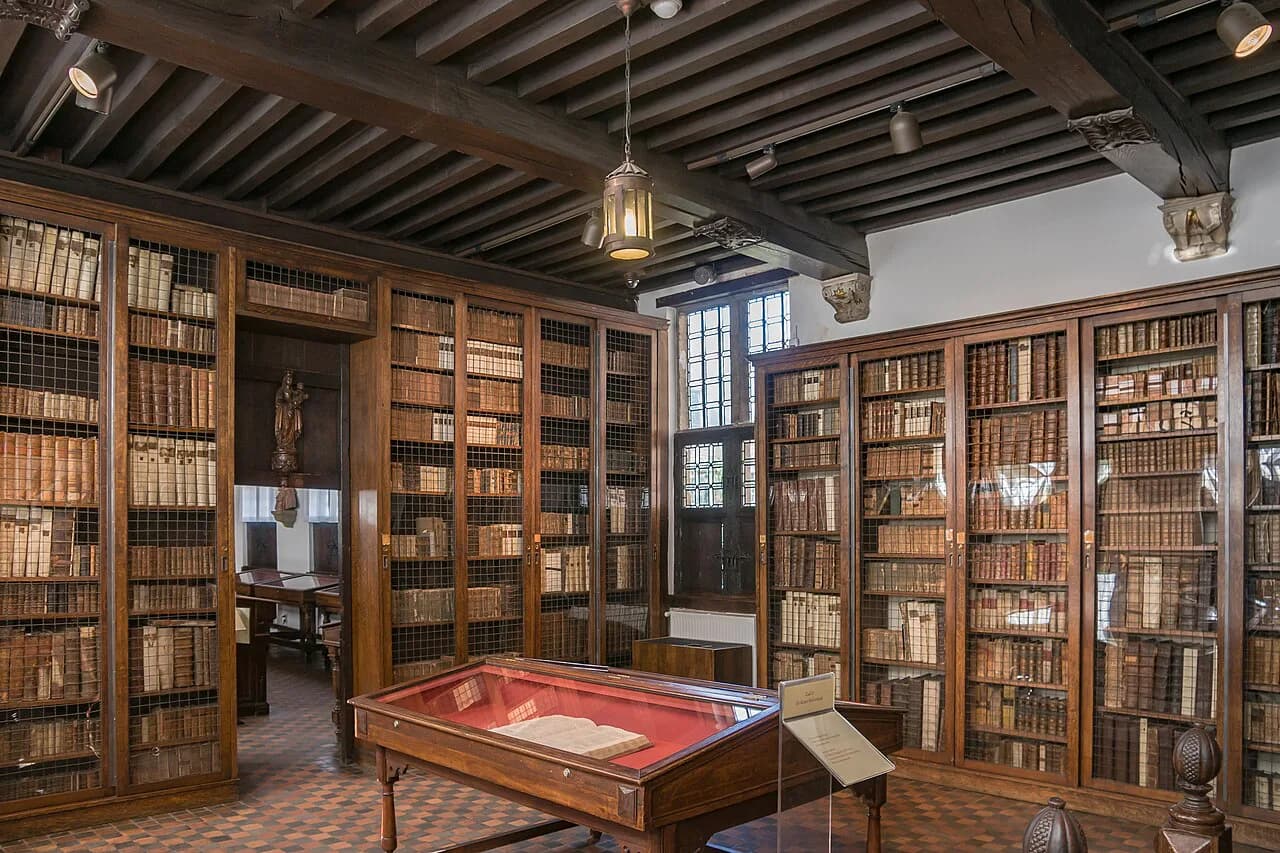
When rain settles in, the museum quarter and the cathedral end of town carry a whole afternoon. The Antwerp City Pass or Museum Pass from Het Steen covers all the museums and removes the decision-making when you are standing in a doorway watching the weather, and it makes a wet afternoon straightforward: pick one museum, go in, and come out when the shower has passed.
The Meir and Nationalestraat sit close enough to the historic centre to serve as a dry-ish walking route between indoor stops, so a wet day can be stitched together from shops, a museum and a church without crossing the city. Keep one substantial museum as the anchor of the day and treat everything else as optional, so a single long shower does not derail the plan.
The Meir and Nationalestraat: shopping streets for a cooler day
Antwerp's fashion reputation is a genuine autumn asset, because browsing replaces sitting outdoors. The Meir runs the big chains through the baroque-lined heart of the city, while the creative boutiques and iconic designers cluster on Nationalestraat in the fashion district. Pair the two on a cooler, overcast day when a walk between shops is welcome but a long park bench is not.
If fashion is the point of the trip, this is where to spend a morning. The shops are a short walk apart, so a rain shower costs you a doorway rather than a taxi. The autumn angle is practical: heavier clothing and knitwear fill the rails, matching the season you are walking through, and if you would rather plan a warmer-weather visit, the city has a separate character in Antwerp in April.
Autumn food and drink: comfort food, beer cafés and chocolate shops
Cold weather pushes the day towards warm food, and Antwerp has well-known comfort stops. Supersoep serves big bowls of fresh soup for a quick warm-up, while game restaurants put autumn on the plate with stews. For something slower, Domestic serves afternoon high tea with scones, sandwiches and sweets in gold or powder-pink surroundings, a good fit for a wet afternoon.
Belgian beer belongs in an autumn break as tasting rather than nightlife: a beer café in the early evening gives you a warm room, a short list of local styles and no need to stay out late. Keep chocolate for a mid-afternoon purchase, when a small box travels home better than a warm-weather souvenir. Both fit the season's rhythm of shorter outdoor spells and longer indoor ones.
An evening plan: sunset from the Het Steen roof terrace, then a film at Cartoon's
Autumn's early sunset is an advantage if you use it deliberately. The panoramic roof terrace at Het Steen looks over the city, the port and the lights of the Scheldt, and the sun sets everywhere, but along the water it is more romantic. Go up as the light drops, then walk into town rather than heading back to a hotel.
Cartoon's, described as the cosiest cinema in town, shows documentaries, modern classics and world films in an authentic setting, which suits a dark autumn evening better than a long outdoor walk. Afterwards, Bar Kino next door takes the discussion over a cocktail, drink or snack. The whole sequence works without daylight and gives a wet day a satisfying close.
One, two and three-day autumn outlines
One day: start at Het Steen for the visitor centre and The Antwerp Story, climb to the roof terrace, walk the Grote Markt and cathedral quarter, then use the Meir for shopping or a museum if it rains, finishing at the Het Steen terrace for sunset. Two days: the same first day, then give day two to a museum and Nationalestraat, with a beer café in the early evening. Three days: add a district beyond the core, such as Zurenborg or the area around the new Zuidpark, on the driest morning of your stay.
If your dates fall in a settled spell, swap the indoor anchor for outdoor wandering and keep the museum as the fallback. The outlines are shapes, not timetables, so move blocks between days as the forecast shifts, and check the calendar for Antwerp festivals if a fixed date anchors your trip. Autumn rewards that flexibility more than any other season.
What changes in the last week of October and into November
The clocks change at the end of October, and the effect on a city break is immediate: afternoons shorten fast, so outdoor plans need to start earlier and the evening arrives while you are still sightseeing. November is the month to lean on Het Steen, museums and churches, with shopping streets filling the gaps between showers. Light outdoor spells become the exception rather than the plan.
November also shifts the value of a fixed plan: with fewer daylight hours, a single wasted morning hurts more, so decide the night before which sight gets the brightest window. Keep the roof terrace for any clear late afternoon, because the view is the one thing weather can cancel. Everything else in the city works in the rain.
Which autumn days should you book?
Book September or early October if you want walking, terraces and a sunset on the Scheldt, and late October or November if you prefer museums, soup and early cinema. Whichever you choose, give the trip two days and keep one indoor option per day. Het Steen is the fixed point: buy your pass there, see The Antwerp Story, and use the roof terrace whenever the sky clears.
Explore more Antwerp guides
Frequently Asked Questions
Is three days in Antwerp too long in autumn?
No. Three days gives you room to absorb a wet afternoon without dropping a sight, and lets you add a district beyond the historic centre. Most first-time visitors are comfortable with two, but three is the more relaxed choice in November, when daylight is short and outdoor plans need a dry window.
Which is nicer in autumn, Bruges or Antwerp?
They suit different trips. Antwerp is the larger city, with the fashion district, a broad museum offer and the Scheldt waterfront around Het Steen, which gives more indoor options for a wet day. Bruges is smaller and more canal-led, so rain affects the day more. Choose Antwerp for a mixed city break and Bruges if you want compact, walkable scenery.
Does Antwerp get crowded in autumn?
Autumn sits outside the main summer peak, so the centre is generally calmer than in July and August. Wet weekends still fill the obvious indoor stops, so start at Het Steen early, take the orientation visit and the roof terrace first, and leave the big museum for the afternoon.
Sources
Useful notes for your next trip
Optional updates to our guides.
You might also like
Continue reading
More guides you'll find useful