Museums in Antwerp: Which Ones Are Worth Your Time
Antwerp's museums range from the MAS tower to Middelheim's sculpture park. Here is what each holds, how long to allow and which to pick for a short break.
On this page
Antwerp's museums fall into three useful groups, which makes choosing easy. The MAS covers the city, its port and its people; the Middelheim Museum is an open-air sculpture park; and the historic houses hold printing and old-master heritage. This guide explains what each collection actually contains, how long to allow, and how to slot a museum into a day that also takes in the Grote Markt, the Vleeshuis and the Antwerp cathedral.
A one- to two-day break usually stretches to one big museum plus a walk; three or four days lets you add the sculpture park and a second collection. Antwerp (Antwerpen) is compact enough to walk between the old centre and the museum quarter, and the museum visits below sit naturally alongside the architecture of the old town.
What Antwerp's museums cover
Three collections carry most of the weight for a short visit. The MAS treats the city, its river and its port as one story, told across themed floors. The Middelheim Museum takes sculpture outside, setting it among trees and lawns. The Plantin-Moretus and Rubens houses hold the printing and painting heritage that made Antwerp a European art capital in the sixteenth and seventeenth centuries.
The result is that you can match a museum to your interest rather than to a ranking. Ports and trade point to the MAS; modern sculpture to Middelheim; old masters and craft to the historic houses. Allow a half-day for the MAS or Middelheim and a couple of hours for the smaller houses, then check each museum's own site for the day's opening before you set out.
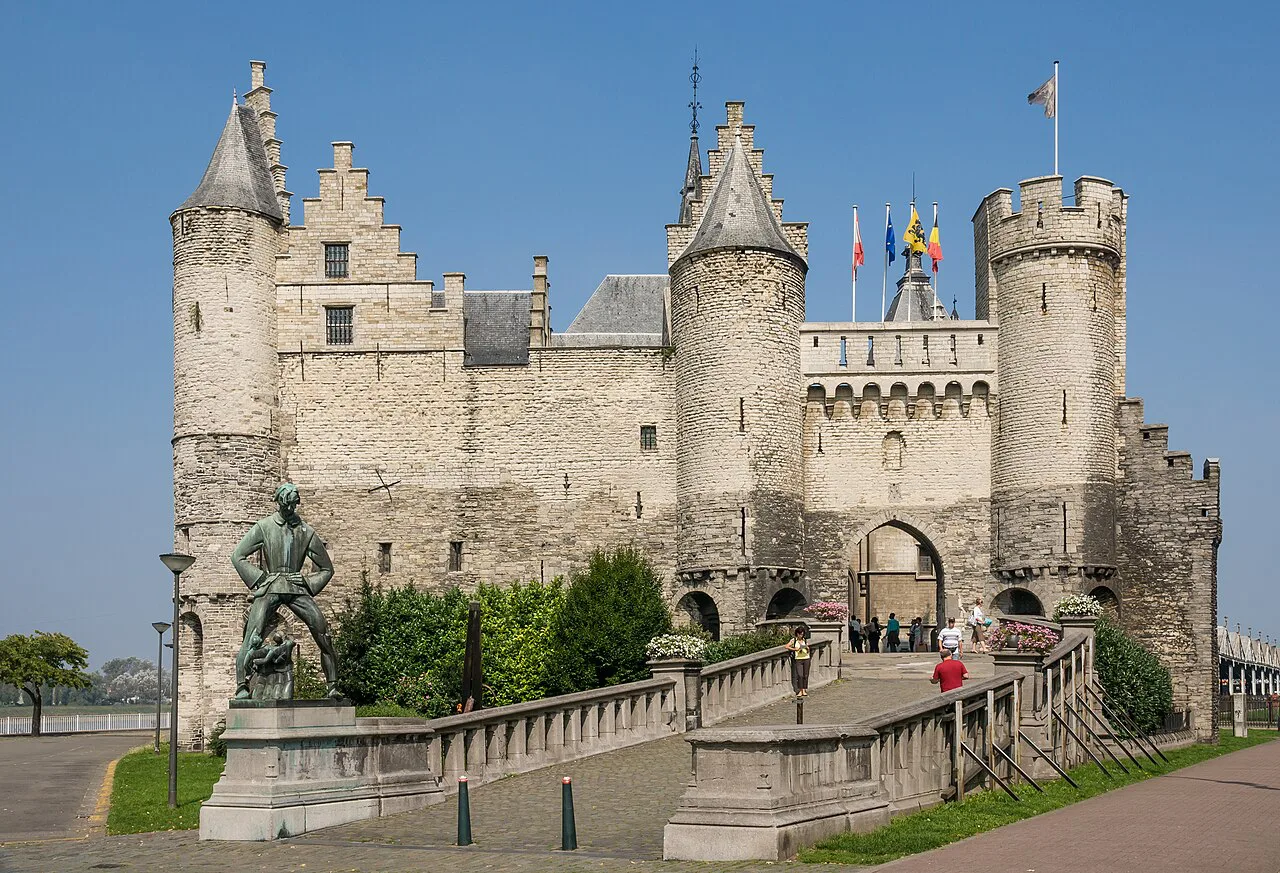
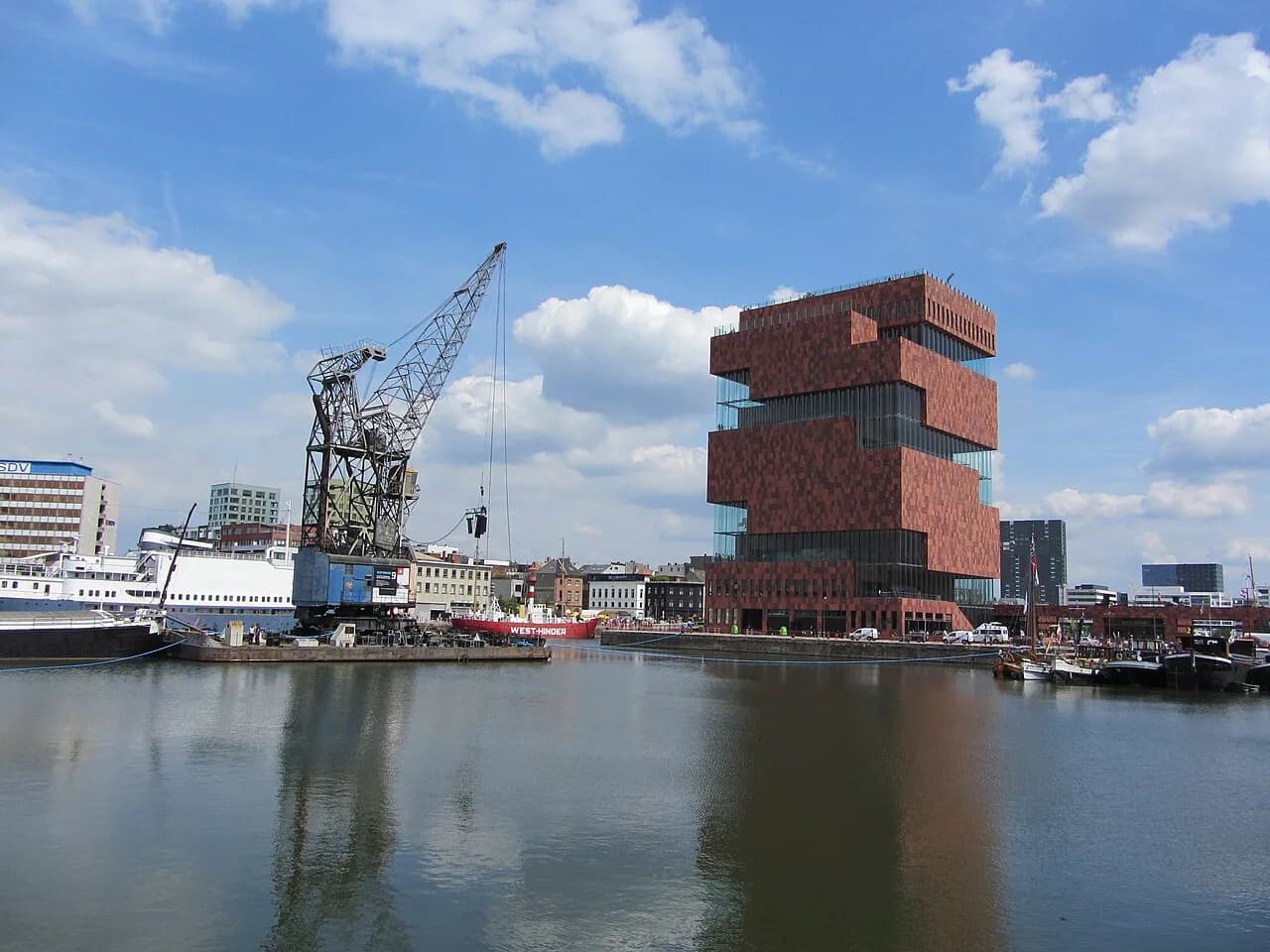
The MAS: the red sandstone tower on Hanzestedenplaats
The MAS, or Museum aan de Stroom, stands on Hanzestedenplaats by the old docks, a short walk north of the cathedral quarter. Its floors are given over to the city's relationship with the river, trade and the wider world, with a large collection behind the displays. Plan on two to three hours if you read the labels, less if you move quickly.
Its position at the water's edge makes it a natural stop on a walk that connects the historic centre with the docks. Pair it with the Antwerp architecture of the old town for a day that moves from medieval streets to the modern waterfront.
What is on display at the MAS
The permanent displays are named, which helps you decide whether the tower is your reason to climb. City at War covers Antwerp between 1940 and 1945, using personal stories and objects to make the occupation and persecution tangible. Antwerp à la Carte traces how food has shaped the city's map from the sixteenth century onward, and Freight, on the sixth floor, follows the port, its people and its cargo.
Art of America presents the Paul and Dora Janssen-Arts collection of pre-conquest American art, a world-famous assembly of objects about gods, ancestors and spirits. The visible storage areas, including Living Collection, Living Traditions, carry free entrance according to the museum. Treat anything with a date on it as scheduled programming and confirm the day you plan to visit.
Temporary shows come and go. Martial Arts opened in April 2026 and runs to late November 2026, drawing on kickboxing, karate, capoeira and kung fu. Earlier port-themed displays have closed, so check the museum's own listing rather than assuming a favourite exhibition is still up.
The MAS building is a landmark in its own right, and the surrounding docks reward a slow walk. If you want more covered options for a wet afternoon, the city has several collections within a short distance of each other.
The Middelheim Museum: sculpture in the open air
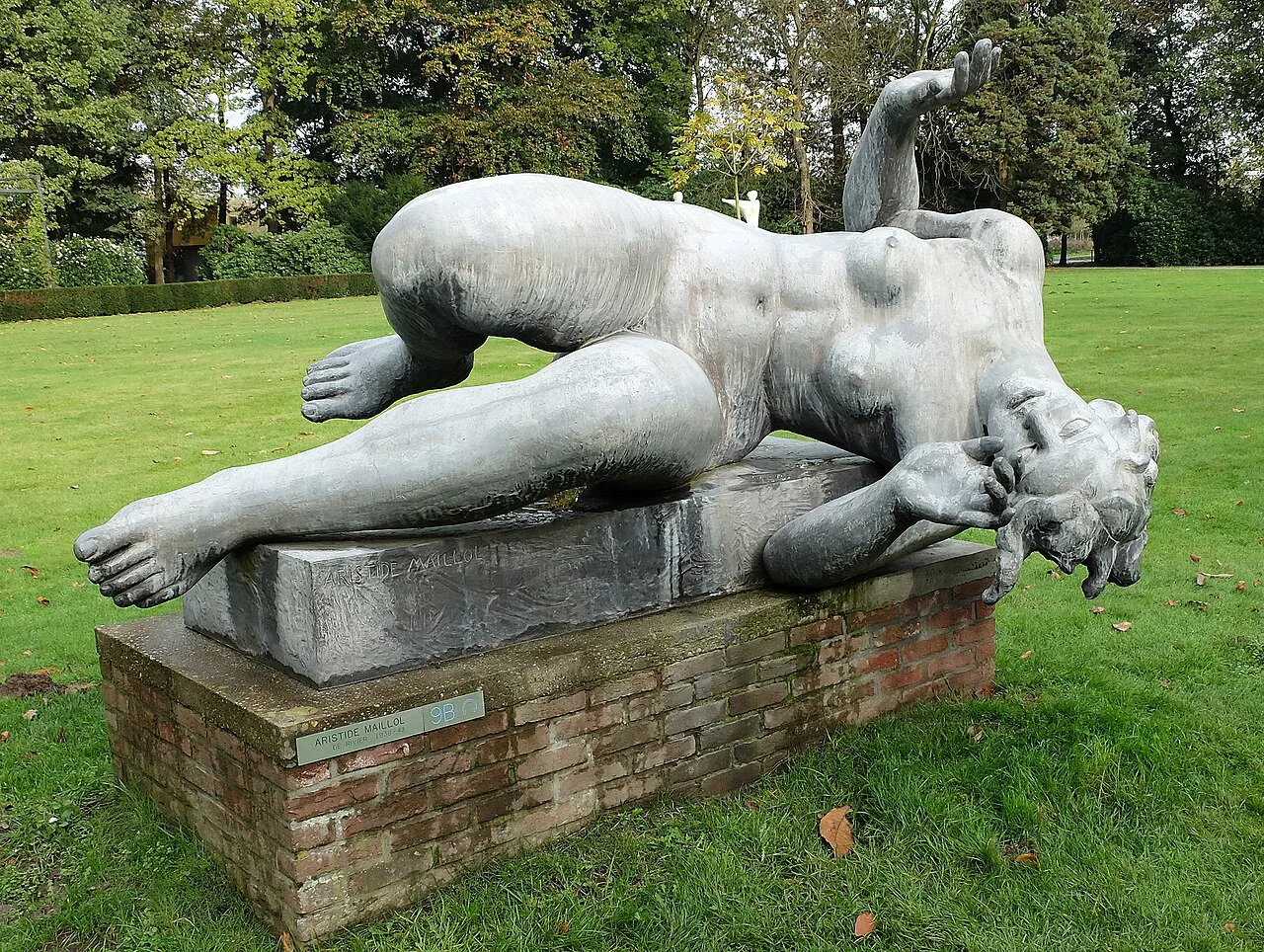
The Middelheim Museum is a sculpture park on Middelheimlaan, south of the centre, where art and landscape are presented together. The collection is shown thematically rather than chronologically, with works placed so that they converse with the trees, lawns and with each other. Allow at least two hours to walk it properly, and wear shoes that cope with grass and gravel paths.
The museum also manages the Antwerp Public Art Collection, the city's public artworks beyond the park. If you enjoy sculpture in the streets, this link makes Middelheim the key to a wider trail through Antwerp.
In 2024 the park collaborated with the art centre De Singel on Come Closer, an exchange between sculpture and performance involving around 25 artists. That project has finished, and the park's permanent thematic presentation is what a visit centres on.
How to move through Middelheim
The park's sculptures are grouped into four themes: Motion, Human Nature, Urban Nature and Entanglement. Each zone sets out a different relationship between people and the natural world, which gives you a route rather than a list of isolated works. Walk the zones in order and the park reads as a single argument about how sculpture sits in landscape.
That structure is the practical advantage for a short break: you can see one or two zones in an hour if time is tight, or the whole park if you have a morning. The museum's own plan lists the works in each zone, so use it to navigate rather than trying to follow a fixed trail.
Plantin-Moretus and the Rubens House: printing and old masters
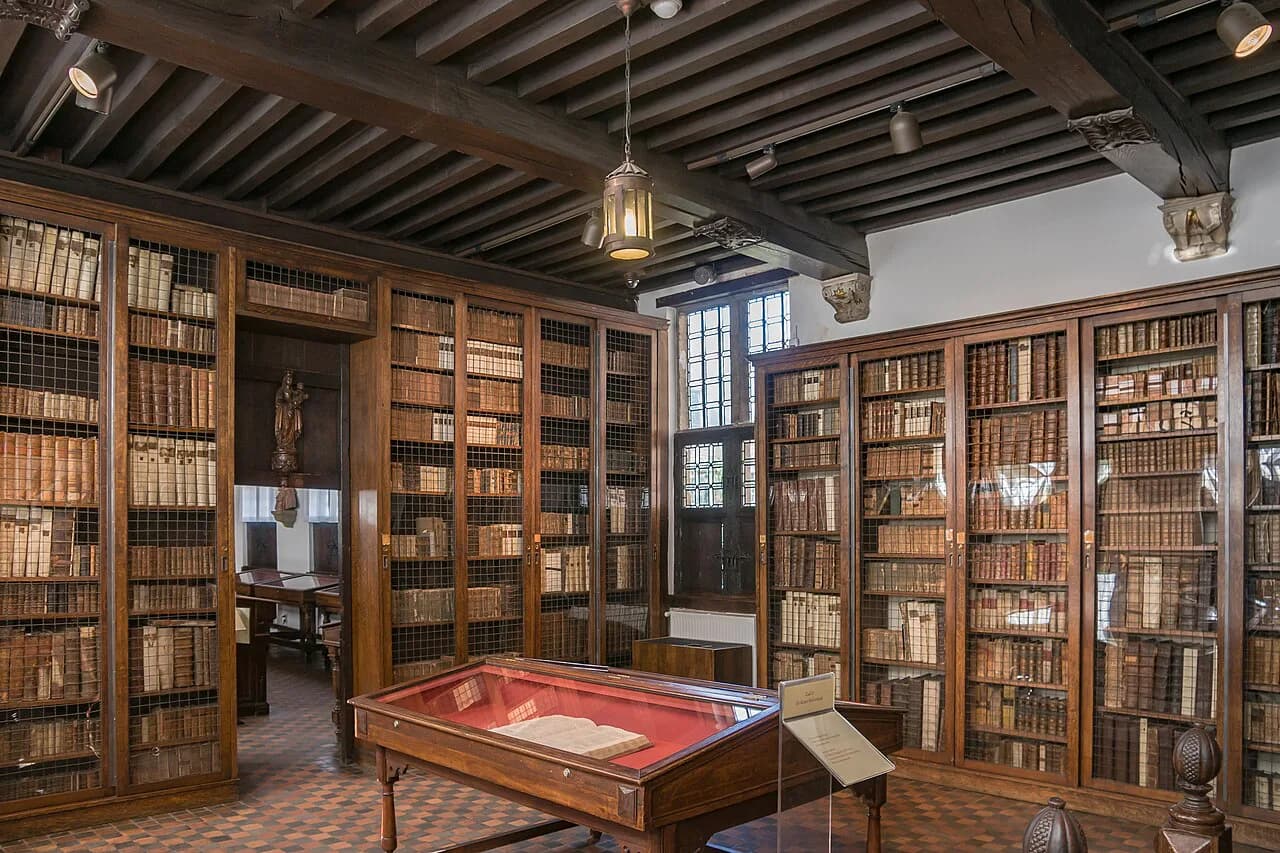
The Museum Plantin-Moretus holds Antwerp's printing heritage, and in autumn 2024 it hosted States of Imagination, an exhibition on James Ensor's experiments with etching. The show brought together preparatory drawings, copper plates and rare prints on old paper, parchment and coloured silk. It has closed, but it shows the kind of graphic work the collection supports.
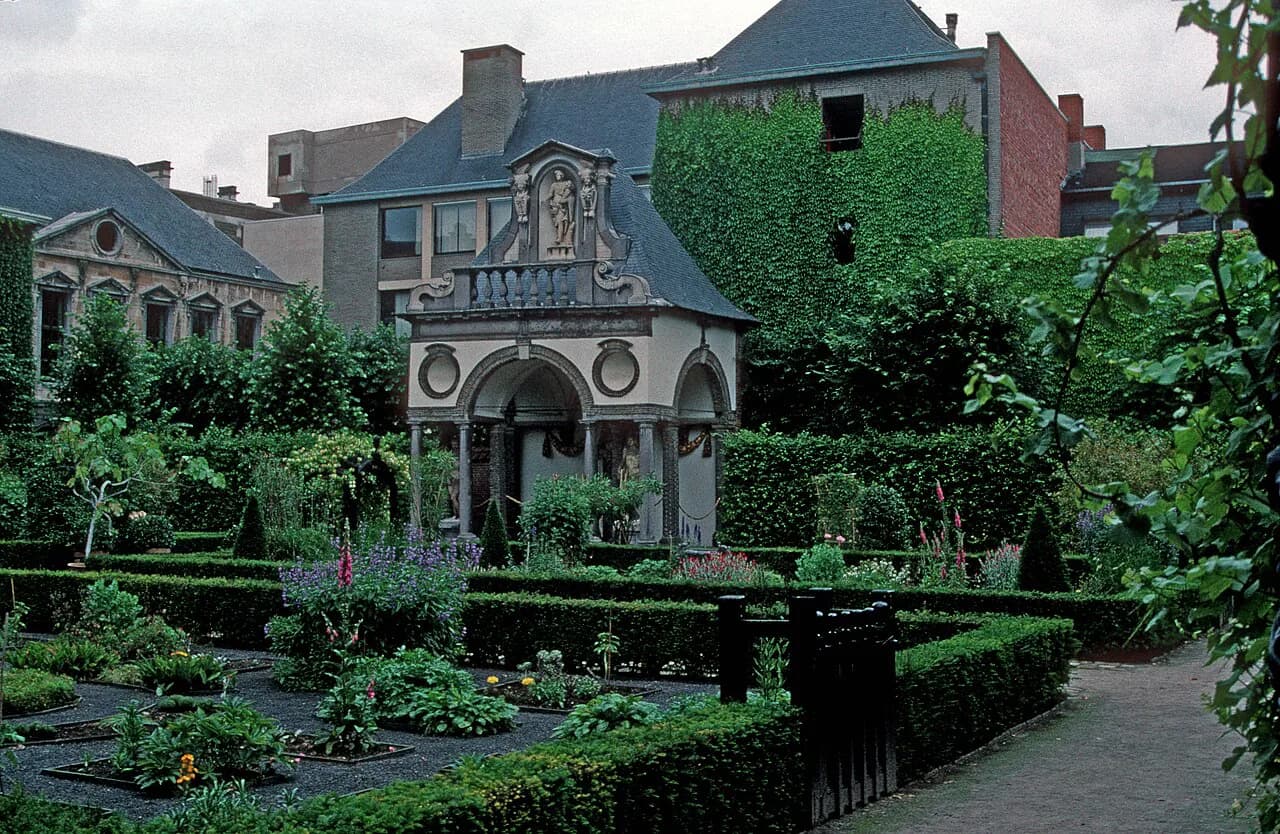
The Rubens House was under renovation through 2024, when a new reception building and a Baroque garden opened, but the house where Rubens lived and worked remains closed for renovation. Treat the house itself as unavailable and the garden and reception building as the accessible element. The artist is the reason Antwerp's old-master reputation carries weight: Rubens, along with Ensor, is the name most associated with the city.
For the broader story of how Antwerp became this kind of city, the trading past behind its squares and guildhalls is worth reading before you go.
Which museum suits a short break and which rewards a longer stay
With a day and a half, choose the MAS for the city and port story, then walk the old centre. The tower gives you context for everything you see afterwards, from the river to the docks, and it sits close enough to the cathedral quarter to combine both in one day.
With three or four days, add Middelheim. It is the opposite experience: outdoors, slow, and best in decent weather. A morning in the park followed by an afternoon of old-town sights makes a balanced day, and the city's art galleries offer a third option if you want more contemporary work.
For comparison across the region, the museums of Liège and Bruges show how differently Belgian cities tell their own stories, from the Grand Curtius collections to the Museum Sint-Janshospitaal. Antwerp's strength is the way its museums are tied to the river and to trade.
Pairing sights with museums in a single day
Start at the Grote Markt, where the guildhouses frame the square, then walk to the cathedral. A museum in the afternoon completes the pattern: the MAS to the north, or the printing houses in the old centre. The whole loop is walkable, and the Antwerp Attractions hub maps out the other sights nearby.
The Vleeshuis, the old butchers' hall, sits among these streets, and the cathedral towers over them. Build the day around one museum rather than three; Antwerp rewards a slower pace, and the walk between sights is part of the point.
If you are comparing Belgian cities for a museum-led break, Bruges offers a different set of collections in a smaller centre. Use the comparison to decide how many days each city needs rather than trying to see both in one trip.
Which Antwerp museum should you book first?
Book the MAS first if you want to understand Antwerp as a port city, and Middelheim first if sculpture in the open air is your priority. The printing and Rubens houses suit anyone with a specific interest in old masters or craft. Whichever you choose, place it inside a walking day through the old centre.
Explore more Antwerp guides
Frequently Asked Questions
Who designed the MAS in Antwerp?
The museum does not name an architect in its own visitor information, so it is best to check the building's own interpretation before crediting a designer.
Is the MAS rooftop free?
The museum does not state that the roof is free or open without a ticket. Check its plan-your-visit page before relying on a rooftop stop.
What is a must-do in Antwerp alongside the museums?
Walk the Grote Markt and the cathedral quarter, then take in the riverfront near the MAS. The old centre and the docks together explain the city better than any single collection.
Sources
Useful notes for your next trip
Optional updates to our guides.
You might also like
Continue reading
More guides you'll find useful