Indoor Activities in Antwerp: What to Do When It Rains
Rainy day in Antwerp? Head for the KMSKA, the underground channels of De Ruien, the Nottebohmzaal library or The Antwerp Story inside Het Steen.
On this page
For a wet day in Antwerp, the strongest indoor shortlist is the KMSKA for Flemish masters, De Ruien for the covered water channels under the streets, and the Nottebohmzaal library interior. Add The Antwerp Story inside Het Steen as an introduction to the city, and Cinema Lumière or Cartoon's if you want to sit out an afternoon in the dark. This guide sets out what you actually see at each, roughly how long it takes, and how to pair two or three without criss-crossing the centre.
The advantage of Antwerp is geography: the historic core is compact, and several of these places sit within a short walk of each other, so a shower costs you minutes rather than a tram ride. The trade-off is depth against breadth. The KMSKA rewards a long stay, while De Ruien is a short underground visit and The Antwerp Story is best treated as an orientation stop rather than a destination in itself.
Why Antwerp suits a wet day
Antwerp's centre packs its museums and covered sights close together, so you can build a wet day around two or three stops on foot. Start from the cathedral quarter and work outward: art at the KMSKA, underground channels at De Ruien and a library interior at the Nottebohmzaal all sit within a workable loop. If you want the wider picture of museums in the city first, the museums in Antwerp guide maps out the main collections before you commit to a route.
The other reason Antwerp works in rain is that the indoor options are genuinely different from each other. You get a world-class art collection, an archaeological underground route, a historic library, an interactive city-history attraction and two small cinemas, so a group with mixed tastes can split up and regroup. That variety matters more than any single blockbuster when the forecast is uncertain.
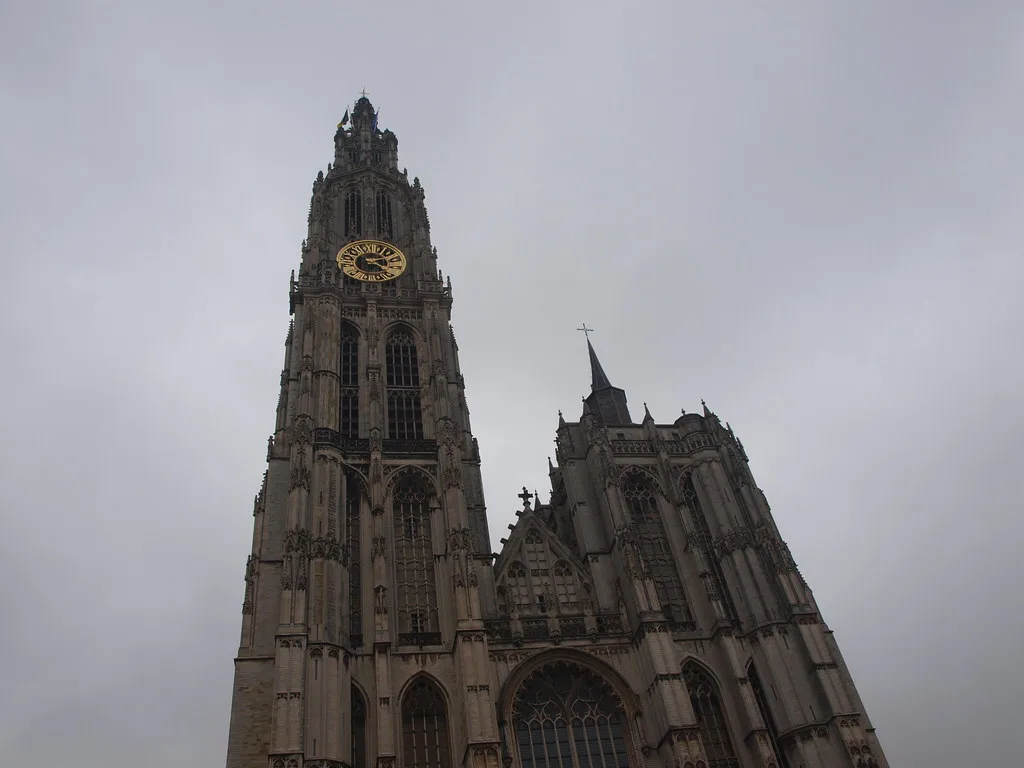
KMSKA: Flemish masters for a full day
The Koninklijk Museum van Schone Kunsten Antwerpen, the KMSKA, reopened after an extensive renovation and holds a wide-ranging collection built around Flemish masters. It is the one pick here that can swallow a whole day: the galleries are extensive enough that you should decide in advance whether you are doing a focused two-hour visit or settling in properly.
For a family group, the museum offers activities aimed at children, which makes it a reasonable choice when the rain is set in for the afternoon rather than passing. The honest trade-off is that the KMSKA sits outside the tightest part of the historic core, so pairing it with two central stops in one day means accepting some walking in the wet. If art is the point of your trip, give it the day and do the rest on a drier one.
De Ruien: the covered channels beneath the streets
De Ruien is Antwerp's old water channel system, now a covered corridor under the city that you visit as an underground route through a forgotten piece of its past. It is the shortest of the substantial options here: think of it as a compact subterranean visit rather than a half-day museum, which makes it a good fit for a wet morning before something longer.
Because it is an underground route rather than a drop-in gallery, it pays to book through the operator before you build a day around it. Book De Ruien in advance rather than assuming a slot will be free when you arrive.
The Nottebohmzaal: a library interior worth the detour
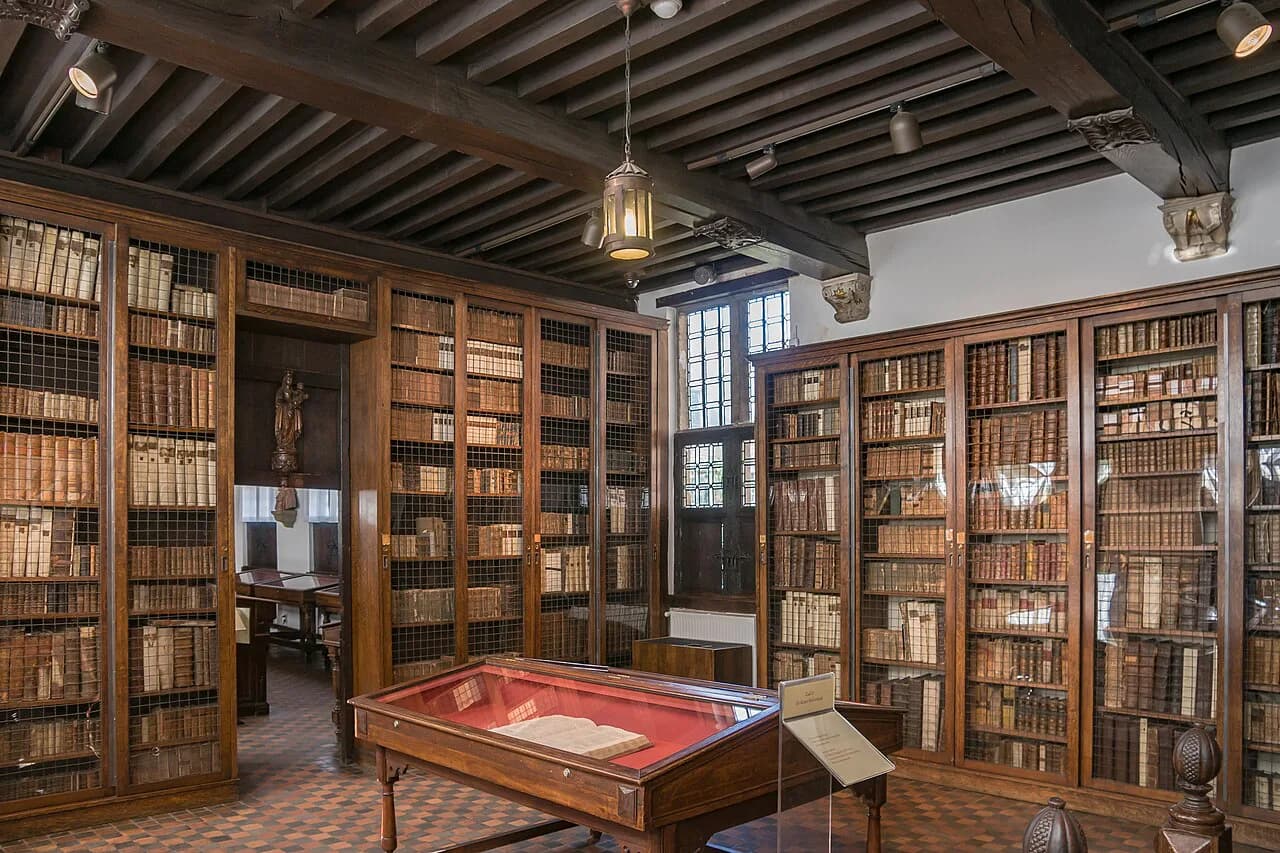
The Nottebohmzaal is one of Antwerp's most striking interiors and an entirely indoor stop. It is a library visit rather than an exhibition: you go for the room itself, the architecture and the sense of a working heritage collection.
Visiting is seasonal. The room was open to visitors between April and September in 2023, with visits at other times depending on the calendar, so treat it as a spring and summer option rather than an all-weather certainty. For a rainy October or January trip, plan around the KMSKA, De Ruien or The Antwerp Story instead and keep the Nottebohmzaal for a warmer month.
The Antwerp Story in Het Steen
The Antwerp Story is an interactive attraction inside Het Steen, the medieval fortress on the river side of the old centre, and it runs through eleven rooms covering the identity and history of the city. It works best as an introduction: do it early in your trip and the rest of the centre, from the cathedral to the Grote Markt, makes more sense afterwards.
The building itself is part of the draw, and the visitor centre inside Het Steen is a sensible first stop for orientation on a wet arrival day. Expect an hour or so rather than an afternoon; it is a complement to the bigger collections, not a substitute for them.
Small city cinemas: Cinema Lumière and Cartoon's
When the rain turns a sightseeing day into a washout, Cinema Lumière and Cartoon's offer something the museums cannot: two hours sitting still in a small, characterful city cinema. Both are small and authentic venues with mixed programmes, so the film on offer decides which one you pick rather than brand loyalty.
Check the day's programme before you go, since these are repertory-style houses rather than multiplexes showing the same titles all week. A mid-afternoon screening is the practical choice: it bridges the wettest hours and leaves the evening free for a beer café or an early dinner.
Which pick suits whom
Art lovers should give the day to the KMSKA and accept that they will see little else. First-time visitors get more from The Antwerp Story plus a short underground visit to De Ruien, which together explain the city and its water in about half a day. If you are travelling with children, the KMSKA's family activities and an afternoon film at Cartoon's are the easiest combination to sell.
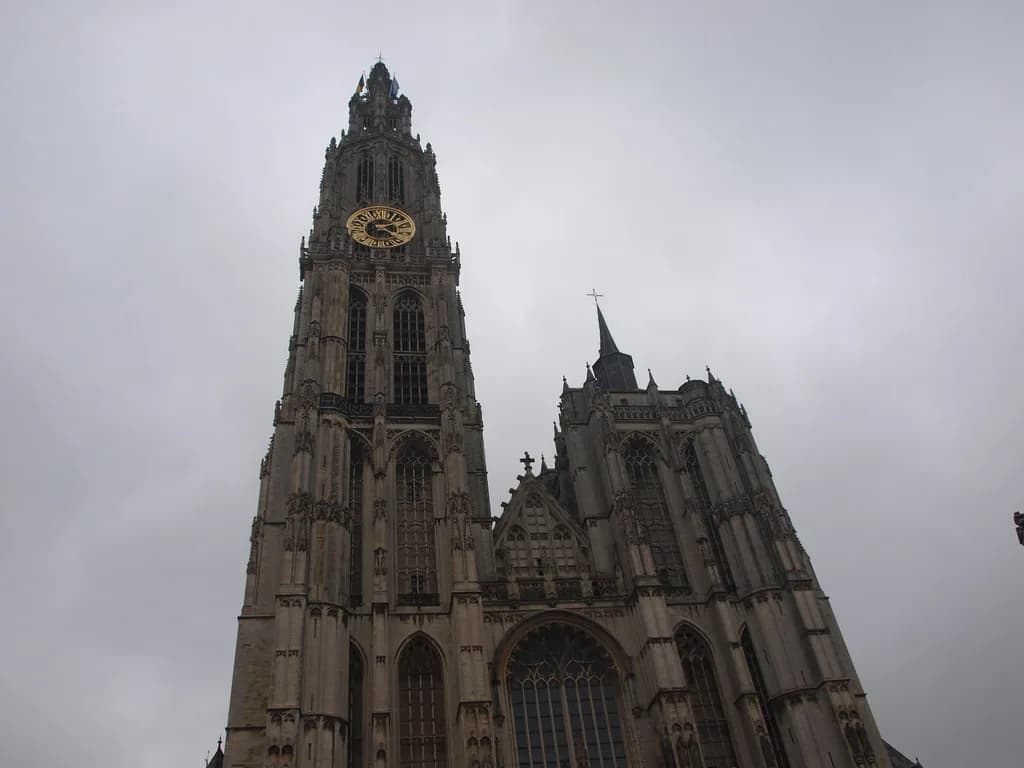
Match the plan to the severity of the weather. For drizzle, the cathedral quarter still works on foot, and you can duck into the Antwerp Cathedral of Our Lady and then into a covered sight when a shower passes over. For a full washout, commit to one long indoor stop rather than chaining short ones, because the walking between them is what soaks you.
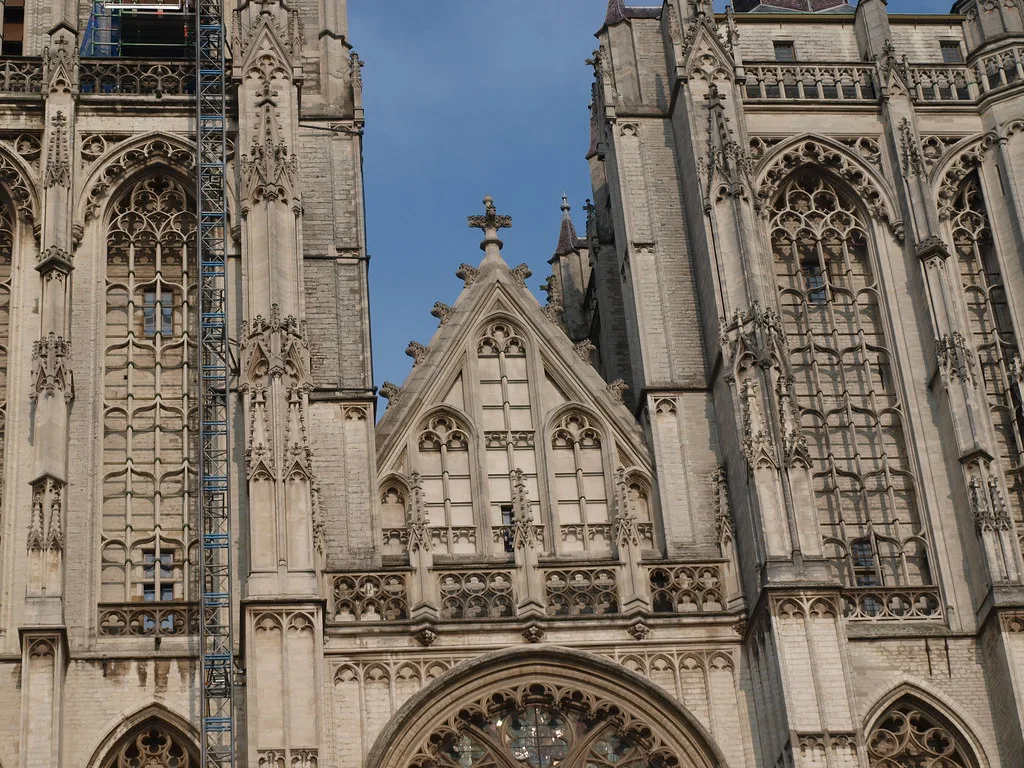
Sequencing two or three stops in one day
A workable wet-day route starts at Het Steen with The Antwerp Story, walks up through the old centre past the cathedral and the Grote Markt, and finishes underground at De Ruien, which keeps the outdoor stretches short and the indoor blocks long. If you are adding the KMSKA, put it first or last and treat the rest as a half-day, since the museum alone can fill the hours you have.
Book the fixed bookings before the flexible choices. De Ruien is best booked in advance, and the Nottebohmzaal only admits visitors in its April–September season, so those two anchor the day, while the KMSKA and the cinemas can absorb whatever time is left. Leave the cinema as the fallback: if the rain eases, you will not regret skipping it, whereas a missed timed entry is harder to recover.
Drizzle or washout: which plan to take
For drizzle, keep the day outdoors with indoor escape hatches: the cathedral, a quick stop at Het Steen and the Grote Markt between showers. For a washout, pick one anchor, either the KMSKA for art or The Antwerp Story and De Ruien for the city, and let the cinema fill the gap. The Nottebohmzaal is a spring and summer visit, open between April and September, not a wet winter afternoon.
Explore more Antwerp guides
Frequently Asked Questions
Which is better in the rain, Antwerp or Bruges?
Antwerp offers more indoor variety in a compact centre, with a major art collection, an underground channel route, a city-history attraction and small cinemas within walking distance. Bruges is smaller and its appeal is largely outdoor, along canals and streets, so it suffers more when it pours. If rain is likely, Antwerp gives you more cover.
What is a must-do indoor sight in Antwerp?
The KMSKA is the standout, with a wide collection of Flemish masters and enough galleries to fill a day. If you want something shorter and more unusual, the covered water channels of De Ruien give you a piece of the city's past that you cannot see above ground.
Sources
Useful notes for your next trip
Optional updates to our guides.
You might also like
Continue reading
More guides you'll find useful