Antwerp History: The Story Behind the City You'll Walk Through
Antwerp's history runs from a Roman-soldier legend to a medieval cathedral, a golden-age port and a migration story you can still walk through today.
On this page
Antwerp's history is a layered story you can walk in a day. It runs from the Brabo legend and the medieval Grote Markt to the golden age of printing and painting, then out to the Scheldt, whose port kept remaking the city, and into the twentieth century of migration and diamonds. Few layers lack a building, which makes Antwerp unusually easy to read on foot.
Two threads run through the whole story. Antwerp's wealth came from the Scheldt and from trades that crossed it: cloth, printed books, diamonds and, later, emigrants heading for ships. The other is the hand motif, which appears on the Grote Markt fountain and in the name legend, and it shows how thoroughly a story can become a brand.
The short version: five layers of Antwerp history you can still see
Start with the legend, which explains the name and gives the city its hand symbol. Move to the medieval market square and the Gothic church that dominates the skyline. Then take the golden age, when Antwerp's printers, painters and diamond traders made it one of the busiest cities in northern Europe.
The last two layers are the river and the twentieth century. Het Steen and the Scheldt waterfront show how completely the port shaped the city's fortunes, while the Red Star Line Museum and the diamond district near Antwerpen-Centraal carry the story into living memory. A sensible visit order runs from the Grote Markt through the old town to Het Steen, with a museum or two slotted in depending on your time.
Why Antwerp is called Antwerp: the Brabo legend and the severed hand on the Grote Markt
The name story involves Silvius Brabo, a Roman soldier, a giant called Antigoon who charged a toll on river traffic, and a severed hand thrown into the river. The fountain in the middle of the Grote Markt shows exactly that scene, and the name is popularly linked to the Dutch words for throwing a hand. Treat it as legend rather than record: it explains the name and the motif, not a documented event.
What the legend does show clearly is how the city uses its own story. The hand appears on souvenirs, biscuits and chocolate, and the fountain is the natural meeting point at the centre of the square. The Grote Markt itself is a cobbled plaza lined with step-roofed guild houses, the kind of Flemish square that makes the medieval trading city legible at a glance.
Medieval Antwerp: the market square, the Cathedral of Our Lady and its unfinished tower
The Cathedral of Our Lady rises above the rooftops with a spire that reaches 123 metres. Inside, the reason most visitors linger is the group of Rubens masterpieces, including The Descent from the Cross, hung in the church they were painted for.
Paired with the Grote Markt a short walk away, the cathedral gives you the medieval city in two stops: commerce in the square, faith and civic pride in the church. For the church itself, see our guide to the Antwerp Cathedral of Our Lady. If your interests lean towards later art, the Royal Museum of Fine Arts holds seven centuries of work from Rubens and van Eyck onward, including a large Ensor collection.
Antwerp's golden age: a global diamond trade, Plantin's printing press and Rubens in the churches
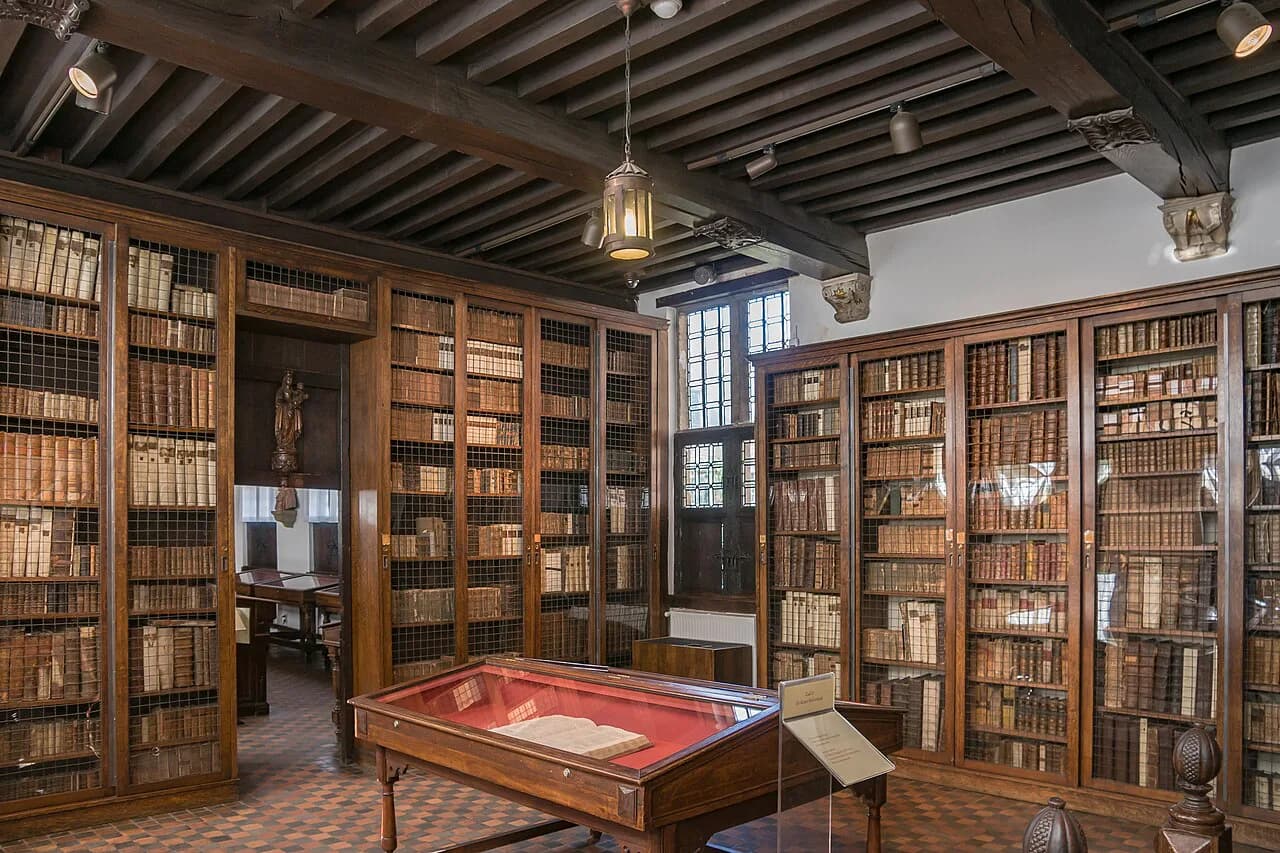
Antwerp's golden age rests on three trades that still have addresses in the city. The Plantin-Moretus Museum preserves the house and workshop of the Plantin printing dynasty, where the history of the printed book becomes something you walk through room by room. Rubens belongs in the same story rather than a separate one: the painter ran a large studio that worked like a business, and his canvases hang in the churches and in the Royal Museum of Fine Arts.
The third trade is diamonds. For centuries Antwerp has been one of the world's most important diamond centres, with much of the global rough trade passing through the streets behind Antwerpen-Centraal. The DIVA museum covers diamonds, jewellery and silver, and its 2025 programme included the Silver Triennial, a touring competition for contemporary silver design that DIVA was the only Belgian venue to host.
The Scheldt, Het Steen and the port: how the river made the city and moved its trade
Het Steen is the oldest surviving piece of the city's waterfront fortification, sitting where the old town meets the Scheldt. The stretch around it is now a promenade rather than a working quay, but the shape of the river is still the thing to look at: this is the water that made Antwerp a port.
The port's later life has drifted north to the docks, and the MAS in the Eilandje district tells that story in a modern building on the water. Its roof terrace gives a panorama over the city and the port, and picnicking on the roof or along the glass walkway inside the building is actively encouraged, with rugs available at reception.
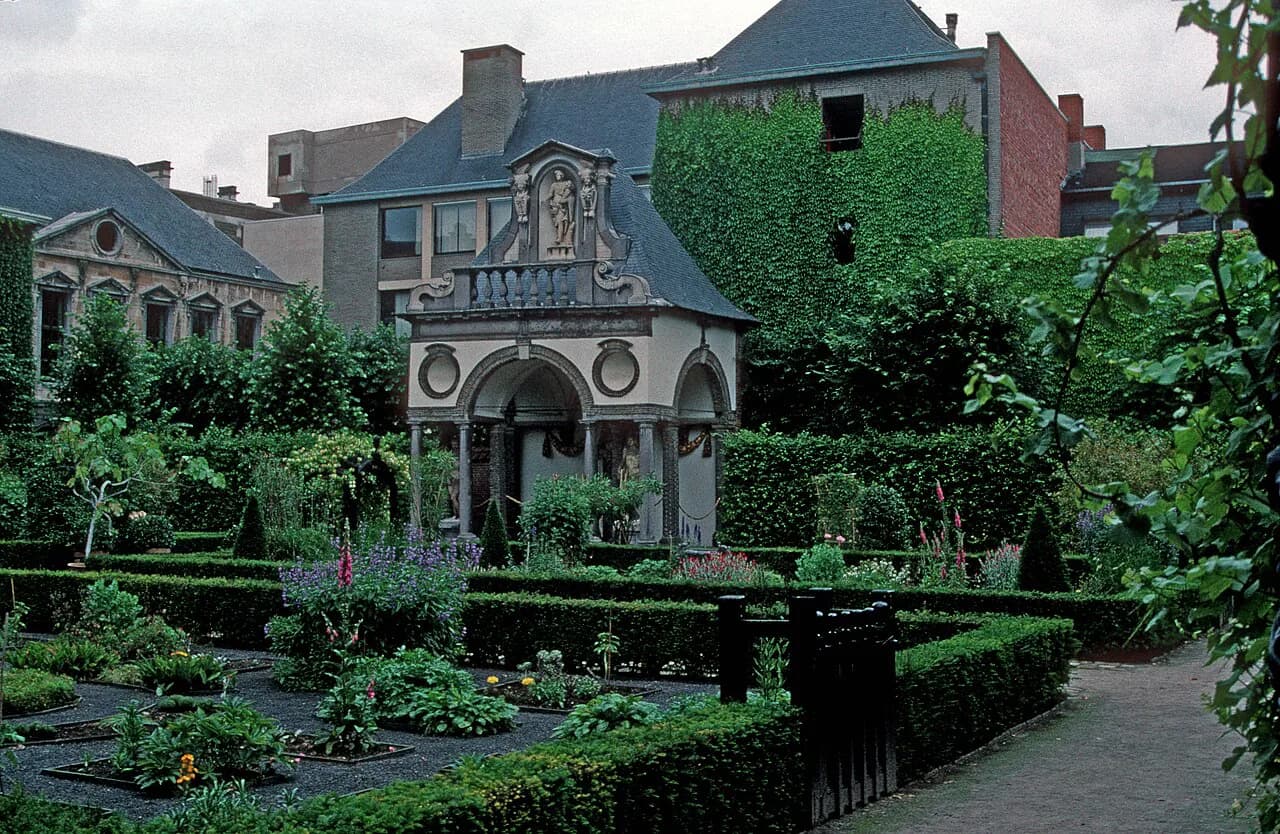
What the city's museums hold: Plantin-Moretus, MAS, Red Star Line and Rubenshuis
Few cities have such a wealth of museums. Plantin-Moretus covers the printing trade, the MAS covers the city and its port, the Red Star Line Museum covers migration, and the Rubenshuis covers the painter's own house and studio. Our guide to Museums in Antwerp helps you pick. DIVA handles diamonds and silver, and the KMSKA handles fine art from the old masters to Ensor and Wouters.
Two smaller museums round out the picture for anyone with a specific interest. The Fashion Museum (MOMU) and the photography museum FOMU sit close enough to pair on the same afternoon. FOMU's 2025 programme included the first solo exhibition in Belgium of work by Lee Miller, the model turned war correspondent and photographer.
If you want the full picture before choosing, the city's museums split into historic houses, art collections and photography, so a day-ticket strategy depends on which cluster you pick. Belgian museums often close early in the week, so build the route around the days each one opens.
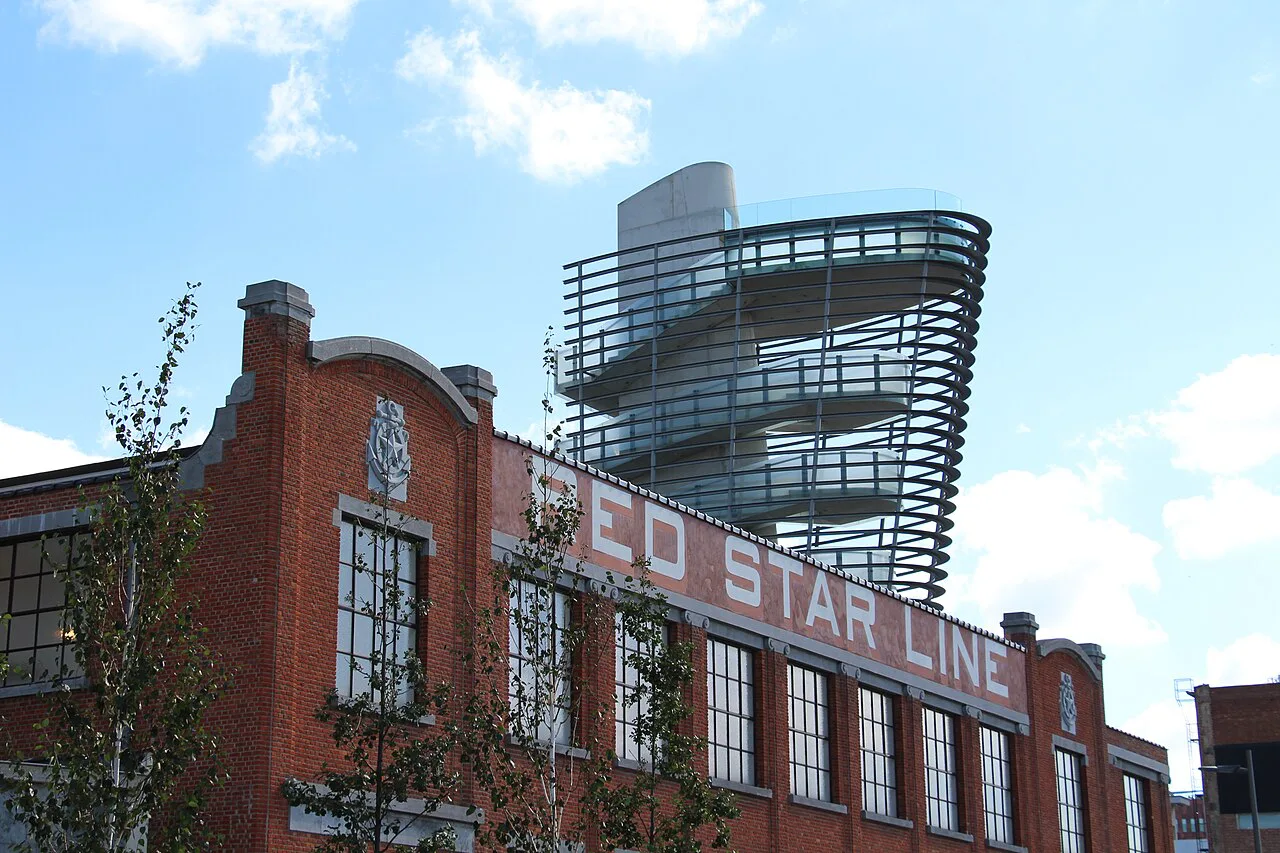
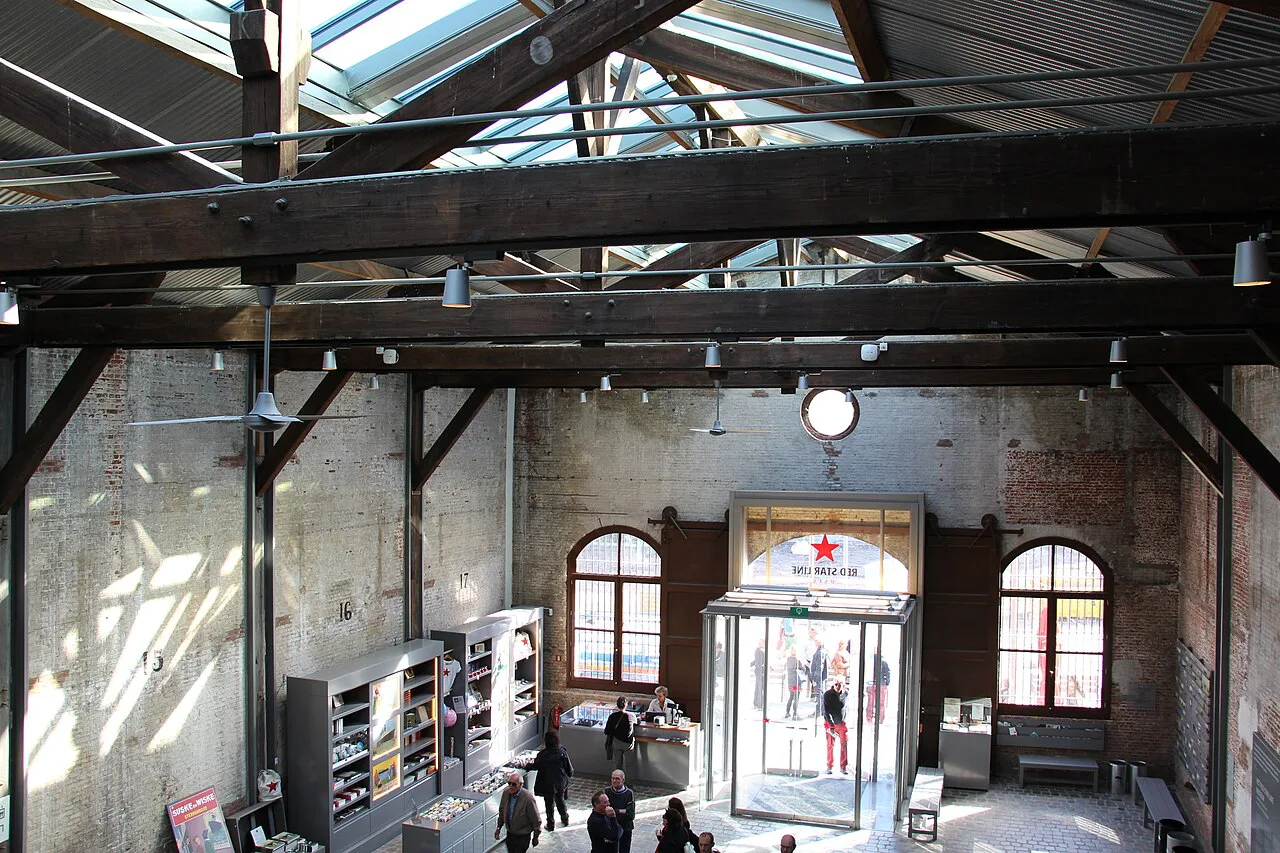
The twentieth century in one stop: the Red Star Line migration and the diamond district near Centraal
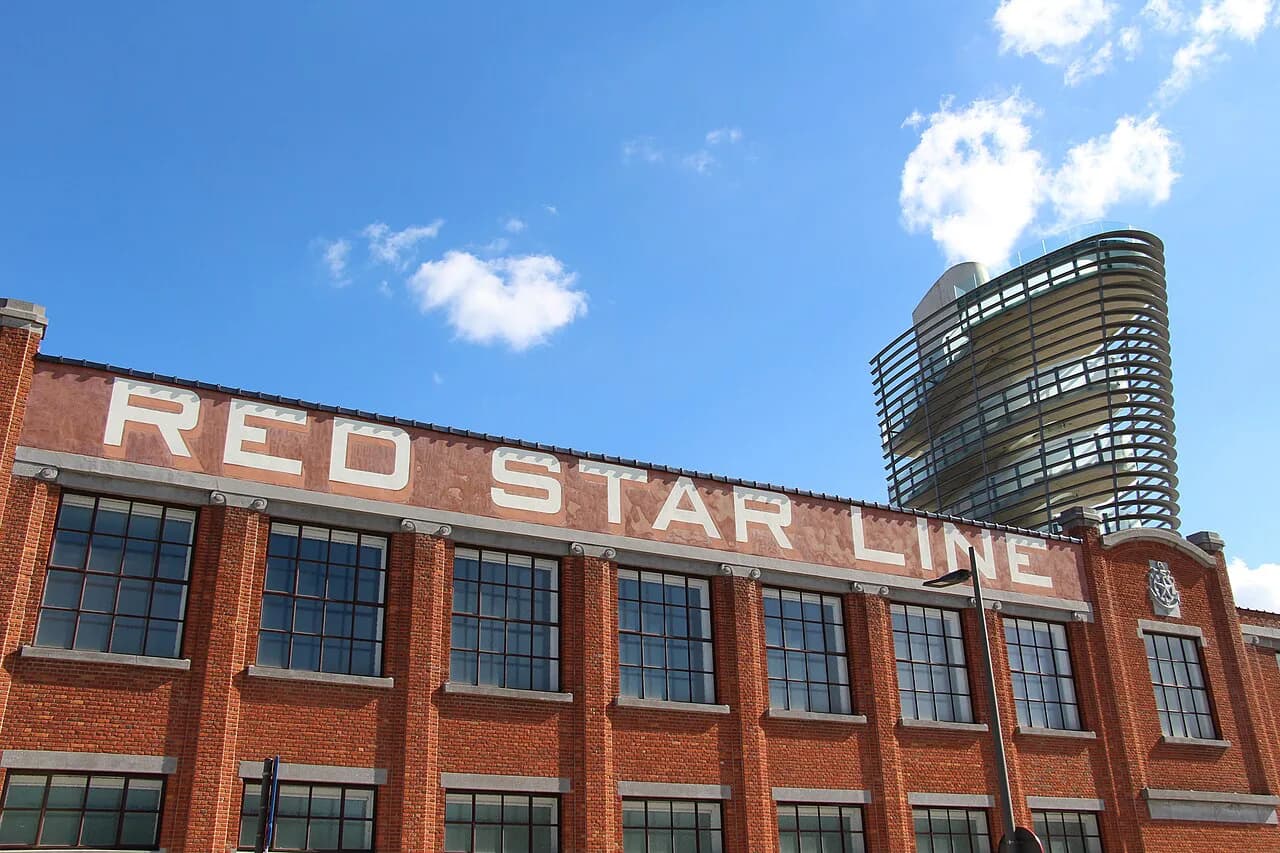
The Red Star Line Museum sits on the site where emigrants boarded ships for North America, and it tells that story through the people who passed through the buildings. It is factual rather than sentimental, which suits the subject. The museum is in the Eilandje district, a short walk from the MAS, so the two can share an afternoon.
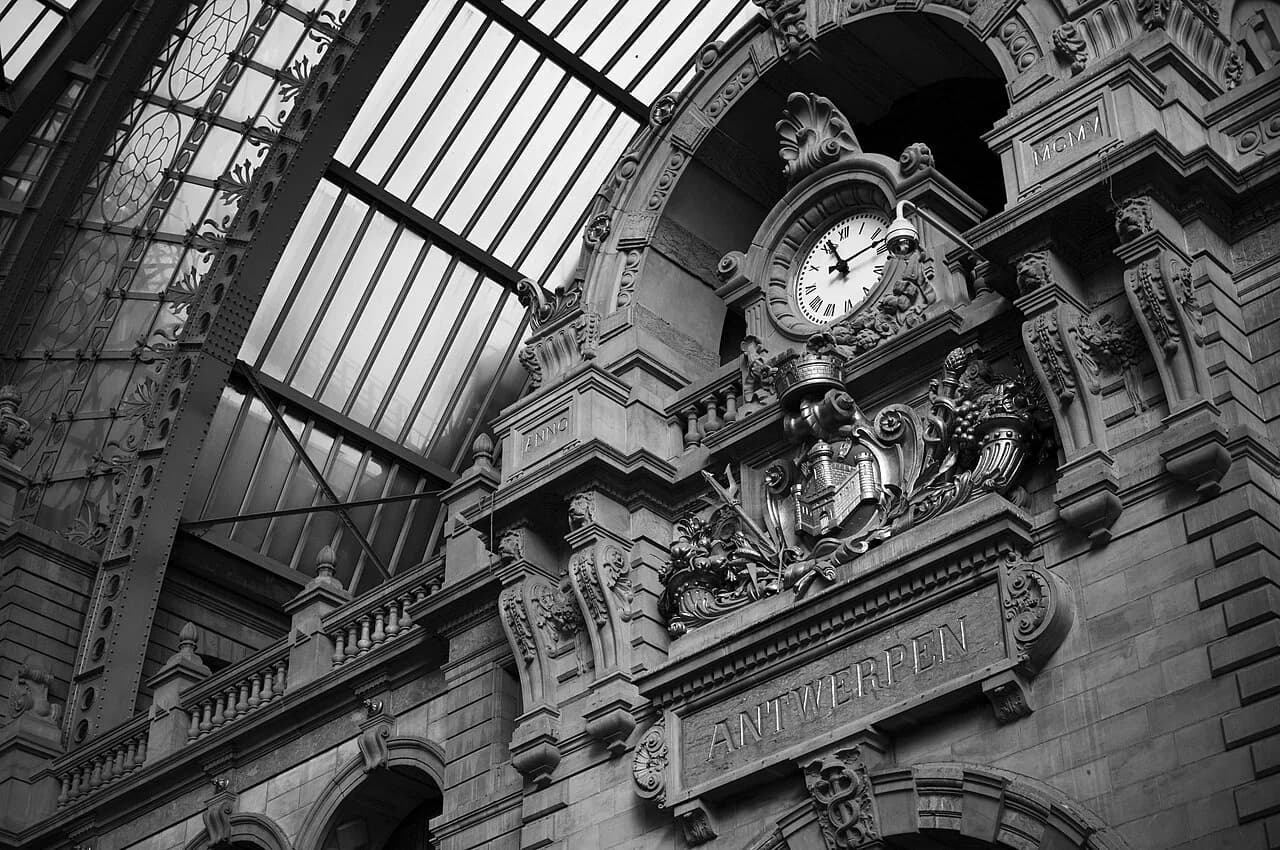
Antwerpen-Centraal drops you straight into a different twentieth-century story. The station's marble hall and iron-and-glass dome earned it the nickname Railway Cathedral, and it stands beside the diamond district, where specialist traders still work behind the station. Our Antwerp Central Station guide covers the building itself.
Where to see Antwerp's history in a day: a walking order from Grote Markt to Het Steen
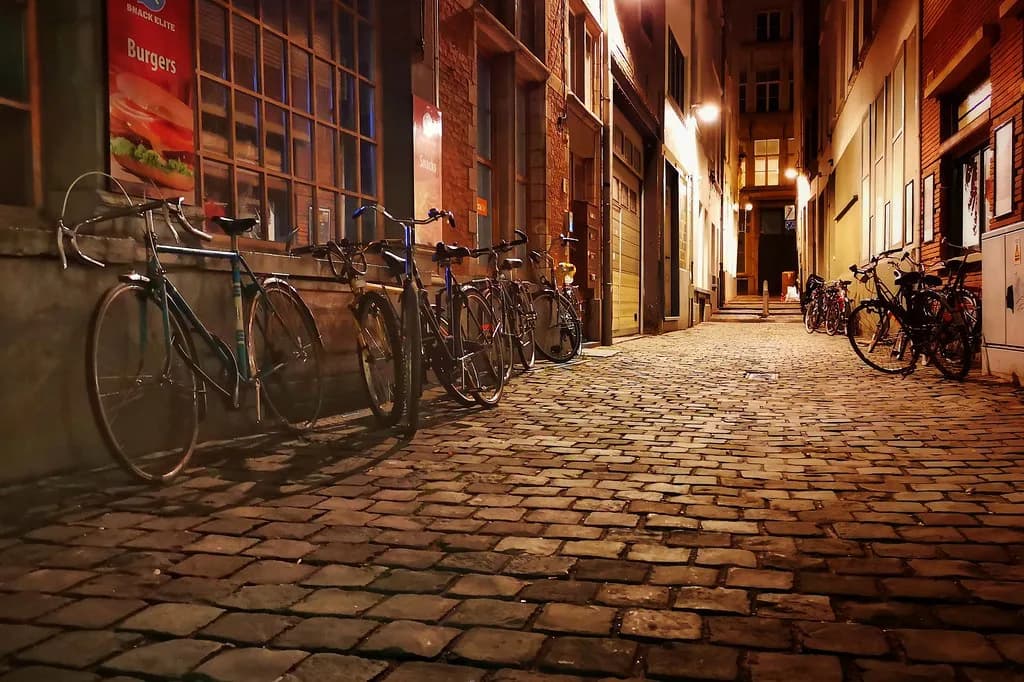
Begin at the Grote Markt, where the Brabo fountain and the guild houses set up the medieval city in one view. Walk the short distance to the Cathedral of Our Lady for the Rubens canvases and the tower, then head north through the old town alleys towards Het Steen and the Scheldt. The Vlaeykensgang, a narrow medieval alley off the old town, is the kind of detour that costs five minutes and repays it.
From Het Steen, follow the river north to the Eilandje for the MAS and the Red Star Line Museum, which fills the afternoon. If you would rather stay indoors in wet weather, the Plantin-Moretus Museum and the KMSKA are both substantial enough to occupy a half day each. Finish with a walk south through the Zuid neighbourhood, where the photography and fashion museums sit close together.
Was Antwerp ever part of the Netherlands, and is that why the streets speak Dutch?
The city's Dutch-speaking character comes from its place in the Dutch-speaking Low Countries rather than from any single period of rule. Antwerp sits in the Flanders region of Belgium, a country with Dutch, French and German as official languages, and the city's own name in Dutch is Antwerpen. For a visitor, that means place names on signs and maps are in Dutch, with French versions sometimes alongside.
If you are arriving from London, the practical route is a Eurostar train to Brussels and a change onto an SNCB train to Antwerpen-Centraal, a journey of about three hours and fifteen minutes in total. SNCB tickets allow you to take any train on your route that day, so a missed connection does not derail the trip. See our London to Antwerp guide for the full route.
Which Antwerp story to follow first
If you have one day, follow the legend-to-river route: Grote Markt, the Cathedral of Our Lady, Het Steen and the Scheldt waterfront. That gives you the legend, the medieval city and the port in a single loop without a museum ticket. Add the Plantin-Moretus Museum if printing and the golden age interest you more than the waterfront.
With two days, give the second to the Eilandje and the Zuid. The MAS, the Red Star Line Museum, FOMU and M HKA cover the port's modern history and the contemporary city between them, and the walk between the two districts takes you through parts of Antwerp that most short-break visitors skip.
Frequently Asked Questions
How did Antwerp get its name?
A popular legend says Silvius Brabo, a Roman soldier, killed a giant named Antigoon and threw his severed hand into the Scheldt, and that the name derives from the Dutch words for throwing a hand. The fountain in the middle of the Grote Markt shows the scene. It is legend, not documented fact, but it explains the hand motif you see across the city.
Is Antwerp worth visiting for its history?
Yes, if you want a compact city where the layers are close together. The Grote Markt, the Cathedral of Our Lady and Het Steen are within a short walk of each other, and the Plantin-Moretus Museum, the MAS and the Red Star Line Museum cover the printing trade, the port and migration. One day covers the medieval core; two days lets you add the docklands and the Zuid museums.
How far is Antwerp from Brussels?
Treat it as a short train hop rather than a day trip to plan carefully. Eurostar and SNCB run the London to Antwerp route with a change in Brussels, and the whole journey takes about three hours and fifteen minutes. The SNCB leg from Brussels to Antwerpen-Centraal is the shorter part; check timetables on the operator's site before you travel.
Sources
Useful notes for your next trip
Optional updates to our guides.
You might also like
Continue reading
More guides you'll find useful