Liège Museums: What to See and How Long Each Takes
Liège's museums range from the vast Grand Curtius to the riverside La Boverie. Here's what each holds, how long to allow and how to fit them into a city break.
On this page
Two museums carry most of Liège's weight: the Grand Curtius, which gathers five collections in one building beside the Meuse, and La Boverie, the fine arts museum and exhibition centre in the city's riverside park. Allow a half-day for the Grand Curtius and about two hours for La Boverie, which leaves room for Liège's free sights on the same day. The pages below set out what each museum holds, what to expect from the arms department, and how the city's art and history fit around a short break.
Liège styles itself the Cité ardente, the burning city, and the tourist office lists historical and cultural discovery and gastronomy among its main draws alongside seven ancient collegiate churches and the Palace of the Prince-Bishops. The museums reflect that mix rather than a single theme: weaponry and applied art, paintings and touring exhibitions, Walloon folk traditions, and an aquarium. Plan by interest and you can see the best of it in a day or two without rushing.
How Liège's museums split up
Sort the city's museums by what they hold and the choices get simple. The Grand Curtius is the encyclopaedic one, combining archaeology, decorative arts, religious and Mosan art, glass and the celebrated arms collection. La Boverie covers fine art and temporary exhibitions; the museums listings also include the Aquarium-Muséum, the Musée de la Vie Wallonne, MULUM and the Tchantchès museum, which pick up natural history, folk life and local traditions.
For a first visit, pick one big museum and one small one rather than trying to work through the list. The Grand Curtius alone can absorb half a day, and pairing it with a short walk through the historic centre gives a more balanced day than a second indoor collection. If art is your priority, La Boverie and the surrounding park make a natural half-day. If you are weighing the same choice elsewhere on your trip, this guide to the museums in Antwerp compares its collections the same way.
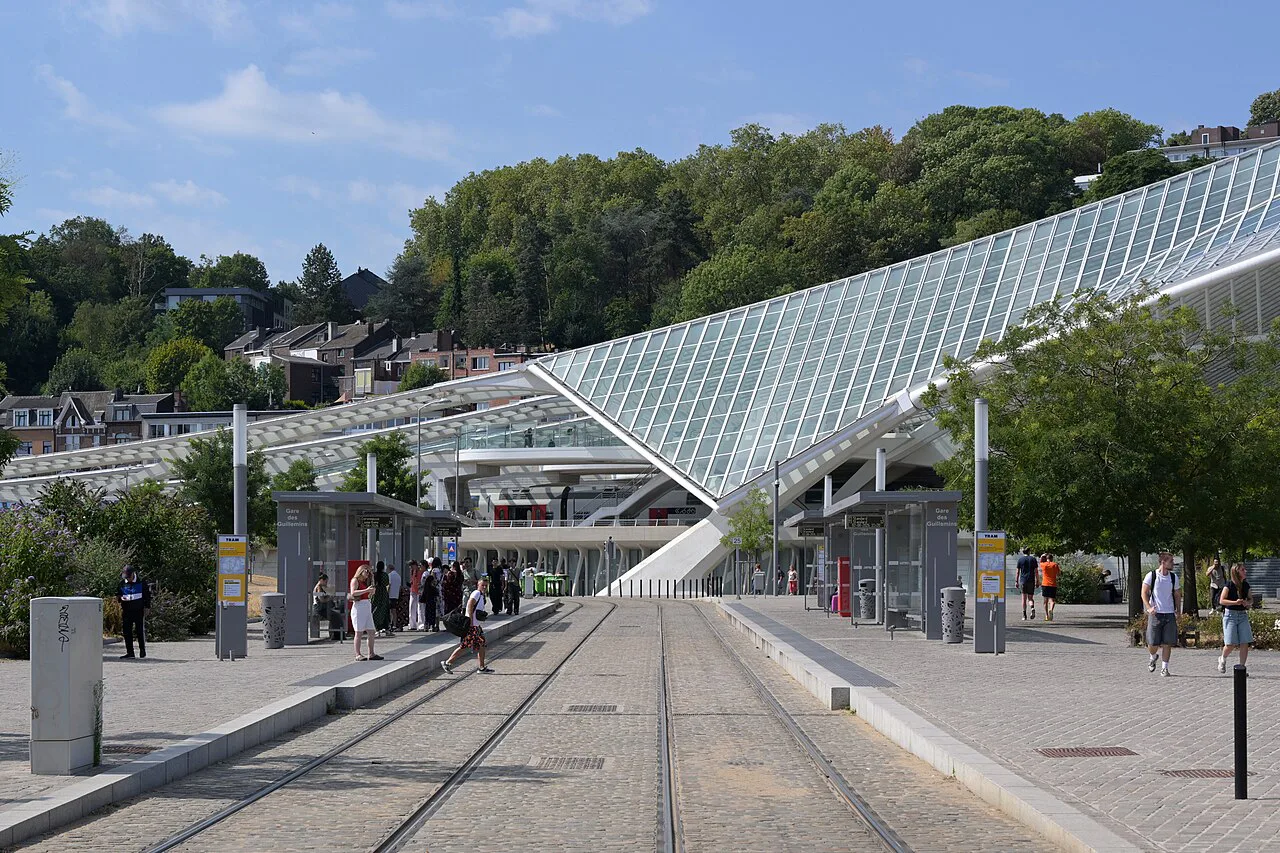
Grand Curtius: five collections under one roof
The Grand Curtius brings five museum collections together in one place, which is why it takes longer than its floor area suggests. Its setting is the palace built around 1600 by Jean Curtius, a merchant who made his fortune in arms and gunpowder and served as an ammunition officer for the Spanish army, so the building itself is part of the exhibit. Allow at least three hours if you want to see the whole complex, and longer if the arms galleries are your main reason for coming.
The range is deliberately wide. The arms galleries alone hold several thousand firearms and edged weapons from Liège and further afield, covering every period in the history of weaponry. That breadth is the museum's strength, but it also means you should decide in advance whether you are there for the weapons, the Mosan religious art or the decorative arts, because trying to cover everything properly in one visit is over-ambitious.
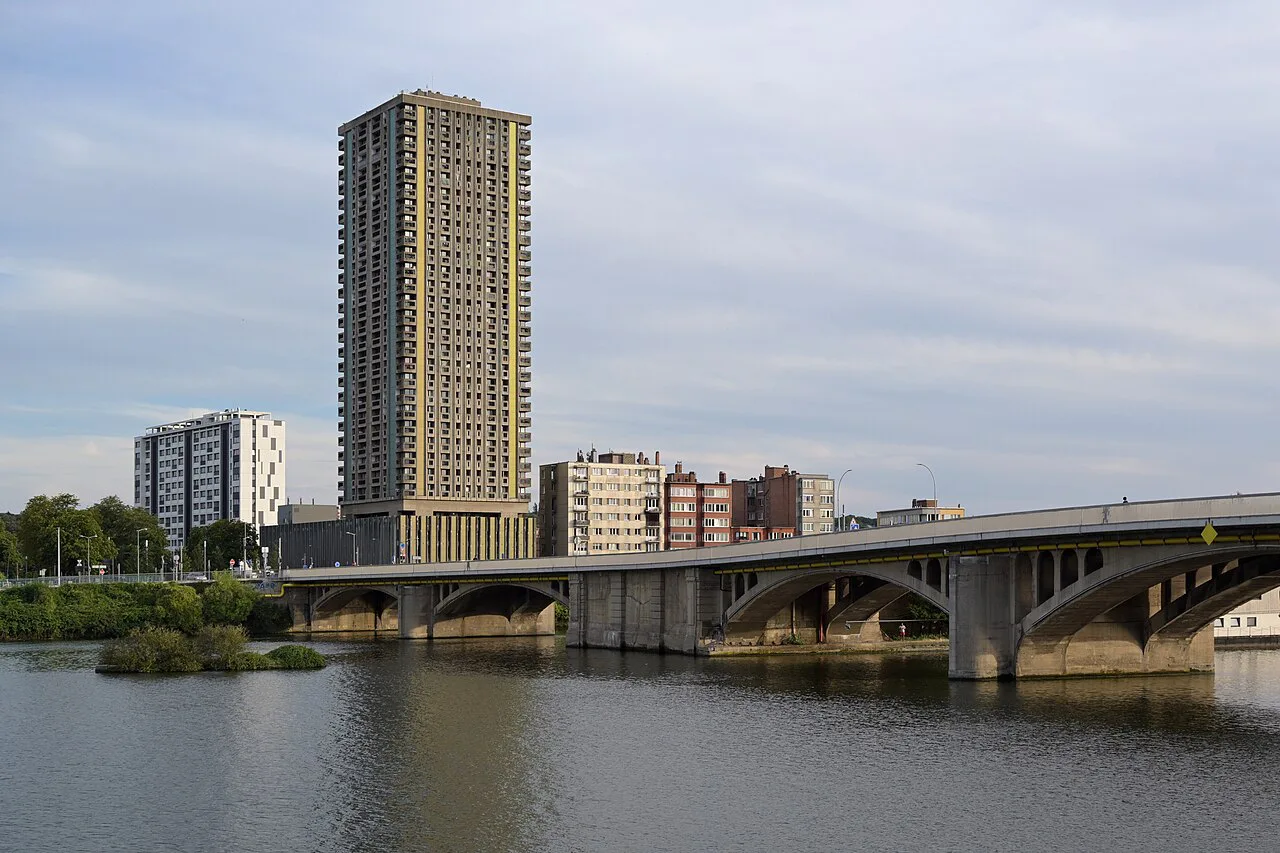
The arms collection and why it defines the Grand Curtius
Liège was for centuries one of the world's principal centres for making portable weapons, and the city's arms museum opened in 1885, initially stocked by a donation from the local arms producer Pierre-Joseph Lemille. It moved into the Grand Curtius complex when that opened in 2009, and its collection covers every period of weaponry, with pieces prized as much for engraving, chiselling and inlay as for their mechanics. That context explains why the weapons are not a curiosity in a corner but the museum's defining department.
The displays were reworked in stages: the first floor opened in September 2018 with about six hundred civilian and defence weapons from the 16th to the 21st century, and the military firearms floor followed in September 2021. A third stage devoted to edged weapons and protection from the Middle Ages onwards is planned for the Palais Curtius's upper floor, and when complete the three floors should show between two and three thousand weapons. Treat the staged installation as the museum's account of how the galleries were built, not as a schedule of what is on show this week.
La Boverie: fine arts by the Meuse
La Boverie is Liège's fine arts museum and exhibition centre, housed in a remarkable building in a riverside park on the Meuse. Budget about two hours for the permanent collection, more if a temporary exhibition is running and you want to see both. It suits anyone who wants a calm, daylight-filled half-day after the density of the Grand Curtius, and the park setting makes it easy to break up a museum day with a walk along the water.
The pairing works well with the city's older architecture: the medieval and later streets of the centre are within reasonable walking distance, so a morning on the cobbles and an afternoon of paintings is a straightforward plan. If your interest runs to the religious buildings, the Liège cathedral and the collegiate churches deserve their own slot rather than being squeezed around museum opening times.
Aquarium-Muséum: a rainy-afternoon option
The Aquarium-Muséum de Liège occupies a striking old building on the banks of the Meuse, which makes it the obvious choice when rain wipes out a walking plan. It is an aquarium and museum stop rather than a fine art one, so judge it by whether your group wants fish and displays after a morning of architecture. An hour or two covers it comfortably.
Musée de la Vie Wallonne and the folk-life collections
The Musée de la Vie Wallonne covers the folk life and traditions of Wallonia rather than the fine arts, which makes it a different kind of stop and a useful change of register if you are seeing several museums in a stay. Walloon identity runs through the city's museums, and the tourist office frames Liège as the main tourist city in Wallonia, so the folk-life material sits naturally alongside the local food and beer traditions.
Smaller collections: Tchantchès and MULUM
Two of Liège's smaller collections are worth knowing about if you want something quirkier than a big civic museum: the Tchantchès museum and MULUM. Neither rivals the Grand Curtius for scale, but a short visit to one adds a local flavour that the encyclopaedic museums cannot, especially on a second day when the headline sights are already done.
Fitting the museums into a one-day or two-day plan
On a single day, take the Grand Curtius in the morning when your attention is freshest and walk the historic centre and quays in the afternoon, leaving La Boverie for a second visit or a return trip. With two days, give the first to the Grand Curtius and the architecture around it and the second to La Boverie plus one smaller collection, with the Coteaux de la Citadelle walk as the daylight finish; the tourist office rates that walk highly for its views over the valley. From April to November you can also round off a museum day on the Meuse by boat.
Walking between the museums and the centre is realistic, but build in slack: the city's sights are spread across the plateau and down to the river, and the climb back up from the quays is enough to derail a tightly packed afternoon. One big museum plus one small one per day is a sensible ceiling for most travellers.
Practical planning around a museum day
A museum day in Liège works best if you give the big collections the freshest hours and let the smaller ones fill the rest. The Grand Curtius rewards a full morning, La Boverie a calm two hours by the water, and the smaller folk and aquarium collections an hour each. Spread them across the plateau and down to the Meuse rather than trying to tick off every one.
Because parts of the arms display have been installed in stages, some of the Grand Curtius galleries have only come on stream in recent years rather than all at once. That phased approach is part of the museum's story and rewards a look at the whole complex, not just the headline weapons halls, when you plan your visit.
Pairing museums with the city's architecture
Liège gives you a clear choice: give the whole day to one encyclopaedic museum such as the Grand Curtius, or split it between art and architecture. La Boverie's park setting makes it easy to break up the day with a walk, and the Grand Curtius's breadth rewards an unhurried visit. Either way, leave room for the free streets and quays around them.
Museums versus Liège's free sights
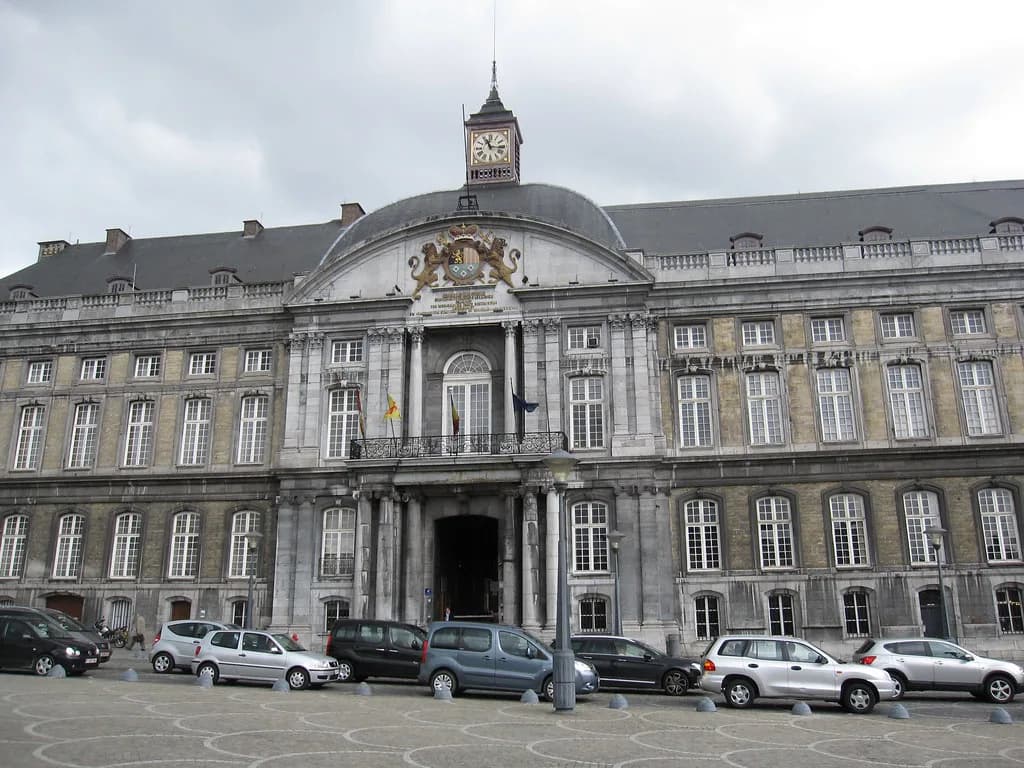
Liège's best architecture rewards a walking day. The Palace of the Prince-Bishops, the seven ancient collegiate churches and the streets around Place Saint-Lambert anchor a day on foot, and the Coteaux de la Citadelle give you a view over the valley to finish it. Build a museum day around those anchors rather than the other way round, and the paid collections become the punctuation instead of the whole itinerary.
The same logic applies to the city's art and architecture more broadly: the buildings and streets are part of the collection, and the museums explain what you have been looking at. Walk the centre first if you can, then let the Grand Curtius or La Boverie fill in the context of the Liège architecture around them.
A waffle or a beer between museums
Liège's food and drink make a natural break between collections: the tourist office points to Liège-style meatballs, regional beers, local chocolate and the authentic Liège waffle as the city's specialities. Use one of those as the bridge between a morning at the Grand Curtius and an afternoon elsewhere rather than eating inside a museum and losing the daylight. Beer cafés in the city are places to taste Belgian beer rather than nightlife stops, so a mid-afternoon glass is easily done.
Which Liège museum should you visit first?
Start with the Grand Curtius if you want one museum that explains Liège, and give it a morning so the arms galleries and the Mosan collections get your best attention. If paintings and a riverside park appeal more, make La Boverie the anchor and add a smaller collection such as MULUM or the Tchantchès museum on a second day. Build the city's architecture and the Coteaux de la Citadelle around the museum you choose first.
Explore more Liège guides
Sources
Useful notes for your next trip
Optional updates to our guides.
You might also like
Continue reading
More guides you'll find useful