Liège History: What Shaped the City and Where to See It
A short history of Liège for visitors, from the prince-bishops to the industrial boom, and the streets where you can still see it.
On this page
Liège history splits into two stories visitors can see separately: a medieval prince-bishopric whose symbols still stand in the old centre, and an industrial age that shaped the wider Walloon province. A morning walk from the cathedral through Place du Marché covers the first; the second belongs to the mines and abbeys out in the province. This guide follows the periods in order and names what you stand in front of at each stop.
What Liège is known for in its history
Liège is known above all as a prince-bishopric: a city ruled by prince-bishops, in a French-speaking part of Belgium whose history is bound up with the wider Walloon region. It is the main city of Belgium's most easterly province, a province that borders the southern tip of Limburg and the German state of North Rhine-Westphalia and reaches up to the High Fens plateau in the Ardennes.
Liège's sights cluster around a compact old centre, but the province around it carries a different history. The old mines at Blegny-Mine and Le Bois du Cazier tell the industrial story, while the abbeys at Maredsous and Orval stand for the religious houses of the Walloon countryside. Keep the two threads apart and the city's own streets make more sense.
The city sits in Wallonia, the primarily French-speaking part of Belgium, which also has a small German-speaking community, Eupen-Malmedy, part of Belgium since the 1920s. That French-speaking civic character is what you hear and read across the old town.
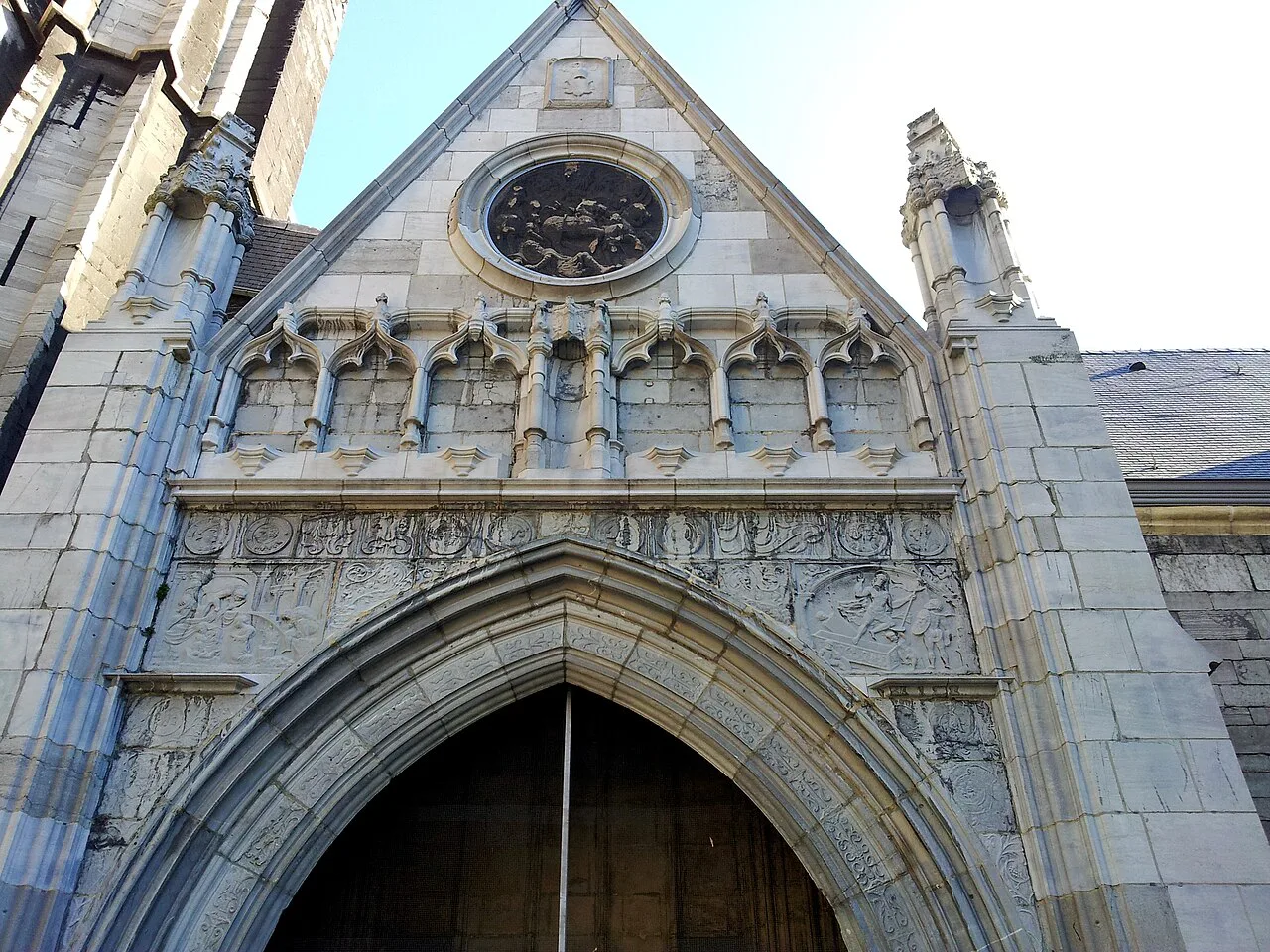
The prince-bishops of Liège
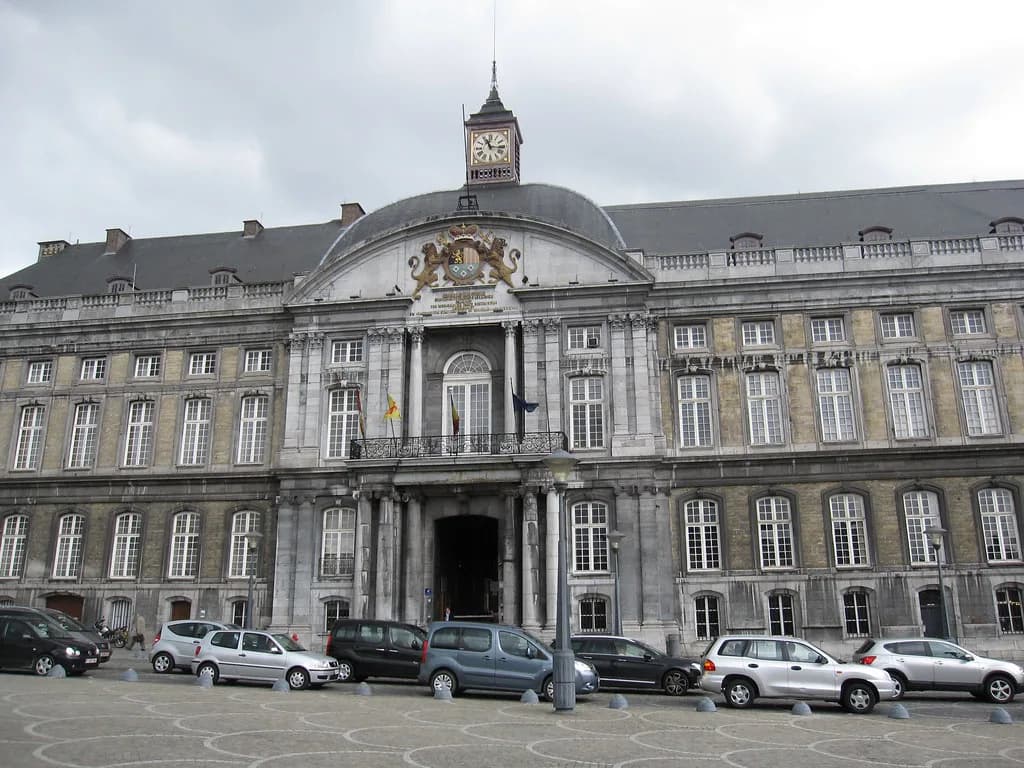
The prince-bishops are the reason Liège's old centre looks like a capital in miniature: a cathedral, a palace square and civic monuments that assume a court and an administration. Treat the civic monuments as pieces of civic history rather than photo stops, and they will anchor the walk that follows.
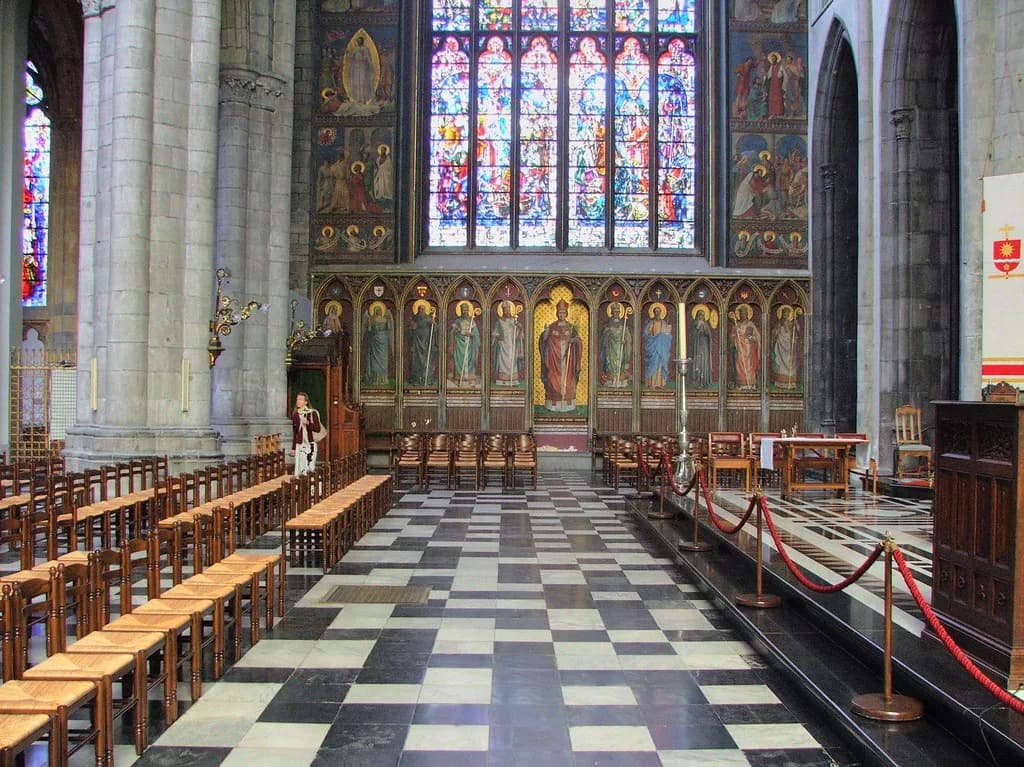
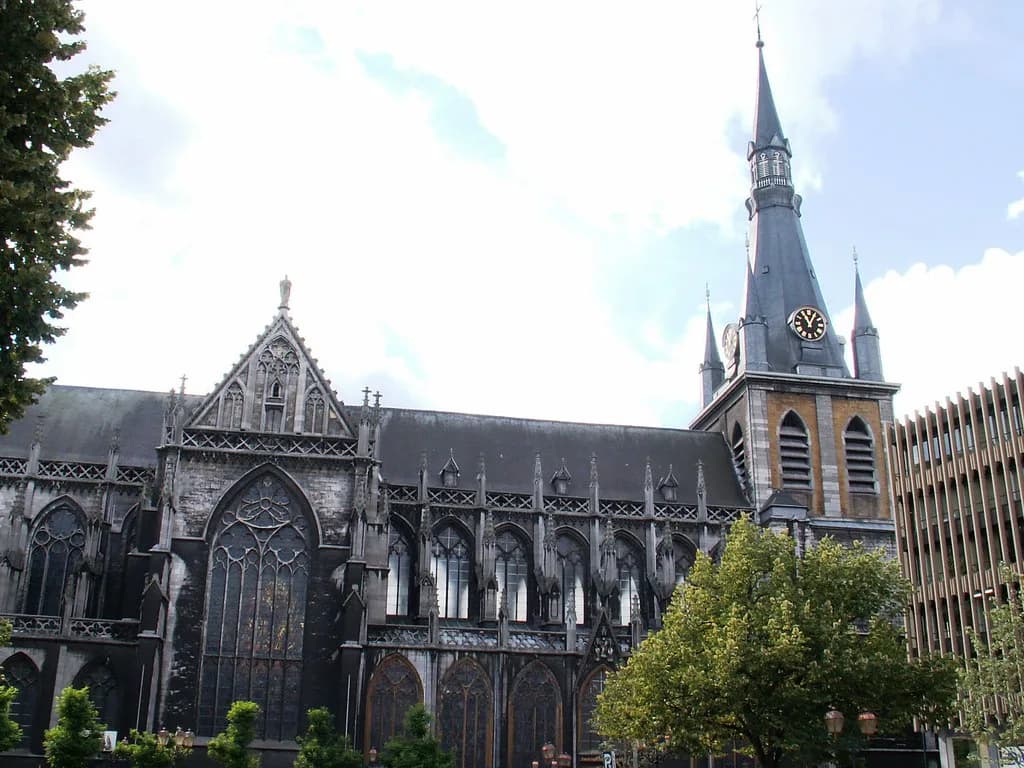
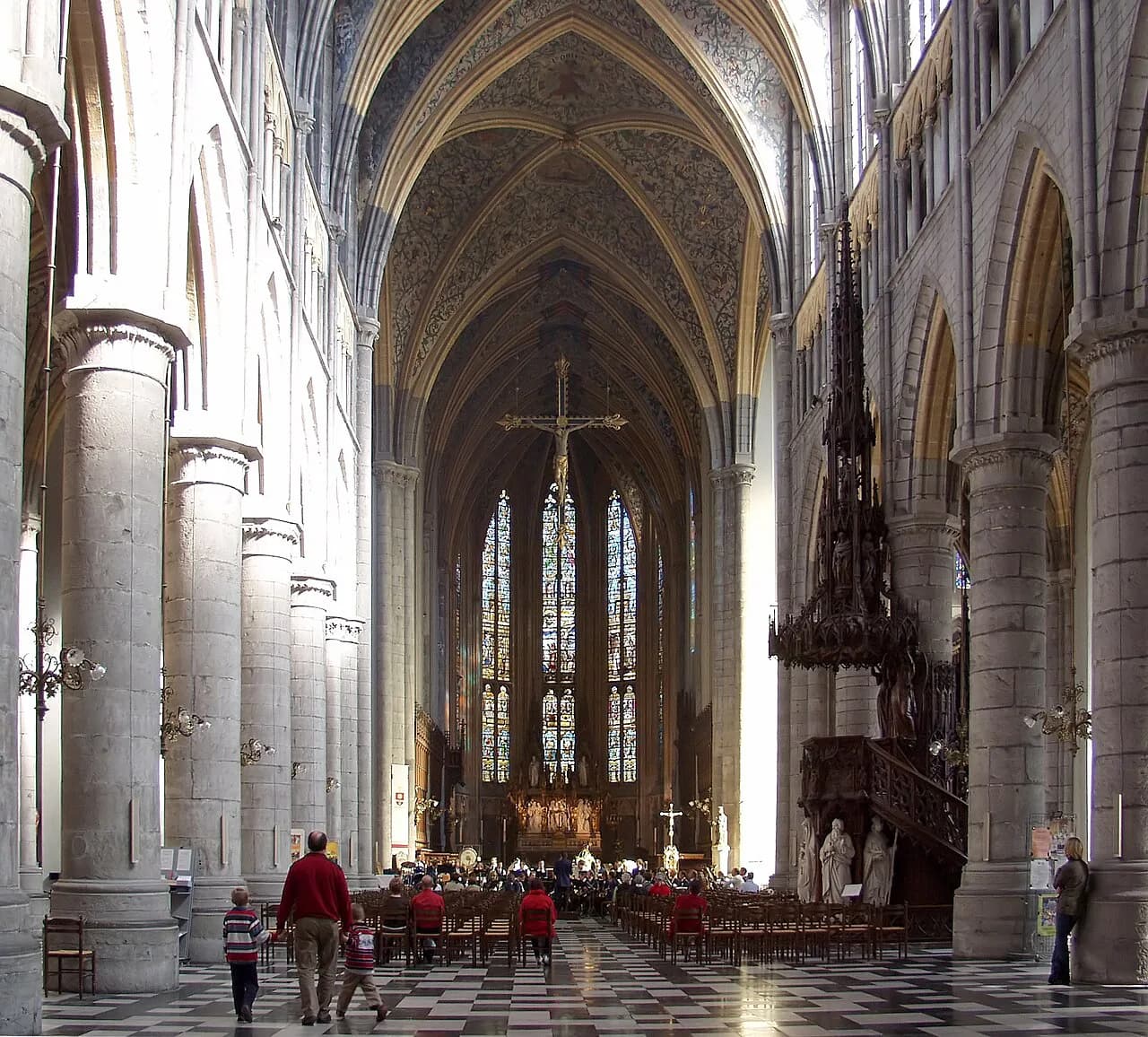
Start with the Cathédrale Saint-Paul, the city's cathedral, whose stained glass is the interior feature to seek out. It sits naturally at the beginning of a route through the centre. Our guide to the Liège Cathedral sets out what to look for inside before you move on.
From there the route heads to Place du Marché, a square whose name and setting carry the city's commercial and civic past. The square and its steps are described as a symbol of the freedom of the city, which is the point to hold on to as you walk. Grouping the cathedral and the square into one loop keeps the medieval and religious story in a single stretch of the day.
Place du Marché and the steps: a symbol of the city's freedoms
Place du Marché rewards a slower look than most squares in the centre. Tradition and the charm of the past are found here, at the foot of the steps that stand as a symbol of the freedom of the city. Read the steps that way and the square becomes the hinge between the prince-bishops' city and the civic city that grew around its market.
The square is also the natural place to pause between sights rather than rush through: façades, street names and the arrangement of the space carry as much of the story as any museum label. If you want the city's art and archaeology in depth afterwards, browse our guide to the Liège Museums and pick up where the streets leave off.
Market culture runs deep here too. The Marché de la Batte is described as the oldest and biggest market in Belgium, and Centre Carré is the shopping district. That market tradition belongs to the same civic story as the square's steps, so a market morning and a square visit sit well together.
Liège Cathedral (Saint Paul's Cathedral) and its stained glass
Liège Cathedral, also known as Saint Paul's Cathedral, is the religious anchor of the old centre, and its stained glass is the reason to step inside. The building's origins place it in the age of the prince-bishops rather than in the industrial city. Allow time to sit with the glass rather than treating the visit as a quick entry. Our guide to the Liège Cathedral sets out what to look for inside.
Frame the cathedral as the start of the route, not an afterthought: Place du Marché and its steps are within a short walk of it. That sequence gives you the religious city first and the civic city second, which mirrors how the two strands of Liège history relate. Visitors who want to see how the city built on afterwards can follow with our Liège architecture guide through the newer quarters.
For a wider art context, the city's art collections extend the story beyond the church interior. The gallery works best as a second-day stop once the old centre is done, and our guide to Liège art sets out where to find it.
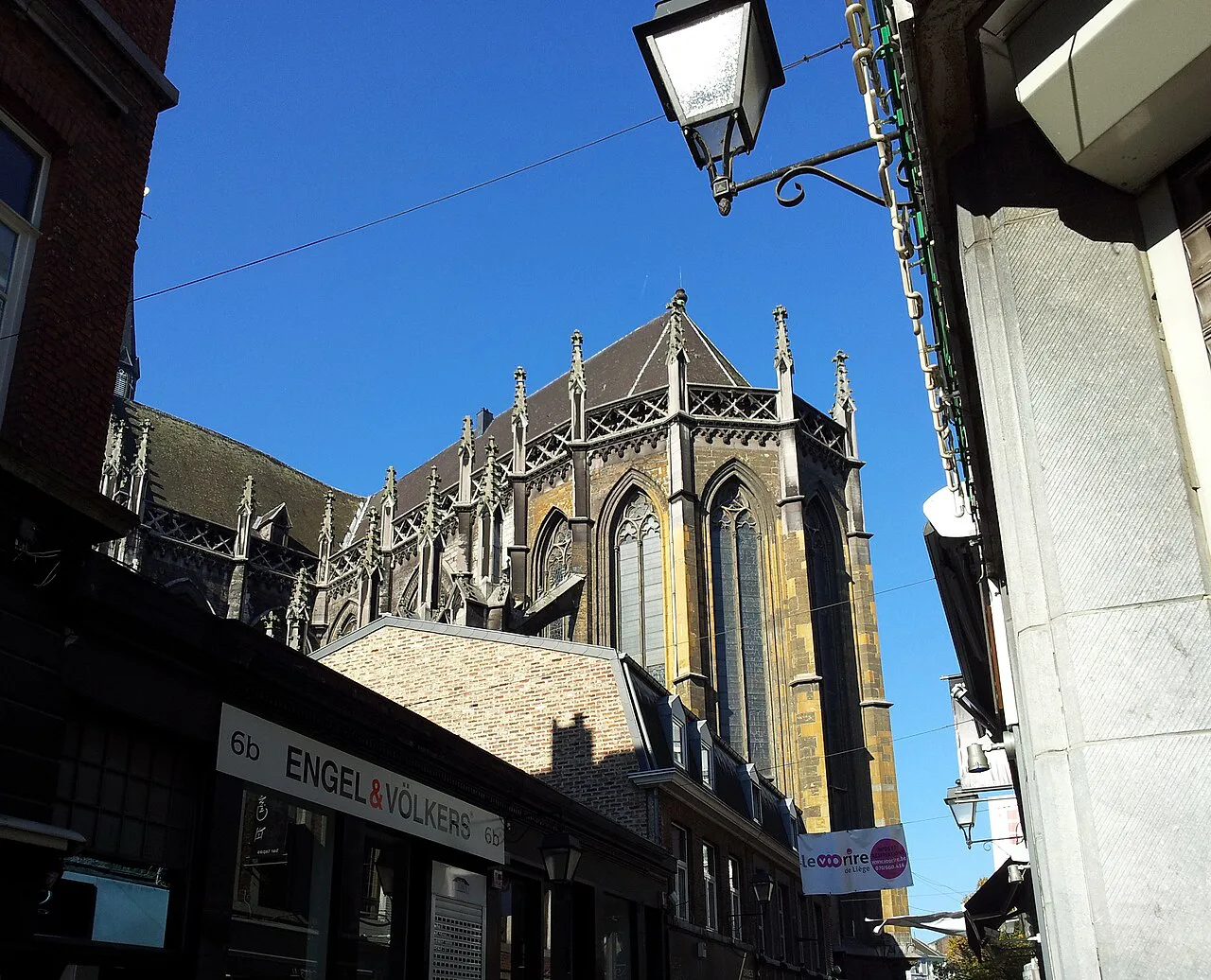
The industrial past and the Walloon region's mines and abbeys
The industrial era belongs to the province as much as to the city. The old mines at Blegny-Mine and Le Bois du Cazier record the region's industrial past, while the abbeys at Maredsous and Orval represent its religious houses and their brewing traditions. These are heritage sites of the wider Walloon countryside, not city-centre stops.
Beyond the city, the province climbs to the High Fens, a plateau in the Ardennes and Eifel that holds the Signal de Botrange, the highest point in Belgium, and reaches the Spa-Francorchamps racing circuit further south. That geography explains why Liège's industry and its recreation both sit outside the built-up centre. Plan the mines and abbeys as a separate outing, and the city walk stays uncluttered.
Getting around the province is straightforward by rail and bus, with the national train and regional bus operators the ones to use when planning a route out of the city. If you arrive by car, the A2, A3 and A27 serve the province's corners.
Reading the city's history in its streets today
Put the periods in order on foot: cathedral first, then Place du Marché with its steps. That sequence keeps the medieval and religious story together and leaves the industrial province for another outing. The old centre is compact enough that the loop fits into a morning without rushing.
The city's oldest and biggest market, the Marché de la Batte, belongs to the same civic tradition as the square, so a morning that includes both reads the city's freedoms twice in one walk. Centre Carré shows the commercial city that followed. Both sit comfortably alongside the historic core.
When you want the collections behind the streets, browse our guide to the Liège Museums to slot a museum or a gallery into the walking route. Use it to build the second half of the day once the historic centre is covered.
Which strand of Liège history to follow first
Follow the religious and civic city first: the cathedral and Place du Marché with its steps give you that story in a single morning's walk. The mines, abbeys and the High Fens belong to a separate day out in the province, and the museums fill the rest. That order keeps each period legible instead of blurring them together.
Explore more Liège guides
Frequently Asked Questions
Was Liège always part of Belgium?
Liège's history runs through the prince-bishopric and the Walloon region long before the modern Belgian state, and the province's borders reach the Netherlands and Germany. The German-speaking community of Eupen-Malmedy has been part of Belgium since the 1920s, which shows how recently some of the present map took shape. Treat the medieval city and the modern Nation as two different layers of the same place.
Sources
Useful notes for your next trip
Optional updates to our guides.
You might also like
Continue reading
More guides you'll find useful