Liège Cathedral: St Paul's and the Churches Worth Visiting
Liège Cathedral is St Paul's, the former collegiate church in the historic centre. Here is what to see inside, plus the other churches of Liège worth a stop.
On this page
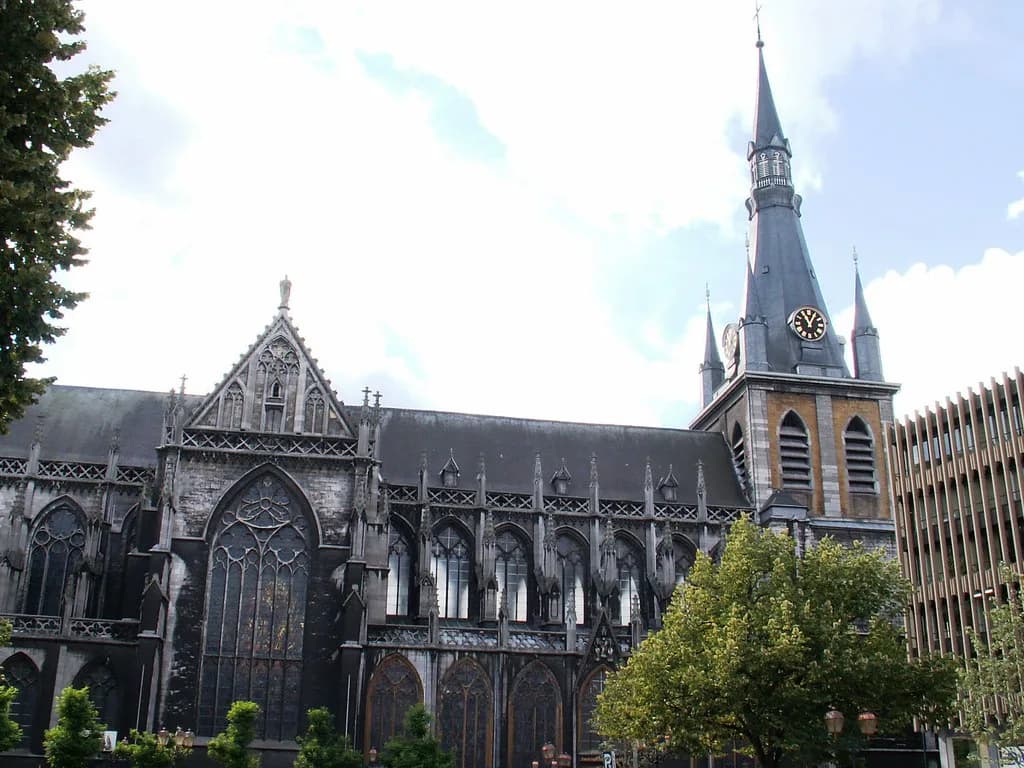
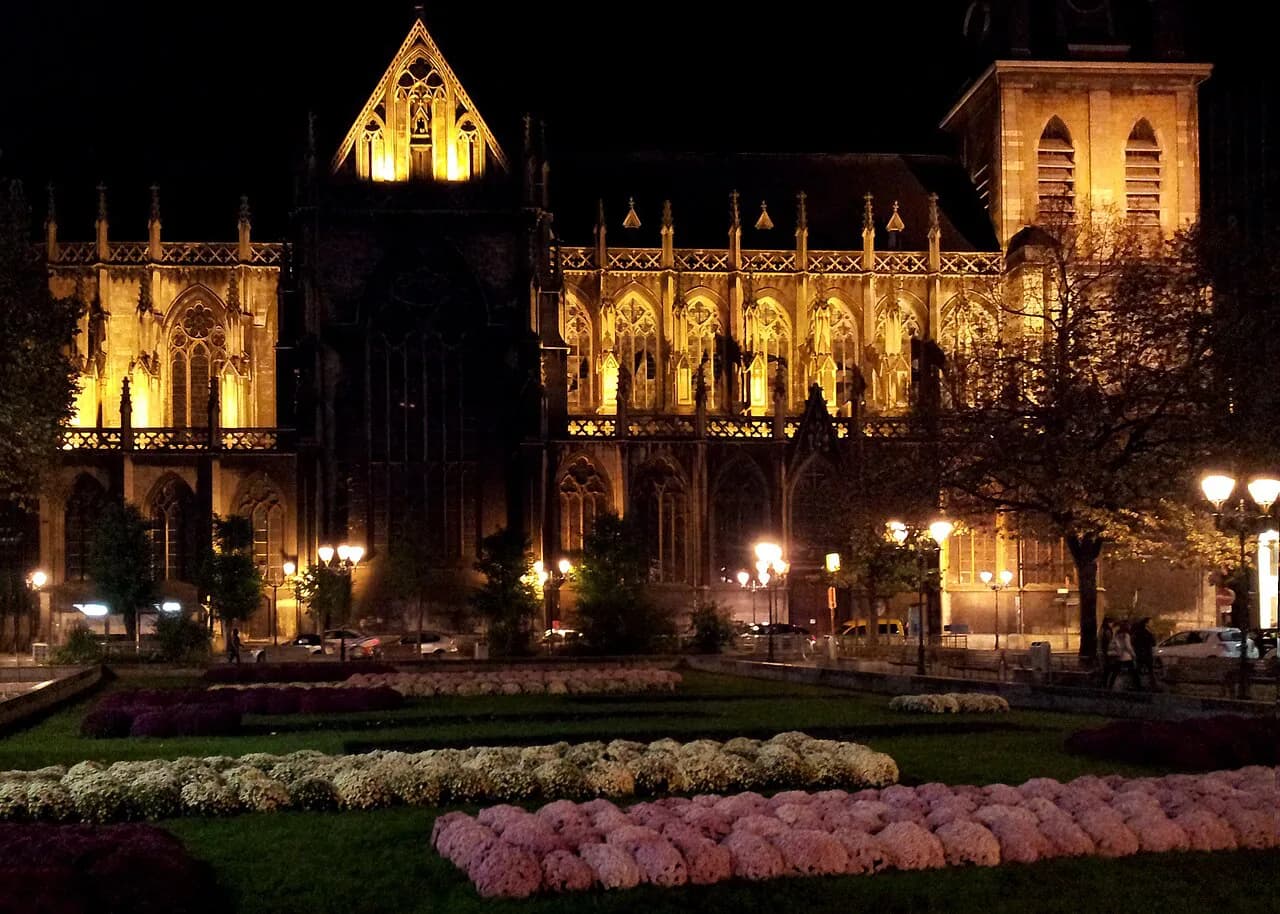
Liège Cathedral is Saint-Paul, the Roman Catholic cathedral on Place Saint-Paul in the historic centre. Most visitors see it in half an hour on the walk between the Prince-Bishop's Palace and the Grand Curtius, then add Saint-Barthélemy and the Montagne de Bueren climb to make a church-and-viewpoint morning. This guide covers what the cathedral is, what the city's churches look like, and how they fit into a one-day or two-day Liège plan.
What Liège Cathedral actually is
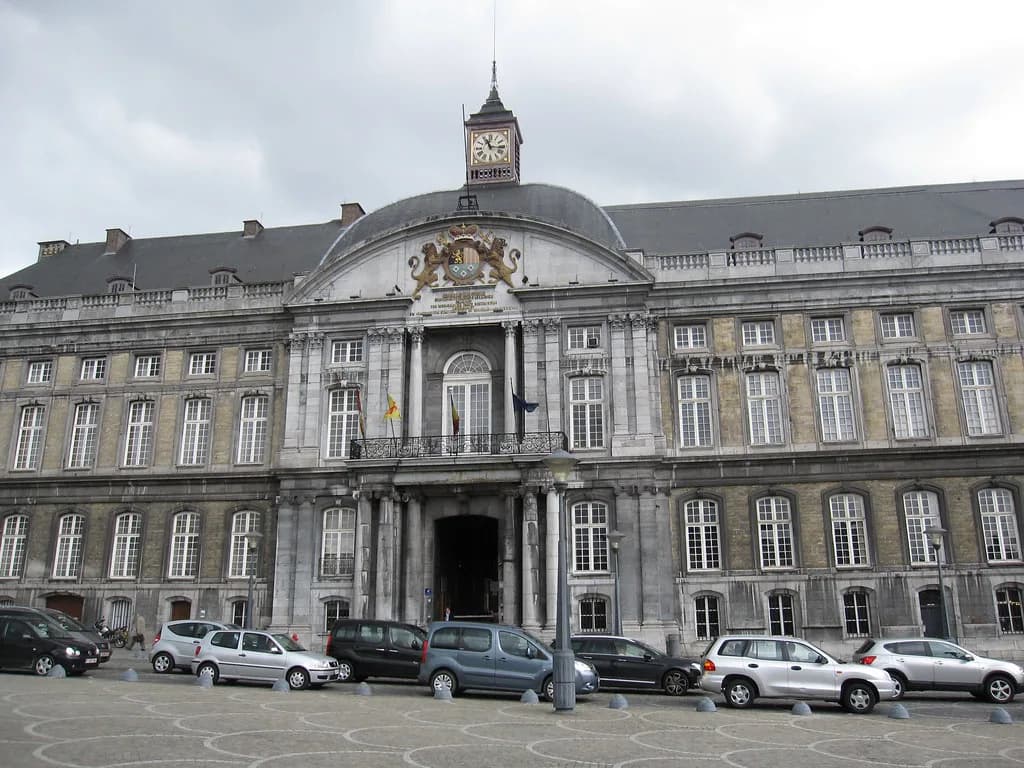
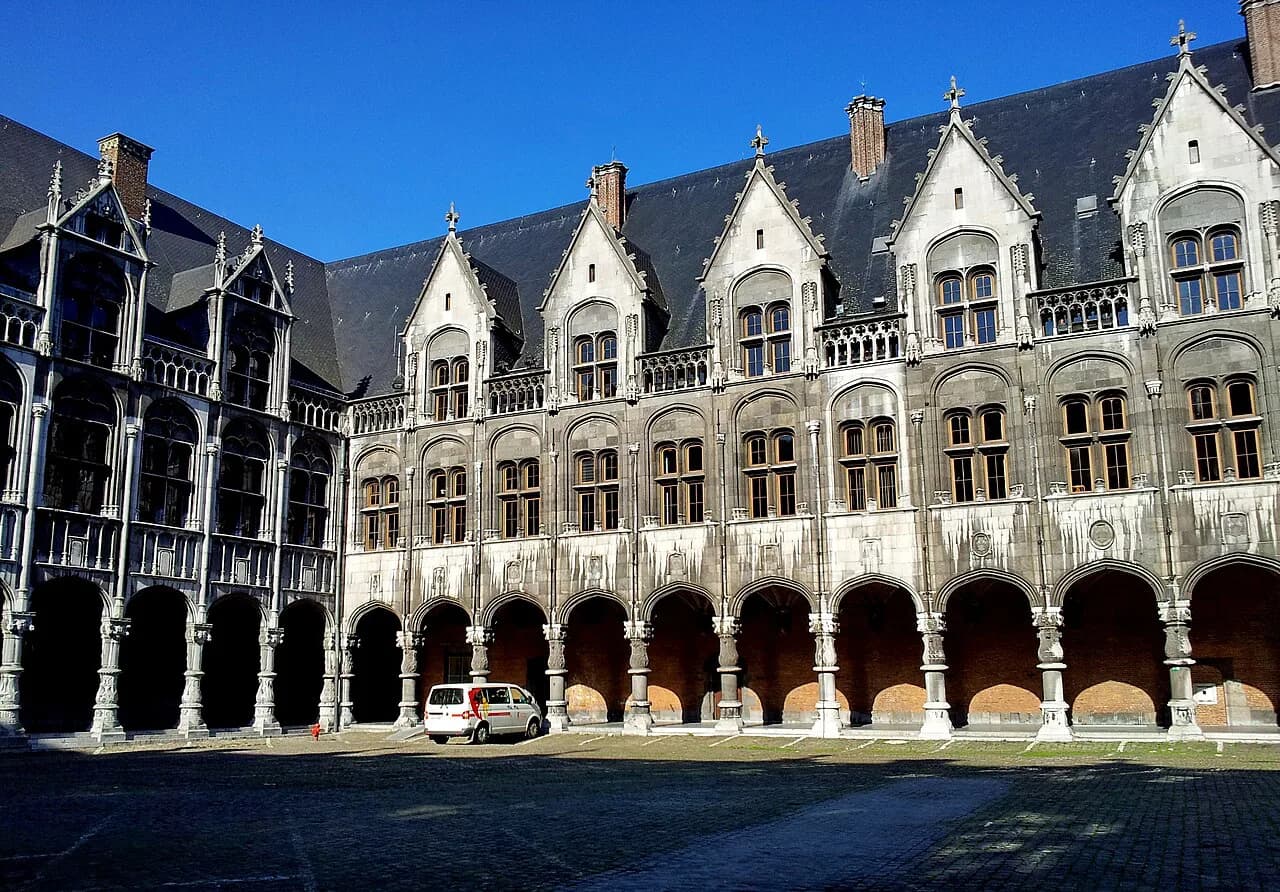
The cathedral is Saint-Paul, a foundation that began as a collegiate church and was rebuilt between the 13th and 15th centuries. Its interior was redecorated in the French Baroque style, and a 19th-century restoration followed. The building stands in the historic centre, the district from which Liège grew from the 6th century, alongside the Prince-Bishop's Palace and the collegiate church of Saint-Barthélemy.
The cathedral sits in the dense heart of the old town, a short walk from the Rue Hors-Château with its listed architecture and cul-de-sacs. Treat the church as one stop on a walking loop rather than a destination in itself, because the surrounding streets hold most of what makes the centre worth an afternoon.
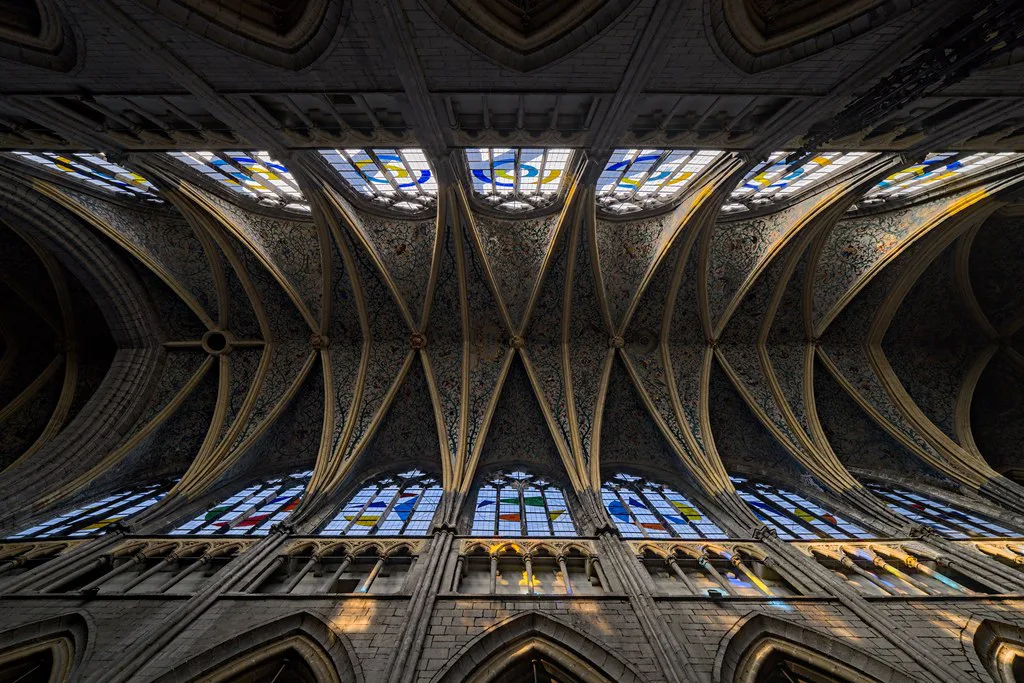
Inside Saint-Paul's: nave and Baroque redecoration
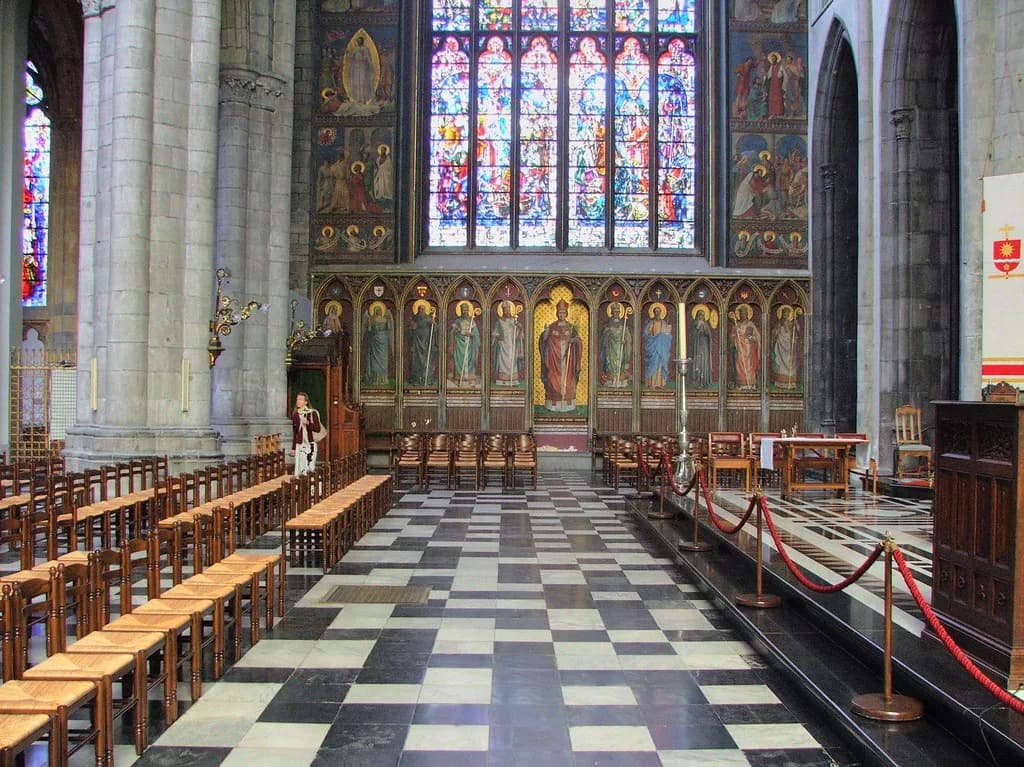
Inside, Saint-Paul's shows the layering that makes Liège's churches interesting: a medieval structure, a Baroque redecoration, and 19th-century restoration work. The nave is the place to read that sequence rather than rush through. Unlike the Grand Curtius, whose collections are documented room by room, the cathedral's interior is best approached as architecture and atmosphere.
No source here gives opening hours or entry fees for Saint-Paul's, so plan the cathedral as a flexible stop and confirm times locally before making it the fixed point of a day. That approach also protects the rest of your plan if the church is closed for a service.
Saint-Barthélemy: the red-and-white collegiate church
Saint-Barthélemy is the second church most visitors seek out. Its red-and-white exterior is visible from the hillside viewpoints above the city, which makes it a natural target once you come down from the Montagne de Bueren. The collegiate church is founded in the late 11th century and has been modified and rebuilt several times, including a French Baroque redecoration of the interior.
The church sits in the same historic centre as Saint-Paul's and the Prince-Bishop's Palace, so the two churches pair naturally in a single walk. Build the route around the streets rather than a single monument: the Rue Hors-Château and the surrounding squares give the walk its texture.
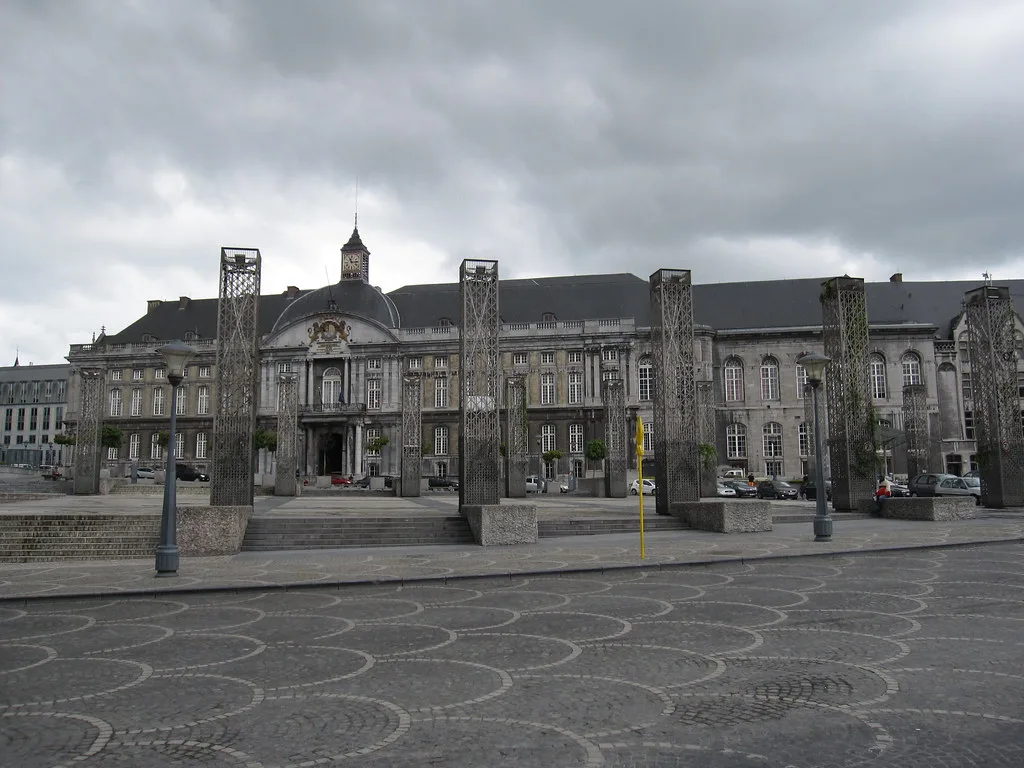
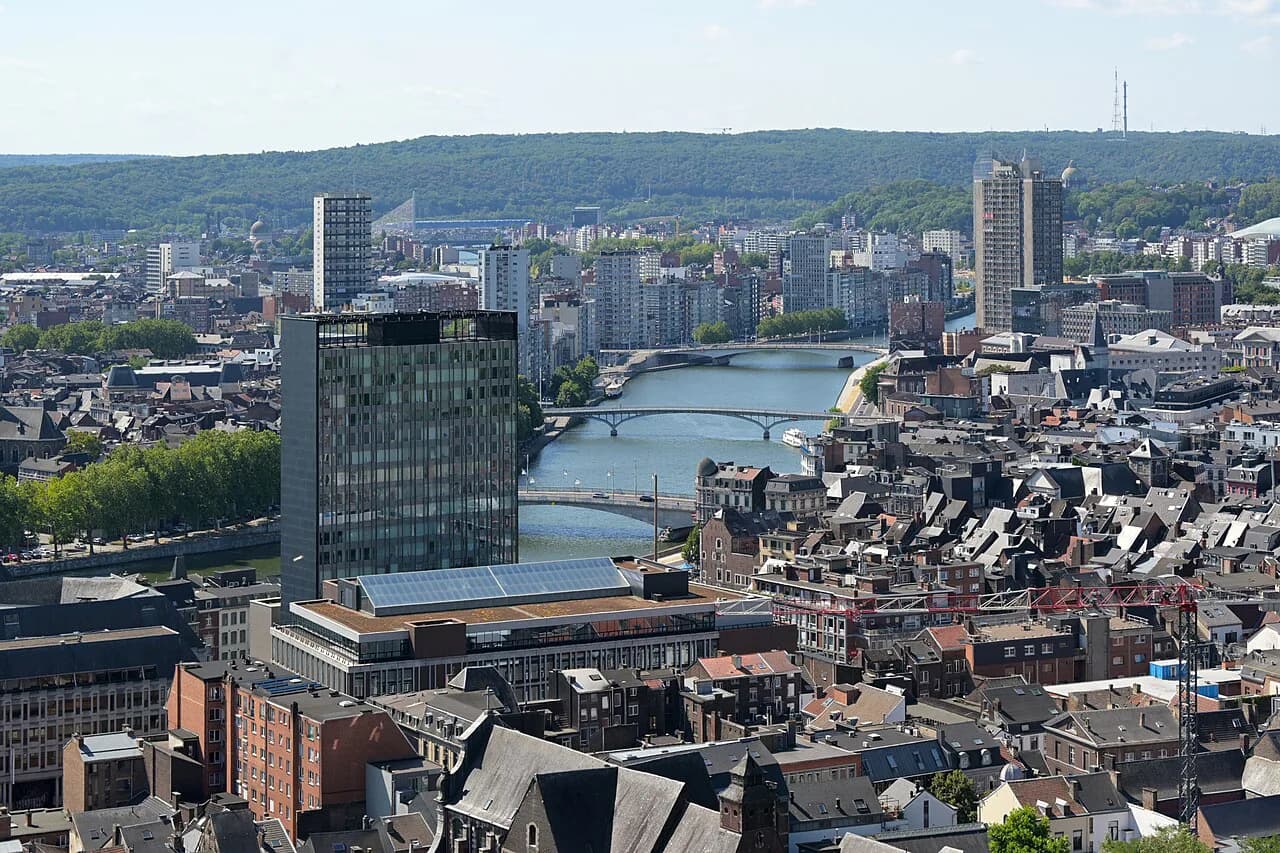
Churches as viewpoints: Montagne de Bueren and the citadel slopes
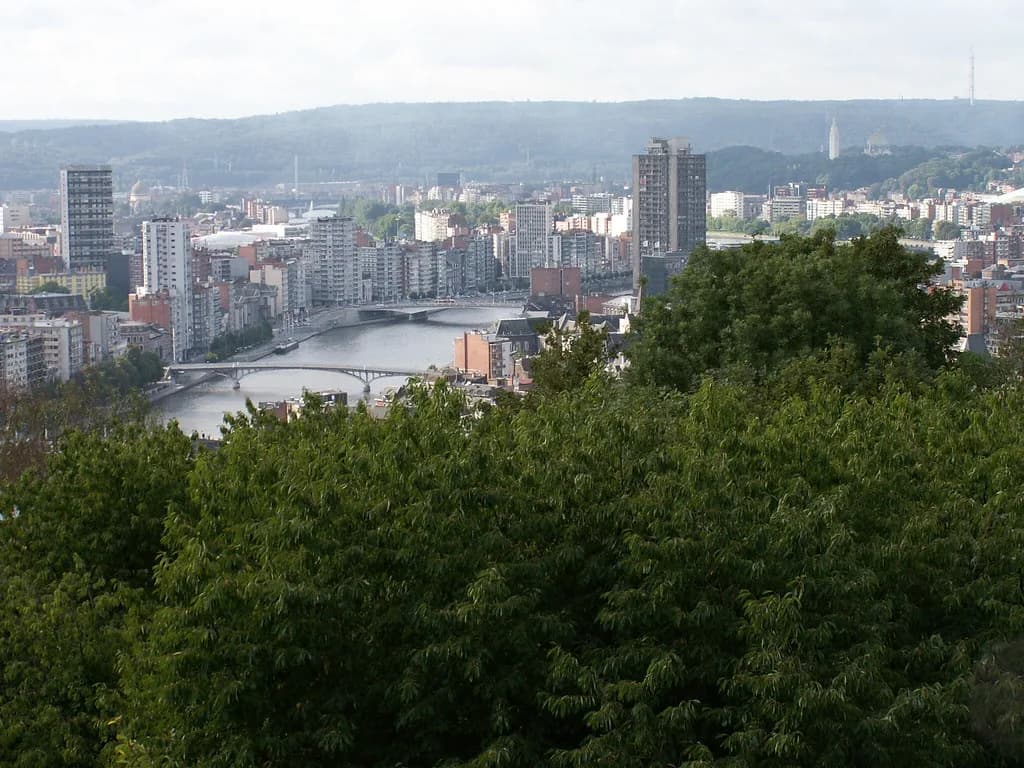
The Montagne de Bueren staircase is the city's best-known climb, built in 1881 to honour the 600 Franchimontois soldiers who died defending Liège against Charles the Bold. The 374 steps are best taken slowly, because the cityscape reveals itself as you climb, with the red-and-white Saint-Barthélemy visible below.
At the top, the Coteaux de la Citadelle offer peace and a view over the valley. The citadel itself is not intact: most of it was destroyed in the 1970s when a hospital was built on the site, though the southern walls remain. Descend through the Bois des Carmélites rather than retracing the stairs, and the walk becomes a loop instead of an out-and-back.
Where the churches sit in a one-day or two-day plan
For a one-day visit, start at the Montagne de Bueren, walk down through the Bois des Carmélites, then take in Saint-Barthélemy and Saint-Paul's before finishing at the Grand Curtius or the Museum of Walloon Life. The historic centre holds these anchors close together, so the day is a walking loop rather than a series of separate trips.
With two days, give the second morning to the Grand Curtius, whose arms collection alone runs to several thousand firearms and covers the city's history as a weapons-making centre. The Liège museums page sets out the city's other collections, including La Boverie and the Museum of Walloon Life, and helps you decide which deserve a slot.
Entry and access on a short city break
The churches sit in the pedestrian heart of Liège, so the practical question is time rather than transport. Liège-Guillemins station, the Calatrava-designed arch opened in 2009, is the arrival point for most visitors, and the city centre is walkable from there or a short ride away. Plan the cathedral and Saint-Barthélemy as a single half-day and leave the rest for the museums and the hillside walk.
Is the cathedral worth building a day around?
Saint-Paul's is worth a stop, but it is the walk between the churches, the staircase and the hillside viewpoints that makes a Liège day. Build the route around the Montagne de Bueren climb and Saint-Barthélemy, and let the cathedral be the calm stop in the middle. If you have a second day, the Grand Curtius and the other Liège museums reward the time.
Explore more Liège guides
Frequently Asked Questions
What language is spoken in Liège?
French is the everyday language of Liège, the main city of Wallonia. Place names on signs are in French, though many are similar in Dutch, and staff in tourist-facing places often speak some English.
Is Liège Cathedral the same as Saint-Paul's?
Yes. The cathedral of Liège is Saint-Paul, the former collegiate church in the historic centre. It is not the Saint-Lambert site, which no longer exists as a cathedral.
Sources
Useful notes for your next trip
Optional updates to our guides.
You might also like
Continue reading
More guides you'll find useful