Liège Art: Museums, Galleries and Where to Find Them
Give Liège art a full day: see La Boverie's Monet-to-Ensor collection, drop into Le Trinkhall and walk the central galleries. Just avoid a Monday.
On this page
Give Liège one full day for art and build it around two museums: La Boverie, the city's museum in the Parc de la Boverie, and Le Trinkhall, a purpose-built contemporary space. Save the commercial galleries for the gaps between them, because they cluster in three parts of town rather than on one street. This guide puts the museums first, then groups the galleries by quarter so you walk a route instead of crossing the city twice.
The single planning fact to fix first is the day of the week. La Boverie opens Tuesday to Sunday but stays shut on Mondays, which rules out a Monday start for the museum. Get that right and the rest of the itinerary falls into place around the park, the centre and the station quarter.
What Liège art you can see in a day or two
The city's art splits into two clearly different experiences. La Boverie is the museum of the city, mixing old masters with modern names and touring exhibitions across several floors. Le Trinkhall is a contemporary art museum whose collection is built mainly around artists with mental disabilities, shown in a new architectural building.
Around those two sit the galleries: experimental spaces, a converted bicycle factory and several small rooms in the historic centre and near the station. Pick by the kind of art you want, not by list order, and you can cover one museum and two or three galleries comfortably in a day. For a second day, add the larger city collections covered in the guide to Liège museums.
Anyone with a serious interest in old masters and archaeology should note that the city's wider museum network extends well beyond painting. Decide before you arrive whether you are doing one deep museum day or a spread of smaller visits, because Liège rewards the first and frustrates the second.
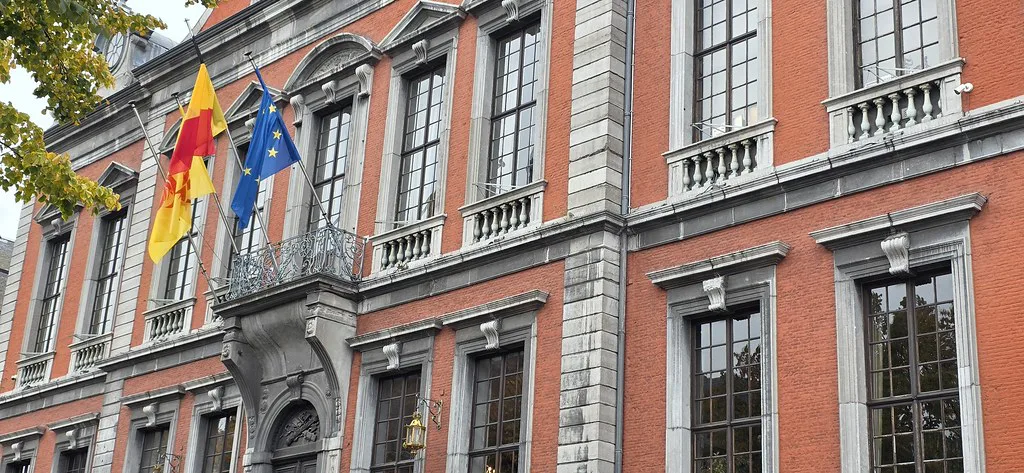
La Boverie: the museum of the city in the Parc de la Boverie
La Boverie stands in its own park on the left bank of the Meuse, at Parc de la Boverie 3, a setting that makes the museum feel like an excursion rather than a stop. The riverside position gives you a natural pairing with a walk along the water before or after your visit.
Allow two to three hours for the permanent collections plus whatever temporary exhibition is running, and longer if a major show is on. The museum runs a full programme of exhibitions, concerts, conferences and even a culture brunch, so check what is scheduled for your dates and build the visit around it rather than treating the building as a fixed stop.
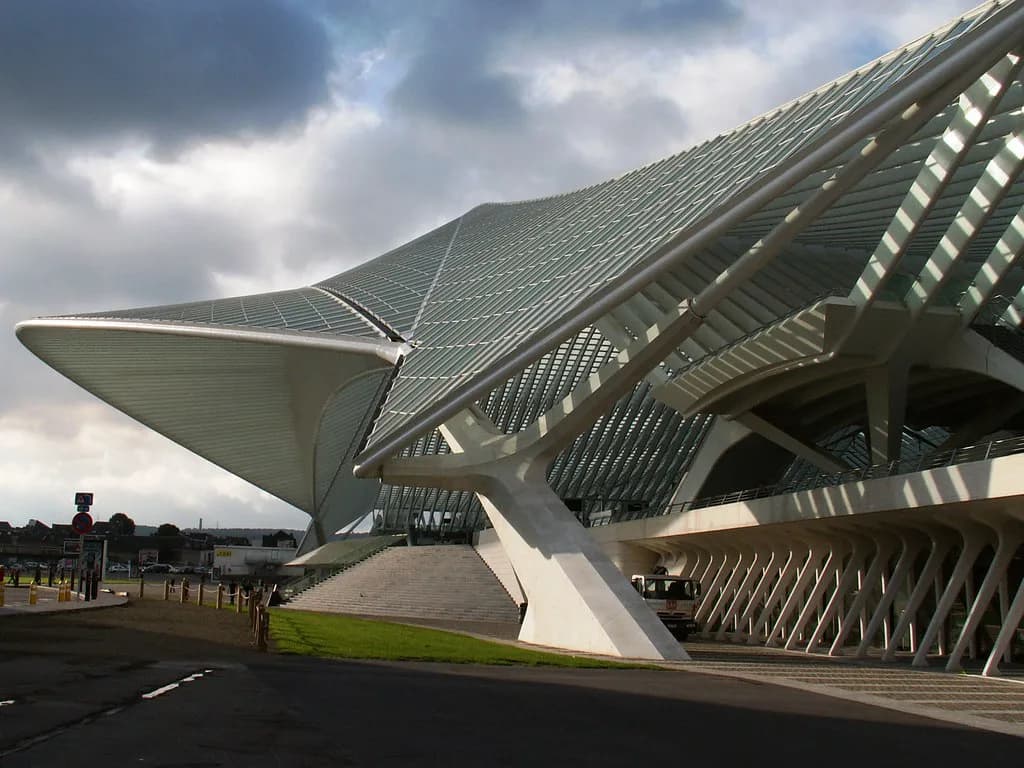
Because the park sits south of the centre, the easiest approach is on foot along the Meuse or by crossing from the Guillemins side. The Guillemins area itself is worth a look for the station building alone, documented in the Liège architecture guide, and it makes a logical start or finish to a museum day.
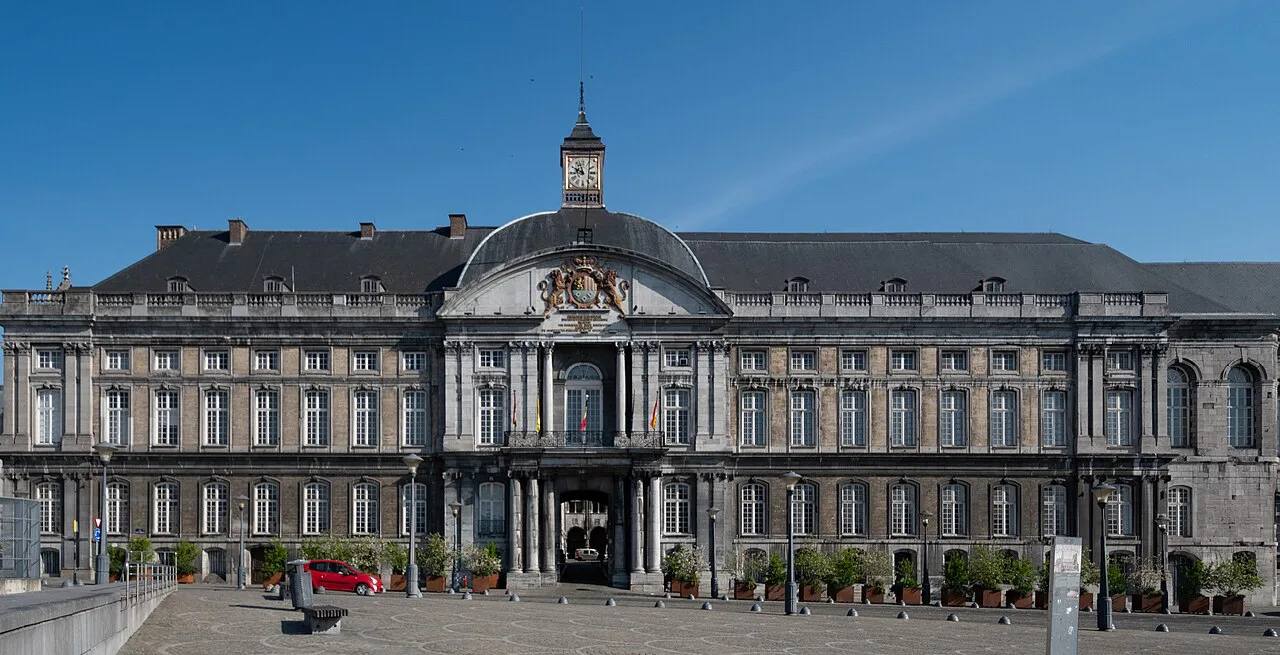
What hangs in La Boverie, from Monet and Picasso to Ensor
The collection's strength is its breadth. Works by Claude Monet, Paul Gauguin, Pablo Picasso and James Ensor hang alongside Belgian names such as Constantin Meunier and the eighteenth-century painter Léonard Defrance, with Lambert Lombard representing the older Liège tradition. That range means you can see impressionism, symbolism and modernism in a single visit without leaving the building.
The museum also presents a monthly work in focus, with a member of its research team selecting and commenting on a single piece, which gives repeat visitors a reason to return. Temporary exhibitions have included a Belgian impressionism show, so the balance between the permanent hang and the touring programme shifts through the year.
Treat the masterpieces list as a way to structure your walk through the rooms rather than a tick-list. The Ensor and Meunier works in particular connect to the wider Belgian story told across the city's museums and churches, and the Liège history guide explains the political and industrial backdrop those artists were working against.
La Boverie opening days and closing time
La Boverie opens Tuesday to Sunday from 10:00 to 18:00, with the ticket desks closing at 17:30, and it is closed on Mondays. Those hours are the fixed point for planning the rest of your art day. Special Monday openings have been announced for named exhibitions, so check the calendar for your own dates rather than assuming a Monday visit is possible.
The 17:30 ticket cut-off matters more than it looks: arriving at half past five leaves no time to see the collections properly. Book the museum into the middle of the day and leave the late afternoon for the galleries or a walk along the Meuse. The museum is part of the MuseumPASSmusées scheme, which is worth checking if you plan several museums in Belgium.
Le Trinkhall: contemporary art in a purpose-built space
Le Trinkhall is the counterpart to La Boverie: a contemporary art museum, housed in a contemporary architectural building, presenting works mainly by artists with mental disabilities. It works from the idea of situated arts, placing the collection in a specific aesthetic and environmental context rather than treating it as outsider material.
For a visitor used to the encyclopaedic museum, this is the sharper, more provocative stop, and it rewards an hour of close looking rather than a quick sweep. Pair it with La Boverie only if you have two days, because the two museums ask for very different kinds of attention and work better on separate mornings.
Its location means you should plan the walk there rather than stumble on it. If contemporary work is your main reason for visiting, Le Trinkhall plus two or three galleries is a better day than a rushed museum circuit, and the broader Liège Attractions: 9 Visitor Guides hub helps you fill the rest of the day.
Contemporary galleries in central Liège
Les Brasseurs is both an experimental space and a gallery, running cycles of solo and group exhibitions on contemporary art. Galerie Nadja Vilenne occupies a former bicycle factory and shows internationally known artists, often Belgian, with a reach beyond the city. Buronzu Gallery, opened by Derek Emonts and Michaël Verwulgen, sits in the heart of Liège with a deliberately uncluttered space for Belgian and international names.
These three make a sensible central cluster: push open the doors, see what is hanging, and move on. Gallery programmes rotate, so build the circuit around what is on rather than around a fixed collection. Culture Liège lists current and upcoming exhibitions across the province, which is the quickest way to see which rooms have something new.
Admission and opening times vary by gallery and are best confirmed with each venue before you set out. A short central circuit of three rooms takes an afternoon at most, leaving the morning for La Boverie or Le Trinkhall.
Galleries off the main circuit: Flux, Quai 4 and the historic centre
Flux sits facing the station, in the shadow of that architectural oddity, and leans towards international artists shown in a spirit of collective reflection on artistic trends. Quai 4 occupies a manor house facing the Meuse, which makes it a natural stop on a riverside walk rather than a detour inland.
In the historic centre, Les Drapiers, Galerie Saint Remy and Galerie Liehrmann offer smaller rooms in old streets; Saint Remy sits at the bend of an alley below the cathedral, and Liehrmann faces the philharmonic orchestra. Galerie Satellite and Monos Galerie fill out the smaller end of the circuit, with Monos deliberately minimalist.
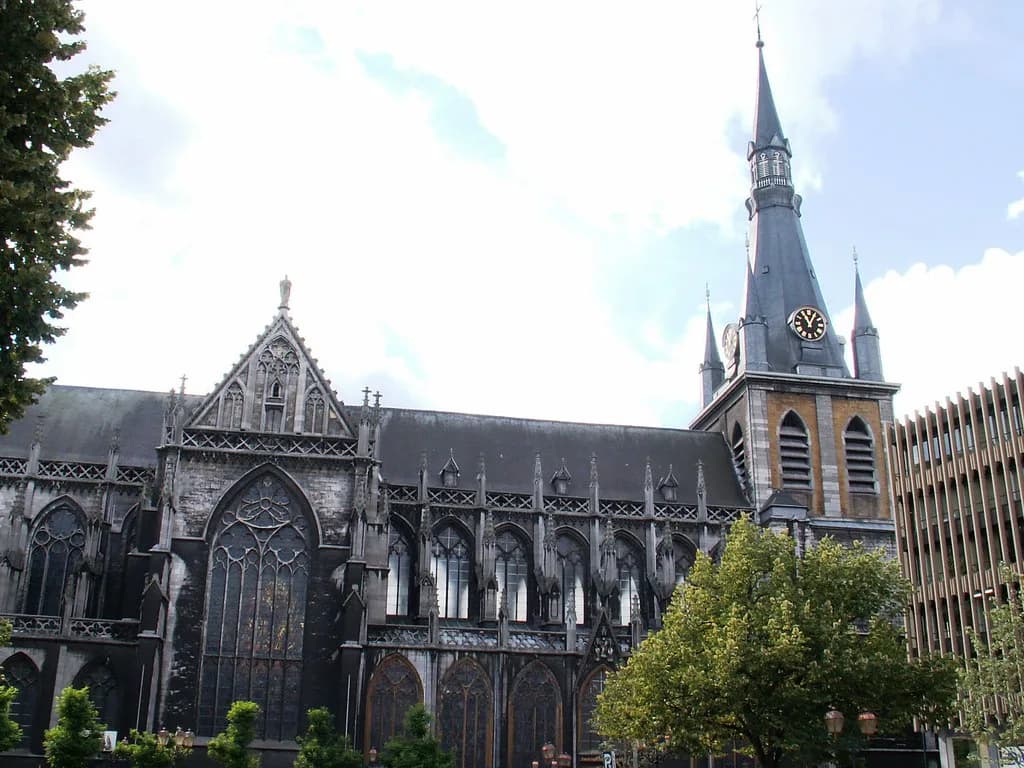
Because Saint Remy sits in the shadow of the cathedral, it pairs naturally with a look at the Cathédrale Saint-Paul and the surrounding streets. The Liège Cathedral guide covers the building's art and architecture, giving the gallery walk a second anchor in the same quarter.
How to pace a Liège art day on foot
Start at La Boverie when it opens, spend the morning on the collections, and walk back along the Meuse for lunch. Cross to the centre in the early afternoon for Les Brasseurs, Nadja Vilenne and Buronzu, then finish in the historic streets around Les Drapiers and Saint Remy. This route avoids recrossing the river and keeps the walking to a manageable loop.
If you are staying near the station, reverse the loop: Flux first, then La Boverie across the river, then the centre. Either way, keep the galleries as flexible slots, since they are the part of the day most likely to change with each exhibition cycle.
Where Liège art fits in a longer city break
Art alone does not fill three days. Pair a museum morning with the city's own citadel heights, or with the 374 steps of the Montagne de Bueren, which give you the best view back over the rooftops. Both are outdoor stops that balance a day spent indoors.
One honest trade-off: Liège's art is spread out, so a one-day visitor should choose La Boverie or Le Trinkhall rather than attempting both. A two-day visitor can do both museums plus the central gallery circuit, and a three-day visitor can add the station quarter and the cathedral.
Which Liège art stop do you pick first?
If you have one day, go to La Boverie on any day except Monday and add two central galleries in the afternoon. If contemporary work is the draw, choose Le Trinkhall and the station-quarter galleries instead. Either way, the galleries are the flexible half of the plan, so build the day around the museum that opens when you are there.
Frequently Asked Questions
Is La Boverie open on Mondays?
No, not as a rule. La Boverie opens Tuesday to Sunday, 10:00 to 18:00, with ticket desks closing at 17:30, and is closed on Mondays. Special Monday openings have been announced for particular exhibitions, so check the calendar for your own dates before planning a Monday visit.
Do I need to book Liège galleries in advance?
Commercial galleries generally expect you to walk in during an exhibition, though opening patterns vary by venue. Confirm directly with each gallery rather than turning up on the strength of a website listing.
How long does La Boverie take?
Allow two to three hours for the permanent collections plus whatever temporary exhibition is running, and longer for a major show. The 17:30 ticket cut-off means a late-afternoon start leaves too little time for a proper visit.
Which famous artists hang in La Boverie?
La Boverie holds works by Monet, Gauguin, Picasso and Ensor, alongside Belgian names including Constantin Meunier, Léonard Defrance and Lambert Lombard.
Sources
Useful notes for your next trip
Optional updates to our guides.
You might also like
Continue reading
More guides you'll find useful