Liège Chocolate: Local Specialities and What to Try
Liège chocolate is one of the city's noted local products, alongside the Liège waffle and regional beers. Here is what to try and how it fits into a city break.
On this page
Liège chocolate is one of the local products the city is known for. The tourist office lists chocolate alongside Liège-style meatballs, regional beers and the authentic Liège waffle as specialities worth tasting during a stay. That makes chocolate a food stop rather than a standalone attraction: something to seek out in the centre while you are already exploring the old town. This guide explains what to try and how a chocolate stop fits around the climb up the Montagne de Bueren or a walk along the Meuse.
What Liège chocolate means
The phrase is used in two ways. It can refer to chocolate as one of Liège's noted local products, in the same food tradition as the Liège waffle and regional beers. It can also bring to mind chocolat liégeois, a chilled chocolate dessert sold in pots and associated with the name Liège. The city's food identity is broader than either: the tourist office frames chocolate as part of a gourmet local culture rather than a single destination.
The city's food identity runs through chocolate alongside other specialities. Liège-style meatballs, regional beers and the authentic Liège waffle sit in the same tradition, and the tourist office lists chocolate among the local products worth tasting. That framing is useful: chocolate here is part of a broader food culture rather than a destination in its own right.
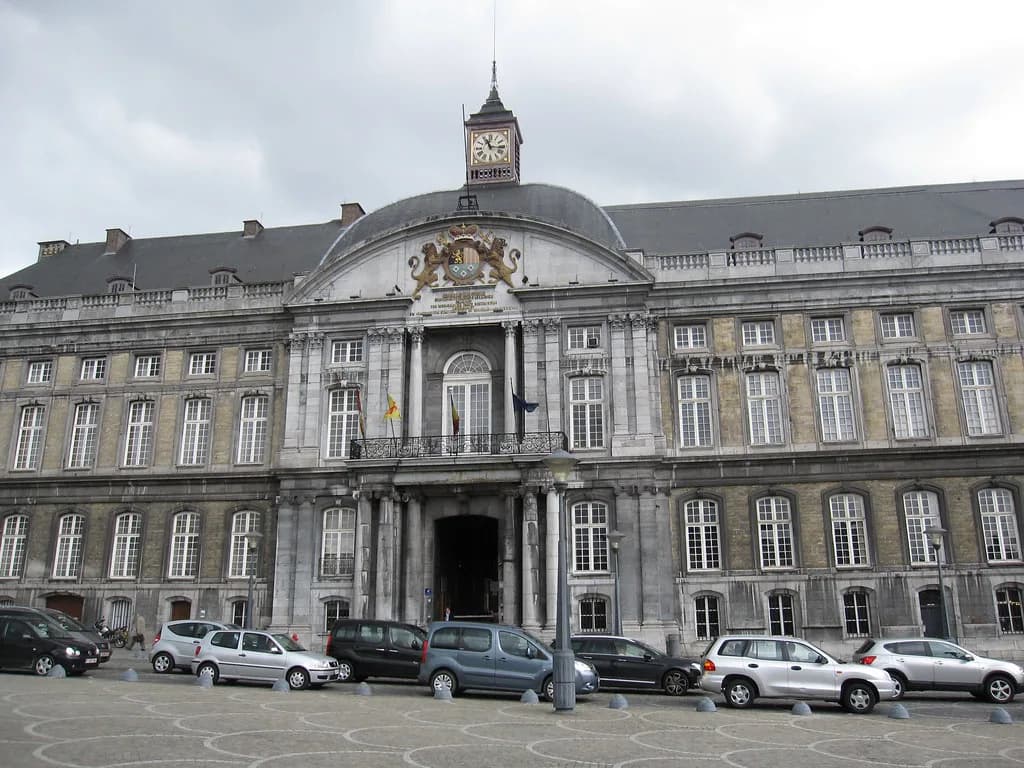
If chocolate is your main reason for coming, build a morning around the old town and the quays rather than treating it as a standalone attraction. Food stops cluster where people already walk, so a sweet stop slots naturally into a route through the Place du Marché, the Prince-Bishop's Palace and Rue Hors-Château. Plan the rest of your day with our guide to Things to Do in Liège.
Chocolate as one of Liège's local products
Chocolat liégeois is a cold, spoonable chocolate dessert sold in pots, closer to a dense mousse or a set custard than to a bar of chocolate. In English it is usually called a chocolate liégeois or simply a chocolate dessert pot. It is everyday food in Belgium and France rather than a luxury gift, and vanilla versions exist alongside the chocolate ones.
The dessert is worth trying once during a city break, ideally after a long walk when something cold and rich makes sense. Look for it in food shops and cafés rather than hunting for a specialist chocolatier. If you want a lighter finish, the vanilla version is a common alternative to the chocolate one.
Belgian chocolate: what to look for
A praline in Belgium is a filled chocolate, not the sugared almond the word means elsewhere. When you buy a box, the useful question is what is inside each one: ganache, praline paste, hazelnut, fruit, or a flavoured cream. Boxes are usually sold as mixed selections, so a small box lets you test several fillings without committing to a large one.
Wallonia has its own food heritage, and Liège sits within a Belgian tradition of sweet specialities that stretches well beyond the city. The Grand Curtius, Liège's main museum complex, is the city's anchor museum for decorative arts and regional craft traditions, and it is a sensible stop if you want context on local luxury goods before you buy. It also holds the weapons collections that made the city's name in manufacturing.
Read the labels before you assume a brand's nationality. Ownership and production move around in the chocolate industry, so the country on the packaging, the address of the maker and the origin of the cocoa do not always match. If Belgian or Swiss origin matters to you, check those details on the box rather than relying on a name you recognise.
Liège's sweet specialities beyond chocolate
Beyond chocolate, Liège's sweet reputation rests on the Liège waffle, denser and sweeter than the Brussels version. Look for chocolate and waffles together in the centre, where cafés and food shops sit close to the main squares. A waffle and a chocolate dessert in the same afternoon is a legitimate plan for a short break.
The historic centre is compact enough to cover on foot, which means you can combine a chocolate stop with sightseeing rather than making a separate trip. Rue Hors-Château, the courtyards off it, the collegiate church of Saint-Barthélemy and the Prince-Bishop's Palace all sit within the same walkable district. Our guide to Liège Old Town covers that circuit in detail.
Choosing where to buy chocolate
The clearest signal is what the shop is selling. A chocolatier that makes its own pralines will show the fillings, name the types and often describe what is in each one; a shop reselling wholesale stock tends to display identically packaged branded boxes. Ask what is made on site, and whether the pralines are made in the shop or supplied. The answer tells you most of what you need.
Presentation counts for less than turnover. A counter with small trays and a limited number of fresh items suggests a shop where stock moves and nothing sits for months. Very long shelf-life claims and stacked boxes of the same product in every size point the other way. Neither is a reason to walk out, but it changes what you should buy.
Rather than planning around a fixed list of names, walk the streets between the Place du Marché and Rue Hors-Château and judge the counters yourself. If a market day is in your plan, a market is also a good place to test local producers side by side; our Liège markets guide covers the options.
Buying chocolate in Liège: what to ask and how to carry it home
Buy with the journey home in mind. Ask how the pralines are best stored and how long they keep, since fresh cream and ganache fillings behave differently from solid bars. Small boxes are easier to protect and less damaging to open on arrival than a large presentation box you have to manhandle through security.
Packing matters as much as the shop. Chocolate softens in warmth and spoils the surface when handled roughly, so keep it in hand luggage if you are flying, and in the coolest part of your bag if you are travelling by train. Avoid leaving a box in a warm car or a sunny room before your departure. These are small decisions, but they decide whether the gift arrives intact.
Where chocolate fits into a one to three day Liège itinerary
On a single day, climb the Montagne de Bueren first while the light is good, drop to the historic centre for the Place du Marché and a chocolate stop, then end with something sweet in a café. That route uses the city's best-known viewpoint and its main food stop without backtracking. The stairs are steep, so a cold dessert afterwards is a reward rather than a detour.
With two or three days, give the museums their own half-day. La Boverie and the Grand Curtius are the two anchor museums, and the latter links neatly to a chocolate theme through its decorative arts collections. Add a walk along the Meuse quays, and make sure your chocolate buying is not left to the final hour before a train.
If you are weighing the city against other Belgian stops, chocolate is a supporting act rather than the headline. Liège's case rests on its stairways, the historic centre and its museums. Our honest answer on whether Liège is worth visiting sets that out plainly and helps you decide how much time to give it.
Does Liège deserve a chocolate stop?
Yes, but as part of a wider day. Chocolate is one of the local products the tourist office lists for Liège, alongside the Liège waffle, meatballs and regional beers. That gives you a reason to slow down in the centre, within easy walking distance of the Place du Marché and Rue Hors-Château. Build your chocolate stop into a morning of sightseeing rather than a dedicated expedition, and judge the shops by what they make rather than by a familiar brand name.
Carry a small box home rather than a large one, and keep it cool and protected on the way. If you only have a day, the Montagne de Bueren climb, the old town and a taste of local specialities are enough to leave with a fair impression of the city.
Explore more Liège guides
Frequently Asked Questions
What is chocolat liégeois in English?
It is a chilled chocolate dessert, closer to a dense mousse or set custard than to a bar. It is sold in pots and also served in cafés.
What local food is Liège known for?
The tourist office lists Liège-style meatballs, regional beers, chocolate, the authentic Liège waffle and Liège coffee as local specialities worth trying during a stay.
Is chocolate one of Liège's local products?
Yes. The city's tourist office includes chocolate on its list of local products to taste, alongside meatballs, beers and the Liège waffle.
Where can I try chocolate in Liège?
The historic centre around the Place du Marché and Rue Hors-Château is the practical place to look, since food shops and cafés cluster there. Judge the counters you pass rather than planning around a fixed list.
What should I look for when buying pralines?
Look at what goes into each one: ganache, praline paste, hazelnut, fruit or a flavoured cream. Ask whether the pralines are made on site and how best to store them for the journey home.
Sources
Useful notes for your next trip
Optional updates to our guides.
You might also like
Continue reading
More guides you'll find useful