Parks in Liège: Green Spaces for a City Break
Green and open ground that fits a Liège city break, which sits close to the old town, which rewards a climb, and how to pair each with a nearby sight.
On this page
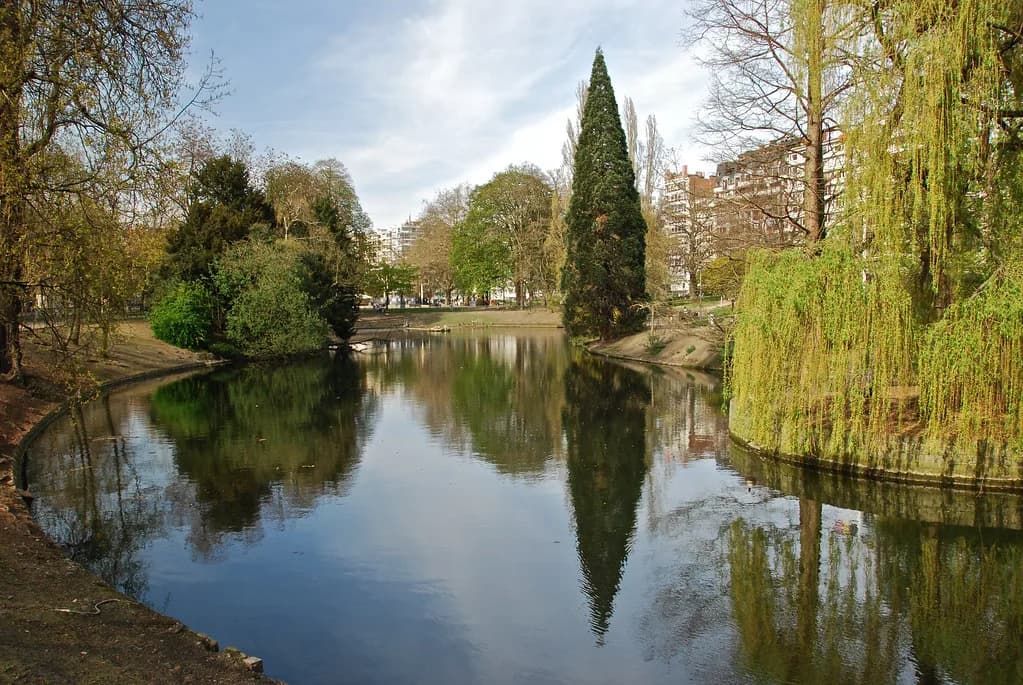
Treat Liège's green and open ground as breathing space between sights, not as a separate day out. The walking that matters to a short-break visitor runs along the Meuse or climbs the slopes above the city, and each fits naturally around something you were already going to see. This guide sorts the options by where they are and how much time they ask for, so you can slot one into a morning or an afternoon without losing the rest of the plan.
The city is compact in the centre but steep at the edges: the historic core clusters around Place Saint-Lambert and the Meuse, while the hillside rises sharply to the north. That shape means a riverside walk or a climb is usually a ten- to twenty-minute walk from the sights rather than a tram ride into the suburbs. The trade-off is height: the best views cost you a climb.
How Liège is laid out around its green spaces
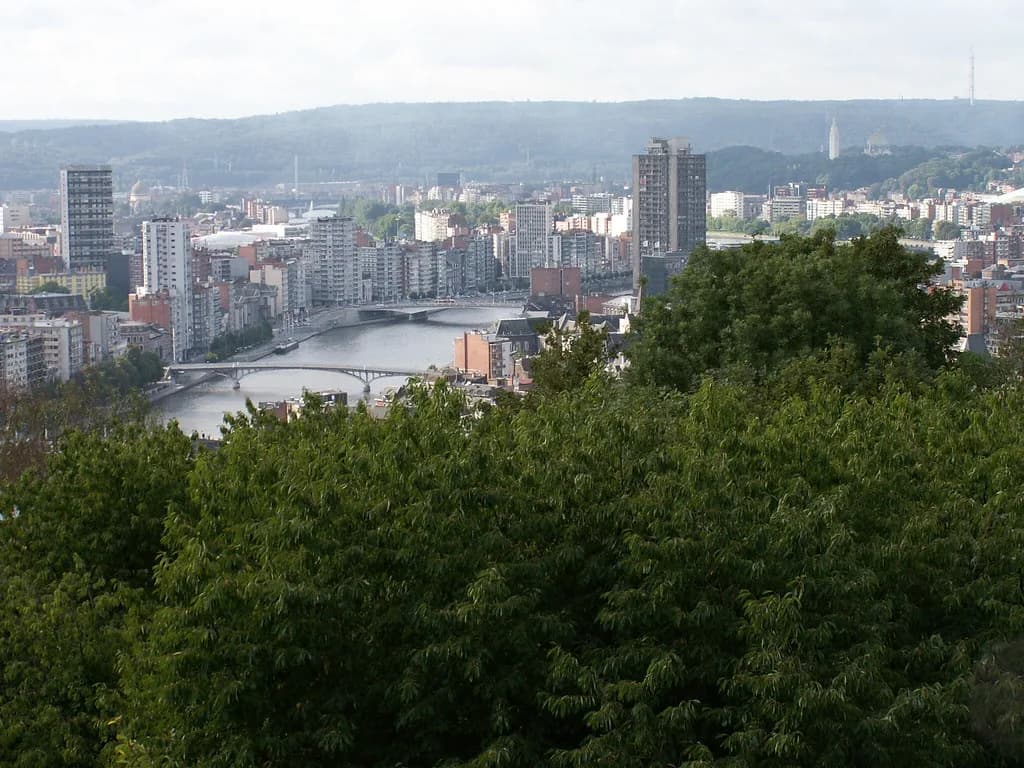
Liège runs east-west along the Meuse, with the old town on the north bank. Green space is threaded through that layout in two ways: riverside stretches that are flat and easy, and hillside ground that rewards effort with a view back over the roofs.
If you are arriving by high-speed rail, Liège-Guillemins is the obvious starting point, and the tourist office lists it as an international hub for the city. Two park-and-ride sites, P+R Sclessin and P+R Bressoux, sit at the motorway entrances and connect to the centre by tram.
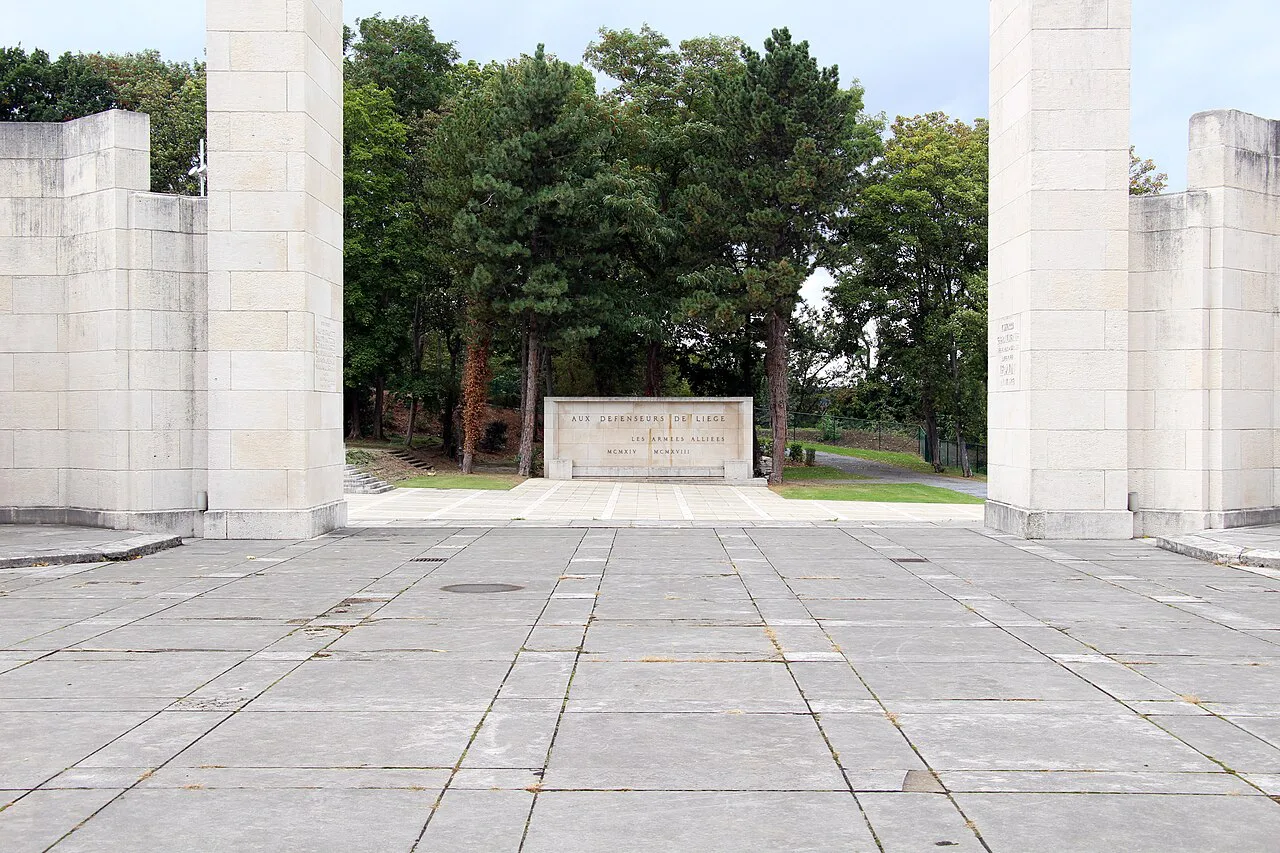
The riverside along the Meuse
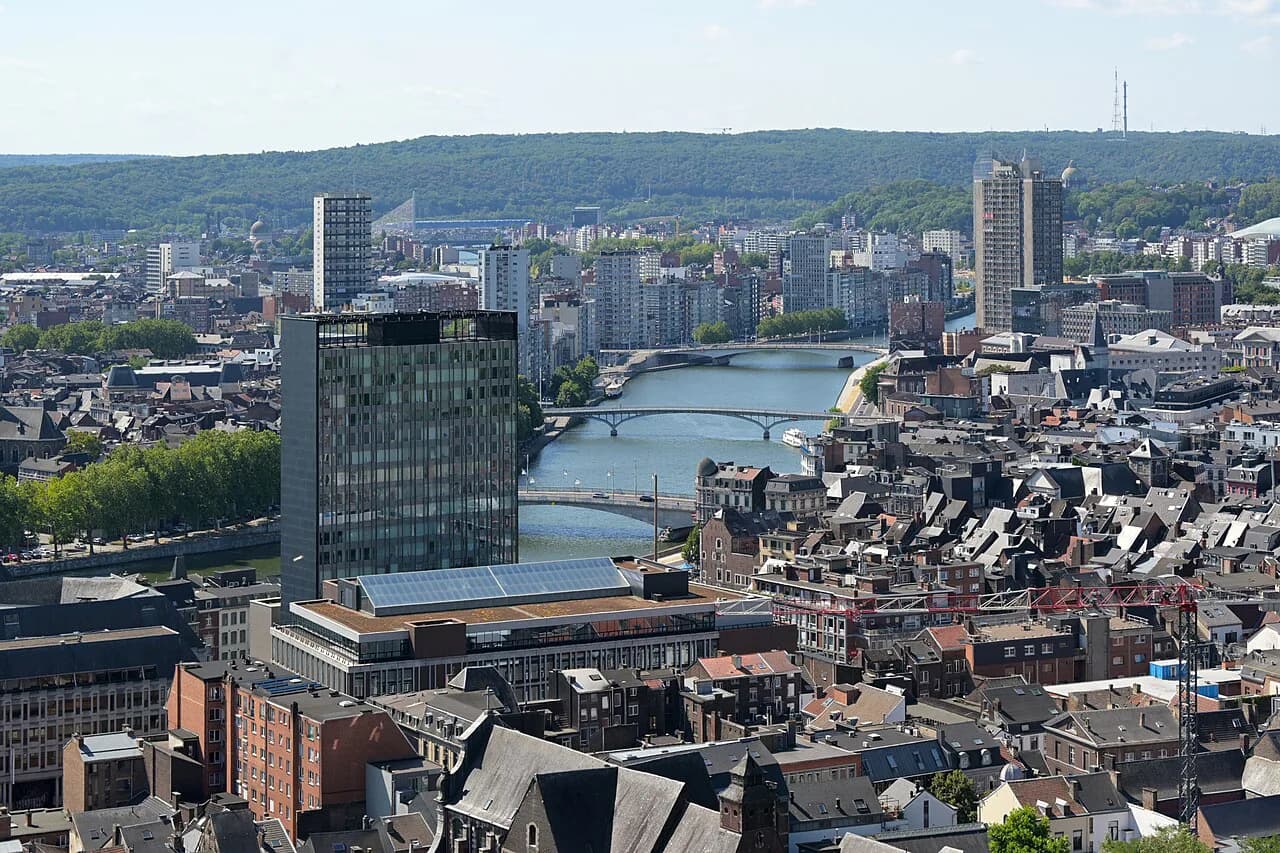
The Meuse quays give Liège its easiest level walking: flat, continuous and close to the bridges that link the two banks. Come here to break up a museum morning rather than to tick off a sight, and combine it with a wander through the old town streets nearby.
Because the quays are level, they suit anyone who wants to avoid the city's staircases and gradients. The trade-off is that the riverside is more promenade than garden: expect open views, benches and river traffic rather than enclosed lawns.
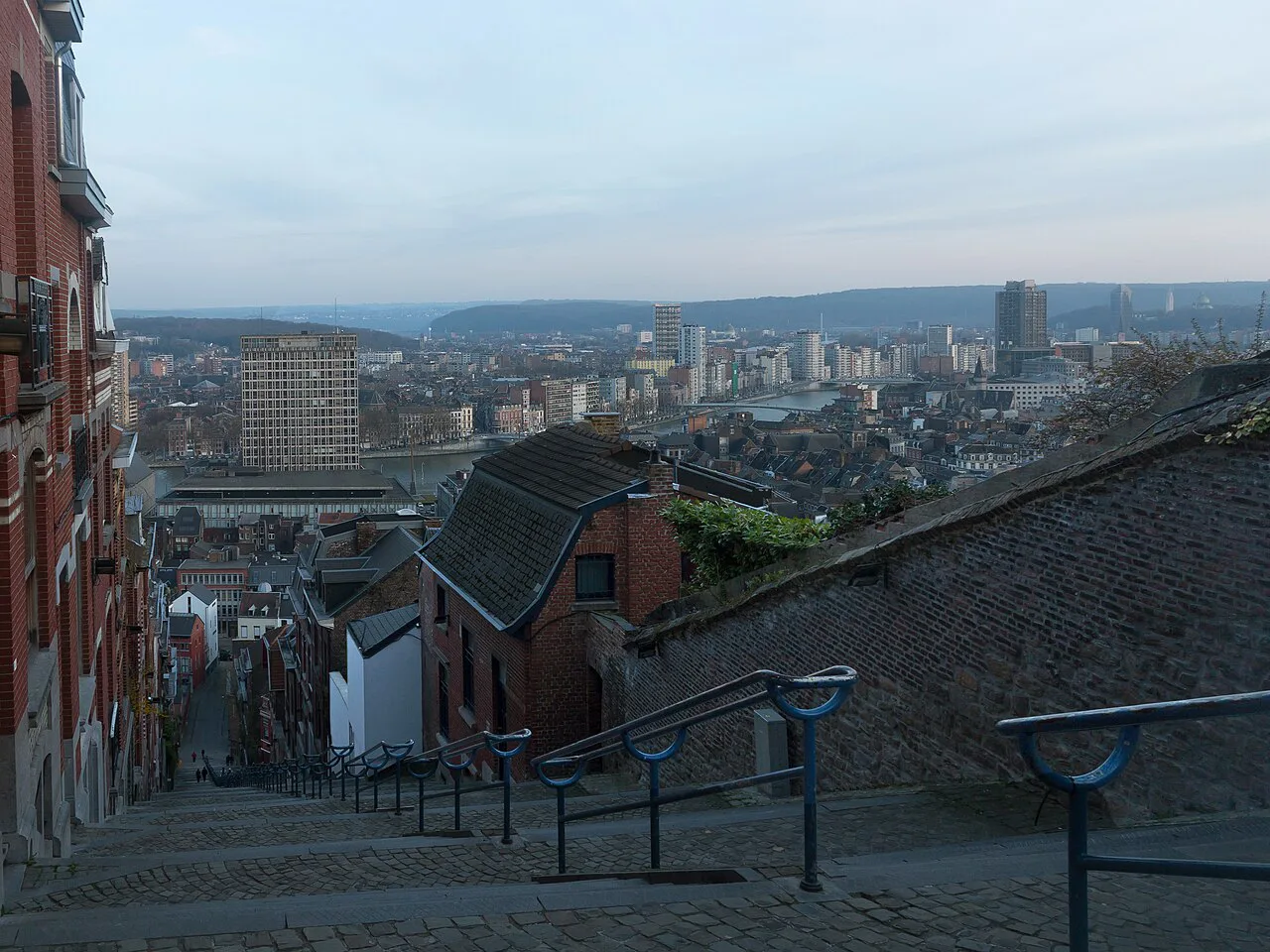
The climb to the Montagne de Bueren
The slope above the old town is where Liège's walking meets its best-known staircase. The Montagne de Bueren is a long flight of steps climbing from the streets near the centre, and the ground above it gives you the panorama that most visitors come for. Go early in the day if you want the steps to yourself.
Treat the climb as the main event and the green space as the reward at the top, rather than the other way round. Sturdy shoes matter on the cobbled steps, and the descent is harder on the knees than the ascent is on the lungs.
Arriving at Liège-Guillemins
Guillemins is worth arriving early for: the tourist office singles out the Guillemins station for the architecture achieved in its design and construction, and the surrounding district puts you within a walk of the river. If you have an hour before a train, walk down towards the Meuse rather than waiting under the roof.
For drivers, the Parking Saint Denis garage has two central entrances, at Rue Souverain-Pont 44 and Place Saint Denis 1, with 24-hour vehicle exit, payment by card or cash, and no need to reserve. That makes it a practical base for a market-plus-riverside morning.
Pairing a walk with the old town
The old town is where the park plan pays off best, because you can walk from a church or a square to open ground in minutes. Start at Place Saint-Lambert, take in the streets around the cathedral, then head uphill for the view before the light goes.
If you prefer to have the route decided for you, a guided Liège walking tour covers the centre and saves you the navigation while you settle into the city's geography. Either way, keep the afternoon free for the climb rather than trying to fit it between two museums.
Eating and drinking after a walk
Beer is the natural finish to a walk in Liège, and the local brews are part of the city's identity rather than an afterthought. Local names turn up in cafés across the centre, and a beer café is a sensible last stop after the descent from the Montagne de Bueren.
Sweet things are the other Liège speciality, and a chocolat liégeois is a dessert you will see named after the city. Combine a riverside walk with a stop at a chocolatier in the centre if you want a low-effort treat between sights.
Markets give a Liège morning its structure, and the city's food and flea markets are part of how the centre works. The Parking Saint Denis operator is a handy base: it has two central entrances, at Rue Souverain-Pont 44 and Place Saint Denis 1, with no need to reserve and 24-hour exit, so you can park, walk the stalls and the river, and leave when you like.
When to walk in Liège
Spring and early autumn give the best balance for walking: mild enough for the climb, with the trees still in leaf. High summer is hotter and the hillside has little shade at the top, so start early and carry water.
If you want to cycle rather than walk, Liège and the wider province have routes along the river that avoid the worst of the gradients. A bike rental near the centre is the simplest way to extend a riverside stroll into a half-day.
Fitting a walk into one or two days
With a single day, spend the morning on the old town and the Montagne de Bueren, then eat by the river and walk the quays in the afternoon. With two days, add the station district and another riverside walk on the second morning, and keep the late afternoon for the market or a beer café.
If you are still deciding whether the city deserves the time, the honest answer is that Liège rewards a slower pace than its sights list suggests. The level riverside and the short, sharp climb above the old town are the reason: they give you somewhere to pause between the churches and the museums.
Where should you build your walk around?
Build the day around the Montagne de Bueren climb and its view, then let the riverside fill the rest. That pairing gives you the city's best-known climb and its easiest level walking without wasting time on transport.
If stairs are off the table, swap the climb for the quays and accept a flatter, gentler day. Liège still works at that pace, and the riverside is where the city is most relaxed.
Explore more Liège guides
Frequently Asked Questions
How long does the Montagne de Bueren climb take?
The staircase is short but steep, so allow a steady climb up and rather less time down, plus time at the top for the view. Time it for the morning if you want cooler air and fewer people on the steps.
Sources
Useful notes for your next trip
Optional updates to our guides.
You might also like
Continue reading
More guides you'll find useful