Is Liège Worth Visiting? An Honest Answer for a City Break
Liège rewards travellers who like big staircases, striking churches and French-speaking city life. Here is what the city does well and who will enjoy it.
On this page
Liège is worth visiting if you want a Walloon city with real height and grit rather than postcard canals: the Montagne de Bueren staircase, St Paul's Cathedral and the tangle of alleys off Rue Hors-Château give it a character no other Belgian city quite matches. A day covers the centre comfortably, and two days lets you slow down. This guide sets out what Liège does well, where it falls short and how many days to give it.
What Liège does better than most Belgian cities
Liège is the largest city in French-speaking Wallonia, so it feels like a working city rather than a museum piece. That means fewer chocolate-box streets and more vertical drama: a staircase climbing a hillside, a cathedral with an interior of black-and-white marble and vivid stained glass, and narrow medieval alleys tucked between ordinary shops. If you want a Belgian city break with a bit of edge, this is the one.
Montagne de Bueren: 374 steps and the view from the top
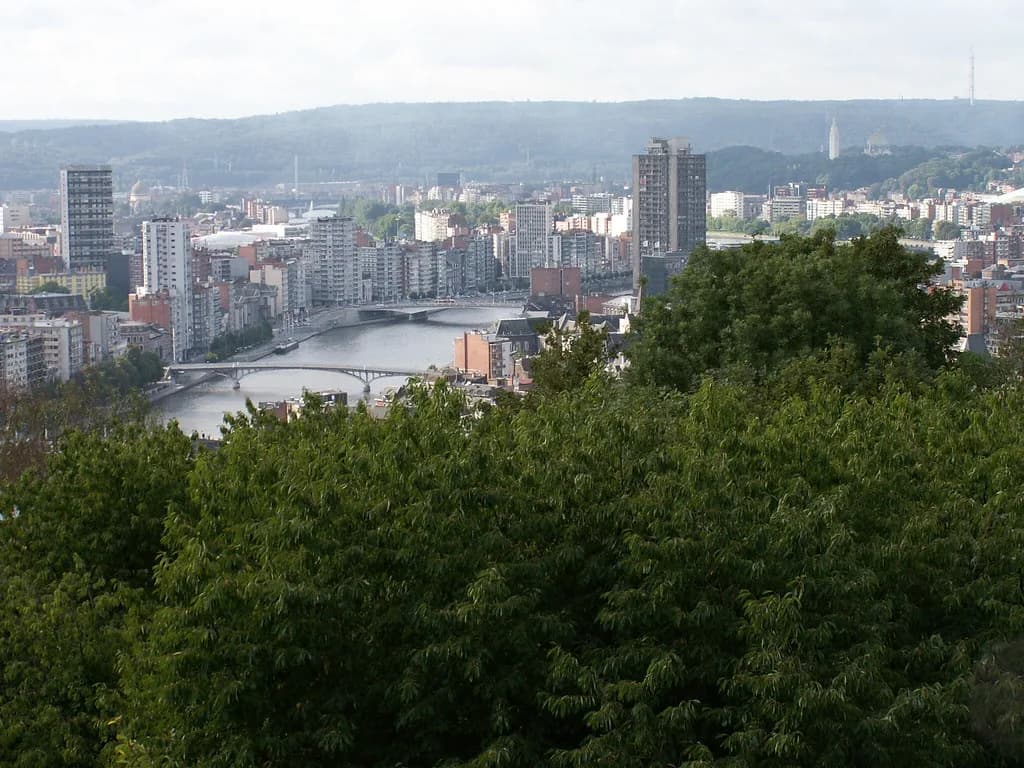
The Montagne de Bueren is the city's signature sight: 374 steps built in 1881 to honour the 600 Franchimontois who died resisting Charles the Bold, Duke of Burgundy. Climb steadily and the cityscape unfolds behind you with every flight, which makes it worth lingering rather than racing. The top brings you out onto the heights above the centre, close to the remaining southern walls of the Citadelle de Liège and the wooded paths of the Bois des Carmélites.
You do not have to come back down the same way. Routes through the Bois des Carmélites wind down through trees to the city centre, giving you a different view on the descent and a cooler, quieter finish to the climb. Leave enough energy for the rest of the day, because the centre sits below you and the return walk is longer than the ascent feels.
The centre: La Carré, St Paul's Cathedral and the Collégiale Saint-Barthélemy
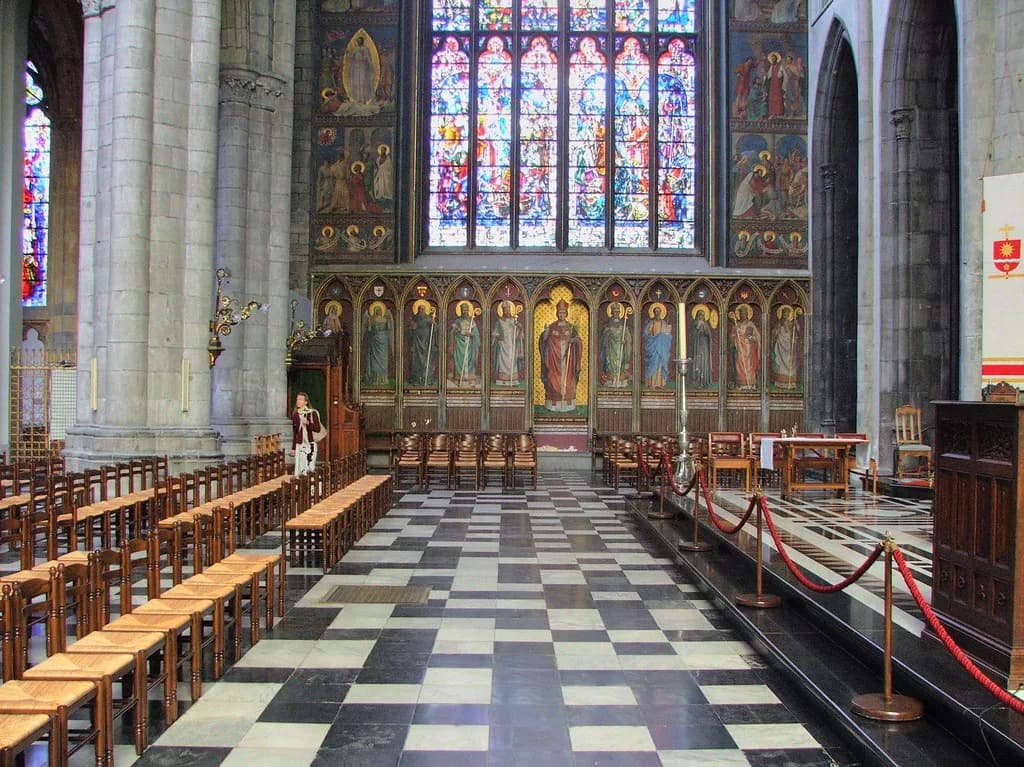
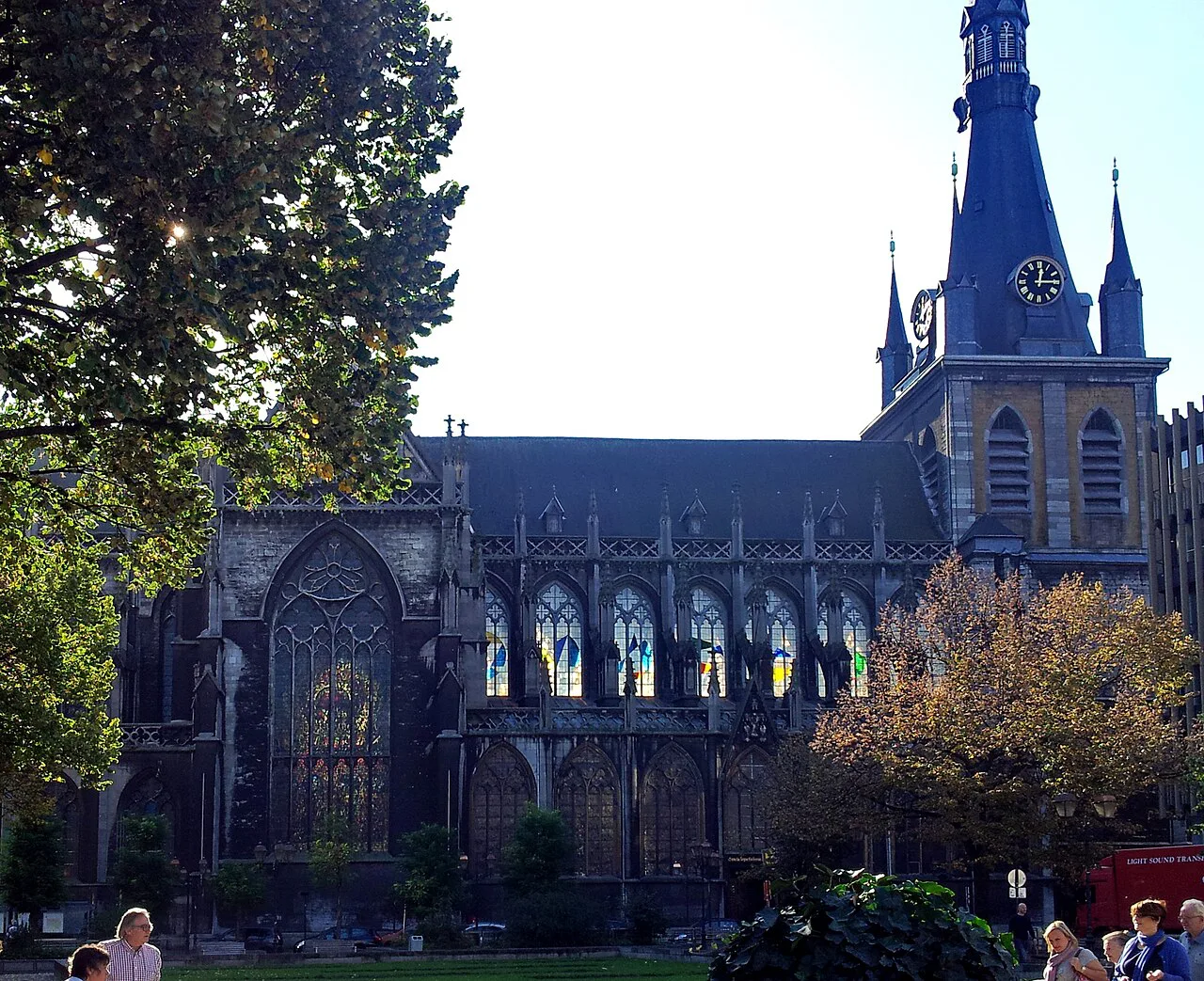
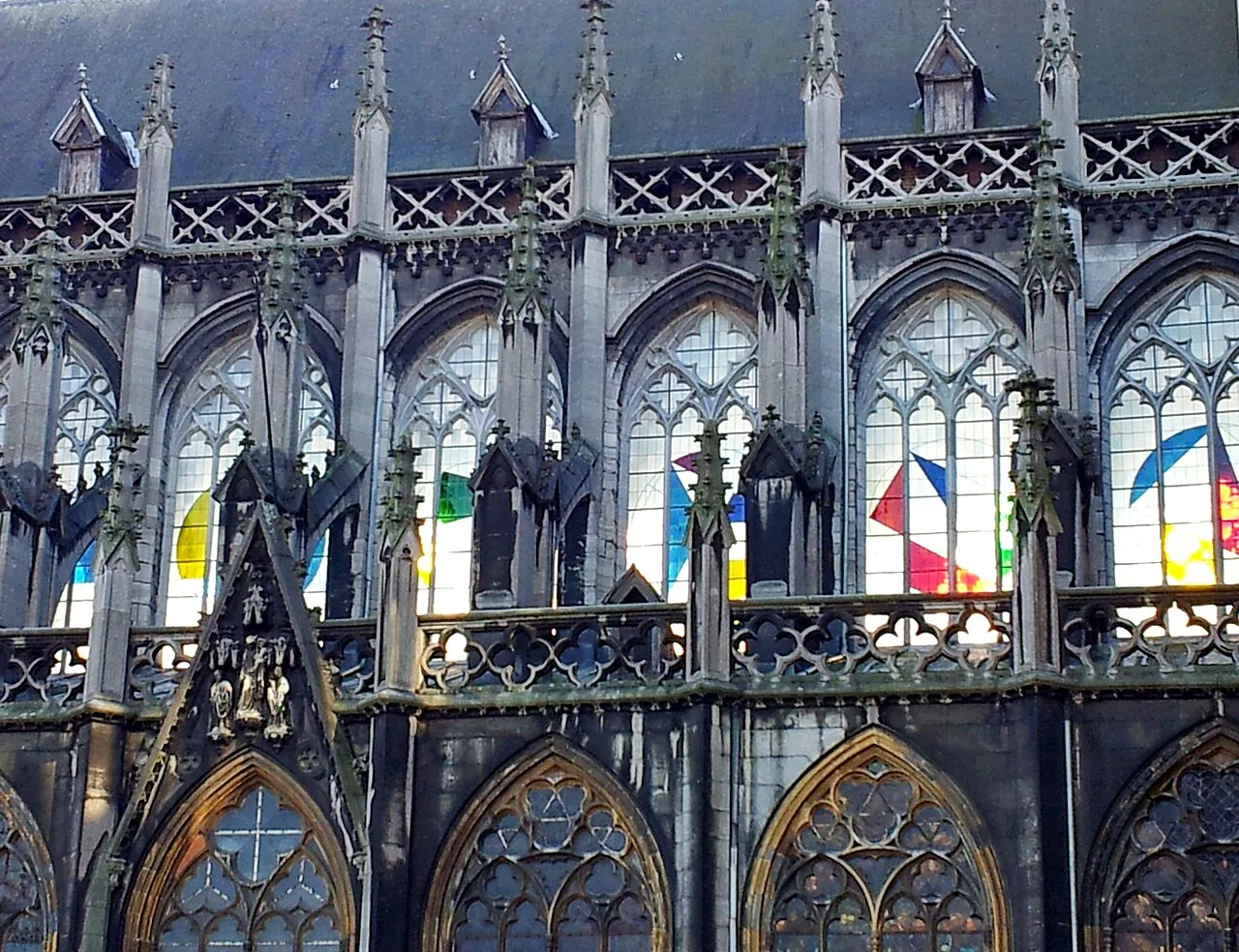
La Carré is the pedestrianised heart of Liège, a grid of streets given over to shopping and city life. Just beyond it, St Paul's Cathedral is the sleeper hit of the centre: polished black-and-white marble floors, striking modern stained glass and explanatory panels in several languages that make the history easy to follow. It is the sort of interior people walk into without expectations and come out talking about.
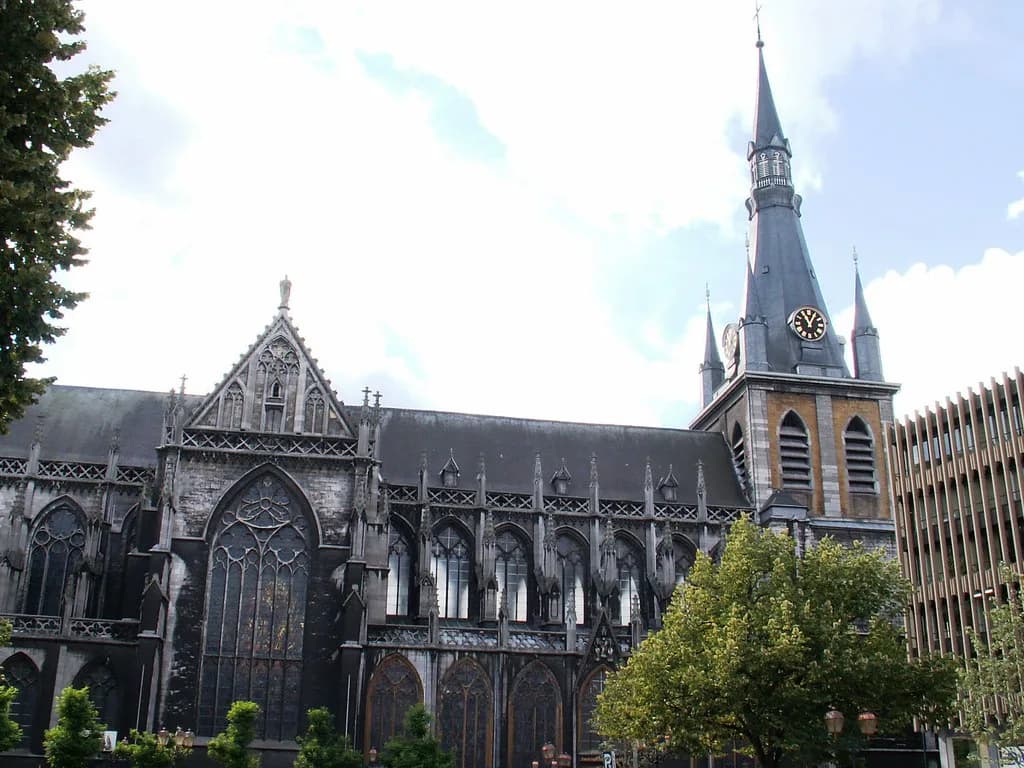
The Collégiale Saint-Barthélemy, founded in the late 11th century, is recognisable from the hillside by its red-and-white exterior. Its interior mixes French Baroque decoration with stretches restored to the original style, and it is a short walk from the riverfront.
Liège-Guillemins station as a sight in itself
Liège-Guillemins, opened in 2009 to a design by Santiago Calatrava, is a monumental white arch of glass and steel that is worth a few minutes even if you arrive by train. It is not the city, though: the centre is roughly a 25-minute walk away, so allow for that when you plan your arrival and departure. Treat the station as the opening act rather than the destination.
The impasses off Rue Hors-Château
Off busy Rue Hors-Château, a handful of narrow alleys open into quiet courtyards: Impasse Venta, Impasse de l'Ange, Impasse Hubart, Impasse de la Vignette and Impasse de la Chaîne. Their entrances are easy to miss, which is exactly why they feel like a discovery. Poke your head into each one; together they add half an hour to a walk through the old town and show a side of Liège that the grand sights do not.
Liège waffles and what to eat in the city
Liège waffles are the city's most famous edible export, denser and chewier than the Brussels kind and studded with pearl sugar. They are sold all over the centre, so the sensible approach is to buy one warm and eat it while walking rather than sitting down for it. For the fuller picture of local eating, boulets à la liégeoise and the food streets around the centre give you the savoury side.
The Meuse and La Batte promenade
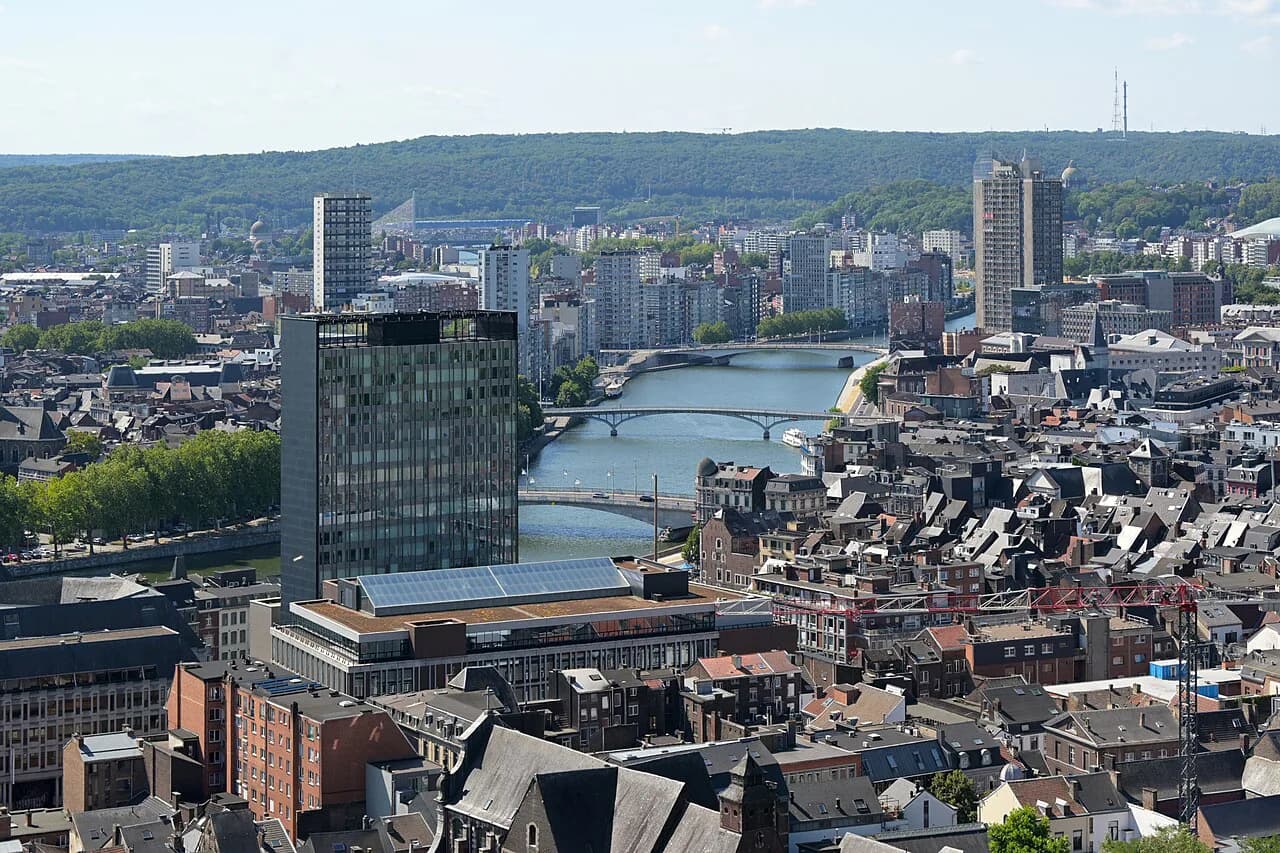
The La Batte promenade follows the Meuse through the city, and a stroll along it gives you the wide, unhurried view that the narrow streets deny you. Along the way, the Grand Curtius anchors the riverfront with archaeology, decorative arts and arms under one roof. Use the quayside as a link between the centre and the station rather than a detour, and the city starts to feel smaller.
How many days Liège needs
One full day is enough for the Montagne de Bueren, the cathedral interior, the Collégiale Saint-Barthélemy and a wander through the impasses, with time for a waffle in between. Two days lets you add the Grand Curtius, a riverside walk and a slower morning, and is the better choice if you are travelling a long way for the trip. Beyond two days, the city becomes a base for the wider province rather than a destination in its own right.
Who will enjoy Liège and who will not
Liège suits travellers who like hilly, French-speaking cities with a bit of roughness, who are happy to climb stairs for a view and who enjoy church interiors and small courtyards more than tick-box attractions. Expect French to be the everyday language of the city, and plan around that if you do not speak it.
It is a poor fit if your idea of a Belgian city break is Bruges: canals, lace shops and a perfectly preserved medieval core. Liège is bigger, busier and more workaday, and its pleasures are the staircase, the cathedral and the alleys rather than a single photogenic square. Come for that and you will like it; come expecting Bruges and you will not.
Liège or Namur: which Walloon city to pick
Namur is the smaller, calmer Walloon choice, built around the Citadelle de Namur with the river confluence below it. Liège offers more: the staircase, the station, the cathedral interior and a bigger tangle of streets to get lost in, at the cost of more ground to cover and a centre that takes time to reach from the station. Pick Liège for the grand set pieces and Namur for a gentler, more compact weekend.
Should Liège make your shortlist?
Liège earns its place on a Belgian city-break shortlist if you want a Walloon city with height, history and a bit of edge, and a day or two is enough to see its best. Go for the Montagne de Bueren climb, St Paul's Cathedral and the alleys off Rue Hors-Château, and leave Bruges expectations at home. Fans of pretty canals should look elsewhere; everyone else will find plenty to fill the time.
Explore more Liège guides
Frequently Asked Questions
What is Liège famous for?
Liège is best known for the Montagne de Bueren staircase, its Liège waffles, St Paul's Cathedral and the Collégiale Saint-Barthélemy. The city's grandest architecture includes the Calatrava-designed Liège-Guillemins station, and its medieval centre is threaded with narrow alleys and courtyards.
Is Liège safe?
Liège is a normal working city, and the usual city precautions apply: keep an eye on your belongings in busy shopping streets and around the station, and stick to well-lit routes at night. The main sights in the centre are within easy walking distance of each other.
How do you get to Liège?
Liège-Guillemins is served by international and domestic trains and is the arrival point for most visitors; the centre is about a 25-minute walk from the station. If you are coming from Brussels, the train is the straightforward option, and the station itself is worth a look on arrival.
Sources
Useful notes for your next trip
Optional updates to our guides.
You might also like
Continue reading
More guides you'll find useful