Shopping in Liège: Streets, Markets and What to Buy
A practical guide to shopping in Liège, from the central streets and the La Batte market to chocolate, beer and souvenirs worth carrying home.
On this page
Shopping in Liège works best as a half-day woven into sightseeing rather than a dedicated retail trip. The historic centre clusters its streets, squares and arcades tightly enough to walk between them, and the riverside La Batte promenade along the Meuse gives the city a genuine weekly market rhythm. This guide maps the central shopping streets, the market, and the food and drink purchases worth carrying home.
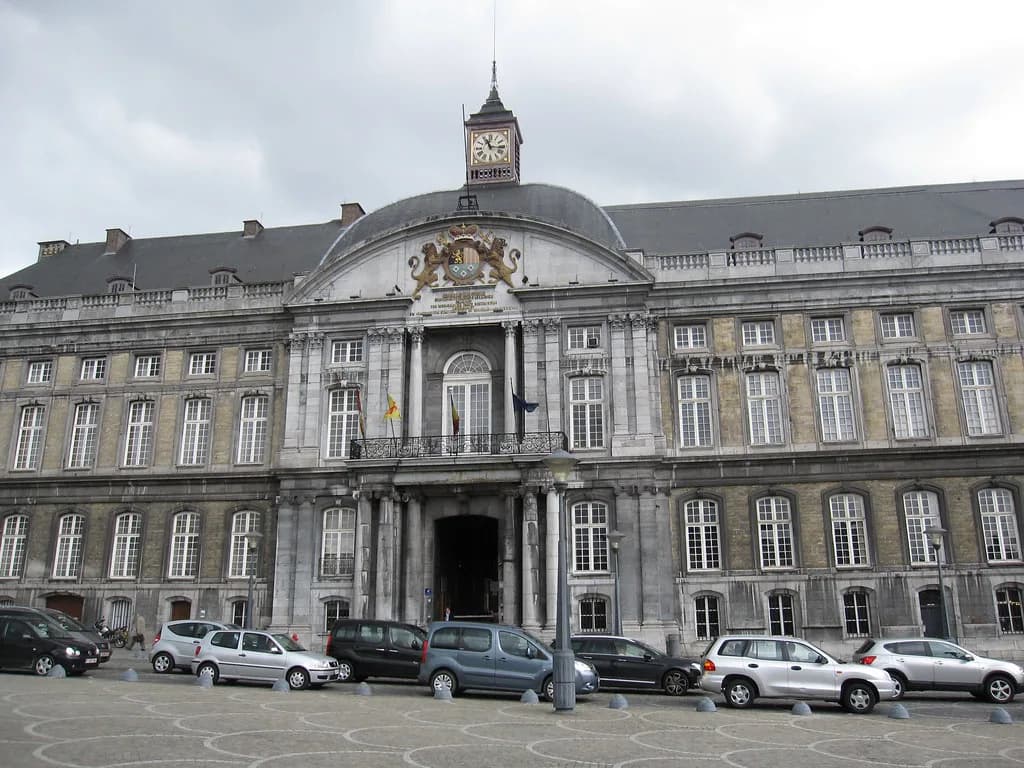
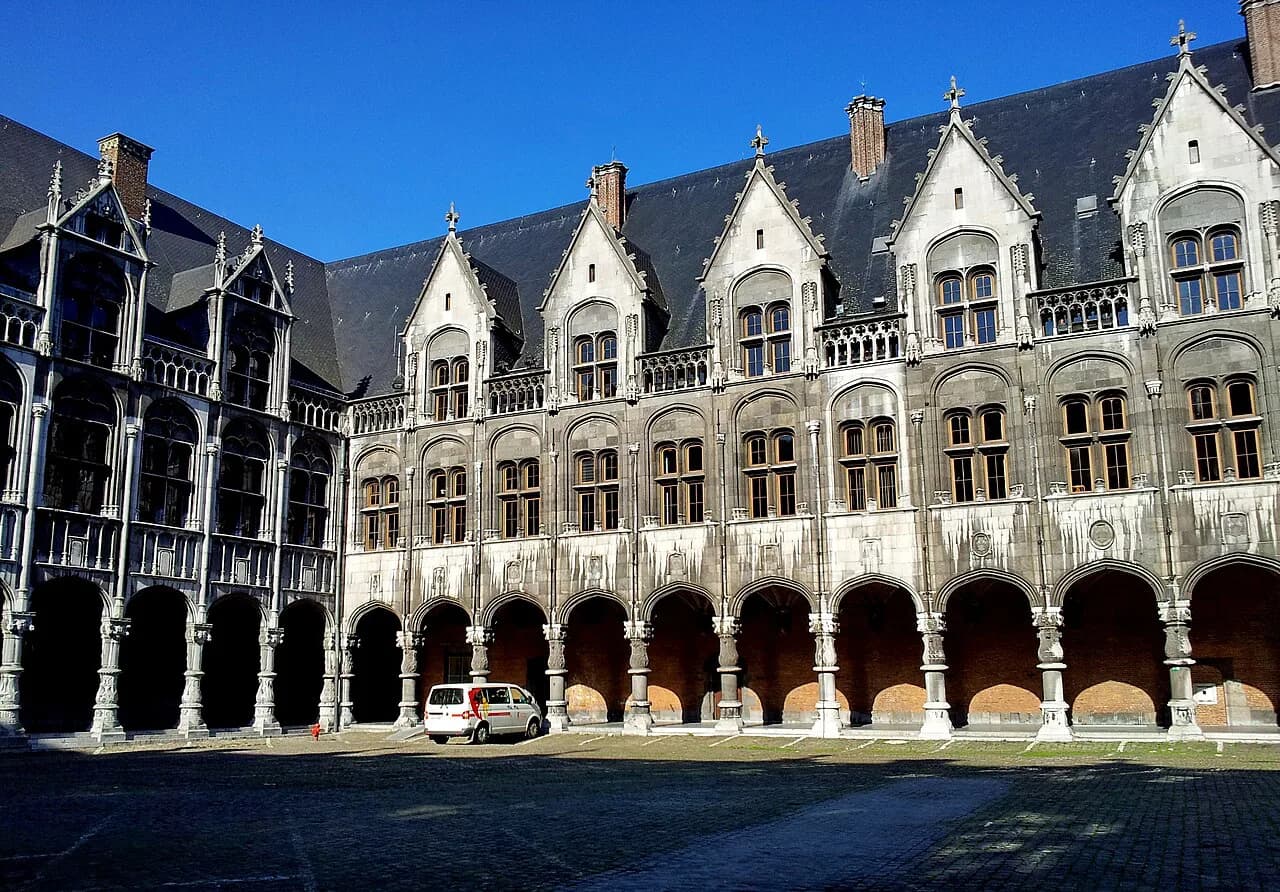
Liège is the main tourist city in Wallonia, and its centre mixes retail streets with monuments such as the Palace of the Prince-Bishops and the collegiate churches. The practical result for a shopper is that you can browse, stop at a sight and carry on without needing transport. Allow a morning or afternoon for the centre, and a separate slot for the market if your visit includes a Sunday.
Shopping in Liège: the short answer
Plan your shopping around the historic centre and the Meuse riverside. The centre gives you the densest concentration of streets to browse and places to stop, while the La Batte promenade hosts the market that draws locals and visitors. If you have one day, shop the centre; if you have two, split the centre from the market.
The city's own tourism board treats Liège as a destination for heritage, gastronomy and culture rather than a retail capital, so don't expect a single dominant shopping district in the way larger cities have. Instead, expect streets that reward wandering between monuments. Build your day around Place du Marché and the surrounding lanes, then follow your nose.
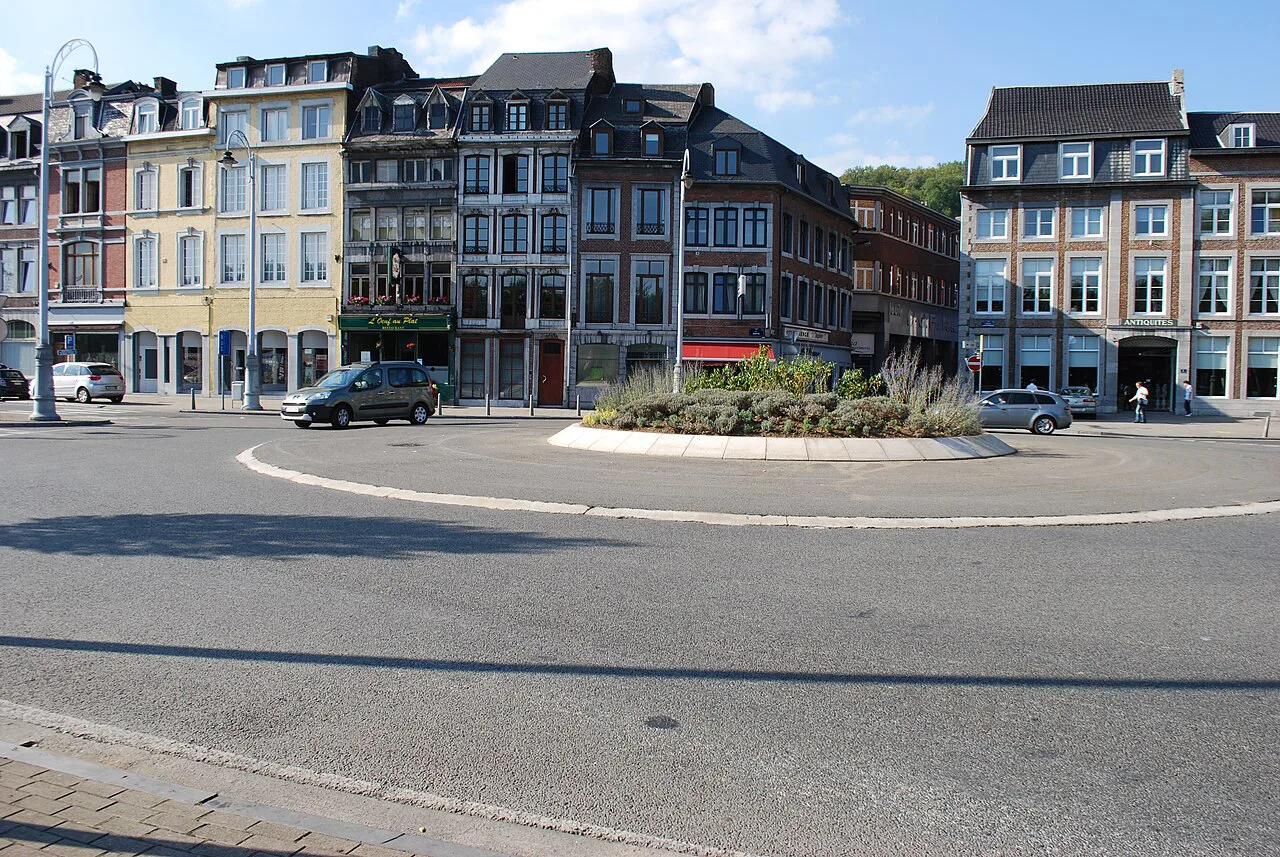
How Liège is laid out for shoppers
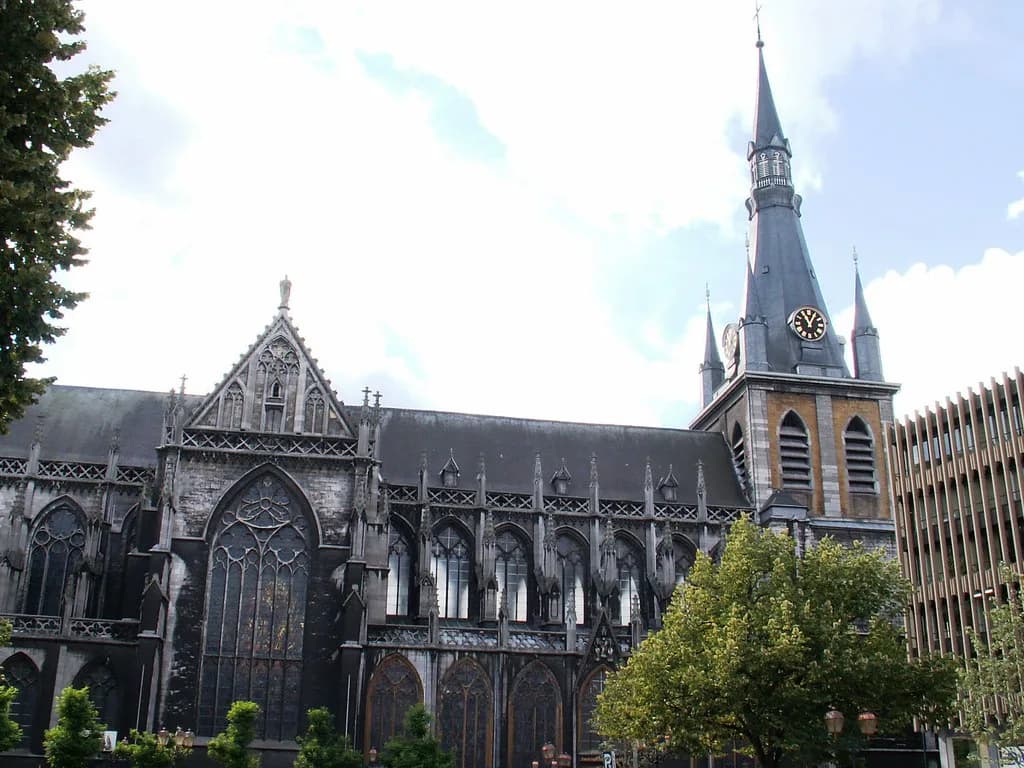
The historic centre, from which the city has grown since the sixth century, holds the monuments and the streets most useful to a shopper: Place du Marché, the Prince-Bishop's Palace, the collegiate church of Saint-Barthélemy, the Museum of Walloon Life and the Grand Curtius. Rue Hors-Château, with its listed architecture and cul-de-sacs, is a natural browsing route because it connects the centre to the lower slopes.
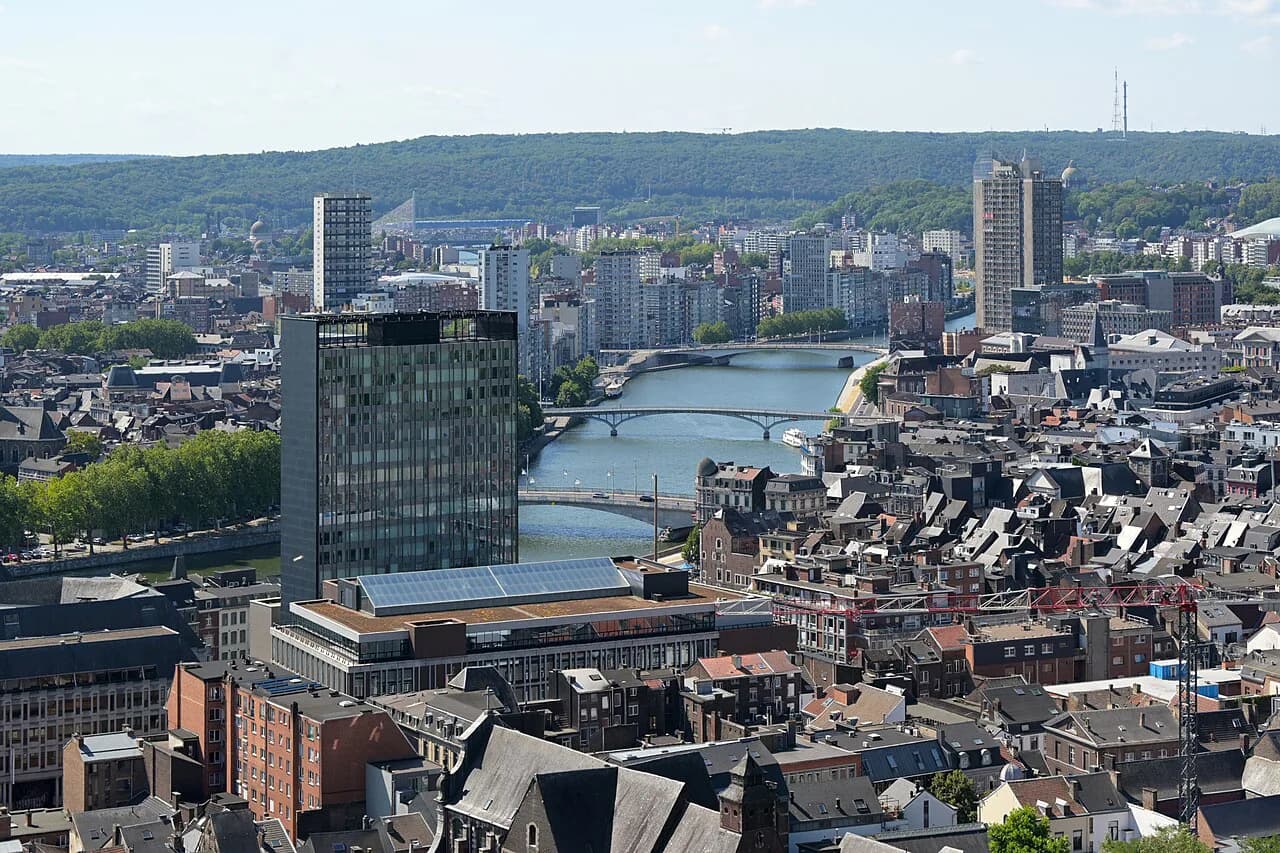
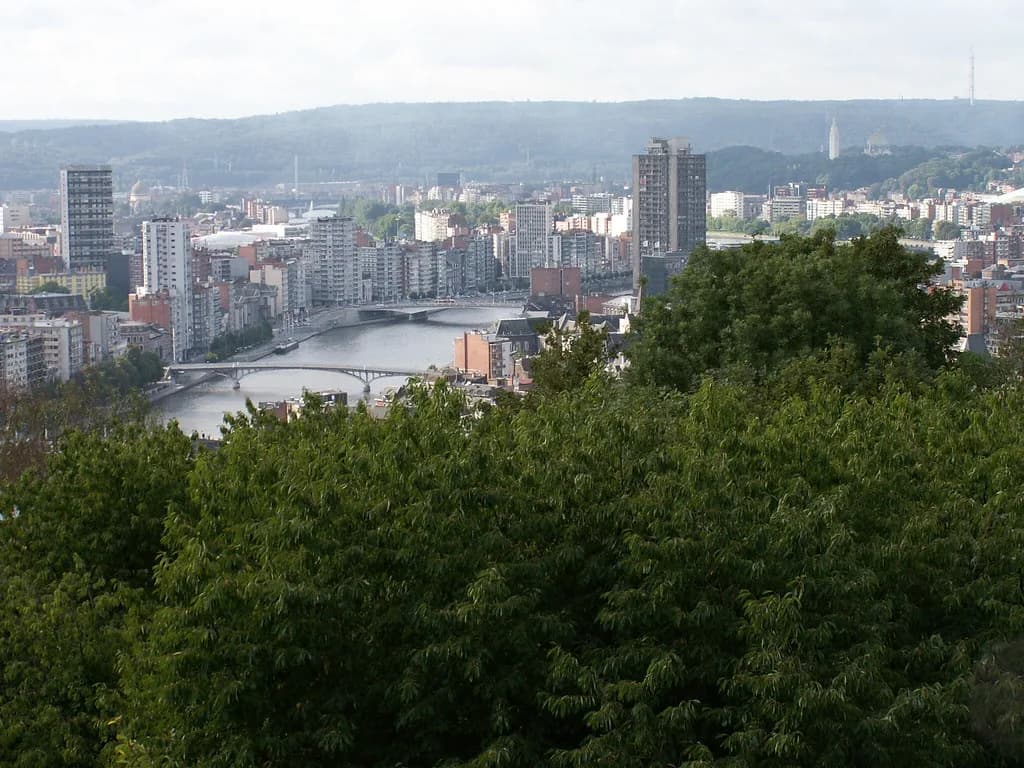
The Meuse runs along the northern edge of the centre, and the La Batte promenade follows it, making the river a useful orientation line. North of the river and uphill to the south, the streets steepen quickly. The Montagne de Bueren staircase, with its 374 steps, marks the sharpest climb and sits above the shopping streets rather than among them, so treat it as a viewpoint detour rather than a retail route.
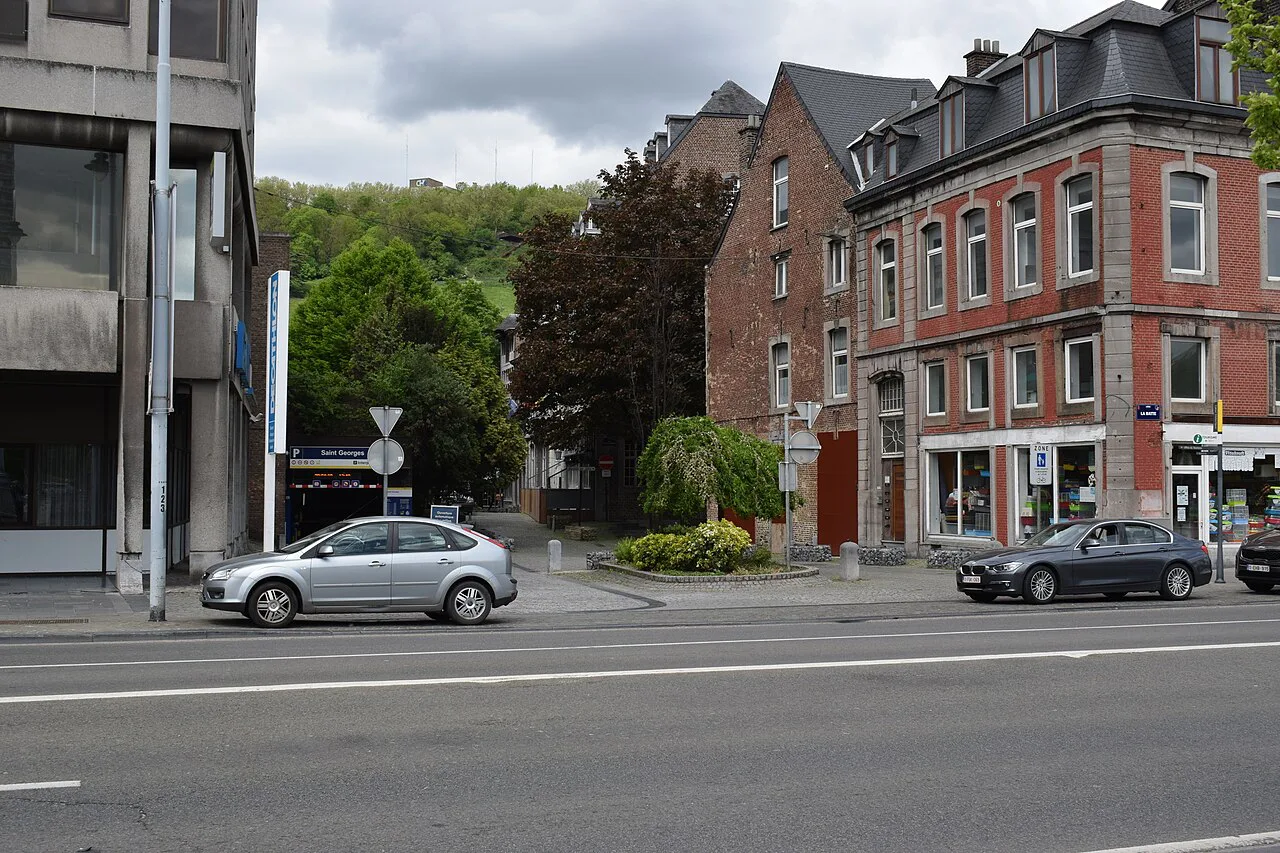
The main shopping streets in the centre
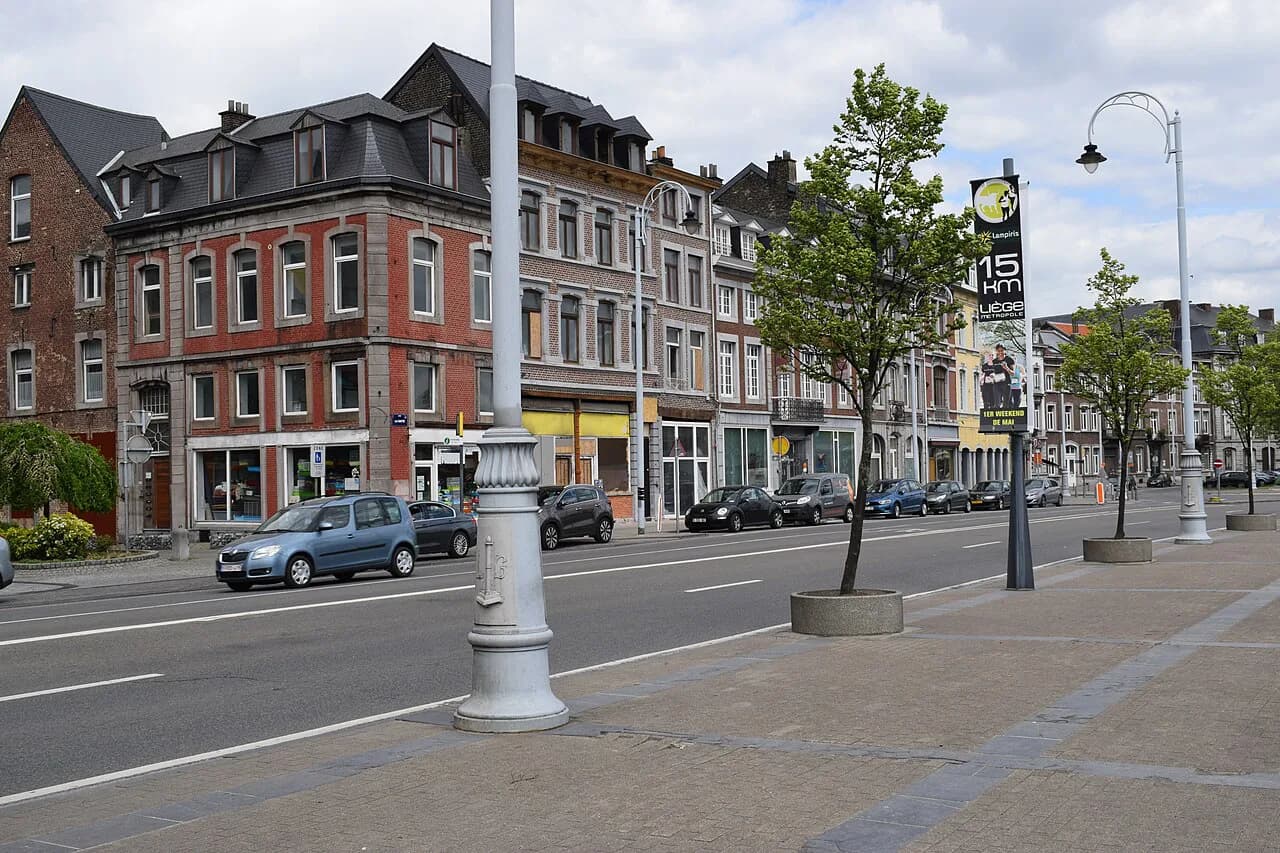
Treat the historic centre as a loop rather than a single street. Start around Place du Marché, work through the lanes towards Rue Hors-Château, and use the squares to rest and reorient. The pleasure here is the mix: shopfronts sit directly against listed buildings, courtyards and churches, so a shopping walk doubles as a heritage walk.
En Féronstrée and the streets near the Grand Curtius anchor the northern part of the centre, close to the river. The Grand Curtius museum complex, which opened in its current form in 2009 and absorbed the old Arms Museum, is a useful landmark when you need to fix your position. Browsing here puts you within easy reach of the La Batte promenade.
Marché de la Batte: Liège's riverside market
The La Batte promenade along the Meuse is where Liège holds its flea and street market. It is the single most useful shopping date in the city's week. The market is a promenade market, so you walk its length rather than circulating through fixed aisles.
Go with an open mind about what each stall sells. The market is a general flea and street market, so the mix changes from week to week and stall to stall. Bring cash in euros as a sensible precaution, wear shoes you can walk in for an hour or two, and keep bags light so you can carry anything you buy back along the river.
Because the market sits on the riverside rather than in the shopping core, pair it with the centre rather than treating it as a separate trip. A morning at La Batte followed by an afternoon in the streets around Place du Marché covers both in one day without rushing. If you only have one full day in Liège, this is the combination to choose.
What to buy in Liège: chocolate, beer and local food
Chocolate and regional beers are the two purchases worth the suitcase space. Liège's tourist board points visitors towards local specialities including regional beers and several varieties of chocolate, alongside the Liège waffle and Liège coffee. Buy chocolate late in the day so it doesn't sit in a warm bag while you walk, and choose beers in cans or sturdy bottles for the journey home.
The Liège waffle is the edible souvenir that travels worst: it is best eaten warm in the city, not carried home. If you want a food gift that survives the trip, bottled beer and boxed chocolate are the sensible choices, and both pack flat. Ask the shop to wrap glass properly before it goes in a rucksack.
Belgian souvenirs worth the suitcase space
Beyond food and drink, think about small, flat, useful objects rather than bulky ornaments. Liège's heritage gives you plenty of visual material to draw on, from the belfry-and-bishop story of the Prince-Bishop's Palace to the river itself. Postcards, prints and small books about the city take up almost no room and survive the trip.
The Grand Curtius gift shop is a practical stop because the museum's collections give you a specific local subject: Liège's arms industry, which made the city one of the world's principal centres for portable weapons. A book or print connected to that history is a more distinctive souvenir than generic Belgian merchandise. Check the museum's own site for what the shop stocks before you commit luggage space.
Independent and design shops in the historic centre
Independent shops cluster in the same central lanes as the everyday retail, so the practical approach is to browse on foot and follow side streets. Rue Hors-Château and its cul-de-sacs are worth a slow pass because the architecture itself is listed, which tends to keep the units small and individual rather than chain-dominated.
The city's cultural calendar, published by the tourist office, often lists markets and design-led events alongside exhibitions, and these are worth checking before you travel if you want a specific date. The same source lists guided tours of the historic centre, which can double as an orientation walk before you shop.
Markets and fairs through the year
Liège's event calendar is busy, with fairs and recurring markets sitting alongside exhibitions and concerts. The Fair of Liège is the big set-piece, listed by the tourist office as running from 3 October to 11 November 2026. If your dates overlap, expect the centre to be busier and plan shopping around the crowds rather than through them.
Smaller recurring markets appear on the same calendar, including a short-circuit market with several dates. Use the tourist office listing to check what falls on your dates rather than assuming a fixed weekly schedule. That way you build the day around a confirmed event, not a hopeful one.
One-day versus two-day shopping plan
With one day, start at Place du Marché, walk the central lanes towards Rue Hors-Château, and finish at the Grand Curtius and the river. That gives you heritage, browsing and a riverside walk without a single bus or tram. Add the market only if its dates fall on your day, in which case begin there.
With two days, split the centre from the river and the hills. Day one covers the central streets; day two takes in La Batte in the morning, then the Coteaux de la Citadelle walk, which the tourist board praises for its views over the valley, for the afternoon. Keep the shopping to one bag so the climb stays comfortable.
Practical trade-offs: hills and heavy bags
The biggest planning decision is which day you shop. The market on the La Batte promenade is the anchor of the week, so check its dates before you travel and make that your market day, using a weekday for the central streets. If your dates don't coincide, the centre still gives you a full day of browsing.
The second trade-off is terrain. The centre is walkable, but the streets rising towards the Montagne de Bueren are steep, and 374 steps are hard work with a full shopping bag. Shop the flat streets first, drop your purchases, then climb for the view. A river trip on the Meuse runs from April to November if you want to rest your legs.
Build your shopping day around the centre
Choose one anchor before you go: the market on the La Batte promenade if its dates allow, or the central lanes around Place du Marché and Rue Hors-Château if they don't. Then add chocolate and regional beer as your main purchases, keep the heavy bottles for the end of the day, and leave the Montagne de Bueren climb for after the bags are back at your base.
If you are still deciding whether the city earns a stop on your Belgian trip, the answer for shoppers is a qualified yes: there is no single retail district, but the mix of market, streets, chocolate and beer is enough for a satisfying half-day.
Explore more Liège guides
Frequently Asked Questions
What day is the market in Liège?
The flea and street market runs along the La Batte promenade beside the Meuse, and stalls change from week to week. Check the tourist office's event listing for the dates that fall during your visit, then plan the market as your main shopping slot and pair it with the historic centre in the afternoon.
Where should I buy chocolate and beer to take home?
Buy chocolate late in the day so it does not sit in a warm bag, and choose bottled or canned regional beer rather than anything fragile. Liège's tourist board highlights regional beers and several varieties of chocolate as local specialities. Ask the shop to wrap glass properly before it goes into a rucksack.
Is shopping in Liège possible without public transport?
Yes. The main streets of the historic centre sit close together, and the La Batte promenade is a short walk from the central squares. The one real constraint is the hill towards the Montagne de Bueren, where the staircase and steep streets are hard work with heavy bags. Shop the flat streets first.
Sources
Useful notes for your next trip
Optional updates to our guides.
You might also like
Continue reading
More guides you'll find useful