Liège Markets: La Batte on Sundays and the City's Flea Markets
Liège's markets centre on La Batte, the Sunday riverside market on the Meuse, plus flea and antique markets. Here is where they are and what they sell.
On this page
Liège's market scene is built around La Batte, the Sunday market that Visit Wallonia calls one of the city's shopping musts. Plan a short break so that a Sunday morning falls inside it, then use the rest of the day for the old town and the hillside views. This guide covers La Batte, the separate flea and antique markets, and how to fit a market morning into one to three days.
What Liège's markets are known for
Wallonia's market culture runs on a weekly rhythm, and Liège's flagship is a Sunday institution rather than a weekday affair. La Batte has been one of the region's shopping musts for decades, with visitors coming from far and wide to rub shoulders with locals. That Sunday slot shapes the whole trip: it is the one morning you should protect if markets matter to you.
Beyond the weekly market, Wallonia supports a separate strand of flea and antique hunting, listed separately from the food markets. Liège's Saint-Pholien flea market belongs to that tradition. Treat the two as different outings: one is a browse for food and everyday goods, the other a rummage for objects with a past.
La Batte: the Sunday market
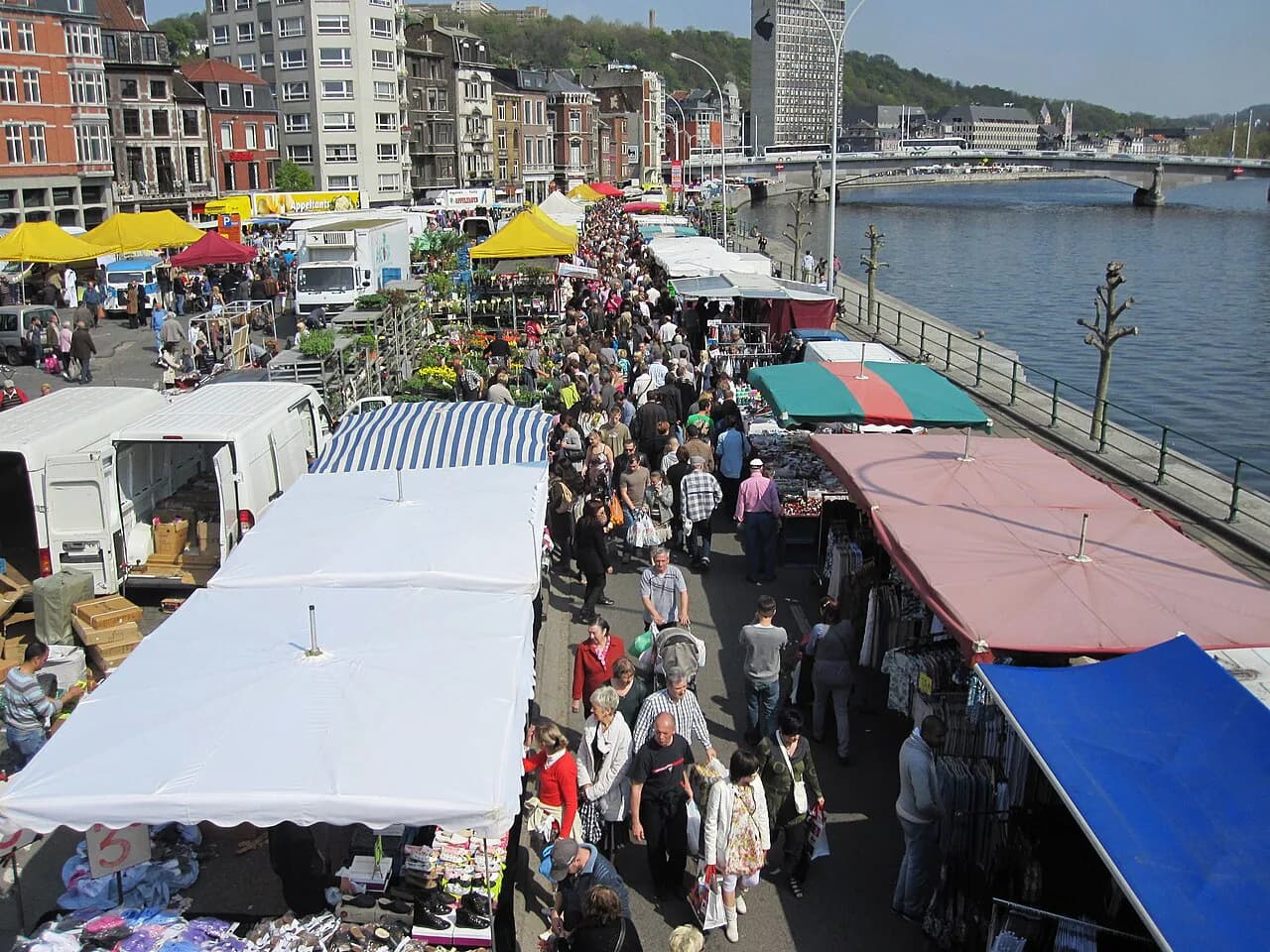
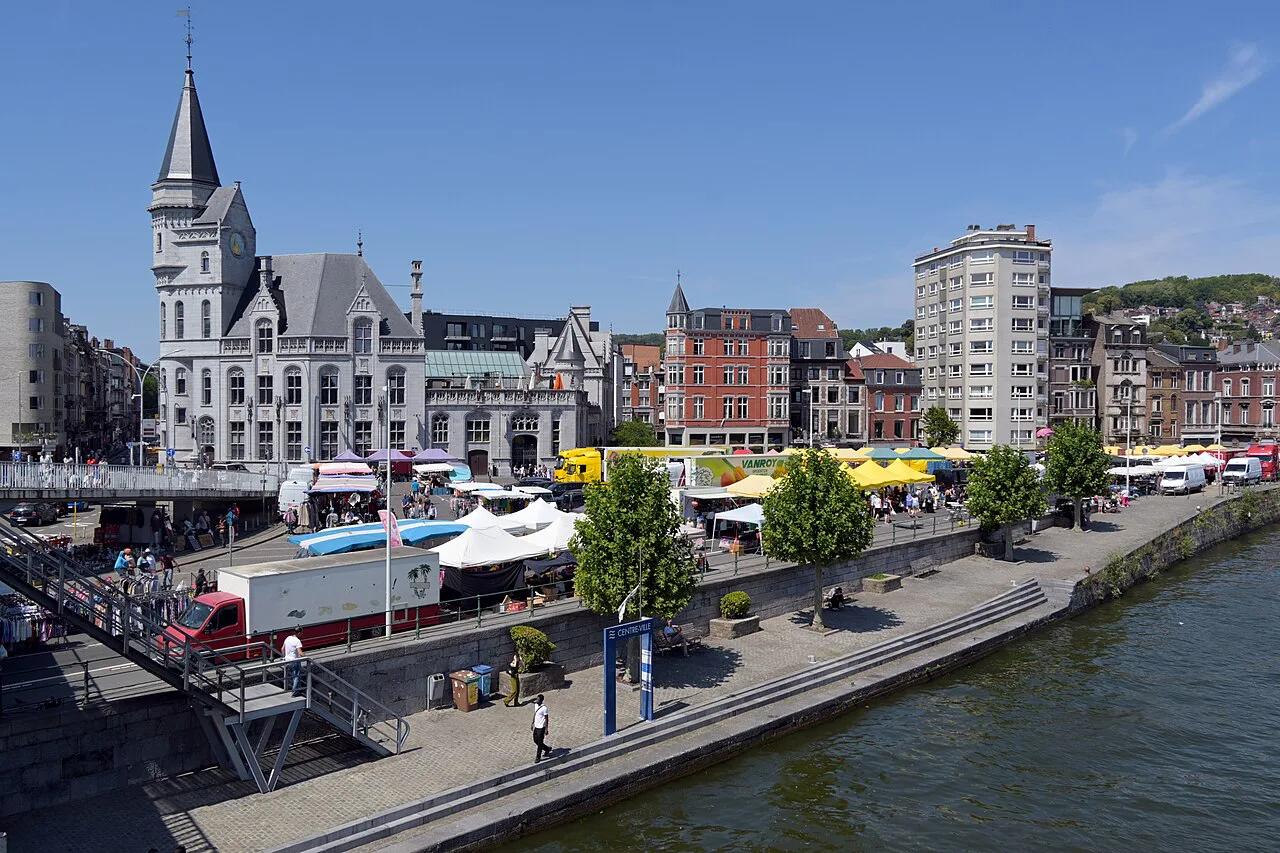
La Batte runs on Sundays, and the regional tourist board groups it with the city's shopping life. Approaching on foot from the centre keeps you in the old-town streets and puts the market within an easy walk of the rest of the day's sights. Its scale makes it a natural first stop before you move on into the historic heart of Liège.
Liège rewards a plan: the historic core holds the sights, and the citadel slopes rise above the city. Arriving at the market early gives you it at its calmest and leaves the afternoon free for the streets and museums above. From the market, the historic centre and the stairways up the hillside are a walk away.
What you can buy at La Batte
Expect the mix that Belgian street markets do well: produce, cheese, charcuterie, household goods and clothing over a long stretch of stalls. It is a working market for local shoppers, so the pleasure is in browsing and buying a picnic rather than in souvenir hunting. Wallonia's market pages group La Batte with the region's artisanal, terroir and foodie markets, which tells you where the emphasis lies.
Liège's food identity is worth seeking out alongside the stalls: the authentic Liège waffle, local beers and the city's chocolate makers all belong to a proper market morning. If chocolate is your priority, plan a short detour after the market rather than carrying purchases around all day. The city's beer scene, including its breweries, is the other easy thread to pull.
Liège flea and antique markets
Flea and antique markets in Wallonia are listed separately from the weekly food markets, so use the regional listings to see which are on before you build a trip around one. Bring a bag, and go early if you want first pick. Liège's Saint-Pholien flea market is the city's name to know in this category.
Because these markets are occasional, they work best as a bonus rather than the reason for the trip: anchor the break on La Batte's Sunday and treat a flea market as a lucky overlap. Bring a small float of euros so you are not caught short at a stall.
Saint-Pholien flea market
Saint-Pholien is Liège's flea market, listed by Visit Wallonia among Wallonia's flea, antique and brocante markets rather than with the Sunday food market. Approach it as a browse for second-hand objects and small antiques, and check the regional listings for its dates before you travel.
Pairing La Batte with the historic centre
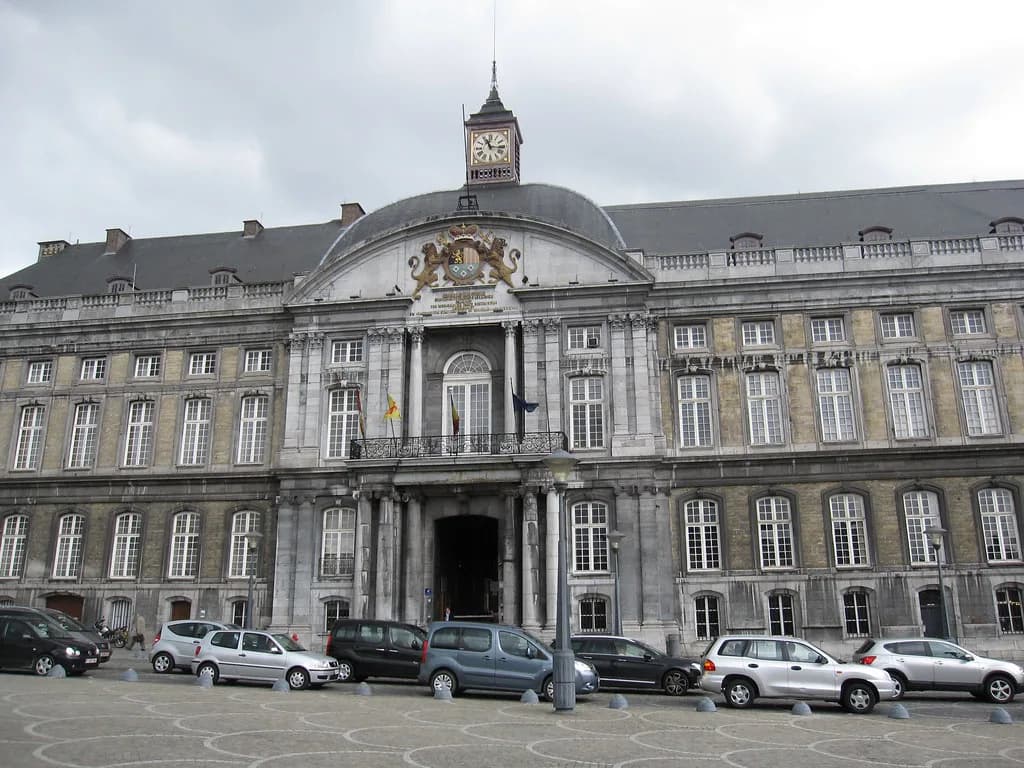
After the market, head into the core around Place du Marché and the imposing Prince-Bishops' Palace, then follow Rue Hors-Château with its listed architecture, cul-de-sacs and courtyards. The Museum of Walloon Life and the Grand Curtius sit within this same district, so a market morning can end in a museum without a second journey. Allow the best part of a day for the combination.
The Grand Curtius is a worthy single visit: it brings together five museum collections, including an arms department descended from a museum that opened in 1885 and now occupies Jean Curtius's palace of around 1600. Two to three thousand weapons are displayed across the first three floors, including civilian and military firearms and edged weapons. That depth makes it a deliberate choice rather than a quick stop.
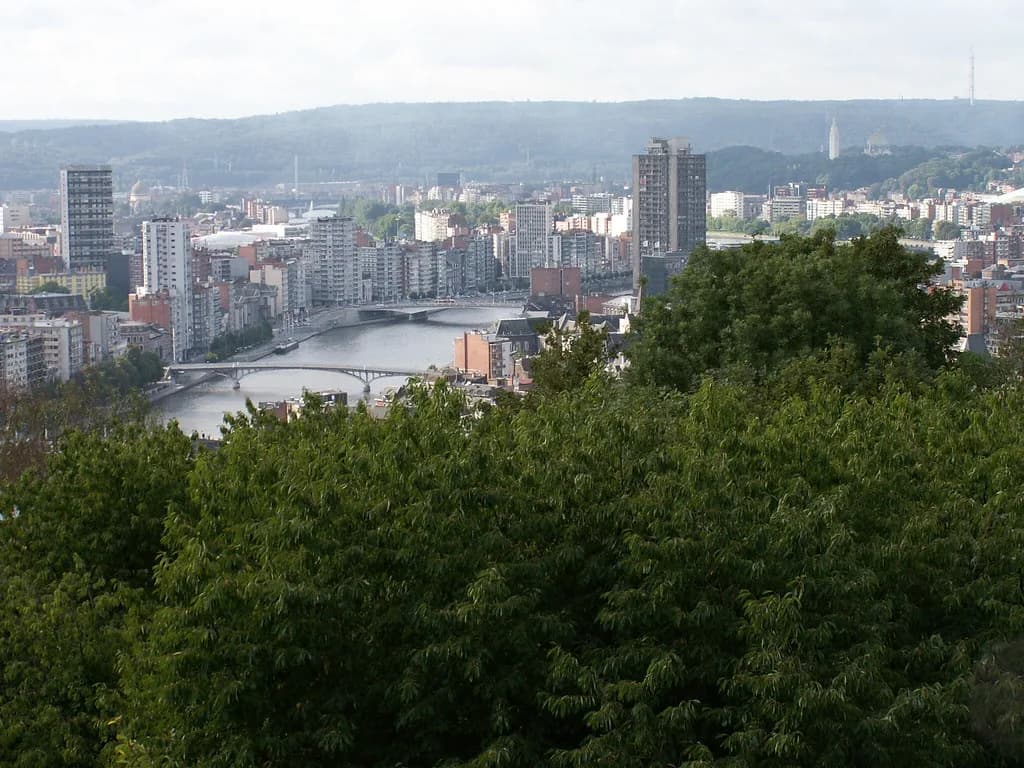
If the weather is good, close the day with the climb up the Montagne de Bueren and the view back over the city, or a quieter walk on the Coteaux de la Citadelle above the valley. From April to November the river trip on the Meuse adds a different angle on the city. These are the pieces that make a Sunday feel complete.
Where the markets sit in a one- to three-day Liège trip
With one day, put La Batte first on a Sunday, then the historic centre and the Grand Curtius, and finish at the Montagne de Bueren viewpoint. Two days lets you add La Boverie and the riverside on the second day, or a slower morning on the Coteaux de la Citadelle. Three days gives room for the flea market circuit and the city's breweries and chocolate makers without rushing.
For transport, Liège-Guillemins is the arrival point for high-speed trains, and from there you continue on foot or by local bus to the market. If you prefer a structured route through the centre, the tourist office runs guided tours of the historic core. Walking is the practical way to link the market, the old town and the stairs.
The stairways between the lower city and the citadel slopes make a market-and-museums day a physical one, so wear shoes you can climb in. There is no need to plan the order tightly beyond starting at the market; the old town and hillside sights sit within walking distance of the centre.
Is Liège worth visiting for its markets?
Yes, on one condition: your visit includes a Sunday. La Batte is a genuine local institution and a good reason to shape a weekend around a city that otherwise gets less attention than Bruges or Ghent. If your dates miss Sunday, the markets alone do not justify the trip, but the Grand Curtius, the Prince-Bishops' Palace and the hillside views still do.
Book the Sunday, then fill the rest
Build the break around a Sunday on the quays: start at La Batte, walk up through Place du Marché and Rue Hors-Château, and finish with the Grand Curtius or the view from the Montagne de Bueren. Add a second day for La Boverie, the Coteaux de la Citadelle and the breweries.
Frequently Asked Questions
Where is La Batte market in Liège?
La Batte is the Sunday market in central Liège, grouped by Visit Wallonia with the city's shopping life. Approach it on foot from the old town so you can continue up to Place du Marché and the Prince-Bishops' Palace afterwards.
Is La Batte open on days other than Sunday?
Visit Wallonia describes La Batte as a Sunday market, so plan a Liège weekend with a Sunday inside it if the market is your priority. Other markets in the city and region run to their own calendars.
What is sold at Liège's markets?
The Sunday market covers produce, cheese, charcuterie, clothing and household goods, alongside the waffles, beer and chocolate Liège is known for. The separate flea and antique markets deal in second-hand objects and small antiques.
Sources
Useful notes for your next trip
Optional updates to our guides.
You might also like
Continue reading
More guides you'll find useful