Liège Old Town: What to See in the Historic Centre
Walk Liège old town from Place Saint-Lambert and the Prince-Bishops' Palace to Hors-Château, the 374-step Montagne de Bueren and the Meuse quays.
On this page
Liège old town needs a full day, or two if you add the museums and the Art Nouveau suburbs, and it fits together on foot because the historic centre sits in a compact band between the River Meuse and the Citadel heights. The core is a mix of narrow mediaeval lanes and wide nineteenth-century boulevards, with a palace, a market square, a collegiate church and a celebrated stairway all within easy walking distance of each other. This guide orders the main sights into a route, explains what is uphill, and shows where the museums and the quays slot in. For a fuller list of sights, see Things to Do in Liège, and for a step-by-step route see the Liège Walking Tour.
How the historic centre is laid out
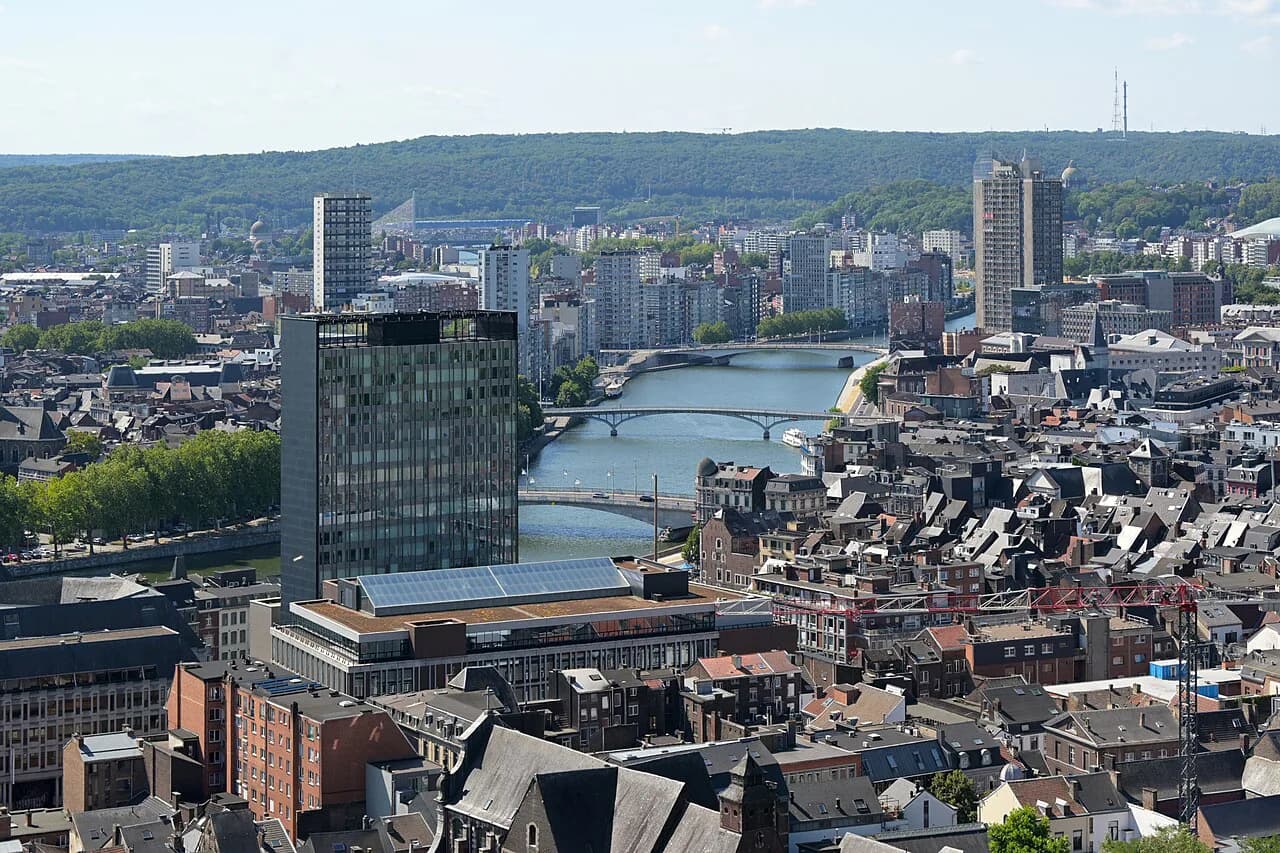
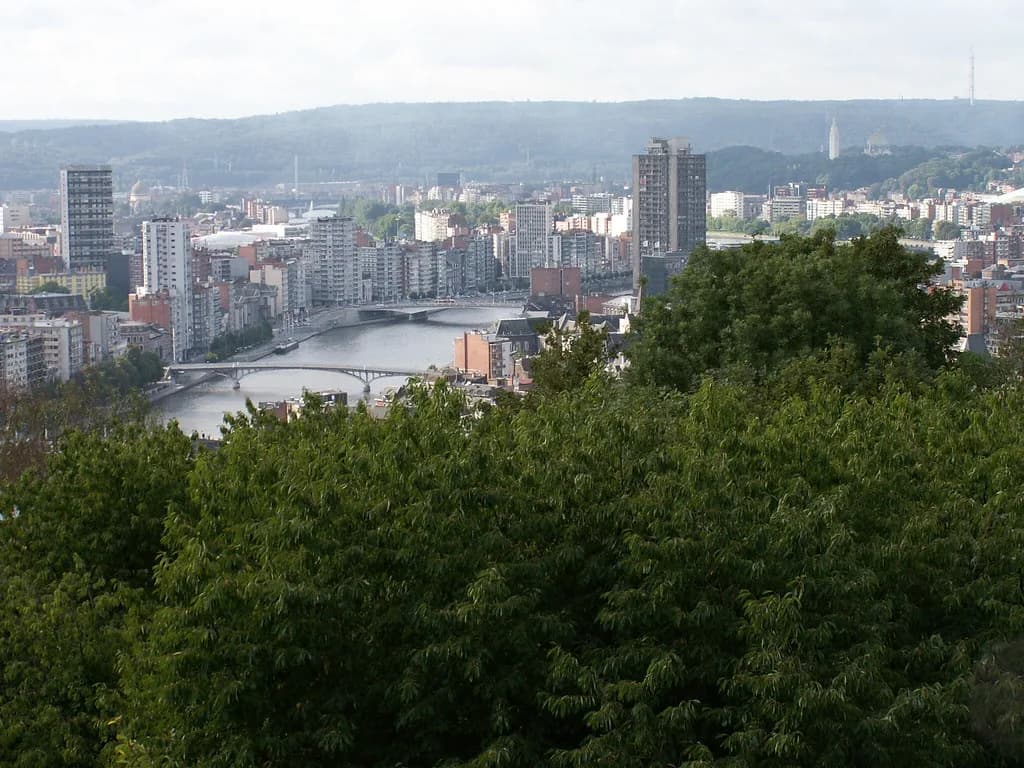
The old town spreads from the River Meuse up towards the Citadel heights, so almost every walk involves some gradient even though the centre itself is fairly flat. The historic centre developed from the sixth century and combines grand civic buildings with ordinary streets and small squares that open up behind imposing facades. Treat the Meuse quays as your lower edge and the citadel park as your upper edge, and the sights fall naturally into a line between them.
Start at the top of the slope and work down, or reverse it if you would rather save the climb for the end of the day. The advantage of finishing at the river is that the quays give you a flat, open stretch when your legs are tired and a water bus stop if you would rather ride back.
Place Saint-Lambert and the former Palace of the Prince-Bishops
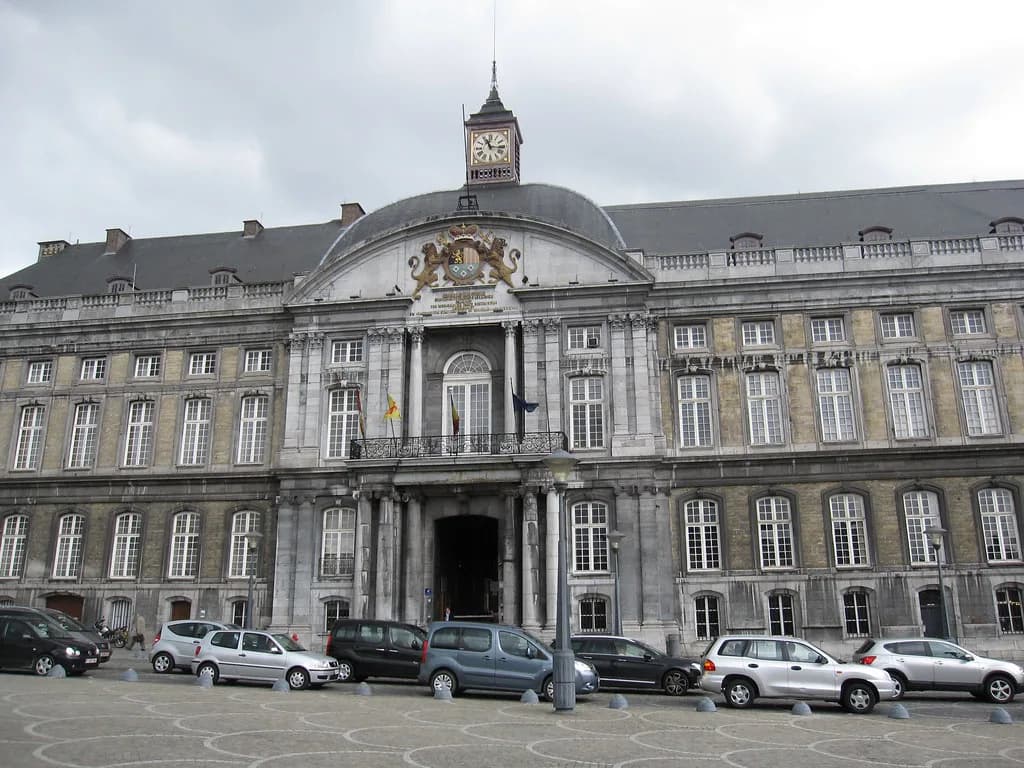
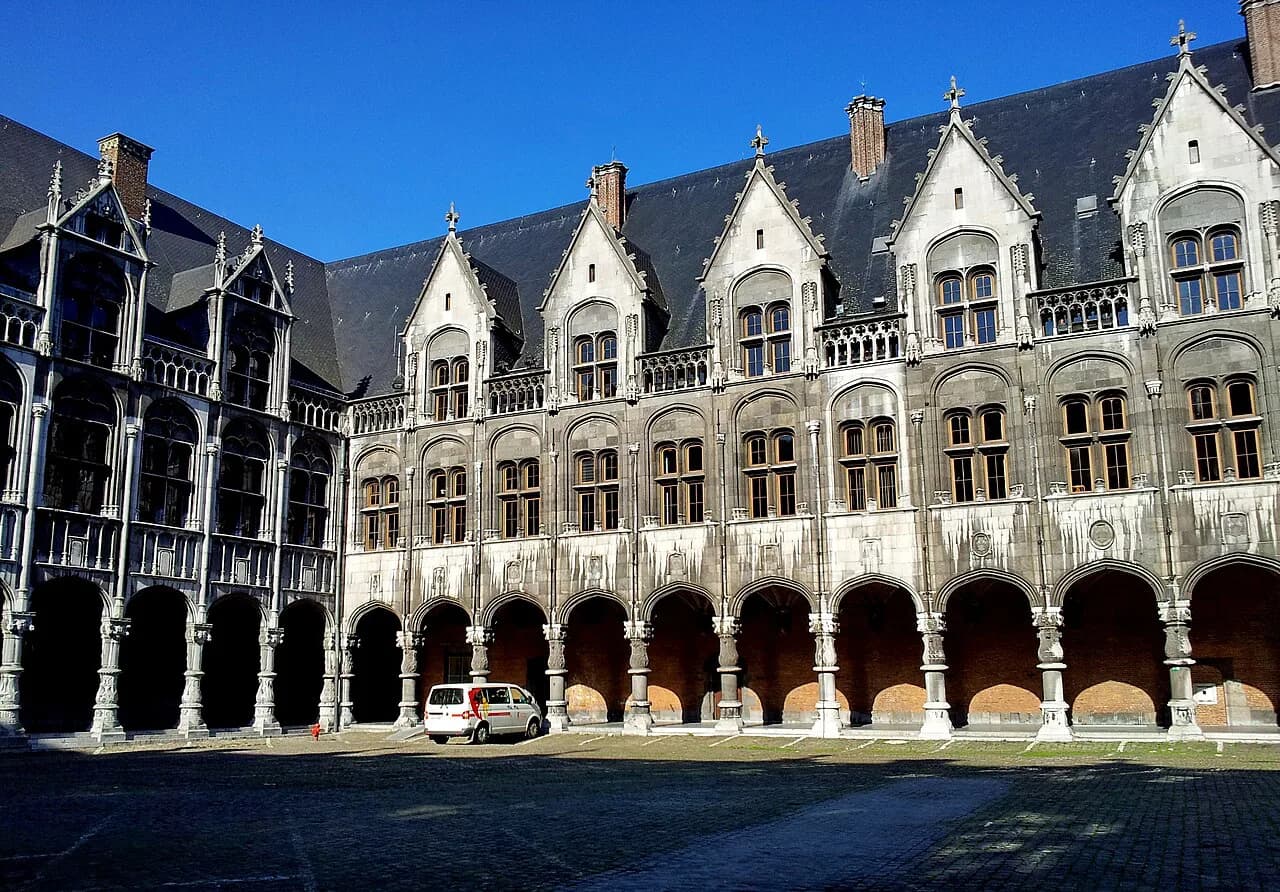
Place Saint-Lambert was the site of the city's former cathedral, destroyed in 1794 after the overthrow of the last Prince-Bishop, and the square now serves as the gateway to the old town. The former Palace of the Prince-Bishops faces it and is the obvious first stop: it now houses the law courts and the provincial government, and it has been rebuilt three times after fires in 1185, 1505 and 1734, with a Neo-Gothic wing added in 1853.
Walk into the main courtyard to see the 60 columns with their Renaissance decorations, which are the most rewarding detail of the palace visit. The palace is a working civic building rather than a museum, so you are looking at architecture and courtyards rather than exhibitions.
Place du Marché and the Perron
Place du Marché is the lively, shady heart of the old town, and in its middle stands the Perron, the fountain monument that symbolises Liège's commerce and political emancipation. It is the city's emblem as much as a sight, so give it a few minutes rather than a slot in the itinerary. The square is also a natural pause between the palace and the streets leading north towards Hors-Château.
Collégiale Saint-Barthélemy and its brass font
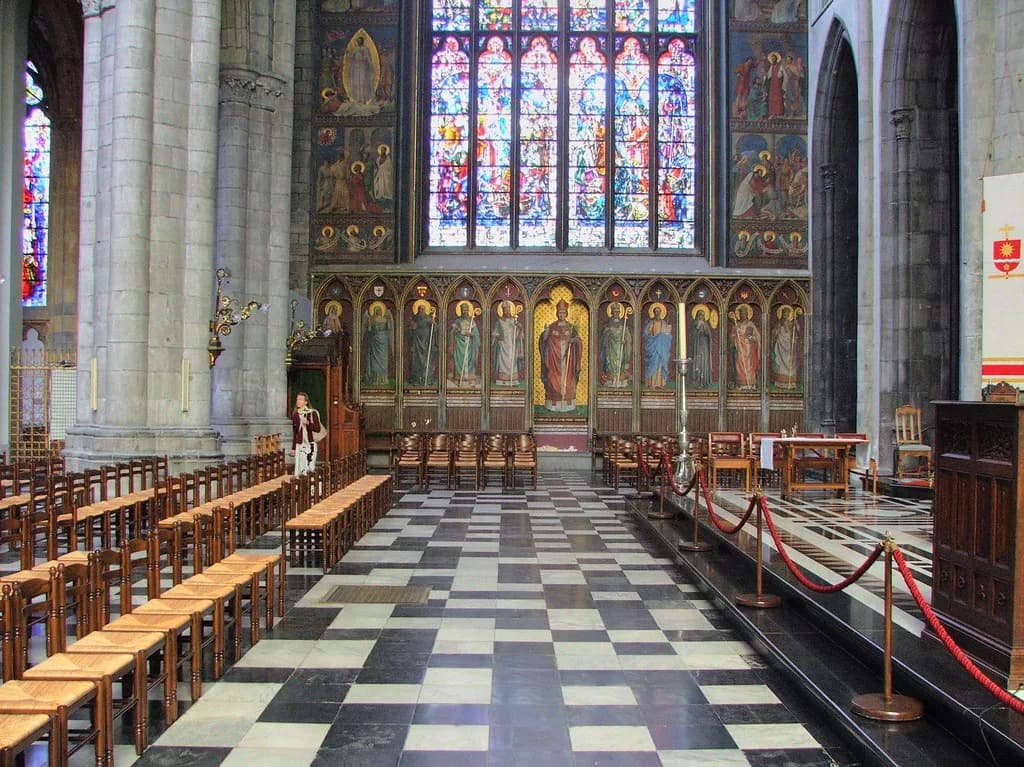
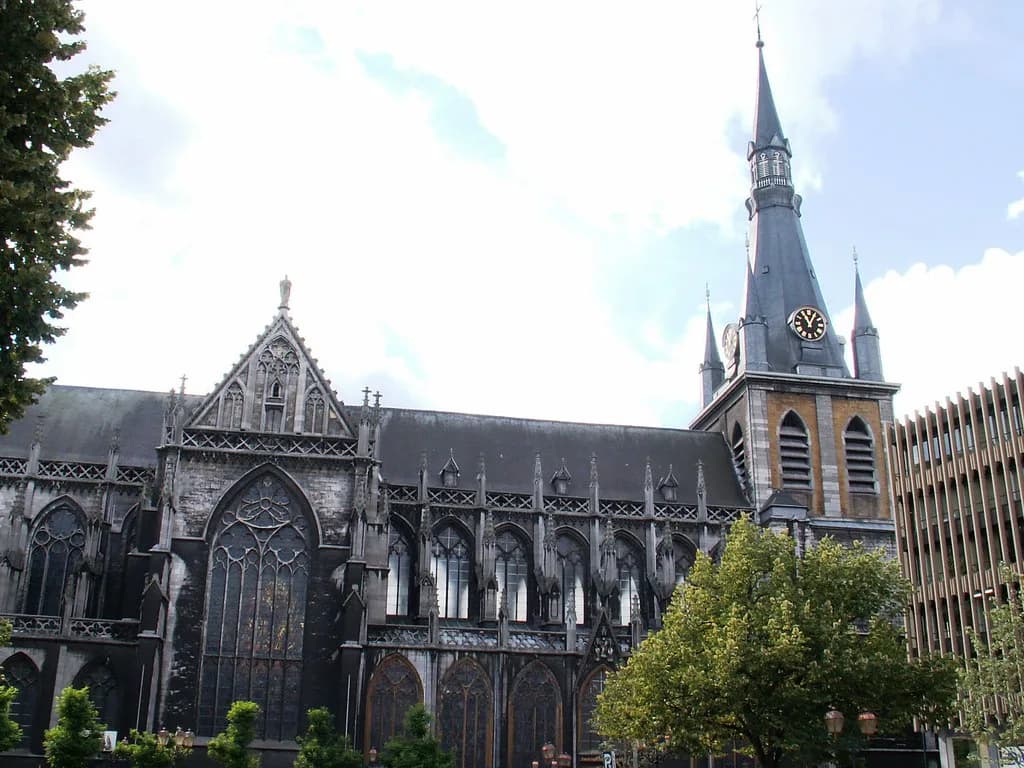
The Collegiate Church of Saint-Barthélemy holds a brass font dating from the twelfth century, and the church is the reason to make the detour. It is a working place of worship, so visit quietly and give the font your attention.
Pair the church with the Musée de la Vie Wallonne nearby, which is housed in an imposing former monastery and explains the region's everyday life and folk culture. The two together make a compact block of the walk and give you a reason to slow down in the middle of the day.
Rue Hors-Château, its listed houses and courtyards
Rue Hors-Château and Rue Féronstrée are the most famous streets of the historic centre, lined with listed architectural heritage and cut by cul-de-sacs and hidden courtyards. Look for the passages and small squares off the main line of the street, because the centre's charm lies in the layers of building styles packed behind the facades. This is the stretch to wander without a plan rather than march through.
The 374 steps of the Montagne de Bueren
The Montagne de Bueren climbs from Féronstrée to the citadel park in 374 steps, so decide before you set off whether you want that climb in the middle of a walking day. It is a stairway rather than a gentle slope, and the reward at the top is the view over the city from the Citadel heights.
If the steps are too much, the Coteaux de la Citadelle offer an elevated outlook over the city from a different approach. Either way, go up once and come down by a different street so the walk keeps moving.
Museum stops: Grand Curtius and the Allied Memorial Tower
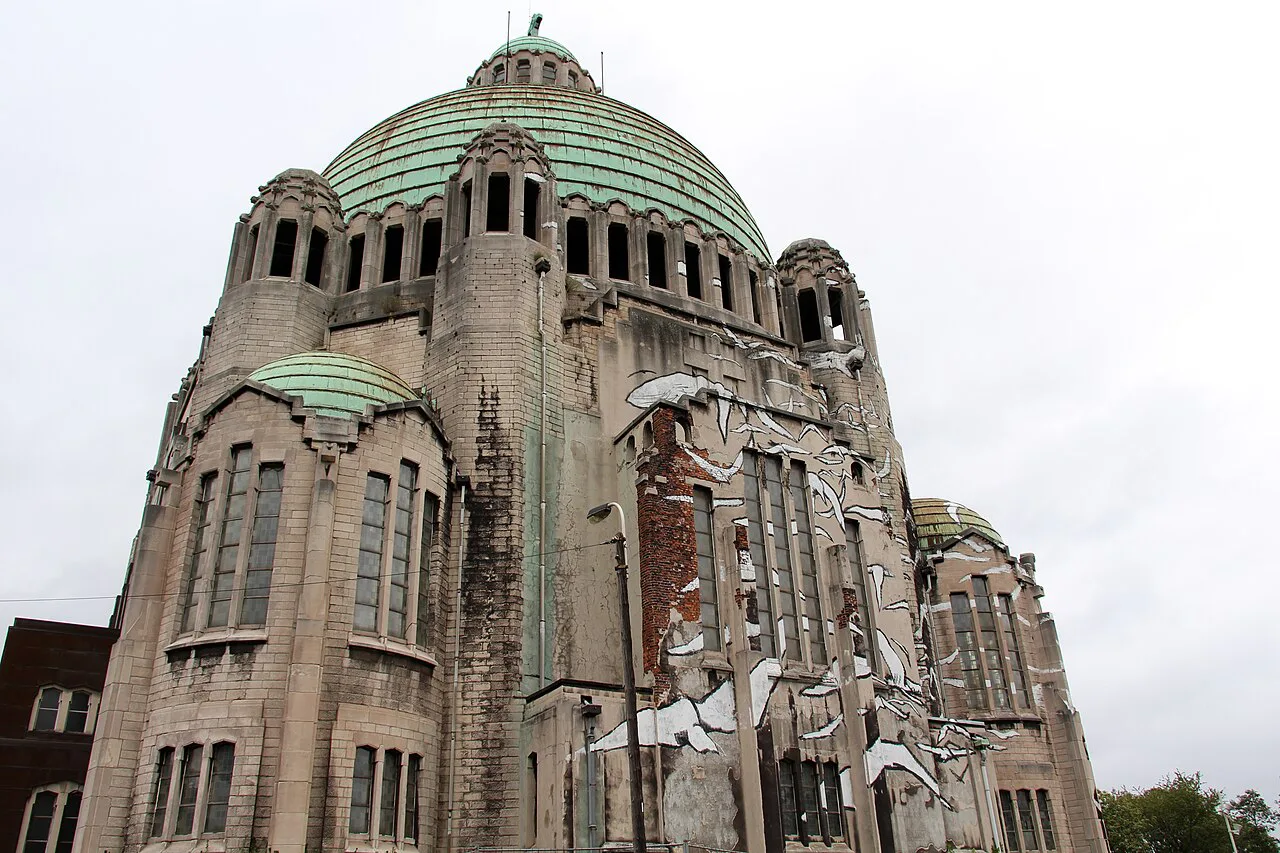
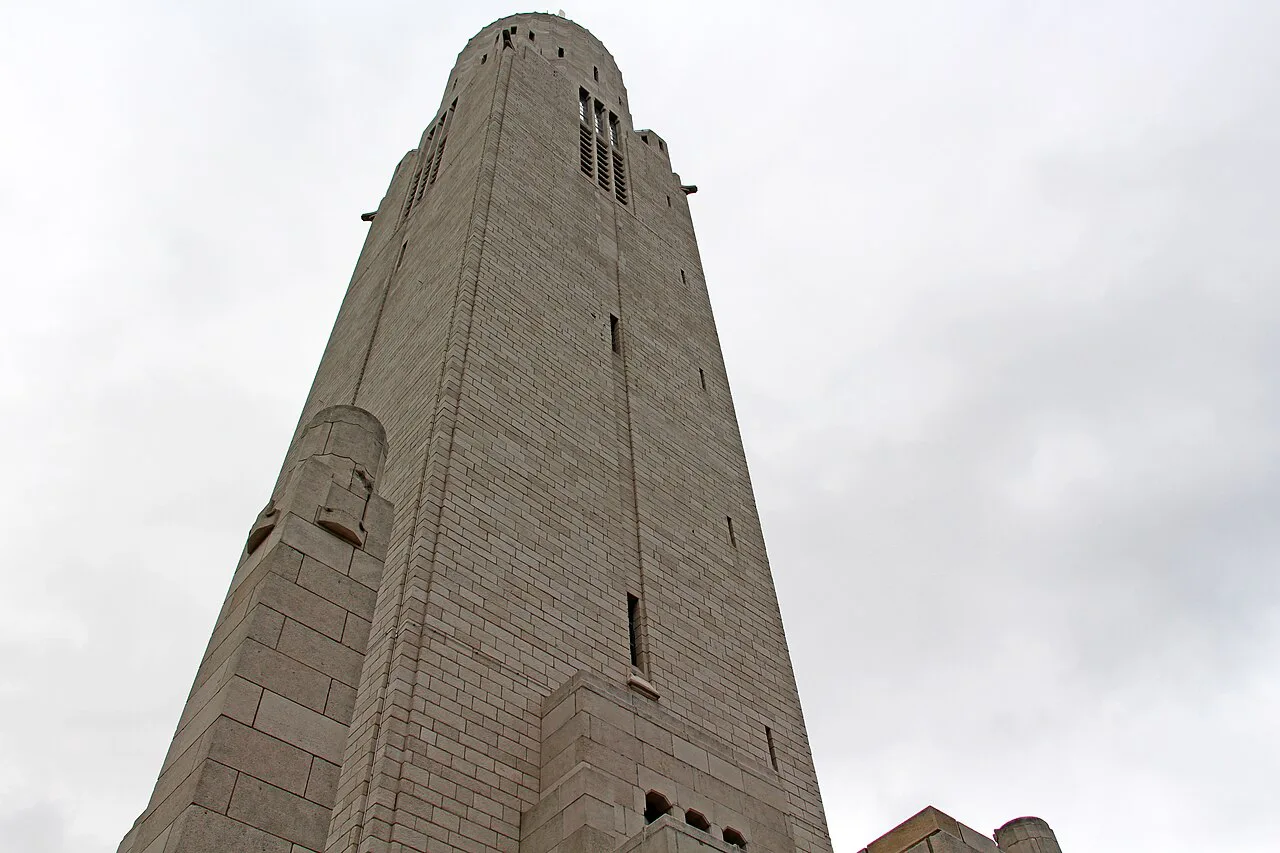
The Grand Curtius is the other major museum in the historic quarter and belongs with the Musée de la Vie Wallonne if you are giving Liège a second day. The city's most visible landmark, however, is elsewhere: the 75 m white concrete Allied Memorial Tower on Cointe hill next to the Sacred Heart church, completed in 1937 and paid for by public subscription in memory of the dead of the First World War. It opens to the public three times a year, so treat it as a sight to see from the city rather than an interior to plan around.
Liège-Guillemins and the Art Nouveau suburbs
Liège-Guillemins station, with Santiago Calatrava's soaring arched roof, sits outside the old town and is worth a look if you arrive or leave by train. The inner suburbs add another layer with Art Nouveau houses whose brightly coloured facades carry sgraffiti panels, stained glass, coloured bricks and carved woodwork. Both are optional extras for a one-day visit and natural additions for a two-day one.
Getting around: water bus and bike hire
The Liège water bus runs along the River Meuse with frequent stops along the quays, and a day ticket lets you stay on for a circuit or hop on and off when something catches your eye. It is a practical way to move along the riverfront without retracing your steps on foot.
Bikes are available from the Tourist Information Centre through the city's rental scheme or from Pro Velo, and the flat centre makes cycling a realistic alternative to walking. The Maison du Tourisme du Pays de Liège on Quai de la Goffe is the place to sort out maps and rentals before you set off.
A walking order for one day
Begin at Place Saint-Lambert, take in the palace courtyard and its 60 columns, cross to Place du Marché for the Perron, then head north to Saint-Barthélemy and the Musée de la Vie Wallonne. From there, walk Rue Hors-Château and Rue Féronstrée, climb the 374 steps of the Montagne de Bueren for the view, and come down to the Meuse quays to finish.
One day covers the core comfortably; a second lets you add the Grand Curtius, the Art Nouveau suburbs and Liège-Guillemins, and gives you time for the city's beer and chocolate without rushing the sights. If you are still deciding whether the city suits you, the honest answer is that it rewards curiosity about architecture and industrial history more than polished tourism.
Where to end the walk
End at the Meuse quays, where the water bus and the flat riverside path give you an easy way back to the station or onwards to the next part of the city. If you have climbed the Montagne de Bueren, the descent through Hors-Château and Féronstrée brings you out close to the river without repeating the route.
Give the old town a full day, keep the museums for a second if you have one, and treat the station and Art Nouveau suburbs as optional extras rather than essentials.
Explore more Liège guides
Sources
Useful notes for your next trip
Optional updates to our guides.
You might also like
Continue reading
More guides you'll find useful