Is Namur Worth Visiting? An Honest Answer for a City Break
Yes, Namur rewards a short city break with its Citadel above the Sambre and Meuse, a walkable centre and Walloon culture. Here is who it suits and how long it needs.
On this page
Yes, Namur is worth visiting, but for a particular kind of city break. It is the capital of Wallonia, it has a genuine hilltop fortress in the Citadelle de Namur, and its centre sits where the Sambre meets the Meuse, so the rivers give the city shape. This page sets out what Namur does well, how many days it needs, and when Dinant is the better pick.
The honest trade-off is that Namur does not offer a dense run of headline sights. It rewards walking: from the railway station into the old town, up to the Citadel for the panorama, then back down along the water. Treat it as a one or two-night base for Wallonia and it makes sense; treat it as a checklist of museums and you may finish early.
What Namur does well: the Citadel, the two rivers and the old centre
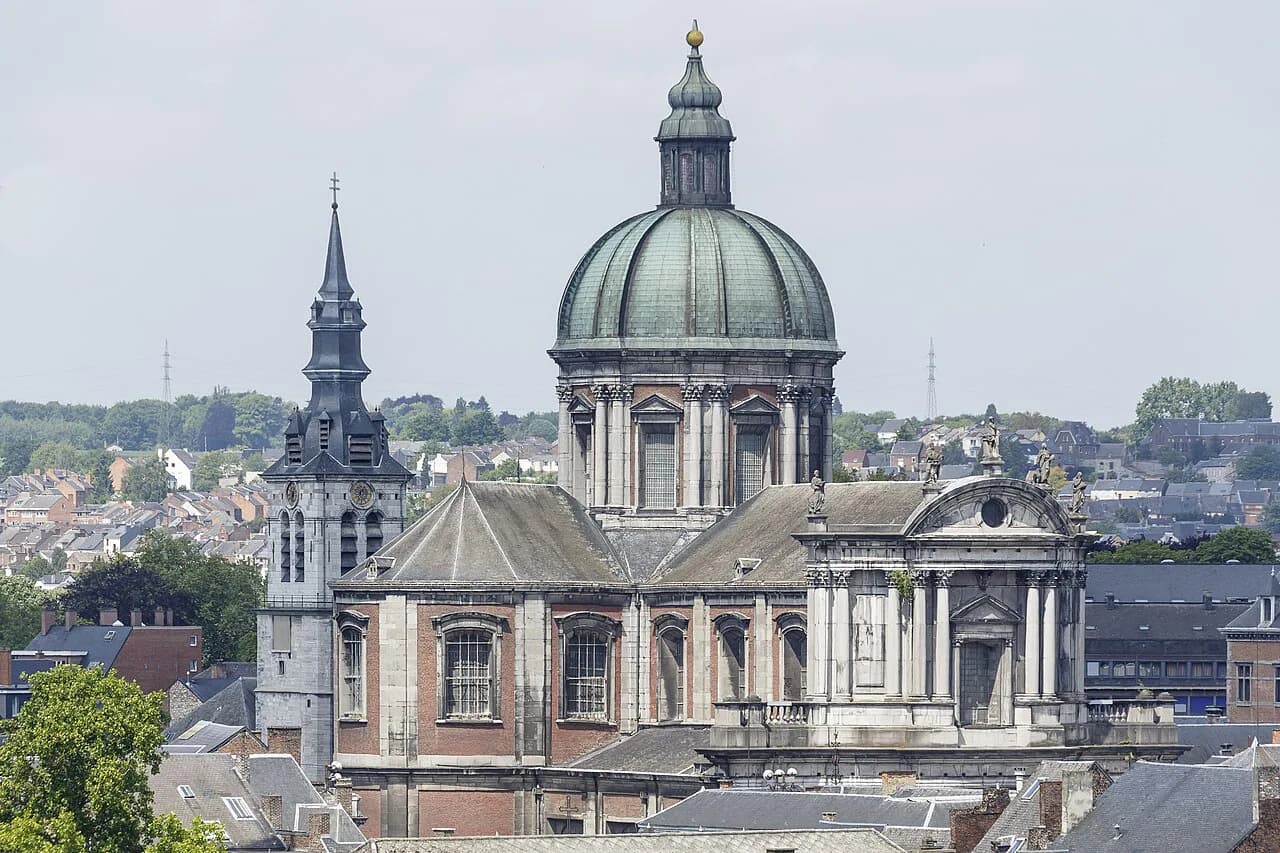
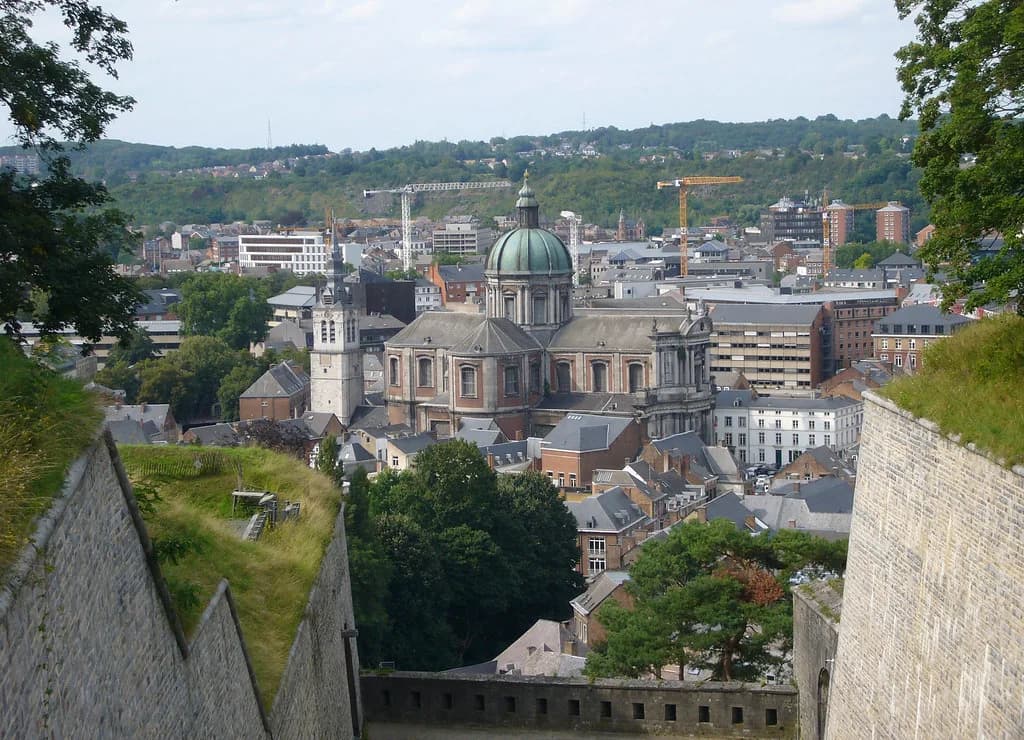
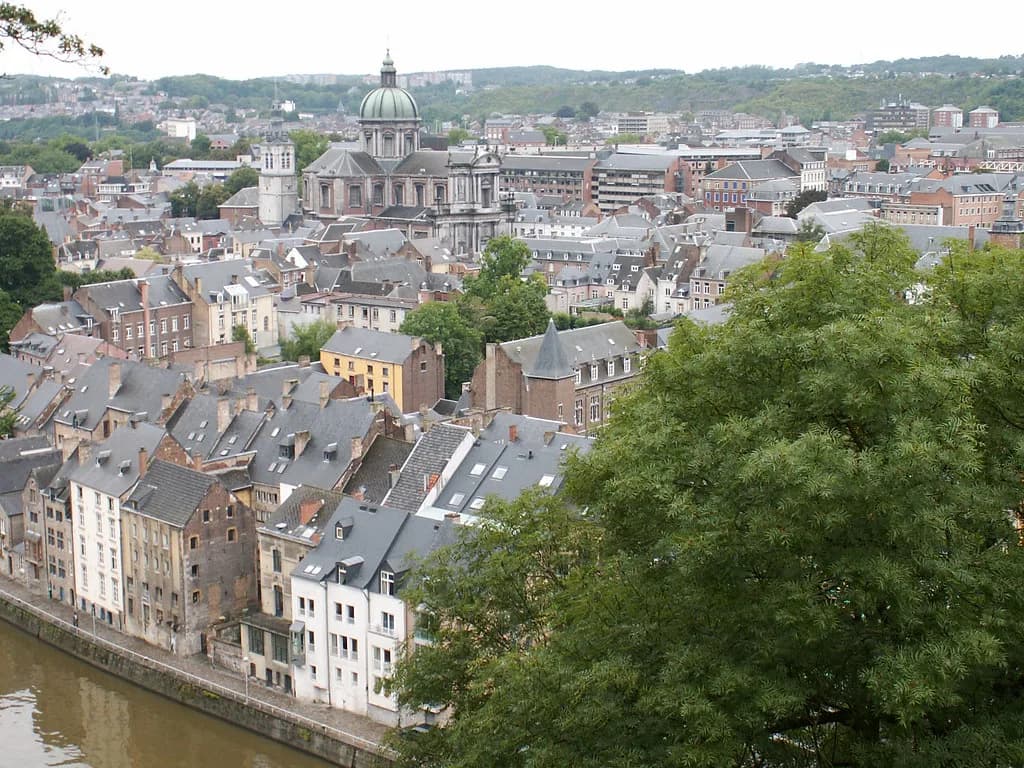
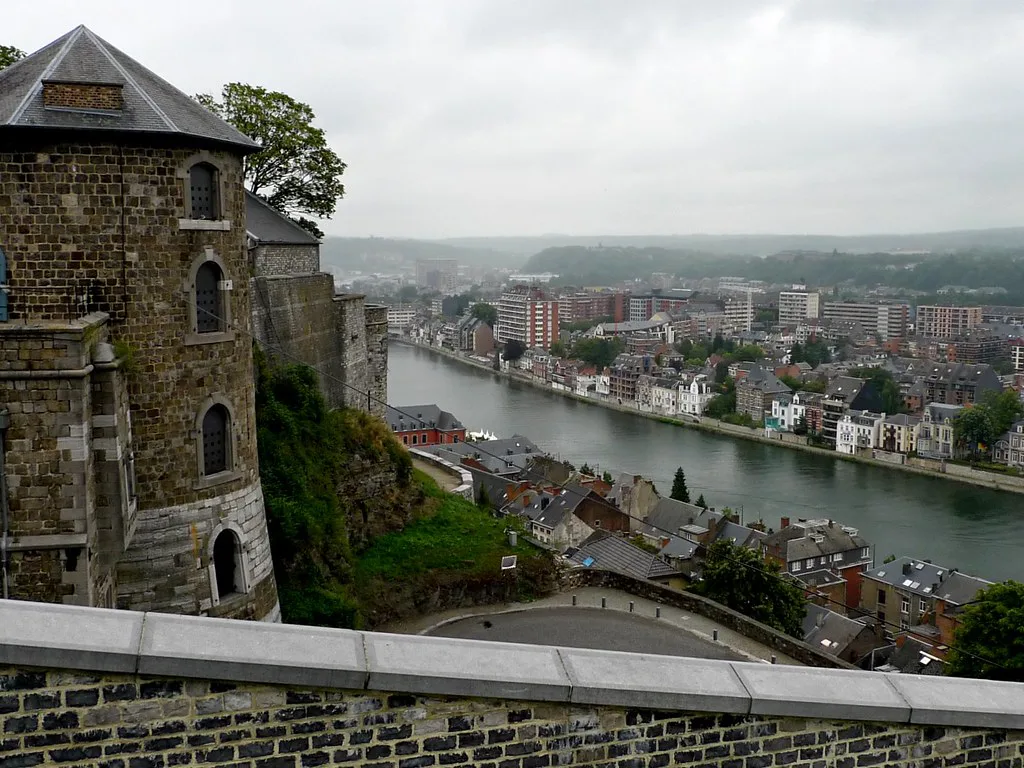
Namur's strongest card is geography. The Citadelle de Namur occupies the ridge above the confluence, and the view from the top takes in the Sambre winding through the city and the Meuse alongside it. That combination of elevated fortress and two rivers is what gives Namur a distinct identity among Belgian cities.
The second strength is the centre itself, compact enough to cross on foot in the course of a morning. The old town holds the squares, streets and civic buildings, while the riversides give you somewhere to sit between sights. Read Things to Do in Namur before you book, then cut it down to what fits your day.
Namur also functions as the administrative heart of Wallonia, which shows in its cultural life and its student population rather than in tourist spectacle. That makes the city feel lived-in rather than staged, which is either the appeal or the drawback depending on what you want from a break.
The Citadel: what is up there and how you reach it
The Citadelle de Namur is a fortified site on the hill above the confluence, and the walk up is the main event for many visitors. Sites layered over centuries make it a historic treasure trove rather than a single monument, so allow time on the ridge instead of treating it as a quick photo stop.
The cable car is the easy way up and down. In 2025 a traveller's account recorded the standard return fare as €8, which is history rather than a current quote, so check the fare and operating times with the operator before you rely on it, particularly if you plan to come down after dark.
On foot, the climb is steady rather than technical, and it is the better choice if you want to read the fortifications on the way up. Whichever route you take, wear shoes you can walk in: the ridge paths and the descent back into town are more uneven than the centre's pavements. Give the site a half-day rather than an hour.
The centre on foot: squares, streets and the confluence
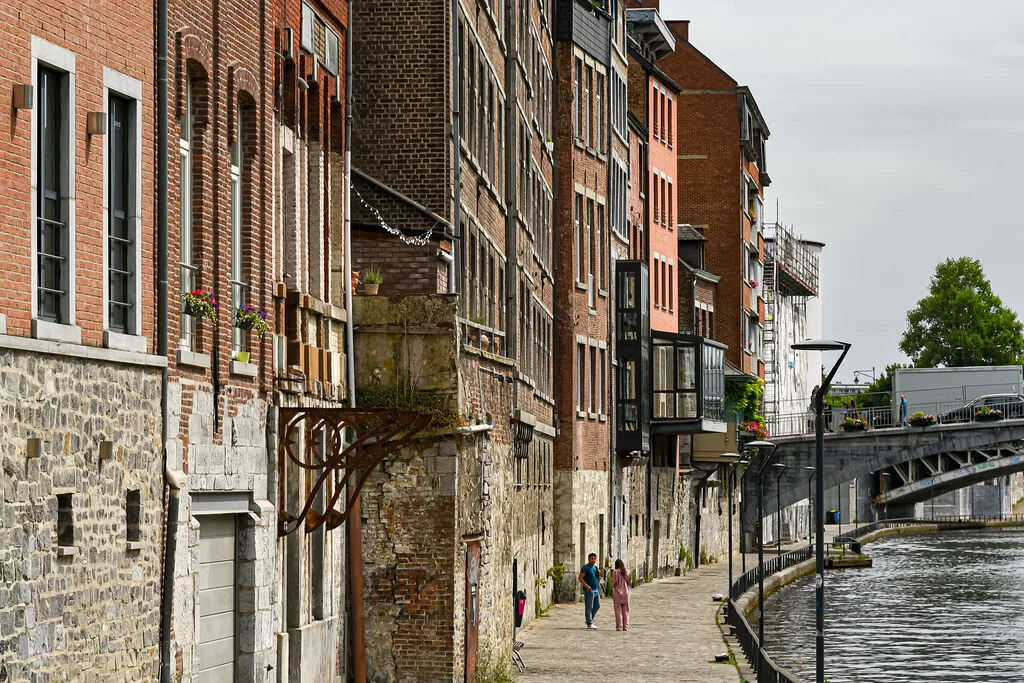
Below the Citadel, the Namur Old Town is where you spend the rest of the day. From the station area you head into the shopping and civic streets, and the riverfront is never far away. Because the city is small, you can cover the centre without a plan and still see its main squares, churches and streets.
The confluence is the part worth seeking out deliberately. Stand where the Sambre joins the Meuse and the city's shape becomes obvious, which makes the walk back to the Citadel viewpoint more meaningful. From here a boat tour gives you the same geography from water level, though sailing times vary by season and operator.
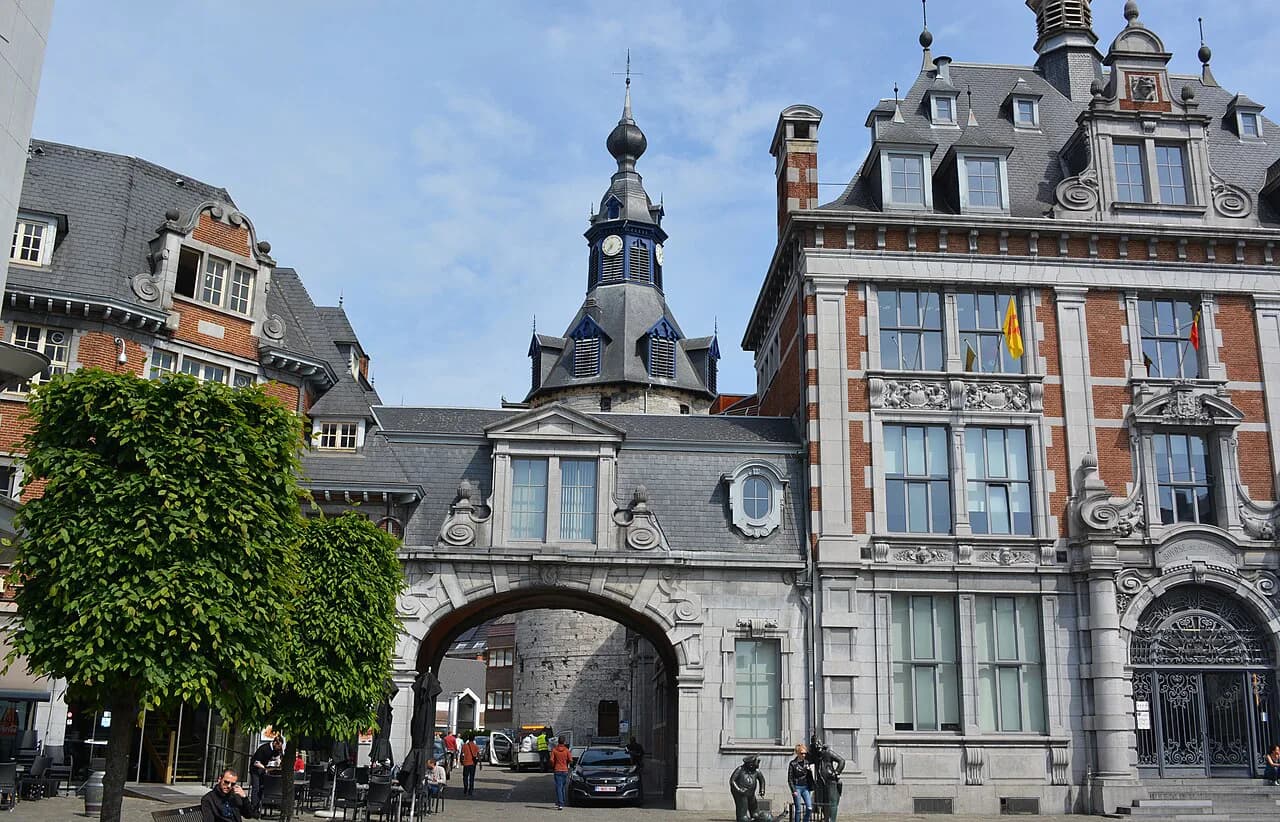
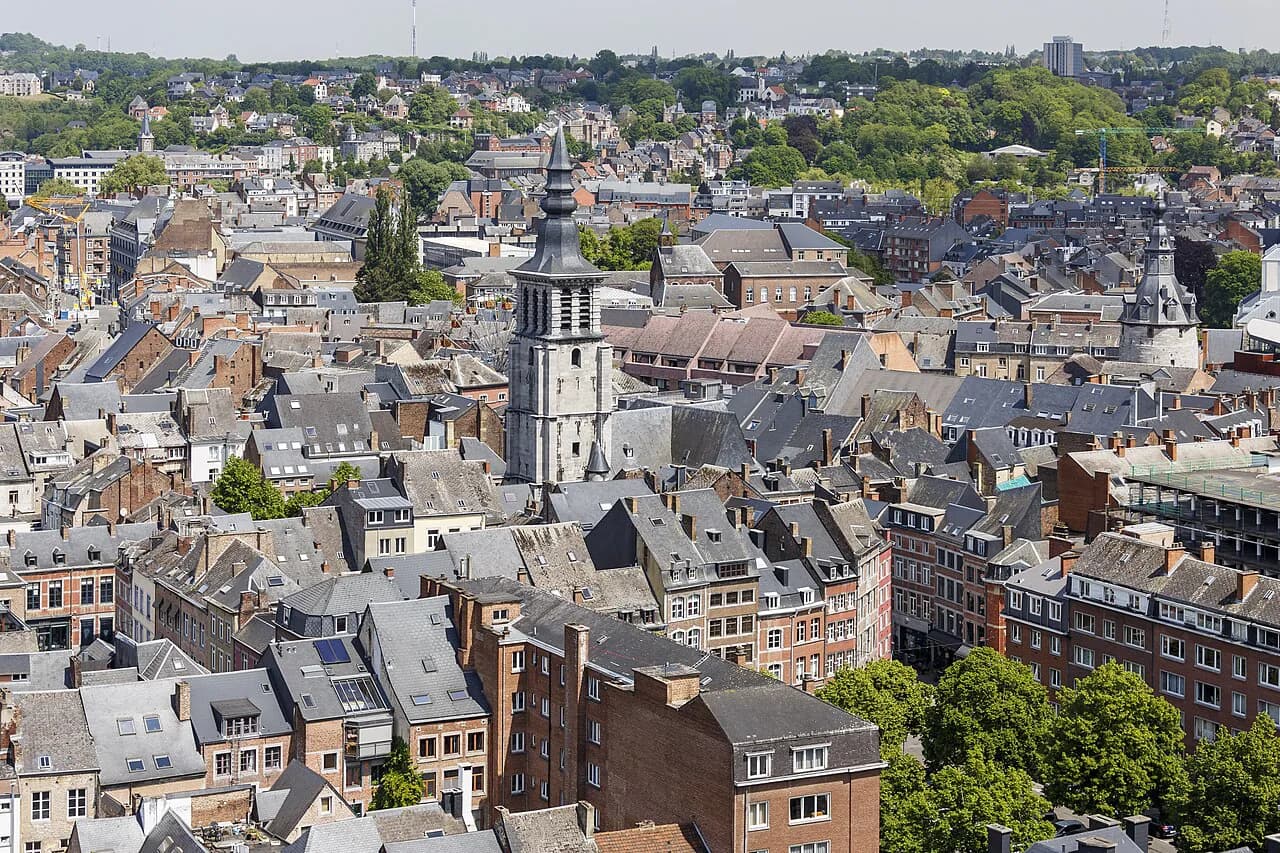
For the civic side of Namur, the belfry of Namur belongs to the UNESCO-listed group of Belgian and French belfries and sits within the centre's walking circuit. Pair it with the streets around it rather than making a separate trip, and keep the Citadel for the clearest part of the day.
Beer is a sensible way to end a walking day in Namur, and the local name to look for is Blanche de Namur, alongside the Walloon output of Brasserie du Bocq. A beer café here is a place to taste, so slot it into the late afternoon rather than the evening.
How many days Namur needs
One full day covers Namur properly for most visitors. A morning in the old town, a midday climb or cable car up to the Citadel, and an afternoon along the riversides fills a day without rushing, which is the right pace for a city of this size.
Two days suit travellers who like to walk slowly, read the fortifications and take a boat trip on the water. The extra day also gives you room to repeat the Citadel viewpoint in different light. Beyond two days you are using the city as a base rather than filling it, which is a different kind of trip.
Half a day is not enough if the Citadel is the reason you came, because the climb, the ridge and the descent together take a chunk of the day. If you are passing through, choose between the Citadel and the centre rather than attempting both in an hour or two.
Who Namur suits, and who it does not
Namur suits travellers who want a walkable Walloon city with a big view and a fortress to climb, and anyone using a Belgian city break to see somewhere beyond the Flemish art cities. As the capital of Wallonia, it also carries a cultural weight that justifies the journey.
It suits less well if you measure a city by the number of major museums within a few streets, or if you need a full programme of timed attractions to feel a day is well spent. Namur's pleasures are the ridge, the water and the streets between them. Travellers who want blockbuster sights stacked close together will find Antwerp or Ghent denser.
Namur also works as a base for exploring Wallonia, which is how a lot of visitors use it: a friendly city with a station and a centre worth an evening walk. If your plan is one Belgian city and one only, Namur is a good choice precisely because it is quiet.
Namur or Dinant: how to choose
Namur and Dinant both sit on the Meuse and travellers often weigh one against the other. Namur is the larger of the two and behaves like a city: a station, a working centre, a big fortress site and the confluence of two rivers. It gives you more streets to walk.
Dinant is smaller and its appeal is concentrated: the river, the cliffs and the church along the waterfront pack into a shorter visit. Dinant is easier to see in a few hours while Namur fills a full day more comfortably, and with two days in the region you do not have to choose.
Namur is a rail hub, and travellers arriving by air may use Charleroi, about 28 km away, as the nearest airport, continuing by train from there. Check connections for your date before booking.
Should you book Namur or Dinant?
Book Namur if you want a full day of walking with a fortress above two rivers and a centre that feels like a working Walloon city rather than a stage set. Book Dinant if you want a shorter, tighter visit built around the river and the cliffs. With two days in the region, do both and let Namur be the base.
The practical plan is one day in Namur: old town in the morning, Citadel and cable car around midday, riverside in the afternoon, beer before dinner. Add a second day only if you want the boat and a slower pace. For the rest of the itinerary, start with Namur Attractions and build out from the Citadel.
Frequently Asked Questions
Is Namur worth visiting for a day?
Yes. One full day covers the old town, the Citadel ridge and the riversides at an unhurried pace, which is the right rhythm for a city of this size. Two days suit travellers who want a boat trip and slower walking.
What is Namur famous for?
Namur is known for the Citadelle de Namur above the confluence of the Sambre and Meuse, its role as the capital of Wallonia, and its compact old centre. The belfry of Namur is part of the UNESCO-listed group of Belgian and French belfries.
Is Namur better than Dinant?
They do different jobs. Namur is larger, more urban and fills a full day; Dinant is smaller and its river-and-cliff setting suits a shorter visit. With two days in the region, see both rather than picking one.
How do you get up to the Citadel in Namur?
You can walk up the hill or take the cable car. Fares and operating times sit with the operator, so check them on the day you plan to travel before committing to the cable car for your descent.
Sources
Useful notes for your next trip
Optional updates to our guides.
You might also like
Continue reading
More guides you'll find useful