Namur Architecture: What to See and Where to Walk
Namur architecture through the Citadelle de Namur, the Sambre and Meuse confluence, Le Delta and a walk over to the Jambes bank, with a half-day route.
On this page
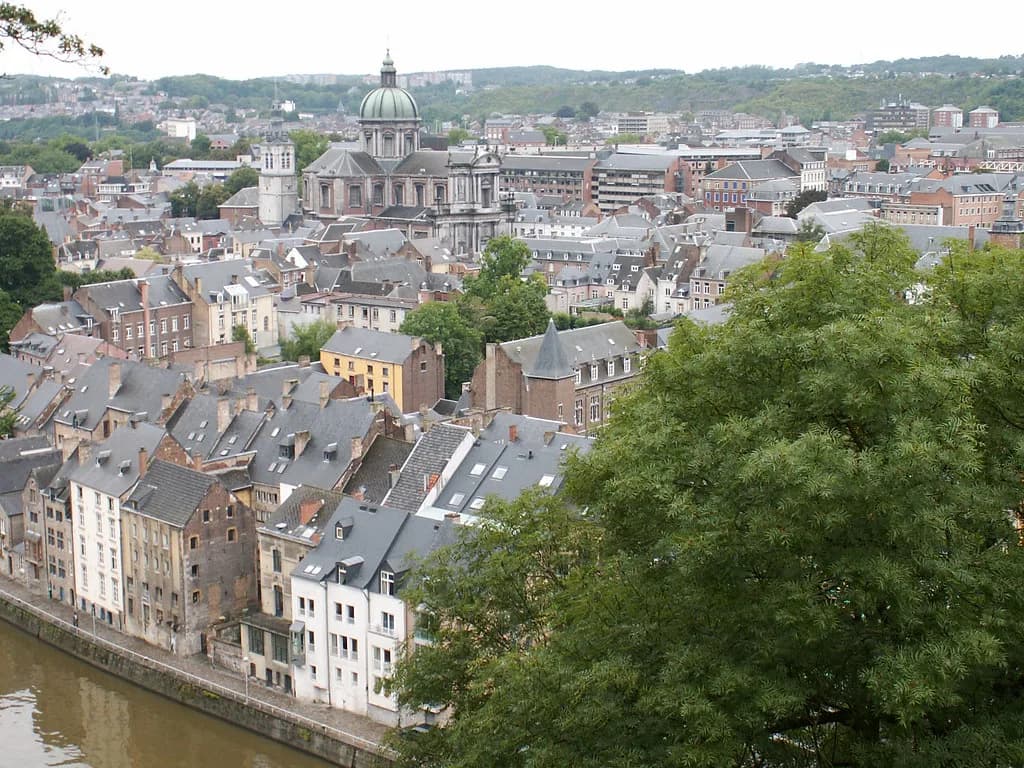
Namur architecture is best understood as a city shaped by two rivers and a rock, not as a checklist of monuments. The Sambre meets the Meuse directly below the Citadelle de Namur, and that junction has fixed the street plan, the bridges and the viewpoints for centuries. This guide walks you through the citadel ridge, the confluence, the riverside Le Delta and the Jambes bank, and ends with a half-day route that ties the layers together.
Most of what you will look at is a mix of civic and religious building, riverside engineering and a handful of modern interventions rather than a single grand style. Because so much depends on ground level and water level, the city rewards walking rather than a museum-by-museum approach.
A citadel above two rivers
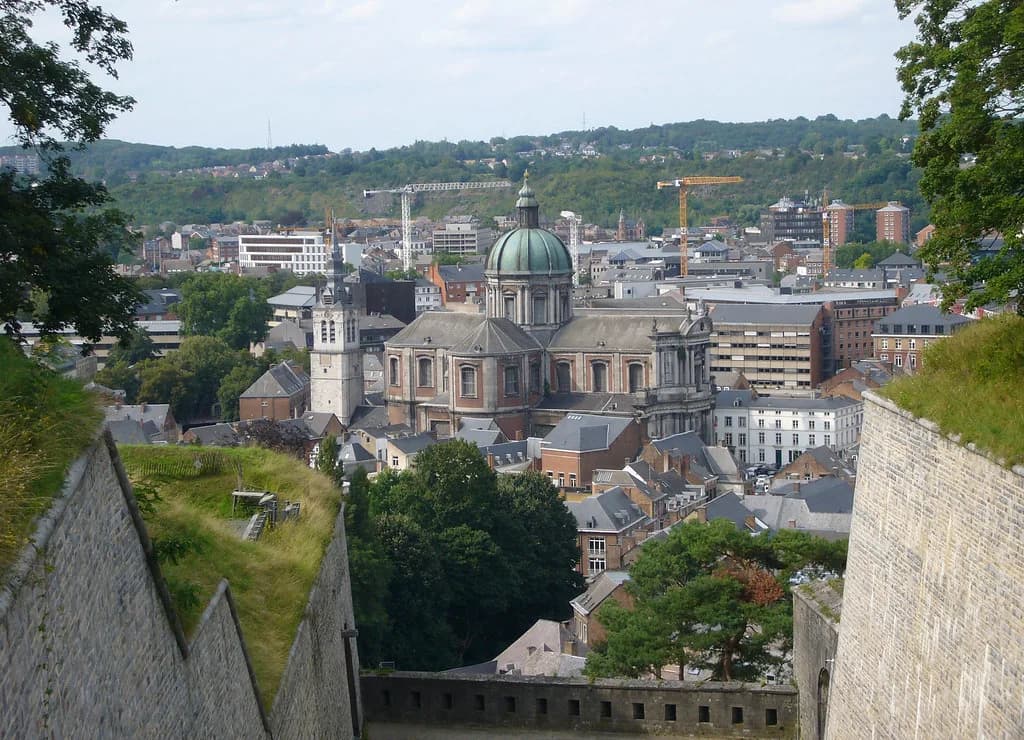
The defining fact of Namur is vertical: the Citadelle de Namur occupies the ridge above the meeting of the Sambre and Meuse, and almost every view in the centre is oriented towards it or away from it. Walk the central streets and you read the city in layers, with the citadel as the constant backdrop. For the historical sequence behind those layers, Namur history gives the longer story.
Treat the citadel as the frame for your walk rather than only a destination. Its ramparts and tunnels are the reason the streets below bend the way they do, and the ridge explains why the centre feels tighter on the river side than on the plateau. Start by locating the ridge on a map, then choose your streets accordingly.
The Citadelle de Namur: ramparts, tunnels and views over the confluence
The Citadelle de Namur is a fortified ensemble of ramparts, gates and underground passages strung along the ridge, and the reason to walk it is the sequence of views over the confluence as much as the masonry itself. Approach from the town side so the ramparts reveal themselves gradually; the climb is steady rather than technical, but it is a climb.
The tunnels and enclosed passages are the part travellers most often misjudge, so check access arrangements for the sections you want before setting out, since these are managed separately from the open ridge paths. Wear shoes that cope with uneven stone, and allow more time than the distance suggests.
The confluence of the Sambre and Meuse and how it shapes the street plan
Where the Sambre flows into the Meuse, the city has always had to solve the same problems: bridges, quays and floodable ground. That is why the centre's streets run in short, angled bursts rather than a clean grid, and why so many of the best-known views are from bridges and riverside walls rather than from squares.
Use the confluence as a navigation aid. If you can see both rivers, you can place yourself: the citadel is above you, the old centre sits between the two banks, and Jambes lies across the water. Walking the quays in both directions gives you the clearest sense of how the town knits together.
Le Delta on the riverside: Philippe Samyn's renovation of the Maison de la Culture
Le Delta, the former Maison de la Culture de la Province de Namur, sits at the confluence of the Sambre and Meuse at the foot of the citadel, and was renovated by Philippe Samyn and Associates. The practice describes a bright building with prominent woodwork, curved forms and varied volumes, which is why it reads as a composed riverside object rather than a blank cultural shed.
Inside, the venue has three main halls: the Grande Salle plus the Tambour and Mediator rooms, fitted out with a unified seating and materials scheme. That matters to a visitor because the building is a working performance venue, so the foyers and riverside setting are often as rewarding as the auditorium. If you want to see a performance, check the programme directly with the venue.
The Jambes bank and its architecture practices
Jambes, on the far bank, is where a number of the city's architecture practices are based. Rue du Pont des Ardennes is the registered address of Brix architecture, a Namur practice working on renovations, extensions and new-build projects across the region, which is a fair illustration of the kind of small studios that do much of the work in and around the city.
This is not a sightseeing street in the monument sense, but the far bank gives you a useful second frame for the city: Jambes is lower and more residential than the citadel ridge, and the contrast sharpens your reading of the centre. Cross on foot and walk a loop of the Jambes bank before returning over the river.
Contemporary building around Namur
Beyond the centre, Namur's recent architecture is mostly small-scale and practical rather than iconic. The BOMEL slaughterhouse by BAEB is a representative example: an agricultural and industrial building treated as architecture rather than as a shed, which is how much of the region builds.
For visitors, these projects are context rather than stops. They tell you that Namur's architectural character comes largely from modest, well-detailed buildings working with the land, water and fortifications, which is the note to carry back into the centre.
Churches and civic buildings in the old centre
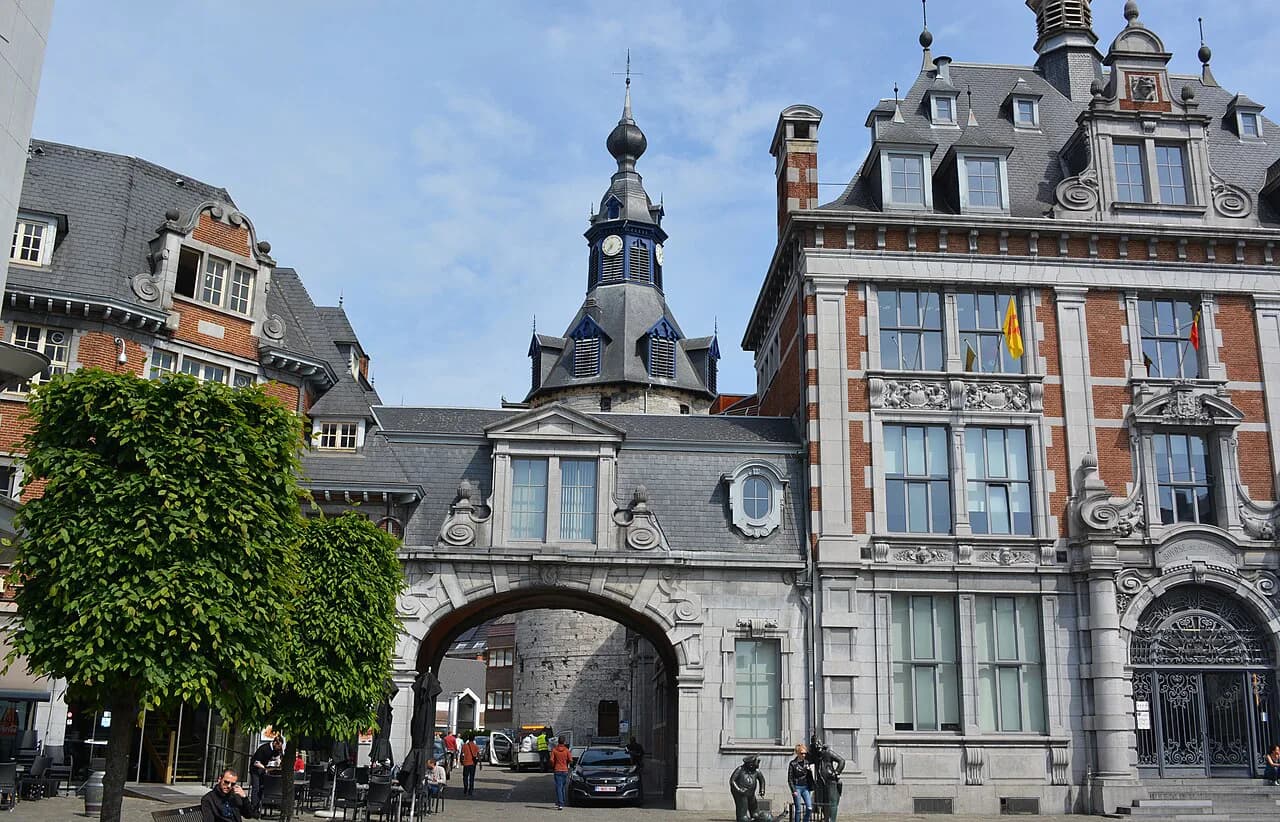
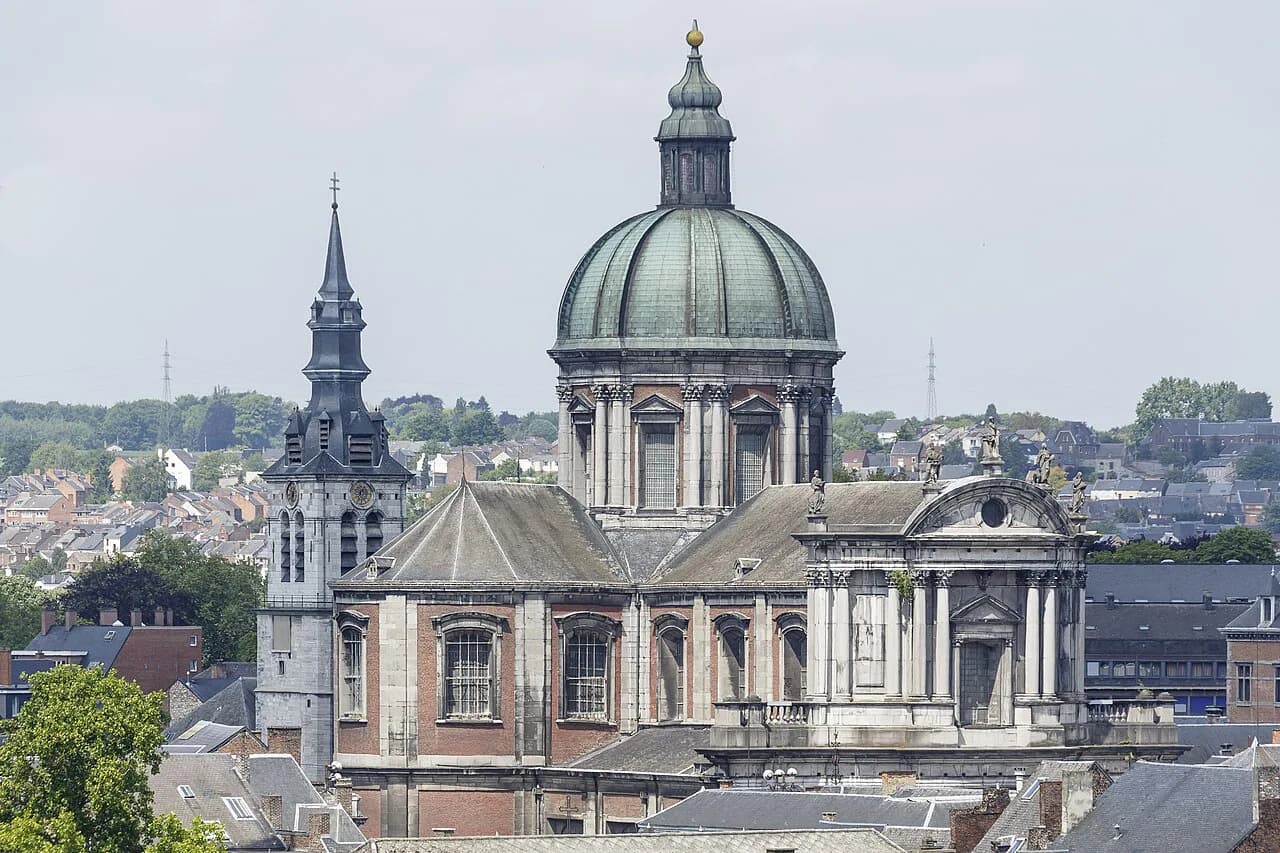
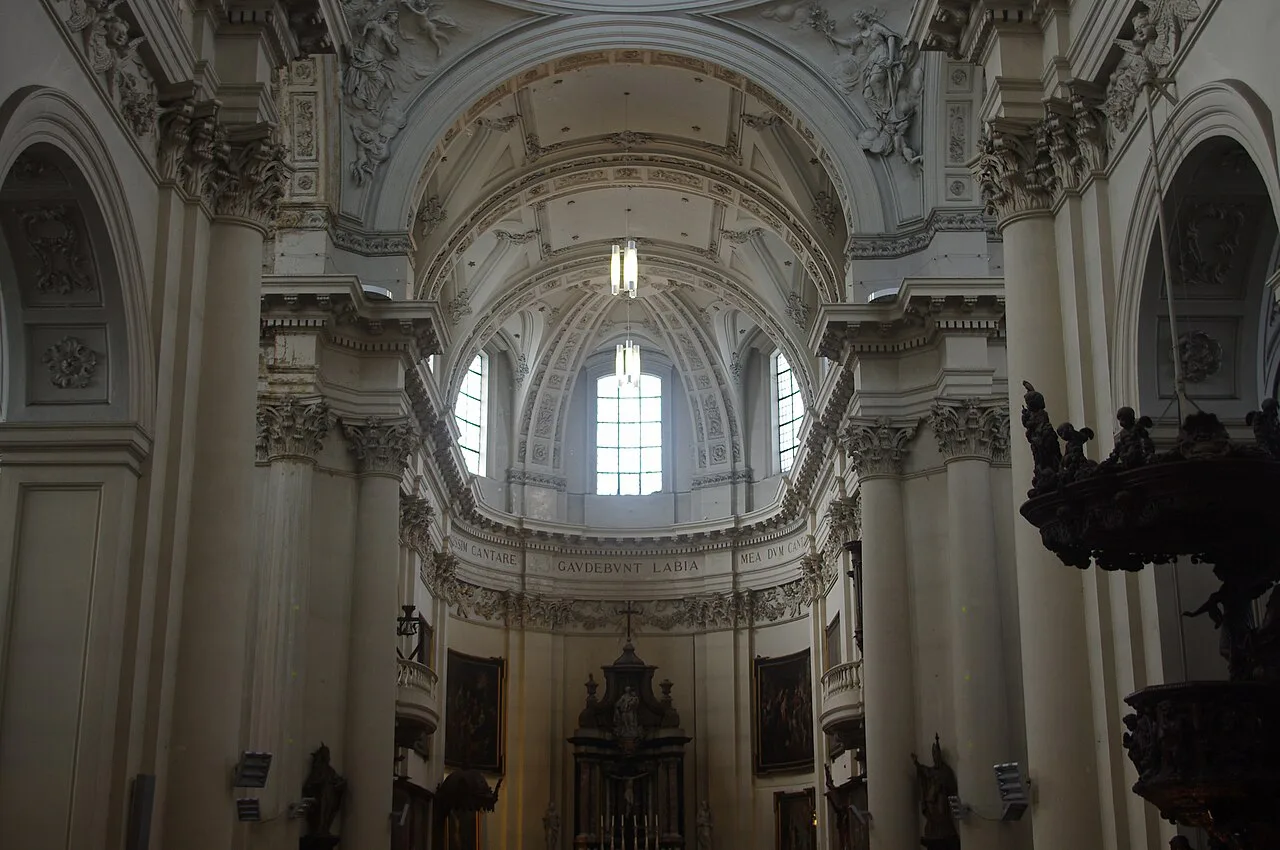
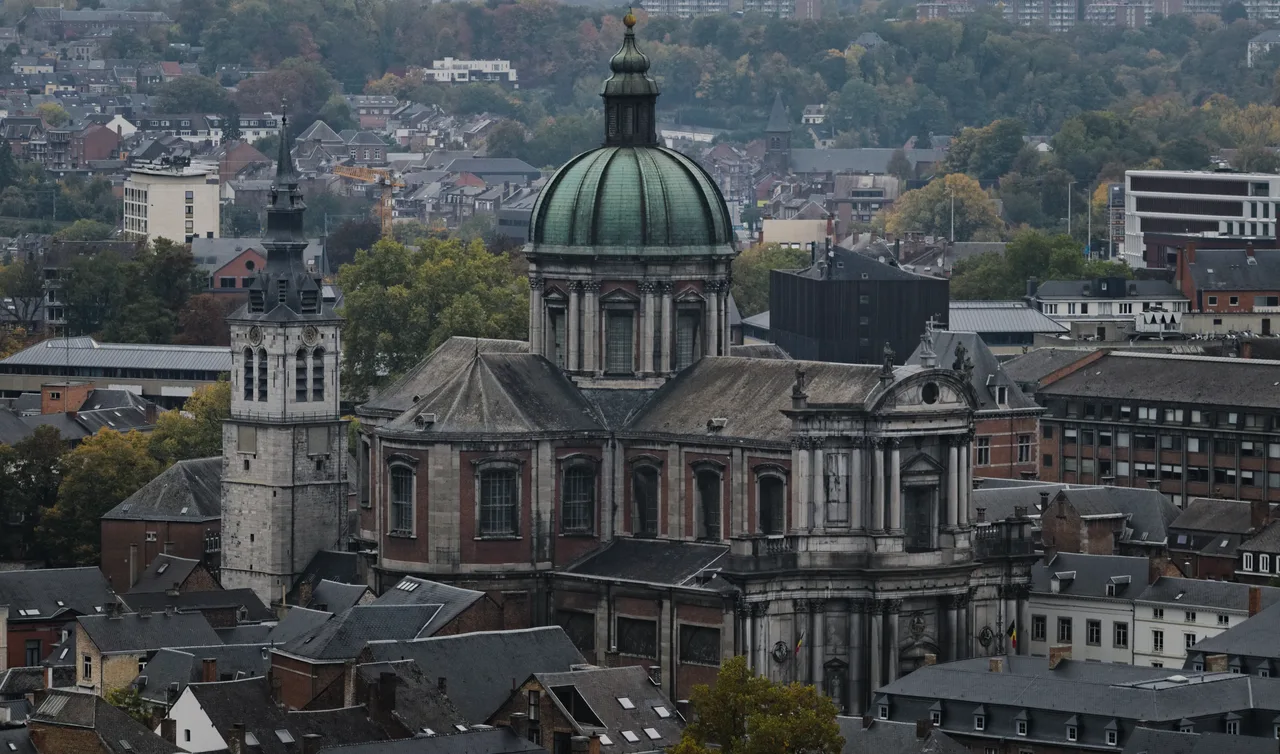
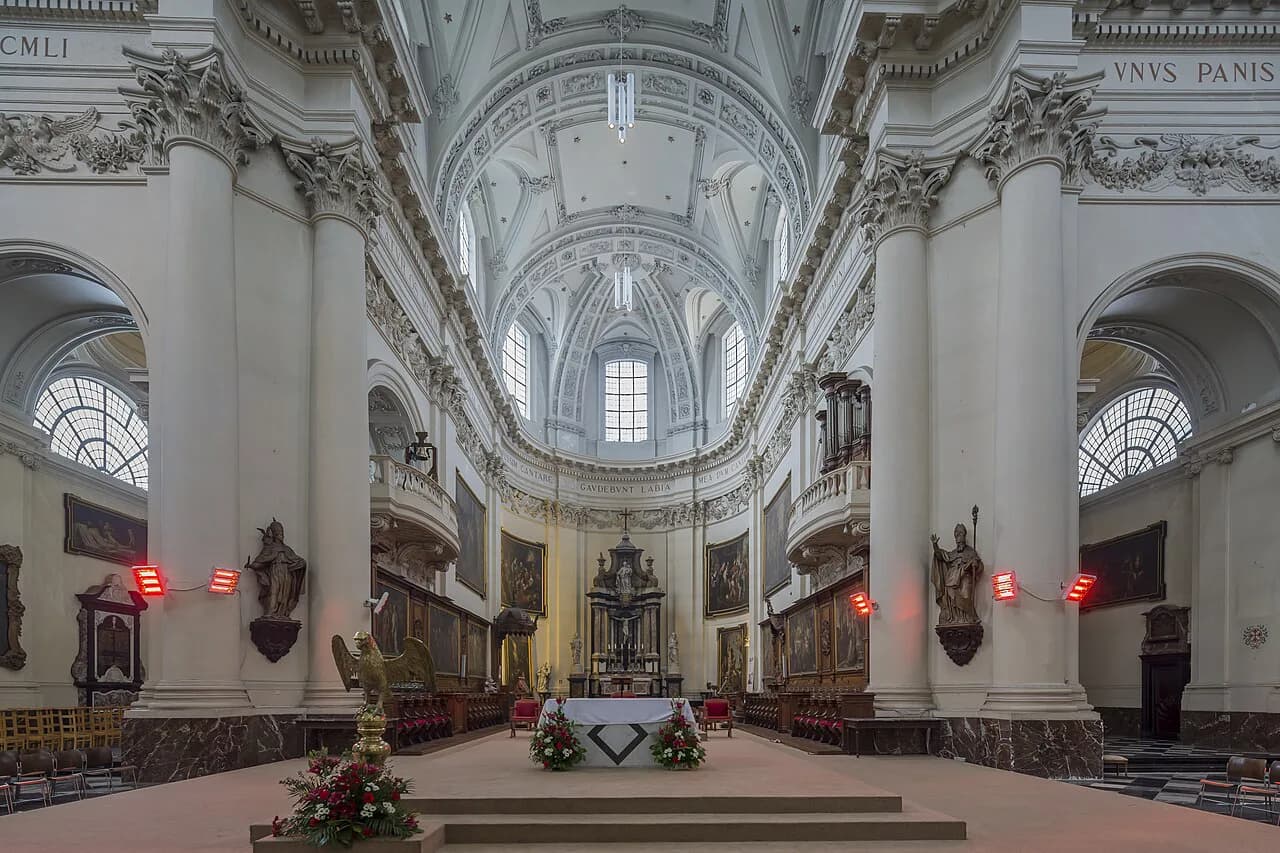
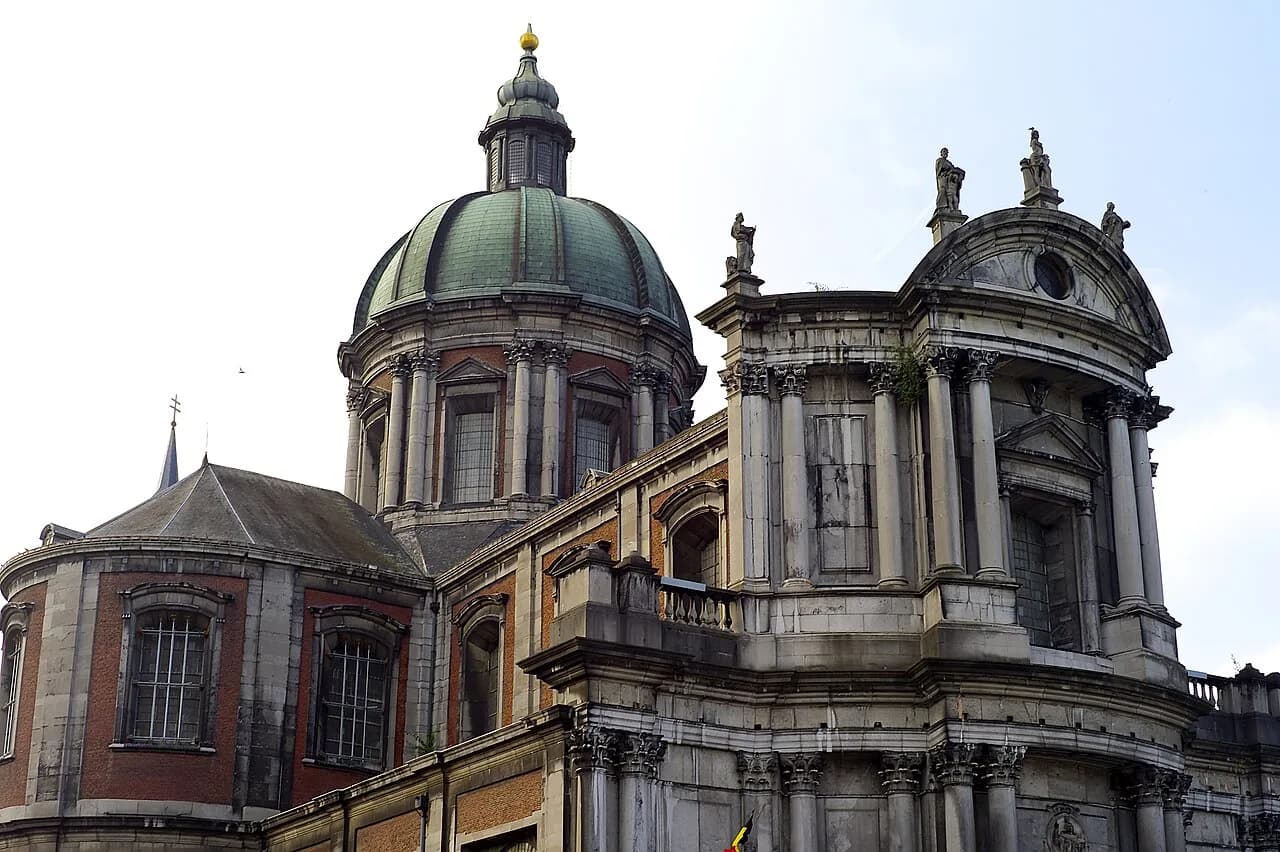
The old centre holds the city's densest run of historic building, with Saint-Aubain Cathedral as the calm anchor of the cathedral quarter. Step inside for the proportions and the light, then read the surrounding streets as a single ensemble of church, civic frontage and narrow approach lanes.
Pair the cathedral with the town's museum spaces, which give the objects and context that the streets alone cannot. Namur museums covers what is open and what each collection is good for, so you can slot one into the middle of a walking day rather than treating it as a separate outing.
Where to walk to see the layers of the city in a half day
A half day is enough for the centre if you keep the route linear: start at Le Delta on the riverside, climb towards the Citadelle de Namur for the confluence views, drop back through the cathedral quarter, then cross to Jambes for the rue du Pont des Ardennes loop. That order keeps the climbs short and the views coming.
Build in slack for the citadel's enclosed sections and for a museum stop; the walking distances are modest, but the vertical gain and the stone surfaces slow you down. If you only have two hours, cut the Jambes loop and stay between the rivers.
Is Namur architecture worth a dedicated walk?
Yes, if you accept that the reward is urban reading rather than a single masterpiece: a fortress ridge, a confluence, one strong modern renovation and a working architecture quarter over the water. Walk it in the order above and the city explains itself.
Keep the citadel's managed sections and Le Delta's programme as the two things you confirm before you set out, and leave the rest of the day open to follow the quays.
Explore more Namur guides
Frequently Asked Questions
Do I need a ticket to see the Citadelle de Namur?
Access to the citadel's different sections is managed separately, so check what applies to the parts you want to see before you walk up. The open ridge paths and the views over the confluence are the core of the visit either way.
Can I visit Le Delta as a visitor attraction?
Le Delta is a working cultural venue with three halls, renovated by Philippe Samyn and Associates, so treat performances and events as the main way in. Check the venue's own programme for what is on during your dates.
Sources
Useful notes for your next trip
Optional updates to our guides.
You might also like
Continue reading
More guides you'll find useful