Ostend Street Art: The Crystal Ship Murals and Where to Find Them
Ostend street art centres on The Crystal Ship, with more than 80 murals and interventions across the city that you can find on foot all year round.
On this page
Ostend street art means The Crystal Ship, the annual festival for art in public space that has built up more than 80 monumental murals and site-specific interventions across the city, viewable year-round as you walk the streets. The works are not gathered in a single quarter, so the art doubles as a way of exploring Ostend on foot over a day or two. This guide covers what the festival is, which artists and pieces stand out, and how to work the walls into a short break.
Expect big painted façades near the coast, quieter pieces tucked between residential streets, and the odd abstract or political image you only notice when you look up. Treat the murals as a walking thread rather than a checklist, and you get the seafront, the shopping streets and the old town in the same afternoon.
What The Crystal Ship is
Street art listings describe The Crystal Ship as Europe's largest festival for art in public space, held annually in Ostend and bringing together artists from Belgium and abroad to produce large-scale walls and interventions that stay in place long after each edition ends. The 2025 edition took 'change' as its guiding theme, inviting artists to reflect on social, cultural, environmental and personal transformation, and the festival frames Ostend as an open-air museum where art, community and imagination meet.
The key thing for a visitor is that the art is outdoors and permanent. You do not need a ticket, a booking or a fixed schedule to see the walls; you need time on your feet and reasonable weather. Some works stand several storeys high and need distance to read properly, so cross the street and take a second look from further back.
How Ostend became an open-air museum
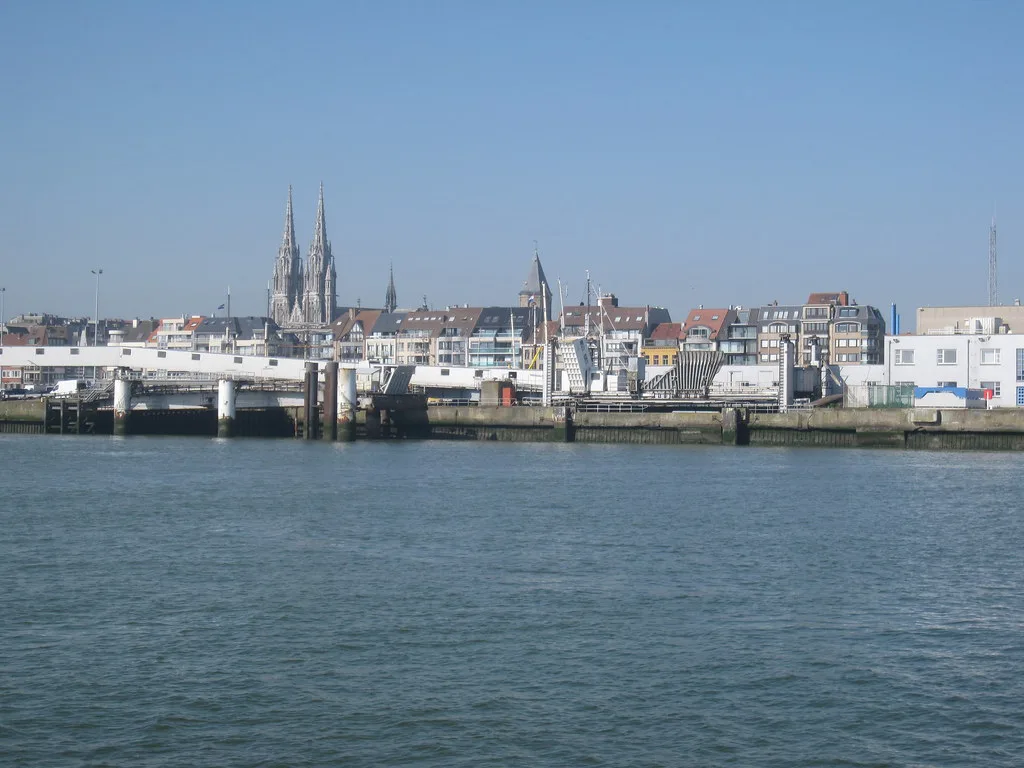
Over a decade the festival has reshaped the visual identity of the coastal city, turning it into one of Europe's leading open-air museums for contemporary urban art. The murals are not isolated gallery pieces: they were painted onto façades, public buildings, streets and unexpected urban surfaces. That is why the art reads as part of the townscape rather than a display laid on top of it.
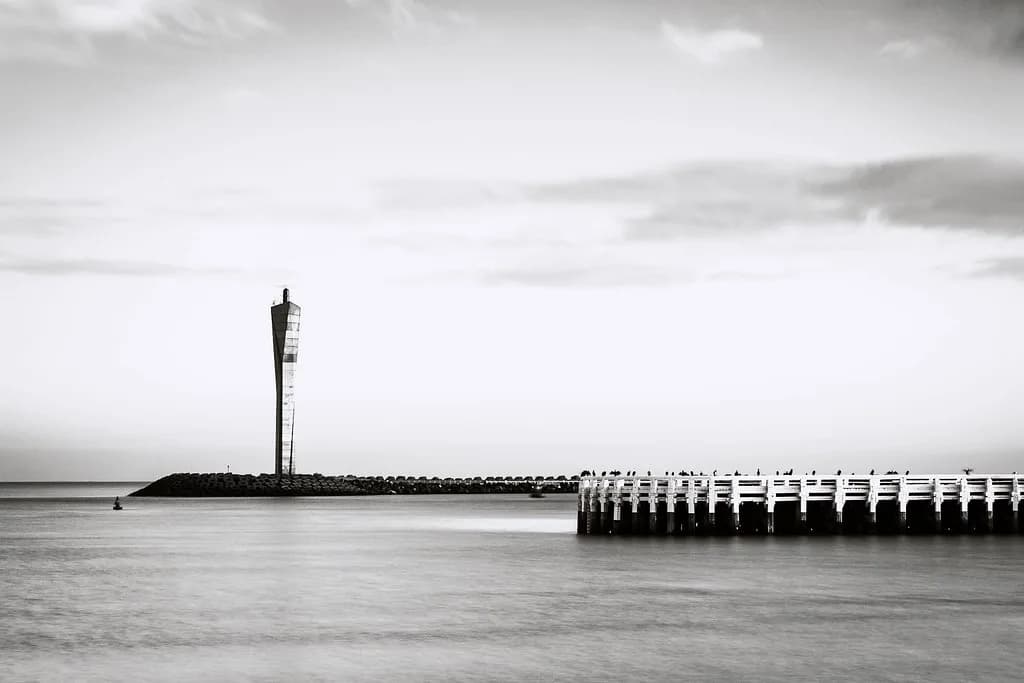
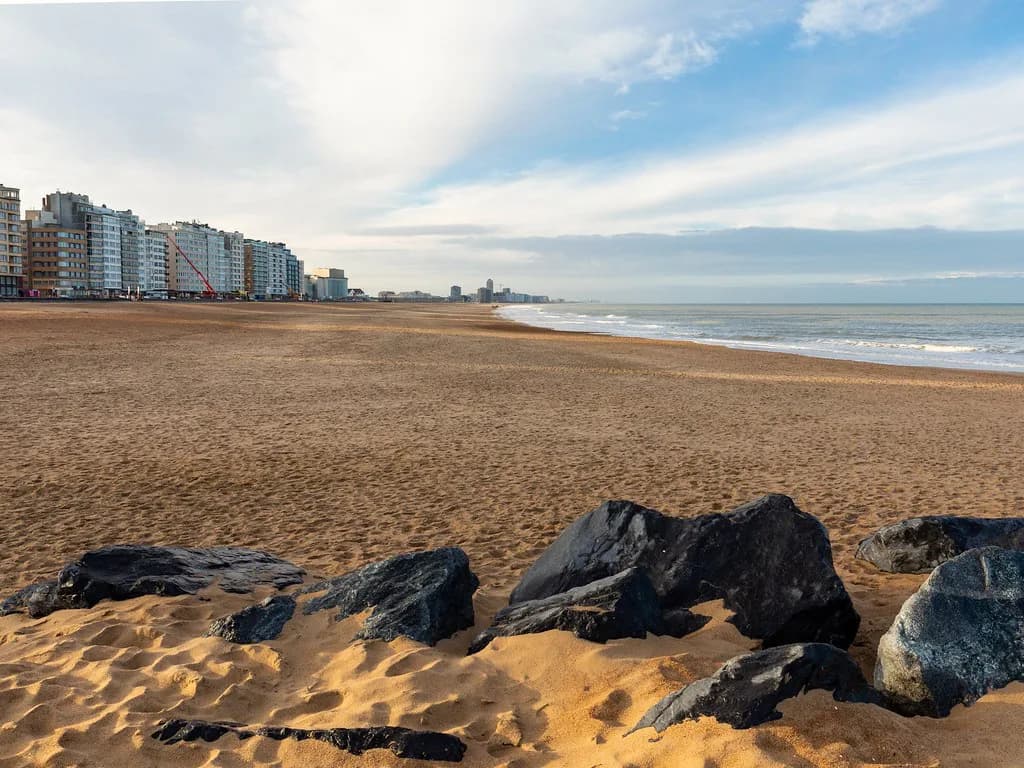
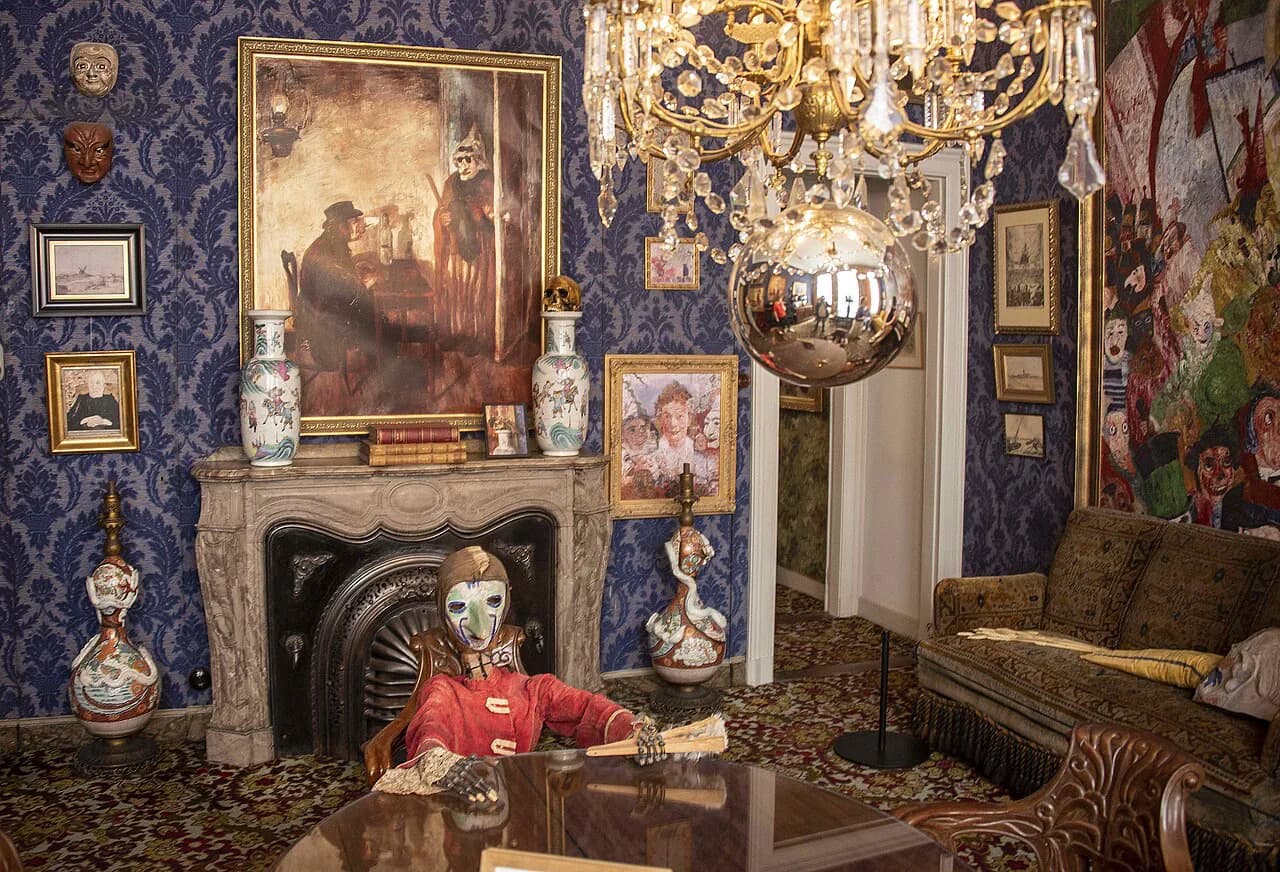
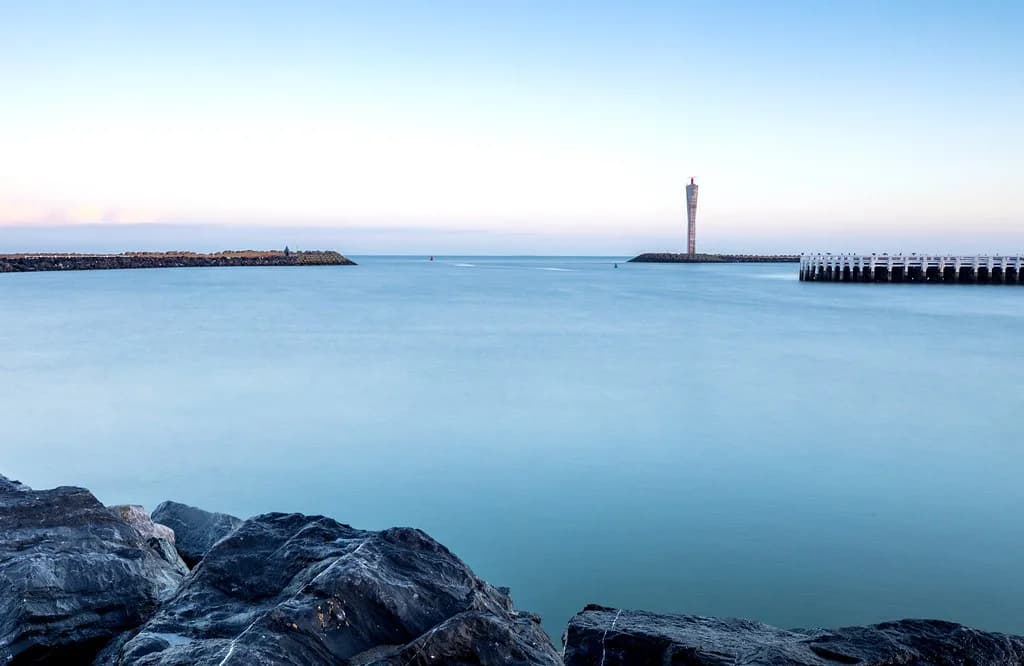
The portrait of the city was sketched long before the street art arrived. Ostend's seafront and its painterly tradition give the walls context, and the murals sit comfortably alongside them. Walking between the two is the pleasure of the place, and the streets of Ostend Old Town make a natural link between a seafront circuit and the town behind it.
Where the murals are in the town
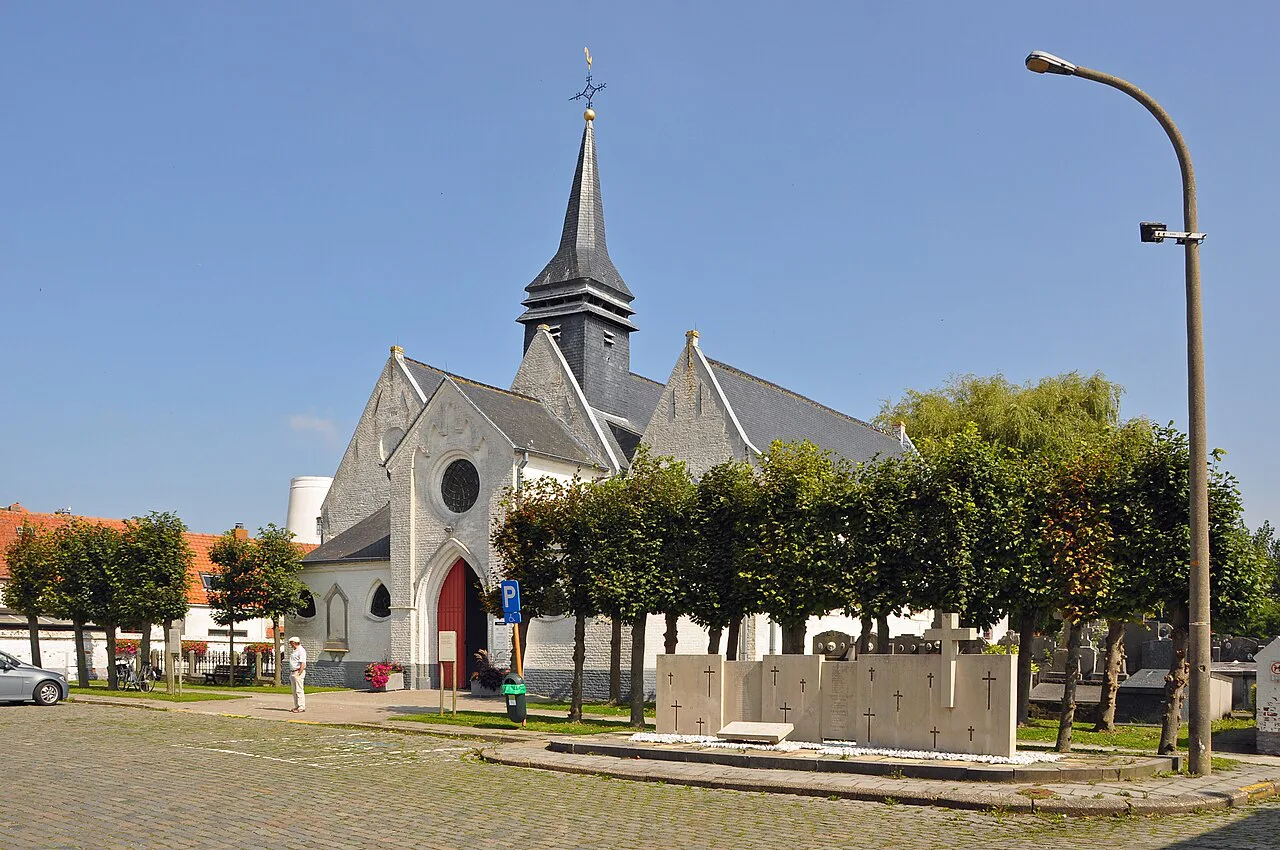
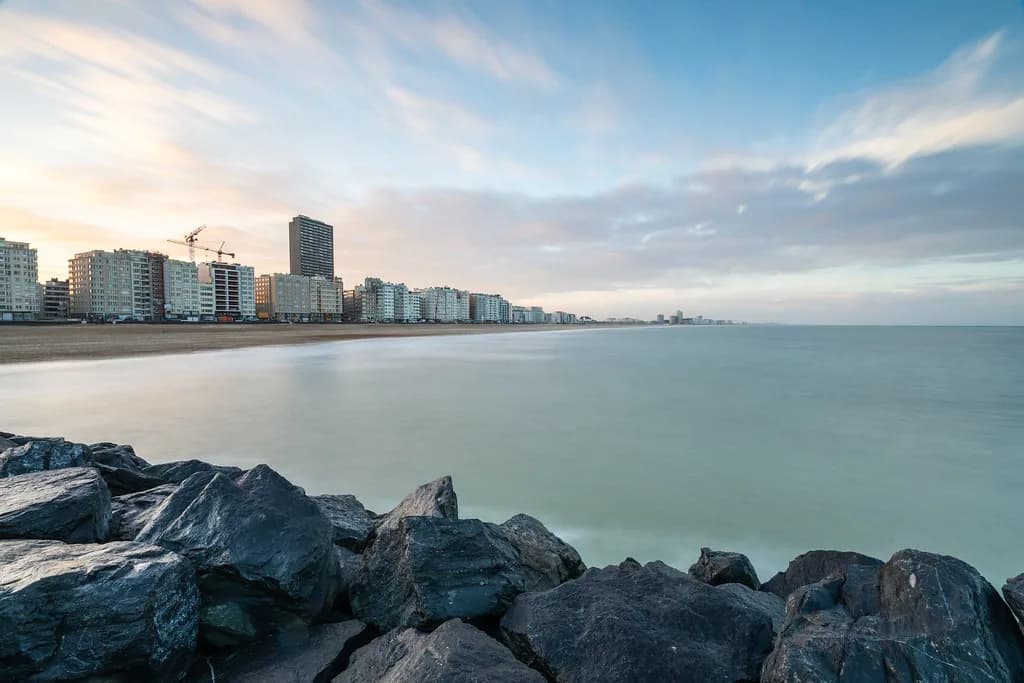
The works are spread through ordinary streets and along the coast rather than being gathered in one quarter. Some appear quietly between residential streets, on the flanks of houses where you would not expect to find a monumental painting. Others dominate entire buildings along the seafront, where they compete with the sky for attention.
Practically, that means a route linking the seafront with the streets behind it will throw up walls without a map. Start near the shore, where the tallest pieces catch the light, then drift inland through the shopping streets and towards the old town. The walking is flat and the streets compact, which suits a loose itinerary of two or three hours rather than a fixed trail.
Walking the murals
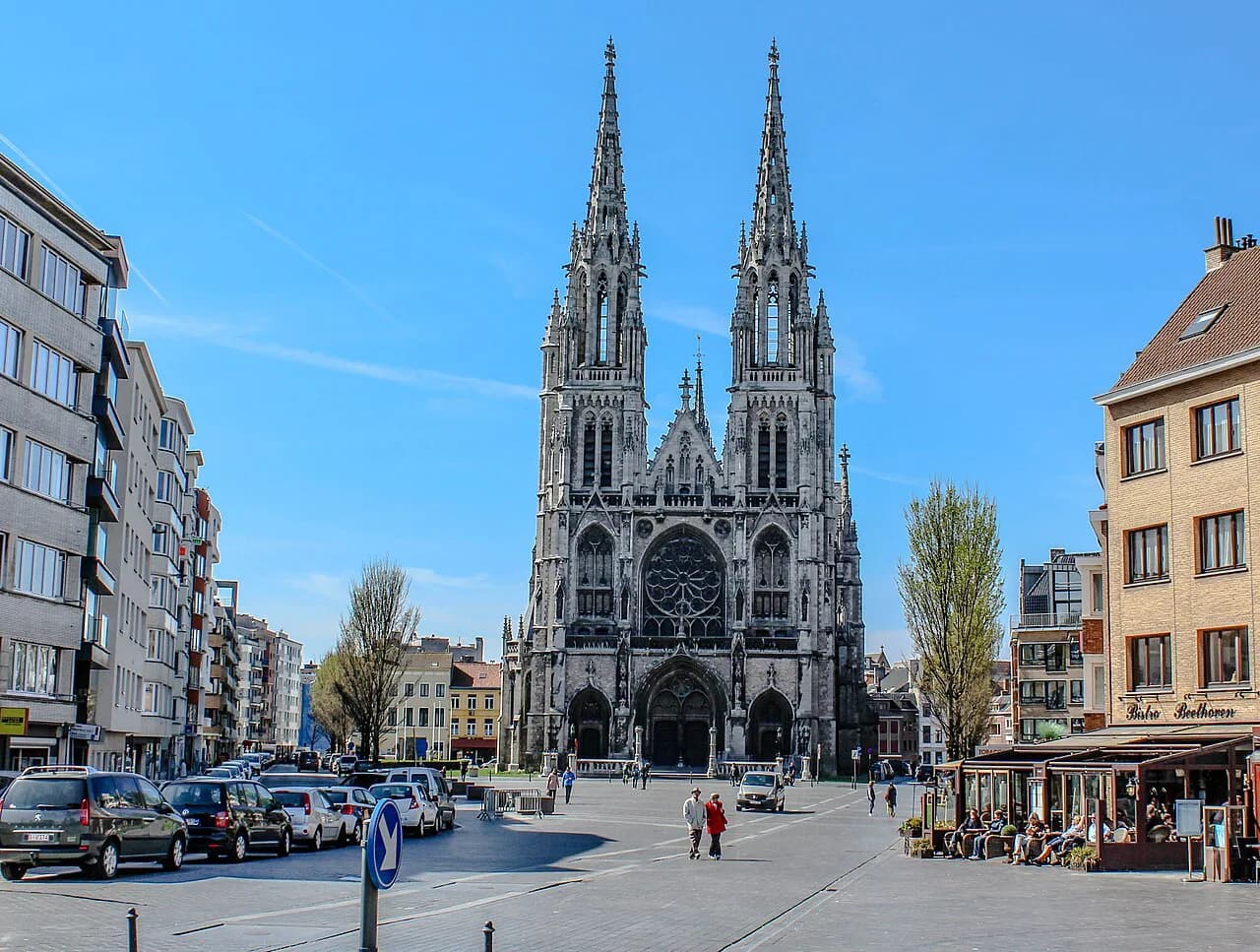
The best way to see the art is slowly, because half of it rewards a second glance. Walking lets you notice the change of scale between a mural that fills a gable and one that occupies a single panel, and lets you spot the occasional piece in passing. Allow the route to bend: a detour past a church or a market can turn a hunt for walls into a proper tour of the town, and Ostend's churches make a quiet counterpoint to the painted façades.
If you are in town for a weekend, split the art across two walks: one along the seafront and one through the streets behind it. That way the murals become the excuse to cover the town rather than the only thing you see. It also gives you room for a museum or a market in between.
The 10th edition in 2026
The 2026 edition marked the festival's tenth anniversary, returning to Ostend with more than 20 new monumental murals and public artworks. As in earlier years, the works were made over several weeks, with artists painting on façades, public buildings and unexpected surfaces across the city. Look for them as part of a general wander rather than as a single exhibition site.
The anniversary edition was curated by Belgian actor and artist Matthias Schoenaerts under his artist name Zenith, who framed the project as an invitation to curiosity and public encounter. The idea was to get people to engage with the city differently, through art embedded in everyday life. That curatorial thread gives the route a shape: the walls are meant to be met by accident, on the way somewhere else.
Artists to look out for from the anniversary edition
Several names from the 2026 edition are worth knowing as you walk. Belgian artist ROA and Alexis Diaz are among the muralists whose work shaped the anniversary programme. New York's Queen Andrea, who emerged from early 1990s Manhattan graffiti, contributes a large-scale typographic mural, and Belgian graffiti pioneer DEFO 8.4 brings his fractured lettering and white cat signature to a wall of his own.
Look out too for Belgian artist BUE, whose visual language sits between graffiti and contemporary painting, and for Zenith and Koen van den Broek's collaboration Round 4, a minimalist mural built around the imagery of a boxing ring and the idea of starting again. Each artist has a distinct style, so the route shifts register from wall to wall.
Smaller interventions and quieter pieces
Not every work is a towering mural. Belgian illustrator Astrid Verplancke's Tussenruimte turns figures and quiet encounters into a reflection on the space between people, and it reads best at street level rather than from across the road. Romanian-born, Antwerp-based artist Adrian Iurco contributes a mural adapted from one of his existing paintings, a yellow parasol lingering just before closing time.
Dutch artist Rutger Termohlen's wall is inspired by pioneering artist Anna Boch, whose deep connection to the Belgian coast and fascination with James Ensor echo through the work. These are the pieces that reward a slower walk: pause, look at what the image is doing, and you get more from the route than by ticking off walls.
Seeing the art alongside Ostend's other sights
The art fits neatly around Ostend's other draws, because most of them are in the same compact centre. Pair a seafront mural walk with a morning in one of the town's museums, and use the old town streets as the link between the two. A single day is enough for a taste of both; a weekend gives you time to loop back for the walls you missed, and a wider plan of Things to Do in Ostend helps slot the walks in.
Beyond the murals, the town offers its churches, its market and its seafront for a change of pace. The Crystal Ship is the thread that ties them together as you walk.
Practical trade-offs
Outdoor art has the virtue of being visible at any hour and free to look at, but the experience depends on the weather and the light. A bright day flatters the bigger walls; a grey one suits the quieter pieces near street level. Plan the route for a dry spell and keep it flexible, since the art is spread across a city you can walk in a few hours.
If the art is the main draw of your trip, check the visitor information before you travel, since a walking route can be shaped by temporary works or closures. Pair it with a wander through the old town and a bite by the seafront, and the walls become part of a good day rather than the whole of it.
Should street art shape your Ostend trip?
Yes, if you like the idea of a city as a gallery: the murals are free, permanent and easily woven into a walk along the seafront and through the streets behind it. If you want a structured day out with tickets and timetables, the art works better as a bonus between other stops. Either way, it justifies a wander well beyond the seafront.
Build a loose route around the centre, leave room for a museum and a market, and let the walls do the rest.
Explore more Ostend guides
Frequently Asked Questions
Is Ostend street art free to see?
The Crystal Ship works are in public space, so you see them by walking past; there is no ticket for the art itself. Any paid stops you add along the way, such as museums, are separate.
Can you see The Crystal Ship murals outside the festival?
Yes. The festival is annual, but its murals and interventions stay on walls and public buildings across the city, so they can be seen year-round.
How long does it take to walk the murals?
The works are spread through the centre and along the coast rather than in a single quarter, so a focused walk takes a couple of hours. A half day lets you combine the art with the old town and seafront.
Which artists should I look for in Ostend?
The tenth edition in 2026 brought in more than 20 new works, with names such as ROA, Alexis Diaz, Queen Andrea, BUE, DEFO 8.4 and Astrid Verplancke. Each has a distinctive style, so the walls read differently as you walk.
Sources
Useful notes for your next trip
Optional updates to our guides.
You might also like
Continue reading
More guides you'll find useful