Liège Architecture: What to See and Where to Walk
Liège architecture in a walkable sequence: the Guillemins station, the historic centre and the Mediacite, with what to look for and how long each stop needs.
On this page
Liège spreads its modern architecture across three areas: the Liège-Guillemins station quarter, the Mediacite complex on the old industrial riverside, and the historic centre in between. One day on foot links them in a single sequence, with the station as the natural start and the centre as the closest thing to a climax. This guide gives you the walking order, what to look at in each place, and honest timings for a short break.
Liège-Guillemins station: Calatrava's glass and steel hall
Santiago Calatrava designed Liège-Guillemins railway station, and its sweeping glass and steel hall is the standout piece of modern engineering in the city. Treat the station as architecture rather than transport: arrive on foot or by bus so you approach the hall from outside, walk the full length of the concourse, and look up at how the ribs carry the roof. The station doubles as the gateway to the Guillemins quarter, so it works as the first stop of an architecture day without any detour.
Allow around 30 to 45 minutes inside and out. The useful exercise is to compare the hall's lightness with the stone and brick you will meet in the old centre an hour later; that contrast is the story of Liège architecture in miniature. Trains run to and from the station throughout the day, so you can slot it at the start or end of a visit without losing time.
From Guillemins to the centre: the Paradis Express esplanade
Heading into the centre from the station, the route passes the Paradis Express site, a competition-winning proposal for an eco-neighbourhood of offices, housing and local shops on a 35,000-square-metre site along a future esplanade opposite Guillemins station and beside the new Finance Tower. It is the clearest illustration of how the station quarter is being extended toward the city rather than left as an island. Read it as urban planning on a grand scale, not as a finished streetscape, and don't expect a completed public space to linger in.
The walk from the station into the historic centre takes roughly 25 to 35 minutes at an easy pace, and the change in scale is the point: wide engineering on one side, narrow streets and old facades on the other. If you are short of time, this is the stretch to shorten rather than the stops at either end.
Mediacite: Ron Arad's roof on the industrial riverside
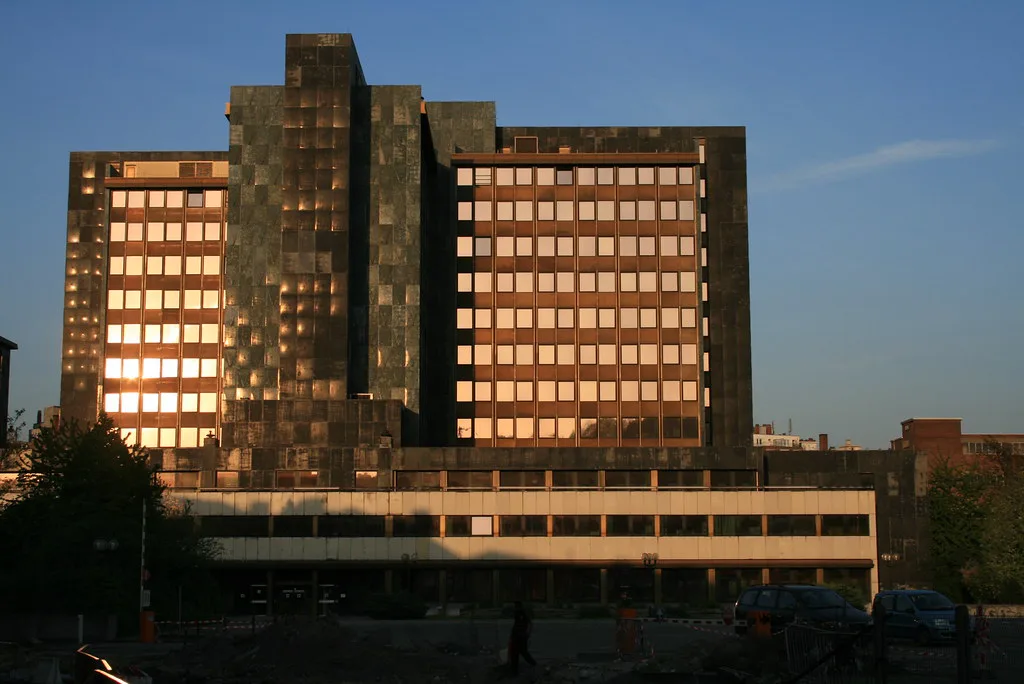
Mediacite, designed by Ron Arad Architects, sits away from the historic centre, and its roof is the element worth the walk. Approach it from outside and follow the roofline before you go in; the geometry reads best from street level, where you can see how the structure ties the complex together. It is a working piece of city infrastructure rather than a monument, and it rewards a short, focused look rather than a long browse.
Give Mediacite 30 to 40 minutes. It sits apart from the station and the centre, so it is the stop to drop first on a half-day visit; the station and the centre alone make a coherent route. If you are staying overnight, it is an easy add-on to a longer day rather than a detour worth forcing.
Other modern buildings worth knowing
Liège's recent architecture is not confined to the three headline stops. The Liège Expo exhibition hall by Francisco Mangado, completed in 2024, and the Ice Rink of Liège by L'Escaut Architectures with BE Weinand show the same appetite for engineering-led public buildings. Neither is a substitute for the station or Mediacite as a set piece, but both are useful reference points if you want to understand what the city's architects are building now.
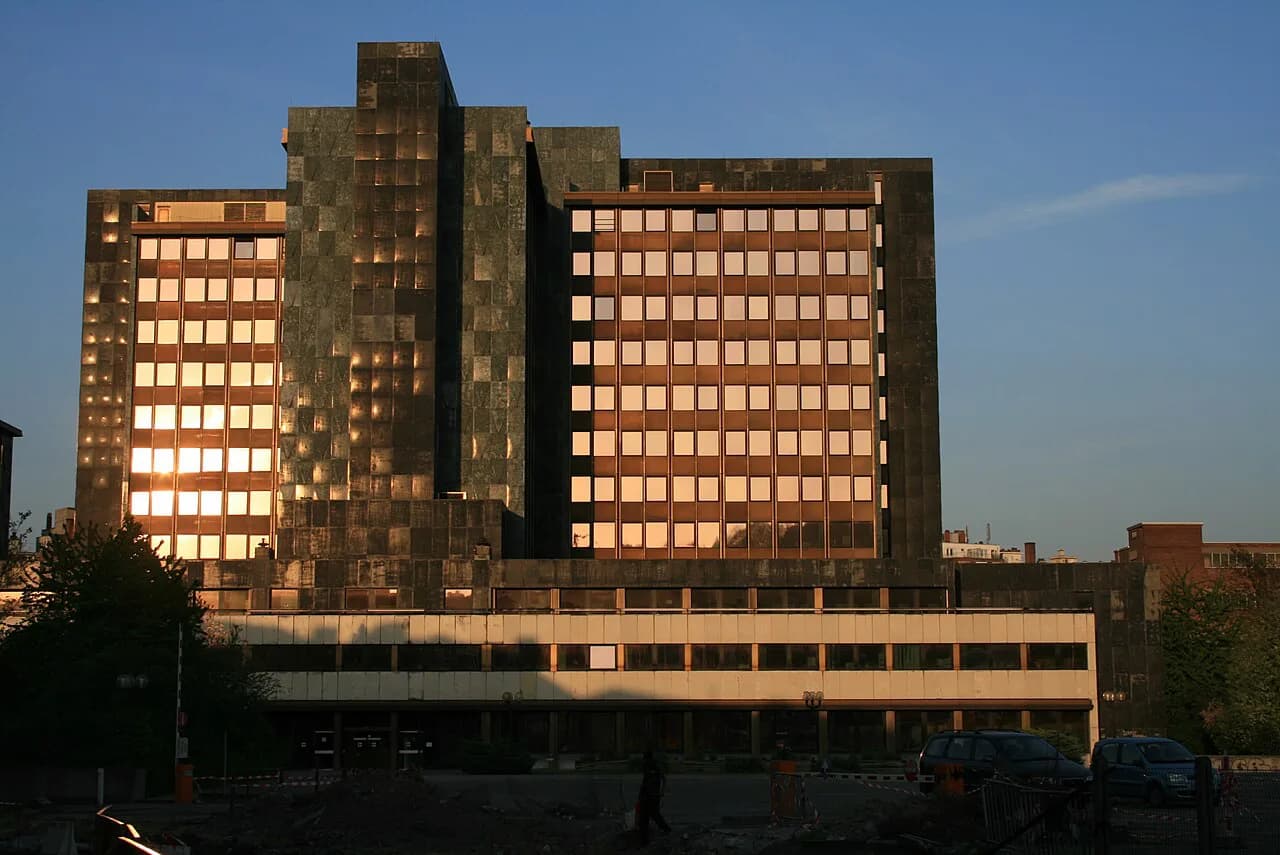
Smaller projects fill in the picture: the Louvrex Building by A229, the Cockerill Apartments by Olivier Fourneau Architects and the Delhaize store on Quai de Rome by MDW Architecture with H+G Architects all date from the last decade. These are working buildings, not visitor attractions, so treat them as context you may pass rather than destinations to plan around. The University of Liège also runs a Faculty of Architecture, which keeps the city tied to the discipline it builds with.
The historic centre: an hour on foot
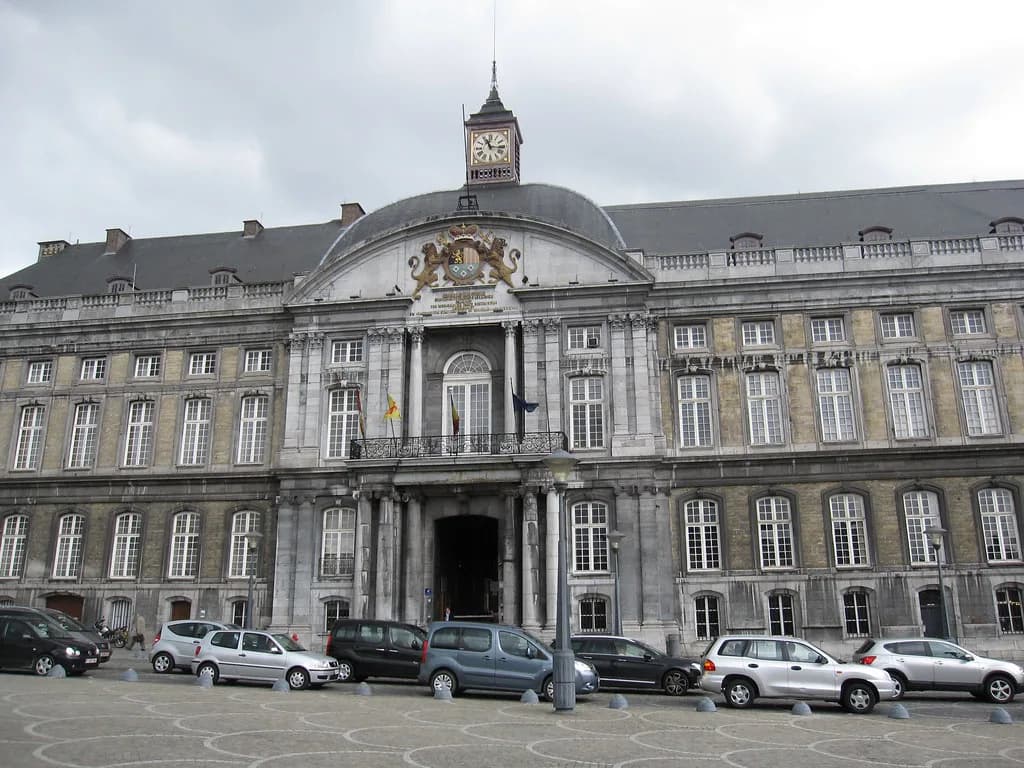
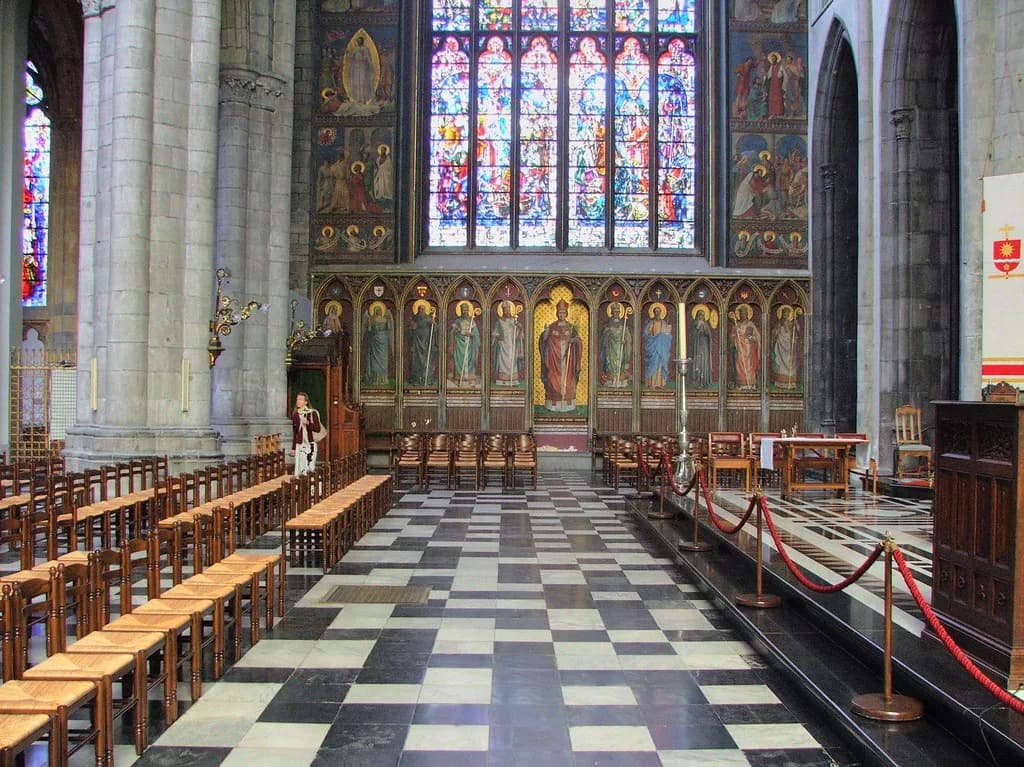
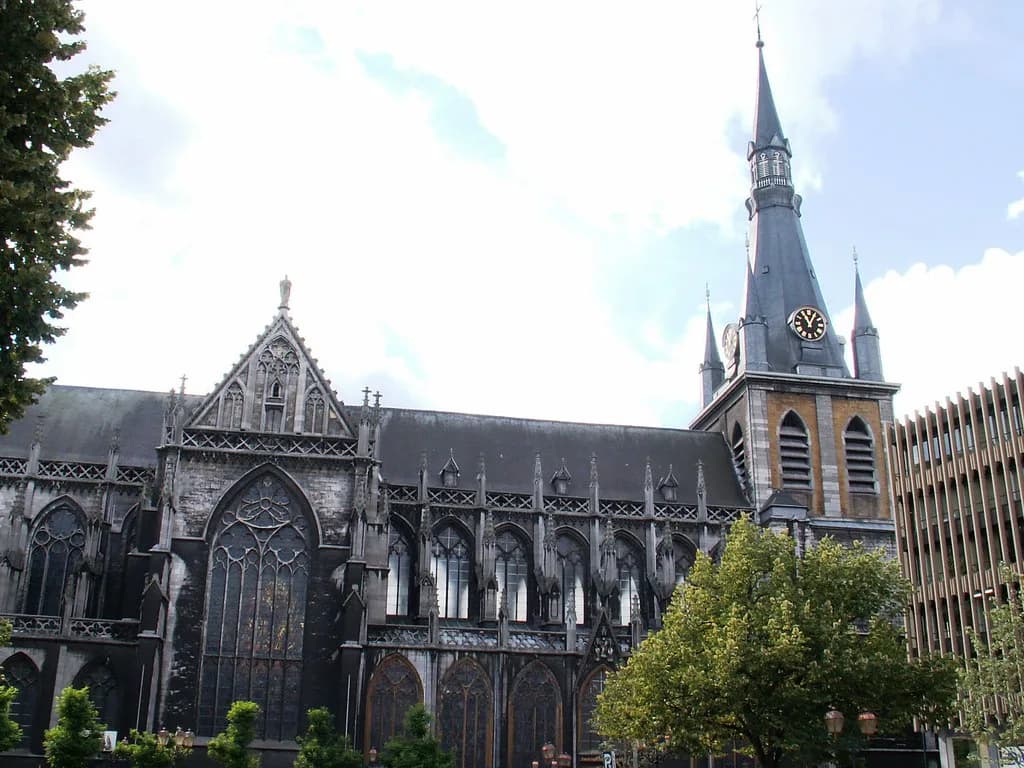
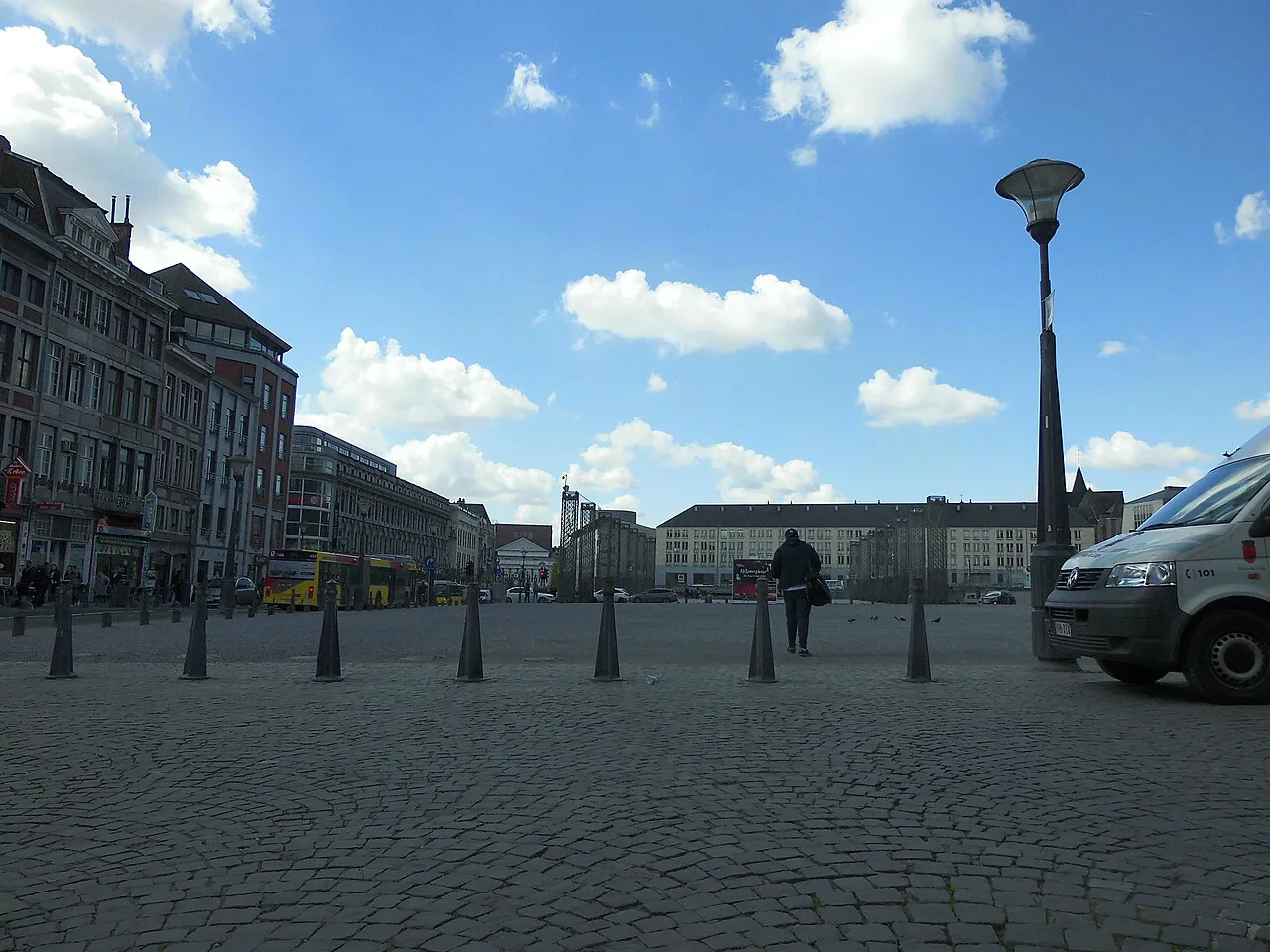
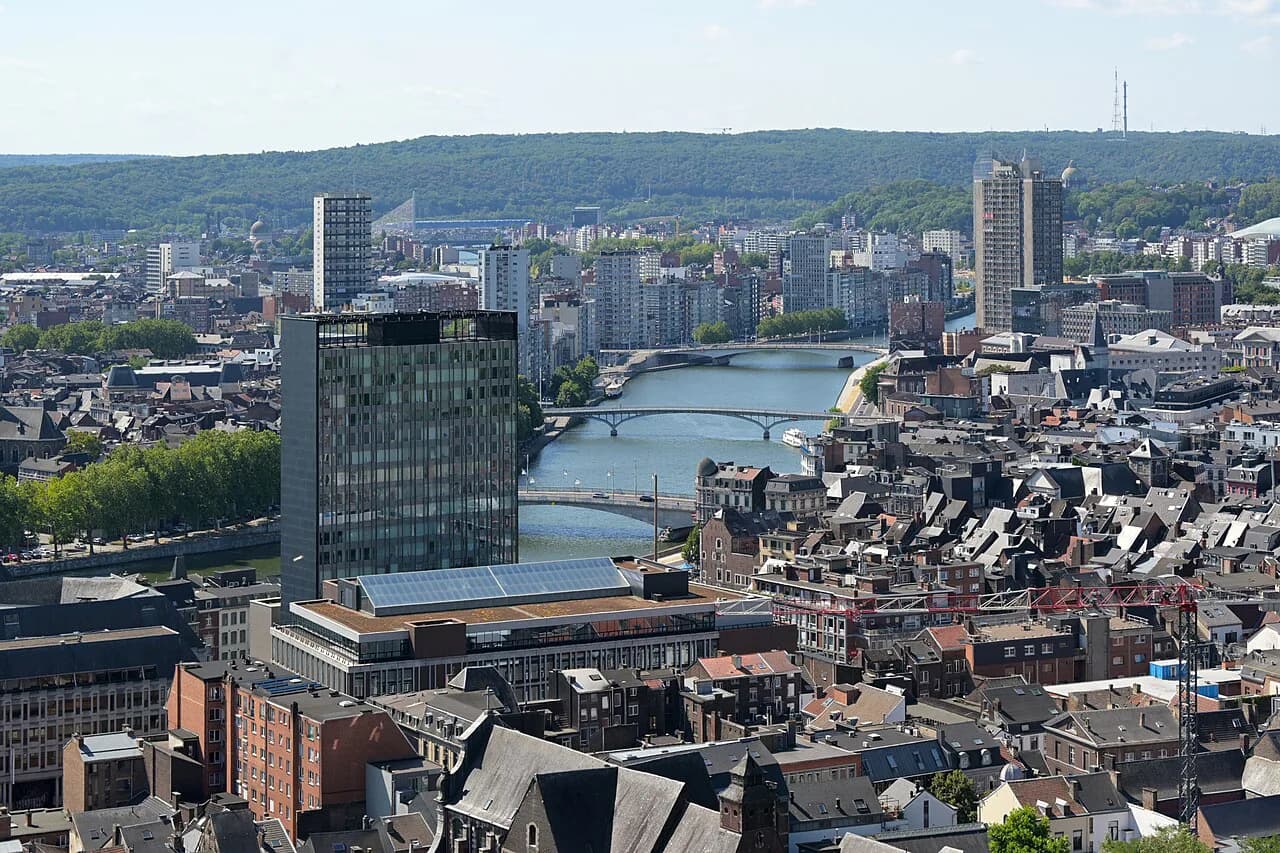
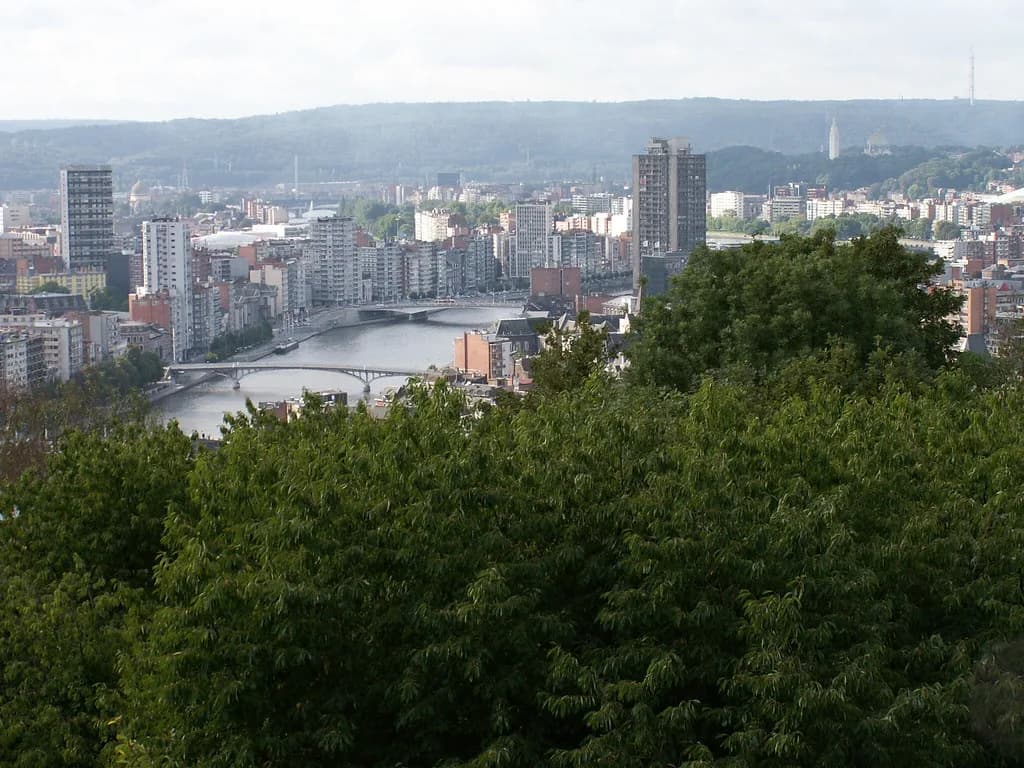
The old centre is where Liège's architecture becomes a walk rather than a list. Give it at least an hour and follow your eye rather than a fixed route: the pleasure is in the sequence of squares, narrow streets and church towers, with the Meuse never far away. This is also where the city's religious buildings sit, and the Liège Cathedral, the Cathédrale Saint-Paul, is the obvious anchor if you want one fixed point in the hour.
For the interior side of the centre, the Liège Museums hold the collections that explain what you are walking past. If architecture is your main interest, use the museums selectively: one substantial collection will tell you more about the city's material history than a rushed circuit of several smaller sites.
The centre also carries the city's older layers, and the Liège history background helps you read the street pattern rather than just admire the facades. Pair a slow walk with the art collections at La Boverie in the Parc de la Boverie if you want the nineteenth-century and modern picture alongside the medieval one. Between them, the centre and the park make a full afternoon without any need for a bus.
Putting it together: a half-day and a full-day route
For a half day, start at Liège-Guillemins, walk the station hall for 30 to 45 minutes, then head into the centre and spend the remaining time on foot there. That gives you the two strongest experiences and a genuine contrast between engineering and old streets, which is more satisfying than three rushed stops. Skip Mediacite and the Paradis Express detour; neither repays a hurried visit.
With a full day, begin at the station, walk toward the centre via the Paradis Express site, spend an hour in the old centre and break for lunch, then head out to Mediacite in the afternoon. Allow roughly five to six hours of walking and looking in total, plus stops. If you are planning more than one day in the city, the Liège Attractions: 9 Visitor Guides collection is the place to build the rest of the itinerary around this architectural spine.
Which stop to skip when time is short
If you have one morning, choose Liège-Guillemins and the historic centre and leave Mediacite for another trip. If you have a full day, add Mediacite in the afternoon, and treat the Paradis Express esplanade as a way of understanding the station quarter rather than a stop in its own right. The order matters more than the count: engineering first, old streets second, the outlying complex last.
Sources
Useful notes for your next trip
Optional updates to our guides.
You might also like
Continue reading
More guides you'll find useful