Leuven History: What Shaped the City and Where to See It
Leuven's history in the places you can still visit: the cloth-trade boom, the 1425 university, the library tower, the beguinage and Park Abbey.
On this page
Leuven is a university city before it is anything else: KU Leuven has shaped its buildings, its calendar and its population since the university was founded in 1425. That single fact explains more of the streetscape than any medieval square. This guide takes the periods in turn and attaches each one to a place you can actually visit, from the Grote Markt to the abbey grounds at Heverlee.
The result is a walking order rather than a timeline. Most of the historic core sits within a compact loop, and the one outlier, Park Abbey, is a short bus ride or a walk of a couple of kilometres from the centre. You can cover the lot in a full day without rushing, or split it across two mornings and leave the afternoons free.
Why Leuven is a university city before anything else
Walk anywhere in the centre and the university is present: college buildings, lecture rooms behind old facades, and a student population that keeps the Oude Markt busy on weeknights. Visit Leuven builds an entire visitor itinerary around this, listing the University Library and Tower, the Great Beguinage, the University Hall, Arenberg Castle and Park, the Museum of Zoology and the historic colleges as the six places that complete a university visit.
That framing is useful for planning: treat Leuven as a campus with a medieval town attached, not the other way round. The student presence is why the city feels livelier mid-week than many Belgian towns of its size, and why several sights are tied to the university rather than to the municipality.
The university also owns and manages a good deal of the heritage you will be looking at. The beguinage is the clearest example, but the same logic runs through college chapels and the library itself. Knowing who the landlord is explains the conservation, the signage and the quiet.
Cloth, the Grote Markt and the 14th-century city
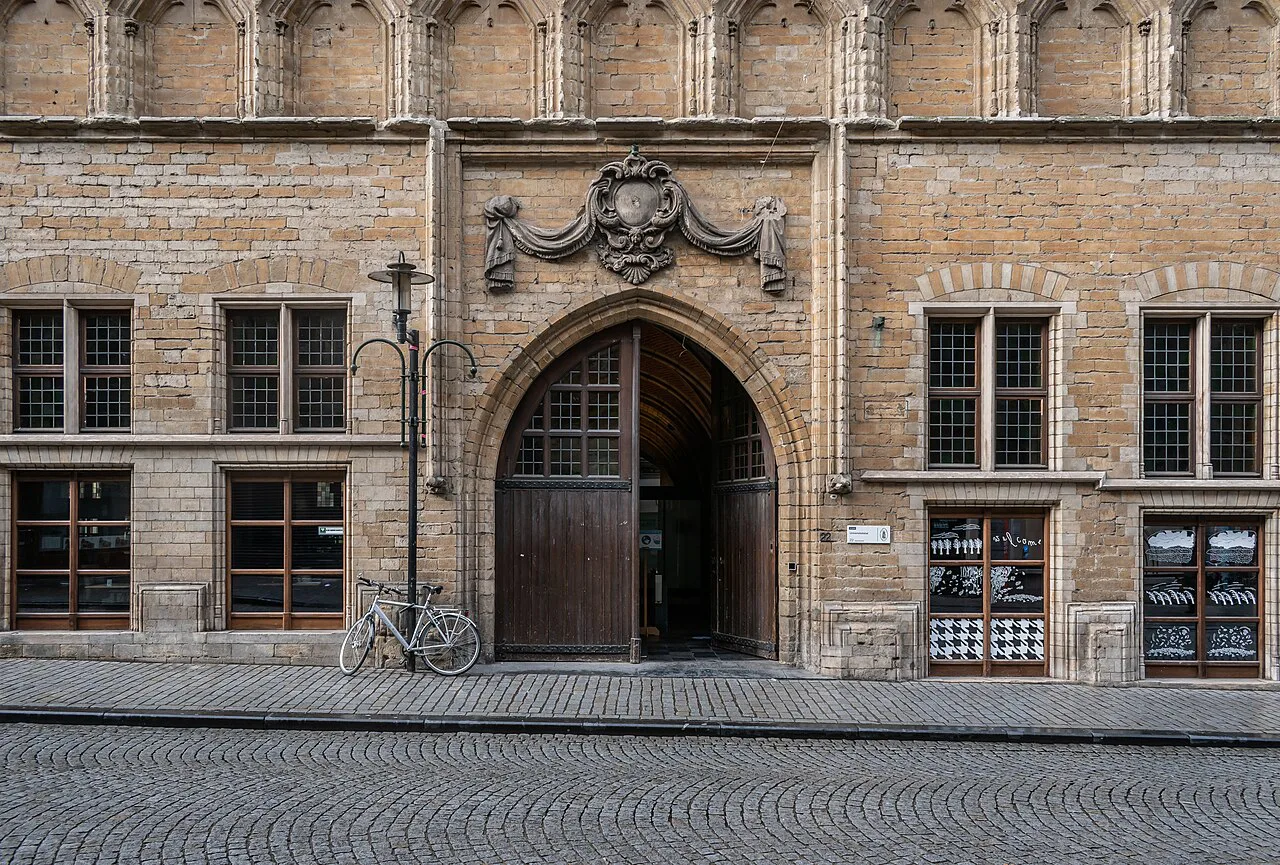
Before the university, Leuven mattered for cloth. Britannica records it as a cloth-weaving centre and one of the largest cities in Europe in the 14th century, which is the period that gave the centre its scale.
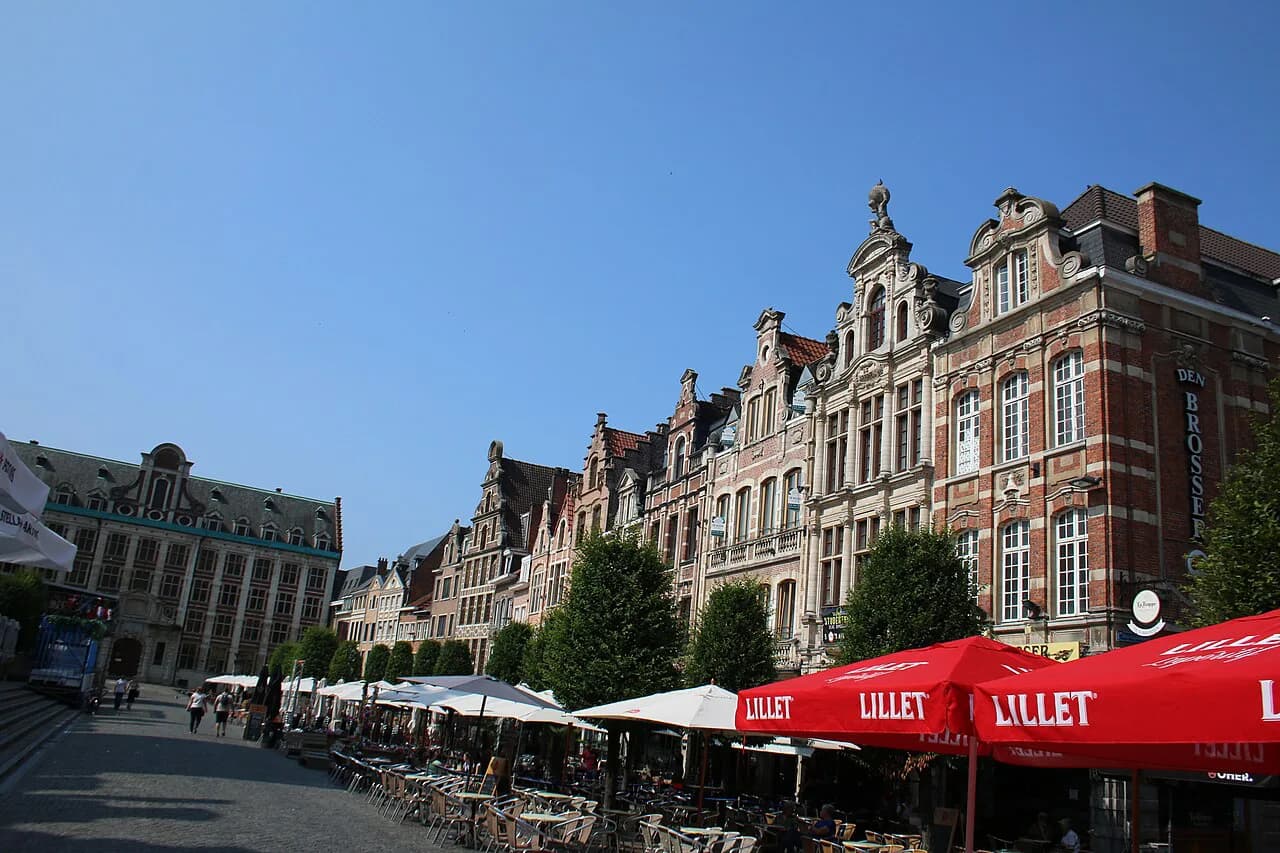
That wealth is legible on the Grote Markt, where the Gothic town hall and the church face each other across a square built for a trading city rather than a small one. The square is the right place to start any historical walk.
Leuven was also part of the Duchy of Brabant, alongside Brussels, and the rivalry between the two cities runs through its medieval story. The Guardian's account of the city frames Leuven as the larger of the two at one stage, which helps explain the ambition in its civic buildings.
The founding of the university in 1425
The university was founded in 1425, and that date is the pivot of the city's history. Britannica records Leuven's medieval prominence and its later life as a university town; the two are inseparable in the streetscape, because the colleges were built into the same fabric as the cloth halls and churches.
In practice, the founding turned a trading city into a teaching one, and the teaching institutions became the city's long-term employers and landlords. That is why so many of the oldest-looking buildings in the centre are colleges rather than guildhalls.
For a visitor, the founding date is less interesting than its consequence: a dense cluster of historic college buildings you can walk past in an hour. Visit Leuven publishes guided heritage tours of individual colleges and of Arenberg Castle, which is the way to see interiors that are otherwise closed.
Sint-Pieterskerk: Bouts, the Last Supper and the art of the old city
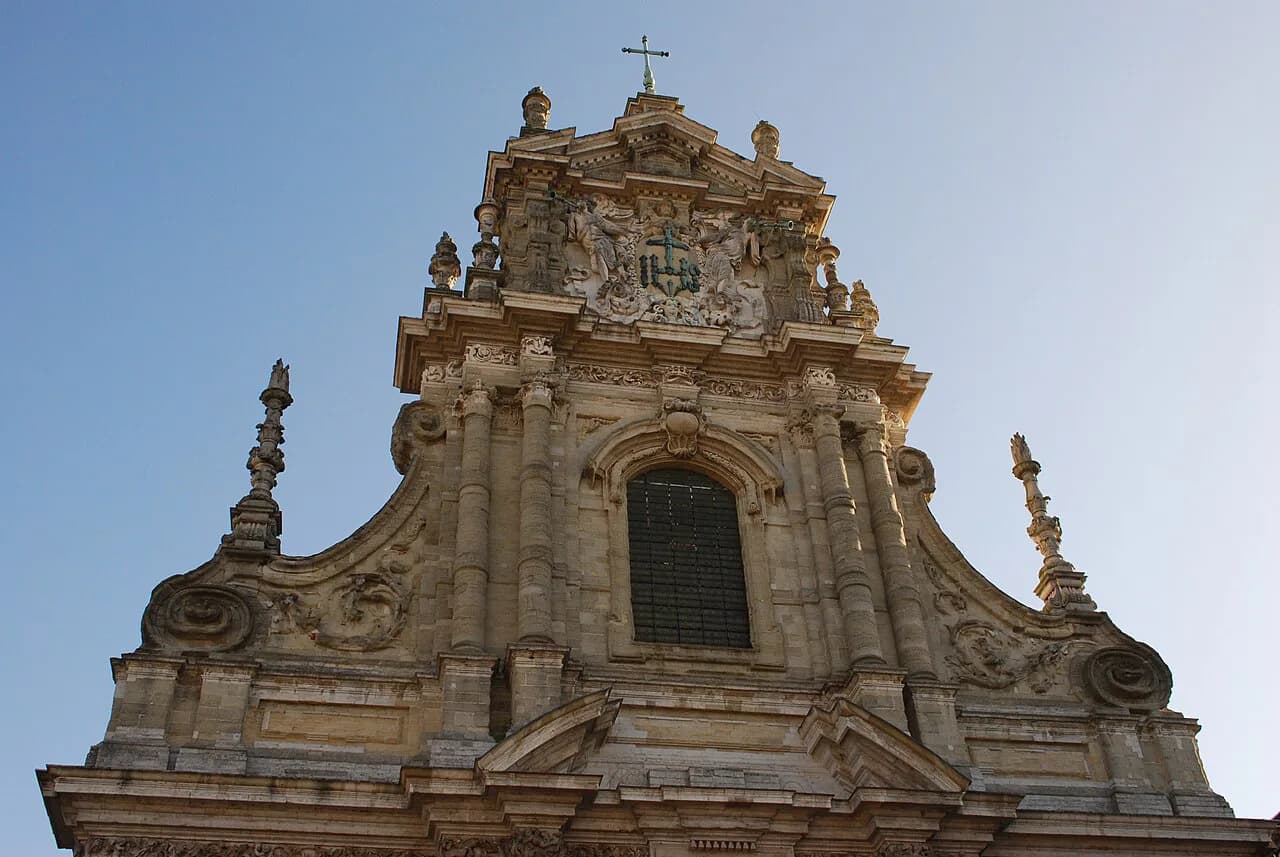
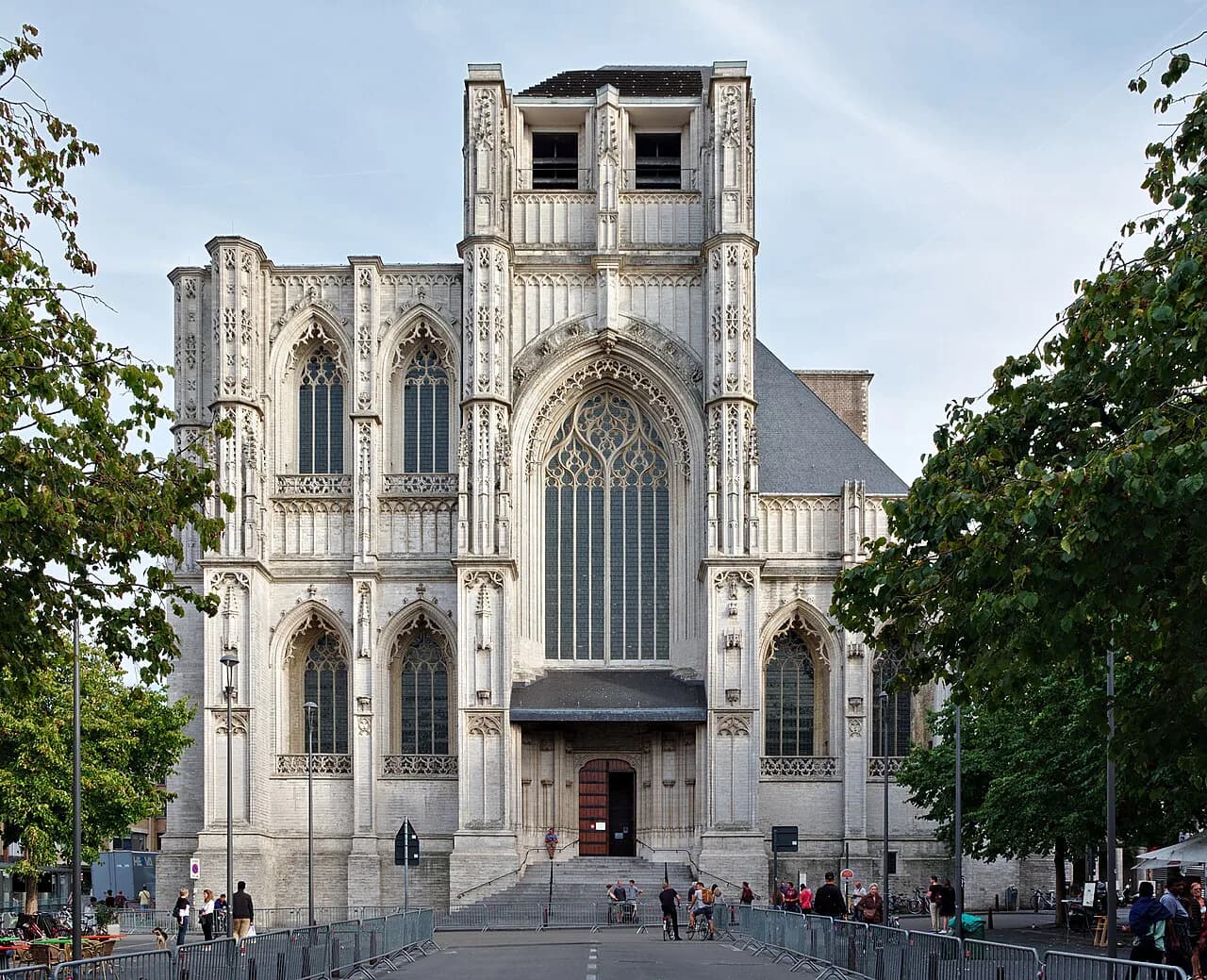
Sint-Pieterskerk on the Grote Markt holds Dirk Bouts's Last Supper, still in the position it was painted for, alongside Jan Borman's Triumph Cross, the tomb of Henry I and the Fiere Margriet chapel. Entry is free.
That survival in situ is the reason to go rather than the building's size. An interactive tablet carries the paintings and the church's stories, and a family trail does the same for younger visitors.
Bouts belongs to the same fifteenth-century moment as the university's foundation, which makes the church a natural second stop after the town hall. For a wider look at painting in the city, the Leuven art guide covers what hangs where, while the Museums in Leuven guide sets out the collections at M Leuven and elsewhere.
The University Library and Tower: a 20th-century story you can climb
The University Library and Tower is the one sight on this walk that belongs mostly to the twentieth century rather than the medieval city, and it doubles as a viewpoint over the rooftops. Visit Leuven lists it first among the university's visitor sights, describing the tower as offering a panorama across Leuven.
Treat the climb as the point of the visit if you have limited time: the reward is the view, and it gives you the geography of everything else you will walk past. If you are choosing between Leuven's museums and its towers on a short trip, the Museums in Leuven guide sets out the indoor options.
The library sits within easy walking distance of the Grote Markt, so it slots naturally between the church and the beguinage.
Groot Begijnhof: a walled village inside the city
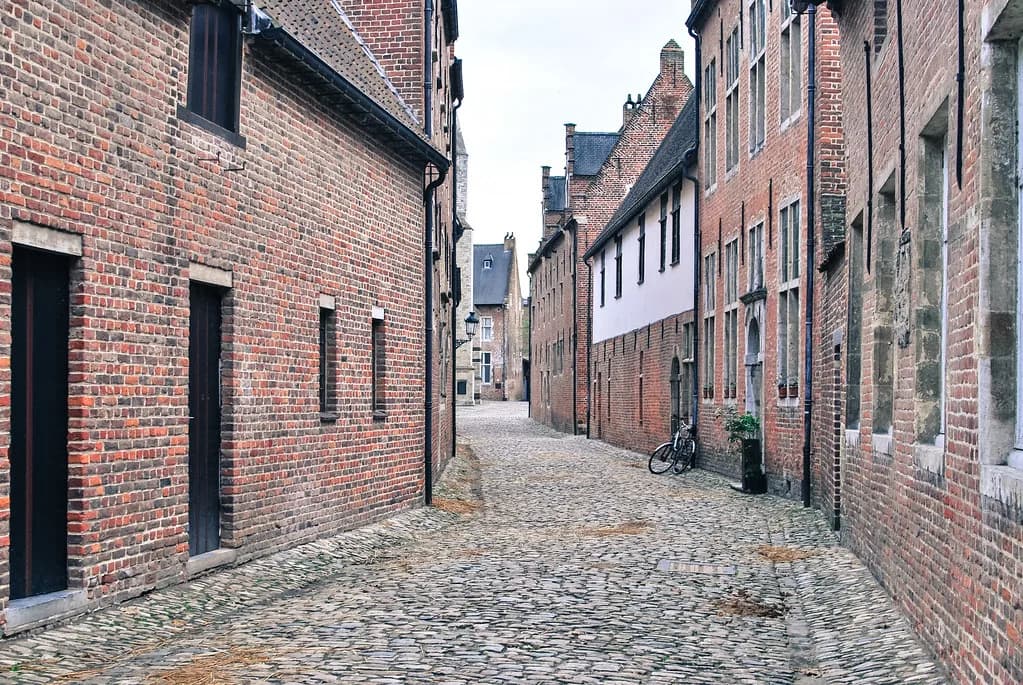
The Groot Begijnhof dates from the thirteenth century and housed around 360 beguines at its seventeenth-century peak; its dozens of sandstone houses and convents cluster around the Sint-Jan-de-Doperkerk. It has been UNESCO World Heritage since 1998, listed with twelve other Flemish beguinages.
It belongs to KU Leuven today and is lived in by students, visiting professors and staff, so it is a residential quarter first and a monument second. Entry is free and it is always open, but you are asked to stay on the paths and respect residents' quiet.
The cobbles are uneven underfoot, which matters if you are walking the whole day in one pair of shoes. Free carillon concerts are held there on Wednesdays, which is a good reason to time a visit to the middle of the week.
Architecturally it reads as a small town folded into a larger one, with streets, squares, gardens and its own church. The Leuven architecture guide is the place to follow that thread further across the city.
Park Abbey (Abdij van Park): the best-preserved abbey site in Belgium
Park Abbey, Abdij van Park, lies in green grounds on the edge of the city at Heverlee, about 2.4 km from Leuven station, and Visit Leuven calls it the best-preserved abbey site in Belgium. The grounds are free to walk daily, past ponds, meadows and the cemetery, while the historic buildings themselves are a separate matter and are currently closed.
The buildings themselves are a separate matter: the beautifully restored historical rooms, including the cloisters, refectory and the library with its stucco ceilings, are reached with a Museum PARCUM ticket. PARCUM is temporarily closed while a new exhibition is prepared, with the abbey buildings closed to visitors until Friday 23 October 2026, and an exhibition of 25 Belgian and international artists opening from Saturday 24 October 2026.
Practical details for the trip: bus routes 4, 5 and 15 stop at Abdij van Park, and there is parking at Philipssite and Parkabtei 2 with a blue disc for four hours. The farm shop De Wikke, selling organic vegetables, dairy and meat from the abbey farm, is in the tithe barn on site.
If the historic rooms are shut on your dates, the grounds alone justify the trip: an avenue walk, water and quiet, with no ticket needed. Combine it with the beguinage only if you have a full day, because the two sit on opposite sides of the centre.
Where to see the university's colleges and heritage on foot
Guided walking tours are the simplest way into university heritage. Visit Leuven lists a Saturday tour of six centuries of the university in the historic centre, conducted in English, plus heritage walks on the colleges and laboratories and on individual buildings such as Holland College and Arenberg Castle.
For a self-guided version, the KU Leuven Walking Tours app and a printed brochure let you explore the campuses at your own pace, and an art-and-science route links eight contemporary works with eight poems.
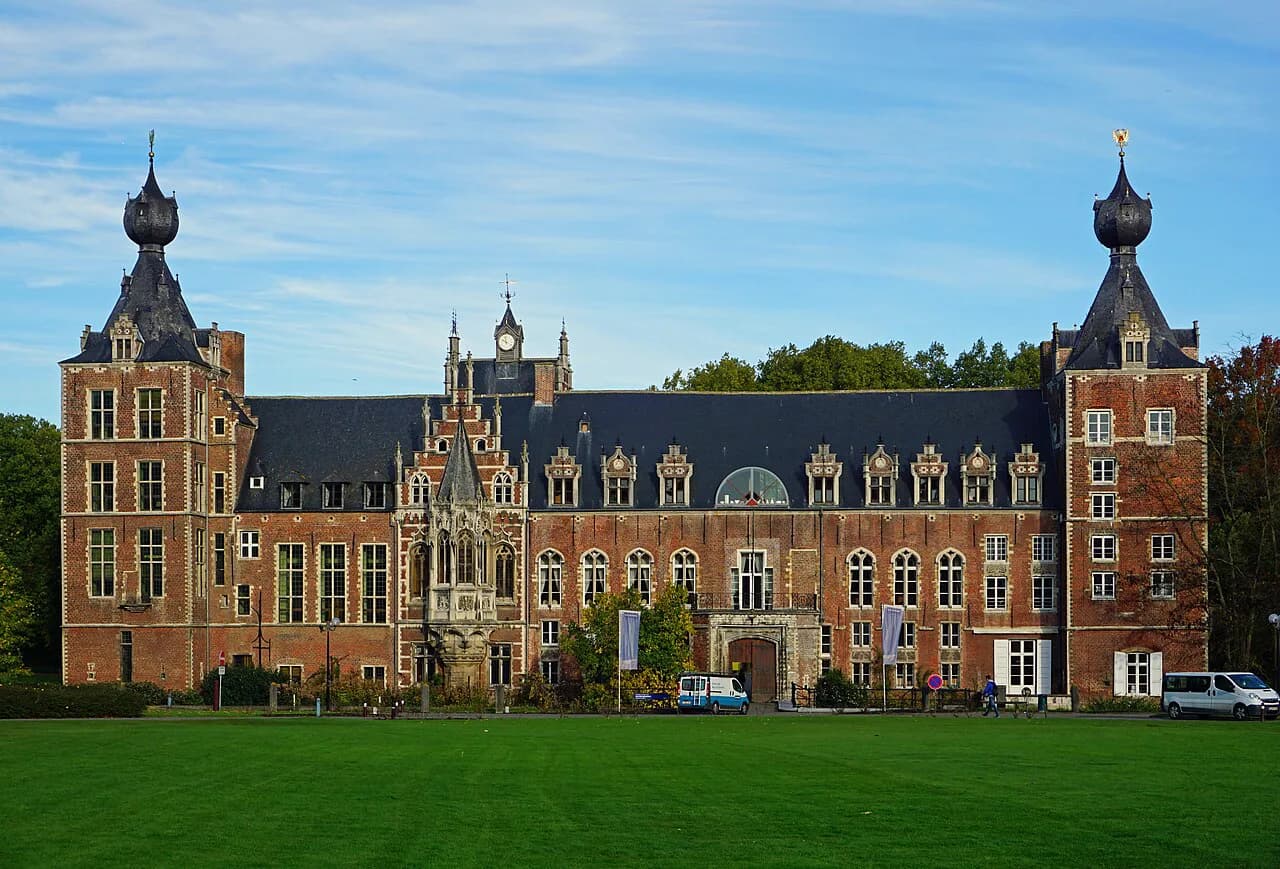
Arenberg Castle and Park sits outside the centre, surrounded by parkland, and is one of the buildings normally seen only on a guided visit. If your interest is interiors rather than exteriors, book the tour rather than walking out to look at the gates.
Beyond the big names, the smaller churches carry the same centuries in less crowded settings. The Leuven Cathedral guide covers the city's monumental churches and is a sensible companion for an afternoon of church-hopping.
How to fit the historical sights into one day
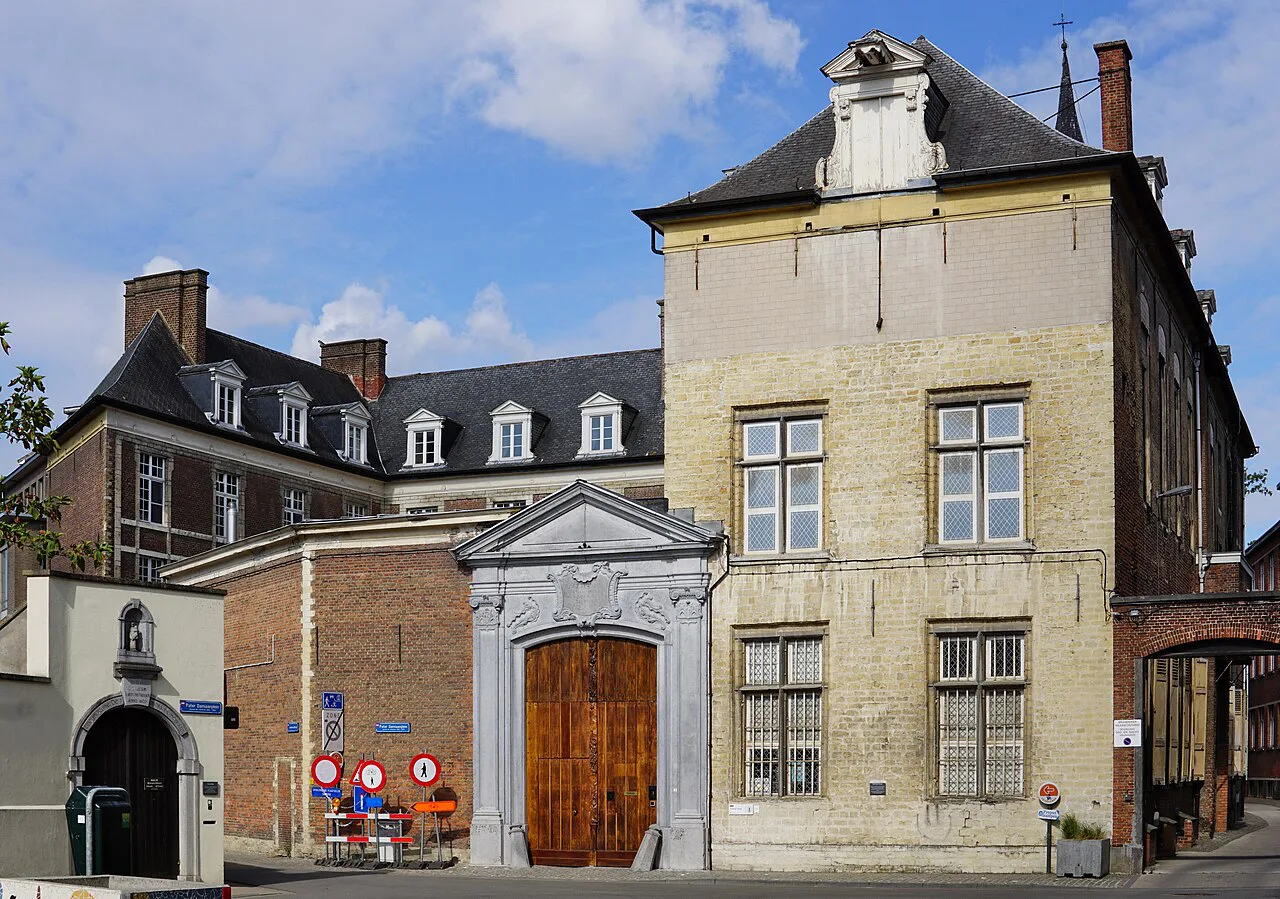
Start on the Grote Markt with the town hall exterior and Sint-Pieterskerk, which is free and holds the Bouts painting. Walk to the University Library and Tower for the view, then on to the Groot Begijnhof, where the paths and the Sint-Jan-de-Doperkerk fill an hour comfortably.
That loop stays inside the centre and leaves the afternoon free. Park Abbey is the add-on: take bus 4, 5 or 15, walk the free grounds, and add the PARCUM interiors only when they are open on your dates.
Two days give you room to add a museum and a slower lunch. If you are comparing Leuven with Bruges or Ghent, remember that Leuven's historic core is smaller and its appeal is tied to a living university rather than a preserved centre.
One practical point for a single day: the beguinage is a residential quarter, so an early or late visit is quieter and kinder to the people who live there.
The periods that still shape Leuven's streets
Four layers are visible in a single walk: the cloth-town square and church, the 1425 university and its colleges, the beguinage as a walled religious community, and the twentieth-century library. Park Abbey adds a fifth, the monastic estate, just outside the ring.
The city's later history is why the centre layers older fabric beneath a working student city rather than presenting a single untouched medieval streetscape.
Reading the layers in order makes the walk coherent and gives you a reason to look up at facades rather than only at shopfronts. Take the periods one at a time and the city stops feeling like a scatter of old buildings.
Which period should you follow first?
If you have half a day, follow the university: library tower, beguinage, and a walk past the colleges. That is the thread that holds Leuven together, and it needs no tickets except for whichever interiors you choose.
With a full day, add Sint-Pieterskerk for the Bouts painting and finish at Park Abbey's free grounds. The abbey is the one sight that requires a deliberate trip out of the centre, and it repays it.
Frequently Asked Questions
Is Leuven French-speaking or Dutch-speaking?
Leuven is in Flanders and its everyday language is Dutch; the French name, Louvain, is used mainly by French speakers. University teaching at KU Leuven is largely in Dutch, with a substantial number of international programmes taught in English.
What is the oldest university in Belgium?
The University of Leuven was founded in 1425 and is the institution around which the modern KU Leuven traces its origins. The city's university buildings, library and colleges are the most direct way to see that history today.
Why is Leuven famous?
Leuven is known for its university, its UNESCO-listed beguinage, the Gothic town hall on the Grote Markt and Dirk Bouts's Last Supper in Sint-Pieterskerk. It is also a working student city rather than a museum town, which changes the atmosphere considerably.
What was Belgium called before 1830?
The territory that became Belgium in 1830 was part of a succession of larger states, including the Duchy of Brabant in the medieval period, to which Leuven belonged alongside Brussels. Later it passed through Burgundian, Spanish, Austrian and French rule before the modern kingdom was created.
Sources
Useful notes for your next trip
Optional updates to our guides.
You might also like
Continue reading
More guides you'll find useful