Leuven Art: M Leuven, Sint-Pieterskerk and Where to Find Art
Leuven's art centres on M Leuven and the Sint-Pieterskerk, home to Dieric Bouts triptychs. Here is what to see, how the two relate and how to plan a visit.
On this page
For art in Leuven, plan around two buildings: M Leuven on Leopold Vanderkelenstraat and the Sint-Pieterskerk a short walk away in the old centre. The museum holds the wider collection of Leuven and Brabant art from the Middle Ages onward, while the church keeps the city's best-known paintings and sculpture in the setting they were made for. For more venues beyond these two, see our guide to Museums in Leuven.
Leuven (Louvain) rewards a half-day of attention rather than a museum marathon. This guide explains where each work sits, which artists to look for, which parts of the collection most visitors walk past, and how to divide a short break between the two sites.
How Leuven's art collection began
The collection grew from an eighteenth-century cabinet of curiosities kept in the town hall, which over two centuries expanded into a survey of art made in Leuven and Brabant from the Middle Ages onward. That origin explains its character: this is a civic and regional collection rather than a royal one, strong on local religious art, church silver and prints.
Most of it is now shown at M Leuven, with the most significant treasures displayed in the Sint-Pieterskerk nearby. Understanding that split solves the commonest planning mistake in Leuven: arriving at the museum and asking where The Last Supper is. Our guide to the Leuven Cathedral covers the church itself.
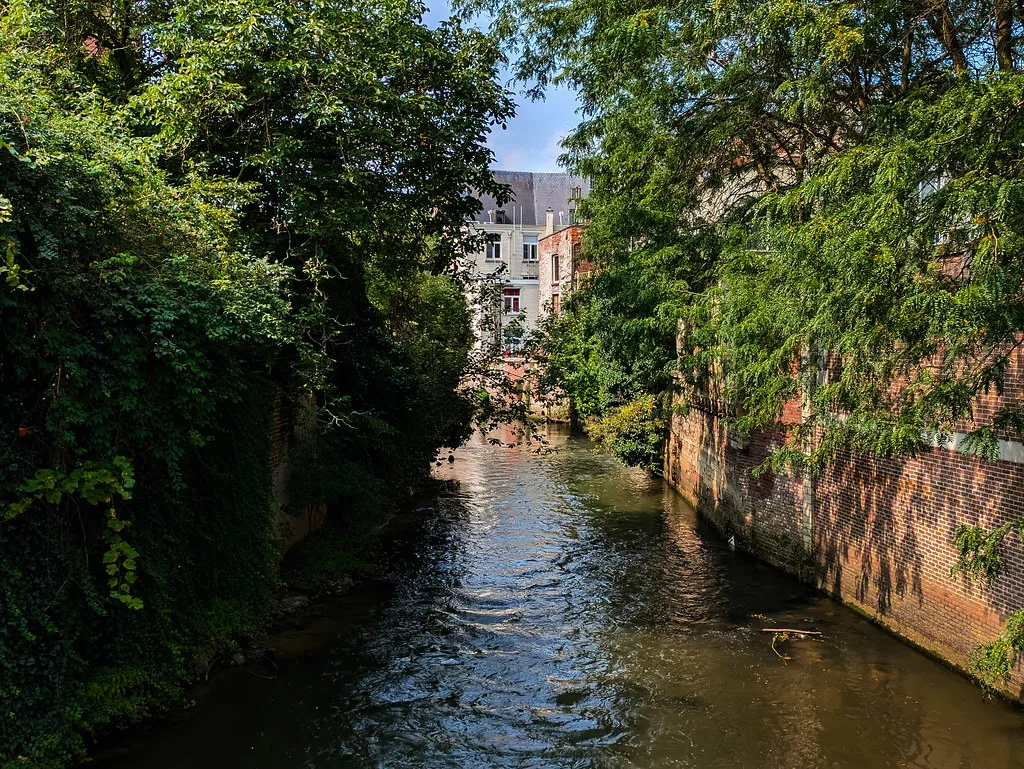
M Leuven: the museum on Leopold Vanderkelenstraat
M Leuven sits at Leopold Vanderkelenstraat 28, a few minutes from the Grote Markt, with its postal address at Prof. Van Overstraetenplein 1 for correspondence. Plan on the museum for the collection's breadth and the church for its masterpieces rather than treating either as a substitute for the other.
The collection is unusually strong in medieval sculpture and in fifteenth- and sixteenth-century painting, alongside a much wider range of media. Displays rotate, so the exact works on the walls change; the museum's own site is the place to see what is currently installed.
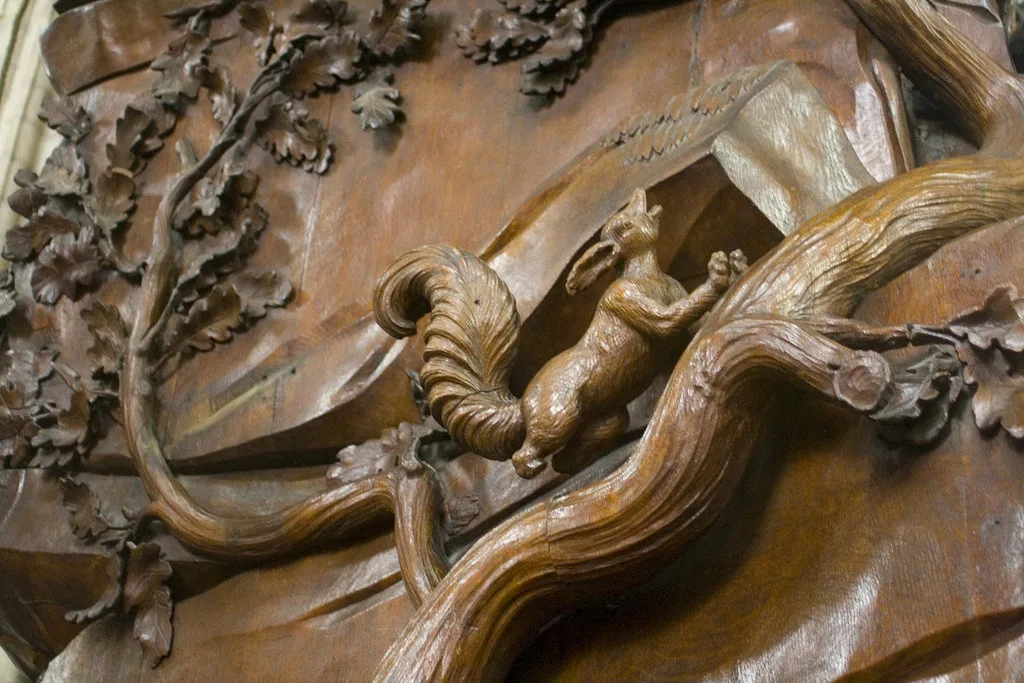
The painters to know inside M Leuven
Look for Rogier van der Weyden, Pieter Coecke van Aelst, Michiel Coxcie, Joos van Cleve and Jan Rombouts among the earlier paintings, names that place Leuven inside the wider Flemish tradition. These are the works to slow down for: small panels and portraits that reward close looking more than a quick circuit.
The museum continues to build the collection through purchases, donations and loans, so it is not a frozen cabinet. If a particular artist is the reason for your trip, check the museum's site before travelling rather than assuming a favourite panel is on view.
Why the Sint-Pieterskerk holds the headline works
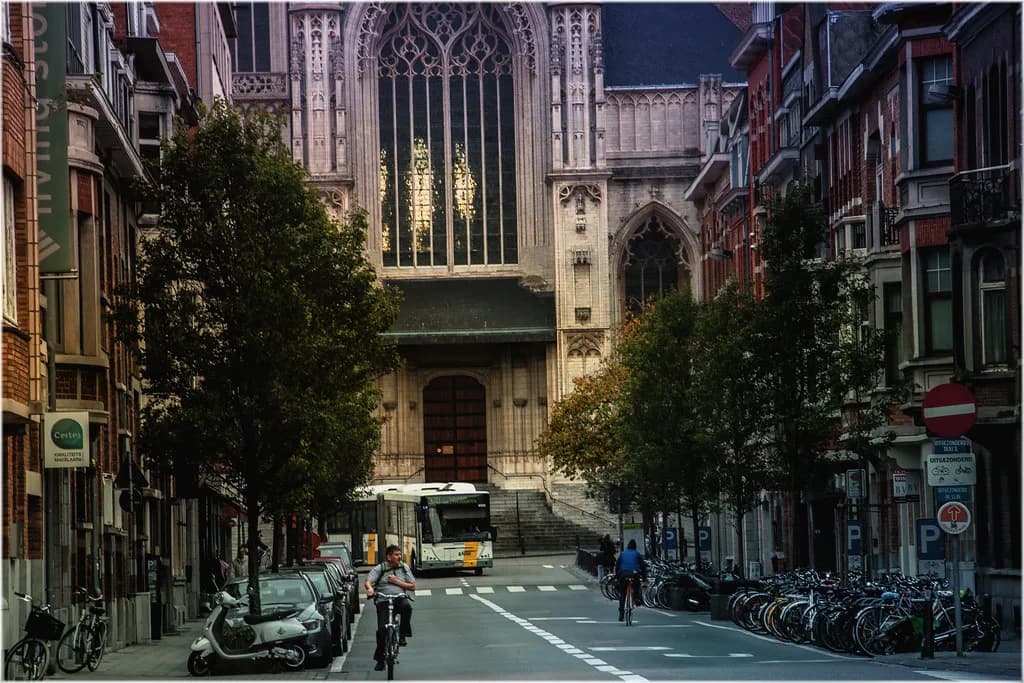
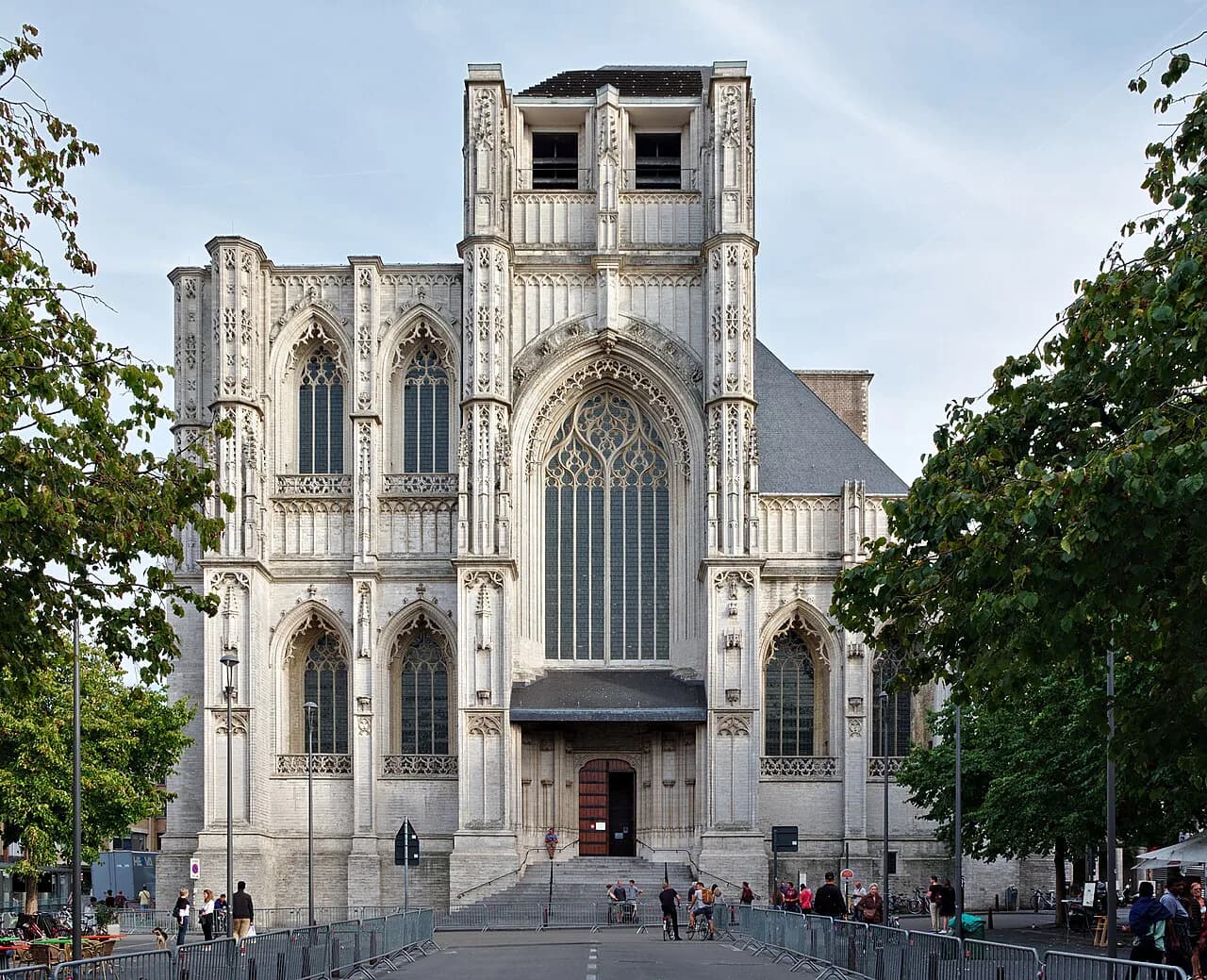
The most significant art treasures are in Sint-Pieterskerk, not in the museum building, including two triptychs by the Flemish Primitive Dieric Bouts. The church is a short walk from the Grote Markt and forms the other half of any serious art visit to Leuven.
Seeing Bouts in a working Gothic church rather than a gallery changes how the paintings read: the scale, the light and the surrounding stonework are part of the experience. Allow time to sit with them instead of ticking off the altarpieces and leaving.
Dieric Bouts: The Last Supper and The Martyrdom of Saint Erasmus
Bouts' The Last Supper and The Martyrdom of Saint Erasmus are the two works most visitors come for, both triptychs painted for Leuven settings. Approach them as a pair: the quiet, symmetrical composition of the Last Supper contrasts sharply with the violence of the Erasmus panel.
Both hang in the Sint-Pieterskerk under the museum's care rather than at Leopold Vanderkelenstraat, which is why the church belongs on any Leuven art itinerary. Read the panels left to right, wings first, as a sixteenth-century viewer would have done.
Beyond painting in the church
The Edelheere-triptych and the Triumphal Cross Ensemble by Jan Borman the Younger are the other reasons to linger in the church. The Borman ensemble is sculpture on a grand scale, suspended above the space, and is easy to walk beneath without looking up.
Together with the Bouts panels they make the Sint-Pieterskerk a compact survey of painting and carving in one building. That concentration is what makes Leuven feasible as an art stop on a short city break.
Beleef Bouts: the interpretive layer in the church
M runs Beleef Bouts, an experience in the restored Sint-Pieterskerk that explains the building and its art treasures, including works by Flemish Masters in their original context. Treat it as an interpretive layer over the church rather than as a separate attraction with its own price of admission.
Its presence means you can arrive knowing little about Bouts and still leave understanding why the panels matter. If you prefer to encounter the paintings cold, walk the church first and use the interpretation afterwards.
Silver, stained glass and textiles: what most visitors miss
Beyond painting, the collection holds religious and civic silver, mostly from Leuven, from the fifteenth century onward, an important group of stained-glass medallions, and historical textiles including fifteenth-century antependia and copes. There are also sixteenth-century Brussels tapestries and an extensive print collection.
These are the rooms people pass through on the way to the paintings, and they carry much of the Leuven and Brabant story: guild silver, church vestments and glass roundels made for local patrons. Give them twenty minutes and the museum stops feeling like a single-room visit.
Dividing a day between M and the Sint-Pieterskerk
Start at M Leuven in the morning for the painting, sculpture and decorative arts, then walk to the Sint-Pieterskerk for Bouts, the Edelheere-triptych and the Borman ensemble. The two are close enough to combine comfortably, and doing the museum first means the church works as the climax rather than the warm-up.
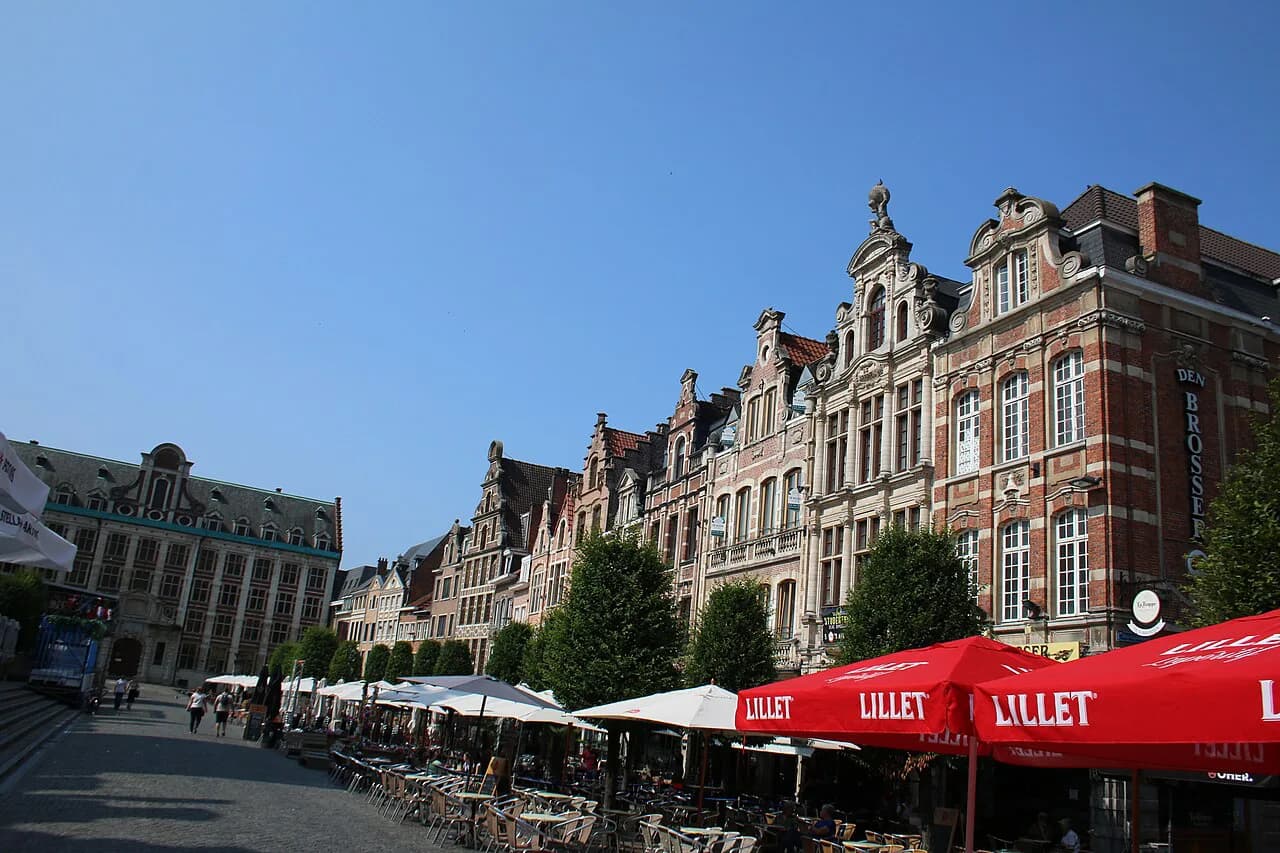
If you are in Leuven for architecture as much as art, add the Grote Markt and the streets around it to the same loop, since the walk between the two sites passes through the historic centre.
Is Leuven worth it for art on a short city break?
Yes, if you want depth in one place rather than a checklist across a region: two Bouts triptychs, a major Borman carving and a broad civic collection within a few minutes' walk is a strong half-day. It is not a rival to Antwerp or Bruges for sheer volume, so treat Leuven as a focused art stop rather than a multi-day museum city.
The trade-off is time: a single afternoon gives you the church properly or the museum properly, not both at leisure. If art is the main purpose of your trip, give Leuven a full day; if it is one stop among several, the church alone justifies the detour.
Only have an afternoon? Choose the Sint-Pieterskerk
With one afternoon, go to the Sint-Pieterskerk first and see the Bouts triptychs, the Edelheere-triptych and the Borman Triumphal Cross Ensemble in one continuous visit. The concentration of headline works in a single building makes it the higher-yield choice when time is short.
Add M Leuven only if you have a second window of two hours or more; a rushed circuit of a rotating collection delivers little. Keep the museum for a return visit and let the church be the memory you take home.
Which of the two to build your day around
Build the day around the Sint-Pieterskerk if you want the famous works, and around M Leuven if you want the wider story of art in Leuven and Brabant. The strongest visit does both, museum first, church last, on foot across the centre.
Current displays and access arrangements are best confirmed with M Leuven and the Sint-Pieterskerk before you travel, since the museum's programme changes through the year.
Explore more Leuven guides
Frequently Asked Questions
Where is The Last Supper by Dieric Bouts?
It is in the Sint-Pieterskerk, the Gothic church in Leuven's historic centre, not in the M Leuven museum building on Leopold Vanderkelenstraat. The church holds the two Bouts triptychs, The Last Supper and The Martyrdom of Saint Erasmus, along with the Edelheere-triptych and the Borman Triumphal Cross Ensemble.
How long does M Leuven take?
Allow roughly two hours for the main collection, more if you linger over the medieval sculpture, silver, stained glass and textiles as well as the paintings. Displays rotate, so the time needed depends on what is installed when you visit.
Can you see Bouts without entering the museum?
Yes. The Bouts triptychs are in the Sint-Pieterskerk and can be seen as part of a church visit, separately from M Leuven. The Beleef Bouts interpretation in the church is run by the museum and explains the building and its works in context.
Sources
Useful notes for your next trip
Optional updates to our guides.
You might also like
Continue reading
More guides you'll find useful