
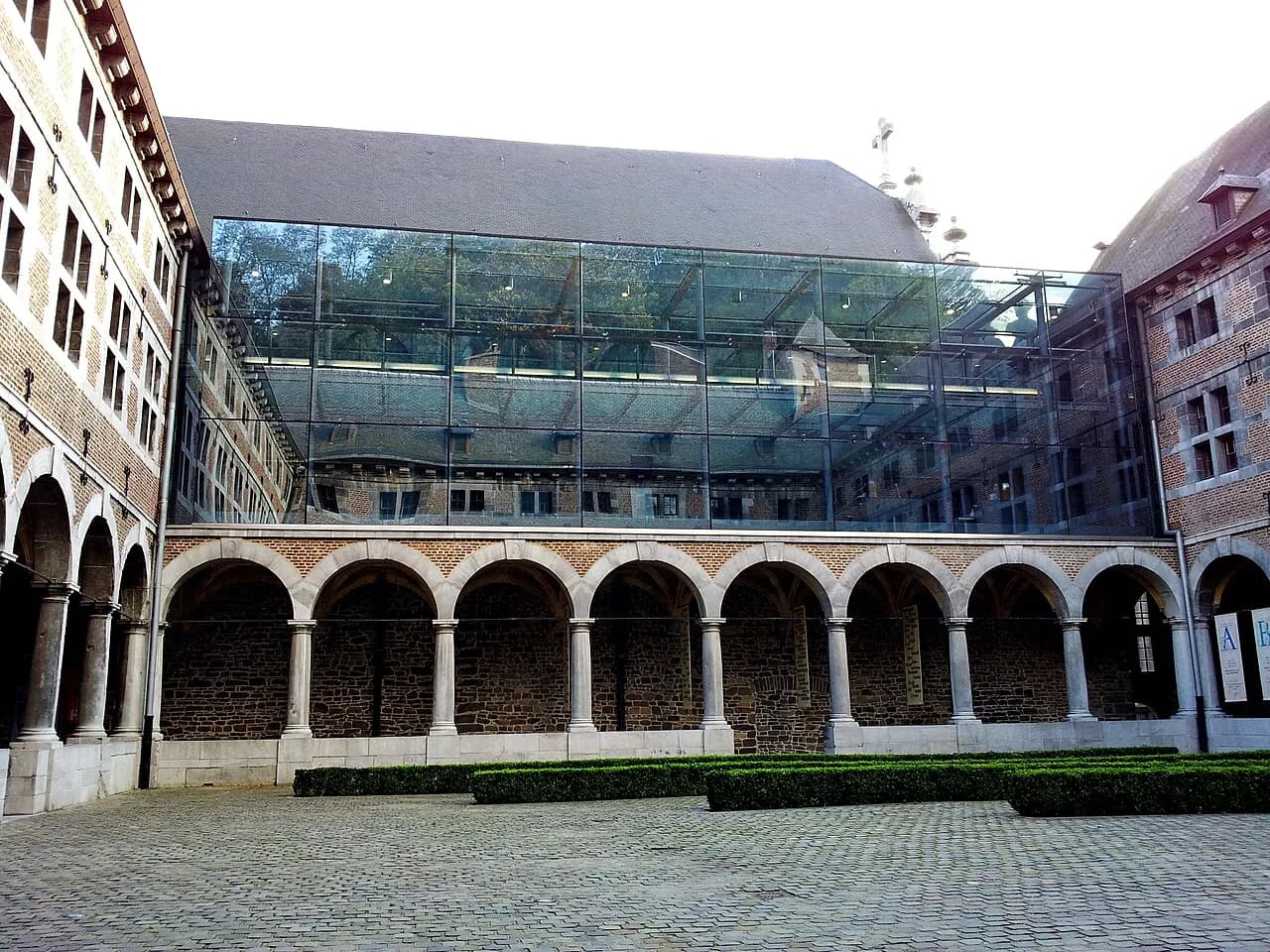
Musée de la Vie Wallonne: Liège's Museum of Walloon Life

The Musée de la Vie Wallonne is a compact social-history museum in central Liège, housed in the couvent des Frères mineurs and built around the everyday life of Wallonia from the nineteenth century to the present. Allow roughly one to two hours for the permanent displays, more if a temporary exhibition or the puppet theatre holds your attention. This guide covers what the museum is, how its convent setting shapes a visit, what the collections show and how to fit it into a half-day in the city centre.
What the Musée de la Vie Wallonne is
The museum presents Wallonia through people rather than objects alone: human and social history sits alongside the economy, literature, craft, festivals and popular beliefs of the region, as the broadcaster's feature on the museum sets out. That breadth makes it a useful primer on Walloon identity before you look at individual churches, palaces or industrial sites elsewhere in the city. It is a museum of context, so treat it as the place that explains the region you are walking through.
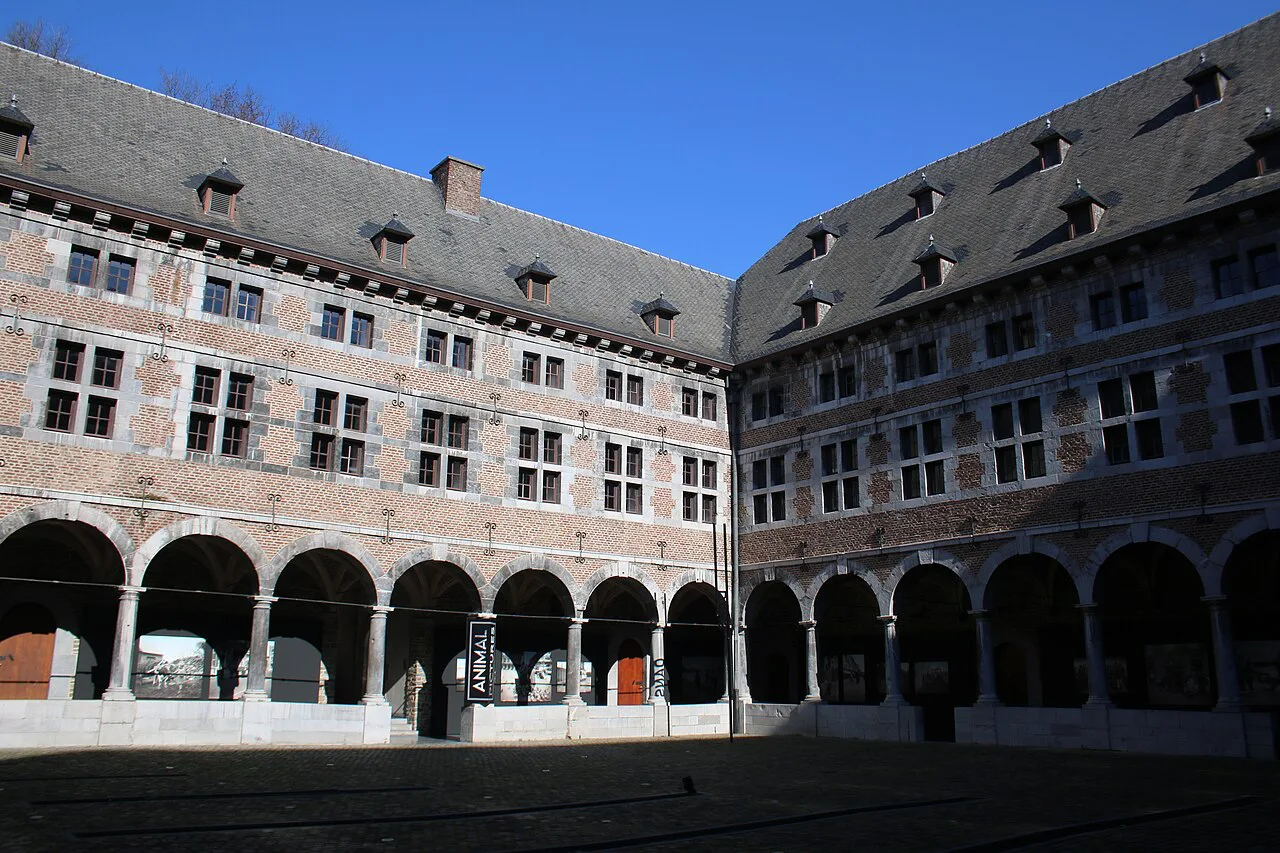

Where it is: the couvent des Frères mineurs
The museum occupies the couvent des Frères mineurs in the heart of Liège, which is the reason a visit feels like moving through a warren of rooms rather than a single open gallery. The convent buildings set the pace of the displays, with smaller spaces that suit thematic collections better than blockbuster halls. Because it sits in the centre, it works as a stop between other sights rather than a separate excursion, and the wider set of Liège Attractions shows what else sits within walking distance.

What you see inside: from the 19th century to today
The permanent collections trace Walloon life from the nineteenth century to the present, covering social history, the economy, literature and artisan trades as well as festivals and popular beliefs. Displays are organised by theme, so you can move from work and craft to household life and community ritual without a strict chronological route. Read the room introductions first if you want the visit to hang together, since the convent layout makes it easy to double back.
Expect a regional rather than national story: the emphasis falls on how people in Wallonia lived, worked and celebrated, which is more engaging than a parade of formal objects. If you have already seen the Grand Curtius, this museum fills in the social texture around its decorative arts and archaeology.
Work, craft and industry in the collections
Work and craftsmanship run through the displays, from artisan trades to the industrial economy that shaped the region. This is the section to linger in if you are interested in how Wallonia moved from workshop production to heavy industry, and it sets up the industrial heritage you can see elsewhere in and around the city. Allow extra time here if tools, processes and working conditions interest you more than costume and folklore.
Festivals, beliefs and popular culture
Festivals, beliefs and popular culture form one of the museum's strongest threads, showing carnival and community celebration as a shared language rather than a spectator show. Folk religion, dialect culture and seasonal customs sit alongside the working-life displays, and together they explain why Walloon identity is bound up with local celebration. The museum has also staged a temporary exhibition on the Rio carnival, built around costumes from the samba schools, which sits outside the permanent route.
The Carnival costumes exhibition
The museum has staged an exhibition on the Carnaval de Rio de Janeiro, using more than fifty costumes and the world of the samba schools to explore carnival as collective culture, and drawing a parallel with Walloon carnival traditions. The sewing workshops and the climax of the grand parade formed part of the narrative, which is presented as the largest collection of Rio costumes shown in Europe. Treat this as a past special exhibition: the permanent collections remain the constant, and the Rio costumes were a temporary display rather than part of the everyday route.
Puppet theatre and family activities
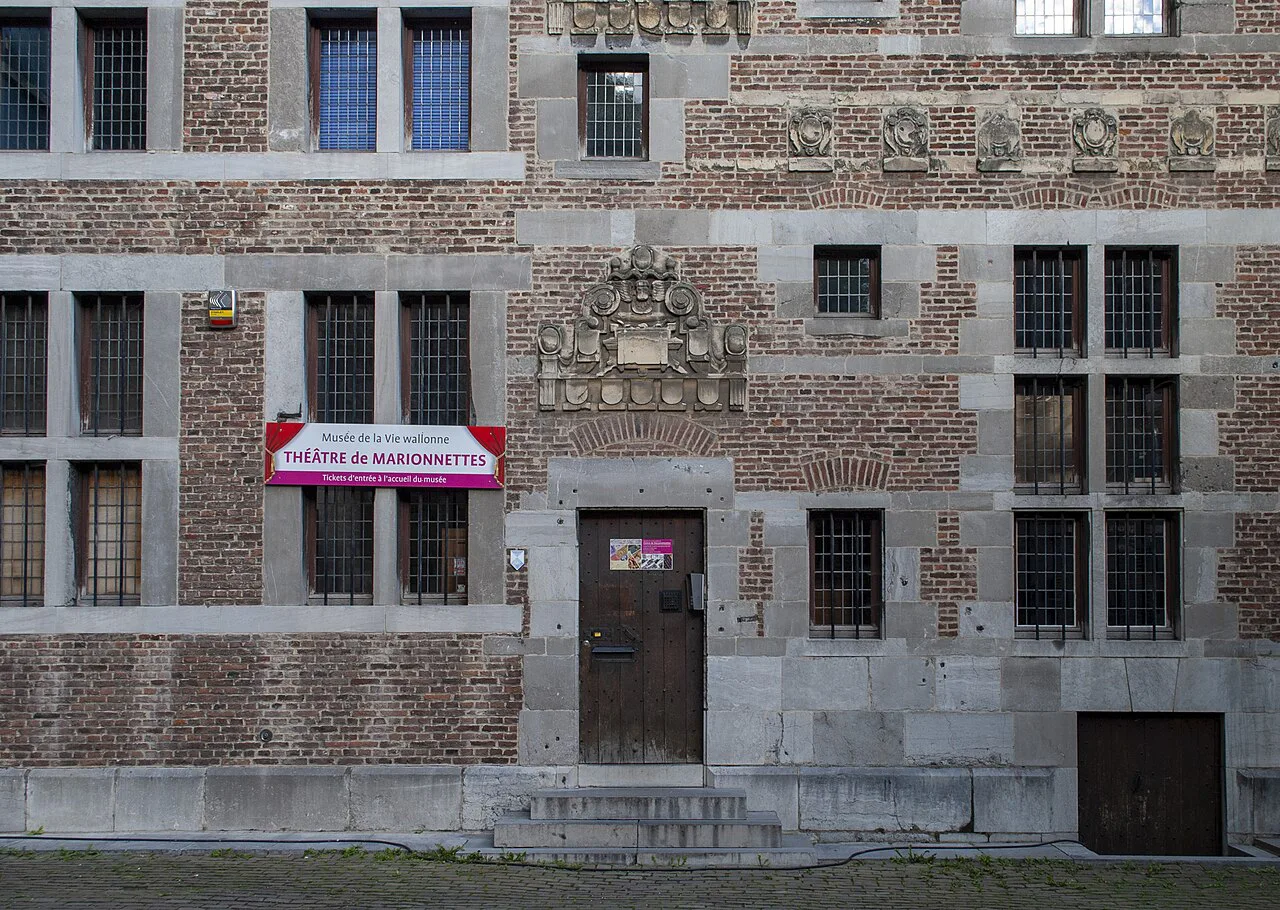
A puppet theatre is part of the museum, and the programme includes activities and guided visits pitched at a range of ages and audiences. Liège has a strong puppet tradition, so the theatre is worth seeking out even if you skip any temporary exhibition. If you are travelling with others who have different interests, the mix of theatre, folklore and social history lets people split up and regroup without leaving the building.
The documentation centre: Walloon history and dialect library
The museum also holds a substantial documentation centre, including a fund on the history of the Walloon movement and a library of Walloon dialects. These are research collections rather than display galleries, so they matter most if you want to follow up on dialect literature or the political and cultural history behind the exhibition themes. Ask at the museum about access if you plan to use them, and budget separate time from the public displays.
How much time to allow
One to two hours is realistic for the permanent collections at an unhurried pace, and the convent's smaller rooms stop the visit from becoming a marathon. Add thirty to forty-five minutes if a temporary exhibition interests you, and a little more if you stop at the puppet theatre or read the dialect and documentation displays closely. It is a good wet-weather or late-afternoon stop rather than the centrepiece of a day.
Allow a half-day rather than a full one, and pair the museum with a couple of nearby sights for a balanced schedule without overloading it.
Getting there and what's nearby in central Liège
The museum's central position makes it easy to reach on foot from the main squares, and it slots naturally into a walking route through the old centre. Place Saint-Lambert is the obvious orientation point, with the Palais des Princes-Évêques close by and the river quarter a short walk downhill. Build a loop that starts at the square and works back through the convent.
If you want to extend the day, the Palais des Princes-Évêques and the Église Saint-Jacques are both central and architectural rather than social-historical, which balances the museum nicely. The Collégiale Saint-Barthélemy and its Romanesque setting are a short walk across the centre, and La Boverie sits by the river for a longer stroll. Pick two of these rather than trying to cover all of them.
For a fuller picture of the city, the climb up the Montagne de Bueren and the riverside museum quartier around La Boverie are the two experiences that most reward the extra time. The Cité Miroir and the Aquarium-Muséum are further options if you are staying more than a day.
Is the Musée de la Vie Wallonne worth your time?
Yes, if you want to understand Wallonia rather than just look at it. The museum is strongest on social history, craft and folk culture, and its convent setting gives it an intimacy that larger city museums lack. Skip it if your time in Liège is very short and you would rather spend it on the palaces, churches and riverfront.
Explore more Liège guides
Frequently Asked Questions
Is the Musée de la Vie Wallonne good for a rainy afternoon in Liège?
It works well as an indoor stop because the convent layout keeps you moving through themed rooms for an hour or two without repeating yourself. It is more rewarding if you have some interest in social history, craft or folklore than if you are looking for art masterpieces.
Can I see the museum and the main Liège sights in one day?
Yes, if you keep the museum to about ninety minutes and choose two nearby sights rather than trying to cover them all. The main squares, the palace and the riverfront are within walking distance, so a single day can combine the museum with a short city walk.