
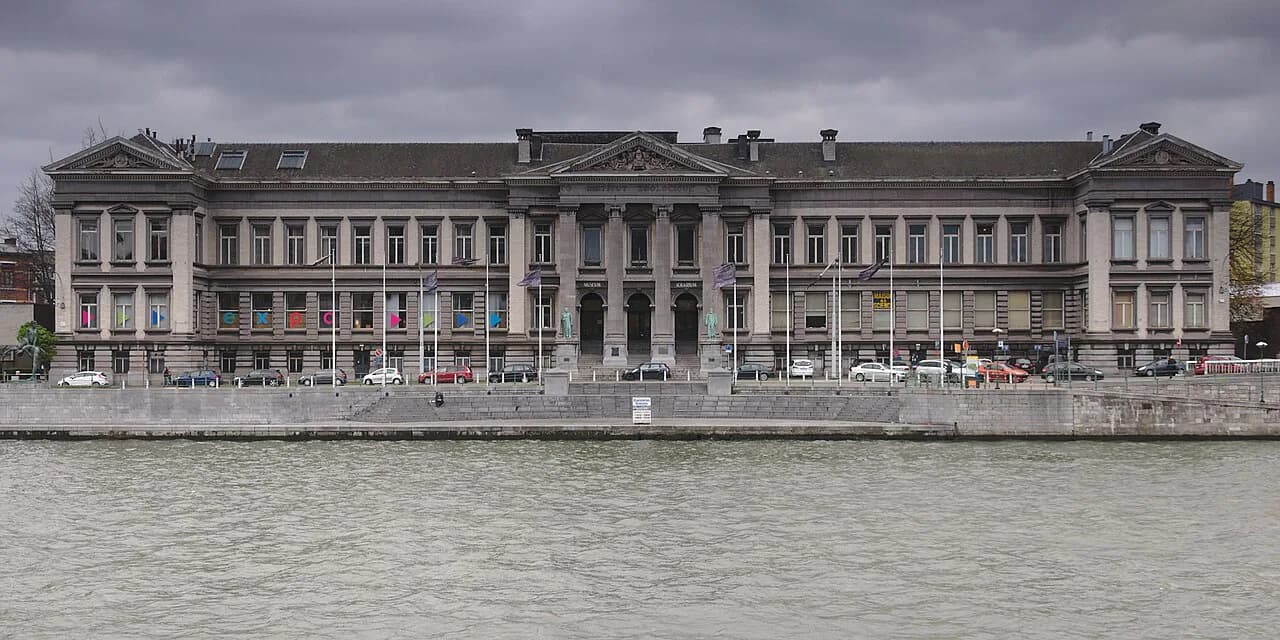
Aquarium-Muséum Universitaire de Liège: A Visitor's Guide

The Aquarium-Muséum Universitaire de Liège is worth two to three hours, and you should treat it as two attractions in one building: an aquarium of roughly fifty tanks and a natural history museum with a large zoology collection. Both sit under the University of Liège, which gives the place a research and teaching feel rather than a commercial sealife-centre gloss. This guide walks through each space in turn, suggests an order and a realistic time budget, and places the museum on the Meuse so you can link it to the rest of the city.
The building stands at Quai Édouard Van Beneden 22 in the Outremeuse district, on the right bank of the Meuse, a short walk from the river crossings that lead back to the historic centre. Because it is a single, clearly bounded attraction, it slots easily into a wider plan of Liège Attractions: 9 Visitor Guides rather than swallowing a whole day.
An aquarium and a zoology museum under one roof
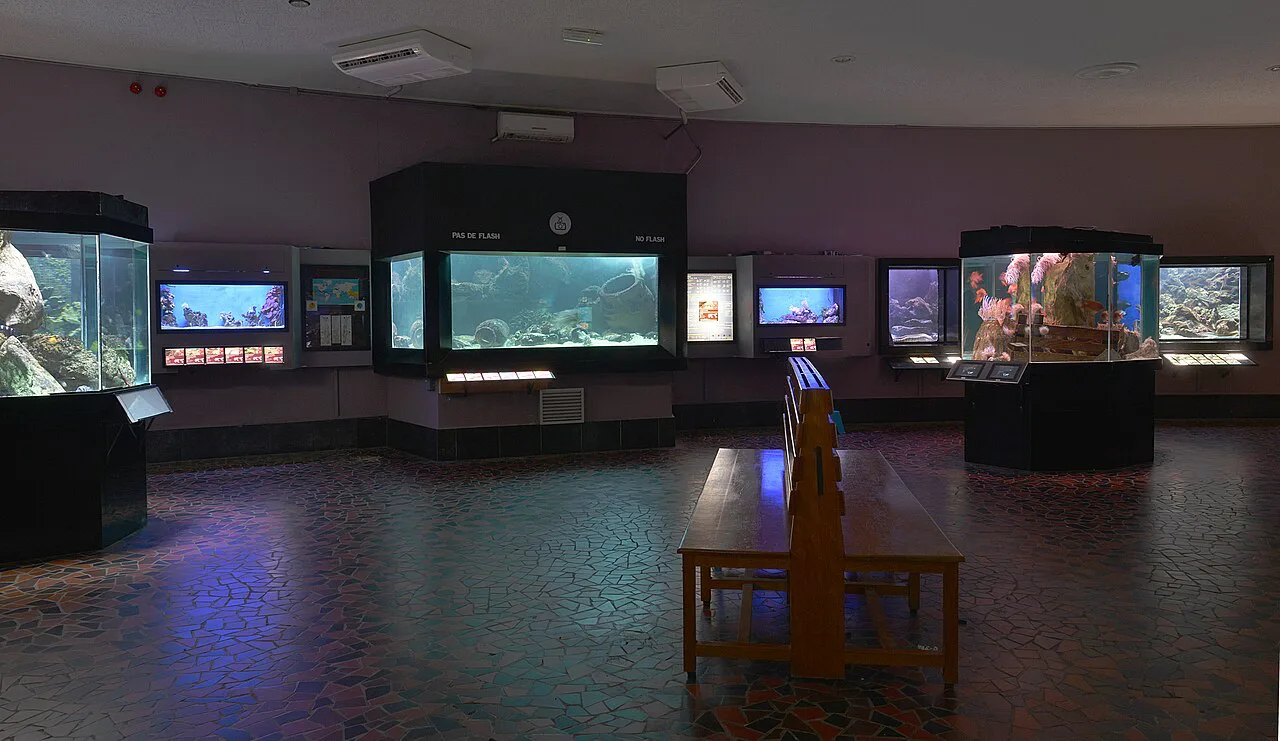
The name is literal. One half of the visit is a sequence of aquarium halls where living species are displayed in reconstructed habitats, from the North Sea to tropical rivers; the other half is a substantial collection of zoology and natural history specimens, described as unique in Wallonia. That combination is the reason to choose this over a pure fish tank attraction, and it also explains the pacing: you move from dark, blue-lit tanks into drier, cabinet-based galleries. Decide before you arrive whether you want both halves or only the aquarium.
The aquarium is grouped into three spaces: the Biodiversity hall, the sharks and coral reefs galleries, and the Amazonia walk-through. Admission and opening arrangements are set out on the museum's own site, which is the place to confirm current arrangements before travelling.

Where it is on the Outremeuse bank of the Meuse
Quai Édouard Van Beneden runs along the right bank of the Meuse in Outremeuse, the low-lying district east of the river. From the central bridges the walk is straightforward and flat, and the quay itself is a wide riverside street with the museum set among university and hospital buildings rather than shops. If you are coming from the historic centre around Place Saint-Lambert, Liège, allow a comfortable stroll down to the water and across, or take a bus across the river.
Outremeuse is a distinct neighbourhood with its own character, quieter and more residential than the shopping streets west of the Meuse, and the museum fits naturally into an afternoon here rather than a dash across town. Pair it with a riverside walk rather than trying to squeeze it between two sights on the opposite bank.

What to see in the aquarium: the Biodiversity hall
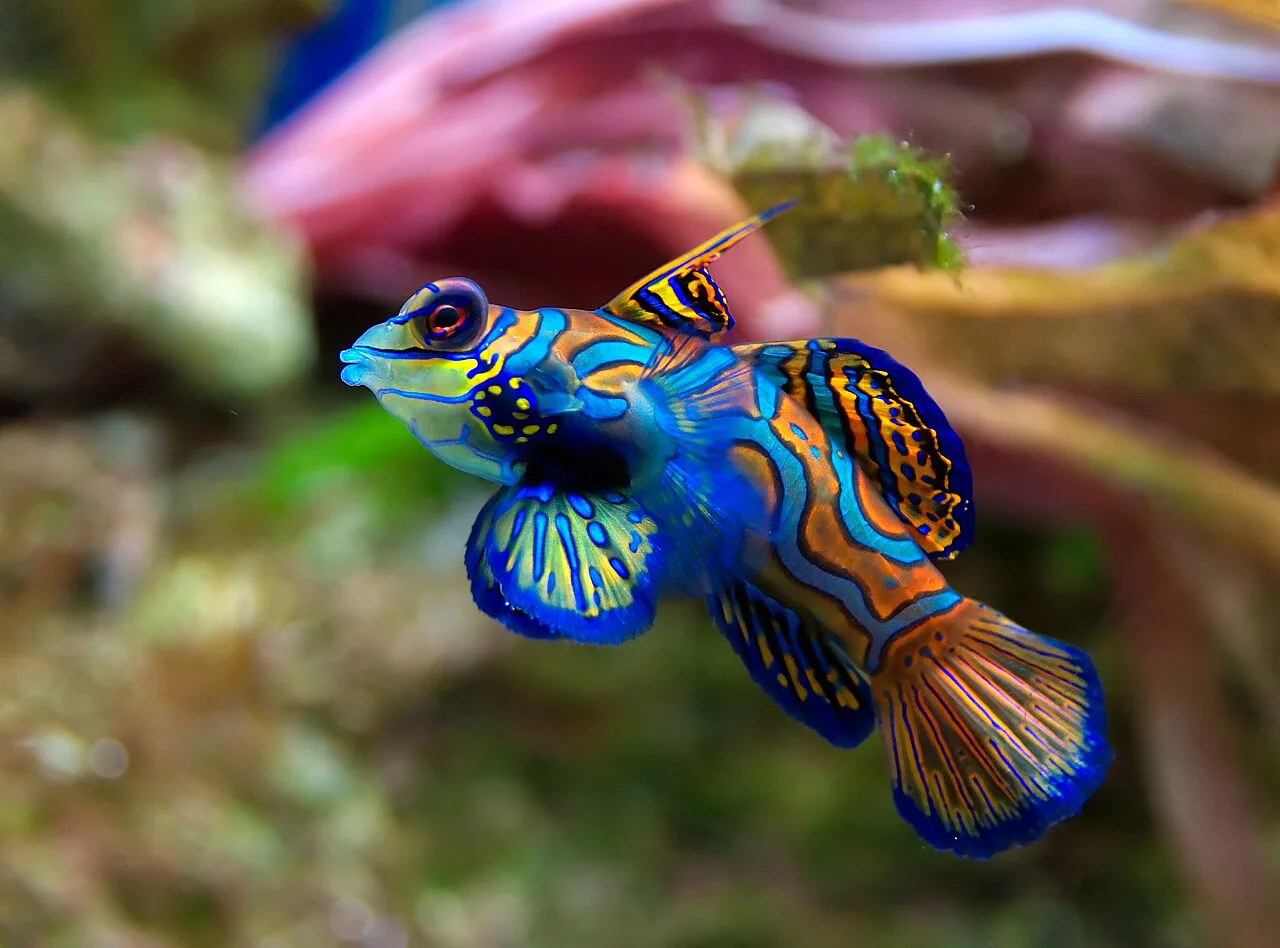
The Biodiversity hall is the heart of the aquarium, organised as a journey through aquatic biotopes rather than a single long tunnel. Temperate seawater brings the North Sea and the Mediterranean together, with species such as grouper, catshark and octopus. Tropical seawater shifts to turquoise tanks holding clownfish, small nurse sharks, seahorses and cowfish, while temperate freshwater covers the eels, sturgeon and catfish of European ponds and rivers.
A fourth zone, tropical freshwater, covers cichlids, tilapia, glassfish and piranha, the fish most familiar to anyone who has kept a home tank. Read the zones as a circuit and you will cover the hall in twenty to thirty minutes without rushing; linger at the tanks that interest you and skim the rest.
Sharks and coral reefs
The next space is built around a basin of more than 60,000 litres holding two wobbegongs, carpet sharks that specialise in blending into the seabed, alongside tropical fish and soft corals. The game here is spotting them: they are designed to disappear against the substrate, so look for outlines and movement rather than shapes. A separate reef basin holds living corals that change gradually between visits, and a shallow 13-square-metre tropical lagoon is viewed from above, so you look down onto swimming fish rather than through glass.
This section rewards slower looking than the Biodiversity hall. The lagoon in particular suits children and anyone who prefers an open-top view to a dark tank, and it makes a natural midpoint pause before the Amazon displays.
Amazonia, from forest to river
The Amazon section is the most immersive part of the aquarium, built as a walk through a dense forest that opens onto river habitats. Terrariums and aquariums are set side by side so you see land and water species as one ecosystem, with each enclosure matched to the habitat of the animals inside. The idea is to show how the flooded forest and the river system depend on each other, and the dim, humid staging makes it the section where visitors tend to slow down.
If you are visiting with limited time, this is the section not to skip: it is the one place where the museum's teaching purpose is most visible. A virtual tour of the rooms is available online if you want a preview before committing.
The zoology and natural history collections
Beyond the tanks, the museum holds a zoology and natural history collection described as unique in Wallonia. This half of the visit is quieter and more traditional, closer to a university study collection than a modern interactive gallery, and it is where the University of Liège's role is most obvious. Give it twenty to thirty minutes if you are interested in specimens and classification; skip it if you came purely for living animals.
The two halves complement each other well for families and for anyone who wants context behind the tanks, but the shift in tone is real. Plan the aquarium first while energy is high, then treat the collections as a calmer finish.
How much time to allow and how to pace a visit
Budget two to three hours for the whole building: roughly an hour and a half in the aquarium halls, half an hour in Amazonia and up to half an hour in the collections, plus time at the entrance. That is a recommendation from the shape of the displays, not an official figure, and a fast circuit is possible in about ninety minutes if you skip the natural history galleries.
Start with the Biodiversity hall, continue through the shark and reef spaces to the lagoon, then finish in Amazonia before the collections; this follows the layout and avoids doubling back. Weekday mornings are the calmest slot for tank-watching, and a wet afternoon is the obvious time to use the museum as shelter.
Nearby in Outremeuse and across the river
The museum sits within reach of the rest of the city's sights, which makes it easy to build a full day around it. Place Saint-Lambert is the main square and a natural orientation point across the river in the historic centre, while La Boverie, Liège occupies a park on the opposite bank and pairs well with a riverside walk.
If you want more museums and monuments nearby, the Grand Curtius, Liège and the Collégiale Saint-Barthélemy, Liège are both within easy reach of the Meuse crossings, so you can combine one with the aquarium without crossing the city twice.
Is the Aquarium-Muséum worth your afternoon?
Yes, if you want a two-in-one attraction that works in poor weather and suits mixed groups, and especially if the Amazon section appeals. Skip it if you are short on time and would rather spend the hours on the historic centre or a climb such as the Montagne de Bueren.
Check the day's opening arrangements on the museum's own pages, then build the rest of the day around a walk back across the Meuse. The Aquarium-Muséum is a solid half-day anchor rather than the whole of a Liège visit, and it earns its place when paired with the riverside and the squares on the far bank.
Explore more Liège guides
Frequently Asked Questions
Is the Aquarium-Muséum suitable for a rainy day in Liège?
It works well as wet-weather cover because the whole visit is indoors and the route is short, with the Amazon section in particular keeping visitors occupied for a stretch. Allow two to three hours and go early in the afternoon, when the museum absorbs the worst of the rain.
Do you need to book Aquarium-Muséum tickets in advance?
Admission and opening arrangements are set out on the museum's own site, so confirm the current position there before you travel. No price or booking requirement is fixed in this guide.
How does the Aquarium-Muséum differ from a commercial aquarium?
It is run by the University of Liège and combines living displays with a zoology and natural history collection described as unique in Wallonia, so part of the visit is a museum rather than a sealife attraction. That shows in the teaching labels and the Amazon ecosystem displays, and it makes the visit more than fish tanks alone.