Antwerp in Summer: Weather, Crowds and What to Do
Plan an Antwerp summer break with typical June to August weather, long evenings, waterfront walks and the museums and sights best saved for a hot day.
On this page
Two full days covers Antwerp in summer comfortably, and three lets you slow down; the season's gift is daylight that lasts well into the evening. The catch is changeable weather, so a good plan pairs each outdoor sight with an indoor stop nearby.
The old town is compact and walkable, and the Scheldt waterfront gives you space and breeze when the centre feels close. This guide groups sights by neighbourhood so a shower or a hot afternoon does not derail the day.
What summer in Antwerp is like
Summer brings long daylight, with evenings light enough for a riverside walk after an afternoon of museums. Days are mild to warm rather than reliably hot, and Belgian skies can turn from sunshine to cloud and rain within a few hours.
Treat the season as a planning problem rather than a promise of sunshine: balance a morning outdoors with an afternoon indoors, and leave room to swap them. That changeability is why the city works for a short break, since a museum or gallery is almost always within a few minutes' walk.
Compare conditions with Antwerp in April for cooler, quieter streets, or with Antwerp in autumn for the same city once the summer crowds thin out.
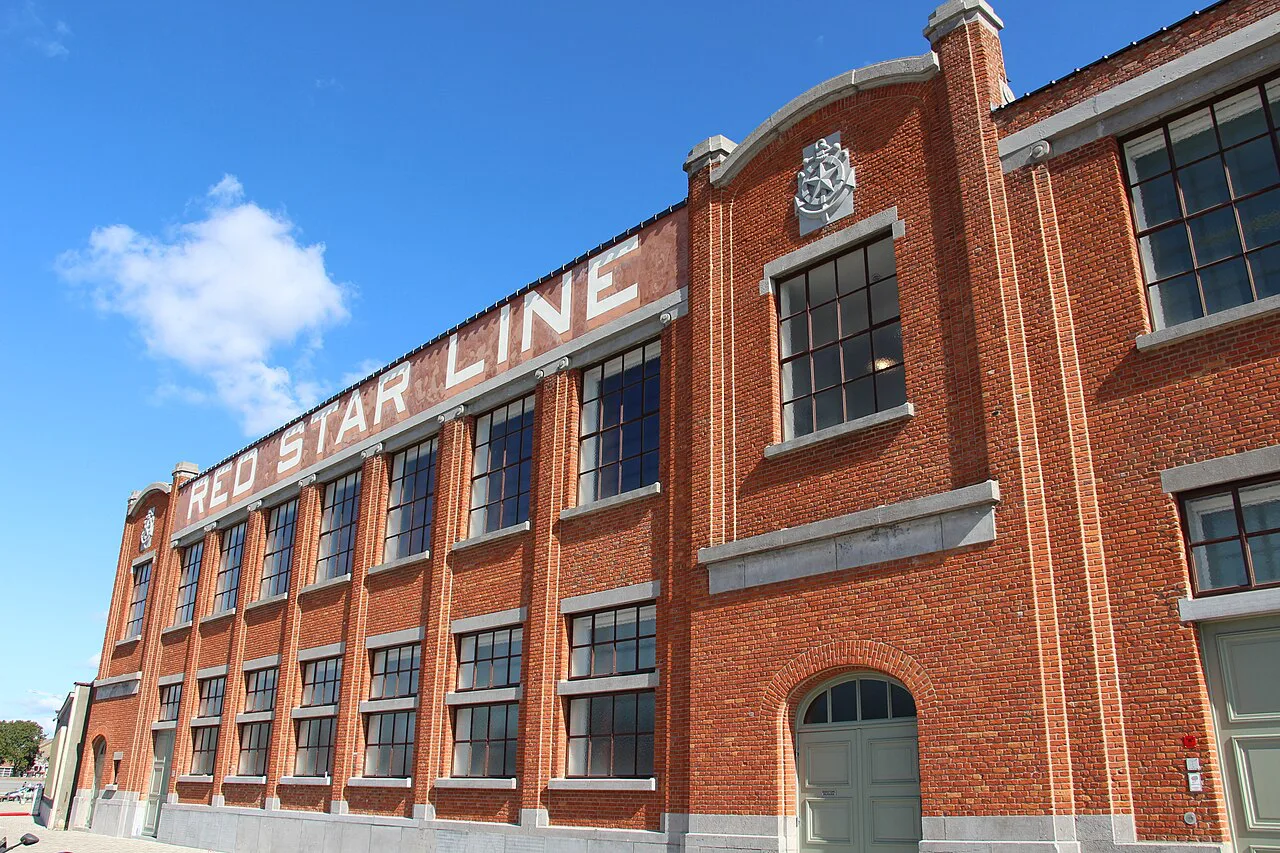
Typical June, July and August weather
Read any summer climate figures for Antwerp as typical averages, not a forecast for your dates. The practical upshot is variable skies and temperatures that reward layers, so pack a light rain jacket even if the morning looks clear.
This matters more here than in a predictably hot destination, because much of the centre is open-air squares and shopping streets with little shelter. Build a wet-day option into each half-day instead of planning every hour outdoors, and hold one indoor museum in reserve.
Why summer suits a one to three day city break
Long evenings are the strongest argument for summer: you can explore the Grote Markt and the old town in daylight, eat late and still walk back in the light. A short trip gains more usable hours than the same itinerary in midwinter.
Allow one full day for the historic centre and cathedral, a second for the waterfront and MAS, and a third for a southern museum or a slow wander around Zurenborg. With only a weekend, the centre and waterfront pair comfortably, but you will be choosing between museums rather than seeing them all.
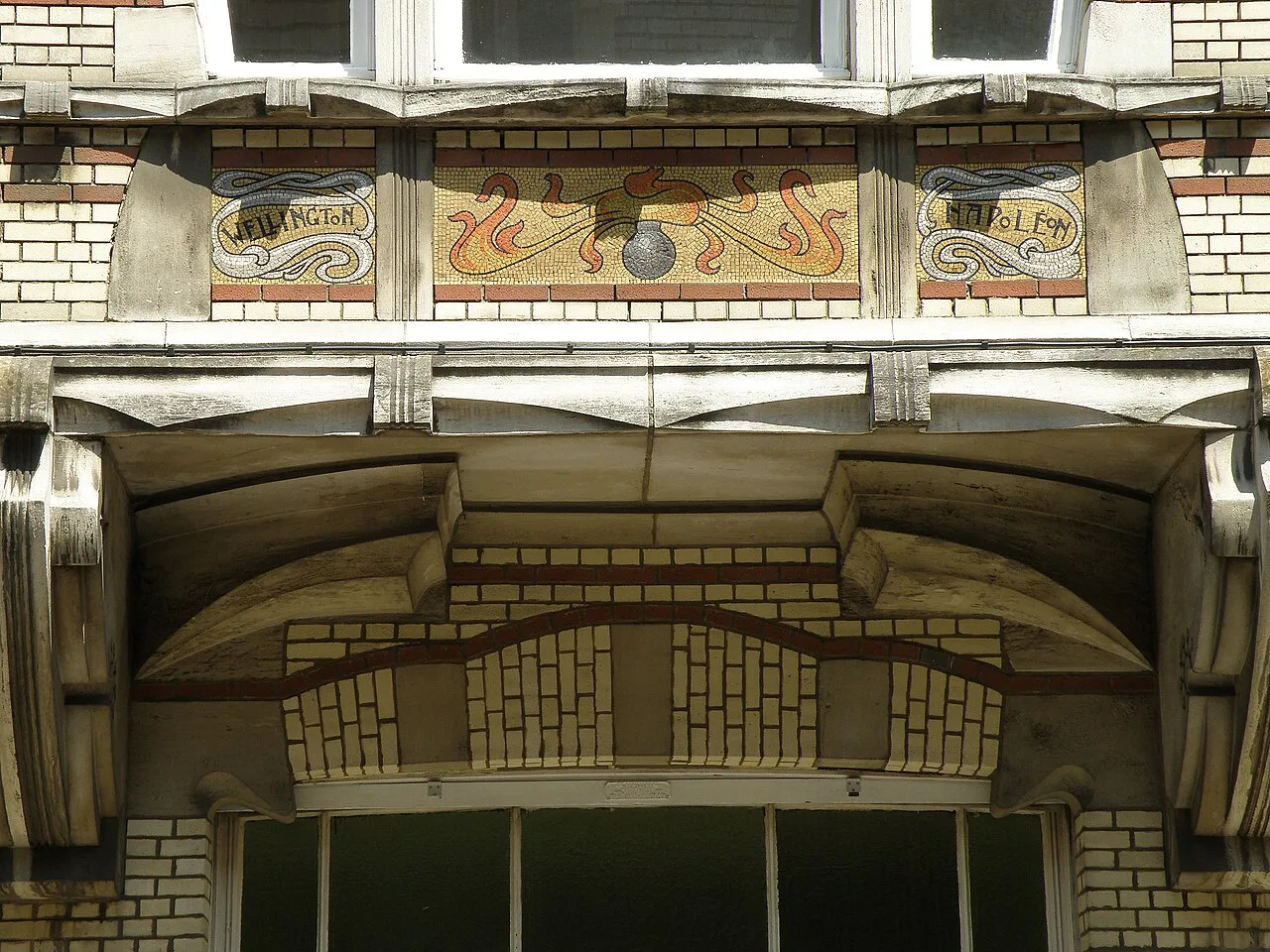
Start at the Grote Markt and the Brabo fountain
Begin in the old town at the Grote Markt, a cobbled square lined with medieval step-roofed guild houses and centred on the Brabo fountain. The fountain shows Brabo, a Roman soldier in local legend, throwing the severed hand of the giant Antigoon into the river, the origin story behind the city's name and the hand motif repeated across its chocolate shops.
From there it is a short walk to the Cathedral of Our Lady, whose 123-metre spire rises above the rooftops as the tallest Gothic church in the Low Countries.
Rubens indoors: the cathedral and KMSKA
Inside the cathedral you will find Rubens masterpieces including The Descent from the Cross, set against soaring architecture and stained glass. Even if religious art does not usually draw you, the scale and light earn the visit, and it makes a natural indoor stop if a shower arrives on the square.
For more of the same painter, the Royal Museum of Fine Arts (KMSKA) reopened after more than ten years of renovation and holds seven centuries of art, from Rubens and van Eyck to the largest collection of Ensor and Wouters. Its sculpture-dotted garden gives you fresh air between galleries.
Pairing both eats into a day, so put the cathedral with the Grote Markt in the morning and KMSKA on a separate afternoon if art is central to your trip. The same logic holds on a cooler spring visit, when the interiors are just as rewarding.
The Scheldt waterfront: Het Steen, the MAS roof and the Sint-Anna tunnel
The Scheldt waterfront supplies the breeze the old town sometimes lacks in summer. Het Steen, the medieval fortress on the river, sits by the quays near the Eilandje docklands, and the modern MAS building further along documents the city's history, including its port and trading past, across ten floors.
Head for the MAS roof terrace, with sweeping views over city and port; picnicking on the roof or in the glass boulevard winding up through the building is encouraged, and you can borrow a rug from reception. That makes the roof an easy summer hour when the sky is clear.
For a different view, walk the Sint-Anna tunnel under the river to the Left Bank, a pedestrian crossing that gets you across the water without waiting for a ferry. It stretches a waterfront afternoon without an added ticket.
If you are weighing waterfront stops across seasons, the quays around Het Steen are worth considering in autumn too, when crowds ease and the light softens.
Cooling down indoors: MAS, Plantin-Moretus, DIVA and Chocolate Nation
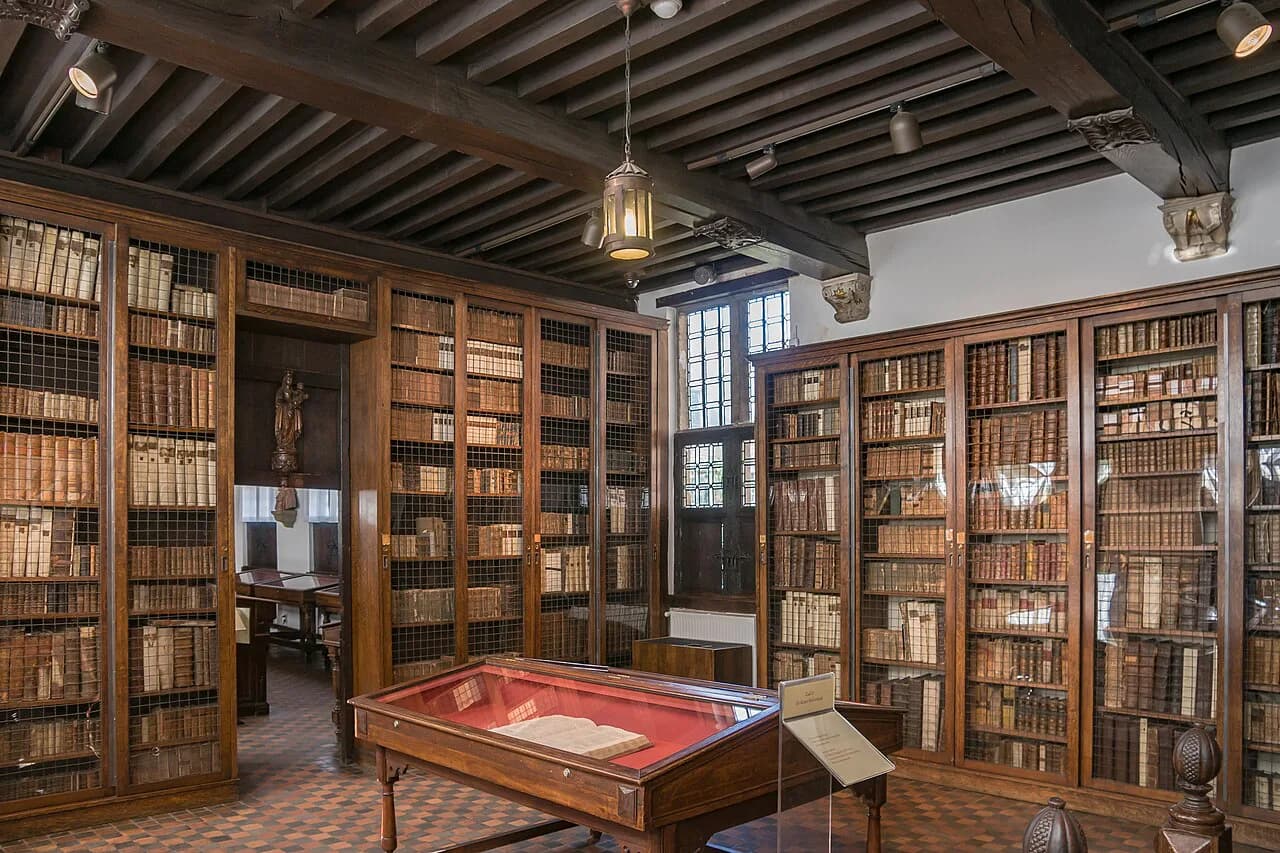
When heat or rain forces you inside, Antwerp has a run of good museums within easy reach of the centre. Museum Plantin-Moretus keeps the city's printing and book heritage in a historic house, the DIVA museum covers diamonds, jewellery and silver, and Chocolate Nation tells the story of Belgian chocolate, all part of the Visit Antwerpen museums programme.
These also absorb a hot afternoon most comfortably, because you can move between several in a small area rather than crossing the city. Build them into the itinerary by neighbourhood, pairing Zuid galleries with a wander around the nearby Diamond District.
For a broader overview of the city's visitor guides, including these museums, see Antwerp Attractions, which groups them so you can match them to your walking route.
Long evenings in the old town: Vlaeykensgang and Zurenborg
Summer evenings are the most rewarding part of an Antwerp visit, because you can wander the old town's alleys without a plan. Vlaeykensgang, the best-known of them, is a narrow passage of stepped gables near the cathedral.
For a longer evening walk, head south-east to Zurenborg, where the grand art Nouveau houses along Cogels-Osylei and neighbouring streets reward a slow stroll while the sun is still up. The streets are residential, so keep the visit quiet and treat the architecture as the attraction.
Finish back along the river: the Sint-Anna tunnel and the Left Bank give you a waterfront route into the centre that stays light late into the summer without needing a booking.
Summer markets and open-air wanderings
Antwerp's weekend markets suit a summer morning, with the Friday Market and the Sint-Jansvliet antique market the strongest draws for browsers. Treat either as a flexible hour, then move on to the Grote Markt or the river.
For the rest of the city's calendar, look at Antwerp festivals before you book, since dates can shift between years and the programme is published separately from museum listings.
Rainy or heatwave afternoons: which museums to keep in reserve
Keep one large museum in reserve for the afternoon that turns wet or uncomfortably hot. On a rainy day the KMSKA and the Museum Plantin-Moretus are the most substantial indoor options, while heat pushes you towards the modern MAS building rather than the small historic houses.
In the busiest weeks, check the museum's own site for what is running and for any timed slots, so you do not plan around an exhibition that has closed.
How many days Antwerp needs in summer
Two full days is the honest minimum: one for the old town, cathedral and Grote Markt, one for the waterfront and MAS. Add a third if you want a museum afternoon, a Zurenborg walk and a slow evening meal without rushing.
Pace a hot day from morning to early afternoon outdoors, take a long indoor break around midday, and leave the evening open for the old town or the riverside. That pattern holds whether you stay two nights or four.
Where summer fits against spring and autumn
Summer gives you daylight and long evenings but also the busiest squares and longest queues at the biggest sights. Spring and autumn bring quieter streets and cooler walking but fewer late hours outside, so the trade-off is crowds versus daylight rather than good weather versus bad.
If comfortable walking matters most, a spring or autumn trip is the sensible alternative, and the sights are the same in every season; the year side by side is set out in the seasonal comparison.
Is summer the right time for your Antwerp trip?
Summer suits Antwerp if you want long evenings and a waterfront you can walk after dinner, and it is the easiest season for a one to three day break. Budget for changeable weather and keep a large museum free for a wet or hot afternoon, and the Belgian sky will not cost you a day.
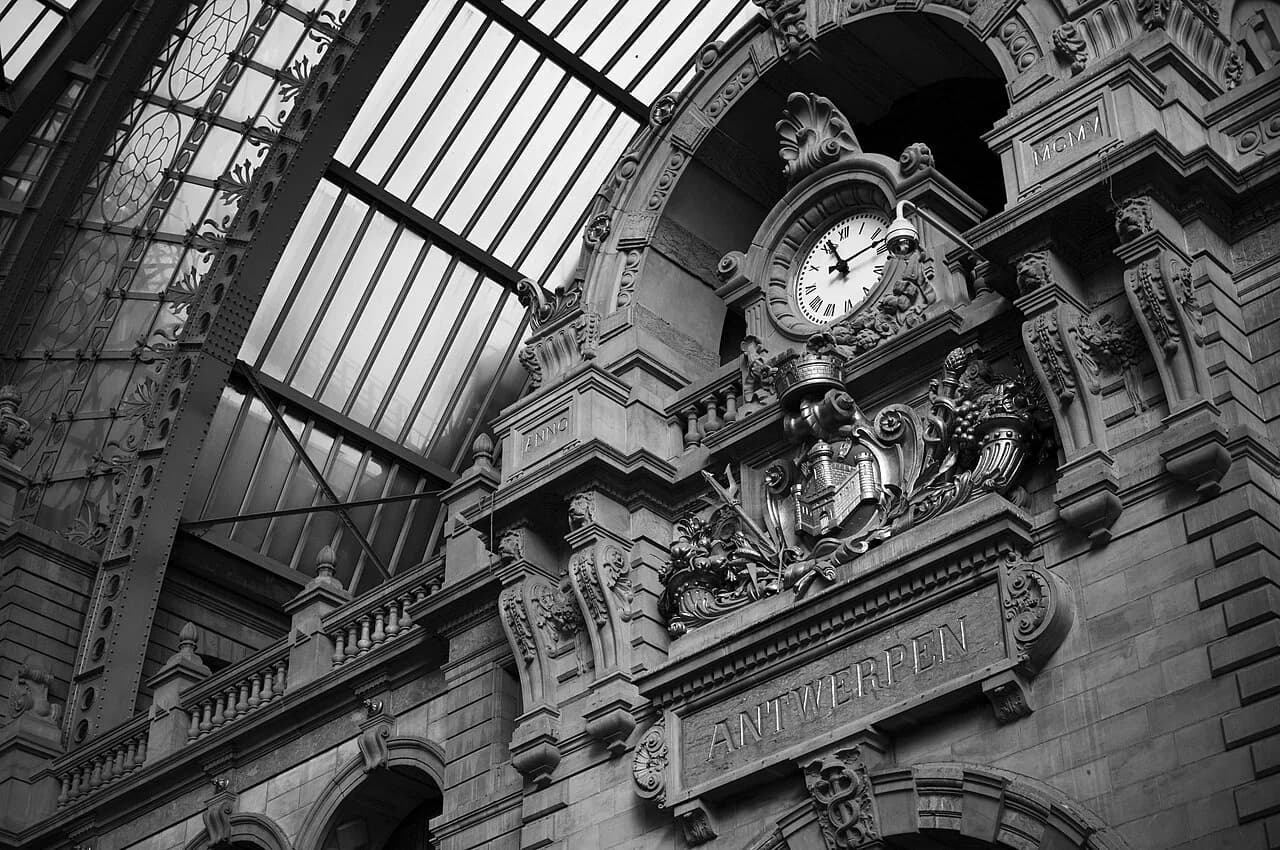
Book the London to Antwerp journey via Brussels, which Eurostar and SNCB sell as one trip arriving at Antwerpen-Centraal, and build the break around the Grote Markt and Scheldt waterfront rather than a long list of sights.
Explore more Antwerp guides
Frequently Asked Questions
What is the weather like in Antwerp in summer?
Summer brings long daylight and mild-to-warm days, but the weather is changeable and a sunny morning can turn cloudy. Plan for layers and a light rain jacket rather than expecting heat every day, and keep an indoor museum in reserve.
Is Antwerp Dutch or French?
Antwerp is in Flanders, the Dutch-speaking part of Belgium, and you will see Dutch place names such as Antwerpen. English is widely understood in shops and museums, so language is no barrier for a short break.
Do I need more than two days in Antwerp?
Two full days covers the old town and the waterfront without rushing. Add a third day if you want a museum afternoon, a walk around Zurenborg and a slow evening meal.
Sources
Useful notes for your next trip
Optional updates to our guides.
You might also like
Continue reading
More guides you'll find useful