
St Bernardus Brewery in Watou: Tours, Beers and How to Visit
St Bernardus brews Abt 12 and its other beers in Watou, West Flanders. Here is how the brewery's tours and tasting room work and how to plan a visit.
On this page
St Bernardus Brewery is a working brewery in Watou, a village in West Flanders about two kilometres from the French border and roughly 12 kilometres from Westvleteren. It is the place behind St Bernardus Abt 12, Prior 8 and Tripel, and it is worth a half-day stop for anyone touring the hop country around Ypres. This guide explains the Trappist connection, the beers, the tour and the tasting room, and how to slot Watou into a wider West Flanders trip.
Where St Bernardus Brewery is
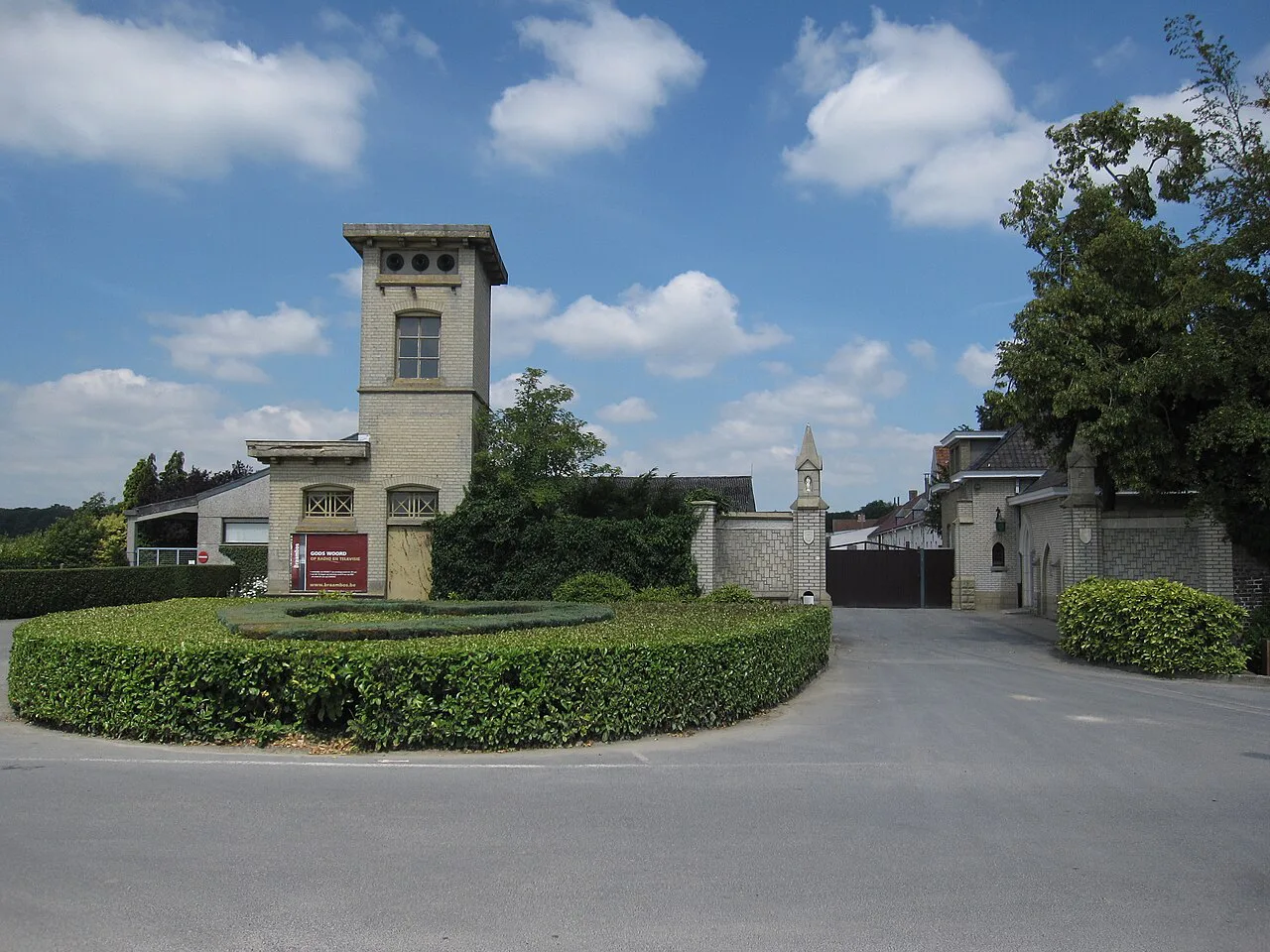
The brewery sits on Trappistenweg, a country road in Watou about two kilometres from the French border. It is roughly 12 kilometres from Westvleteren, the village of Sint Sixtus Abbey, and Poperinge is the nearest town for a base, with connections onward to Ypres and the coast. Watou itself is small, so plan the brewery as the anchor of a rural loop rather than a town visit.
This corner of West Flanders is hop country, and the landscape around Watou is flat farmland and poplar-lined roads. Coming by car is the practical option because the brewery stands outside the village centre; by train, you reach Poperinge first and continue by taxi or bike. A beer visit here mixes well with a war cemetery or a hop-growing village on the same run.
Is St Bernardus a Trappist beer?
No. St Bernardus beers are not Trappist-certified today, though the brewery has a genuine Trappist pedigree. From 1946 to 1992, St Bernardus brewed the beers of Sint Sixtus Abbey in Westvleteren under licence, and it kept the recipes when the arrangement ended. The monks then built their own brewery inside the abbey and joined the International Trappist Association, whose Authentic Trappist Product logo the St Bernardus beers do not carry.
The link runs further back than the licence. St Bernardus takes its name from a cheese business founded in Watou by monks from Mont des Cats Abbey, just over the border in France, and the brewery later took on the Westvleteren brewing. The brewery's own telling is that one Trappist monastery gave it its name and another gave it its beer.
That history explains a question visitors often ask: why does Abt 12 resemble Westvleteren 12 without being sold as Trappist? The shared recipe is real, but the beer diverged after 1992. St Bernardus uses different water and propagated strains of the original Westvleteren yeast, while the abbey switched to yeast from Westmalle, so the two beers are cousins rather than twins.
The beers to know
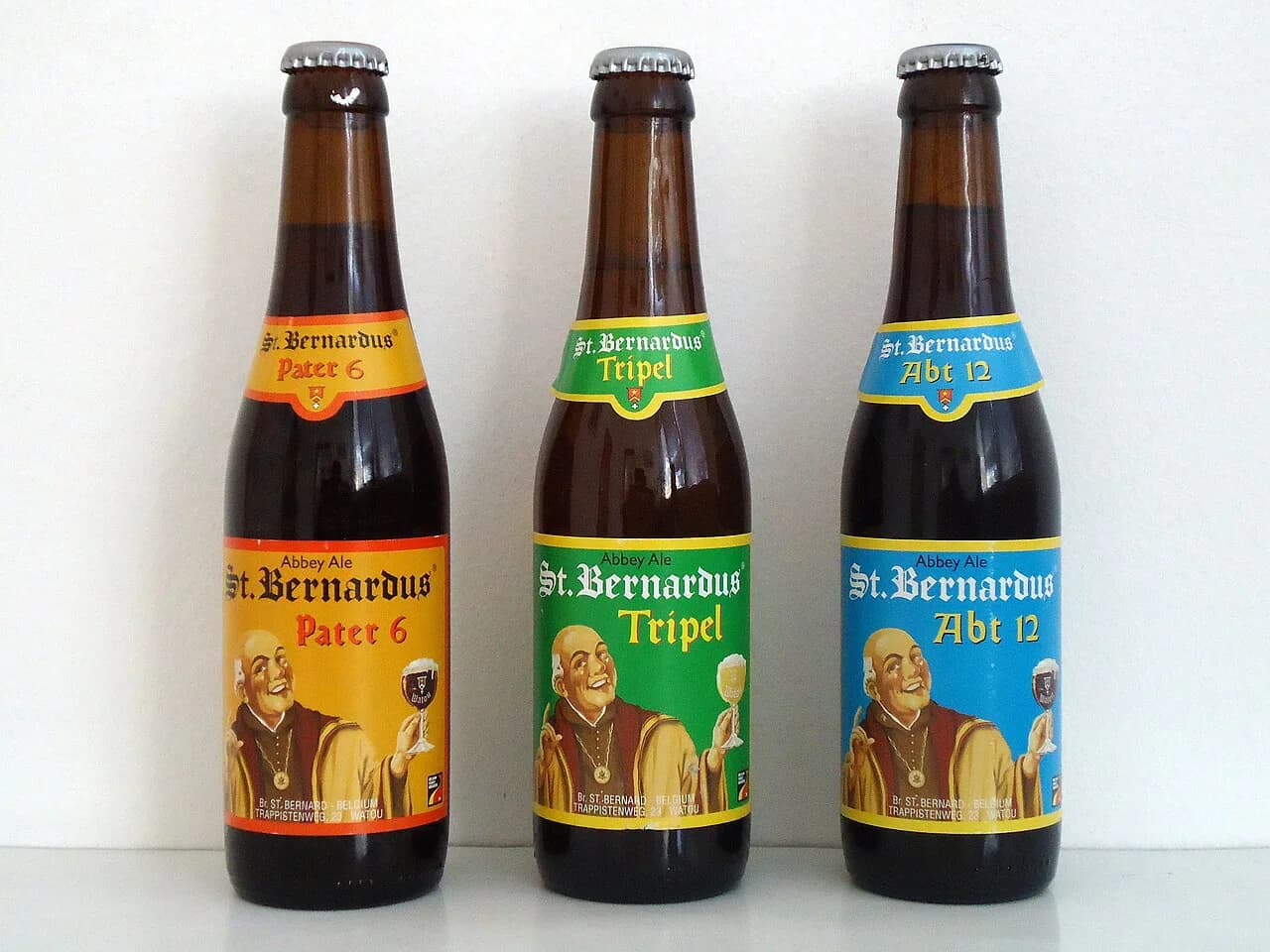
Three bottles do most of the work for a first visit. Abt 12 is the flagship, a dark, strong ale brewed to the recipe the monks passed on in 1946 and still the benchmark against which Westvleteren 12 is measured. Prior 8 is the dubbel, maltier and easier going, and Tripel is the pale, dry, deceptively strong one.
Strength is the thing to watch. Abt 12 is a heavy beer at 10.2% alcohol, so a tasting flight deserves a driver who is not drinking or a night in Poperinge rather than a dash back to Ypres. If you are working through Belgian beer styles more broadly, it helps to compare the abbey-style ales here with the likes of Duvel Moortgat, whose strong golden ale made the family name in the same region.
The brewery tour
St Bernardus runs tours of the brewery, and the visit page is the place to check how they operate, when they run and how to book before you build a day around one. The brewery describes its tour programme as entering a new chapter after more than a decade of tours through the working brewhouse, so the format can change.
A tour earns its place by showing the kit and the process behind the bottles: the brewhouse, the fermentation vessels and the scale on which a beer like Abt 12 is made. If your interest is mainly in drinking rather than brewing, the tasting room alone will cover the essentials. Across Belgium, brewery tours vary widely in what they include, from a walk-through with a tasting to a full visitor centre, so compare options before committing a day of a short trip.
The tasting room
The tasting room is where you meet the beers on site, and for many visitors it is the better use of an hour than the full tour. A billboard from the licensed era still hangs there advertising St Bernardus as the sole producer of Westvleteren's beers. That piece of brewery history sets up a tasting nicely and helps you decide which bottles to take home.
Treat the tasting room as a stop of an hour or so, not an afternoon. The beers are strong enough that two or three small pours are a sensible cap before driving, and eating in Watou is limited, so a meal in Poperinge before or after makes more sense. The region has enough breweries, from the abbey at Westvleteren to the hop-growing villages in between, to fill a fuller beer day.
Getting there and fitting Watou into a West Flanders trip
The realistic route is by car. Watou sits in the countryside near the French border, with Poperinge the nearest town for supplies and onward connections to Ypres and the coast. Allow a full afternoon for the round trip from Ypres if you are also stopping at Westvleteren or a war memorial, because the country roads are slow and the brewery visit itself takes time. If you are touring breweries across Flanders, the Flemish red ales of West Flanders make a good second theme alongside the abbey-style beers here.
Ypres is the natural base for this loop. The town has the Menin Gate, the rebuilt Lakenhalle and the In Flanders Fields Museum, and the drive to Watou is short enough to do in a morning or an afternoon without uprooting your accommodation. Build the day as brewery first, then a war site or two on the way back, so the strongest beer is behind you before you drive. If one brewery stop is not enough, Het Anker Brewery in Mechelen is another abbey-style visit that pairs well with a Flanders itinerary.
A few Belgian breweries have made their tours into slick visitor experiences, and comparing them helps you decide where to spend time. The Stella Artois Brewery Tour in Leuven is the polished, city-centre version, while St Bernardus is the rural brewery whose tour programme is being reworked. Which suits you depends on whether you want a slick presentation or a smaller working brewery.
Where to buy bottles to take home
Buy your bottles at the brewery itself, and check the brewery's visit page for what is available when you plan to go, since its arrangements have changed. If you are buying to carry home, remember that beer is heavy and hold luggage limits bite quickly, so a couple of bottles of Abt 12 is a realistic haul.
Outside Watou, specialist beer shops across Flanders stock St Bernardus, so you do not need to buy everything at the brewery. Buying at the source does give you the full range and the chance to ask staff about the differences between Abt 12, Prior 8 and Tripel. If you collect brewery glasses and gift boxes, buying at the brewery is the way to find them.
Other Belgian brews worth knowing
Belgium's beer landscape is wider than the abbey-style ales, and a beer trip can happily combine several traditions. Pauwel Kwak, brewed by Brouwerij Bosteels in Buggenhout, is famous for its coachman's glass and its sweet, strong character. Brasserie Dupont in Tourpes, in Hainaut, is the reference point for saison, a dry, peppery farmhouse style that makes a sharp contrast with the dark abbey ales of West Flanders.
Antwerp has its own strong beer tradition, with De Koninck Brewery in Antwerp making the city's signature amber ale and running a visitor experience in the city. Pairing Watou with Antwerp or Mechelen covers a good range of Belgian brewing without chasing every abbey. Choose the breweries that match the styles you actually like, and let the geography do the rest.
Is Watou worth the detour?
Yes, if you care about abbey-style beer and are already in West Flanders. St Bernardus gives you a working brewery, a tasting room and the story of the 1946–1992 licence in one stop, and it sits close enough to Poperinge, Westvleteren and Ypres to anchor a day. Budget an afternoon, keep a driver sober, and buy your bottles at the source.
Frequently Asked Questions
Is St Bernardus beer Trappist?
No. St Bernardus beers are not Trappist-certified. The brewery brewed the beers of Sint Sixtus Abbey under licence from 1946 to 1992, and its beers remain abbey-style ales with a genuine Westvleteren heritage.
Do you need to book a St Bernardus brewery tour?
Check the brewery's own visit page before you travel. St Bernardus has revamped its tour programme, so confirm the current format and whether booking is required directly with the brewery.
How does Abt 12 compare with Westvleteren 12?
They share a recipe given to St Bernardus in 1946, but the beers diverged after 1992. St Bernardus uses different water and propagated strains of the original yeast, while Westvleteren now ferments with yeast from Westmalle, so expect family resemblance rather than an identical beer.
How do you get to Watou without a car?
Reach Poperinge by train and continue to Watou by taxi or bike, or base yourself in Ypres and take a taxi for the day. Watou is a small village, and the brewery sits outside the centre on Trappistenweg.
Sources
Useful notes for your next trip
Optional updates to our guides.
You might also like



Continue reading
More guides you'll find useful





