
Kwak Beer: The Coachman's Glass, Strength and How to Serve It
Kwak is an 8% amber Belgian beer from Brouwerij Bosteels, poured into its famous coachman's glass. Here is what it tastes like and how to serve it.
On this page
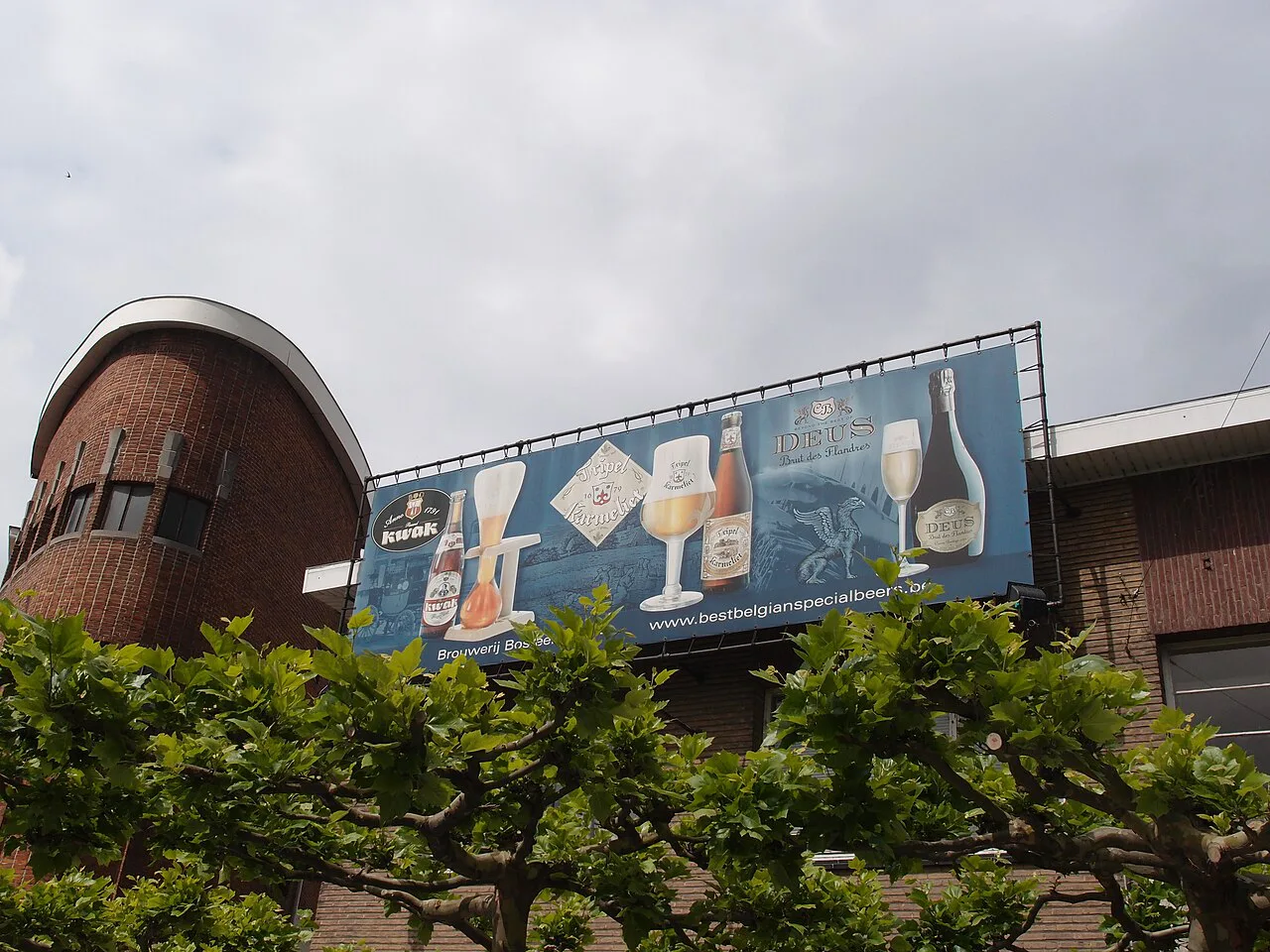
Kwak is a strong amber Belgian beer from Brouwerij Bosteels, and you will most often see it in the hourglass glass held in a wooden stand — the coachman's glass. The bottles sold in the UK are 330 ml at 8.0% ABV, so it is a slow sipper rather than a session pint. This guide covers how it tastes, why the glass looks the way it does, the pour that works, and where in Belgium to drink it properly.
What kind of beer is Kwak?
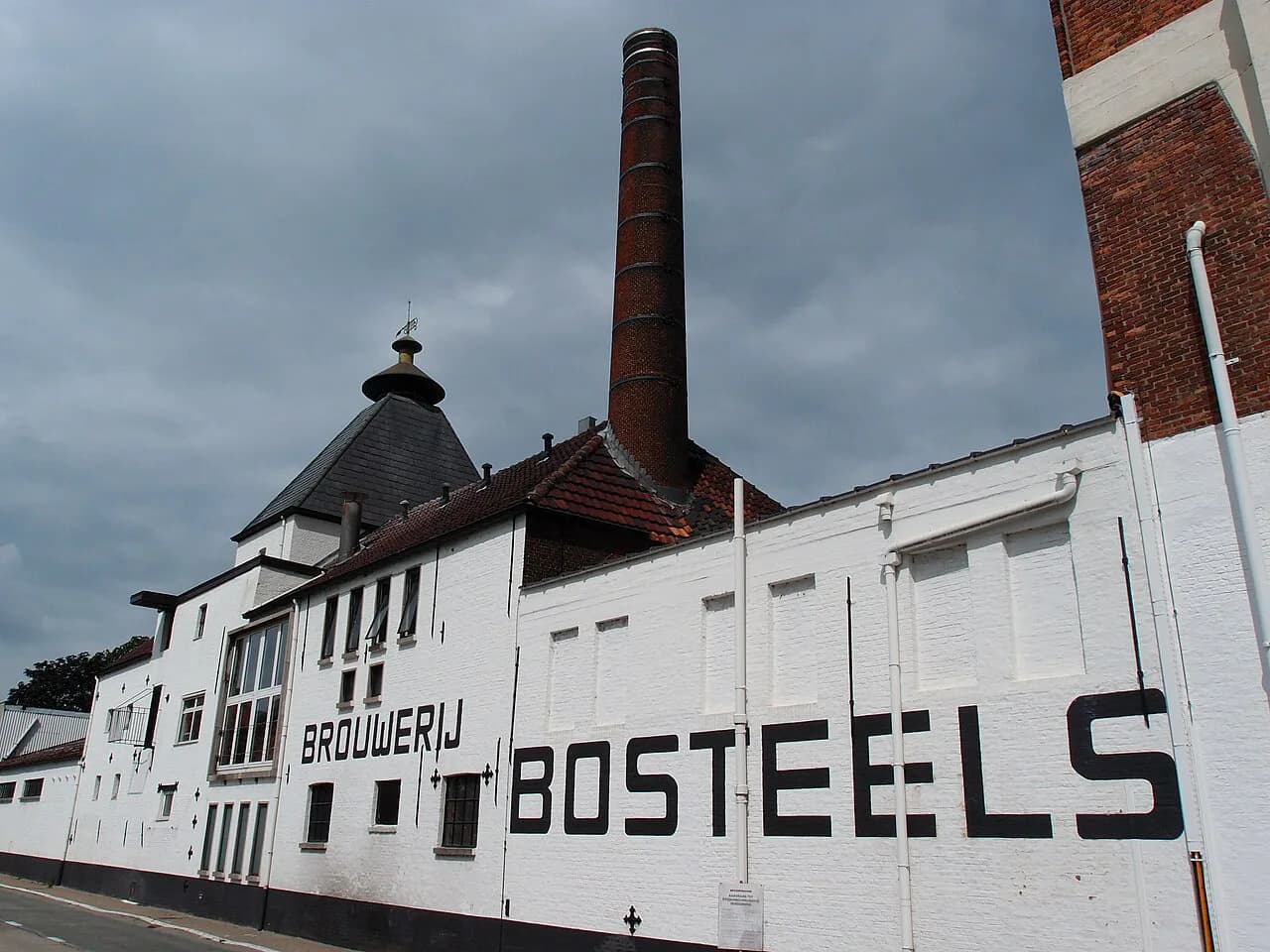
Kwak is an amber ale, brewed at Brouwerij Bosteels and named after Pauwel Kwak, the brewer and tavern owner credited with it. It sits squarely in the Belgian strong ale tradition: a warm, malt-led beer with a spiced, hoppy edge rather than the pale, yeasty character of a blonde. Treat it as a beer to sit down with, not to drink quickly in the afternoon.
It is not a Trappist beer. Some UK retailers label their Kwak bottles as Trappist, but Bosteels is a family brewery in Flanders, not a monastery, and the beer carries no Trappist certification. If a label matters to you, check the brewery name rather than the shelf tag.
How strong is Kwak beer?
Kwak is 8.0% ABV in the 330 ml bottle, which makes it a strong beer to be treated with some respect. It is not a session drink, so pacing matters if you have a train to catch or a museum booked.
Is Kwak beer available at Tesco? Supermarket stock varies by branch and season, so it pays to check your local shop rather than rely on a general listing. Specialist beer retailers and online beer shops are the more reliable places to find the 330 ml bottles in the UK.
How much does Kwak beer cost? Prices differ between bars, bottle shops and online retailers, and they move over time. Check the drinks list in a bar or the retailer's own page for the current price rather than assuming a set figure.
Why is Kwak served in a glass with a wooden stand? The stand is part of the coachman's glass design: the rounded base sits in the wood and you hold the handle, which keeps the glass upright and reduces spills. It is also the practical way to pour, since you can tilt the whole assembly gently.
What Kwak tastes like: liquorice, coriander and hop spice
The flavour profile is built on liquorice and a slightly spicy character of coriander and hops, with a subtle aroma of banana, pineapple and mango. That combination explains why Kwak reads as warming rather than refreshing: the sweetness is soft and the spice does the work. It is a good match for the cooler months of a Belgian city break.
Because the beer is strong and aromatic, it shows best cool rather than ice-cold. Very cold serving is usually reserved for light, thirst-quenching beers with low alcohol, and it flattens the spice in a beer like this. If your fridge runs cold, let the glass warm slightly in your hands before you drink.
The coachman's glass: why Kwak comes in a wooden stand
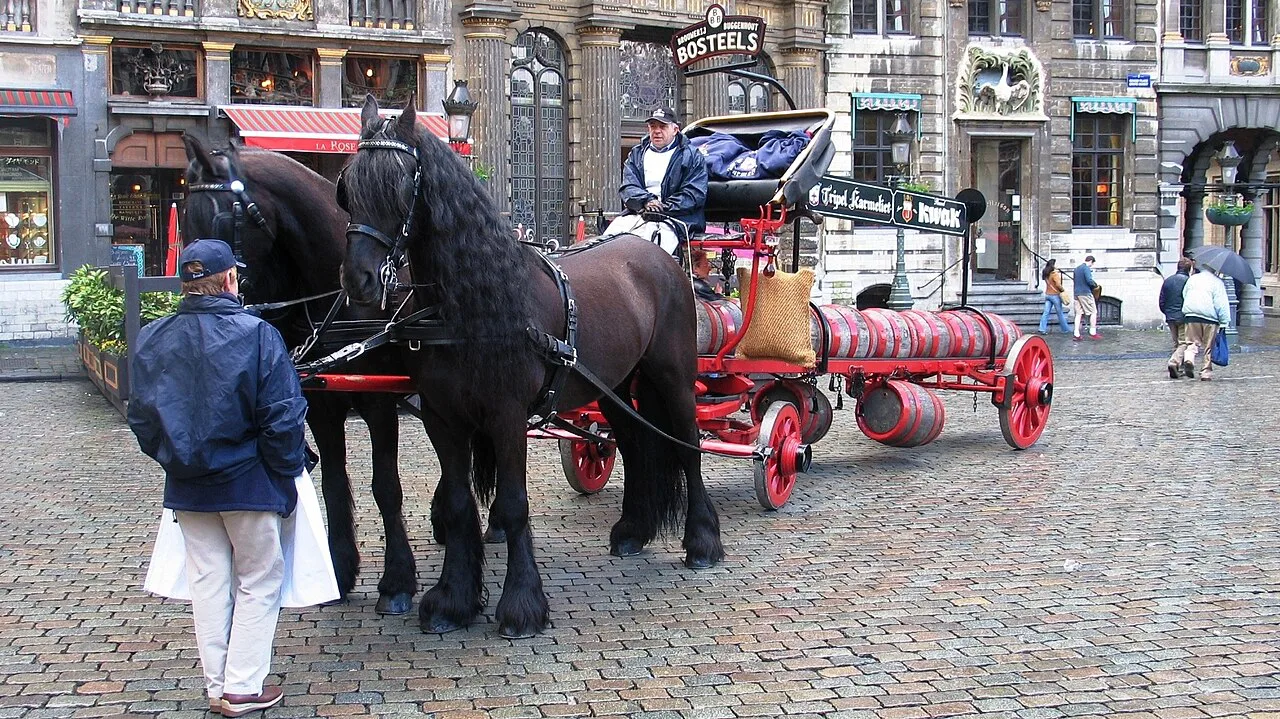
The coachman's glass is an hourglass shape with a rounded base and a short stem, held upright in a wooden stand with a handle. The story is that Pauwel Kwak designed it so the glass could stay secure on the stagecoaches of the time, giving the driver a steady drink while he sat at the reins. Whether or not every coachman used one, the stand is what makes the glass practical today.
You have a genuine choice when it arrives. Leave the glass in the stand and hold the handle — the safest option, and the one that reduces spill risk — or lift the glass out to drink. Lifting it warms the beer more quickly, but returning it to the stand between sips keeps the temperature steady.
How to serve Kwak: temperature, glass and pour
Rinse the glass with water first: a clean, slightly wet surface gives the bubbles something to cling to and helps the head settle evenly. If you are pouring from a chilled 6-litre Kwak keg, aim for around 6°C, which keeps the beer cool without numbing the aroma. If your dispenser runs at 3°C, pour and then cup the glass in your hands to take the chill off.
Pouring takes a little care because the hourglass shape creates thick foam easily. Hold the glass by the handle of the wooden stand, tilt it, and pour gently until the lower bulb is filled — you should see a foam head of roughly 2 cm at that stage. Keep pouring slowly and the foam rises; once the glass is full and the head stabilises, you are looking at about 7 cm.
If you want to see how a Belgian brewery handles its own beer before you try pouring Kwak, the country's brewery visits make a good starting point; the brewery tours in Belgium include several houses with tasting rooms attached.
How to say Kwak
Kwak is a short, single-syllable name, and once you have ordered it aloud a couple of times in a Belgian beer café, the written word stops looking so odd.
Where to drink Kwak in Belgium
Kwak is a bar and café beer in Belgium: order it in a beer café and it should arrive in the coachman's glass with the stand, which is the point of ordering it out rather than at home. Ask before you order whether they serve it that way, since a venue pouring from a bottle into an ordinary tumbler is a duller experience. Bar prices vary by city and venue, so read the drinks list rather than assuming a fixed rate.
For a wider brewery itinerary, a visit to a Belgian brewery is a good companion to drinking Kwak in a café. The Duvel brewery at Breendonk near Puurs is one of the country's best-known strong-beer producers, and its golden ale contrasts neatly with Kwak's amber spicing. A trip that pairs the two gives a fair picture of Belgian strong beer.
If you are based in Antwerp, the De Koninck brewery is the obvious city-centre stop for a brewery visit. In Mechelen, the Het Anker brewery adds a historic brewery site to a city-break itinerary.
Buying Kwak beer in the UK
Kwak is bottled for the UK market in 330 ml bottles at 8.0% ABV, and specialist beer retailers and online beer shops carry it. Supermarket listings change by branch and by month, so check the shelf rather than assuming the nearest large supermarket stocks it. The bottle is the practical way to try Kwak at home: pour it into a tulip or the coachman's glass if you have one.
Is the coachman's glass worth seeking out?
Yes, if you are ordering Kwak in a Belgian beer café, ask for it in the coachman's glass and take your time over the pour. The wooden stand keeps it steady, the 8.0% ABV rewards slow drinking, and the liquorice and coriander are best at cool rather than freezing temperature. As a memorable strong amber, it is a good one to seek out on your trip.
Explore more Belgium guides
Frequently Asked Questions
Is Kwak beer available at Tesco?
Supermarket stock varies by branch and season, so it pays to check your local shop rather than rely on a general listing. Specialist beer retailers and online beer shops are the more reliable places to find the 330 ml bottles in the UK.
How much does Kwak beer cost?
Prices differ between bars, bottle shops and online retailers, and they move over time. Check the drinks list in a bar or the retailer's own page for the current price rather than assuming a set figure.
Why is Kwak served in a glass with a wooden stand?
The stand is part of the coachman's glass design: the rounded base sits in the wood and you hold the handle, which keeps the glass upright and reduces spills. It is also the practical way to pour, since you can tilt the whole assembly gently.
Sources
Useful notes for your next trip
Optional updates to our guides.
You might also like



Continue reading
More guides you'll find useful





