Brewery Tours in Belgium: Bruges, Leuven, Mechelen and Beyond
Brewery tours in Belgium, from De Halve Maan in Bruges to lambic and Trappist names worth planning a city break around, and what each visit involves.
On this page
Brouwerij De Halve Maan in Bruges is the brewery visit to build a short Belgian break around: it sits in the city centre on Walplein, publishes a 45-minute classic tour and a weekend-only 90-minute XL tour, and finishes with a 360-degree rooftop view over the old town. The combination of a working city brewery, a published guided schedule and a skyline payoff makes it the most straightforward first brewery stop for travellers arriving from the UK or US. This guide compares both De Halve Maan tours, sets out other breweries and beer cafés worth folding in, and explains lambic and Trappist beer so you know what you are booking.
The practical split is between city breweries with published tours and rural or monastic names that reward a deliberate detour. De Halve Maan is a short walk from the Markt, while lambic producers and Trappist houses generally sit outside the main tourist grid. Plan city tours for the day you arrive, and save rural visits for a full day when you have transport arranged.
Which Belgian brewery tours are worth building a city break around
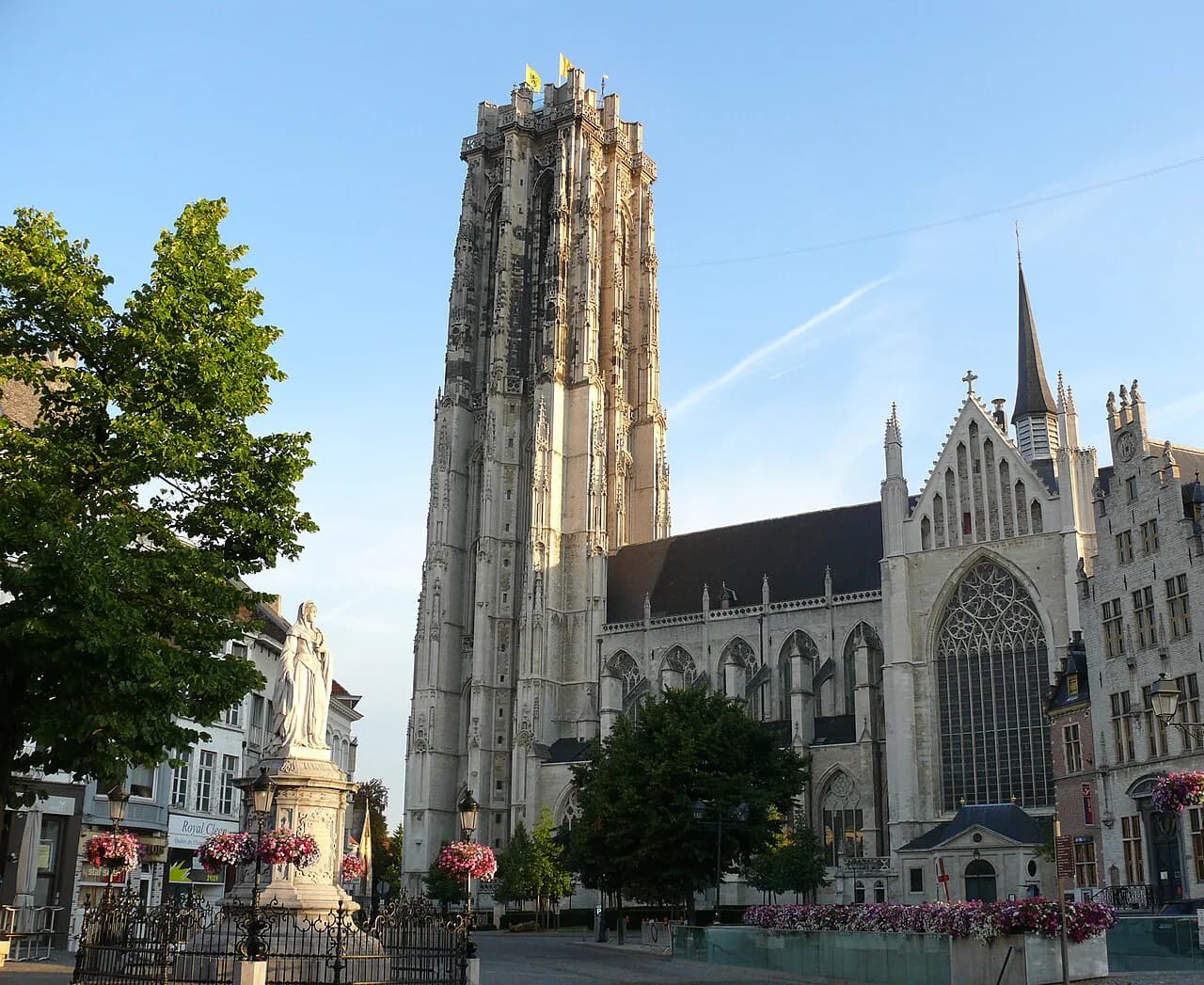
Bruges, Leuven, Mechelen and the lambic belt around Brussels each offer a different kind of brewery visit. Bruges has the most visitor-ready city-centre tour at De Halve Maan, Leuven has the Stella Artois brewery, and Mechelen has the Het Anker Brewery in Mechelen. Around Brussels, Brasserie Cantillon in Anderlecht is the benchmark for lambic, the spontaneously fermented beer that gives gueuze its bite.
Treat the tour as one fixed slot in a short break rather than the whole day. A 45-minute brewery visit fits neatly between a morning at the Groeningemuseum and lunch on the Markt, while a 90-minute tasting tour eats most of an afternoon. For anyone comparing city breweries, the De Koninck brewery in Antwerp and the Duvel brewery in Puurs are the other big-name visits within easy reach of the main tourist cities.
The strongest itineraries pair one brewery tour with one beer café and one style-focused stop. In Bruges, that means De Halve Maan for the brewing process, a brown café such as Brasserie De Garre for a slower drink, and a bottle shop or tasting room for lambic. This keeps the trip about beer without turning it into a pub crawl.
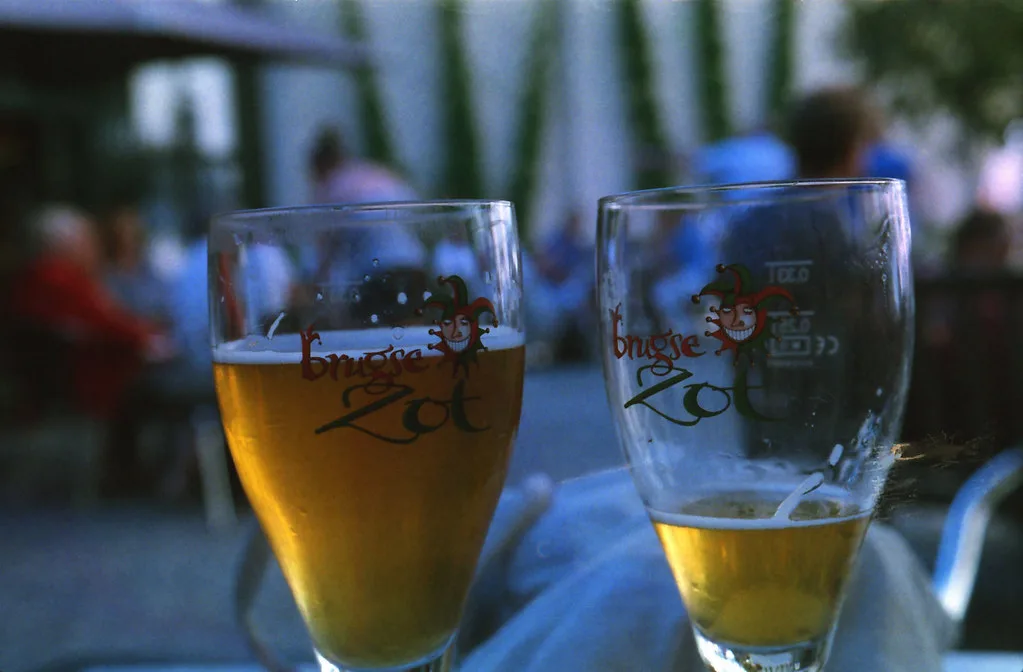
Brouwerij De Halve Maan, Bruges: the classic and XL tours compared
De Halve Maan runs two published tours from its Walplein site. The classic guided tour lasts about 45 minutes, takes a maximum of 25 people and includes one beer; children under six go free and those aged seven to 15 pay a reduced rate. The XL tour lasts about 90 minutes, also caps at 25 people and includes three beers, but it runs only at weekends and in Dutch and English. Both tours involve 220 steps, some of them steep.
Choose the classic tour if you want the brewing hall, the old equipment and the rooftop view without giving up half a day. The XL tour suits anyone who has already done a city brewery and wants a guided tasting in the cellars, with three beers poured and explained. The weekend-only restriction means the XL tour fits a Friday-to-Sunday break but not a midweek trip.
Choose the XL tour if you want a sit-down guided tasting in the cellars, with three beers poured and explained, rather than one beer at the end of the classic route. Booking ahead matters because the 25-person cap is small for a brewery that draws more than 100,000 visitors a year. Wear shoes you can climb stairs in, since the 220 steps are part of the route rather than an optional extra.
What the De Halve Maan tour covers, from brewing hall to rooftop view
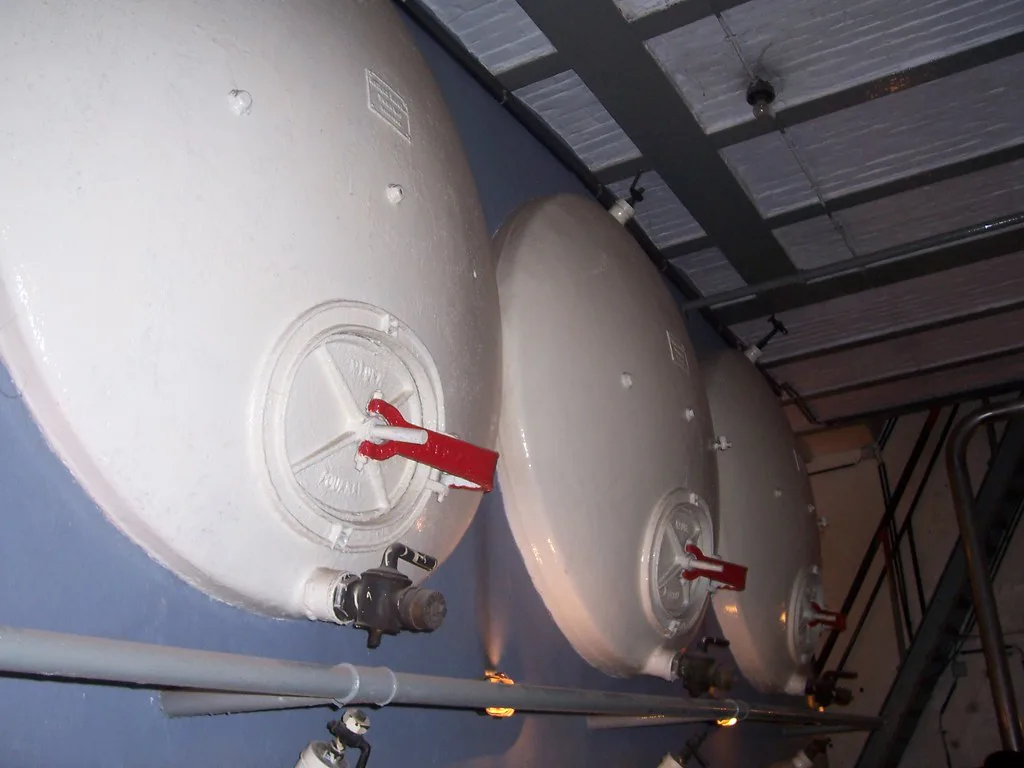
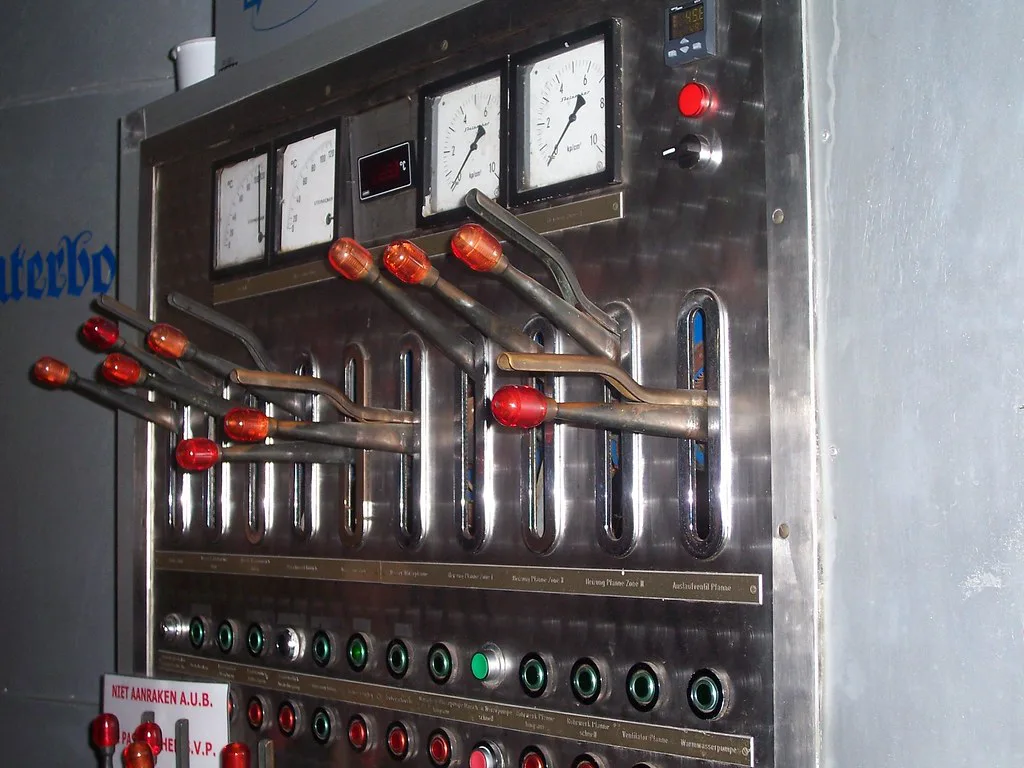
The tour starts in the brewing hall where Brugse Zot and Straffe Hendrik are made, then moves through the older brewing installations kept in the building. A 360-degree rooftop stop gives you a view over central Bruges, and the visit ends with a glass of unfiltered Brugse Zot Blond, Brugse Zot Dubbel or Straffe Hendrik Tripel, which the brewery describes as unfiltered versions you can only enjoy on site. The tour was renewed in April 2024 with audiovisual updates, including a virtual look at the underground beer pipeline and the bottling plant.
Expect a compact, working brewery rather than a museum set-piece. The value is in seeing the kit, hearing how the family business survived, and getting the city view in the middle. Because the tour is guided and capped, you move at a steady pace and should not plan on lingering in any one room.
If you only have one beer experience in Bruges, this is the one to book. It is close to the Markt, it explains the two beers you will see all over the city, and it ends with a drink included. For a deeper beer education, add a lambic tasting or a second brewery on another day rather than trying to do both in one afternoon.
Breweries and beer cafés to seek out in Bruges beyond De Halve Maan
Bruges has a small cluster of beer addresses within walking distance of the centre. Brasserie De Garre is one of the best-known beer cafés in the city, 't Brugs Beertje is a compact beer café, and Le Trappiste stocks a wide range of Belgian beers. All three suit the after-tour part of the day, when you want to taste the city's beer rather than watch it being made.
Brouwerij De Dolle Brouwers sits outside Bruges and is a different kind of visit: a small, characterful brewery known for its artisanal beers. It works as a half-day trip if you have a car or can arrange transport, and it gives you a contrast with the polished De Halve Maan experience. Treat it as a rural detour and confirm the brewery's own visiting arrangements before travelling.
A sensible Bruges beer day is De Halve Maan in the morning, then a beer café in the afternoon and a bottle shop before dinner, leaving time to wander the Markt and the Burg. That gives you the brewing process, the drinking culture and a few bottles to take home without leaving the city. If you want a second brewery, book the XL tour on a weekend rather than trying to squeeze in a rural visit.
Ghent and the East Flanders beer trail
Ghent makes a strong base for a beer-focused city break because it has a lively student centre, a compact historic core and easy rail links to smaller East Flanders breweries. Brouwerij Liefmans in Oudenaarde is the best-known East Flanders name, known for its Flemish sour beers. Ghent itself has a growing brewery scene and several beer cafés around the Graslei and Korenlei quays.
The Ghent beer trail works best as a two-night stay rather than a day trip. Pair a city walking day around the Belfort and the Gravensteen with a half-day visit to a regional brewery, and use the evenings for beer cafés along the water. The city is small enough to walk, so you can keep the brewery visit as a single fixed booking and leave the rest of the day flexible.
West Flanders has its own cluster of breweries that reward a rural detour. St Bernardus brewery in Watou, near the French border, is one of the best-known names for dark abbey-style beer, and the Rodenbach brewery in Roeselare is the reference point for Flemish red ale. Both are best reached by car or a booked taxi from Bruges or Ghent, and both suit travellers who have already done a city brewery tour and want something more rural.
Trappist breweries: visiting monasteries and knowing what is open
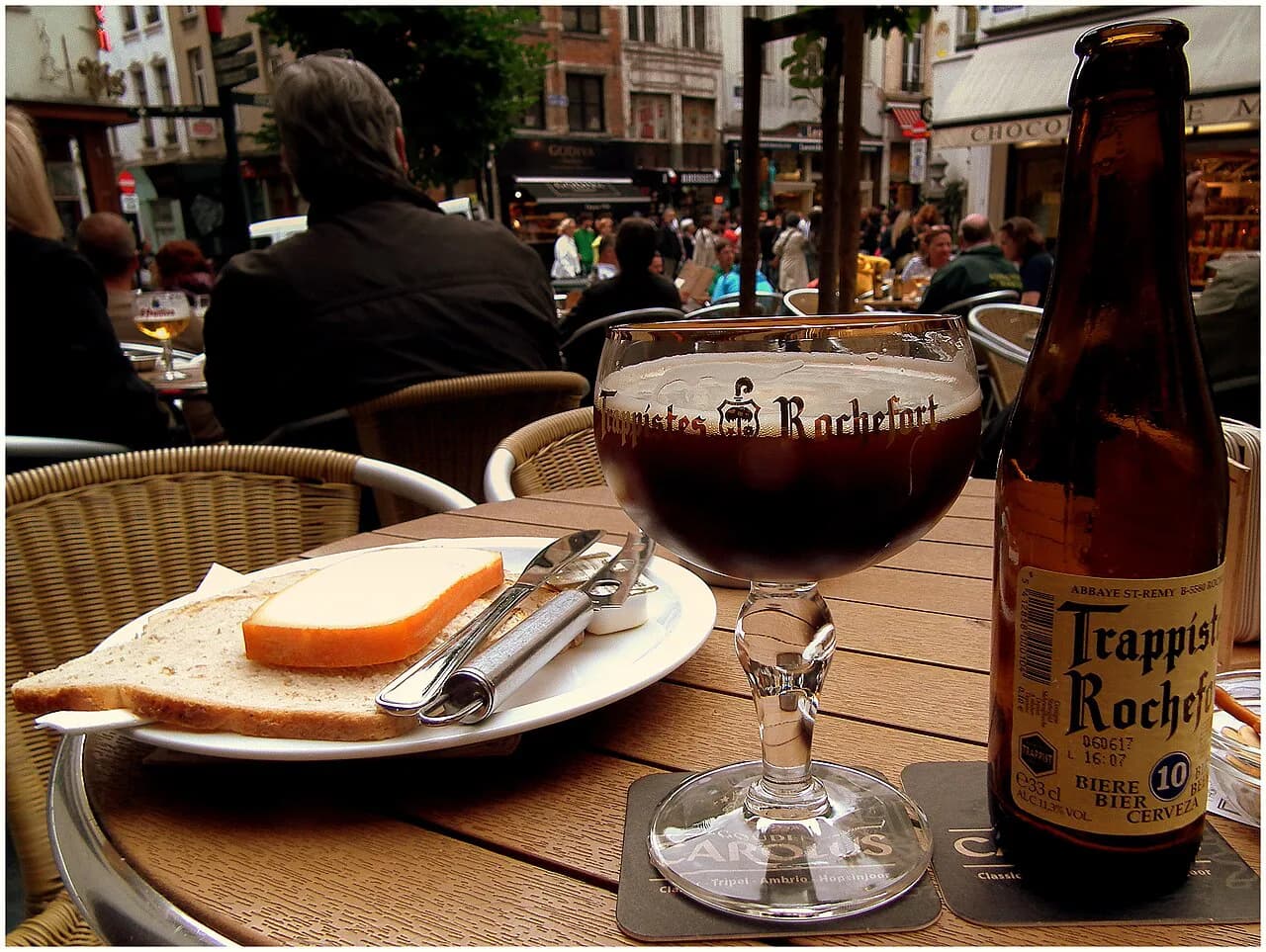
Trappist beer comes from monasteries where monks brew or supervise production, and only a small number of houses carry the label. Some Trappist houses have cafés or visitor areas where you can learn about the beer, while others, including St. Sixtus Abdij in Westvleteren, keep visitors away from the brewing itself. The rule is simple: never assume a Trappist brewery is open to the public, and check the abbey's own information before you plan a journey around it.
The most reliable Trappist stop for a short break is a café or visitor area attached to a monastery rather than the brewhouse itself, where you can drink the beer in sight of the monastery. These are respectful visits to working religious communities, so dress and behave accordingly.
If your goal is to see brewing equipment, book a city brewery such as De Halve Maan or Het Anker Brewery in Mechelen instead. Trappist visits are about context, tasting and the setting, not a walk through a brewhouse. Save them for a day when you have transport and time, and treat the beer as the reason for the journey rather than the tour.
Lambic and gueuze: spontaneous fermentation explained for visitors
Lambic is a beer made by leaving wort to cool in open air so wild yeast and bacteria settle into it, then fermenting and maturing it for at least a year. Gueuze is a blend of young and old lambic that undergoes a second fermentation in the bottle, giving it a dry, sparkling, sour character. Brasserie Cantillon in Anderlecht is the best-known producer to visit, with the Hop Culture brewery guide placing it among the country's leading breweries.
A lambic visit is more technical and less scripted than a city brewery tour. You see wooden barrels and blending tanks, and the beer is far drier and sharper than the blond and tripel styles you meet at De Halve Maan. That makes it a good stop for anyone curious about how sour beer is made, but a poor fit for travellers who want a polished guided experience with a rooftop view.
Brouwerij 3 Fonteinen is the other lambic name worth knowing, with a range of gueuze and kriek. It lies outside central Brussels, so it fits a Brussels-based day rather than a Bruges or Ghent city break. If you are staying in Bruges, the practical move is to taste lambic in a Bruges beer café and save the brewery visit for a trip that includes Brussels.
How to plan a brewery tour into a one- to four-day city break
With one day in Bruges, book the De Halve Maan classic tour for the morning, walk the Markt and the Burg afterwards, and spend the rest of the day at a beer café. That gives you one brewery, one historic square and one drinking experience without rushing. With two days, add a city museum such as the Groeningemuseum and a second beer café, and consider the XL tour if your visit falls on a weekend.
With three days, use Ghent as a second base and add a regional brewery such as Liefmans or a lambic tasting. With four days, you have room for a rural West Flanders brewery, a Trappist café and a relaxed city day. The key constraint is travel time: breweries outside the cities can take half a day each way, so do not stack two rural visits on consecutive days.
Leuven adds a fourth brewery option for anyone using the city as a base. The Stella Artois Brewery Tour in Leuven is the best-known visit in the city, and it works well as a stop between Brussels and Mechelen. For travellers who want a cluster of brewery visits without long drives, Leuven, Mechelen and Brussels form a tight triangle reachable by short train rides.
Booking, group sizes and timed slots
De Halve Maan caps its standard tours at 25 people and runs them in Dutch, French and English, which keeps the experience intimate but means popular slots fill quickly. The brewery lists the classic tour for adults, with children under six free and seven- to 15-year-olds at their own rate, and the XL tour per person. Book directly through the brewery's own site rather than through a reseller, so you get current pricing and any language options. The XL tour is weekend-only and runs in Dutch and English, so check the language before booking if you need a French-language tour.
Group and private tours can be arranged on request, with a choice of classic or XL format and a personal guide. That suits families or small groups of colleagues who want a fixed time and a private pace. For solo travellers or couples, the standard timed slot is the simplest option and leaves the rest of the day free.
For other breweries, book through the brewery or its official visitor centre rather than a tour aggregator, since a direct booking gives you the clearest information on what is included and what language the tour runs in. If a brewery has no published tour, do not assume one exists.
Beer styles to try on a first Belgian brewery tour
Start with a blond or tripel to understand the base beer, then move to a dubbel or quad for the darker, maltier side. Brugse Zot Blond and Straffe Hendrik Tripel at De Halve Maan are good introductions because they are poured unfiltered at the brewery. If you like sour beer, try a gueuze or kriek after the tour rather than before, since the acidity can overwhelm a palate new to lambic.
Belgian beer menus often organise by strength and colour rather than by brewery, so ask for a tasting flight if you want to compare styles. A tripel is typically strong and pale, a dubbel is darker and maltier, and a quad is the richest of the abbey styles. For a classic example of the strong blond style, try a Kwak beer, served in its distinctive glass, at a beer café rather than at a brewery.
If you are travelling with someone who does not drink beer, most brewery tours still work because the history and architecture carry the visit. At De Halve Maan the rooftop view is worth the climb on its own, and the classic tour includes a drink for the beer drinker. Save the specialised lambic and Trappist tastings for a second trip or for travellers who already know they enjoy sour and strong beers.
Which brewery tour should you book first?
For a first brewery tour in Belgium, book the De Halve Maan classic tour in Bruges: it is central, it publishes clear durations and inclusions, and it ends with a beer and a city view. If you have a weekend and enjoy tasting, upgrade to the XL tour for three beers and a longer session in the cellars.
Add a second brewery only if you have three or more days. Use Ghent for Liefmans, Leuven for the Stella Artois tour, or Mechelen for Het Anker, and keep rural lambic and Trappist visits for a trip that includes Brussels or a car. That way each brewery visit stays a highlight rather than a rushed stop between train stations.
Explore more Belgium guides
Frequently Asked Questions
Do you need to book brewery tours in Belgium in advance?
For De Halve Maan, booking ahead is sensible: tours are capped at 25 people and run in specific languages, so booking directly through the brewery is the safest way to secure a slot. For smaller breweries, check the brewery's own site before travelling, since some only open for pre-booked groups.
Can you visit Trappist breweries in Belgium?
Some Trappist houses have cafés or visitor areas where you can drink and learn about the beer, but the brewing areas are usually closed to the public. Check the individual abbey's information before planning a journey around a Trappist visit.
Which Belgian city is best for a brewery-focused city break?
Bruges is the easiest for a first trip because De Halve Maan is in the centre and the city is walkable. Ghent, Leuven and Mechelen suit travellers who want a second brewery or a more local beer scene.
Sources
Useful notes for your next trip
Optional updates to our guides.
You might also like
Continue reading
More guides you'll find useful