
Rodenbach Brewery: Flemish Red Ale, Oak Foeders and the Roeselare Visit
Plan a visit to Rodenbach Brewery in Roeselare: how its Flemish red ale is blended, the huge oak foeders in the cellar and the interactive tour launched in 2024.
On this page
Rodenbach Brewery is the Roeselare producer behind Flanders' best-known sour red ale, and the reason to go is the cellar: nearly 300 giant oak vats where the beer matures for up to two years. The brewery launched a brand-new visitor experience in October 2024, built around an interactive tour, so a working West Flanders brewery is now a stop worth planning. This guide covers the beer itself, the foeders, the family behind it and the practical question of whether Roeselare fits a short Belgian trip.
Where Rodenbach sits in Roeselare, West Flanders
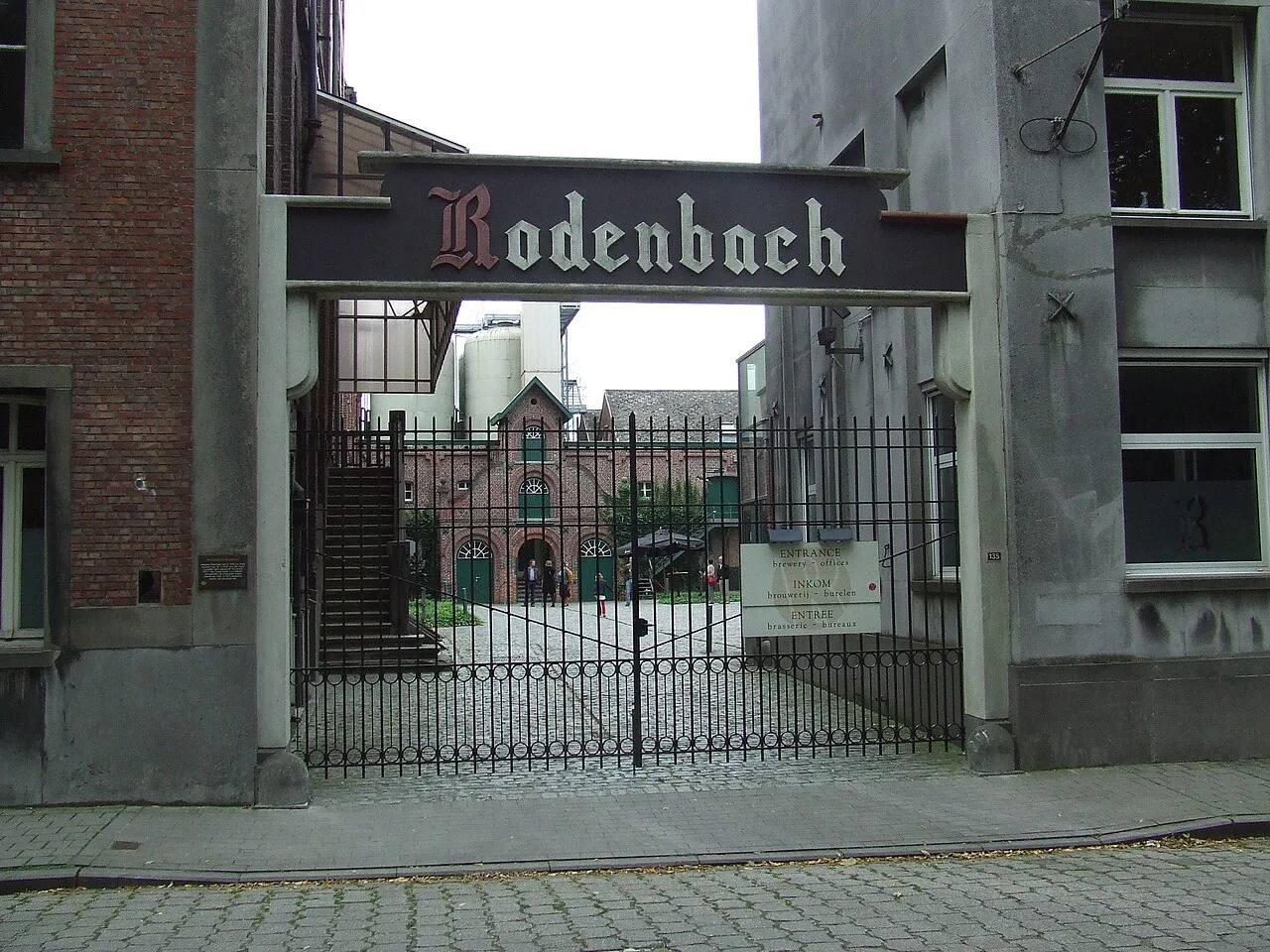
Rodenbach is a Belgian brewery in Roeselare, a town in West Flanders, and it is famous for its sour red ales. That makes it a different proposition from the big lager names: the visit is about a specific regional style rather than a national brand. Roeselare sits in inland Flanders, so plan it as a deliberate West Flanders stop rather than something you pass through between Bruges and Ghent.
If you are comparing Belgian brewery visits, Rodenbach is the sour, wood-aged counterpoint to the pale-ale traditions of Leuven, Antwerp and Mechelen. The brewing method here, with oak ageing and blending, is the reason the beer tastes nothing like a standard blond. Building a route around how each beer is made, rather than around brand names, gives a short brewery tours Belgium itinerary its logic.
Why Rodenbach beer is red-brown
Rodenbach beers start from a blend of pale and coloured malts, hopped with pelletised Poperinge hops that are a year or two old. Top fermentation with Rodenbach's mixed yeast culture is followed by about four weeks in horizontal tanks, and only then does the beer go into oak. The colour and the tang come largely from what happens in the wood.
Inside the vats, microorganisms living in the wood sour the beer and build a complex range of fruity esters. Rodenbach Grand Cru, the 6% version, shows what that does to a glass: a pungent grapey aroma, acidic notes close to sour red wine, a lively fruity palate and a sharp finish with little malt showing. Expect something closer to wine than to a sweet dark ale.
The cellar of oak foeders
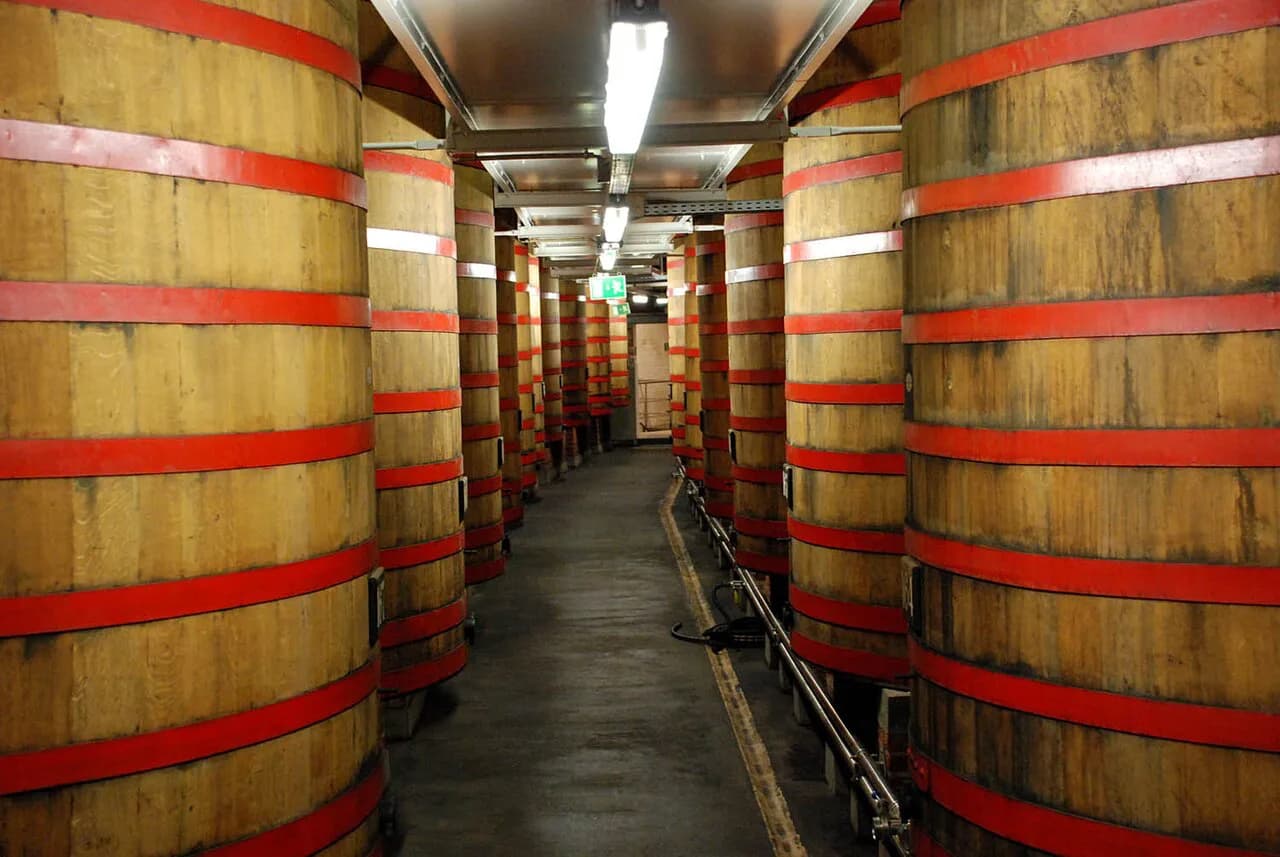
The centrepiece of the brewery is the cellar holding nearly 300 giant oak vats, known in Dutch as foeders, ranging in capacity from about 140 hectolitres to 650 hectolitres. Some of the vats are more than 150 years old. Beer rests in them for up to two years at around 15°C, which is where the sourness and the fruit character develop.
This is worth knowing before you book, because it tells you what the visit is really about. A tour built around a cellar of foeders is a lesson in wood ageing and patience, not a walk past shining steel. If you only have time for one brewery experience in Belgium, decide first whether that slower, sour story appeals.
Rodenbach Classic and Grand Cru compared
The two main products differ in how much young beer is blended with aged beer. Rodenbach Classic is a 5% ABV blend of young, unsoured beer with aged beer, weighted mostly to the young beer. Grand Cru is 6% ABV and made mostly from aged beer with a little young beer added, then lightly sweetened with sugar.
Tasting the pair side by side is the clearest way to understand the brewery's craft: Classic shows the fresh, sharp frame, while Grand Cru pushes the aged character forward. Doing that comparison before you arrive, from a bottle, makes the visit far more rewarding than walking in cold.
How the visitor experience works
The brewery launched a brand-new visitor experience in October 2024, built around an interactive tour. That interactive tour is the headline, so plan the rest of your Roeselare time around it; because the experience is new, descriptions of what earlier tours involved no longer apply.
Going in knowing the beer first, through the foeders and the blending, is what turns an hour indoors into something you remember. Compare Classic and Grand Cru at home before you travel and the tour becomes a confirmation of what you already tasted rather than a first introduction.
Palm Breweries, the new brewhouse and a working site
Rodenbach is now part of the Palm Breweries group, whose main production centre is at Steenhuffel. Palm has invested in the Roeselare premises, commissioning a new brewhouse and showcasing the foeder cellar. It also part-owns the Boon brewery at Lembeek, which specialises in another sour style.
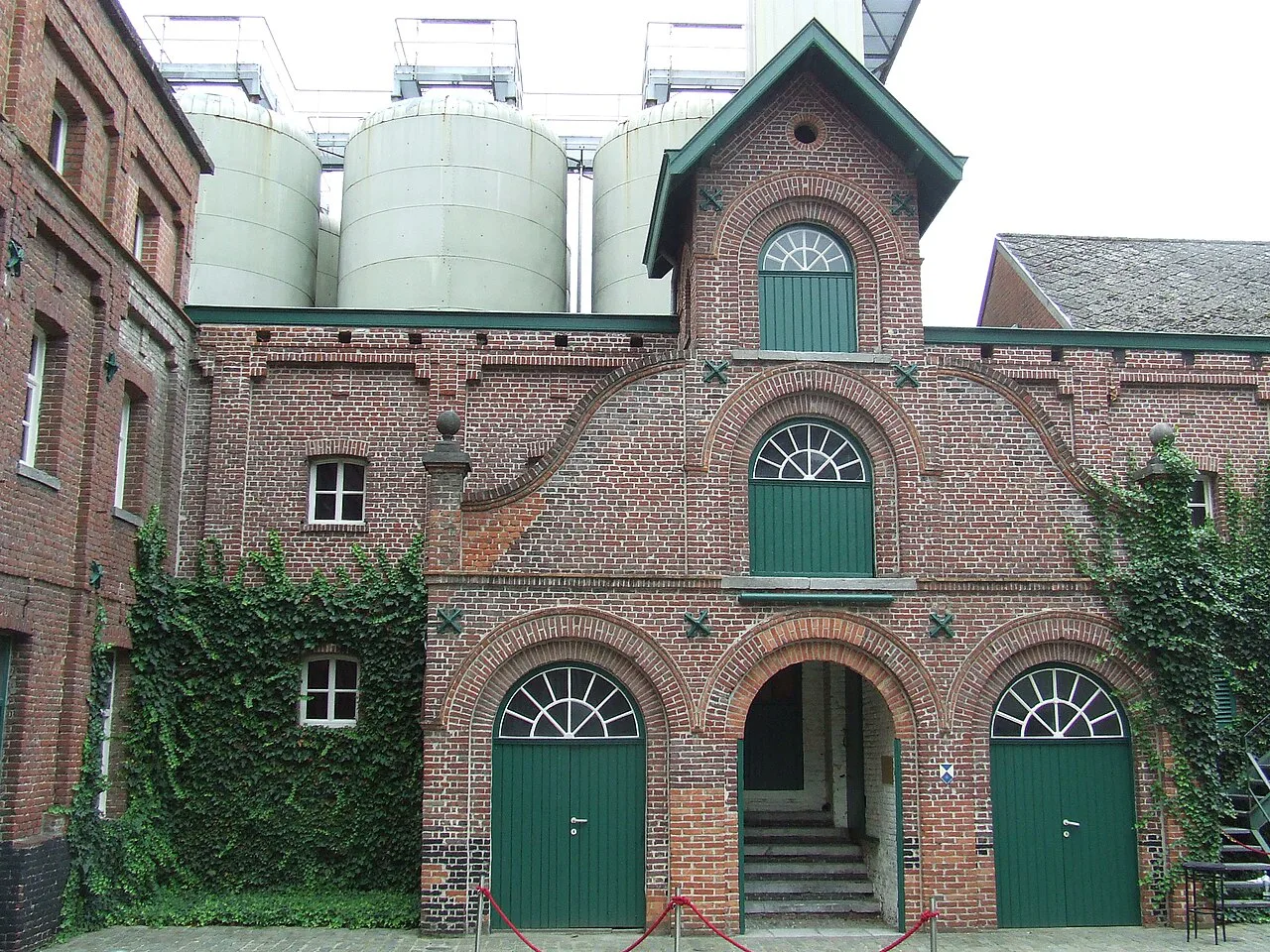
That matters for visitors because Rodenbach is a working brewery, not a museum set. The visit tells the story of a site that has been modernised while keeping its old wood at the centre. If you enjoy comparing how Belgian breweries balance heritage and new kit, this is a good place to see both in one building.
The Rodenbach family and Flemish brewing history
Ferdinand Rodenbach moved to Flanders from the German Rhineland in the mid-18th century, and his descendants became embedded in local commerce, politics and culture. Brewing began when Pedro Rodenbach took a partnership in a Roeselare brewery in 1821 and became owner in 1836. His grandson Eugene travelled to England to study porter-making and brought back ideas about acidification, wood ageing and blending that shaped the house style.
Keeping that story in mind changes how the beer tastes. The sour red style is a Flemish tradition built on trade, travel and blending rather than a single recipe. Roeselare is the place to hear it told.
Does Roeselare fit a short Belgian city break?
Roeselare is not one of the classic short-break cities, so be honest about the trade-off. A brewery visit is a strong half-day reason to go, but it works best as one stop on a wider West Flanders plan rather than the sole purpose of a one-day trip. If your base is Bruges or Ghent, treat Roeselare as a deliberate detour that needs its own slot in the itinerary.
A second brewery gives a short trip shape without adding much travel. Het Anker Brewery in Mechelen is an easy pairing with Antwerp and shows a very different house style. If you want a pale-ale contrast inside a single city, the De Koninck brewery in Antwerp covers that ground alongside its city's other sights.
For a third comparison, the Duvel Brewery in Puurs shows how a family name becomes a national beer. Combine one sour, wood-aged story with one strong blond story and the trip gains a clear arc.
Is Rodenbach worth the detour?
Go if you care how a beer is made, not just how it tastes. Rodenbach's cellar of nearly 300 oak foeders and its mixed-fermentation, blended red ale make it one of the most distinctive brewery visits in Belgium, and the interactive tour that opened in October 2024 gives that story a structured format.
Skip it if your trip is a tight city break in Bruges or Ghent and you would rather not spend a day on the road for one brewery. Book through Rodenbach, read up on Classic and Grand Cru beforehand, and check tour arrangements with the brewery before you travel.
Explore more Belgium guides
Sources
Useful notes for your next trip
Optional updates to our guides.
You might also like



Continue reading
More guides you'll find useful





