
Best Time to Visit Belgium for a City Break
The best months for a Belgian city break, with typical weather, crowds and what each season means for Bruges, Ghent, Antwerp, Leuven and Liège.
On this page
Late spring and early autumn are the best times to visit Belgium for a compact city break. The period from mid-May to mid-October is singled out as the most comfortable stretch of the year, with the worst cold falling in December and January. This guide sets out what each season means for Bruges, Ghent, Antwerp, Leuven, Liège, Namur, Ostend and Ypres on a trip of one to four days, weighing crowds and room rates against sunshine and daylight.
Belgium's climate is moderate rather than extreme, so no month is a write-off for a short break focused on sights and museums. What changes sharply is the balance: spring brings flowers and thinner crowds, summer brings the warmest days and the fullest terraces, and autumn trades heat for lower prices and quieter streets.
Which months suit a Belgian city break best
April, May, June, September and October give the strongest all-round conditions for a short city trip. Days are long enough to walk a historic centre twice over, temperatures suit spending hours outdoors, and the crowds that fill July and August have not yet arrived or have already thinned. A three-day break in May or September can comfortably cover one city in depth or two close together.
July and August are the busiest months and the most expensive, and they coincide with the long school holidays across Europe, so the main squares and canal quays are at their fullest. February and November are cheap and quiet but cold and often wet, which limits how much time you want to spend on foot. If your trip is built around museums and interiors rather than squares and canals, a deep-winter visit becomes far more workable.
Spring (March to May): mild days, blossom and thinner crowds
April is the turning point of the Belgian year: skies clear, humidity stays low and temperatures are comfortable for sightseeing. Flowers come into their own in the parks and countryside, and Ghent and Bruges look their best as the season fills in, before the weekend crowds that arrive with warmer weather. Choose May over April for reliability, since it carries most of the mildness with far less chance of a cold snap.
Which months suit a Belgian city break best. April, May, June, September and October give the strongest all-round conditions for a short city trip.
Spring (March to May): mild days, blossom and thinner crowds. April is the turning point of the Belgian year: skies clear, humidity stays low and temperatures are comfortable for sightseeing.
Summer (June to August): the warmest weather, long evenings and full streets. Summer is warm without the punishing heat of southern Europe, and it is the season when Belgian cities take to their terraces.
May brings some of the most pleasant weather in the whole country, with sunshine stretching across both Flanders and Wallonia and visitor numbers still well below summer levels. Read our guide to Belgium in May for what the month means for a short city break; outside the busy spells, the cities stay relaxed.
One spring spectacle justifies a trip on its own: the bluebell carpet of the Hallerbos, the beech forest south of Brussels, which draws day visitors from across the region. Pair it with a Ghent base rather than a long haul, since the forest rewards an early start before the coaches arrive.
Summer (June to August): the warmest weather, long evenings and full streets
Summer is warm without the punishing heat of southern Europe, and it is the season when Belgian cities take to their terraces. The trade-off is straightforward: this is peak season, hotel rates rise and the headline sights in Bruges and Ghent fill early in the day. Book the belfry climbs and the major museums for the morning and keep the afternoon for the quays and squares. See our Belgium in June guide for planning the early-summer window.
The summer heat rarely becomes unbearable, but rain showers can pass through at any point, so a flexible daily plan matters more than in spring. For an Ostend leg, July and August are when the coast is at its most appealing, with the town busy and the sea at its warmest. If you want Antwerp's Grote Markt and cathedral without the worst of the crush, aim for late June or the very start of July; our Belgium in July guide covers the trade-offs.
July and August carry the biggest crowds and prices of the year, particularly in the coastal towns, so a summer break rewards booking well ahead. The compensation is the longest evenings: daylight lasts late enough for an unhurried dinner after a full day of walking.
Autumn (September to November): softer light, fewer travellers and cheaper rooms
September and October are the connoisseur's months for a Belgian city break. The summer heat fades while temperatures remain pleasant, visitor numbers fall across the country, and hotels respond with lower rates than in high summer. This is when you can walk the quays of Ghent at a slow pace and find room on the terrace; see our best time to visit Ghent guide for the city in detail.
Autumn light flatters the old brick and stone of the Flemish centres, and the season suits a three-day break built around walking and museum time. September still carries a good chance of dry, bright days; October turns cooler, and the countryside shifts towards autumn colour. Both months keep enough daylight for a full day out without the midsummer crush.
November is the dampest and quietest of the autumn months, with frost possible and the first snow flurries in the higher Ardennes. It is a month for shorter days and more time indoors, best used for a museum-heavy stop in Antwerp or Leuven rather than a walking tour of several towns.
Winter (November to March): short days and cold snaps
Winter in Belgium is cold and often wet, with the coldest weather falling in December and January. The upside is that a short break in a single city becomes genuinely attractive: hotel rates drop, exhibitions and interiors are quiet, and a two-night trip to a city with strong museum collections can be planned at short notice. Daylight is short, though, and the outdoor squares and canal walks that make Bruges and Ghent so appealing lose much of their appeal in the rain.
How crowds and prices shift: the shoulder months compared
Room rates and visitor numbers track each other closely across the year, with summer at the top and the cold months at the bottom. The bookends of the high season, May to June and September to October, are where the best value collides with the best weather.
Spring also brings cheaper flights and train tickets than summer, and the same effect returns through September and October, when prices ease as the crowds thin. For a one-to-four-day break, the savings are large enough to fund a better-located hotel or a guided tour. Push too far either side of that band, though, and you start to gamble on the weather.
Shoulder months for Bruges, Ghent, Antwerp, Leuven, Liège, Namur, Ostend and Ypres
Bruges and Ghent are compact and walkable and reward spring and autumn most, when the squares are clear enough to enjoy at leisure. Antwerp and Leuven, with their large student and museum populations, hold up well in November and February when you want indoor culture rather than a square to linger in. Choose the month with the city and not the country: a difference of a fortnight can change the feel of a busy centre.
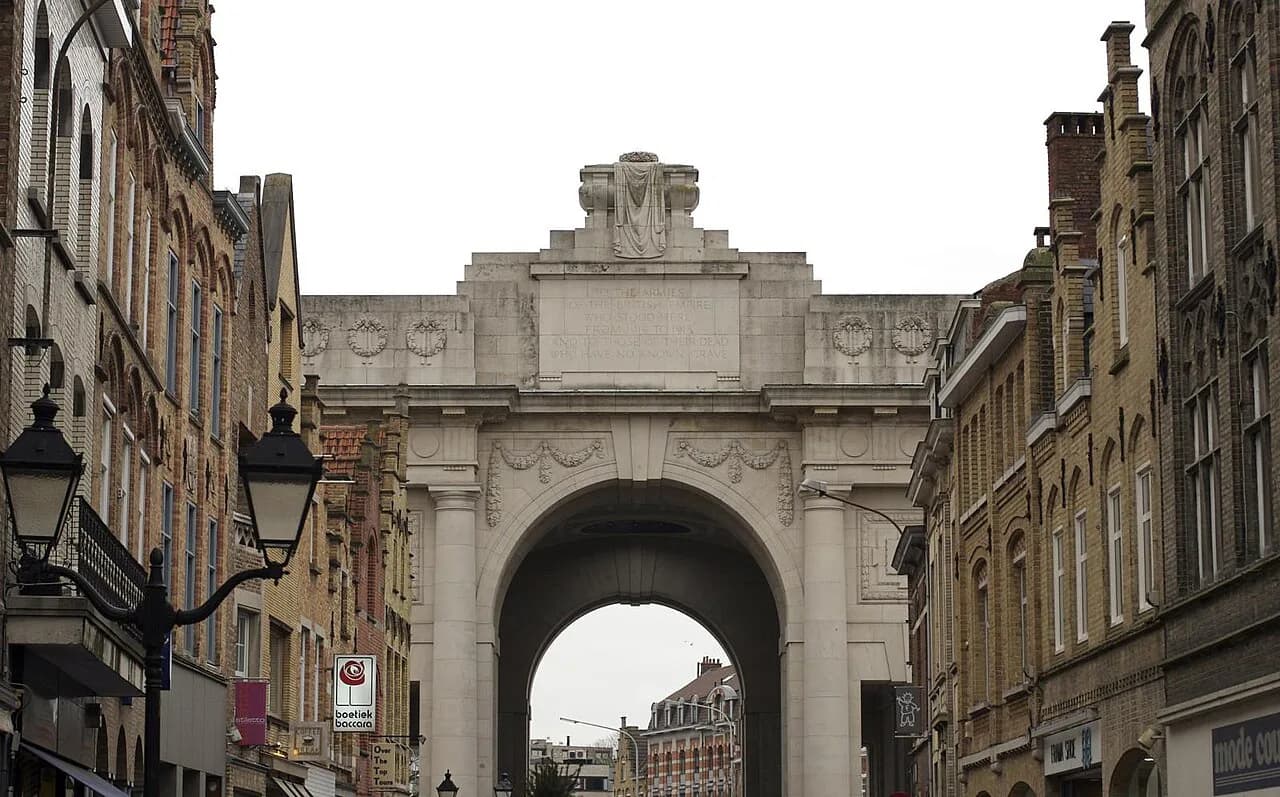
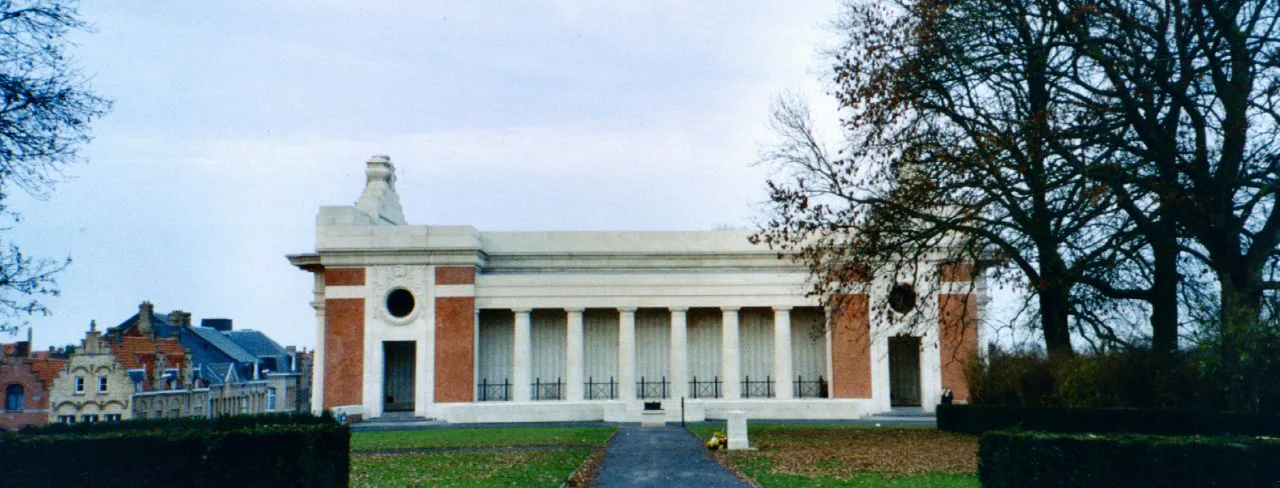
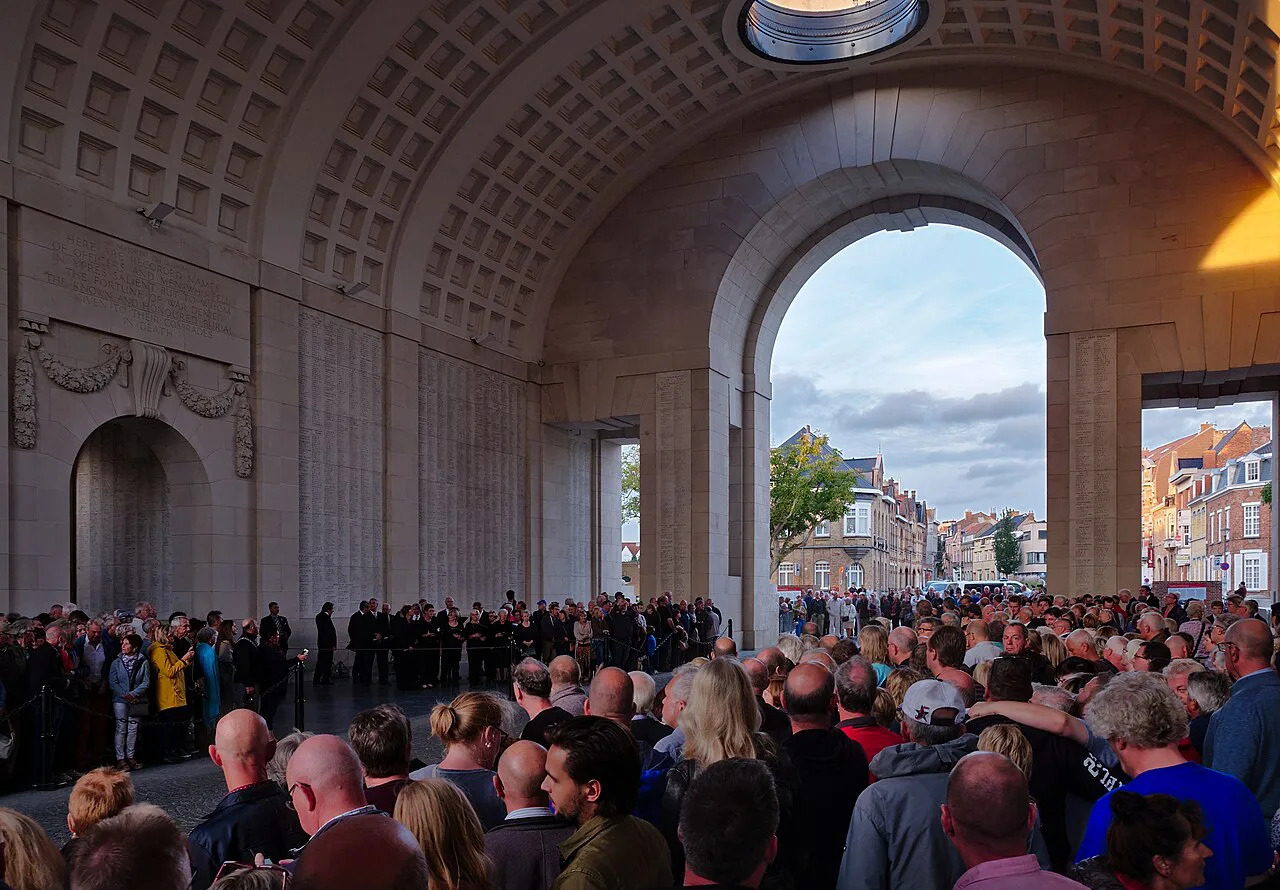
Liège and Namur lean towards the Ardennes, so autumn foliage and the clearer days of spring are the best complements to their river settings. Ostend is at its liveliest in July and August, but the town remains worth a stop outside that window for its seafront and its compact centre. Ypres, built around its war memorials and the Last Post ceremony at the Menin Gate, is a year-round pilgrimage, with spring and early autumn the most comfortable for walking between the sites.
What typical Belgian weather means for your daily plan
Treat the Belgian climate as mild and changeable rather than a set of distinct seasons. Expect rain to pass through in any month and build your day around that: museums and covered markets in the afternoon, squares and canals in the morning when the light is better. A waterproof layer and comfortable shoes are worth more than a heavy coat between May and September.
Daylight hours shape the plan as much as temperature. In late spring and summer, the long evenings let you spread two cities over four days without rushing; in November and December, you want a single base and a short list of sights within walking distance.
Weather or events: choosing a month by what you want to do
If your trip depends on being outdoors — the Belfry climb in Bruges, the Ghent quays, the Montagne de Bueren in Liège, Ostend's seafront — plan around the warm months and accept the crowds; our Belgium in August guide covers the peak. If it relies on interiors, a museum pass and short walks between them, the cold and quiet months suit equally well and cost less. Decide which of those two the trip is and the month follows.
Where both matter, the middle ground is September and May: settled enough for outdoor days, calm enough to keep queues short. Either month lets you put together a city break that mixes the Grote Markt, the Gravensteen and Sint-Baafskathedraal in Ghent or the Vleeshuis and cathedral in Antwerp without spending most of the day in line; our Belgium in September guide covers the autumn window.
Which month to book for your Belgian city break
For most travellers, book May, June or September: the weather is pleasant, the crowds are moderate and rates sit below the summer peak. Lean towards May for blossom and the Hallerbos, September for autumn light and lower prices, and July to early August only if a coastal stop in Ostend is central to the plan.
Keep current opening days, tower access and prices on the official tourism and museum sites as part of booking, and you can lock in a city break that fits the season rather than fighting it.
Explore more Belgium guides
Sources
Useful notes for your next trip
Optional updates to our guides.
You might also like



Continue reading
More guides you'll find useful





