
Belgium in July: Weather, Crowds and Where to Go
Belgium in July brings warm, mild summer days and long evenings. See typical temperatures, what the crowds are like and which cities suit a July city break.
On this page
Belgium in July gives you warm but rarely oppressive summer days and some of the latest daylight of the year, which makes it a strong month for a short city break. Expect a summer peak rather than a quiet month: June is the shoulder season that runs before the July and August rush. This guide covers typical July temperatures, the split between the coast and inland cities, and how Bruges, Ghent, Antwerp, Leuven, Liège, Namur, Ostend and Ypres each fit one to four days in midsummer.
What July weather in Belgium is typically like
Belgium's warmest months run from June to August, and summer days are generally warm without becoming too hot. In July the weather tends to be settled enough for long days outdoors, but showers are a normal part of a Belgian summer and a light waterproof earns its place in your bag. Treat any figure you see as a climate average rather than a forecast, and check a short-range forecast in the week before you travel.
In Brussels, the reference point for inland Belgium, June sees an average high of about 20°C with lows around 12°C, and July runs warmer still. For a city break that means mornings that start cool and comfortable, afternoons when a T-shirt is enough, and evenings that stay pleasant well after dinner. Buildings, churches and belfries give shade in the middle of the day, so plan indoor visits for the warmest hours.
Belgium's climate divides broadly into three zones, with a maritime climate along the coast, a more continental feel inland and cooler highland conditions in the Ardennes. That geography matters more than any single number: the same July day can feel breezy and fresh on the North Sea coast and properly warm in Ghent or Leuven. Pack layers rather than a single summer wardrobe.
How warm the coast and inland cities feel compared with each other
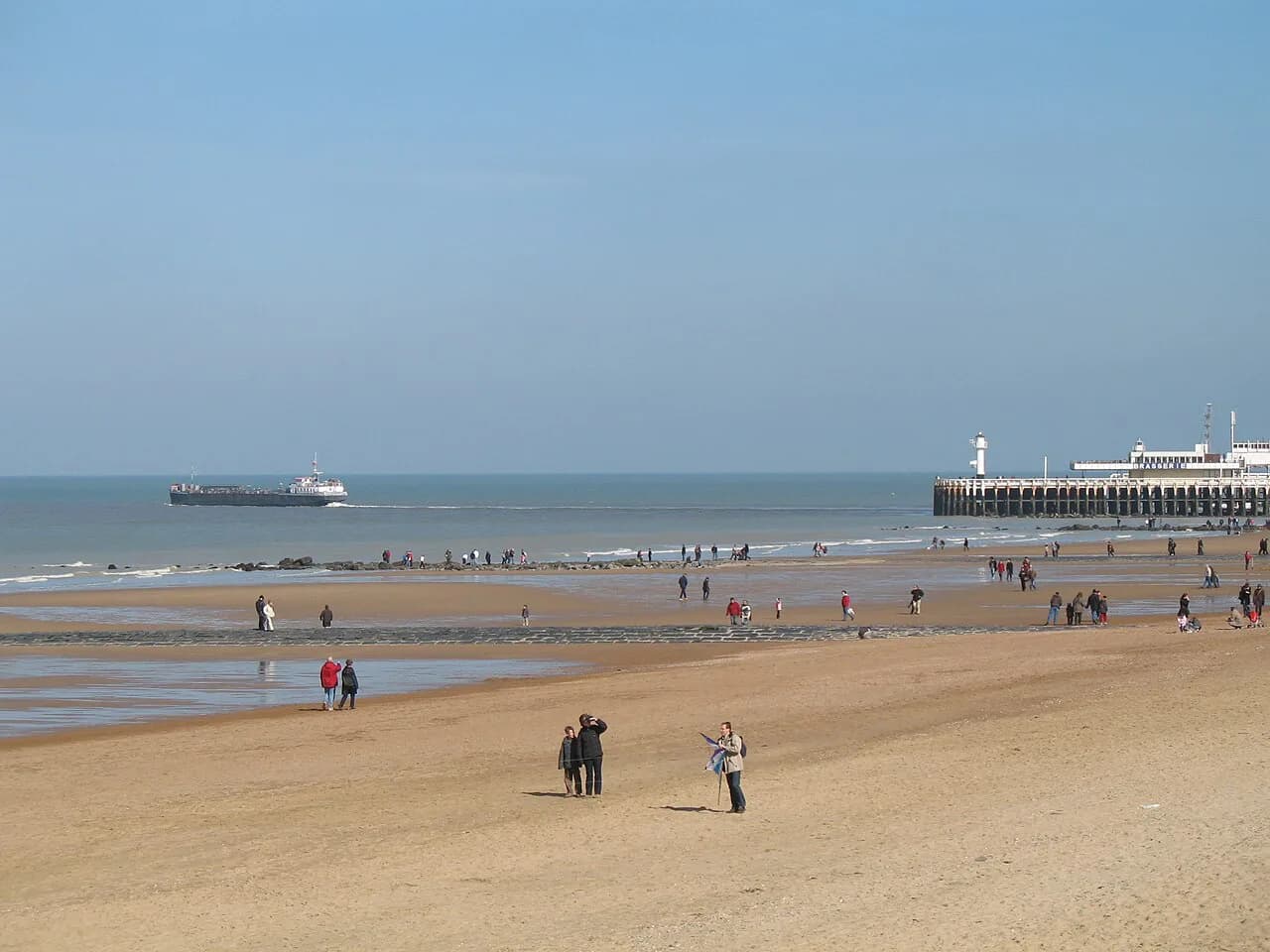
Coastal Flanders, including Bruges and Ostend, has a maritime climate that tempers extremes of heat and cold. In July that usually means the coast feels milder than inland Flanders: fewer sticky afternoons, but a sea breeze that can make the quays of Ostend and the canals of Bruges feel cooler than you expected. A jacket for the evening is a sensible addition to any coastal plan.
What July weather in Belgium is typically like. Belgium's warmest months run from June to August, and summer days are generally warm without becoming too hot.
How warm the coast and inland cities feel compared with each other. Coastal Flanders, including Bruges and Ostend, has a maritime climate that tempers extremes of heat and cold.
Crowds and prices: why July sits in the summer peak. June is the shoulder season before the summer rush, and July and August are the peak that follow it.
Brussels and the inland cities sit further from the moderating sea, giving them more of a continental pattern of warmer summers and colder winters. Ghent, Antwerp, Leuven and Liège therefore tend to deliver the classic Belgian summer city-break feel: warm squares, café terraces and shaded church interiors. The Ardennes, in the south, stay cooler again, though the forest trails there are a longer trip than a one to four day city break needs.
Crowds and prices: why July sits in the summer peak
June is the shoulder season before the summer rush, and July and August are the peak that follow it. That trade-off shapes a July trip: you get warmer days and a full festival calendar, but you share the main squares and museums with more travellers than in late spring or early autumn. June offers thinner crowds and easier availability, so weigh warmth and atmosphere against that extra bustle.
Because July is peak season, transport, accommodation and restaurants are busier and less flexible than in June. Book the elements that fix your day, such as a timed slot at a major sight, before you arrive, then keep the rest of the itinerary loose. If your dates are flexible and crowds bother you, late June or September will usually suit you better than the middle of July.
For the wider seasonal picture, our guide to the best time to visit Belgium sets July against the other months so you can judge whether warmth or quiet matters more to you.
How long the evenings run and what that means for a one to four day break
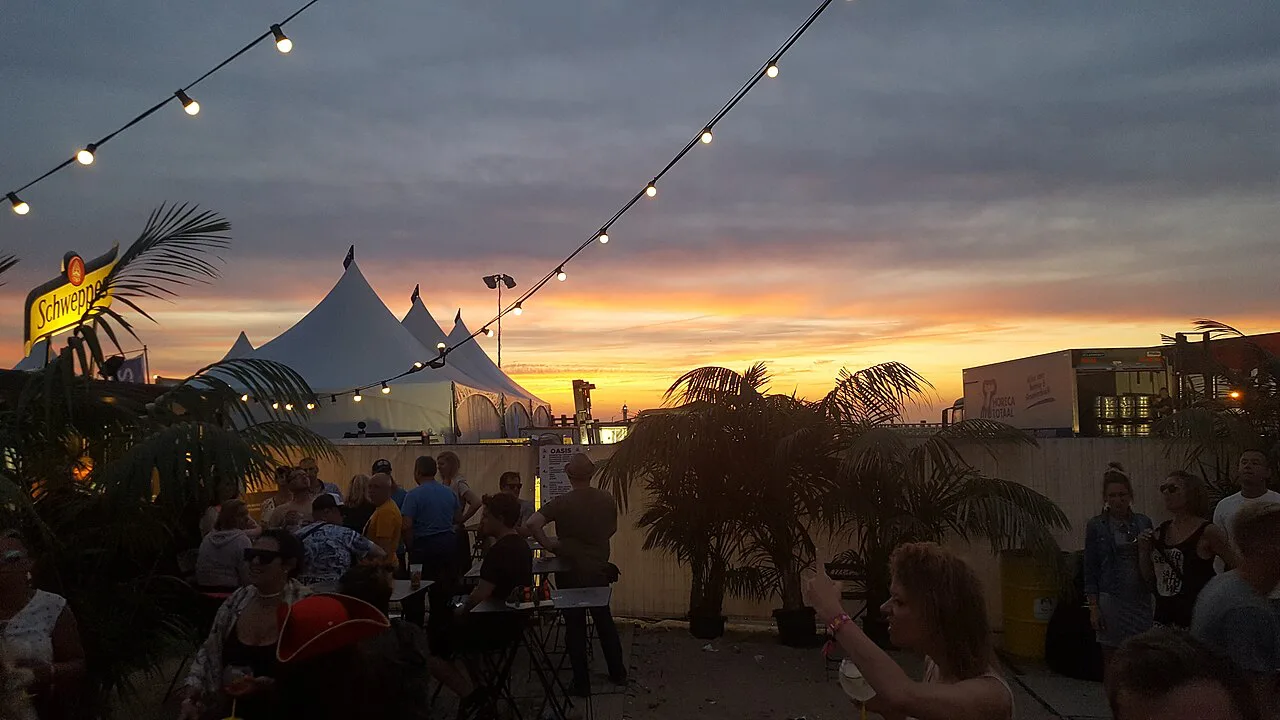
July brings some of the longest evenings of the Belgian year, with daylight stretching well past dinner. Use that light deliberately: save the walking parts of your day, the canals, squares and quays, for after the museums close and you will fit far more into a two or three day trip. A late evening stroll along the Graslei and Korenlei in Ghent or Antwerp's Grote Markt costs nothing and shows the city at its best. For how the same cities feel in a cooler, quieter month, see our guide to Belgium in June.
The other benefit of a July evening is that terraces stay busy and the centre stays lively, so a day that starts with a belfry climb and ends with a beer can run late without rushing. Plan your one indoor anchor for the morning, when it is cooler and quieter, and let the afternoon and evening unfold outside.
Bruges (Brugge) in July
Bruges is at its most photogenic in July: the canal ring reflects a blue sky and the gardens around the begijnhof are in full leaf. It is also one of the busiest months in the historic centre, so the difference between a good day and a frustrating one is timing. Start at the Markt and Belfort before the day-trippers arrive, then move to the quieter canals and the Groeningemuseum when the crowds build.
Two days is a realistic allowance for Bruges in July: one for the Markt, Burg and canals, and one for the museums and a slow walk along the quieter waterways. If your plans could shift, our guide to Belgium in April shows how the same city behaves in a calmer season.
In Bruges the Markt and the Burg are the heart of the city, with the Belfort tower rising over the square. In July the tower is popular, so decide early whether it is on your list and build the rest of the morning around it.
Ghent (Gent) in July
Ghent handles July better than Bruges because it is a working university city as well as a historic one, and its sights spread across a larger centre. The classic evening walk runs from the Graslei and Korenlei quays to Sint-Baafskathedraal, taking in the Gravensteen castle on the way. Two days lets you see the cathedral, the castle and the medieval core without hurrying.
In July the quays fill with people sitting by the water, and the long light makes the walk from the Graslei and Korenlei to the castle a pleasure after dinner. If you prefer cooler streets and more space on the bridges, June in Ghent is noticeably quieter; our guide to Belgium in June covers what that month is like.
Antwerp (Antwerpen) in July
Antwerp needs less time in the open than the smaller cities, which makes it a comfortable July choice: the Grote Markt, the cathedral and the Vleeshuis sit close together, and the covered spaces of the old town give shade when the sun is high. One full day covers the historic centre; two days add a slower walk along the river.
The Grote Markt and its guildhouses are the obvious first stop, and the surrounding streets of the old centre reward an unhurried loop. In a heatwave Antwerp's scale and shade make it easier than a compact canal city to keep going through the afternoon.
Leuven (Louvain) and Liège (Luik) in July
Leuven is a small, lively university city with a compact centre, and July is when the students thin out and the terraces come into their own. Half a day covers the core, so treat Leuven as an addition to a Brussels-based trip rather than a destination in its own right.
Liège is bigger and grittier, with a strong Walloon identity, and it rewards a full day and a night. The Montagne de Bueren staircase is the headline climb, best attempted early before the sun is high. Pair it with the medieval core and you have a solid one-day July plan.
Ostend (Oostende), Namur (Namen) and Ypres (Ieper) in July
Ostend is the coastal option, and its maritime climate can be a relief in a hot July, with a breeze off the North Sea and a promenade that stays comfortable when inland cities feel sticky. It is a town to wander rather than a resort to bake on, and a day covers the seafront and the centre.
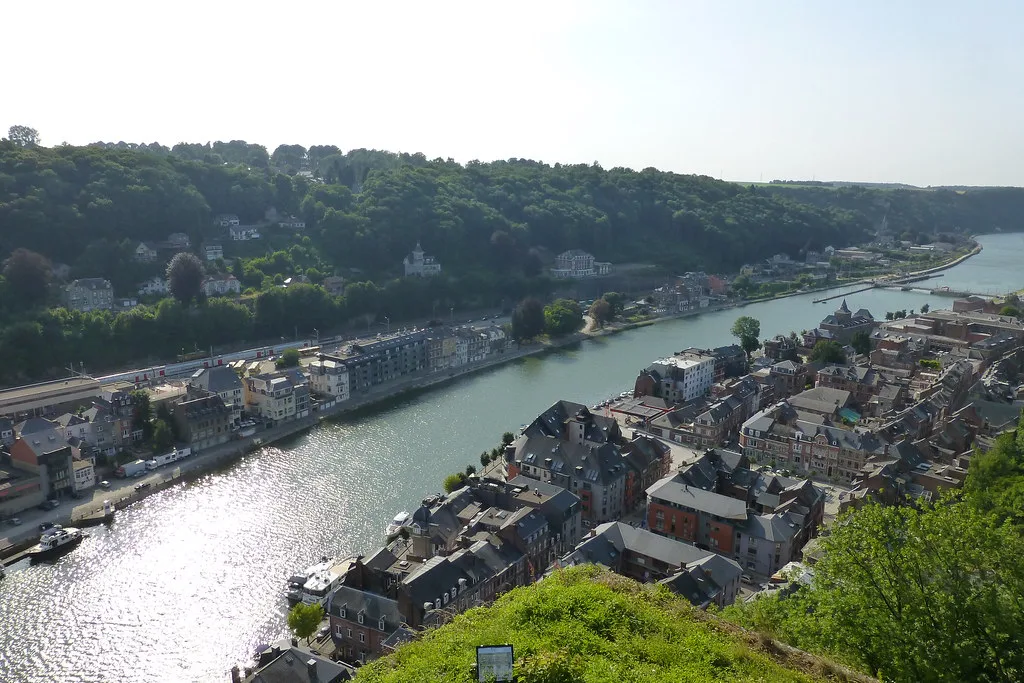
Namur, at the confluence of the Sambre and the Meuse, offers July walking on the Citadelle de Namur with river views from the top. A full day covers the citadel and the old town at a relaxed pace. Ypres is the fourth option and a different kind of July visit: the rebuilt Lakenhalle (Cloth Hall) and the Menin Gate (Menenpoort) are the core of a day that is about remembrance rather than summer crowds.
Which Belgian city suits a short July break
For a first July visit, Ghent and Bruges make a strong pairing, with Ghent as the base for its livelier streets and Bruges for the canals, and both fit comfortably into three days. If you want one city only, Ghent gives you the belfry, the castle and the cathedral without the day-trip crush that builds in Bruges by late morning.
Antwerp suits travellers who want a bigger city with more shade and a touch of edge. Leuven fits a half-day stop, Liège needs a full day for the Montagne de Bueren, and Ostend is the pick if the heat is your main concern. Ypres suits anyone on a First World War-focused trip, and July's long light changes the mood of an evening in the rebuilt centre around the Lakenhalle (Cloth Hall) and the Menin Gate (Menenpoort).
How to shape a one, two or three day July itinerary
One day: choose one city and commit to it. In Ghent that means the Graslei and Korenlei quays, Sint-Baafskathedraal and the Gravensteen in a single loop, with a long evening on the water. In Bruges it means the Markt and Belfort early, then the canals and a museum in the warmest part of the afternoon.
Two days: pair a bigger city with a smaller one, such as Ghent and Bruges, or Antwerp with Leuven. Three days: add a coastal day or a second city, and keep the final afternoon free for the parts of the trip that need no booking, like the quays and the squares.
What to pack for warm days and summer showers
Pack for two weathers at once. July days in inland Belgium are warm enough for light clothes, while a Belgian summer regularly delivers a shower, so a compact waterproof and a second pair of shoes are worth the space. The coast is milder and breezier, so add a light layer there even if the inland forecast looks hot.
For long evenings outdoors, a small day bag with water and sun protection covers the walking stretches. Because July is peak season, book your main indoor sight ahead and keep your days flexible around the weather.
Which city to book for July
July is the month to choose warmth and atmosphere over quiet: the evenings are long, the cities are lively and the trade-off is company in the main squares. Ghent is the best single base for a first July break, Bruges is the classic canal day, and Antwerp, Leuven, Liège, Ostend, Namur and Ypres each slot in as a second stop.
If your dates are fixed in midsummer, book your indoor sight ahead and leave the afternoons and evenings for the quays and squares. If not, our guide to Belgium in April shows how the same cities behave outside the peak, and the best time to visit Belgium guide sets July against the other months.
Explore more Belgium guides
Sources
Useful notes for your next trip
Optional updates to our guides.
You might also like



Continue reading
More guides you'll find useful




