Belgium in June: Weather, Crowds and Which Cities to Visit
Belgium in June brings typical daytime highs near 21°C in Brussels and a busy summer season. Here is what that means for city breaks in Bruges and Ghent.
On this page
June is a good month for a Belgian city break: Brussels typically reaches about 21°C by day and falls to around 12°C at night, which suits long days of walking between squares, canals and belfries. Rain remains part of the picture, so plan a mix of outdoor sightseeing and indoor stops rather than betting the whole trip on sunshine. This guide sorts the eight main non-Brussels cities by what June does to each, then gives a plain view on how many days to allow.
The trade-off is cost and company. Summer is peak season across Belgium, when transport, food and accommodation all climb and the famous centres fill up, so the same three days cost more in June than in a shoulder month. Knowing that up front lets you choose where the crowds actually bite: the Markt in Bruges and the Graslei and Korenlei in Ghent feel very different on a busy Saturday than on a weekday morning. For how the season develops afterwards, Belgium in July shows the deepening of summer crowds.
What the weather in Belgium is like in June
Belgian summer as a whole runs roughly from 16°C to 25°C with regular rain, and June sits at the cooler, fresher end of that band. The Brussels average of about 21°C daytime and 12°C at night is the figure to plan around: warm enough for a terrace, cool enough that a light jacket earns its place on an evening walk. The UV index is moderate in June, so sun protection still belongs in the bag.
Treat these as typical climate averages rather than a forecast for your dates, and expect the coast and the Ardennes to feel different from the cities. June also brings the year's longest evenings, which changes how a day works: you can see a belfry in the morning, a museum after lunch and still have daylight for a canal-side walk after dinner. For how June compares with spring and autumn, the best time to visit Belgium overview sets out the seasons side by side.
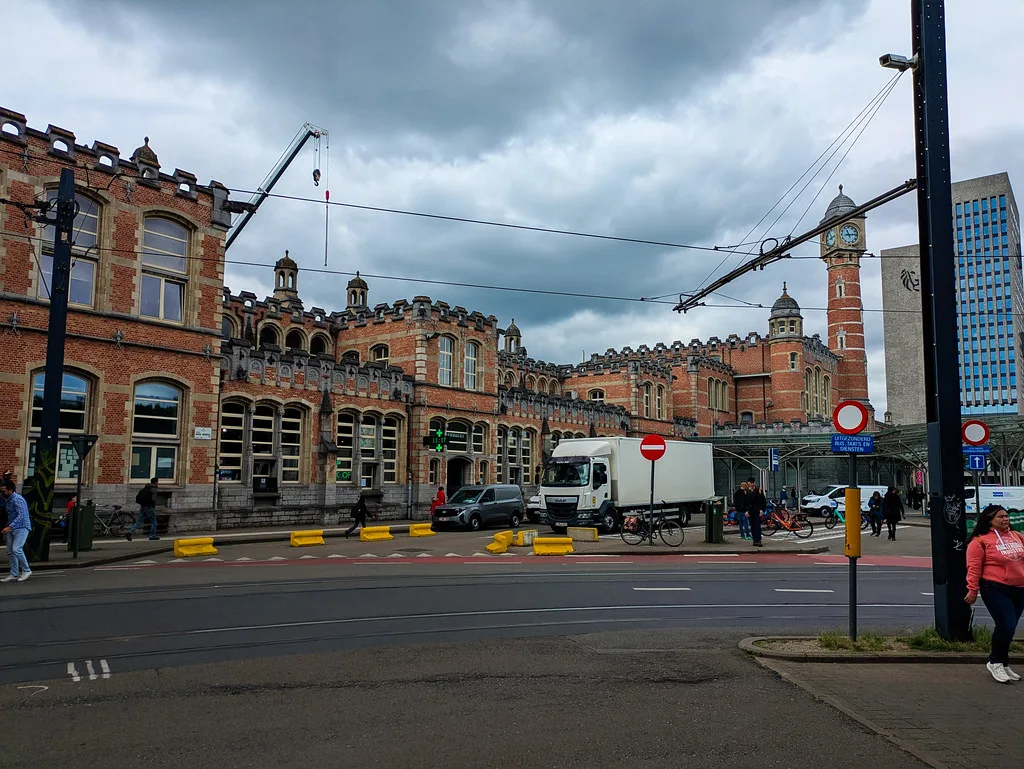
Typical June temperatures in Brussels and how they shape a day
A typical June day in Brussels runs from a cool, roughly 12°C night and early morning to a comfortable low-twenties afternoon. In practice that means starting outdoors while the air is fresh and the streets are quiet, then moving inside for the warmest hours and coming back out for the evening. The pattern works well in any Belgian city, because the main sights are close together and you rarely need to commit to a full day outside.
Which is nicer, Bruges or Brussels? For a short city break in June, Bruges is the more rewarding choice: its medieval core, Markt, Belfort and canals pack a great deal into a small, walkable centre. Brussels works best as a transport hub and comparison point on the way to the Flemish cities.
What is the cheapest month to fly to Belgium? June is peak season, when transport and accommodation cost more, so a shoulder month such as April or September usually gives better value. Compare fares across several months before booking, and remember that midweek flights are typically cheaper than weekend ones.
How many days do you need in Belgium? Three to four days covers two cities well: two nights in Ghent and two in Bruges, for example, with a train between them. A week lets you add Antwerp and a day in Ypres without rushing, which suits June's long evenings.
The other variable is rain. Build slack into the plan: pick one museum as a wet-weather anchor each day and keep the rest flexible. If you are weighing spring against summer, Belgium in April has similar unpredictability but cooler air and lighter crowds.
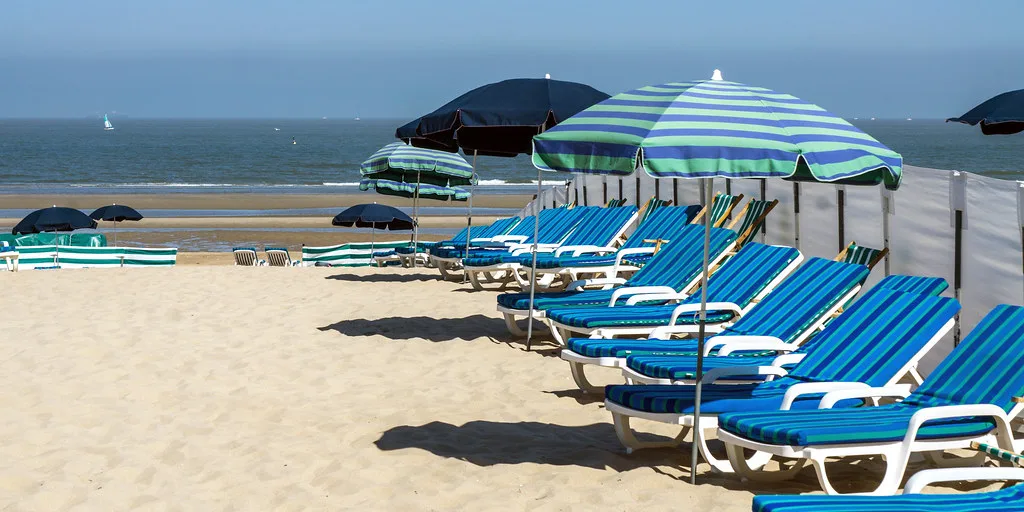
Why June is a busy, expensive month for Belgian city breaks
Summer is the season when Belgium gets crowded and prices rise across food, rentals, travel and accommodation. Booking beds and any timed museum or tower slots early matters more in June than in spring, and midweek stays are noticeably calmer than weekends in Bruges and Ghent. The cost picture is the main argument for shifting a trip to a shoulder month if your dates are flexible.
Crowds concentrate in a handful of places rather than spreading evenly: the Markt in Bruges, the area around the Belfort, and the Graslei and Korenlei in Ghent carry most of the pressure. Start those at opening time and you get a very different experience from arriving at midday. For a wider comparison of seasons and what each does to prices and queues, the best time to visit Belgium for a city break guide is the place to start, and Belgium in October shows how the crowds thin later in the year.
Bruges (Brugge) and Ghent (Gent) in June
Bruges is the city where June crowds matter most. The Markt and the Belfort draw the biggest numbers, and the compact centre means the pressure is concentrated; early mornings and evenings give you the squares at their best. The reward for the company is a medieval core that looks its finest in long summer light, with canal views that need no filter.
Ghent absorbs June far more comfortably because it is a working city with a large student population, so the centre does not empty out or fill up so sharply. The Graslei and Korenlei quays are the obvious evening draw, and the view of the belfry and Sint-Baafskathedraal gives you the classic skyline without Bruges-level queues. If you only have time for one, Ghent gives more breathing room in summer; Bruges gives the more concentrated fairy-tale setting.
Antwerp (Antwerpen) and Leuven (Louvain) in June
Antwerp is the easiest of the big-name cities to visit in June, because its scale spreads visitors across a wide Grote Markt, a long shopping axis and a riverside district rather than funnelling everyone into a few lanes. The cathedral quarter and the old docks give you alternatives when the centre is busy. It is also a natural base for a short break, with more beds and transport options than the smaller cities.
Leuven is a compact university town where June brings students finishing term and a lively feel around the Grote Markt and the old university buildings. It needs less time than Antwerp or Bruges, which makes it a sensible half-day or one-night stop between other cities rather than a destination in its own right. The trade-off is limited big-ticket sights: you come for the atmosphere and the architecture, not for a packed museum list.
Liège (Luik), Namur and Ostend (Oostende) in June
Liège is the grittiest of the eight and the least polished for tourists, which also means June crowds are lighter and prices more forgiving. The Montagne de Bueren staircase is the signature climb, best done in the cooler morning, and the wide Meuse valley gives the city an openness the Flemish centres lack. It suits travellers who want a real city rather than a preserved one.
Namur rewards June with its Citadelle de Namur, a fortress site above the confluence of the Sambre and Meuse where the views and outdoor space are the point. Warm, dry weather turns it into a proper half-day walk; rain makes it a shorter stop. Ostend is the outlier: a working coastal town with sea air and a breezier climate than inland Belgium, and the North Sea coast is busiest here in high summer. For the same stretch of coast later in the season, Belgium in July and Belgium in August show how the seaside towns fill up.
Ypres (Ieper) in June
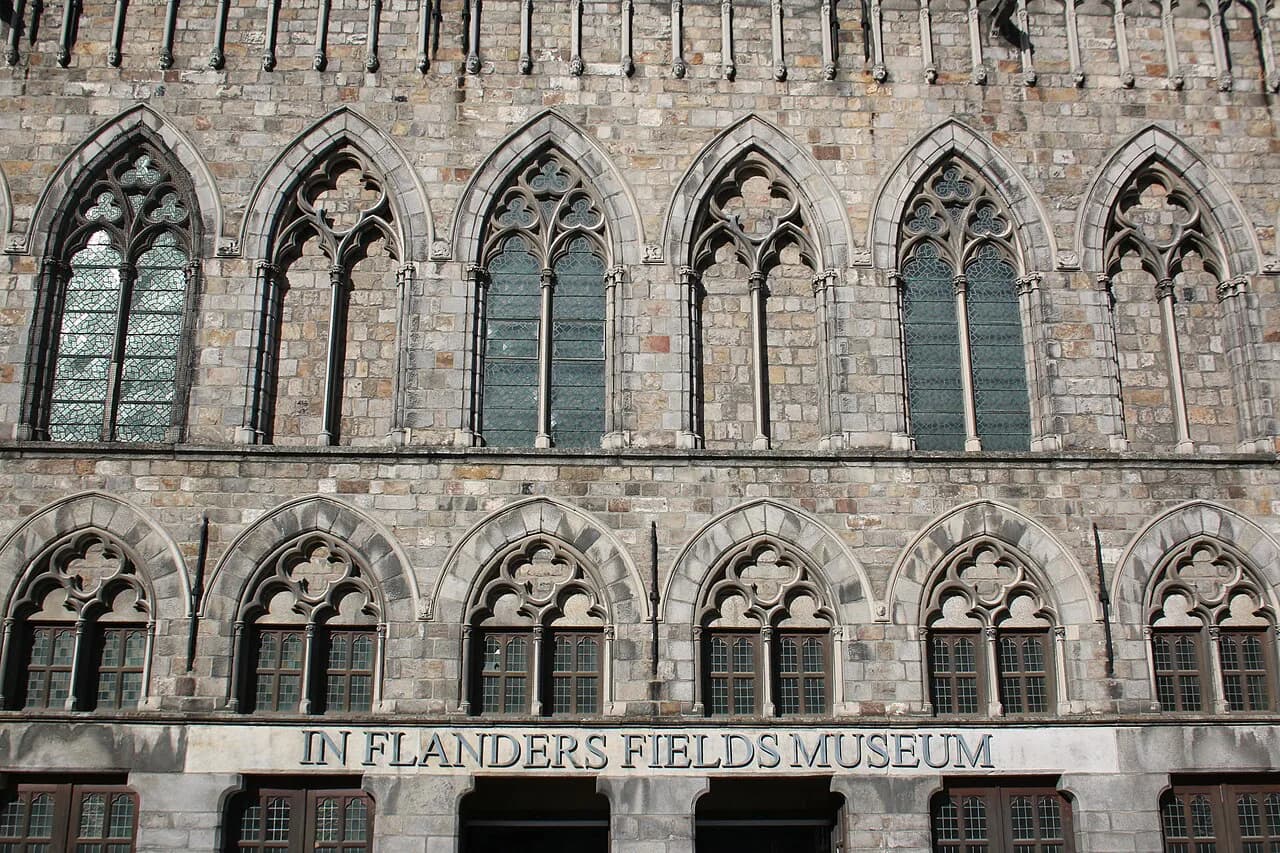
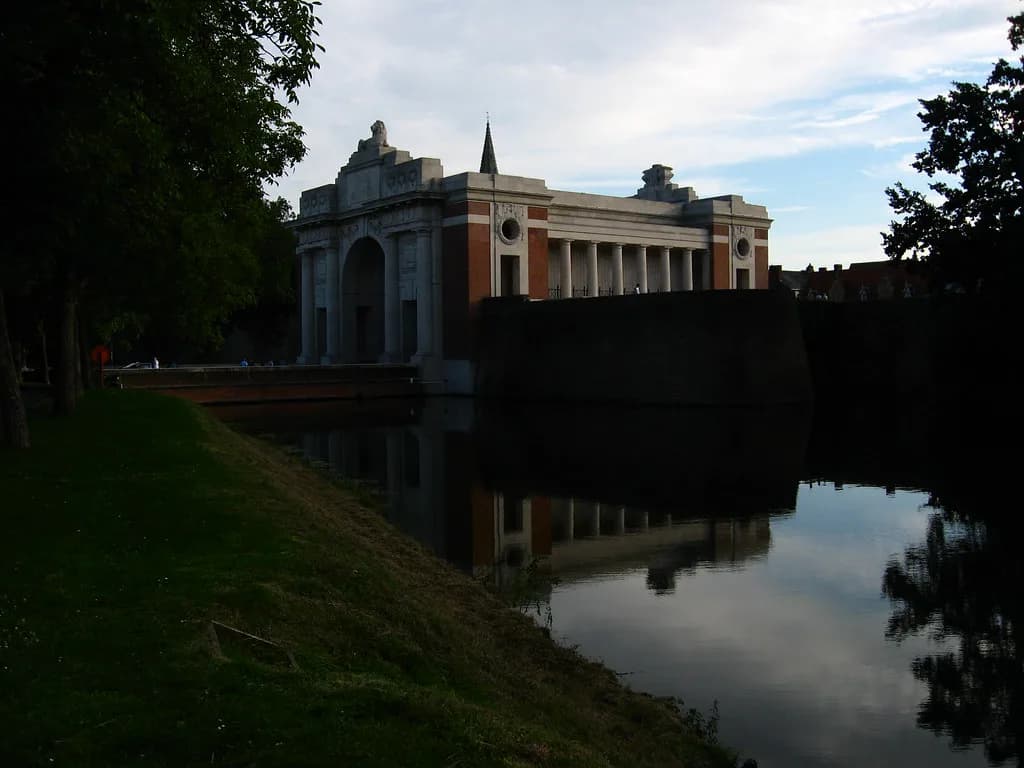
Ypres is the most moving of the eight and June's long daylight helps: the Menin Gate (Menenpoort) and the Lakenhalle (Cloth Hall) sit close together in a rebuilt centre that is easy to cover on foot. The war cemeteries and memorials around the town deserve unhurried time, and a warm, dry day makes the surrounding flat countryside easier to visit. It is a one-day city for most visitors, best combined with a night in town so the evening is not rushed.
How many days to give a Belgian city in June
Two nights is the right allowance for Bruges or Ghent if you want the squares at quiet hours as well as a museum or two. Antwerp justifies two to three nights because its districts are spread out, while Leuven, Namur and Ypres work as one full day each. Liège and Ostend sit in between at one to two days depending on how much you want to walk.
June's long evenings effectively add half a day to every stop, so resist the urge to add a fourth city. Two cities with two nights each beat four cities with one, and the slower pace lets you dodge the worst of the summer crowds. If you are building a longer trip, compare the shoulder months before fixing dates, as Belgium in September keeps much of the light with fewer visitors.
Rain and daylight: how to plan around a June day
Belgian rain in June tends to come as showers, so the useful habit is to pair each outdoor plan with an indoor neighbour. In Bruges that means the Belfort and the surrounding lanes; in Ghent, the belfry and Sint-Baafskathedraal are minutes apart, so a downpour costs you little. Carry a light waterproof rather than an umbrella for the wind, and wear shoes that cope with cobbles when wet.
Daylight is the real gift of June. Belgium sees some of its longest days this month, so you can shift the big outdoor sights to the end of the day and use the middle hours for museums, which are quieter then. Save the early morning for the squares and canals, when the light is soft and the tour groups have not arrived. If you are weighing a spring visit instead, Belgium in May offers similar daylight with cooler air.
Which Belgian city should you book for June?
Book Ghent for the best balance of June weather, atmosphere and manageable crowds, or Bruges if the medieval centre is the priority and you will start early. Antwerp suits a longer break with more variety, while Leuven, Namur and Ypres each fill a single day well. Keep Liège for a grittier city and Ostend for sea air.
Whichever you choose, fix your dates around midweek if you can, book beds and any timed tower or museum slots ahead, and leave one indoor option per day. That is the whole June strategy: use the long light, expect a shower, and do not overfill the itinerary.
Explore more Belgium guides
Frequently Asked Questions
Which is nicer, Bruges or Brussels?
For a short city break in June, Bruges is the more rewarding choice: its medieval core, Markt, Belfort and canals pack a great deal into a small, walkable centre. Brussels works best as a transport hub and comparison point on the way to the Flemish cities.
What is the cheapest month to fly to Belgium?
June is peak season, when transport and accommodation cost more, so a shoulder month such as April or September usually gives better value. Compare fares across several months before booking, and remember that midweek flights are typically cheaper than weekend ones.
How many days do you need in Belgium?
Three to four days covers two cities well: two nights in Ghent and two in Bruges, for example, with a train between them. A week lets you add Antwerp and a day in Ypres without rushing, which suits June's long evenings.
Sources
Useful notes for your next trip
Optional updates to our guides.
You might also like
Continue reading
More guides you'll find useful