
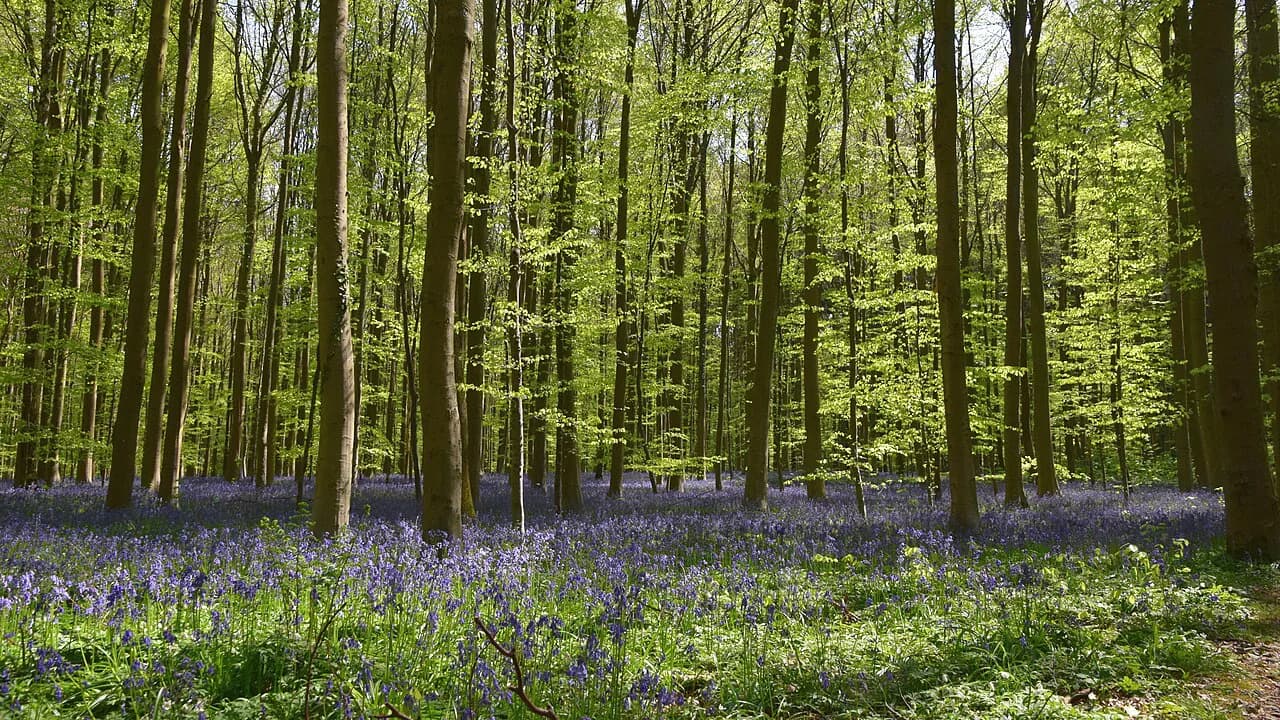
Belgium in May: Weather, Crowds and Where to Go
Plan a Belgium city break in May with typical temperatures and rain days, shoulder-season crowds and the Bruges procession that anchors the month.
On this page
May is one of the best months for a Belgian city break: mild rather than hot, with long daylight and crowds that have not yet reached summer levels. Brussels averages a high of 17°C and a low of 8°C across the month, with roughly six hours of sunshine a day and rain on about 17 days. This guide covers what that weather means in practice, how the coast and the Ardennes differ from Brussels, and which of Bruges, Ghent, Antwerp, Leuven, Ostend, Liège, Namur or Ypres suits a one-to-four-day trip in May.
Treat those figures as climate averages, not a forecast: a May week can bring two warm afternoons in the low twenties and then a wet, grey day. Pack a light waterproof and layers, and plan each day around one indoor anchor such as a museum or a belfry climb, with squares, canals and parks as the flexible part.
What Belgium in May is like
May sits at the end of spring, and the weather is changeable rather than reliably sunny. Brussels records about 70 mm of rain spread over roughly 17 days, so expect at least a few wet spells in any week-long stay. The payoff is a landscape at its greenest and daylight that stretches well into the evening, which makes wandering after a museum visit genuinely pleasant.
Inland cities such as Brussels, Leuven and Liège feel more continental, with warmer summer days and colder winters than the coast. Coastal Flanders, and the Flemish cities near the coast including Bruges and Antwerp, has a maritime climate that tempers extremes, so spring days there tend to be milder than inland.
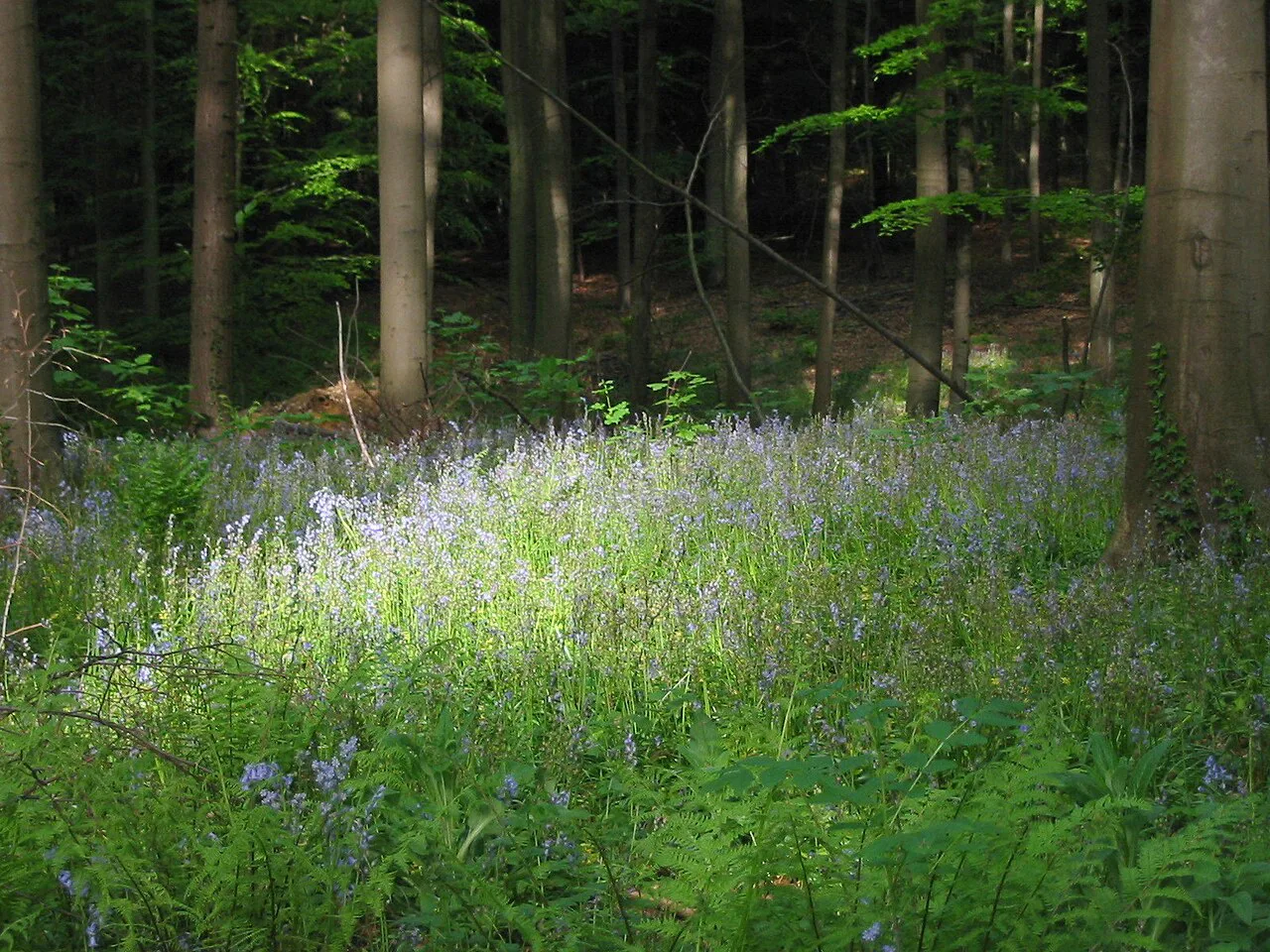
May temperatures, sunshine and rain in Brussels
The Brussels monthly figures are the most useful baseline for the whole country: an average high of 17°C, an average low of 8°C, six daily sunshine hours and 70 mm of rainfall across about 17 rain days. Daily averages in the mid-teens are typical, so a light jacket stays useful all day and evenings still feel cool.
How warm is Belgium in May? Brussels averages a high of 17°C and a low of 8°C across May, with around six hours of sunshine a day. Days in the mid-teens are typical, and coastal Flanders is the mildest region while the Ardennes runs cooler and wetter.
Is May a good time to visit Belgium? Yes. May is shoulder season, so streets are quieter than in June or July and the landscape is green, with daylight stretching into the evening.
Which is better in May, Bruges or Ghent? Bruges has the canals and the Procession of the Holy Blood, which draws around 40,000 visitors and makes booking early essential. Ghent has a compact centre with the Graslei and Korenlei quays and the Gravensteen, and is the quieter bet on a spring weekend.
Away from Brussels, the differences matter for planning. The Ardennes in the south, around Namur and beyond, runs cooler than the lowlands, while coastal Flanders is the mildest region overall. If you want the best odds of a mild afternoon, put the coast and the Flemish cities ahead of a hill-based itinerary.
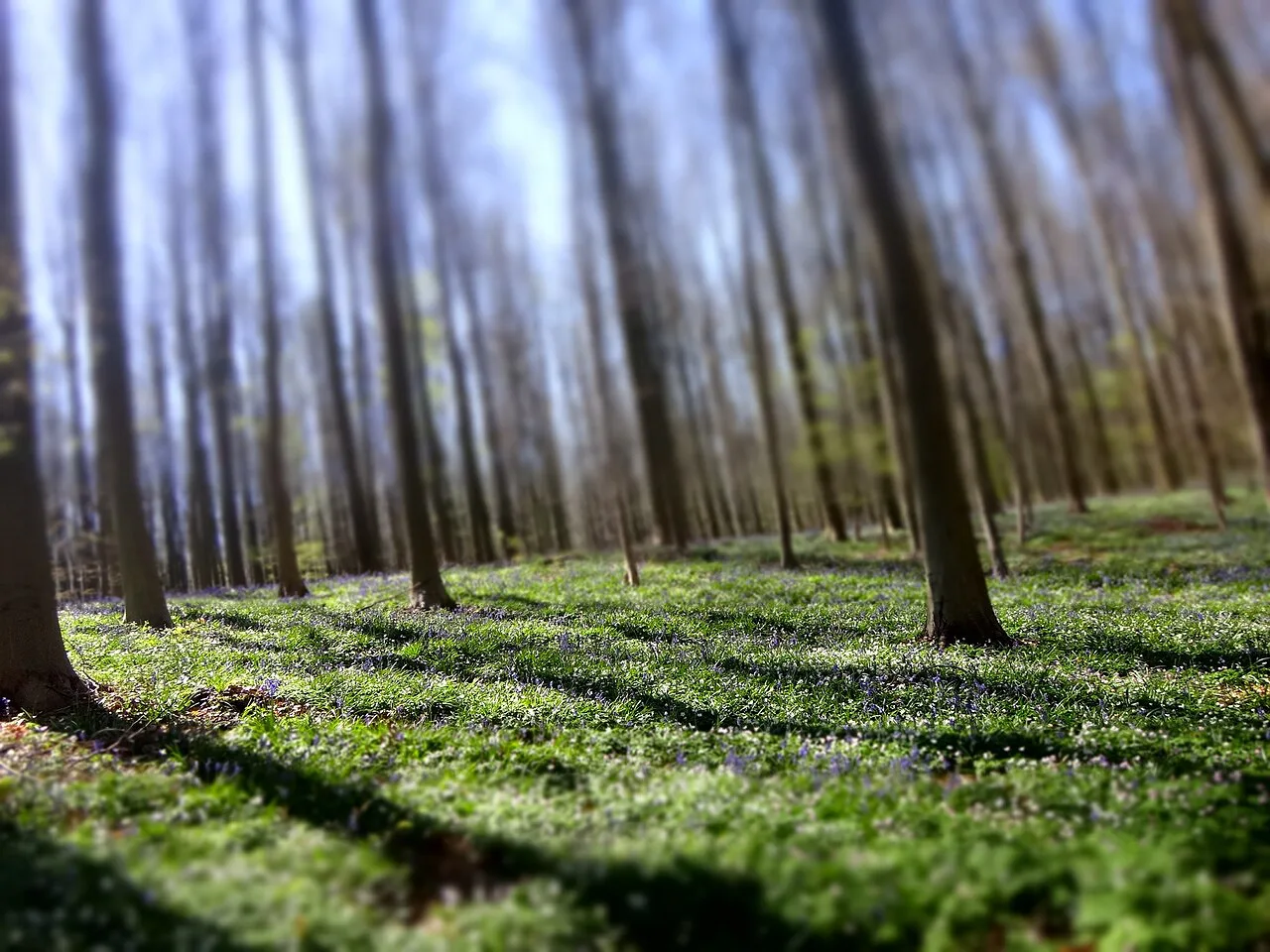
How May compares with April and June
Against Belgium in April, May is warmer and greener, with more reliable outdoor time and a better chance of eating outside. Against June, it is slightly cooler and noticeably quieter before the summer school holidays begin. For a one-to-four-day city break, May usually wins on comfort: fewer crowds than June and better weather than April.
If you are weighing months more broadly, late May combines the warmest end of the spring averages with the long evenings of approaching summer, and the best time to visit Belgium guide sets out how the rest of the year compares. Early May can still deliver cold snaps, so keep at least one indoor option in reserve for each day.
Crowds and costs in the shoulder season
May is shoulder season: the gap between Easter and the summer holidays, when accommodation is easier to find and weekend demand is concentrated in a few cities. Brussels and Ghent are popular weekend destinations through spring, and Bruges fills around its procession, which draws around 40,000 visitors. Booking transport and a room in advance is sensible for those weekends.
Midweek is the practical lever. Arriving on a Tuesday and leaving on a Thursday gives you quieter streets in Bruges and Ghent and more choice of rooms, while weekends suit cities with a bigger local population such as Antwerp. Avoid tying your trip to a single event unless you have already secured a bed for the night.
Bruges in May: the Procession of the Holy Blood
The Procession of the Holy Blood is Bruges' defining May event, held 40 days after Easter and dating back to the 13th century, commemorating the relic said to have been brought back from the Second Crusade. It is inscribed on UNESCO's intangible cultural heritage list and draws around 40,000 visitors to the city. Because the date moves with Easter, the procession falls on a different day each year, so check the current year's date before booking.
If the procession is your reason for coming, book early and plan to spend the rest of the time away from the route: the Groeningemuseum holds the city's Flemish art collection and the Church of Our Lady is a short walk from the Markt. A canal boat trip is a good way to see the city from the water without fighting the crowds on foot.
Ghent in May
Ghent is the strongest pick for a spring weekend that is not Bruges: a compact centre with the Graslei and Korenlei quays, the Gravensteen castle and Sint-Baafskathedraal, all within walking distance of each other. It attracts weekend visitors through the season, so midweek gives you the same sights with more room.
Give Ghent a full day and an evening: the centre is small enough to cover on foot, and the walk between the quays and the castle takes minutes. In wet weather, shift the middle of the day indoors and save the quays for the brighter hour.
Antwerp in May
Antwerp is the biggest of the Flemish cities covered here and works well as a base for a short break, with the Grote Markt, the Vleeshuis and the cathedral within easy reach of each other. Its size means more indoor options when showers arrive.
Two nights is enough for the old centre and one major museum, with a third day if you want to slow down. The trade-off against Bruges is charm versus range: Antwerp gives you a working city and a wider choice of things to do on a wet afternoon.
Leuven in May
Leuven is the compact option: a university city with a small old centre and the Kruidtuin botanical gardens, where pale purple wisteria hangs in May. It suits a single unhurried day or a half-day stop between two larger cities, and its scale makes it easy to cover on foot.
Inland Leuven follows the Brussels pattern rather than the coastal one: warmer afternoons than the coast and cooler evenings. Plan the gardens for the middle of the day and keep the centre for when the light fades.
Ostend in May
Ostend sits on the coast and gets the mildest weather in Flanders, thanks to the maritime climate that softens both cold and heat. It is a town break with sea air rather than a resort itinerary: the promenade, the quays and the streets behind them fill a day, and the coast is at its most comfortable before summer crowds build.
One night is enough unless you want a slower pace, and the town works well as a final stop before a ferry or a train home. Wind off the sea makes a layer worth carrying even when the sun is out.
Liège, Namur and Ypres in May
Liège and Namur sit inland and to the south, closer to the cooler, wetter Ardennes pattern. Namur's Citadelle de Namur rewards a clear day, and the hilly landscape around it runs cooler and wetter than the lowlands, so keep the walk for a bright spell.
Ypres is a different kind of visit: the Menin Gate (Menenpoort) and the Lakenhalle (Cloth Hall) are the anchors, and the surrounding memorials and cemeteries reward a sober, unhurried half-day. May is a comfortable month for walking between them, with the green landscape at its best.
What May weather means for your city plan
Build each day around one fixed indoor sight and leave the rest flexible. Squares, béguinages and parks are best in the middle of the day, when the sun is highest and the chance of a dry hour is greatest. The guinguettes, the open-air drinks stalls in city parks that open in May, are a good reason to end an afternoon outside.
Six hours of daily sunshine is plenty for a walking city break: three or four hours outdoors plus a museum is a realistic day. Carry a compact waterproof rather than an umbrella, and choose shoes for cobbles that stay comfortable when wet.
Which Belgian city to pick for a May break
Choose Bruges for canals, Flemish art and the procession; Ghent for a lively university city with the best single-centre walk; Antwerp for a bigger base with more indoor range; Leuven for a compact half-day; Ostend for the mildest coast. Liège and Namur suit travellers heading towards the Ardennes, and Ypres suits anyone coming for the First World War memorials.
If you only have one city in you, Bruges in late May is the classic choice and the one most exposed to event crowds; Ghent is the better-value alternative for the same architecture and canals. If weather reliability matters more than canals, pick the coast.
How many days a first Belgian city needs in May
Two full days is the right minimum for any of these cities in May: one for the core centre and one for the main museum or memorial, with a spare afternoon for parks and quays. Three days lets you add a second city by train without rushing, and four days is enough for Bruges plus Ghent or Antwerp plus Leuven.
Where the procession or a specific event is the reason for the trip, add a day so that a wet day does not consume the occasion. Book the fixed elements and keep everything else movable.
Choose your May base
Decide first whether you want canals, a bigger city or the coast, then pick the week accordingly: late May for warmth, midweek for quieter streets. The procession is the one fixed date worth planning around, and it moves each year with Easter.
For a first trip, two nights in Bruges and one in Ghent gives you the two strongest May cities without a rushed transfer. For a subtler trip, head south to Namur and Ypres and accept cooler, wetter days in exchange for quieter streets.
Explore more Belgium guides
Frequently Asked Questions
How warm is Belgium in May?
Brussels averages a high of 17°C and a low of 8°C across May, with around six hours of sunshine a day. Days in the mid-teens are typical, and coastal Flanders is the mildest region while the Ardennes runs cooler and wetter. Treat these as long-term averages rather than a forecast.
Is May a good time to visit Belgium?
Yes. May is shoulder season, so streets are quieter than in June or July and the landscape is green, with daylight stretching into the evening. Expect changeable weather and pack a light waterproof alongside warm layers for the mornings and evenings.
Which is better in May, Bruges or Ghent?
Bruges has the canals and the Procession of the Holy Blood, which draws around 40,000 visitors and makes booking early essential. Ghent has a compact centre with the Graslei and Korenlei quays and the Gravensteen, and is the quieter bet on a spring weekend.
Sources
Useful notes for your next trip
Optional updates to our guides.
You might also like



Continue reading
More guides you'll find useful





