Belgium in August: Weather, Crowds and Which Cities to Visit
Belgium in August is warm and busy, with Bruges at its fullest. Plan early mornings there and give Ghent, Antwerp or Leuven your afternoons.
On this page
August is Belgium's busiest city-break month, with warm days, long daylight and peak-season hotel demand. Crowds concentrate hardest in Bruges (Brugge), while Ghent (Gent), Antwerp (Antwerpen) and Leuven (Louvain) absorb summer visitors more easily. This guide covers typical August weather, which cities suit which crowd tolerance, how much time each one needs and where to spend a wet afternoon.
What August is like in Belgium
Summer is when Belgium feels most relaxed: terraces spill onto the pavements, daylight stretches into the evening and the weather is generally warm and mostly dry. That combination makes August the peak of the European season, so hotel rooms and popular attractions cost more and book out earlier. If your dates are fixed, reserve the headline sights before you travel rather than deciding on the day.
It is rarely uncomfortably hot, which matters if you plan to walk between squares, climb a belfry or spend an afternoon on the canals. The practical consequence is that August rewards a loose plan: outdoor mornings, a long lunch, and a museum or church held in reserve for the afternoon. Compare this with the best time to visit Belgium for a city break overall if you have not yet fixed your month.
Late spring and early autumn are the shoulder-season alternatives, bringing mild weather and noticeably thinner crowds than August. Autumn in particular lets you move through the medieval centres without queueing, and foliage adds colour to parks and the Ardennes. The trade-off is cooler, shorter evenings and a higher chance of rain.
Typical August weather and how to plan around it
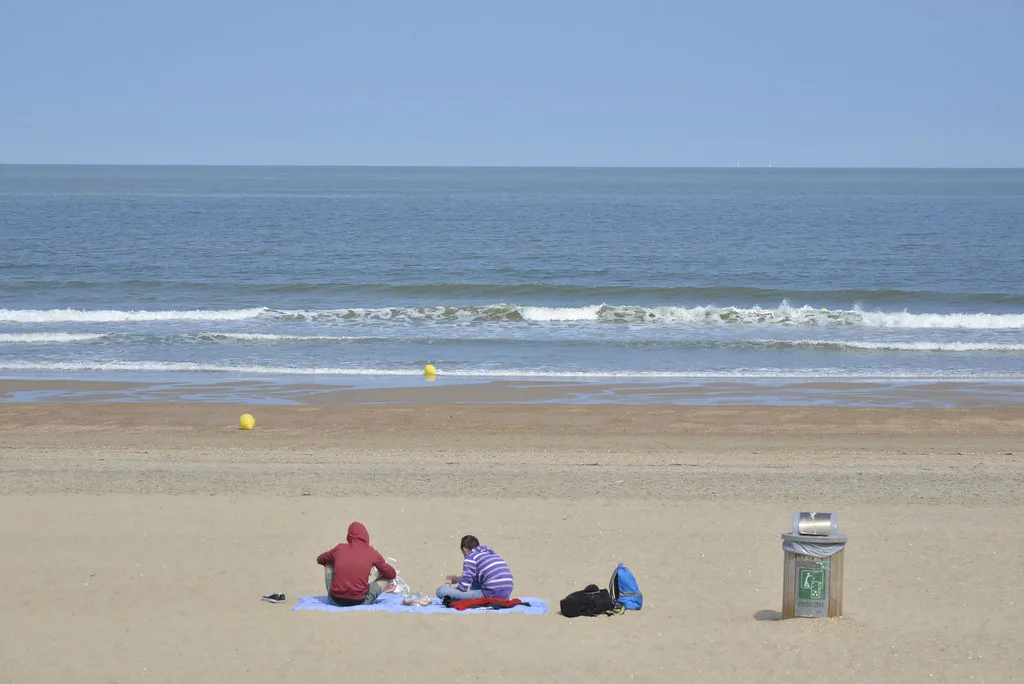
Expect warm, sunny days with cooler evenings and occasional showers that can interrupt an outdoor plan without warning. Build each day around one outdoor anchor, such as a market square or a canal walk, and keep an indoor option within walking distance so a downpour costs you an hour rather than an afternoon. A light layer earns its place in the bag for after sunset.
What is the weather like in Belgium in August? August typically brings warm, sunny days with cooler evenings and passing showers that can interrupt outdoor plans. It is rarely too hot for comfort, so walking between squares and climbing a belfry remain comfortable.
How busy is Belgium in August? August is peak season, so Bruges and the headline sights are at their busiest and hotels cost more. Book limited-capacity climbs in advance, start early in Bruges, and give Ghent or Antwerp your afternoons when you want more room.
Long daylight hours work in your favour: you can see a city in the morning, rest at the hottest point of the day and still have several hours of usable light in the evening. That rhythm suits a one to four day break better than cramming everything into the middle of the day.
Bruges (Brugge) in August: peak crowds and early starts
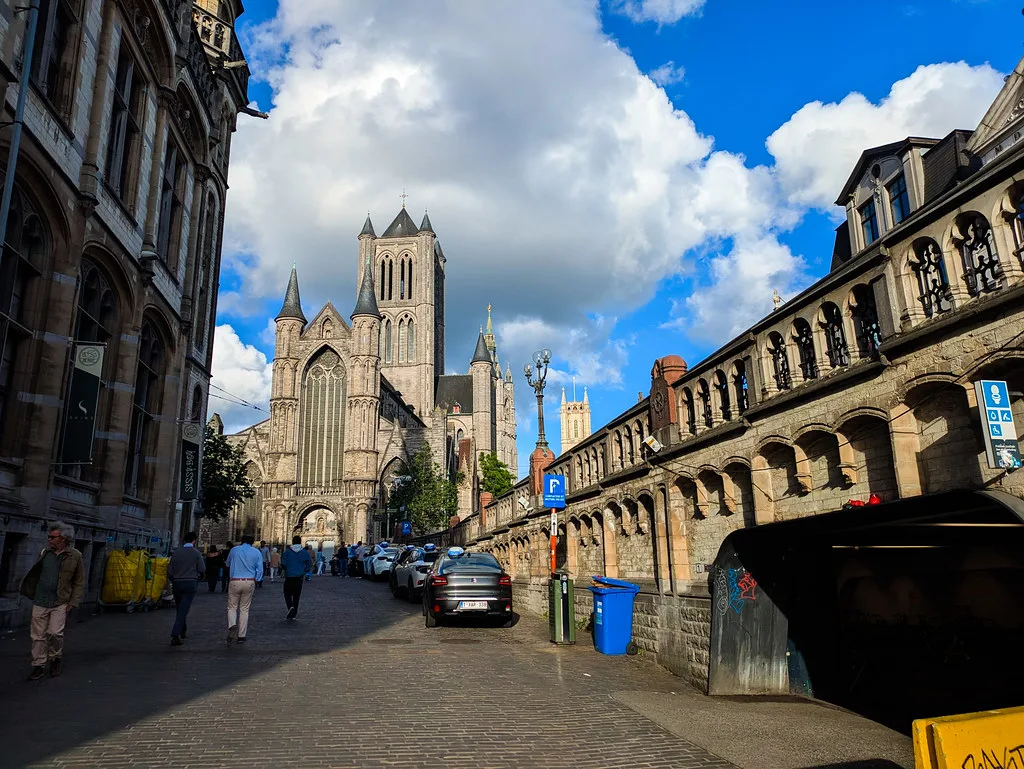
Bruges is the Belgian city most affected by summer volume, and August is when the centre is at its fullest. The fix is timing rather than avoidance: walk the Markt and Burg before the day-trip coaches arrive, then use the middle hours for a museum or a canal boat, and return to the squares after the afternoon peak.
Two full days covers Bruges comfortably at a calm pace: one for the Markt, Burg and canals, one for the quieter streets and a museum. Add a third day if you want an unhurried time on the water. If your dates are flexible, Belgium in June gives you the same medieval streets with lighter footfall.
Ghent (Gent), Antwerp (Antwerpen) and Leuven (Louvain) in August
Ghent carries its summer crowds with far more room to breathe, and its centre rewards a slow walk between the Graslei and Korenlei quays and the old streets around them. Give it two days: one for the historic core, one for the museums and the neighbourhoods beyond the water. In August the quays are the place to be in the evening, when the light softens and the terraces fill.
Antwerp feels like a working city rather than a museum piece, which makes it a good August choice: central squares get busy, but the wider city gives you space. Two days suits most visitors, three if you want to explore at an unhurried pace. Leuven is smaller and needs only a day, built around its central square and the old university quarter.
Ostend (Oostende), Liège (Luik), Namur (Namen) and Ypres (Ieper) in August
Ostend works as a town break with sea air, a promenade and its artistic heritage rather than as a sunbathing destination; a day and a half is enough to see the centre and the harbour. Liège and Namur both sit on the Meuse and suit travellers who want a French-speaking city with hills: Liège has steep climbs to plan for, while Namur pairs its citadel with a compact old town. Each needs one to two days.
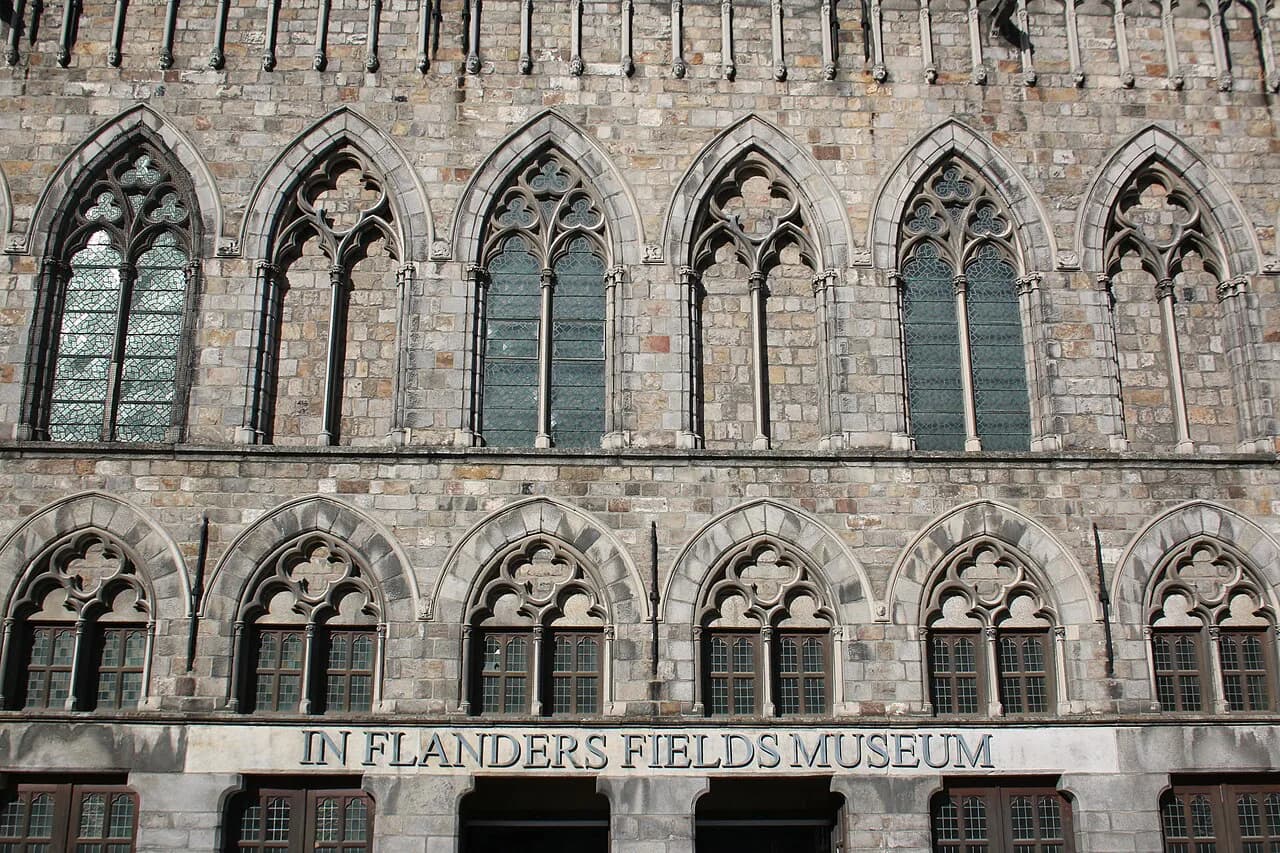
Ypres is a memorial town, and August evenings there are the best time to stand at the Menin Gate. The rebuilt centre anchors the visit; allow a full day for the town and the surrounding cemeteries, and two days if you want the Salient sites properly. Approach the memorials quietly and factually; they are graves and commemorative sites, not attractions.
How many days each city needs in August
A workable shape for a week in peak season is two days in Bruges, two in Ghent and one in Antwerp, adding Leuven as a half-day stop between them. If you prefer fewer bases, pick one city for three nights and take a single day trip; moving hotels in August eats time you could spend on a square. A short break of one to three days fits Ghent or Antwerp best, because both give you enough without an early start.
For a longer trip, Belgium in July lays out a similar structure with slightly different festival pressure. Whichever month you choose, the best time to visit Belgium for a city break depends on whether you value long evenings or empty streets more.
Filling a rainy August afternoon indoors
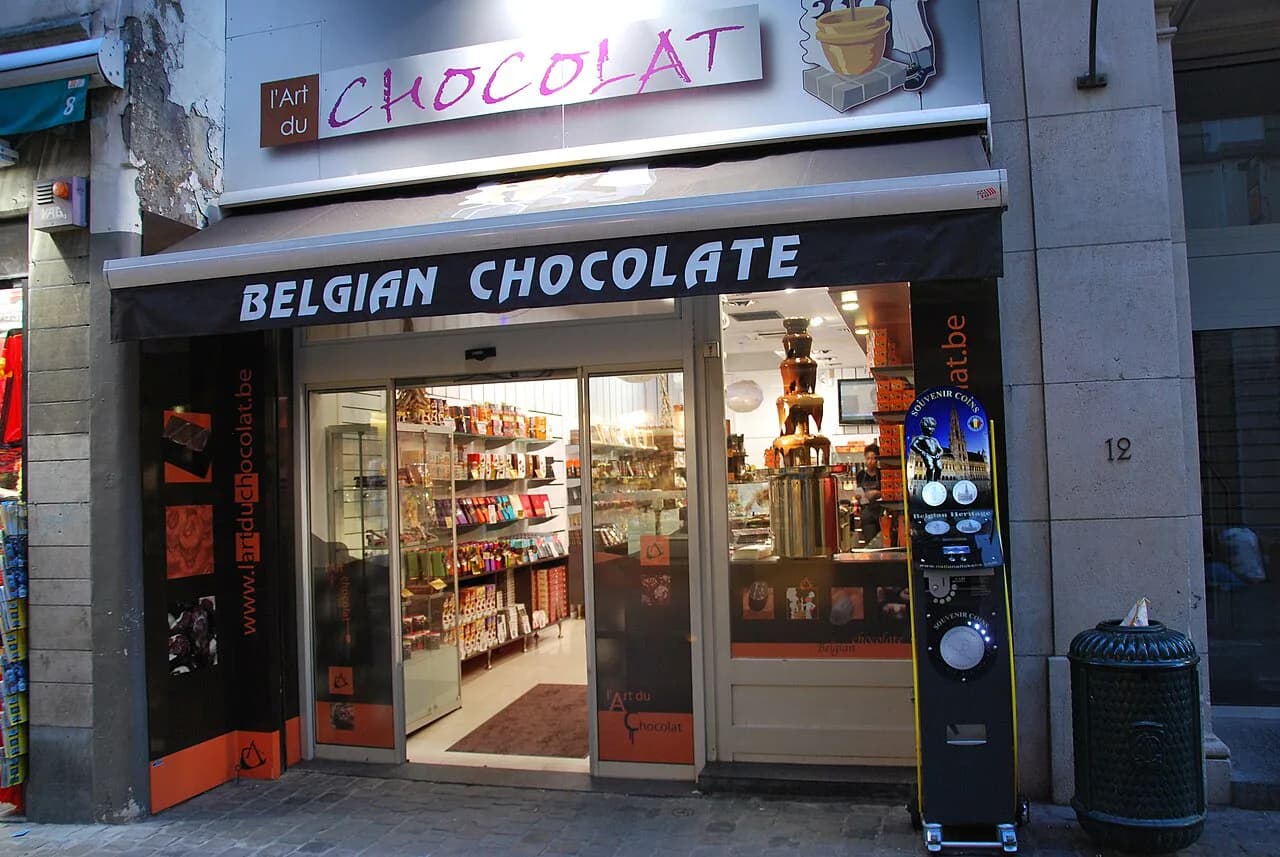
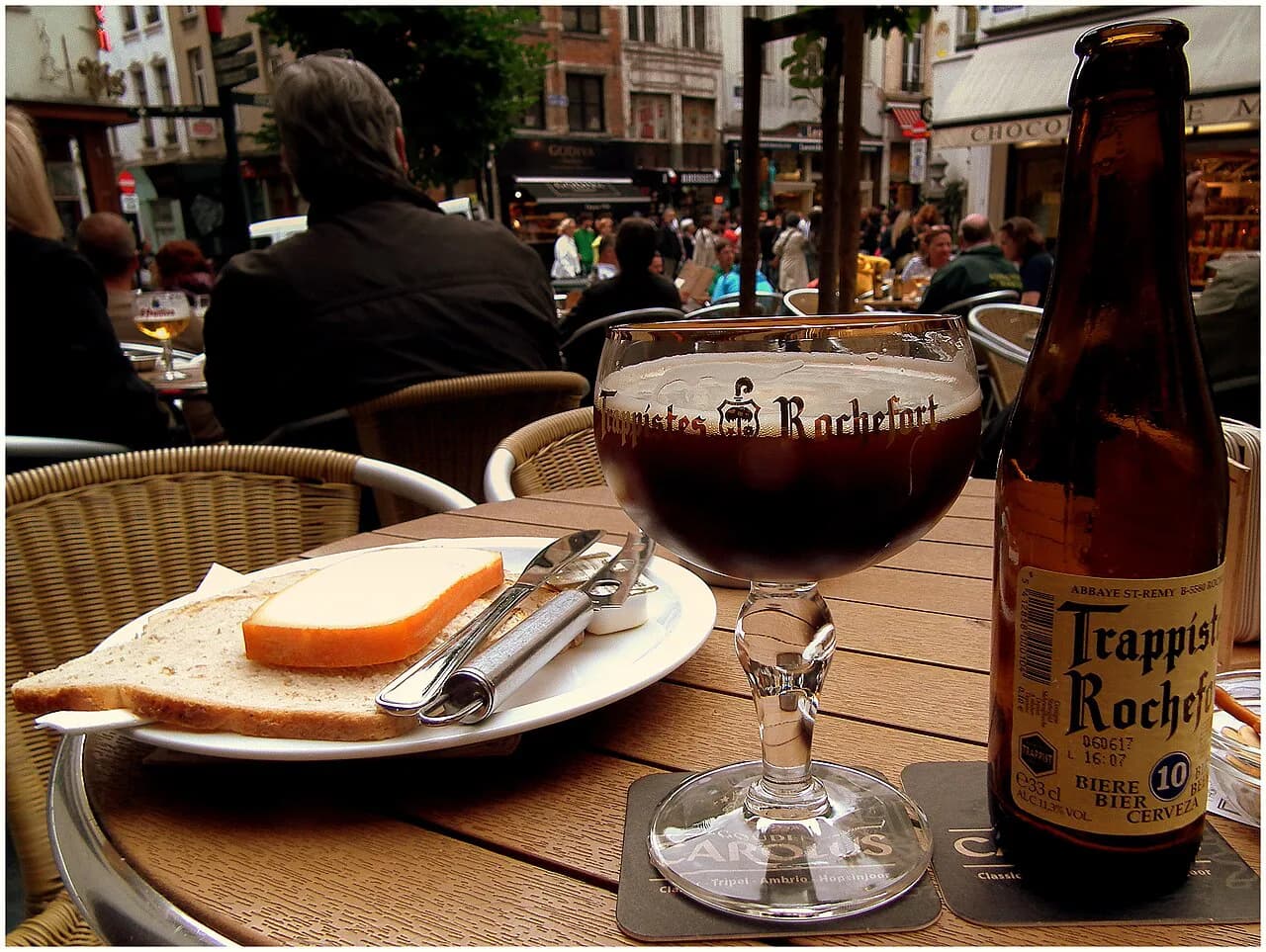
Belgium's city museums are the natural answer to a wet afternoon, and pairing one with a nearby church or cathedral keeps you dry without a long walk. Wherever you are, pick a single indoor sight and a café within a few minutes of it, so you can wait out a shower without crossing the city. Chocolate shops and beer cafés also make good hour-long refuges when the rain sets in.
In Bruges, a wet morning is a good moment for one of the city's museums or a long lunch, and if you want to climb the Belfry, check booking arrangements before you arrive, since tower numbers can be limited in high season. A brewery tour or a castle visit gives you a warm, dry couple of hours in the afternoon.
The shoulder-season alternative
If August's crowds and prices are the sticking point, late spring and early autumn offer mild weather, thinner queues and easier tables. Belgium in April brings spring growth to the cities, while October trades long evenings for quieter streets and lower demand. Both sit closer to the best time to visit Belgium for a city break balance than the height of summer.
Belgium in May is another strong option if you want warm-ish days without peak-season volume, and a spring trip adds blossom and longer evenings to the usual city sights. Whichever shoulder month you choose, book the belfry climbs and popular museums in advance, because limited-capacity sites fill quickly even outside July and August.
Which Belgian city suits your August?
Pick Bruges if you want the classic medieval centre and will accept early starts and busy squares; pick Ghent if you want the same architecture with room to walk. Antwerp suits a longer break with more variety, Leuven a single day, and Ypres a reflective one or two. Ostend, Liège and Namur round out a trip for travellers who want water, hills and French-speaking city life.
Whichever you choose, keep one indoor plan per day and book the limited-capacity climbs ahead, and note that Belgian museums commonly close on Mondays; confirm days for the specific museum you want. August rewards a loose plan more than a packed one.
Explore more Belgium guides
Frequently Asked Questions
What is the weather like in Belgium in August?
August typically brings warm, sunny days with cooler evenings and passing showers that can interrupt outdoor plans. It is rarely too hot for comfort, so walking between squares and climbing a belfry remain comfortable. Treat any forecast as guidance and keep a light layer and an indoor option ready.
How busy is Belgium in August?
August is peak season, so Bruges and the headline sights are at their busiest and hotels cost more. Book limited-capacity climbs in advance, start early in Bruges, and give Ghent or Antwerp your afternoons when you want more room.
Sources
Useful notes for your next trip
Optional updates to our guides.
You might also like
Continue reading
More guides you'll find useful