Bruges in October: Autumn Weather, Crowds and What to See
Plan a Bruges city break in October with typical autumn weather, quieter canals, the classic sights and wet-day fallbacks, plus how many days it needs.
On this page
October is a strong month for Bruges (Brugge): you get autumn colour along the canals, milder visitor numbers than July and August, and the city fully open rather than winding down. Expect cooler air and occasional rain showers, and build your days around shorter daylight so the Belfort climb and the canal walk happen before the light fades.
This guide covers what October weather typically feels like, how crowds shape your timing at the Belfort, which museums suit a wet afternoon, and whether you need two days or three. The whole historic centre is compact and walkable, so most of the planning is about ordering your days rather than covering distance.
What Bruges is like in October
The city shifts into autumn in October: trees around the canals and parks turn gold, the air cools and showers become part of the week rather than an exception. Visitor numbers drop back from the summer peak, which makes the Markt and the main canal bridges easier to enjoy at midday.
Bruges is a UNESCO World Heritage city, and the historic core is dense enough that a single day covers the headline sights on foot. October rewards the slower version: a morning on the Markt and Burg, an afternoon in a museum or on the water, and an evening walk along the quieter canals.
Daylight is noticeably shorter than in summer, so an early sunset cuts into the time for outdoor wandering after a long museum visit. The practical fix is to front-load the outdoor sights, especially any tower climb, and save galleries for the later afternoon. The full spread of options sits in the Things to Do in Bruges guide if you want to match a specific sight to the weather.
Typical October weather and what to wear
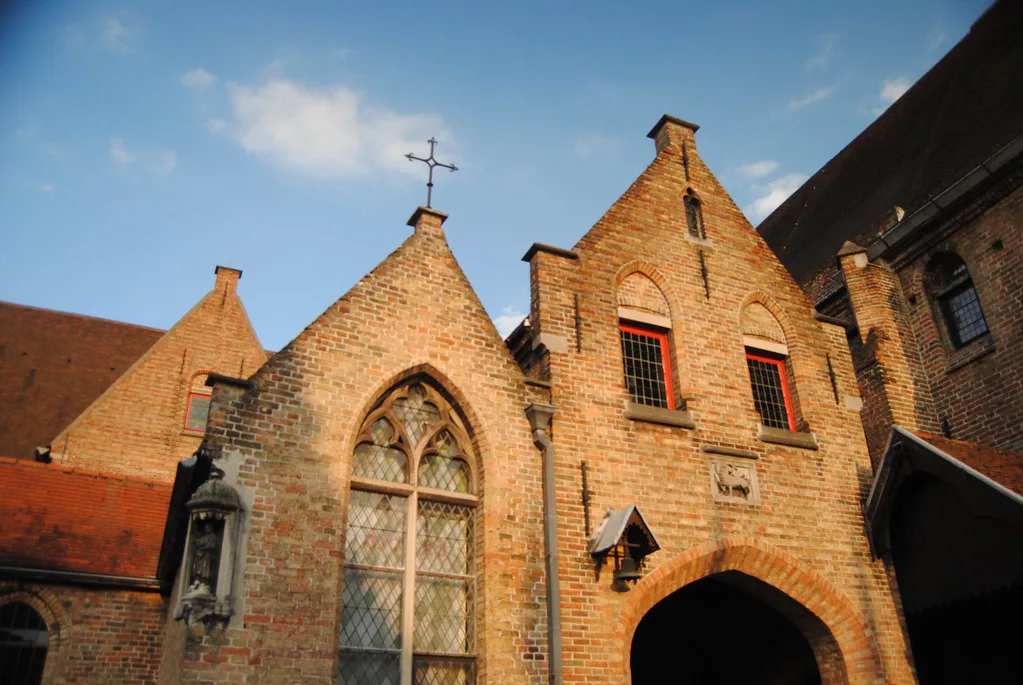
October in Bruges brings cooler temperatures, overcast skies and occasional rain showers, so a waterproof layer and shoes that cope with wet cobbles matter more than a heavy coat.
Plan for weather that changes within a day: a dry morning on the Rozenhoedkaai can turn into a drizzly afternoon, which is the moment to switch to a museum. Layering beats a single thick jacket, and an umbrella is worth carrying for the exposed squares. These are typical climate patterns, not a forecast, so check the daily outlook before you commit to a tower or a boat trip.
How busy Bruges is in October and what that means for the Belfort
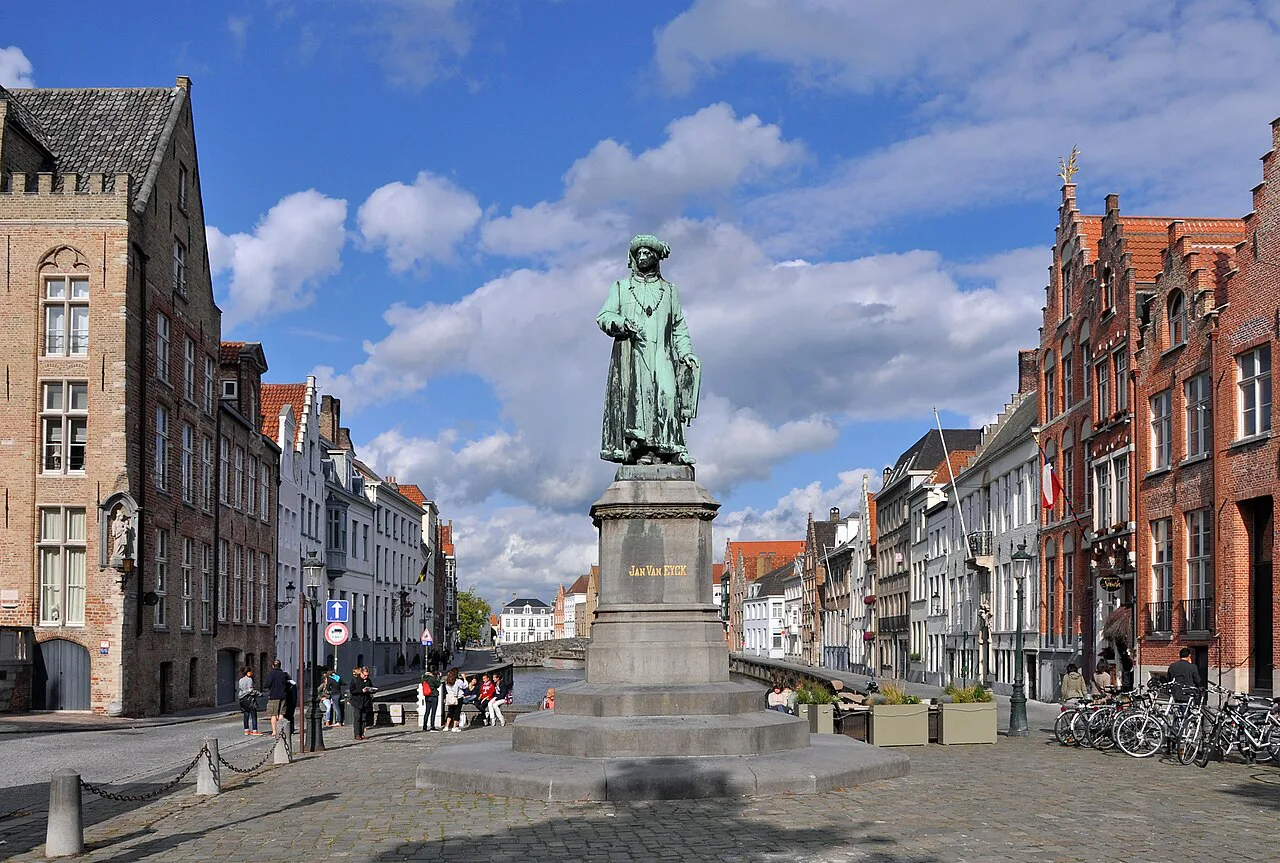
Crowds ease in October compared with July, when the city is at its busiest and visitor numbers peak. That matters most for the Belfort on the Markt, where limited space at the top makes a clear, dry morning the better bet than a busy midday slot.
The Belfort anchors the classic circuit, and the Markt in front of it is the natural place to start a day in October. Weekends still draw more visitors than weekdays, so if your dates are flexible, a midweek break gives you more room on the stairs and the squares.
The classic circuit: Markt, Burg, Belfort and the canals
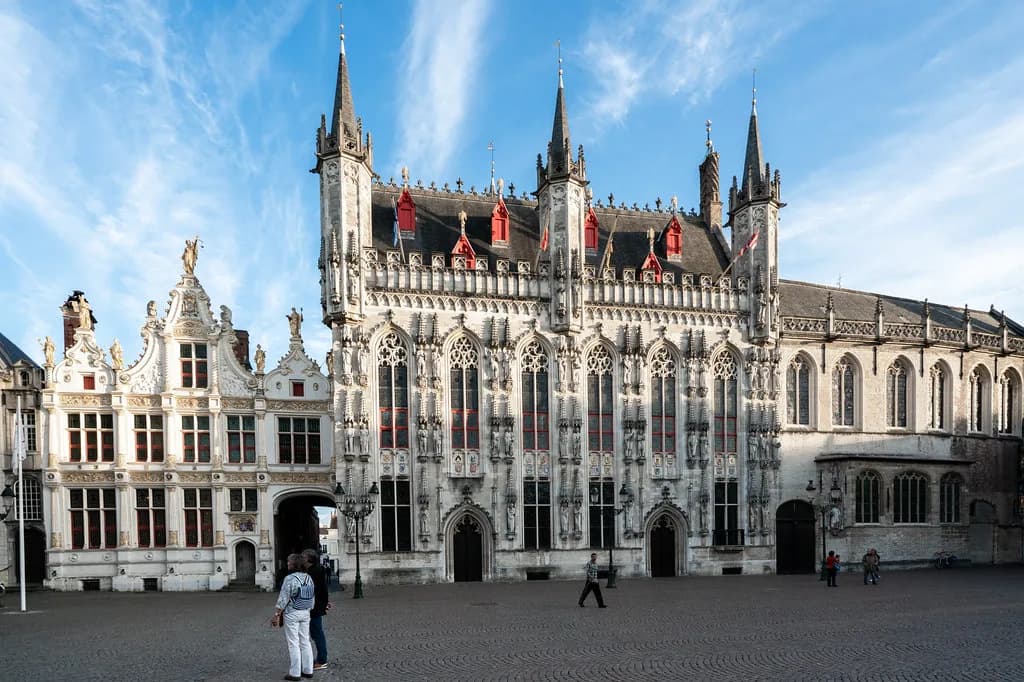
Start on the Markt, walk through to the Burg and its civic buildings, then take the short walk to the canal-side streets. This loop is the spine of any first visit and takes a few hours at an unhurried October pace. Broader ideas for filling the rest of the day are in the Things to Do in Bruges guide, which covers guided walks, cycling and the city's markets.
The Visit Bruges top-sights list is a sensible check on what you have missed, and it includes the Belfort, the Groeningemuseum and the Museum of the Church of Our Lady.
Canals by boat or on foot along the Rozenhoedkaai and Dijver
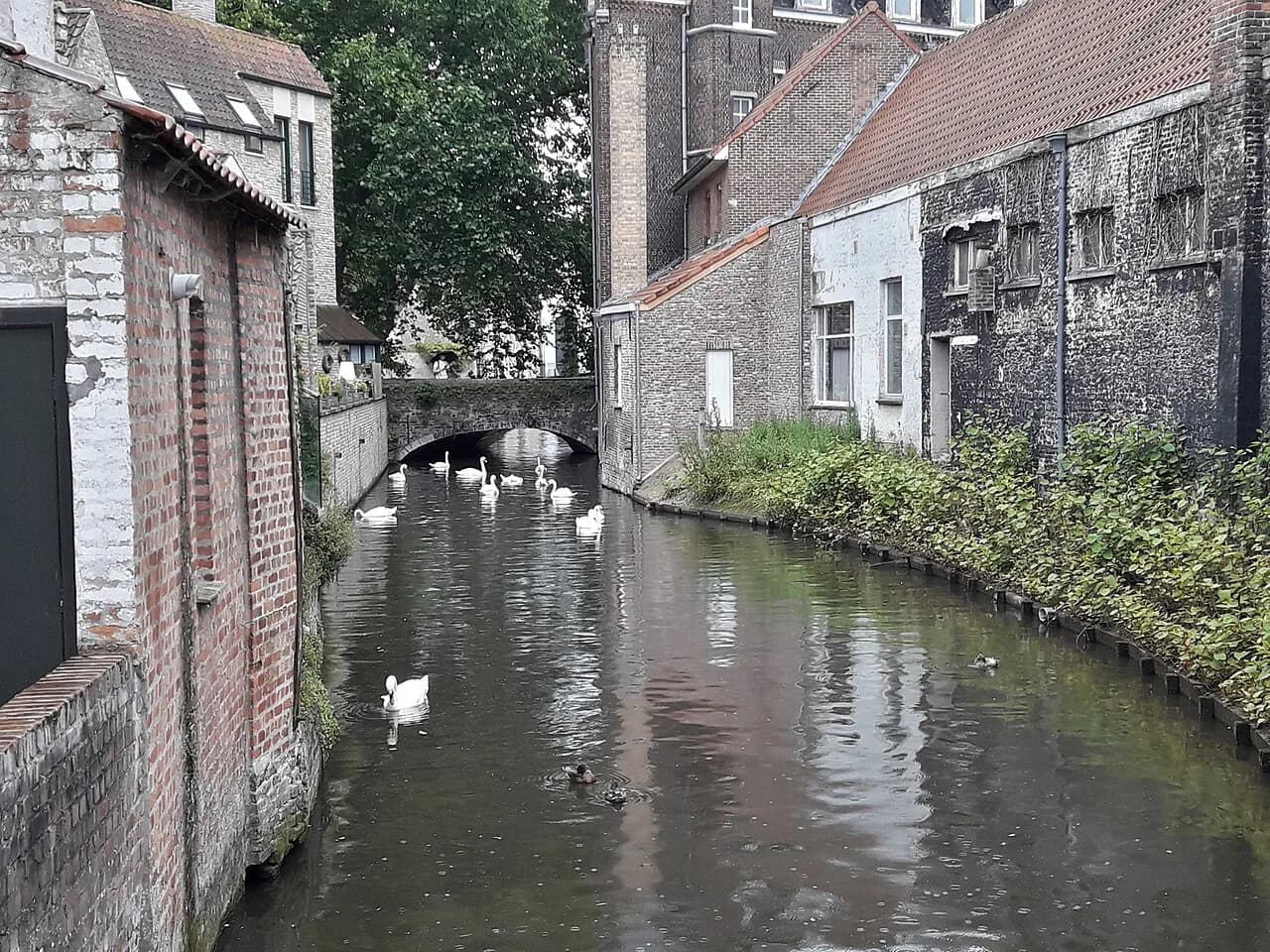
Bruges is best understood from the water: a Bruges canal tour covers the reien, the city's canal network, from a low angle you cannot get on foot. October suits it because the boats stay in service while the summer queues thin out.
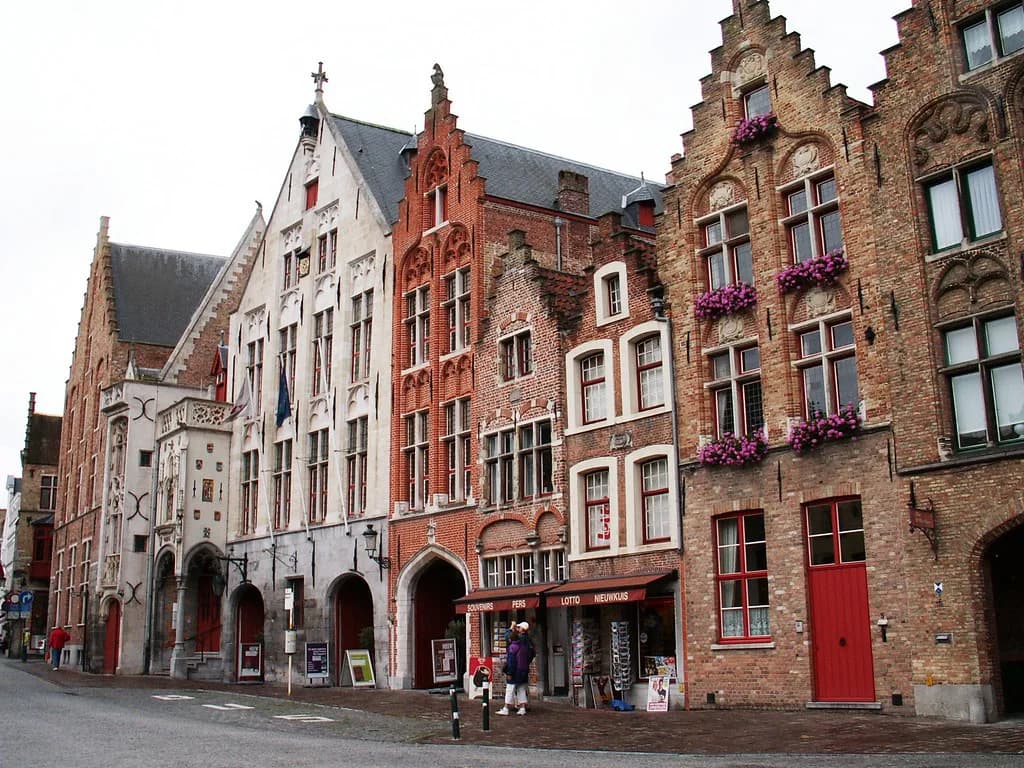
On foot, the Rozenhoedkaai and the Dijver are among the most photographed stretches of canal in the city, lined with gabled houses and best in soft autumn light. Walk them early or late rather than at midday, when the narrow waterside path fills up. Cycling is another way to see the quieter edges of the city and the polders beyond, with options covered in the Cycling in Bruges guide.
Museums worth an October afternoon: Groeningemuseum and Musea Brugge
The Groeningemuseum holds the city's collection of Flemish Primitives, the early Netherlandish painters whose work rewards a slow look, and it is the obvious indoor choice when rain sets in. The Musea Brugge network of municipal museums covers the city's art and history across several sites, so one wet afternoon can absorb two collections.
For something current, BRUSK is the city's contemporary art venue and a good counterweight to the medieval centre. The Museum of the Church of Our Lady sits in the same quarter and pairs well with a canal-side walk when the rain clears.
Climbing the Belfort and tower trade-offs in autumn light
The Belfort is the city's signature climb, and October gives you a real decision: use a clear morning for the tower and the views, or save the ascent for a bright interval and spend the grey hours in a gallery. The tower rewards clear air, so check the sky before committing. The Belfort features on the official top-sights list alongside the Groeningemuseum and the Historium Brugge.
If the top is clouded in, the climb still delivers the carillon and the mechanics of the clock, but the panorama is the point. Take the tower first thing on a dry day and keep a museum slot in reserve for the afternoon.
How many days Bruges needs in October
Two full days cover Bruges comfortably in October: one for the Markt, Burg, Belfort and the central canals, one for museums and the Rozenhoedkaai and Dijver. Add a third if you want a relaxed pace, a boat trip and time in the parks without rushing.
Shorter daylight is the main argument for three days rather than two: with sunset earlier, an afternoon museum visit eats into the walking time you would have had in summer. If you are weighing a different season, our Bruges in Spring guide shows how spring crowds and weather compare.
A wet-day plan that still works
Build a wet day around indoor sights rather than trying to shelter between outdoor stops. Start at the Groeningemuseum or BRUSK, break for a long lunch, then take the Museum of the Church of Our Lady or the Historium Brugge in the afternoon.
Keep the Belfort and the canal quays for the first dry spell rather than a fixed day, and use the Markt's covered edges as a brief refuge. Chocolate shops in Bruges make a natural short stop between museums, and a beer café covers the late afternoon. Details on the city's tasting rooms are in the Bruges breweries guide.
Autumn walks: parks, canals and quieter streets away from the Markt
Once you leave the Markt, Bruges becomes quiet quickly: the lanes towards the Groeningemuseum and the canal ring around the old town are calm even on a busy Saturday. October's golden foliage shows best along the water, so pick a canal-side street for the long walk back.
The city is compact and flat, which makes it ideal for walking rather than transport. Visit Bruges lists walking and cycling routes for exploring on foot and by bike, including the polders outside the centre.
Market day at the Markt and what to buy
The Markt hosts the city's main market, a mix of produce, flowers, fish, clothes and second-hand finds. Visit Bruges describes it as the place for flowers, fruit, vegetables, fish and clothing.
Market days and hours vary, so confirm them with the tourist office before you plan a morning around it. Pair a market visit with the Burg and the Belfort, which are a couple of minutes away, and keep shopping for the covered streets if it rains. The Bruges Markets guide covers the city's markets in more detail.
Beer and chocolate stops in cooler weather
October is beer weather: the city's beer cafés and brewery venues are a warm refuge after a cold canal walk. The Bruges breweries guide covers the tasting rooms and brewery visits worth building into an afternoon.
For chocolate, Bruges has a dense cluster of makers in the centre, and a short tasting stop fits neatly between museums. The chocolate shops in Bruges guide covers the named shops and what to look for. Both make sensible anchors for a wet hour.
October light for photography around the city centre
Autumn light in Bruges is softer and lower than in summer, and the golden-hour window falls earlier in the afternoon. That suits the Rozenhoedkaai and the Dijver, where the gabled houses catch the low sun, and the canal bridges, which are busiest at midday.
Mist and overcast skies are part of the October character and give the canals a moodier look. Plan the Markt and Belfort for clearer intervals and use grey mornings for the smaller streets and museum gardens.
Is October the right month for your Bruges break?
October suits travellers who want the canals and medieval centre without July crowds, and who are happy to trade guaranteed sunshine for autumn colour and calmer days. Build two or three days around the Markt, Burg and Belfort first, then fill wet afternoons with the Groeningemuseum, BRUSK and the Musea Brugge collections.
Book the tower climb for the clearest morning of your stay, keep a museum slot in reserve, and leave the canal quays for the softer late light. If you prefer warmer weather and longer evenings, our Bruges in Spring guide covers the spring alternative.
Explore more Bruges guides
Frequently Asked Questions
Is Bruges worth visiting in October?
Yes. October brings autumn foliage, cooler air and fewer visitors than the summer peak, while the Markt, Burg, Belfort, museums and canal quays all stay open. The main trade-off is occasional rain showers and shorter daylight.
What is the weather like in Bruges in October?
Expect cooler temperatures, overcast skies and occasional rain showers, with autumn colour along the canals and parks. These are typical patterns rather than a forecast, so check the daily outlook before planning a tower climb or a boat trip.
How many days do you need in Bruges in October?
Two full days cover the classic circuit, the Belfort and one or two museums. Three days give you room for a boat trip, the canal quays and a park walk without rushing against the earlier sunset.
What can you do in Bruges on a rainy October day?
Build the day around indoor sights: the Groeningemuseum and its Flemish Primitives, BRUSK for contemporary art, and the Museum of the Church of Our Lady. Chocolate shops and beer cafés fill the gaps between museums.
When is the best time to visit Bruges for fewer crowds?
January, February and November are the quietest months, and October is already noticeably quieter than July and August. If your dates are flexible, a midweek October break is calmer than a weekend.
Sources
Useful notes for your next trip
Optional updates to our guides.
You might also like
Continue reading
More guides you'll find useful