Parks in Ypres: The Green Spaces Worth a Detour
Ypres is a compact town of memorials and a rebuilt Cloth Hall, but its ramparts form a ring of parkland. Here is what the green spaces add to a short break.
On this page
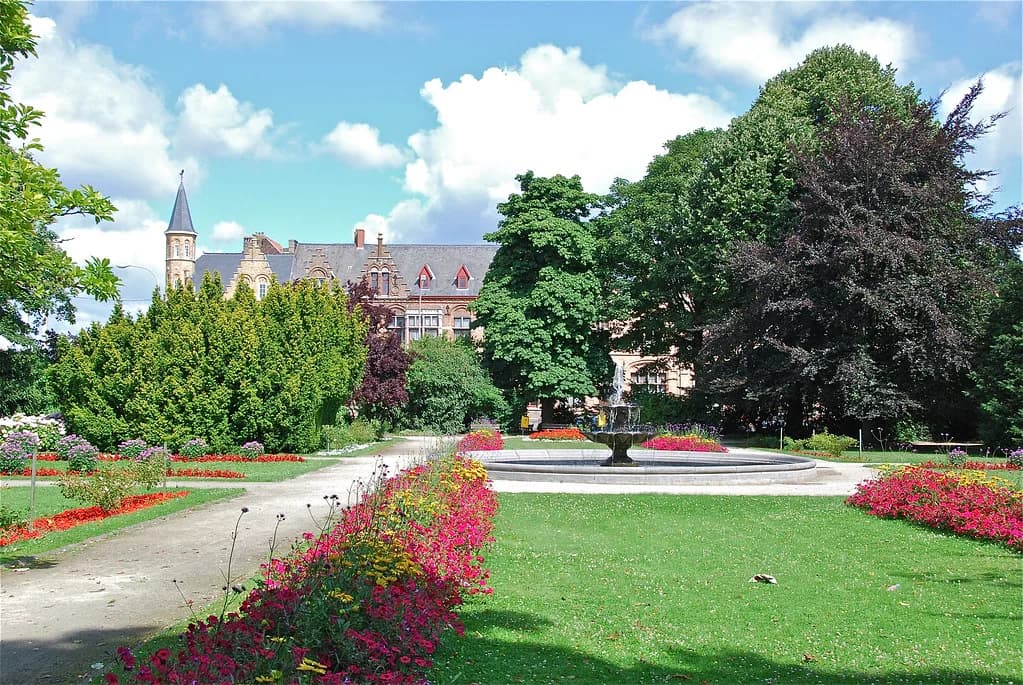
The parks in Ypres are not separate destinations but the grassy ring of the old fortifications that wraps around the town centre, and they are best walked as one continuous circuit. They give you a quiet hour between the In Flanders Fields Museum and the evening ceremony at the Menin Gate (Menenpoort), rather than a reason to come to Ypres on their own. This guide covers what the green spaces are, how to walk them, and how to fold them into a one- or two-day visit.
What the green spaces in Ypres actually are
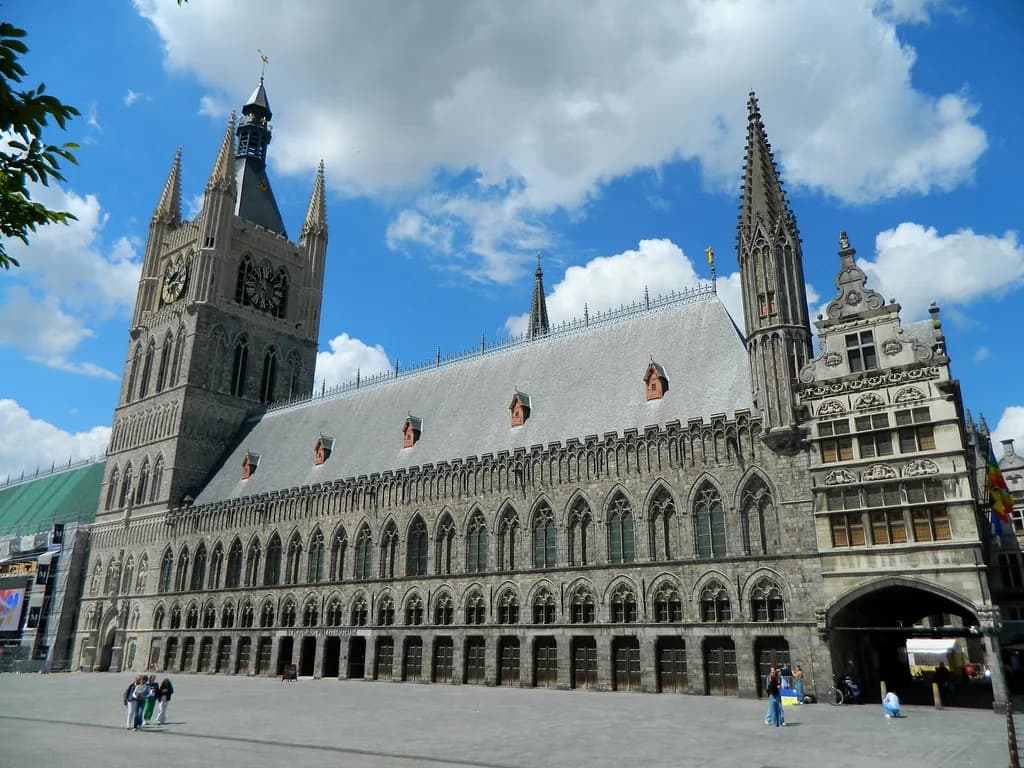
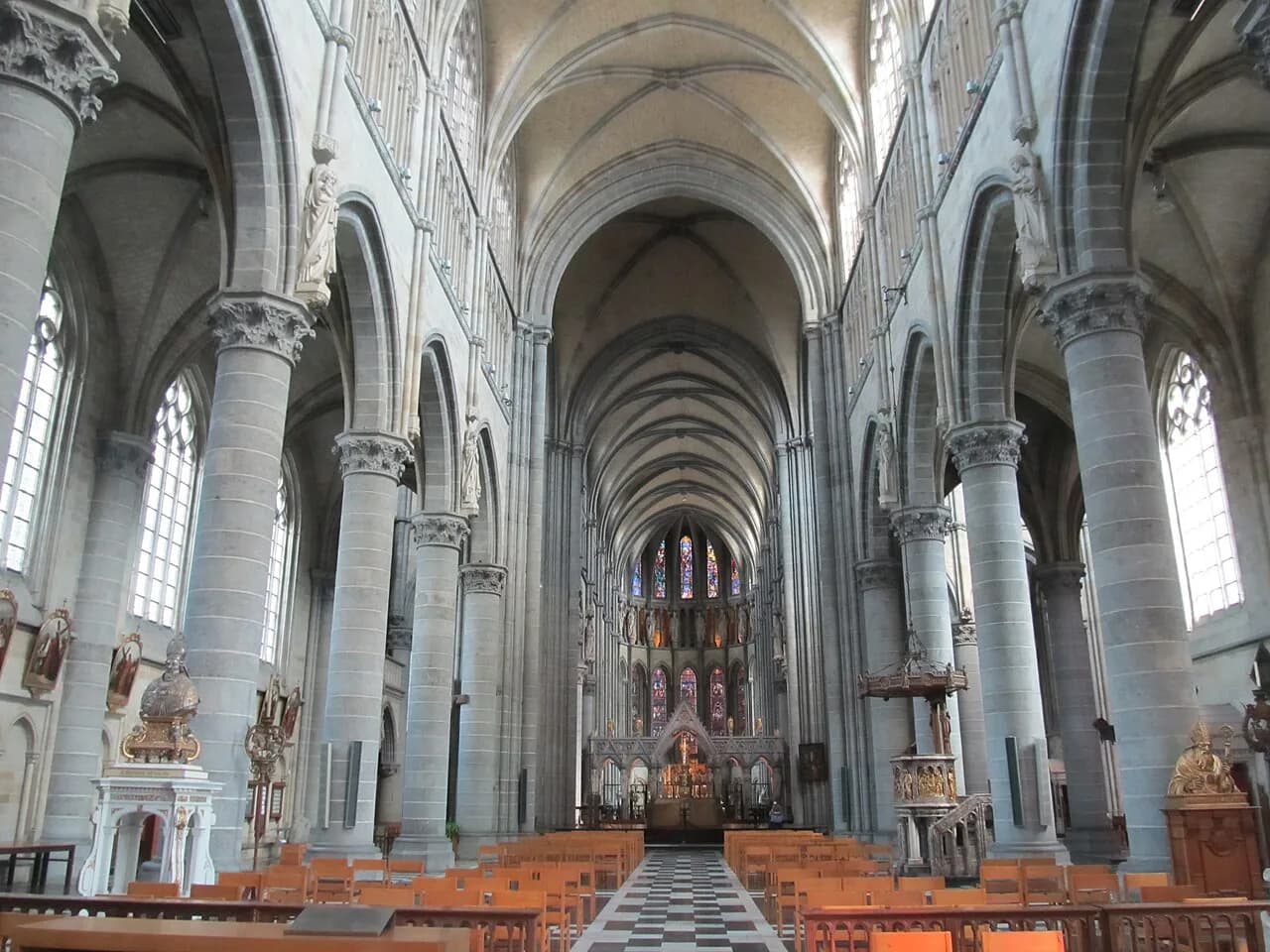
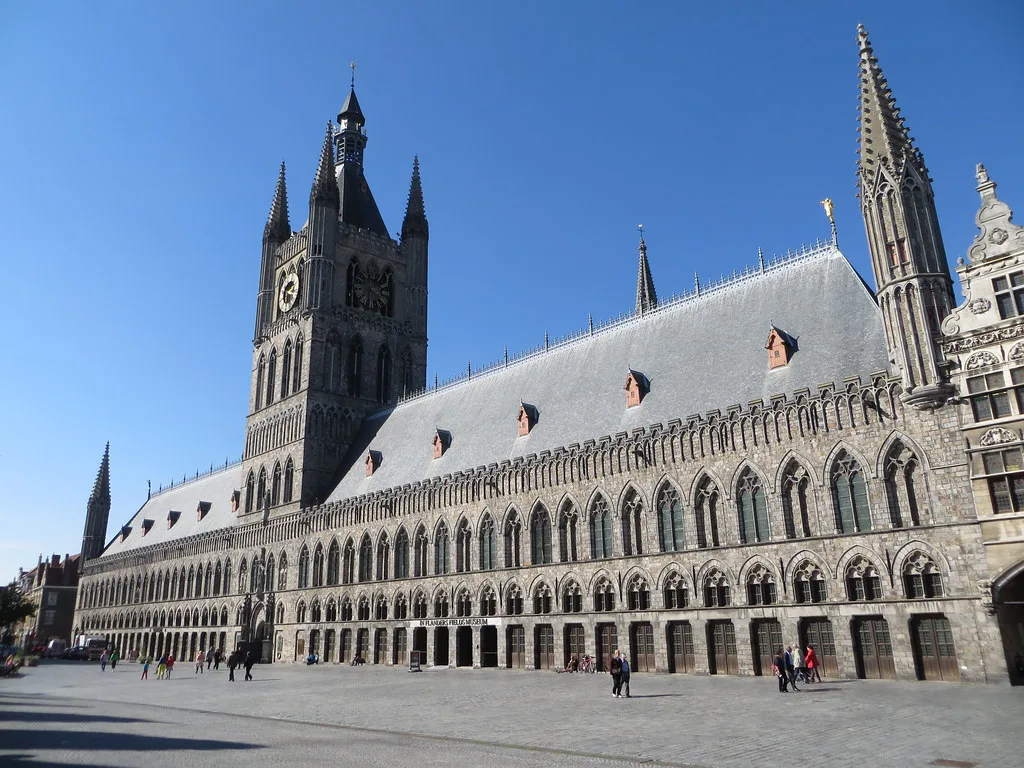
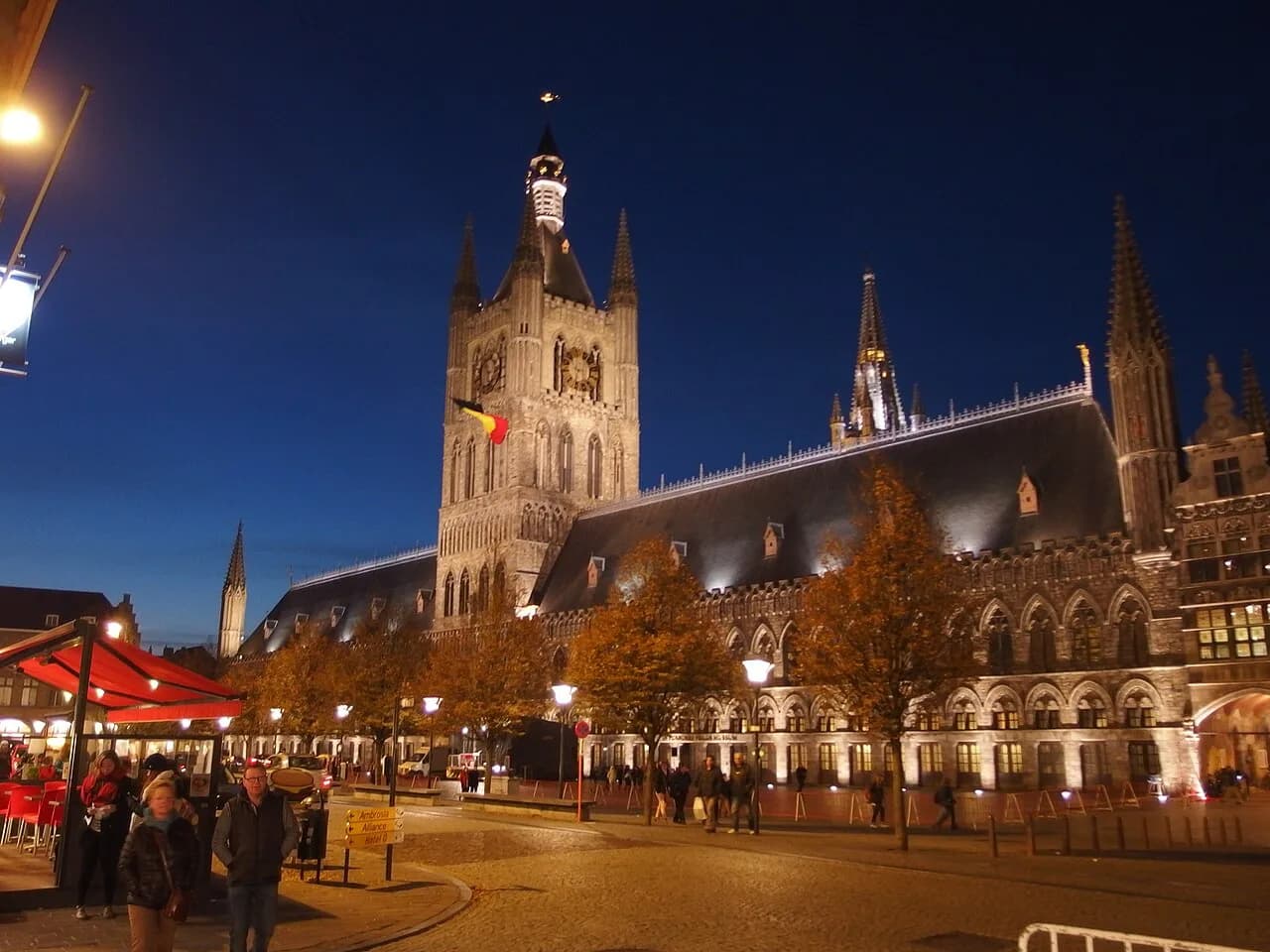
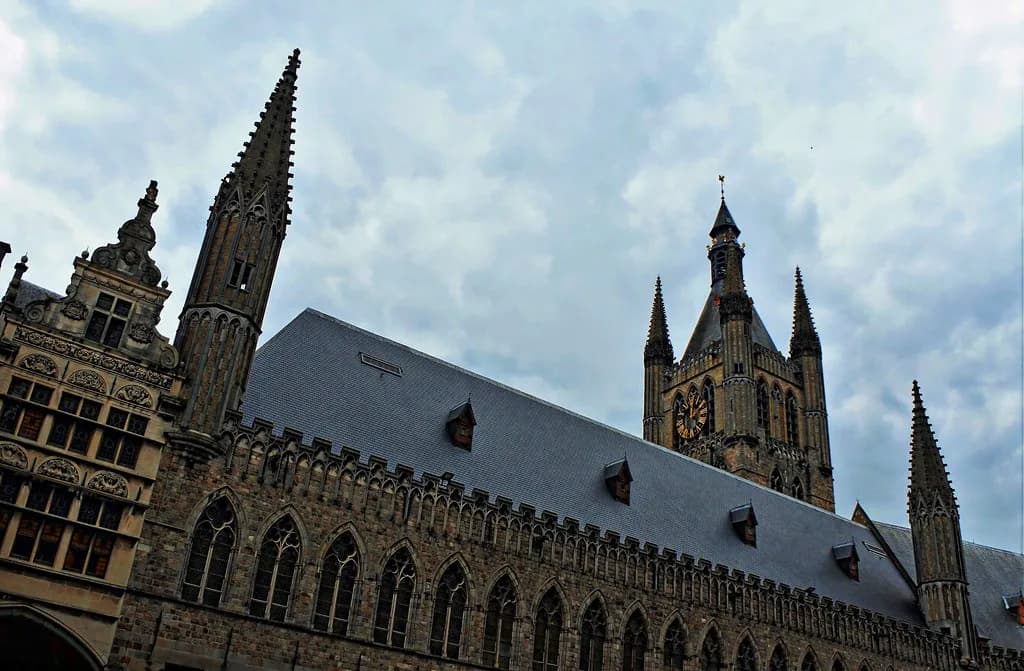
Ypres (Ieper) packs its sights into a small centre: the Grote Markt, the rebuilt Lakenhalle (Cloth Hall) that houses the In Flanders Fields Museum, and the Sint-Maartenskathedraal a few steps away. The green space sits outside that core, on the ramparts that once defended the town. The 17th-century fortifications now form the perimeter of some of the prettiest parks in Ypres, which is why the walk feels like a loop around the town rather than a visit to a single garden.
That shape matters when you plan. You are not choosing between parks as you might between museums; you are choosing how much of the ring to walk and where to join it. The Visit Flanders description of the town leads with the Cloth Hall, the cathedral and the medieval market square, which is the right priority for a first visit.
The ramparts walk: a ring of parkland around the town
Walking the ramparts is the single best way to see the green side of Ypres. The line of the fortifications is now a belt of trees and grass that separates the busy centre from the streets beyond, and you can pick it up at several points around the town. Treat it as a circuit: start near one of the gates, follow the green edge, and come back into the centre from a different side.
The reward is perspective. From the higher stretches you look back over rooftops towards the Cloth Hall and the cathedral spire, and the town reads as the compact place it is. This is also the calmest part of Ypres: away from the Grote Markt crowds, the ramparts are where you sit, walk slowly and let the memorial sites settle.
Short stroll or full loop: choosing your stretch
For a short stroll, join the ramparts near the centre and walk one side of the ring before turning back; you get the trees, the views and a rest without committing to the whole circuit. For a longer walk, do the full loop and use it as the spine of a half-day, dropping into the centre whenever a sight interests you. The trade-off is simple: the short version fits between museum visits, while the full loop needs a clear block of time and comfortable shoes.
Either way, the ground is a mix of paths and grass, with some slopes where the fortifications rise. Walk the loop early in the day if you want the quietest stretch, and keep the middle of the day for indoor sights, so a shower does not strand you on the far side of town.
Bookending the walk with the Menin Gate and the Cloth Hall
The green ring works best when it has anchors at both ends. Start at the Lakenhalle on the Grote Markt, where the In Flanders Fields Museum tells the story of the war in and around the Salient, then take the ramparts as a breathing space before returning to the centre. The museum sits in the rebuilt Cloth Hall, one of the largest medieval commercial buildings in Belgium, and its permanent exhibition gives the memorials outside their context.
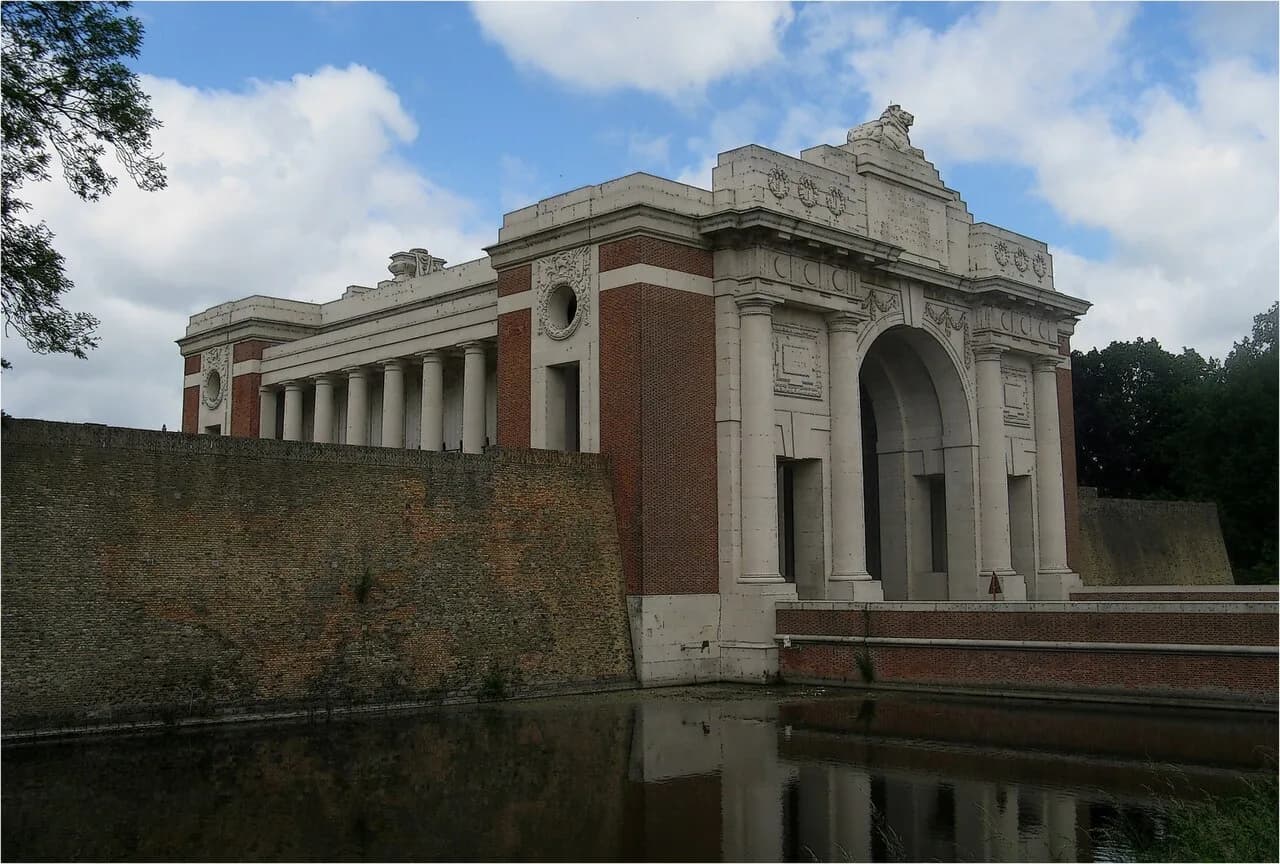
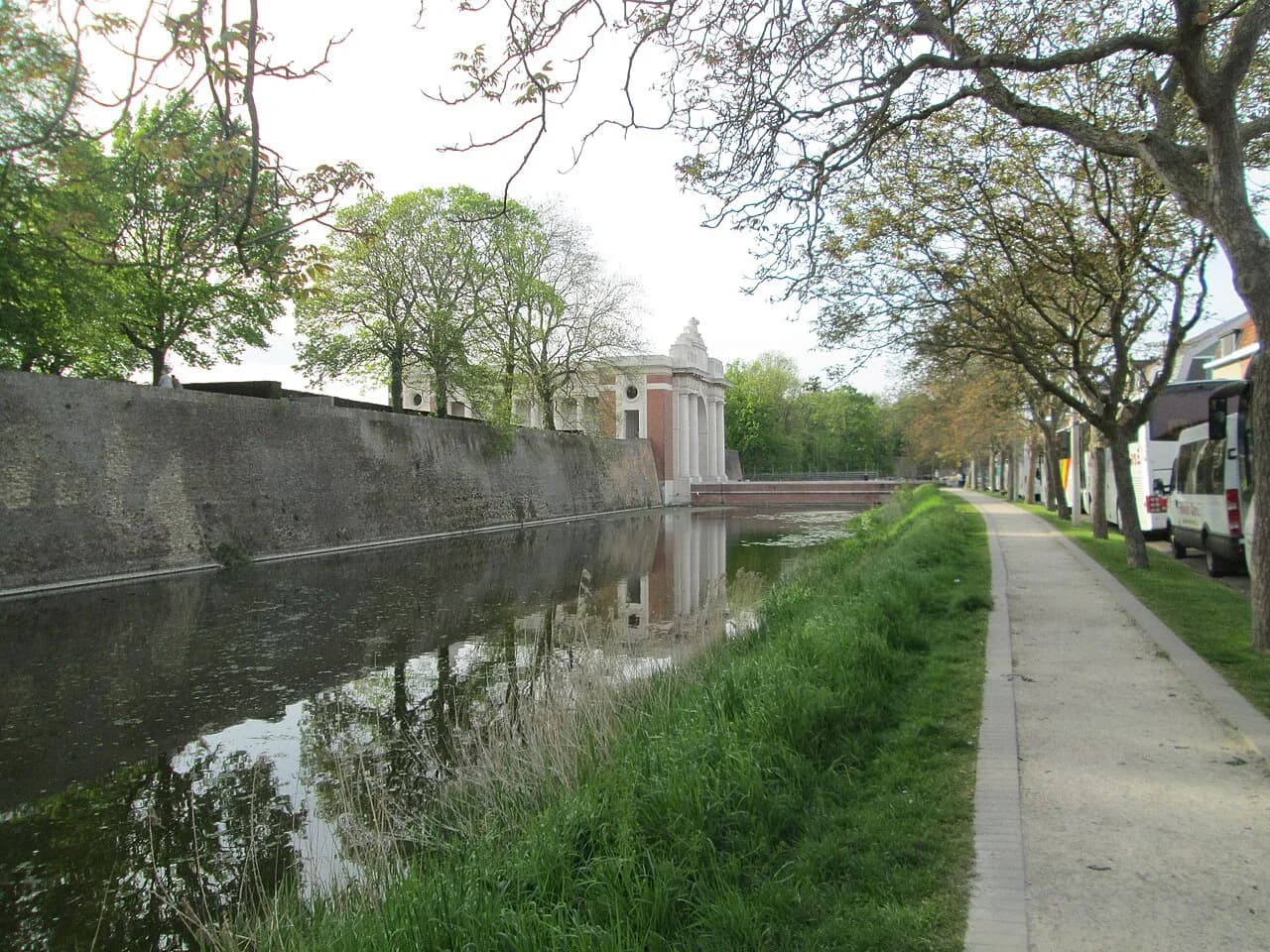
Finish at the Menin Gate, where the Last Post sounds nightly in tribute to the soldiers who fell in the Ypres Salient. Arriving early lets you read the names before the crowd gathers. The walk from the ramparts back to the gate takes you through the streets of the centre, so the day closes where the town's commemorative life is concentrated.
Quieter corners away from the Grote Markt
The Grote Markt is the busiest square in town, especially around the Cloth Hall and the cathedral. The ramparts are the obvious escape: the further you walk from the gates nearest the centre, the fewer people you meet. Pick a stretch with a view back towards the spire of the Sint-Maartenskathedraal and you get the town's best-known landmark without the crowd beneath it.
The town's cemeteries and memorial grounds on the edge of the centre are quieter still, and they are places for reflection rather than picnics. Treat them with the same respect you would in any Commonwealth war cemetery: walk quietly, read the headstones, and leave the lawns as you find them.
Fitting a park stop into one or two days
On a one-day visit, put the ramparts between two indoor stops: the In Flanders Fields Museum in the morning, a stretch of the green ring at midday, and the Menin Gate in the evening. The walk clears your head between heavy exhibitions and costs nothing, which matters when the day is already full of ticket desks. On a two-day visit, walk the full loop on the second morning, when you know the town's layout and can leave the map in your pocket.
If the weather turns, swap the order and take the museum first, then walk the ramparts in any dry gap. Keeping the green space flexible is the point: it is the part of the itinerary that absorbs delays without costing you a booking.
Practical notes on the ground
Expect a mix of surfaced paths and grass, with slopes where the old walls rise and stand. Walk the loop in one direction so you do not repeat the same view, and wear shoes that cope with damp grass outside high summer. Use the Grote Markt for coffee before you set out, since the green ring is quieter on that front.
The green spaces link naturally to the rest of the town: the centre is compact enough to walk from the Cloth Hall to the ramparts and back without transport. To plan the surrounding sights, start with the wider Ypres Attractions: 13 Visitor Guides and build the walk around what you most want to see.
Should the parks shape your Ypres trip?
The parks in Ypres are a supporting act, not the headline. Walk the ramparts as a loop between the In Flanders Fields Museum and the Menin Gate, and you get a quiet, free hour that makes the memorial sites easier to take in. Come to Ypres for the history; stay for the green ring around it.
Explore more Ypres guides
Frequently Asked Questions
How many names are on the Menin Gate?
The Menin Gate memorial commemorates soldiers of the former British Empire and its allies who died in the Ypres Salient and have no known grave. The Last Post Association describes the gate as the place where the Last Post is played daily in their honour. For the exact number of names, check the Commonwealth War Graves Commission record for the memorial before you travel.
Is Flanders Fields in Belgium or France?
Flanders Fields is the battlefield region around Ypres in West Flanders, in Belgium, close to the French border. The In Flanders Fields Museum in Ieper is the main museum for the region, and the surrounding memorials and cemeteries sit on Belgian soil.
What is Ypres called now?
The town is officially Ieper in Dutch, and Ypres is the French and English name still used by most visitors from the UK. You will see both on signs and timetables, so treat them as the same place.
Sources
Useful notes for your next trip
Optional updates to our guides.
You might also like
Continue reading
More guides you'll find useful