Ypres Events: Ceremonies, Concerts and Commemorations
Ypres events from the daily Last Post at the Menin Gate to the Armistice concert, plus how ceremonies shape crowds and the rhythm of a short break.
On this page
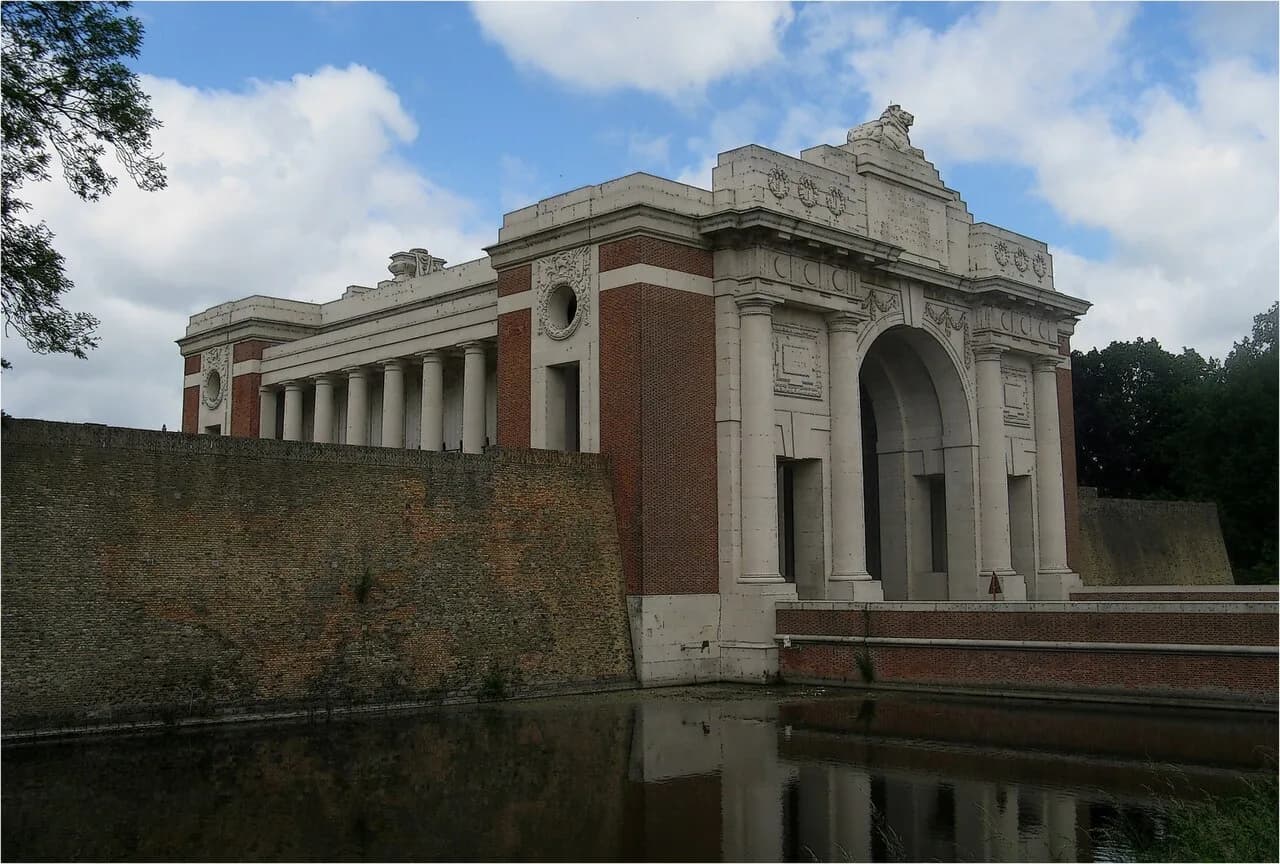
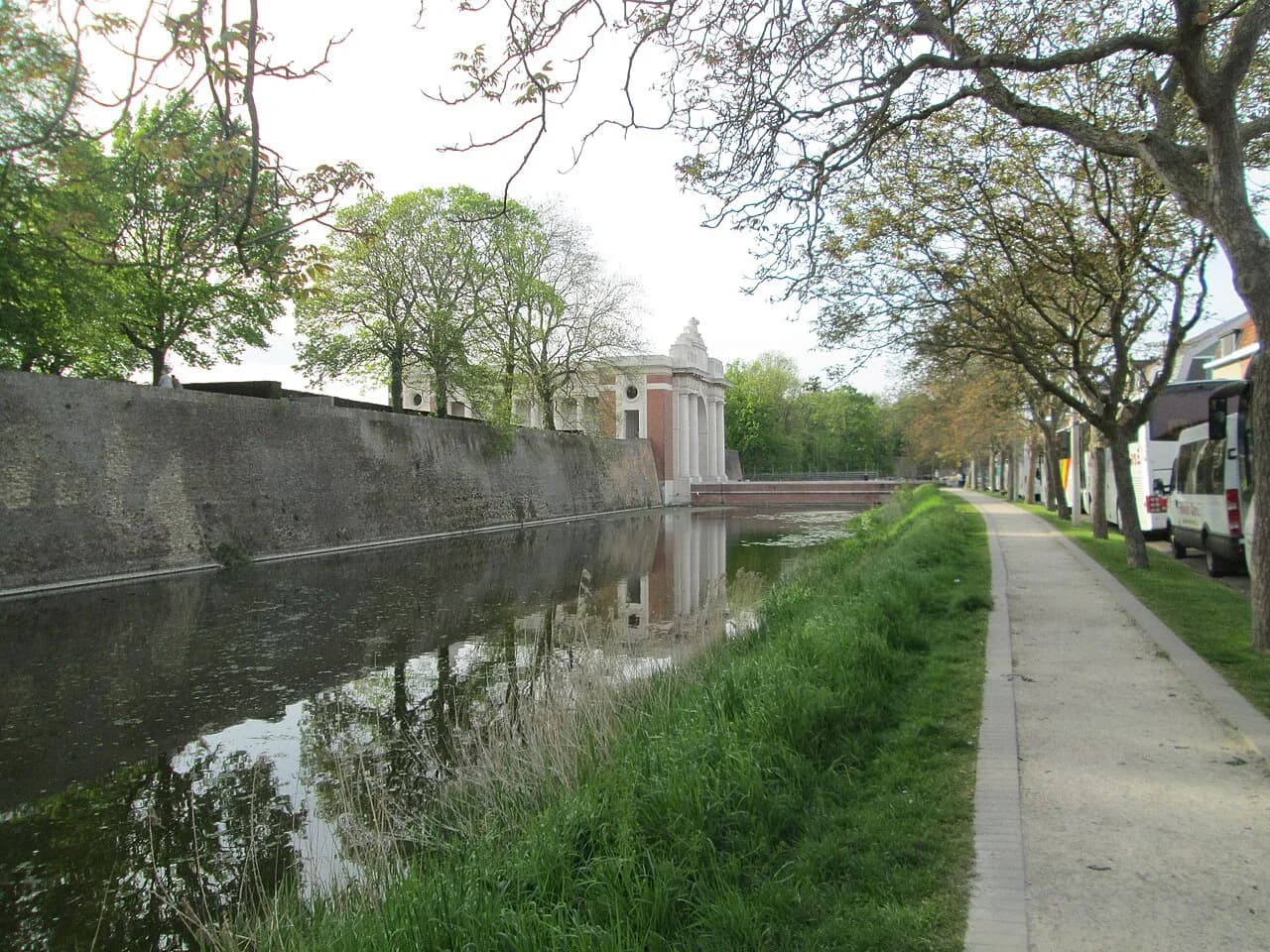
Ypres has one event that runs every single day: the Last Post ceremony under the Menin Gate (Menenpoort), organised by the Last Post Association in honour of the memory of the soldiers of the former British Empire and its allies who died in the Ypres Salient during the First World War. That daily fixed point is the spine of any visit, and everything else in the town's commemorative calendar clusters around it. This guide covers the ceremony, the Armistice programme, guided touring of the battlefields and how to plan a short break around them. For the practical details, see the Ypres walking tour.
The daily Last Post at the Menin Gate
The ceremony is short and solemn, and it happens under the gate itself rather than in a hall or museum. Because it is a memorial ritual rather than a show, visitors are expected to stand quietly and treat the gate as a place of remembrance.
Treat the ceremony as the anchor of your day rather than an add-on at the end of it. Plan your afternoon so you are back in the town centre in good time, and keep the evening free afterwards, because the mood after the buglers finish is not one for rushing to a next stop.
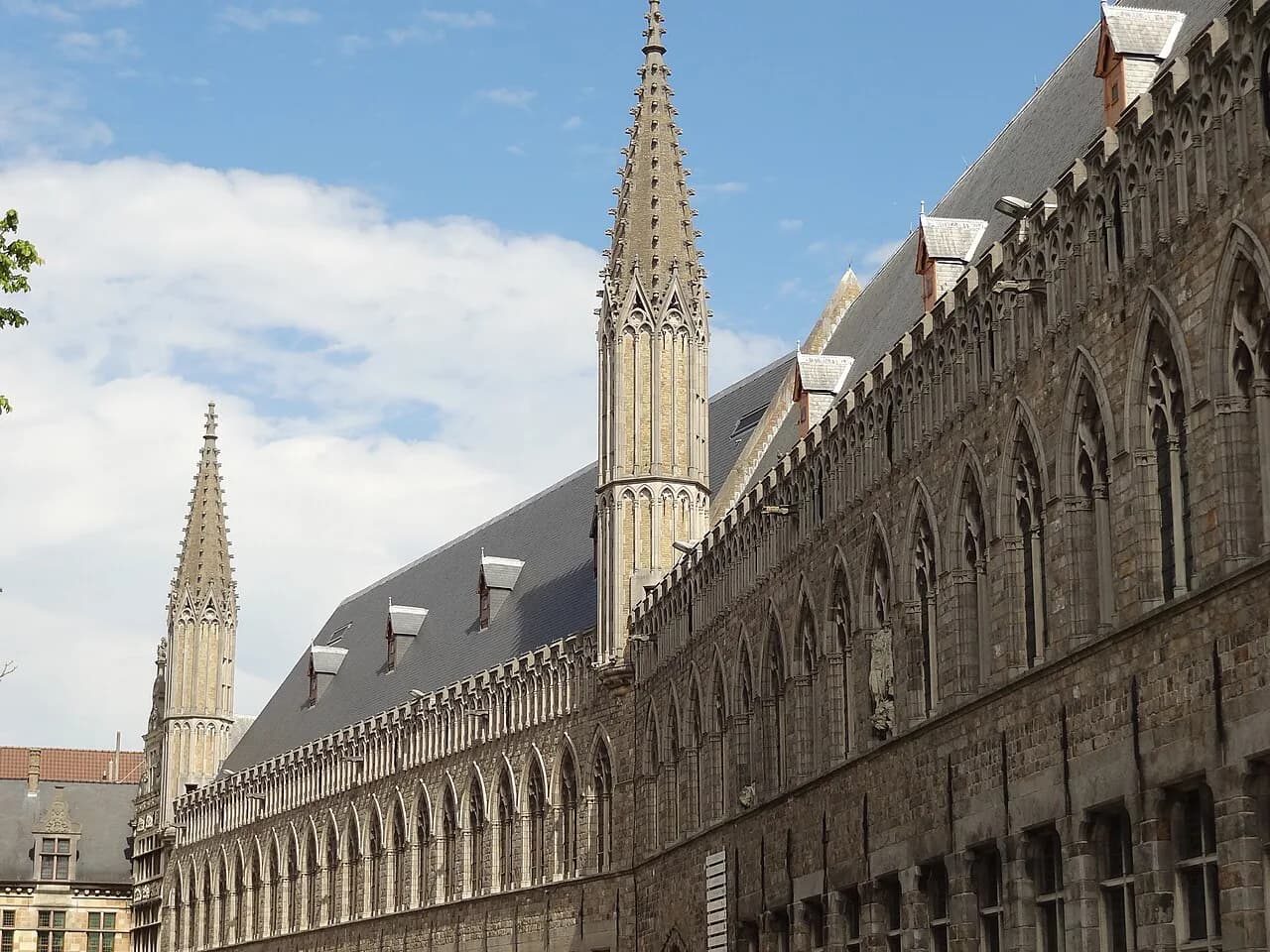
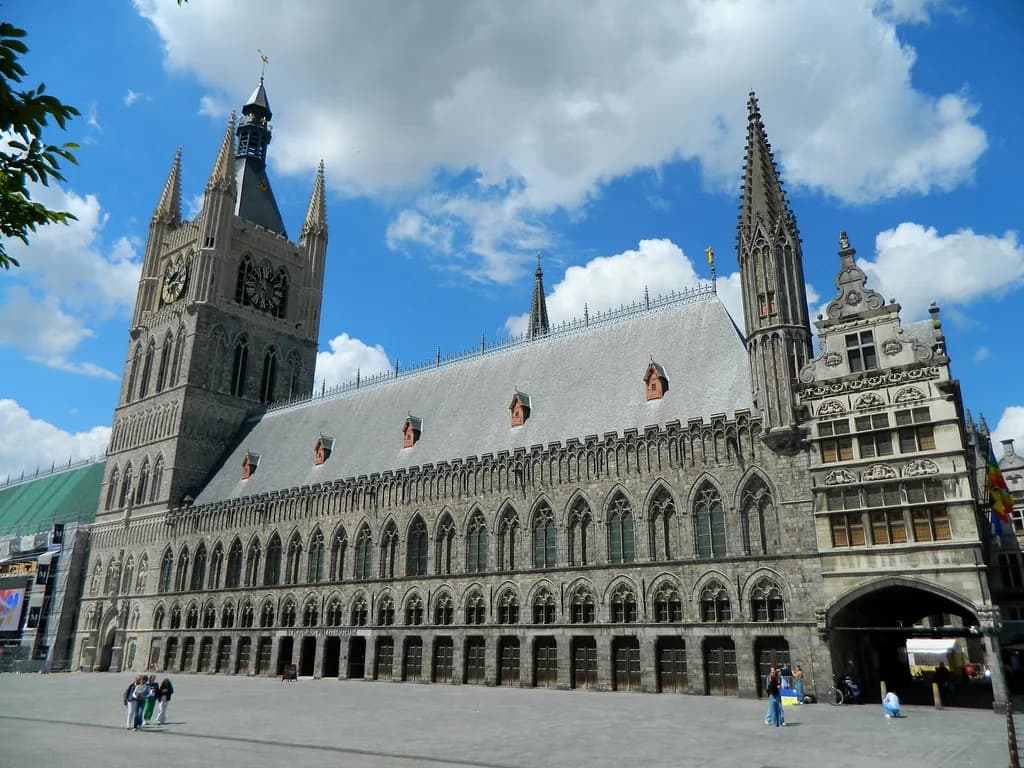
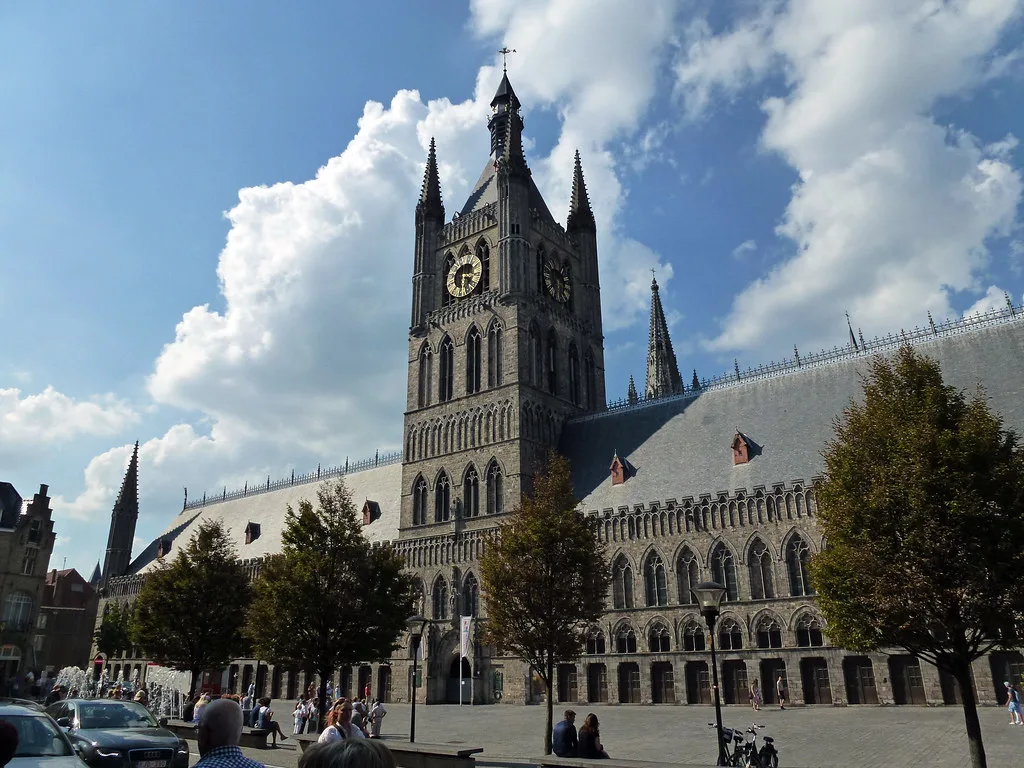
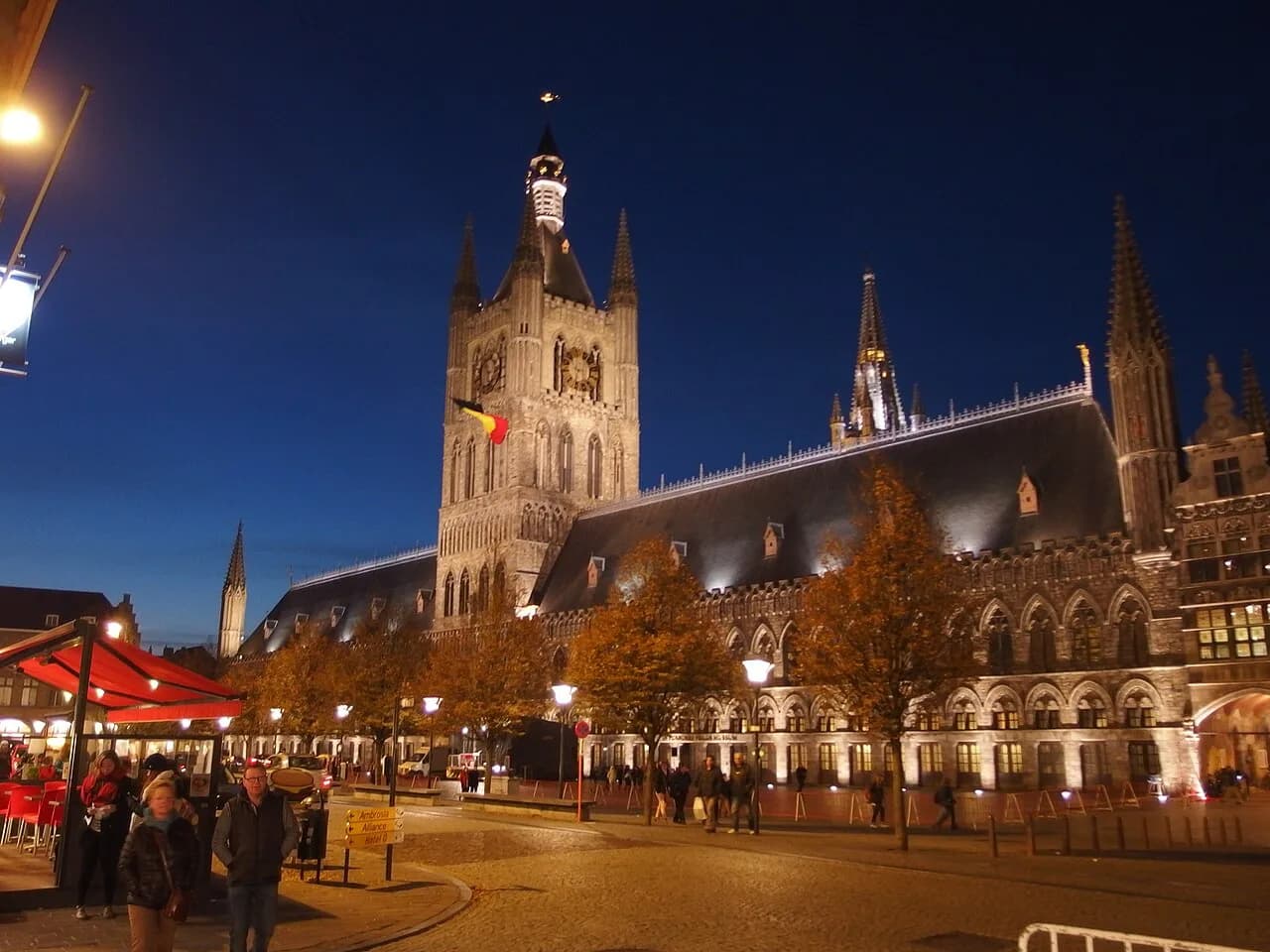
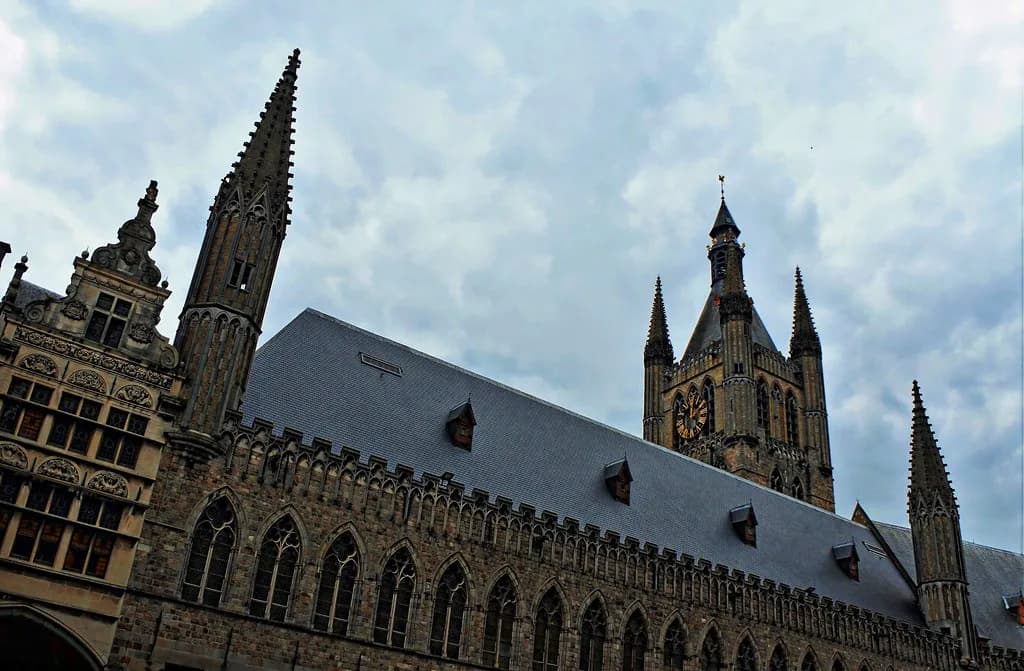
The Menin Gate sits at the eastern end of the town centre, a short walk from the Market Square (Markt) and the rebuilt Lakenhalle (Cloth Hall). Pair the ceremony with a slow loop through the centre, and the city's other sights slot in naturally.
How the ceremony fits a day in Ypres
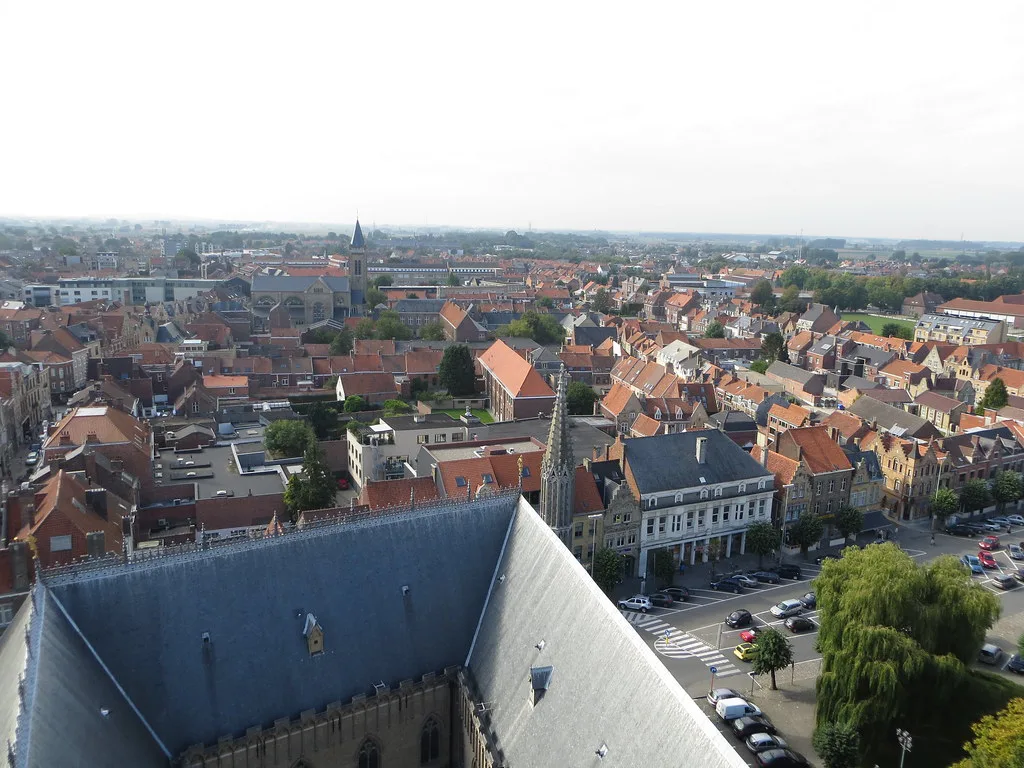
A sensible shape for a ceremony day starts on the Markt, takes in the Lakenhalle and its museum, and moves on to the cathedral before heading east to the gate. Ypres was rebuilt after the First World War, so its historic centre is largely interwar reconstruction on a medieval plan, which makes walking between the squares quick.
If you want context before you stand under the gate, the In Flanders Fields Museum occupies the Cloth Hall and tells the story of the salient from the town's own perspective. It is the natural complement to the ceremony, and it is the sort of place that rewards a couple of hours rather than a quick pass.
Guided tours and independent museums give the day a second layer: the Commonwealth War Graves Commission suggests visiting the Cloth Hall and Market Square, joining a tour or building your own, then exploring the independent museums. Building your own route means moving between cemetery and memorial sites outside the town walls, which takes more time than most people expect.
Armistice week in Ypres
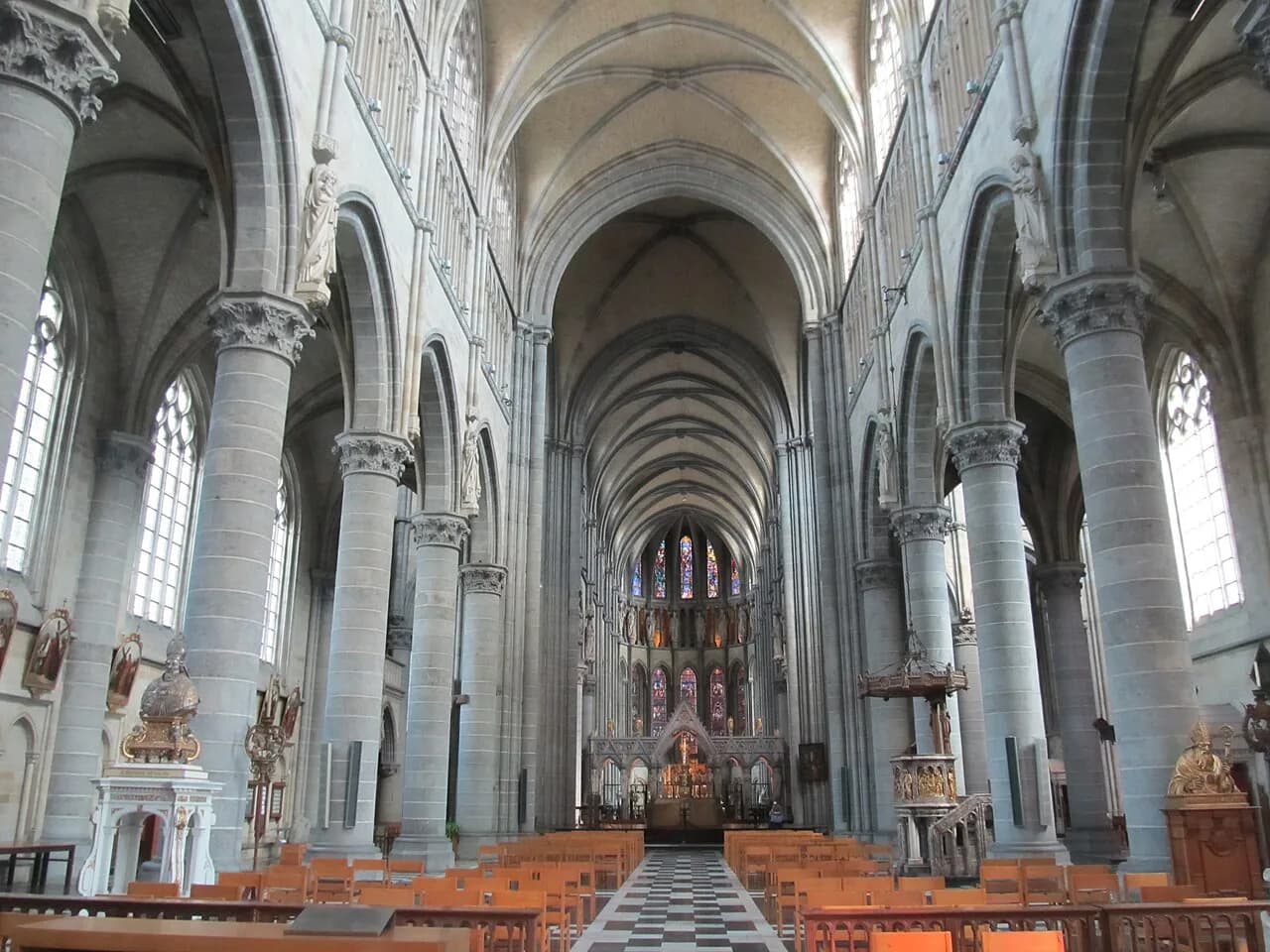
Armistice Day on 11 November is the fixed date in the town's year, and the surrounding days carry the heaviest programme of remembrance in the calendar. The Last Post Association runs its annual Great War Remembered concert around the date, staged in St Martin's Cathedral in Ieper.
If you are travelling specifically for 11 November, book transport and a room well ahead. Outside that week the town is far calmer, and the daily ceremony remains just as moving with a handful of people as with a crowd.
The Great War Remembered concert
The concert is staged in St Martin's Cathedral in Ieper, with music, images and history woven around a different theme each year. For 2026 the theme is Contrast: From total chaos to absolute silence, and the programme mixes a concert band, pipes and drums, choirs and solo singers with the Last Post Association's own buglers.
Performances in 2026 fall on 8 November at 16:00 and 19:15, and on 11 November at 17:00. Seating is numbered and tickets are issued as e-tickets only, so a printout is not the route in.
The cathedral itself is worth an hour on an ordinary day, rebuilt after the war and central to the town's civic life. If you are in Ypres outside concert week, step inside between other sights rather than planning a special trip for it.
Battlefield touring as the main event
For many visitors the guided tour of the Ypres Salient is the centrepiece, not a side trip. Operators run excursions across the salient, and the Commonwealth War Graves Commission suggests joining a tour or building your own route around the cemeteries and memorials.
A full-day tour means an early start and a late return, which shapes the rest of your itinerary more than any single museum. If you only have two days, put the tour on one and keep the other for the town itself, and do not try to squeeze a third location in.
Brewery visits also appear as bookable experiences in the area, including tours with tastings at West Flanders producers. They suit a half day rather than a full one.
Other moments in the Ypres calendar
The Great War Remembered concert is timed around Armistice Day and is the large annual fixture with published dates in the town's calendar. For the rest of the year, plan around the daily Last Post rather than any single seasonal event.
If a particular event is the reason for your trip, build the rest of the break around the ceremony itself, which happens regardless of the date you choose.
How events change crowds and the rhythm of a stay
Outside Armistice week, Ypres is a modest town that absorbs visitors easily, and the daily ceremony rarely dominates the day. In November the balance shifts: Armistice week carries a heavier programme of services around the concert and Armistice Day itself.
One day covers the centre and the ceremony comfortably, two days add a battlefield tour or a museum properly, and three allow for a slower pace and a brewery or a walk along the canal. That matches the town's compact scale, where most sights sit within walking distance of the centre.
The trade-off is simple: stay in Ypres for easy access to the evening ceremony and early starts for tours, or base in Bruges or Ghent for a wider choice of things to do and travel in. Staying in Ypres removes the need to get back after the ceremony, which is the point of the visit for many people.
Bruges and Ghent as bases compared with staying in Ypres
Bruges and Ghent are larger cities with more museums, more restaurants and more to fill an evening, and both are within reasonable reach of Ypres by train. The cost is time: a return journey plus a ceremony makes for a long day, and it leaves little room for a battlefield tour.
A workable compromise is to split a short break: two nights in Ypres for the ceremony and the salient, then a night in Ghent or Bruges for the rest of the trip.
If a ceremony is the reason for the trip, base in Ypres and use the town as the fixed point. If the ceremony is one element among several, base elsewhere and treat Ypres as a day out with an evening return.
Which Ypres event should you plan around?
Plan around the daily Last Post first, because it runs every day and asks nothing but your attention. Add the Great War Remembered concert if you are travelling in Armistice week and book numbered seats as soon as they are released, since e-tickets are the only format.
For everything else, pick a battlefield tour or a museum as your second fixed point and leave the rest of the day loose. That is how the town works best: one solemn appointment, then room to walk the centre and take it in.
Explore more Ypres guides
Sources
Useful notes for your next trip
Optional updates to our guides.
You might also like
Continue reading
More guides you'll find useful