London to Ypres: Train, Ferry and Flight Routes Compared
How to reach Ypres from London by Eurostar and Belgian trains, by ferry with a car, or by air, with the changes involved and which route suits a short break.
On this page
There is no direct rail link from London to Ypres (Ieper), so every journey involves at least one change, usually in Brussels or Lille. The simplest route is Eurostar from London St Pancras to Brussels, then a Belgian train south-west to Ieper; ferry-and-drive and flights suit travellers who want a car or a different cost profile. This guide compares those options and ends with what greets you at Ieper station.
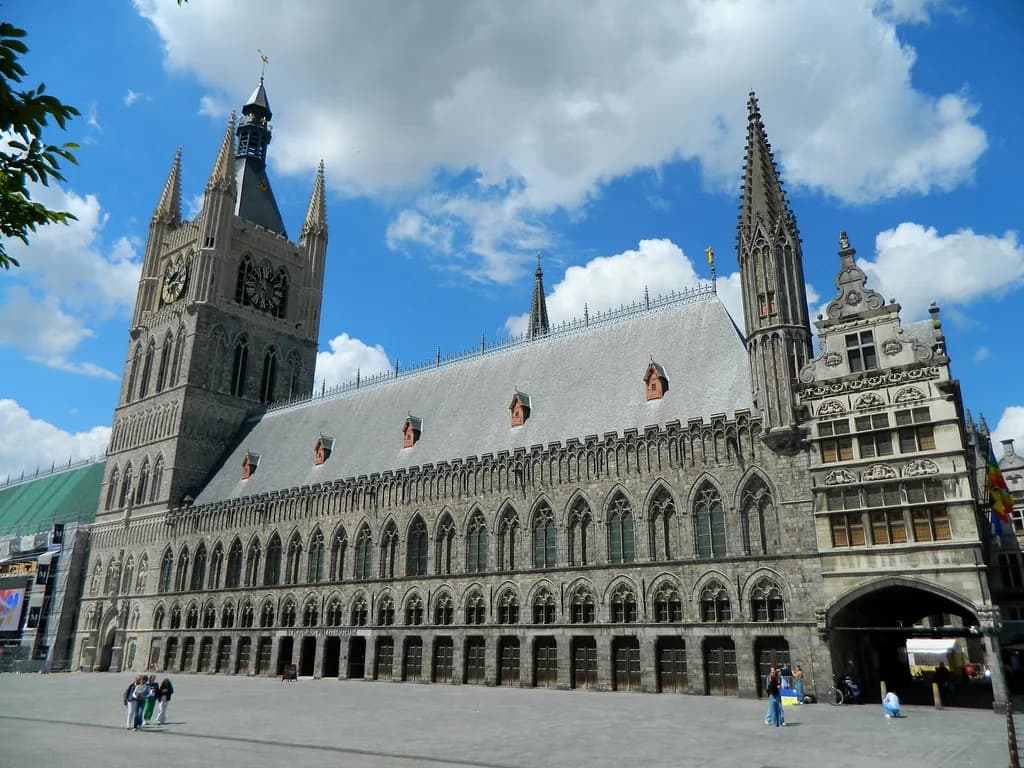
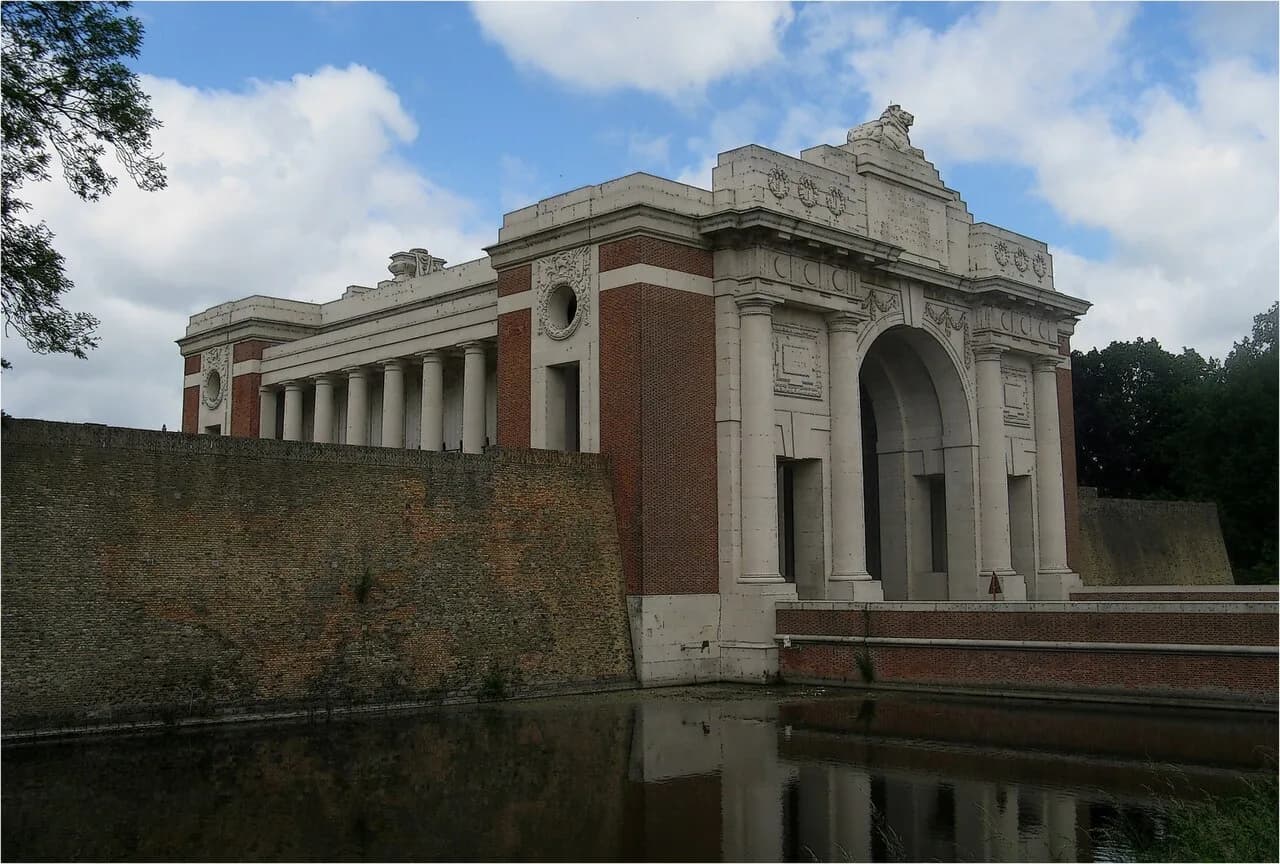
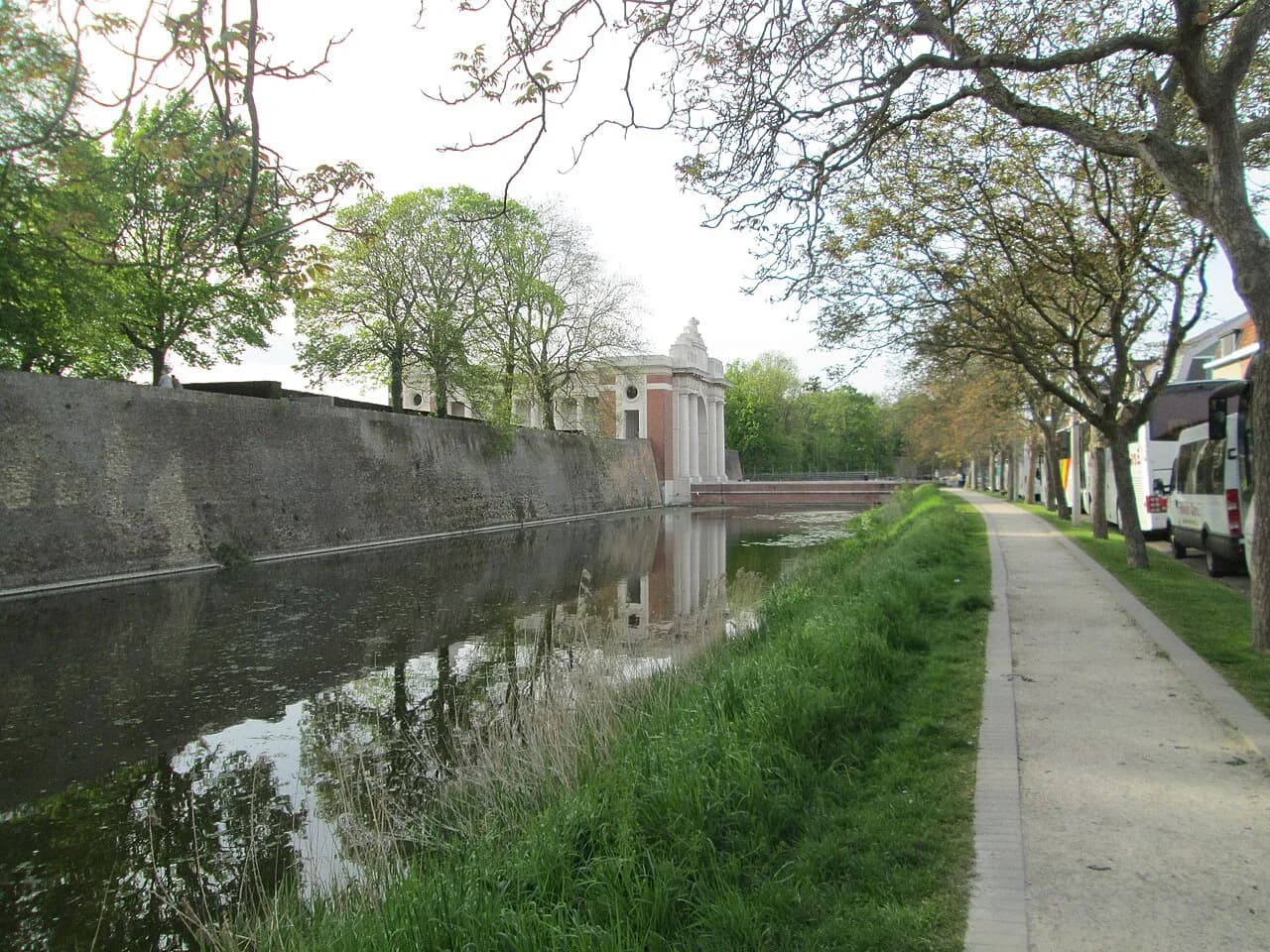
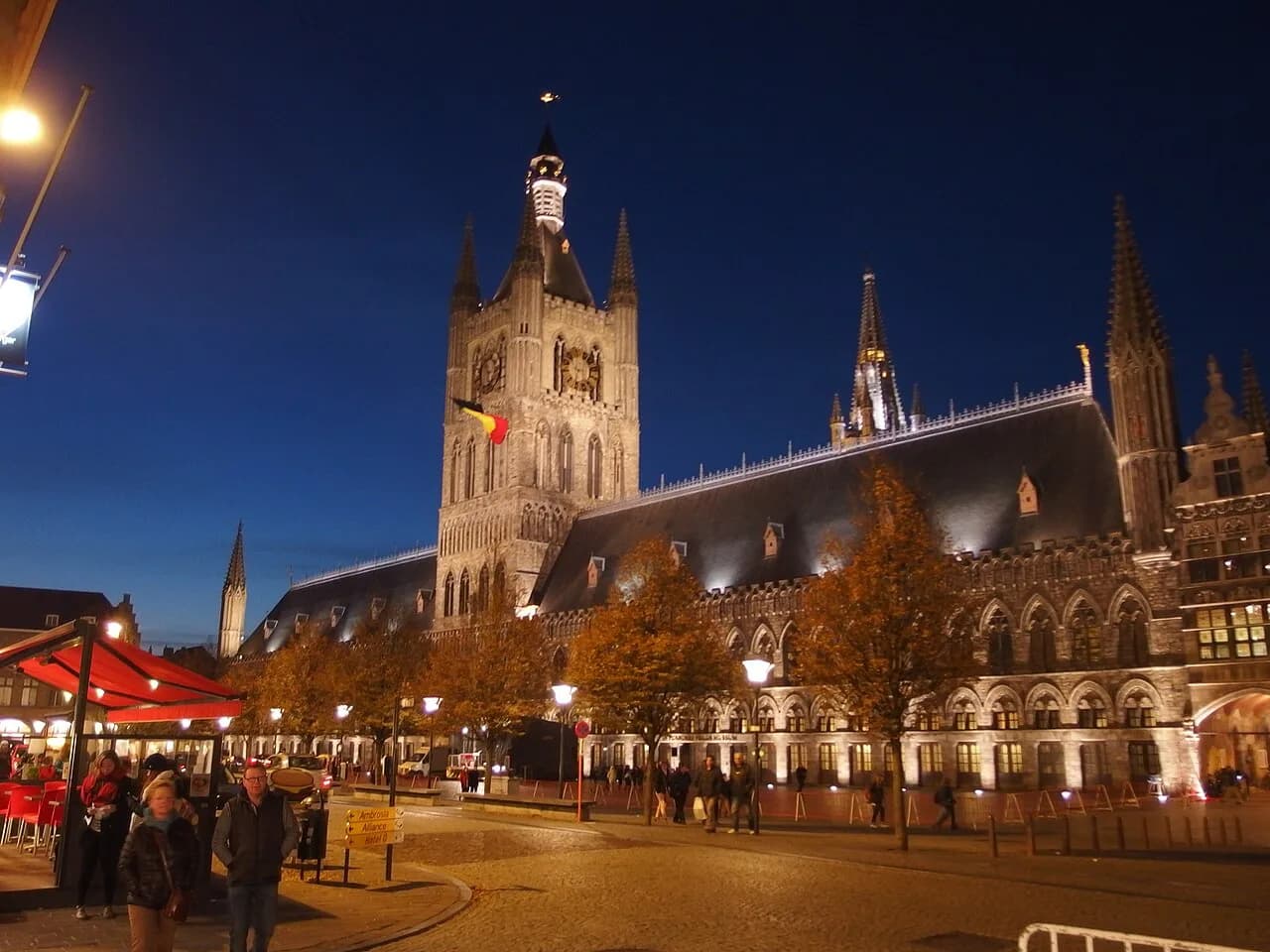
Ypres is the unofficial capital of Flanders Fields, and the town is compact enough that the journey is the only complicated part of a short break. Once you arrive, the Grote Markt, the Lakenhalle (Cloth Hall) and the Menin Gate sit close together, which makes an evening arrival for the Last Post realistic by rail. If you are still deciding whether the city justifies the trip, our Things to Do in Ypres (Ieper) guide covers the sights and the mood of the place.
The routes at a glance
Four options cover almost every London-to-Ypres trip. Rail via Brussels is the most straightforward for a car-free weekend; rail via Lille suits travellers who find a better Eurostar connection to northern France; ferry-and-drive works for anyone touring the WWI sites; flying requires an onward train or car from a Belgian or French airport. Each involves a change or a transfer, so build that into your timing rather than treating the journey as a single hop.
Rail travel from Brussels to Ypres takes about 1 hour 38 minutes on the fastest services. From Antwerp, another Belgian city with good connections, the fastest trains take around 1 hour 56 minutes. Those figures cover the Belgian leg only and are the ones to plan around, since the London-to-Brussels stretch depends on which Eurostar departure you book.
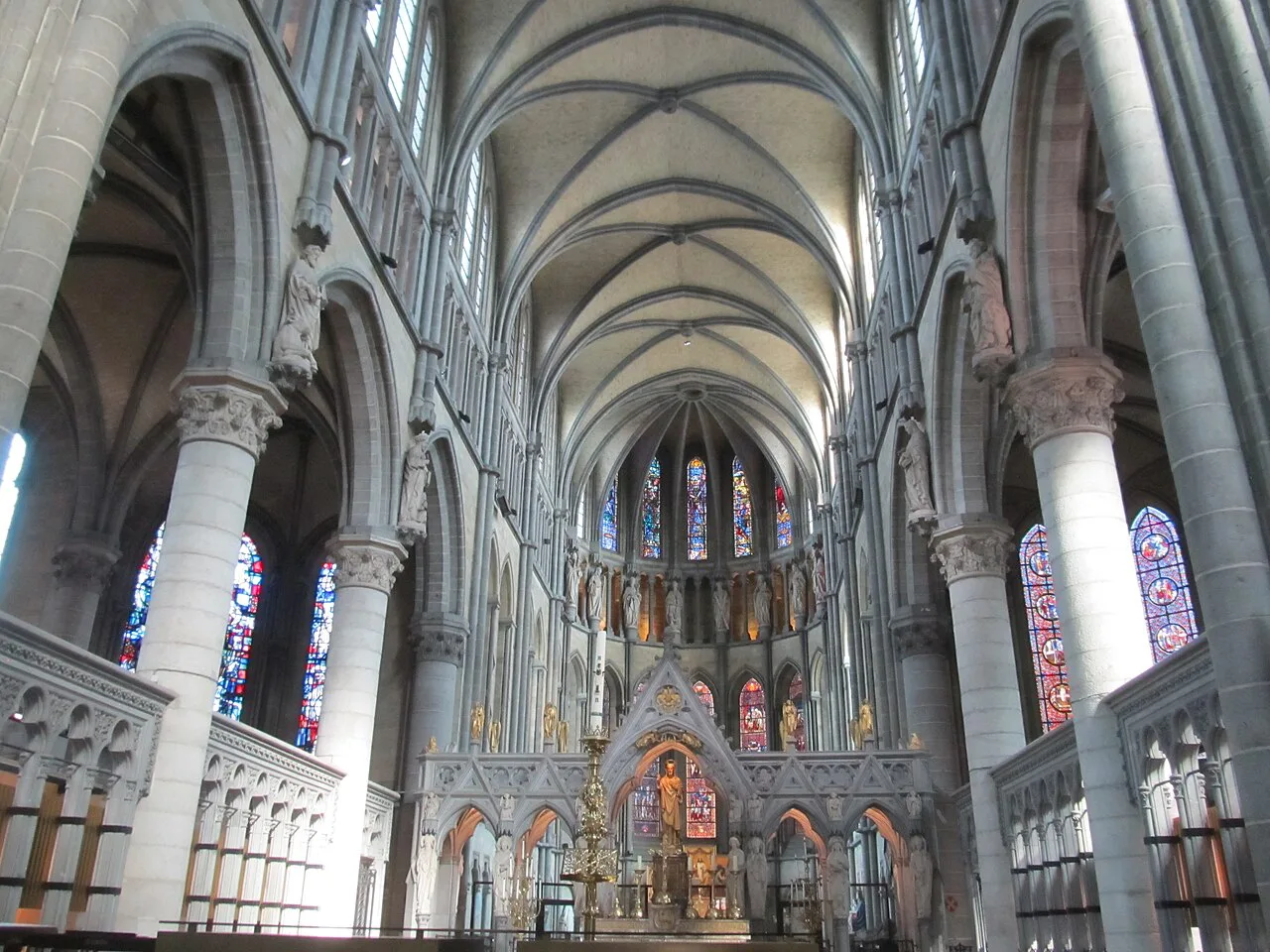
By train via Brussels
Take Eurostar from London St Pancras to Brussels, then change onto the Belgian network for the run to Ieper. Brussels has more than one station, so check which one your Eurostar arrives at and which one the Ypres service leaves from before you book; the change is the part that catches people out. Allow a comfortable buffer rather than a tight connection, especially if you are travelling on a Friday evening.
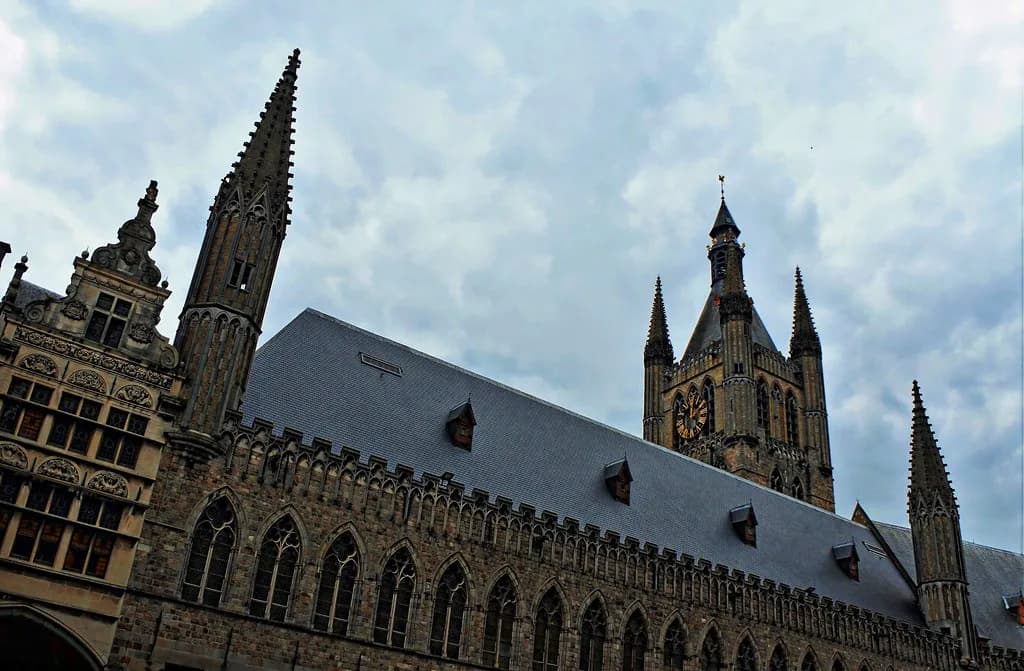
This is the route to choose if you want to step off the train and walk into town. It also keeps the whole trip on rail, which matters if you plan to spend your days at the In Flanders Fields Museum and the memorial sites rather than driving between them. The museum occupies the Cloth Hall on the Grote Markt and is the natural first stop on a short break.
The Lille alternative
Eurostar also serves Lille, and from there you continue by regional train towards Ieper, which usually means another change rather than a single through service. Lille can be the better choice when London departures to Brussels are awkward or when you are combining Ypres with a day in French Flanders. The trade-off is an extra connection and a border crossing on local trains, so it rewards slightly more planning than the Brussels route.
Whichever French or Belgian gateway you use, treat the final leg as the fixed point and work backwards. Belgian domestic tickets are generally bought separately from Eurostar, and the fare you pay depends on the service and how far ahead you book.
By ferry and car
Ferries from the English coast to Calais or Dunkirk put you within a straightforward drive of Ypres, and a car makes the surrounding cemeteries and memorials far easier to reach than public transport allows. That is the main argument for this route: the town itself is walkable, but the wider Flanders Fields landscape is not. If your trip is centred on the battlefields rather than the town, drive.
The costs work differently from rail. You pay for the crossing and for fuel, but you gain flexibility and can stay outside the centre. There is no need to fix a crossing time months ahead in the way you might for a train, though weekend sailings fill up in summer.
By air and onward transfer
Flying means choosing an airport with good rail links into Belgium, then completing the journey by train or hire car. No airport sits at Ypres itself, so the flight is only ever the middle of the trip. Compare the total door-to-door time against the Brussels rail route before booking; for a two- or three-night break, the train often wins on convenience even when a flight looks cheaper.
Which route suits your trip
For a weekend of one to three nights with the town as the focus, rail via Brussels is the pick. You arrive in Ieper without a car, walk to your accommodation, and can be at the Menin Gate for the evening ceremony. For a longer trip built around WWI sites and cemeteries spread across the countryside, ferry-and-drive gives you the freedom to move between them.
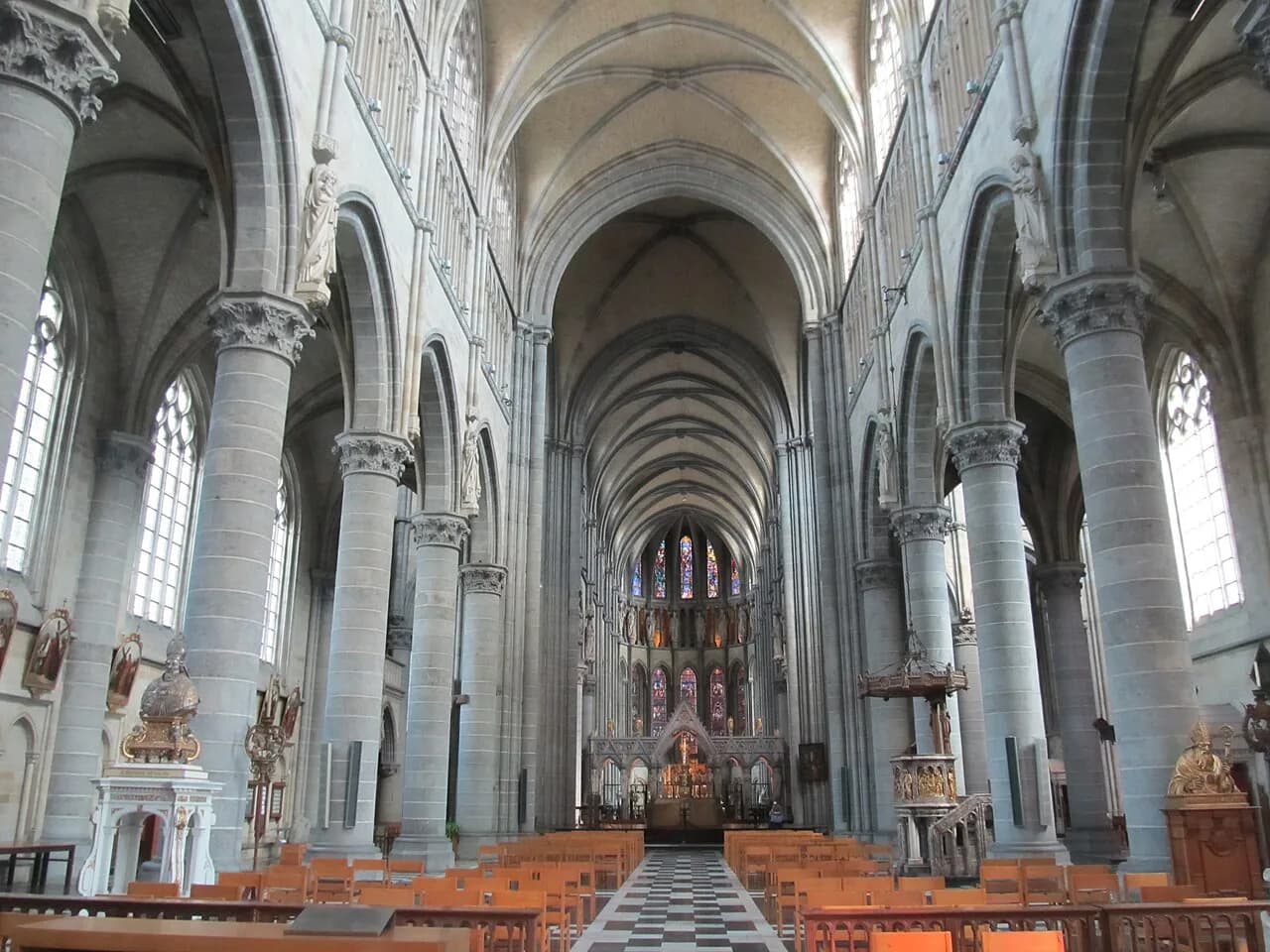
If your dates are flexible, check which Eurostar departures and Belgian connections fit together before committing to a hotel. The Last Post is sounded nightly under the Menin Gate in tribute to the soldiers who fell, so an arrival that leaves the evening free is worth arranging. The Last Post Association also stages an annual commemorative concert in St Martin's Cathedral around Armistice Day, with numbered seats and e-tickets only, which can shape a November visit.
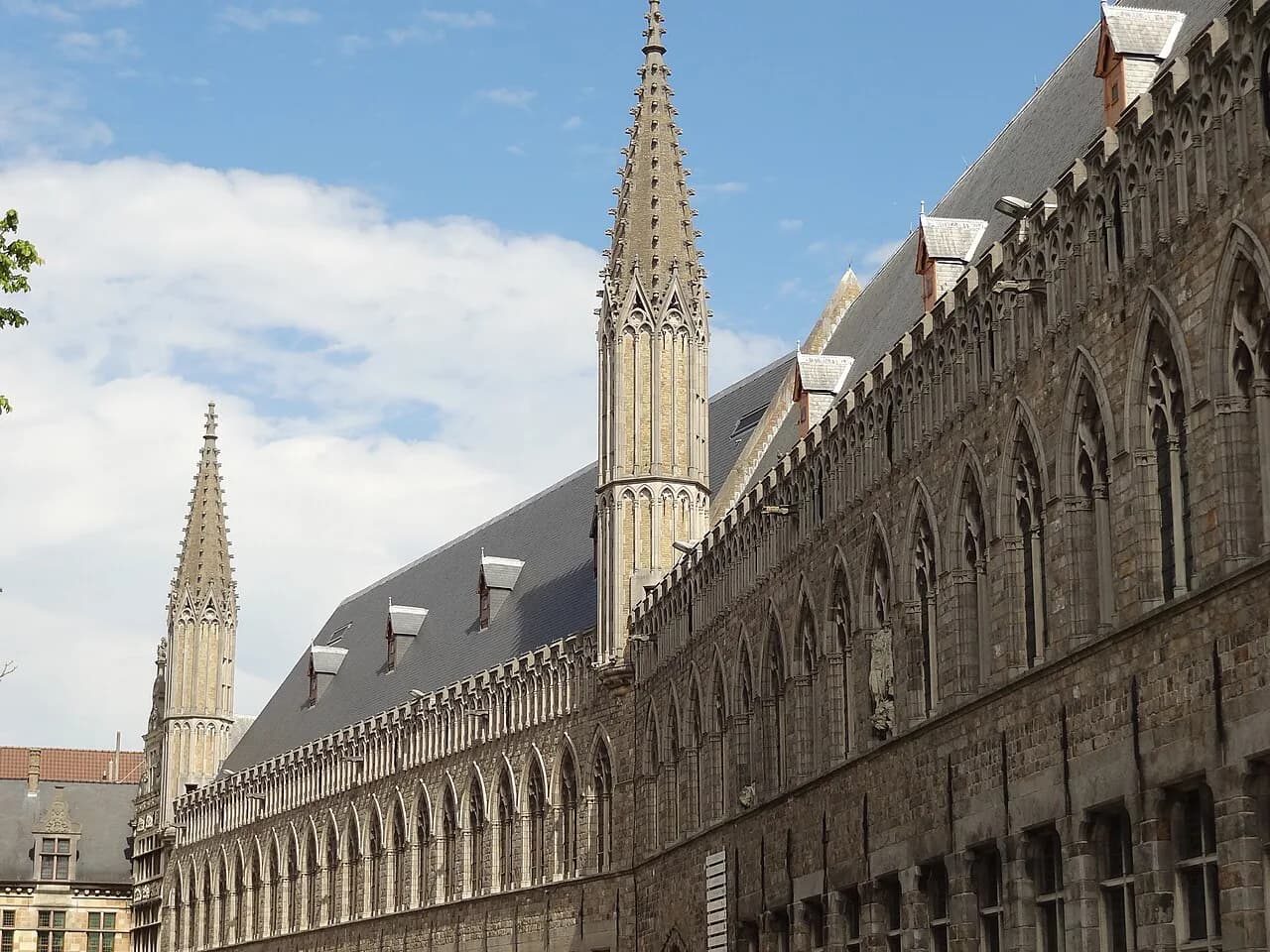
If you are weighing up whether the trip is worth the effort at all, the honest answer is that Ypres rewards anyone interested in the First World War and the rebuilding of a medieval cloth town. The city was reconstructed after near-total destruction, and the Cloth Hall you see today is the result. That story is the reason to come, and it is best absorbed over two days rather than one.
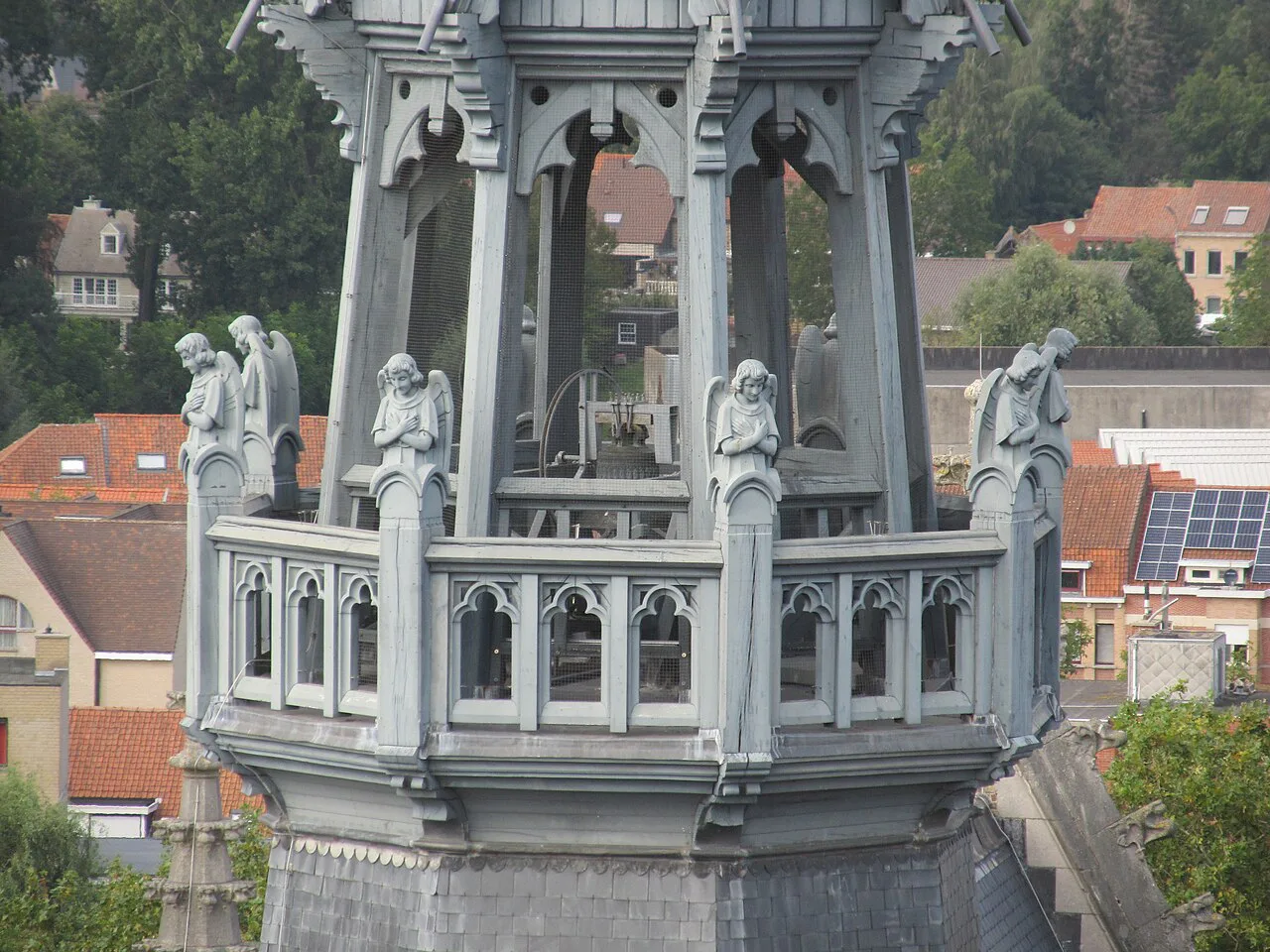
Arriving at Ieper station
Ieper station sits on the edge of the centre, a short and mostly level walk from the Grote Markt, the Lakenhalle and the Menin Gate. You do not need a taxi for the final leg unless you are carrying heavy luggage. The walk in takes you past ordinary streets before the square opens up, which is a gentle introduction to a town that is small enough to cross on foot.
The In Flanders Fields Museum is at Grote Markt 34, in the Cloth Hall, which makes it an easy first stop if you arrive with time before dinner. Opening hours and ticket details change with the season, and booking ahead is sensible for a museum this central. Allow a couple of hours if you want to do it justice.
Once you have dropped your bags, the classic orientation is a loop from the square past the cathedral and on to the Menin Gate, which also sets you up for the evening ceremony. A structured walk helps if you want to see the main sites without wandering. It also keeps you on the right side of town as dusk falls.
Book the train, then plan the days
For most short breaks from London, book Eurostar to Brussels and a Belgian train on to Ieper, and keep the connection generous. Choose Lille if the London timings suit you better, and take the ferry with a car if the battlefields rather than the town are the point of the trip. Whichever you choose, aim to arrive with the evening free for the Menin Gate.
Explore more Ypres guides
Frequently Asked Questions
Is there a direct train from London to Ypres?
No. Rail passengers change at least once, usually in Brussels onto a Belgian service to Ieper, or in Lille followed by a regional connection. The Belgian leg from Brussels takes roughly an hour and a half on the fastest trains.
What is the closest airport to Ypres?
There is no airport at Ypres, so flying means landing at a Belgian or French airport with onward rail or road connections. Compare the total journey time with the Brussels rail route before booking, as the transfer usually adds a stage.
Can I reach Ypres by train in time for the evening ceremony?
Yes, if you book a morning or early-afternoon Eurostar and allow a comfortable change in Brussels. The Last Post is sounded nightly under the Menin Gate, and the station is a short walk from the centre, so an evening arrival is practical.
Should I take the ferry or the train for a battlefield trip?
Take the ferry with a car if you want to visit cemeteries and memorials spread across the countryside, as public transport between them is limited. For a town-based break of two or three nights, the train via Brussels is simpler.
Sources
Useful notes for your next trip
Optional updates to our guides.
You might also like
Continue reading
More guides you'll find useful