Menin Gate Ceremony: The Last Post at Ypres
The Last Post sounds under the Menin Gate in Ypres every evening, at 20.00 in winter and 21.00 in summer, with wreaths and restored stone under the arch.
On this page
The Last Post ceremony takes place under the Menin Gate in Ypres every evening, sounding at 20.00 in winter and 21.00 in summer. It is held in the street under the arch rather than in a ticketed hall, so you can build a day of sightseeing around it instead of booking a slot. This guide covers what happens at the gate, what the monument commemorates, how to behave, and where an evening visit fits into a stay in Ypres (Ieper).
What happens at the Last Post ceremony
A bugler sounds the Last Post, the call that traditionally closes the day for British and Commonwealth forces, beneath the arch of the Menin Gate. The ceremony has been sounded daily for almost a century, except during the Nazi occupation, and it continued through the recent restoration, with the work carried out above an enclosed space that allowed the ceremony to carry on in the street below. It is a short act of remembrance rather than a performance, and the crowd falls silent as the call begins.
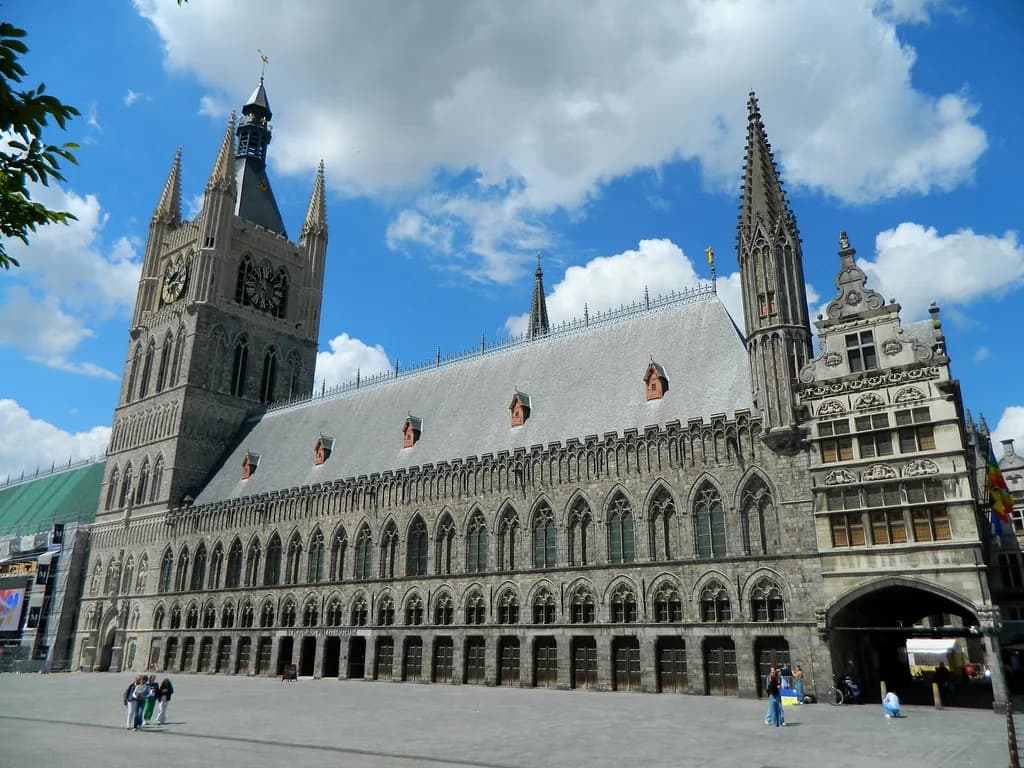
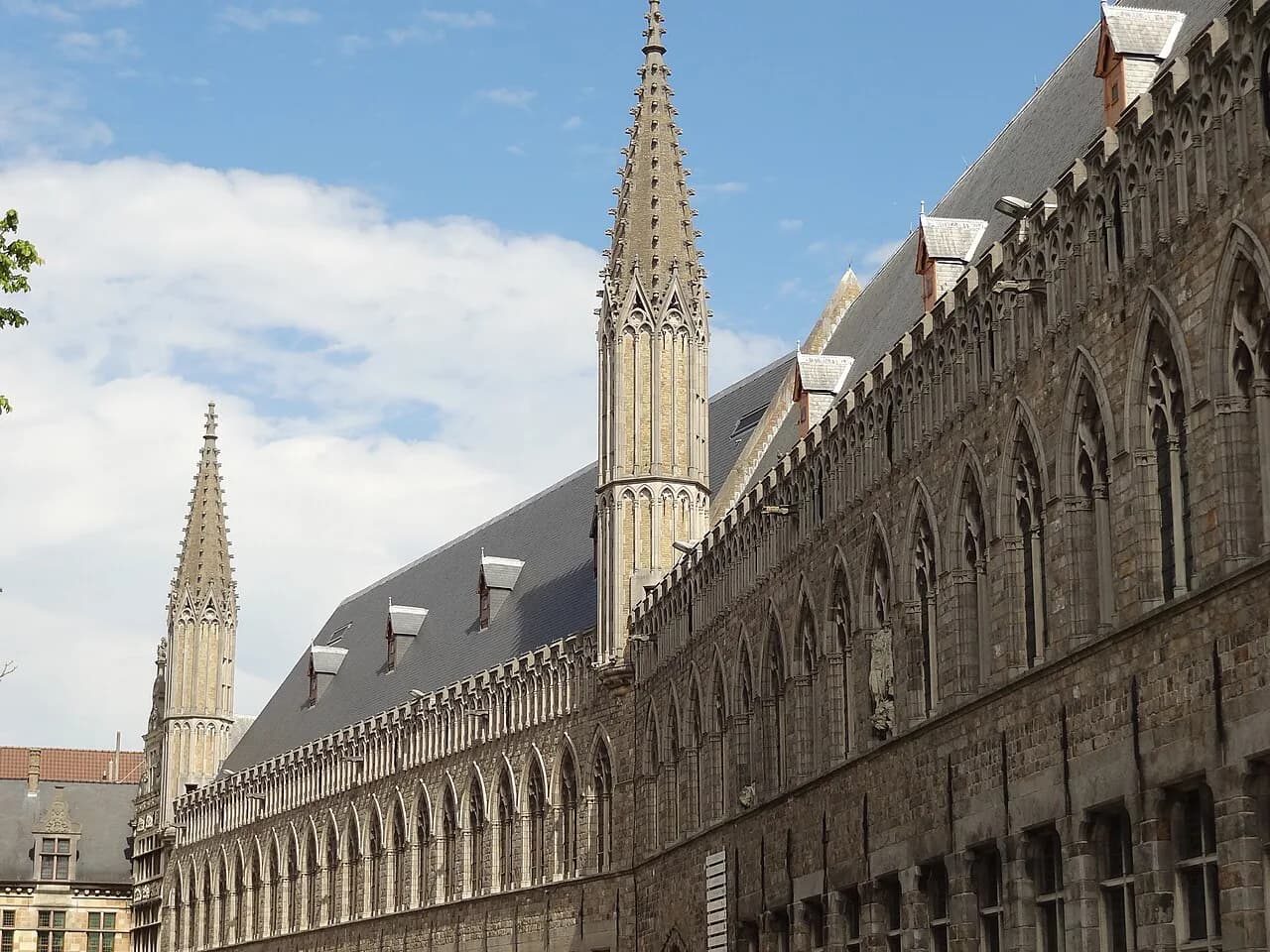
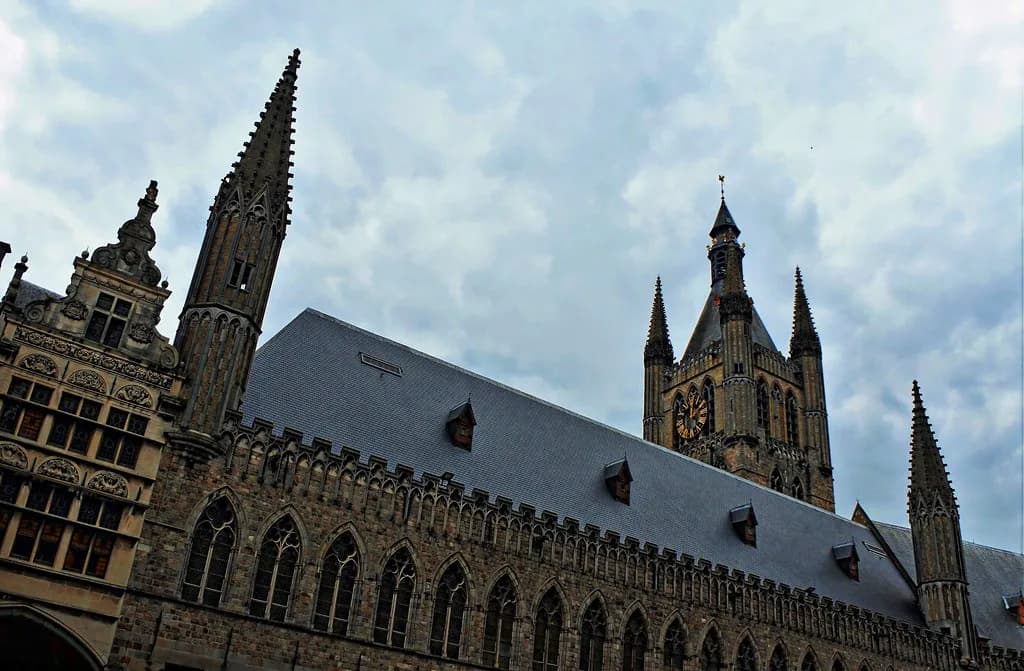
Because it runs nightly, the ceremony is the easiest fixed point to plan an Ypres evening around. See it on your first evening and the rest of your stay is free for the wider things to do, from the rebuilt cloth hall to the city's wartime museums. Arrive with time to read some of the names on the panels before the bugle sounds.
What time the ceremony sounds in winter and summer
The timing follows the seasons: the Last Post is sounded at 20.00 in winter and 21.00 in summer, every evening. That split matters most in late spring and early autumn, when a long evening of daylight can make it easy to miss the earlier start. Treat the start time as the moment the bugle begins, not the moment to leave your hotel, and aim to be at the gate well beforehand.
If you are coming from further afield, work backwards from the start time and leave a buffer for the walk from the Grote Markt. The gate sits close enough to the centre that the walk is part of the evening rather than a journey in itself.
How long the ceremony lasts and what you hear
Expect a brief ceremony centred on the bugle call, with the silence of the crowd around it doing as much as the music. Under the arch the sound carries through the vault, and the lighting installed during the restoration now dims the architectural floodlighting and concentrates a warmer light inside the arch as the Last Post is sounded. Stand still and keep talking to a minimum once the call begins.
The Menin Gate as a memorial to the missing
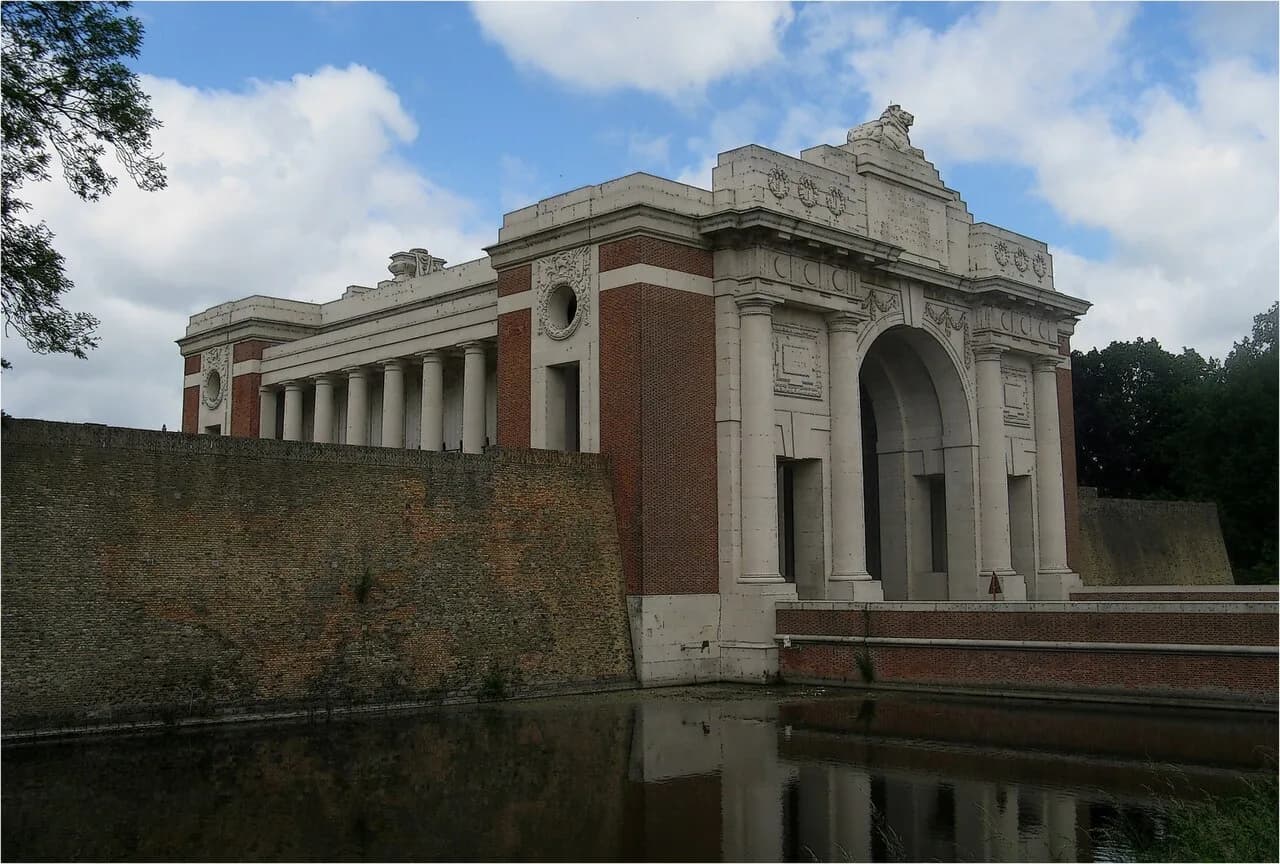
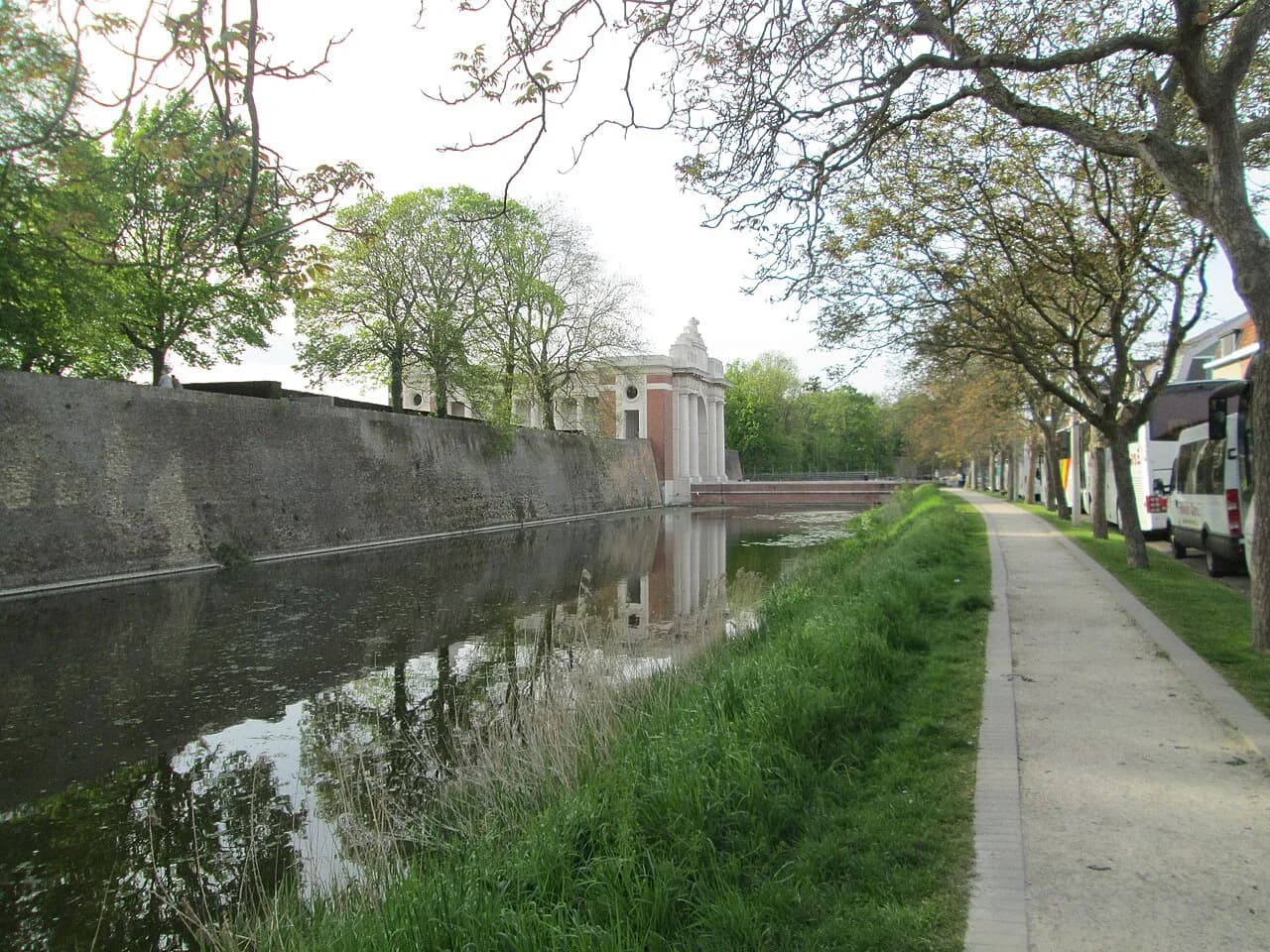
The gate is first and foremost a memorial to the missing: its panels carry the names of more than 54,000 soldiers from across the British Empire who died in the Ypres Salient and have no known grave. The arch was designed by Reginald Blomfield and opened in 1927, and it is one of 139 monuments and cemeteries in northern France and Belgium inscribed as a Unesco World Heritage Site in 2023. The poet Siegfried Sassoon called it a 'sepulchre of crime', a phrase that captures how contested remembrance of the war has always been.
Knowing this changes how you read the gate. Instead of treating it as a quick stop on the way to dinner, walk the panels and look for a name, a regiment or a town you recognise. The memorial is also the natural starting point for a walking tour of the rebuilt city, which was almost entirely destroyed in the war.
Arriving at the gate and finding a place to stand
The Menin Gate sits at the eastern edge of the old centre, a short walk from the Grote Markt. The ceremony takes place in the street running under the arch, so the space is open to anyone, with no ticketed area for the nightly event. Arrive on foot and expect to stand.
If you are planning the day around the city's other sights, a Ypres park or museum can fill the afternoon before you walk to the gate for the evening. Keep the final hour flexible so you are not rushing the last few hundred metres.
Wreaths, poppies and the etiquette of the ceremony
The ceremony is a memorial, not an attraction, and the simplest etiquette is to arrive quietly, stand still while the bugle sounds and keep conversation to a minimum. Poppies are dropped through the three oculi cut into the vault on Armistice Day, and the restoration preserved those openings and their bronze rims.
Beyond that, treat the panels of names with the care you would give any war cemetery. Read rather than touch where you can, and keep groups together so the exit does not turn into a scrum.
What the restoration changed, and the new visitor centre
The gate has been through a major restoration, with the Euville limestone facings cleaned, the red brickwork repointed, and ironwork balustrades removed and refitted with fixings that allow future periodic removal. The work was the Commonwealth War Graves Commission's most complex restoration project yet, supported by member countries and grants from the Flemish government and the city of Ypres. A planted 'living roof' now sits above the main concrete vault, shading the new waterproofing from sunlight.
A new visitor centre has also opened in a former shop opposite the gate, which gives you somewhere to read up on the memorial before or after the ceremony. Only one water-damaged plaque of names was entirely replaced, and new stone inserts among the names use curved outlines so they draw less attention than a rectangular patch. What you see on arrival is therefore a cleaner, better-lit gate rather than a rebuilt one.
Where the ceremony sits in a short Ypres visit
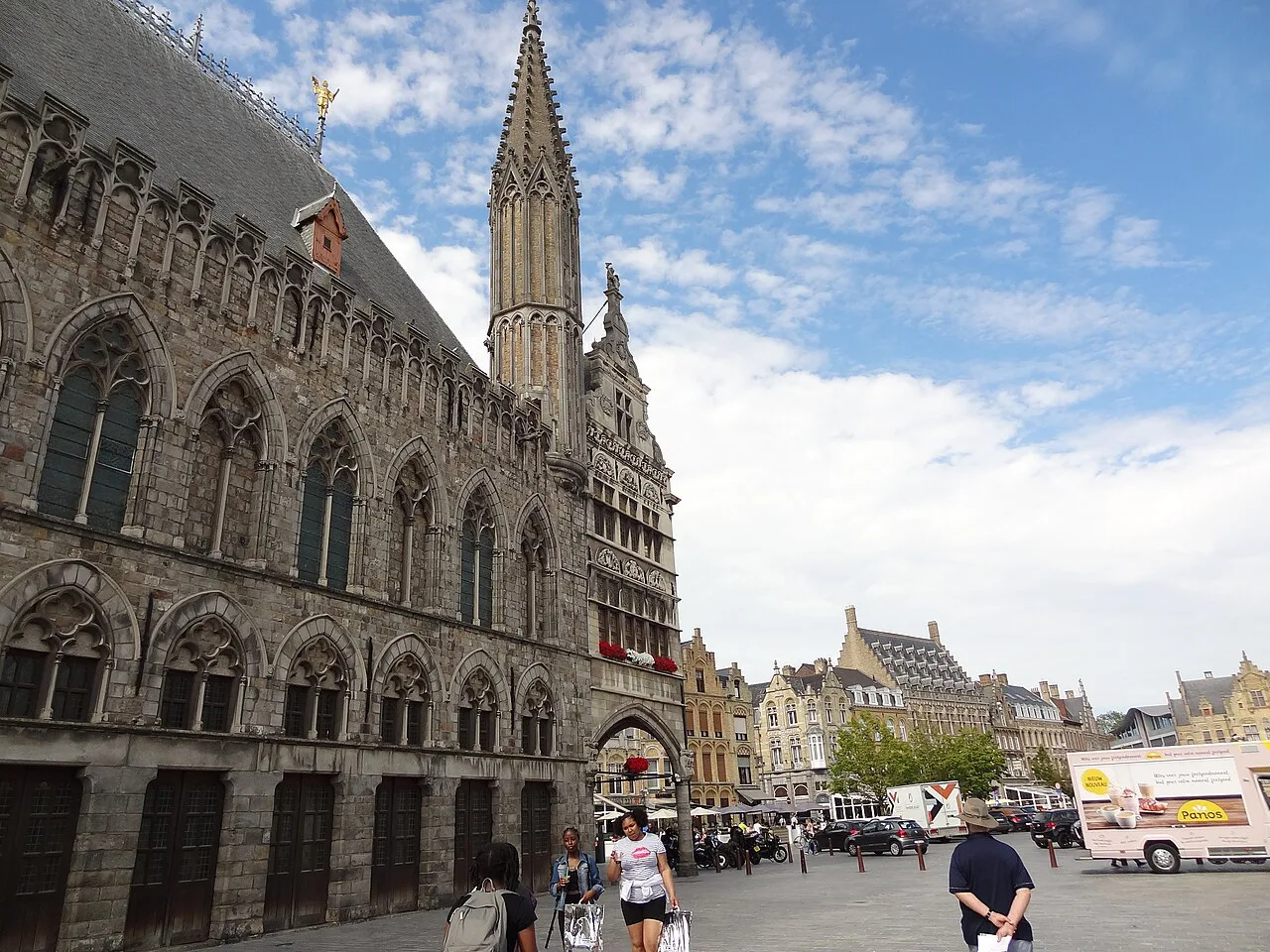
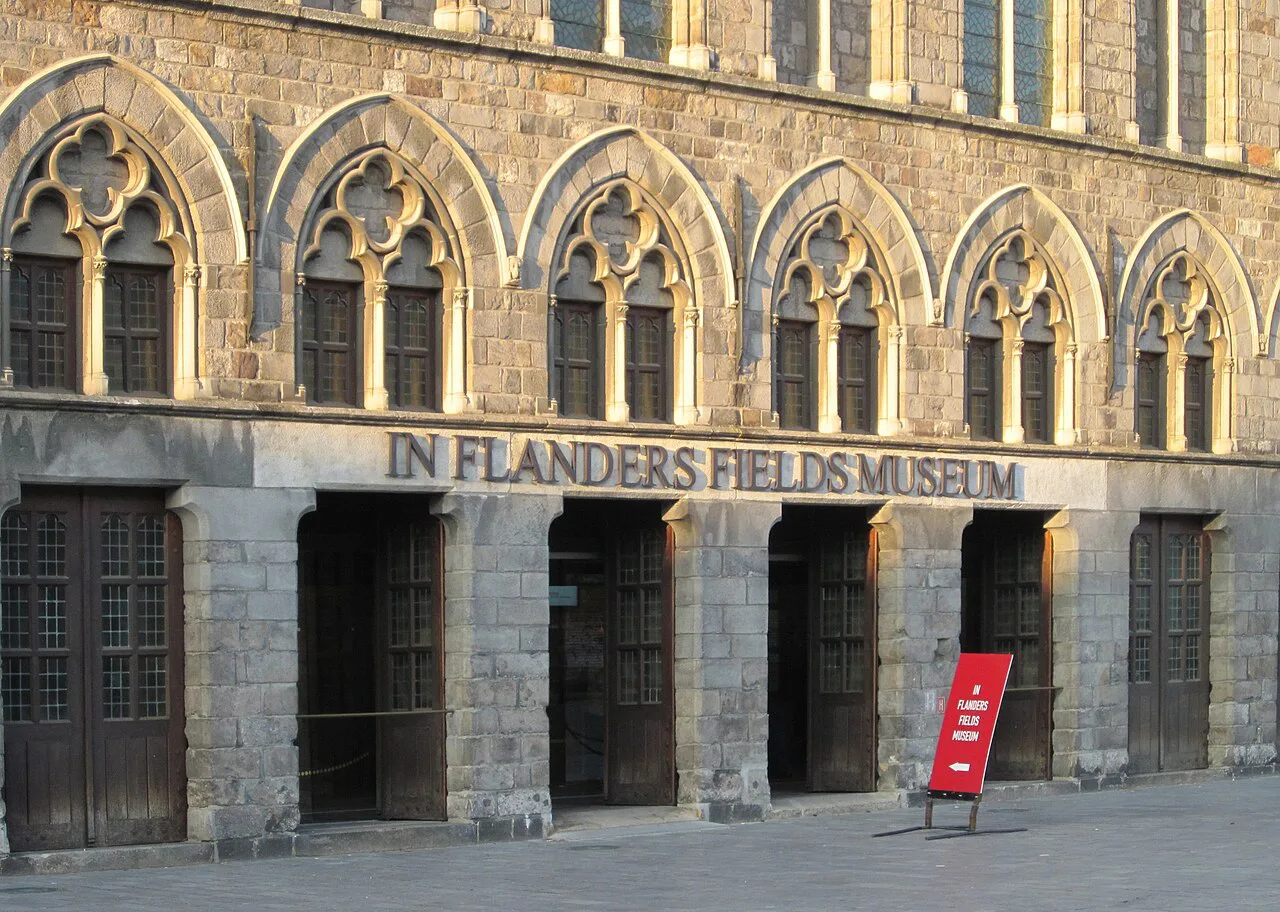
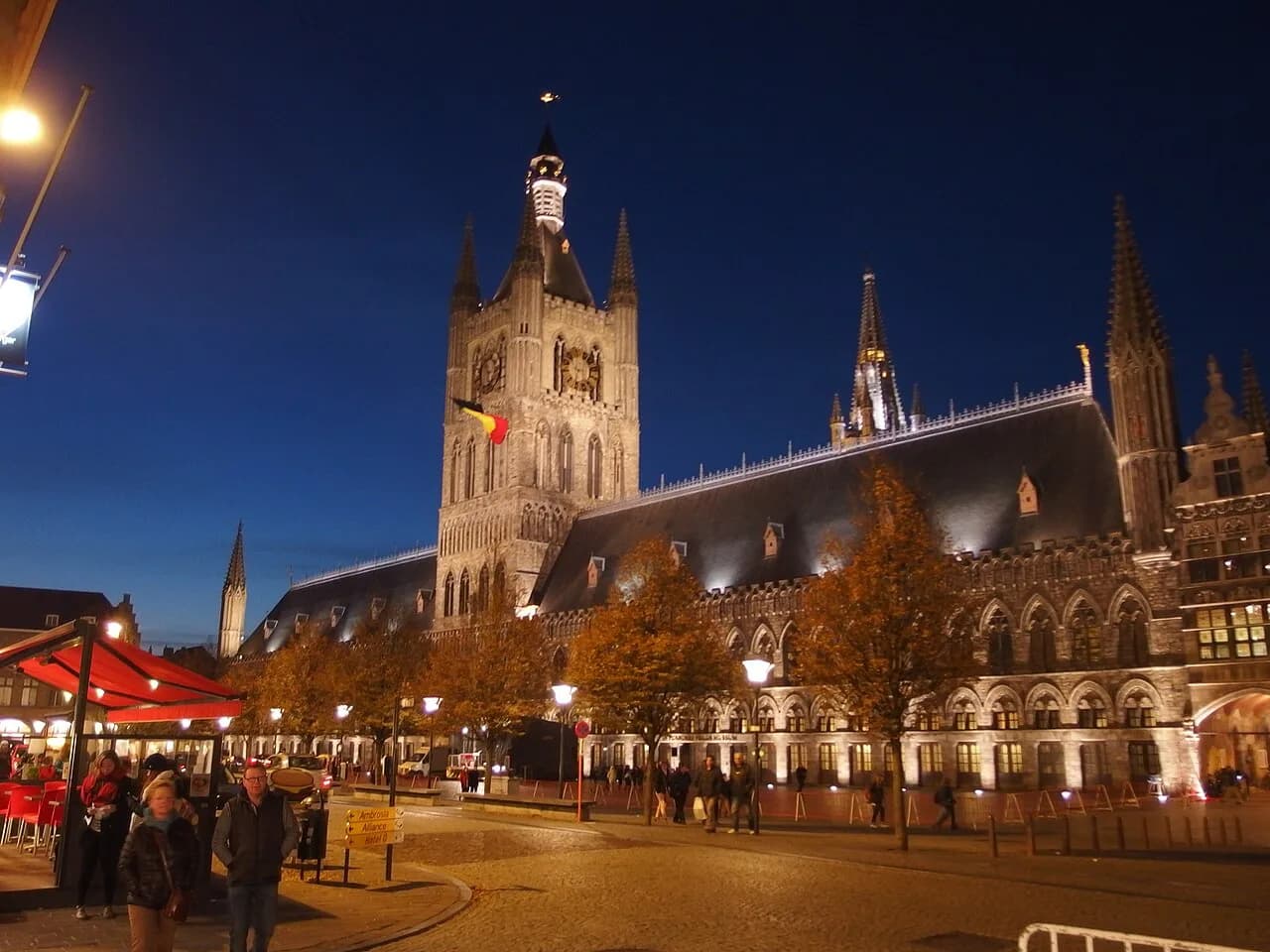
On a one-day visit, the ceremony is the natural close to the afternoon: spend the morning on the Grote Markt and in the In Flanders Fields Museum, then walk out to the gate for the evening. With two days, pair the ceremony with a morning in the museums and an afternoon of chocolate shopping, keeping the evening free for the Last Post.
If you are weighing up whether the city justifies the journey, the nightly ceremony is one of the strongest arguments for going, and the ways of filling the rest of the day are broad enough to suit most travellers.
Should you build your evening around the Last Post?
Yes, if you are in Ypres for any evening, the Last Post is the one fixed appointment worth organising the day around. It is sounded every evening: 20.00 in winter, 21.00 in summer. Build the afternoon around the gate and the centre, and you will see the city as a place of remembrance rather than a backdrop.
Coming from London, plan the journey so you arrive with daylight to spare, then walk to the gate, stand still for the bugle, and let the rest of the evening take care of itself. A morning in the museums and some time on the market square fill the day without crowding the ceremony.
Explore more Ypres guides
Frequently Asked Questions
What are the names on the Menin Gate?
The panels carry the names of more than 54,000 soldiers from across the British Empire who died in the Ypres Salient during the First World War and have no known grave. You can look for a particular unit or surname among them.
How many British soldiers died at Ypres?
The Menin Gate commemorates the missing rather than all the dead, so its 54,000-plus names are only part of the total. For the wider figures and the story of the Salient, the In Flanders Fields Museum in the city is the place to start.
Sources
Useful notes for your next trip
Optional updates to our guides.
You might also like
Continue reading
More guides you'll find useful