Ypres History: What Shaped the City and Where to See It
Ypres history for visitors: how the town was destroyed and rebuilt after the First World War, and what the Menin Gate, Lakenhalle and cemeteries tell you.
On this page
Ypres is a rebuilt town, and almost everything you walk past in the centre stands on the footprint of a building destroyed in the First World War. The story visitors come for runs from the medieval cloth trade through the Ypres Salient to the memorials and cemeteries on the edge of town. This guide links each site to the period it explains, so a short stay follows the history rather than a sightseeing list.
The town's local name is Ieper, and Ypres is the French form English uses and the form that British soldiers adapted into the nickname Wipers. Most signage and museum material uses Ieper and Ypres side by side, which makes the place easy to navigate on foot.
What Ypres is called now
The town is Ieper in Dutch and Ypres in French and English, and both names appear across the centre on street signs, at the Lakenhalle (Cloth Hall) and on station signage. English-speaking visitors can simply use Ypres; it is not a historical relic, and tourist information uses it routinely.
The nickname Wipers comes from the soldiers' pronunciation of Ypres and survives mostly in British accounts of the war. You will meet it in museum texts and book titles rather than on street signs.
Why Ypres is so closely tied to the First World War
German troops arrived at Ypres on 7 October 1914, kidnapped the burgomaster, took 62,000 francs from the city coffers and demanded 8,000 loaves from local bakers before marching west the next morning. The Germans did not enter the city again, and residents stayed put until chlorine gas was deployed on the battlefields in May 1915. From then the Ypres Salient made the town a strategic defensive point and a target for artillery.
The Salient is the concept most visitors arrive without: a salient is ground that juts into enemy-held territory, so it can be fired on from several sides at once. That geography explains why the town was hit so heavily and why the cemeteries and memorials are scattered across the surrounding farmland rather than concentrated in one place.
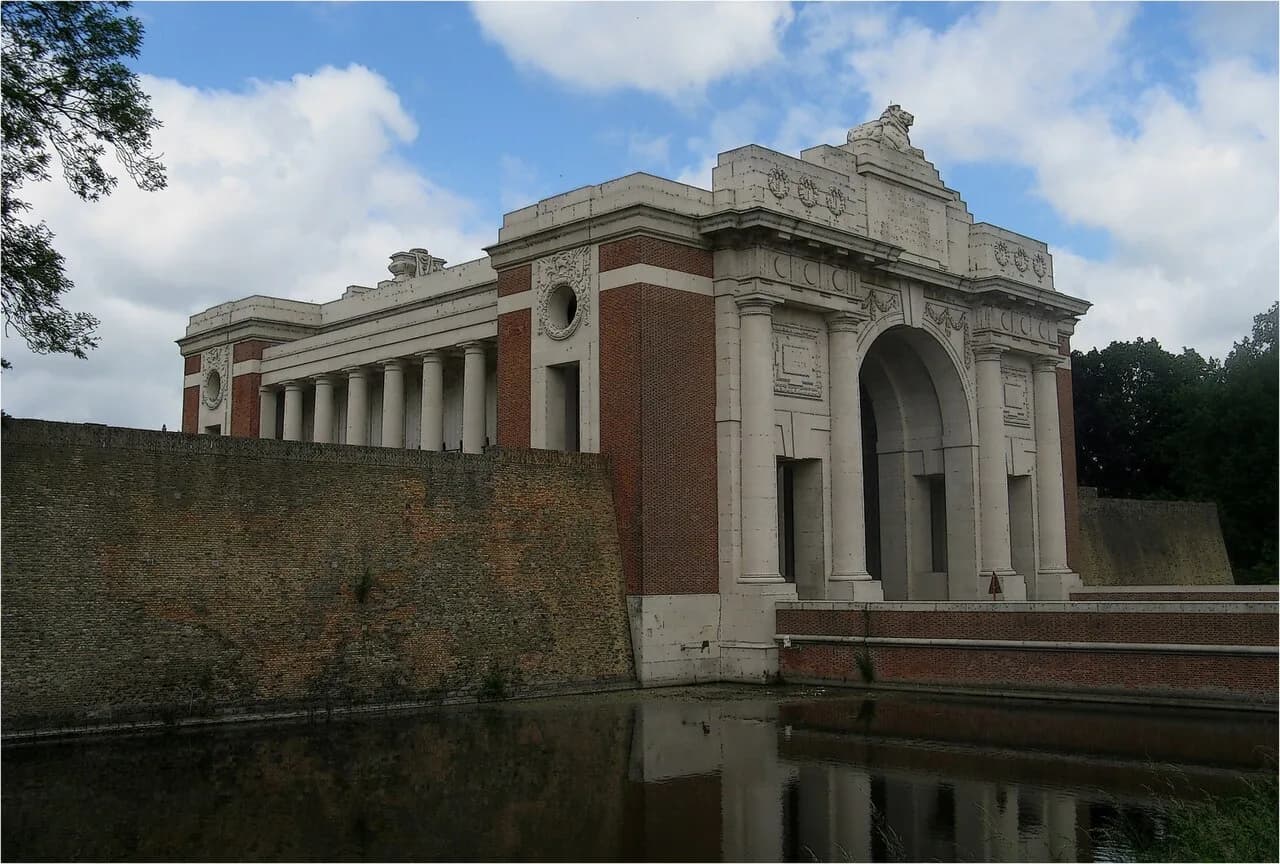
The Menin Gate and the Last Post
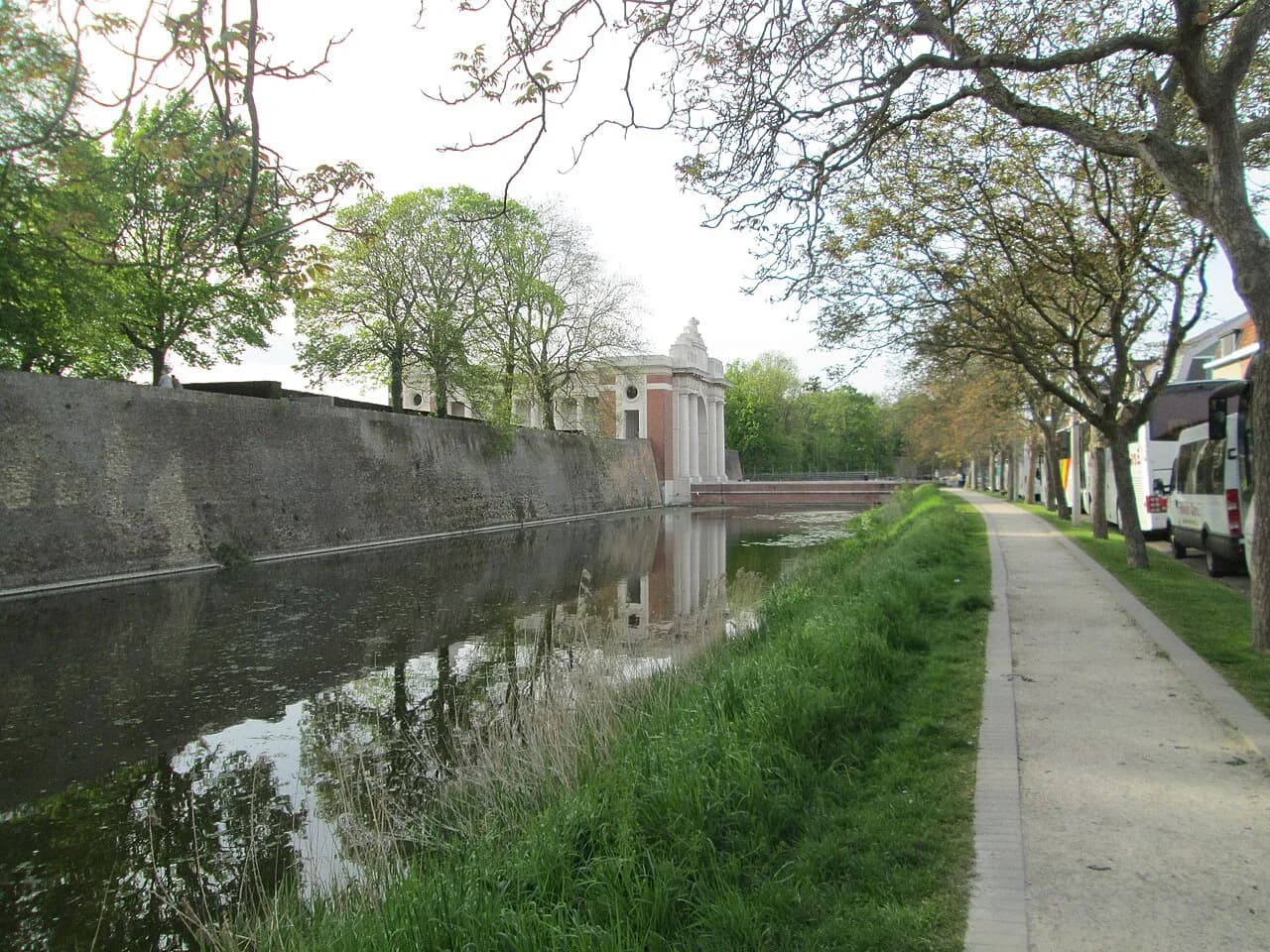
The Menin Gate (Menenpoort) marks the road where soldiers left town for the front, and the memorial was erected in July 1927 to name the missing. Carved into its interior walls are 54,896 British and Commonwealth names of men killed in the war whose graves are unknown. The Last Post has been sounded here since 1928, continuing uninterrupted except during the German occupation in the Second World War.
The gate stands at the eastern edge of the old town, a short walk from the Grote Markt, which is why visitors often pair it with the town centre.
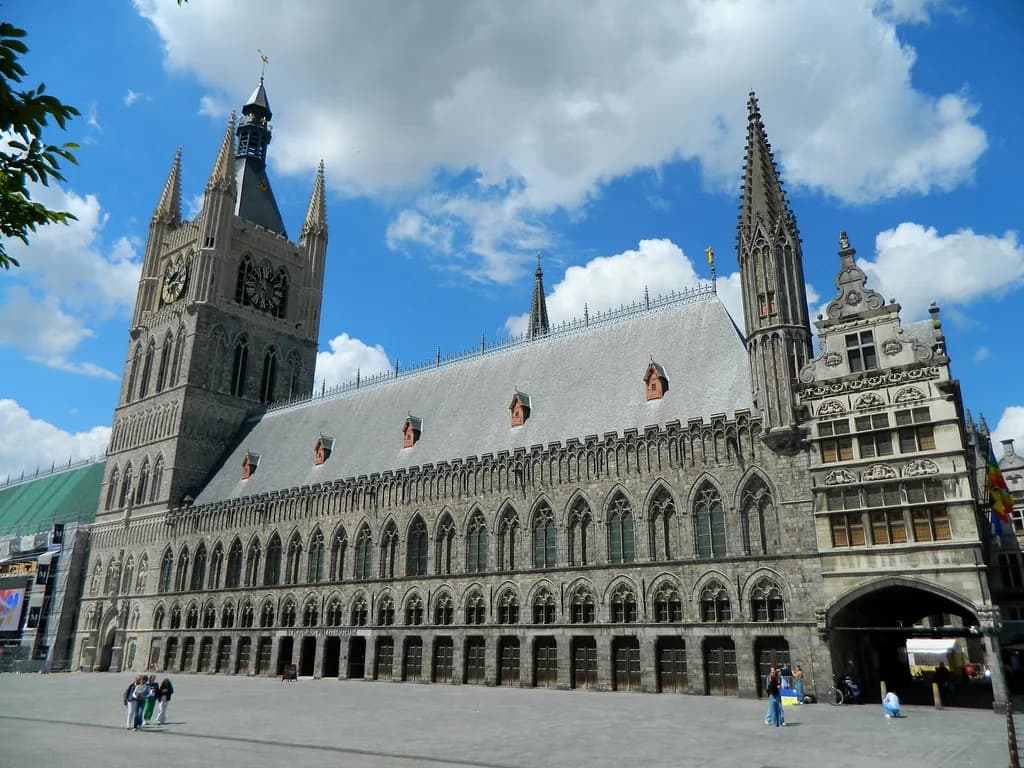
In Flanders Fields Museum in the Lakenhalle
In Flanders Fields Museum occupies the second floor of the Lakenhalle (Cloth Hall) on the Grote Markt and builds its displays around a poppy bracelet issued on arrival. You enter your name and place of birth, and the system selects personal stories of people from your town or county who took part in the war, which you can print or email to your phone. The result is a visit that feels tied to where you come from rather than a general narrative.
Because the museum sits inside the Lakenhalle, it works best as part of a town-centre morning rather than a separate trip. The wider choice of collections is set out in the guide to museums in Ypres if you want to compare before committing a slot.
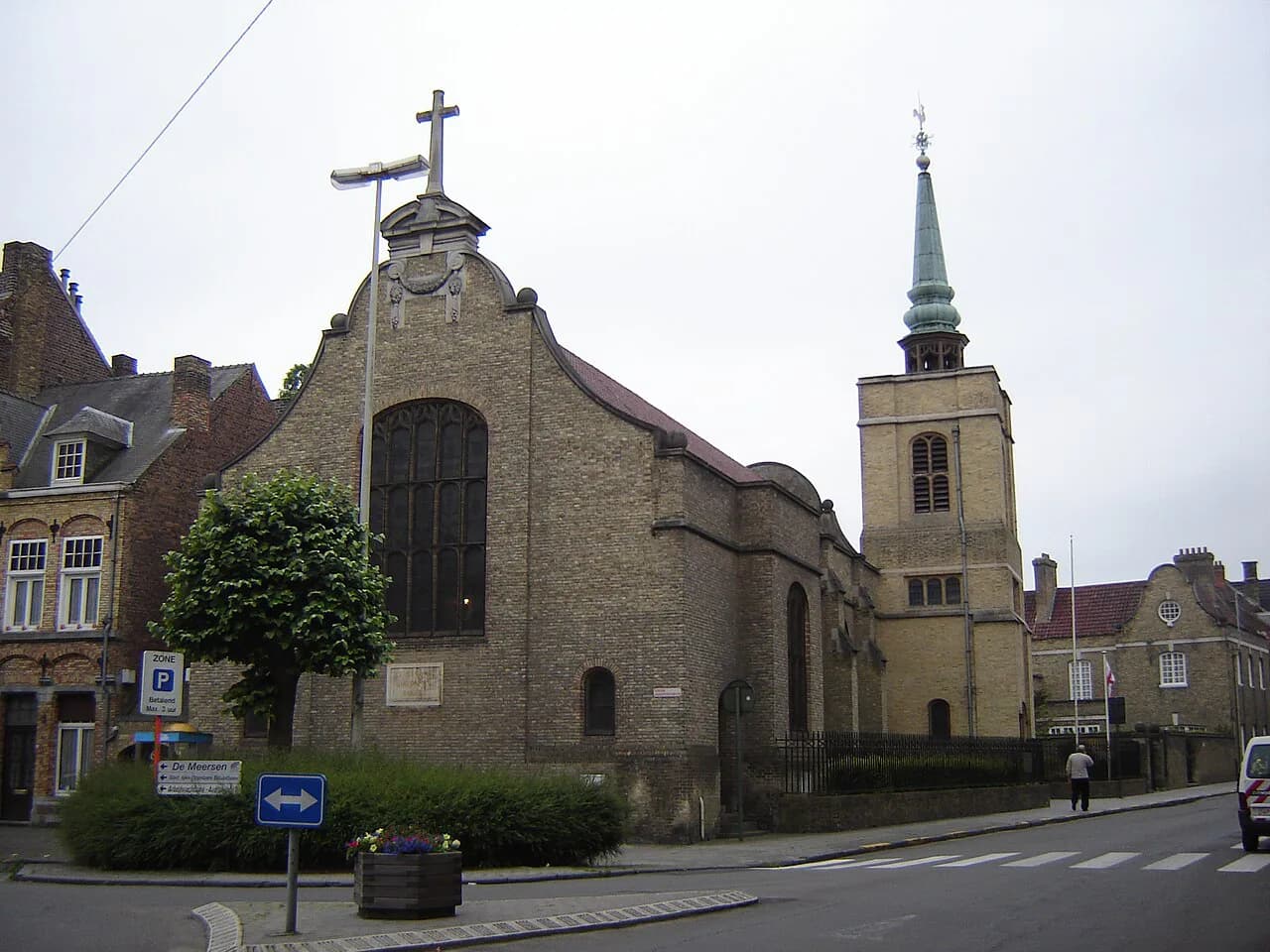
Saint-George's Memorial Church
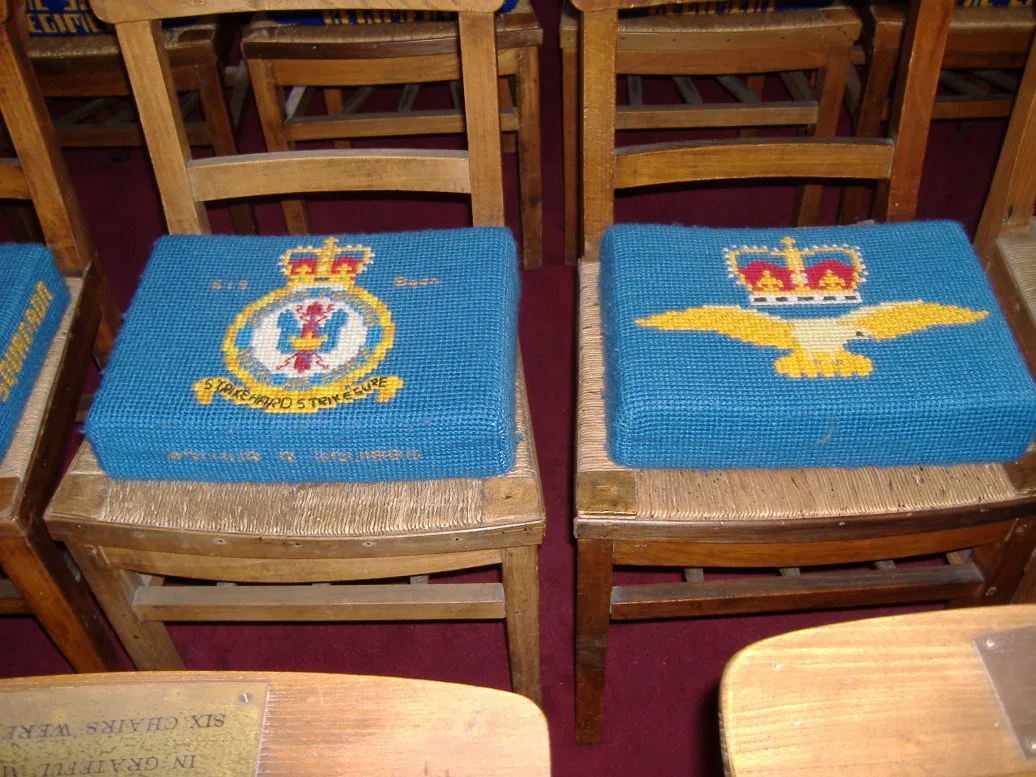
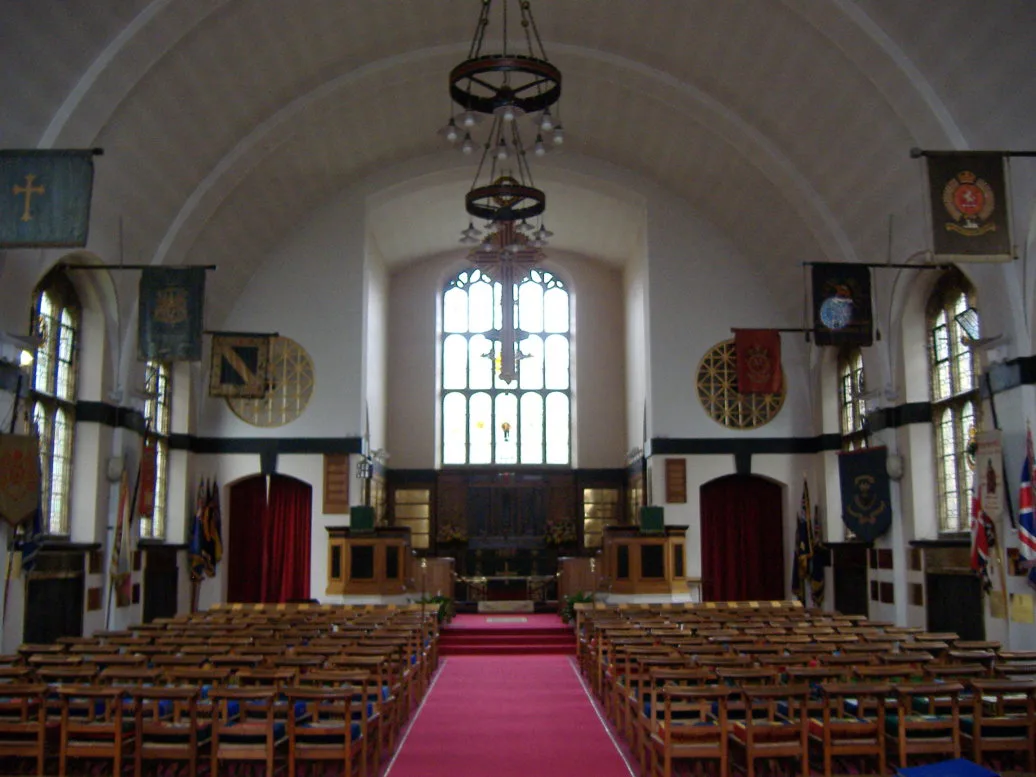
Saint-George's Memorial Church was designed in 1929 by Sir Reginald Blomfield, the architect also responsible for the Menin Gate, and it sits on the edge of the town centre. Inside, brass plaques honour fallen soldiers and furniture was donated by the families of the dead. The stained glass is dedicated to individuals and regiments, which makes the church a quieter, more personal counterpart to the gate.
Visit it after the gate on the same walk; the two buildings share an architect and a purpose, and seeing them close together makes the memorial landscape of the 1920s easier to read.
The rebuilt town centre and the Lakenhalle today
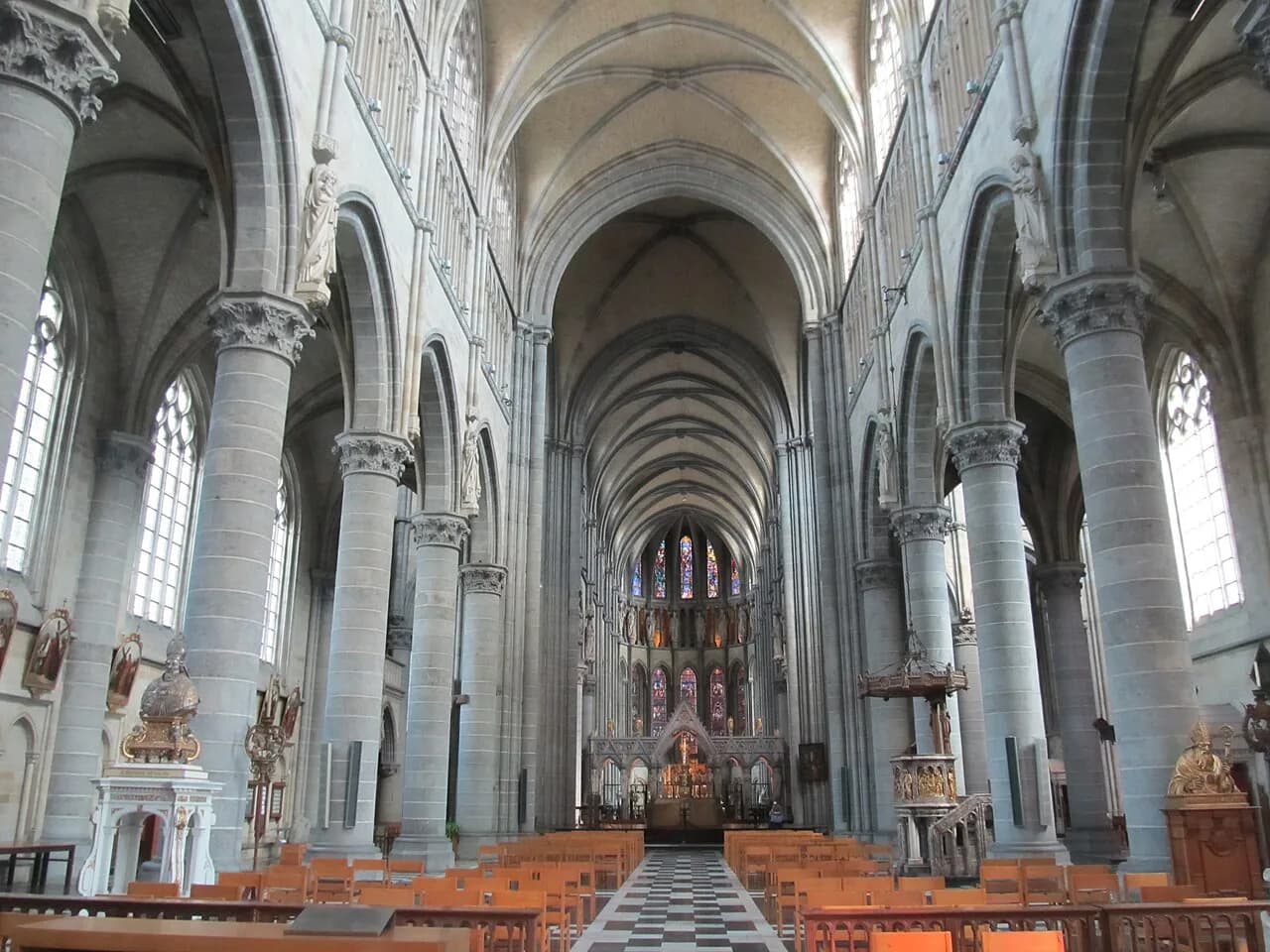
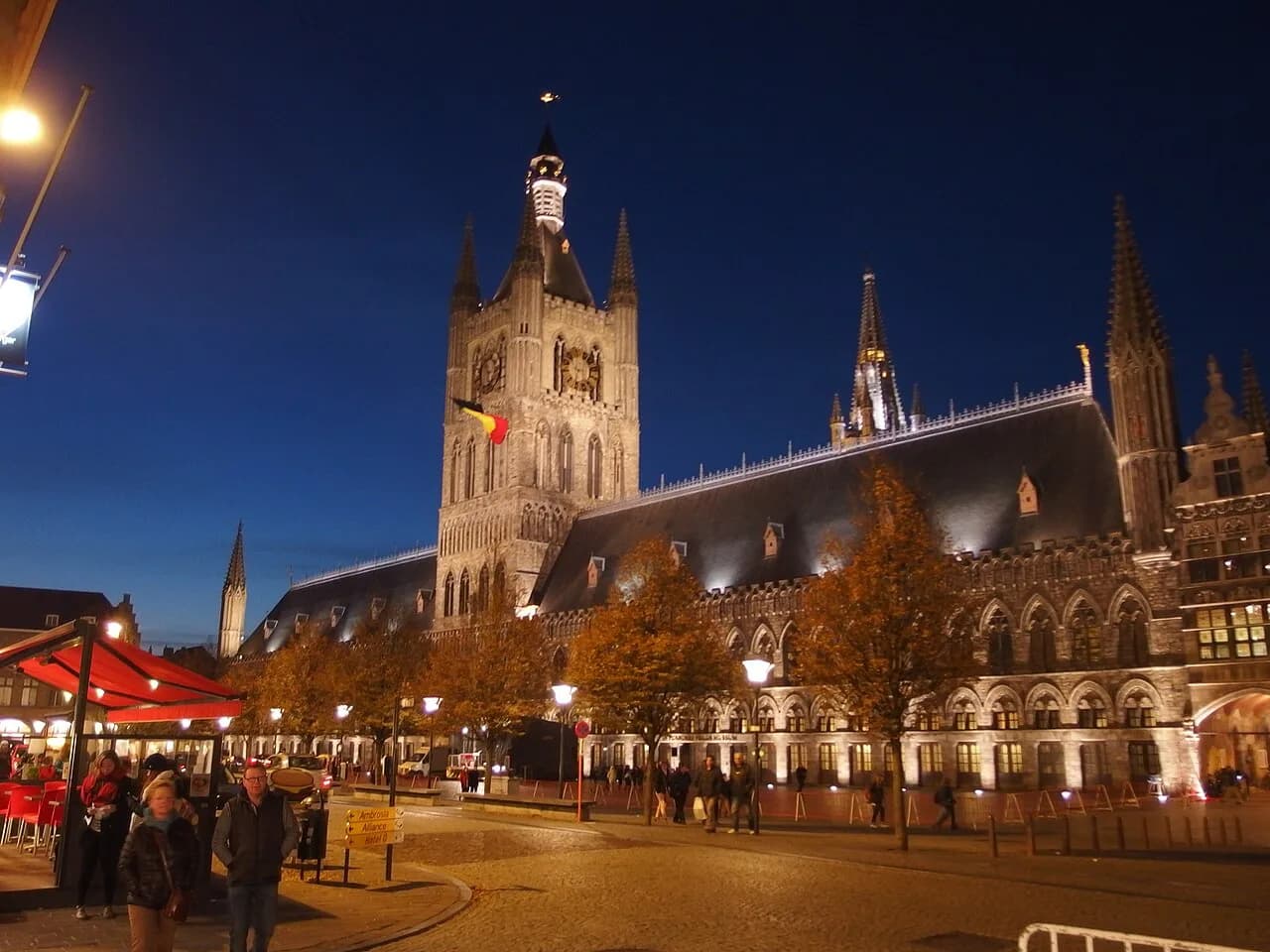
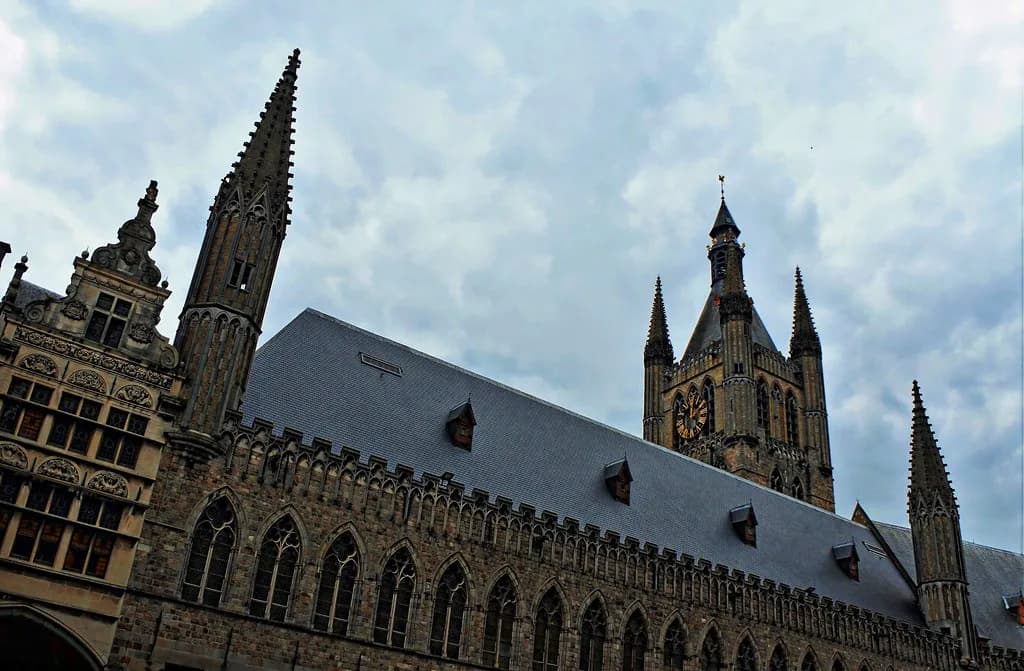
When residents returned at the end of the war, the town was barely recognisable, and it is said you could sit on a horse and look across the site without a single building interrupting the view. The centre you walk through now is a reconstruction, with the Lakenhalle and the cathedral rebuilt in the medieval forms the town had lost.
Knowing this changes how the Grote Markt reads: the square and the Lakenhalle in front of you are a twentieth-century reconstruction of the medieval town. A short circuit of the centre takes in the square, the Lakenhalle and the cathedral before heading east to the gate.
Essex Farm Cemetery and John McCrae's poem
Two kilometres north of the centre, the Essex Farm bunker stood 1,800 metres from the front line and was used as an advance dressing station. On 3 May 1915 the Canadian surgeon Lieutenant Colonel John McCrae wrote In Flanders Fields there, the day after his friend Alexis Helmer died. The poem is why many British visitors know the town before they ever arrive.
Essex Farm and the wider battlefield ground are best reached with transport of your own or a booked tour, since the spread of sites across the Salient is the main practical challenge of a short visit. Grouping the northern sites prevents a day spent doubling back.
Tyne Cot Cemetery
Tyne Cot is the world's largest Commonwealth war-grave cemetery and holds 11,954 graves, with more than seventy per cent of them unidentified and marked Known unto God. The sight of the uniform rows stretching into the distance is the reason many people make the trip out here.
Allow more time than you think for reading panels and finding regimental plots. It is a cemetery rather than an attraction, so keep voices low and give way to families.
Langemark German Military Cemetery
Langemark is one of four German cemeteries remaining in Flanders, planted with oak trees, the national symbol of Germany. Inside the entrance arch, the names of the Student Soldiers are carved into oak panels: university volunteers given six weeks' training before being sent to the Western Front, often to its worst sectors. Hitler visited the site in 1940 during the German occupation.
Including it alongside the Commonwealth sites gives a fuller picture of the Salient than a single-nationality route and is a short detour from the northern loop. The contrast in design between Tyne Cot and Langemark is itself part of the history.
Sanctuary Wood and Hill 62
Sanctuary Wood, on Hill 62, is a privately owned museum standing on one of the last surviving trench systems, and it is one of the few sites that does not soften the conditions soldiers lived in. The preserved trenches make the Salient's ground concrete in a way that displays cannot.
It suits visitors who have already seen the town-centre museums and want the physical ground; the walking is uneven, so wear shoes you do not mind dirtying. Bikes are a practical way to link this area with the northern cemeteries.
Putting the sites in order for a short visit
For one day, start in the centre with the Lakenhalle and In Flanders Fields Museum, walk the Grote Markt and cathedral, then finish at the Menin Gate in the evening. Add Saint-George's on the same circuit.
With two days, give the second to the countryside: Essex Farm and Langemark in the north, Tyne Cot and Sanctuary Wood further out. Book or arrange transport in advance if you are not driving, and allow for a full day rather than an afternoon.
A third day allows for chocolate shops on the Grote Markt and a beer stop, which round out the town without competing with the memorials. Shops and breweries keep their own hours, so check before building a day around them.
Which half of Ypres should you see first?
Start with the town centre, because the Lakenhalle, the museum and the Menin Gate explain the Salient before you see the ground it describes. Then take the countryside sites in a single loop on a second day.
The commonest mistake is treating the cemeteries as add-ons to a shopping afternoon: they are spread out, and reaching them takes real time. Build the itinerary around travel between sites, not around the list of names.
Explore more Ypres guides
Frequently Asked Questions
What happened at Ypres in the First World War?
German troops arrived on 7 October 1914 and did not enter the town again, though residents stayed until chlorine gas was used on the battlefields in May 1915. From then the Ypres Salient made it a strategic defensive point battered by artillery. By the end of the war the town was barely recognisable, and it was rebuilt afterwards on medieval lines.
Do you say Ypres or Ieper?
Both. Ieper is the Dutch name and Ypres the French and English one; signage and museum texts use them together. Wipers is the British soldiers' nickname for Ypres and appears mostly in historical accounts.
Why is the Menin Gate in Ypres?
It stands on the road where soldiers left town for the front and was erected in July 1927, carrying 54,896 names of British and Commonwealth men with no known grave. The Last Post has been sounded there since 1928, continuing uninterrupted except during the German occupation in the Second World War.
Sources
Useful notes for your next trip
Optional updates to our guides.
You might also like
Continue reading
More guides you'll find useful