
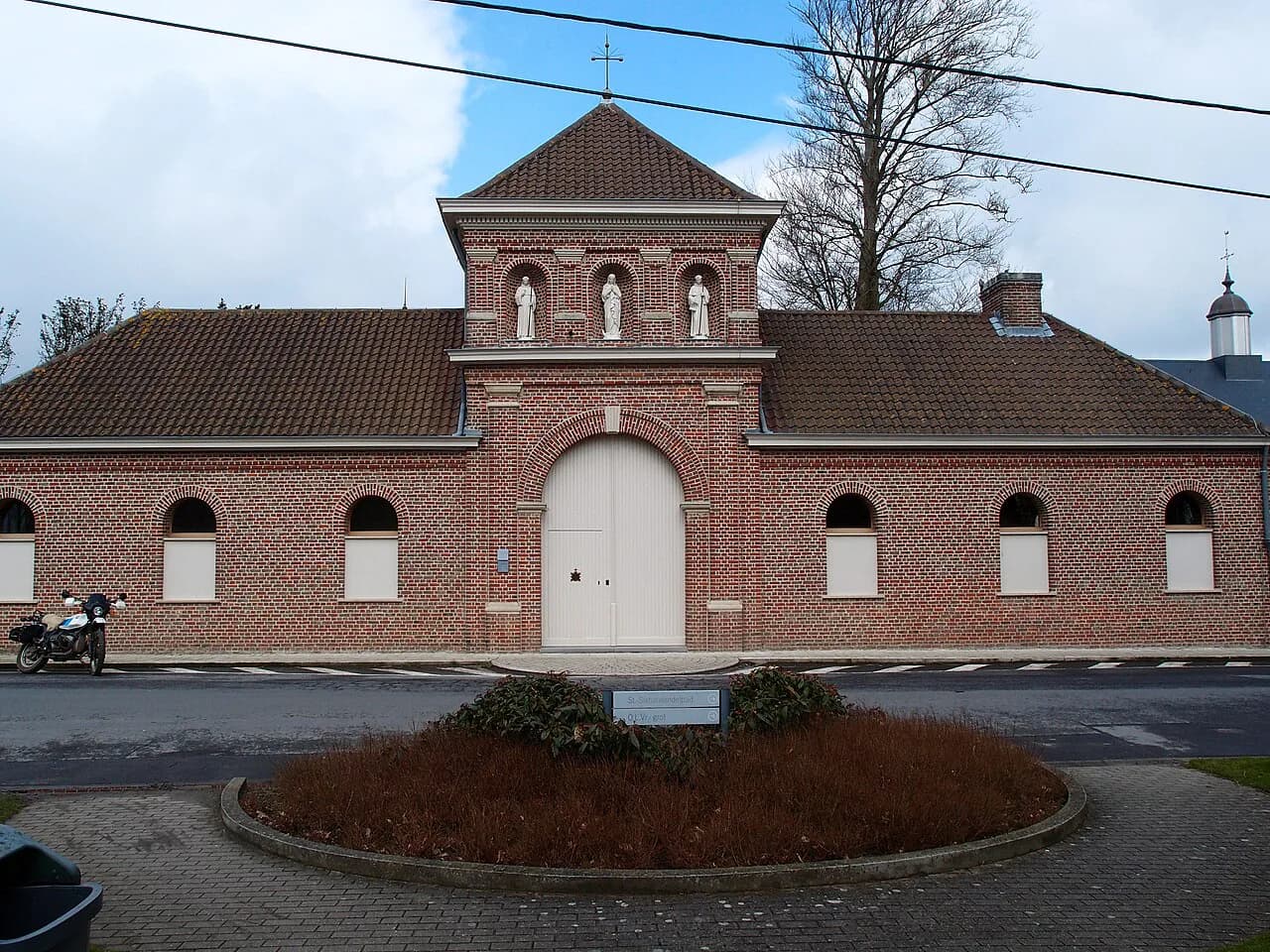
Westvleteren: Buying the Beer and Visiting the Abbey
How Westvleteren Trappist beer is sold, why the monks limit it to private buyers, and what to expect from the Saint-Sixtus abbey site in West Flanders.
On this page
Westvleteren is a Trappist beer brewed inside Saint-Sixtus Abbey, a Cistercian monastery in West Flanders, and the abbey sells it to private consumers rather than through the beer trade. Three beers are produced there, and the abbey states that its own webshop is the route by which buyers obtain them. This guide covers the three bottles, the reasons the monks keep sales narrowly focused, what the Trappist label protects and how the site sits on the map west of Ypres.
What Westvleteren is
Westvleteren is the beer of the Abbey of Saint-Sixtus, known in Dutch as Abdij Sint-Sixtus, whose address is Donkerstraat 12 in the village of Westvleteren. The community is Cistercian, which is what people mean by a Trappist abbey: monks who live together under the Rule of Saint Benedict and divide their days between prayer, reading and work. The brewery exists to fund the abbey's running costs and its charitable work, which is why the monks sum up their purpose as brewing to live rather than living to brew.
Brewing here has a long record: the abbey received a brewer's licence signed by King Leopold I in May 1839, and a first test brew was most likely made the same month. That combination of monastery and brewhouse puts Westvleteren among the small group of Belgian abbeys whose beer carries the Trappist name rather than merely a monastic-looking label.
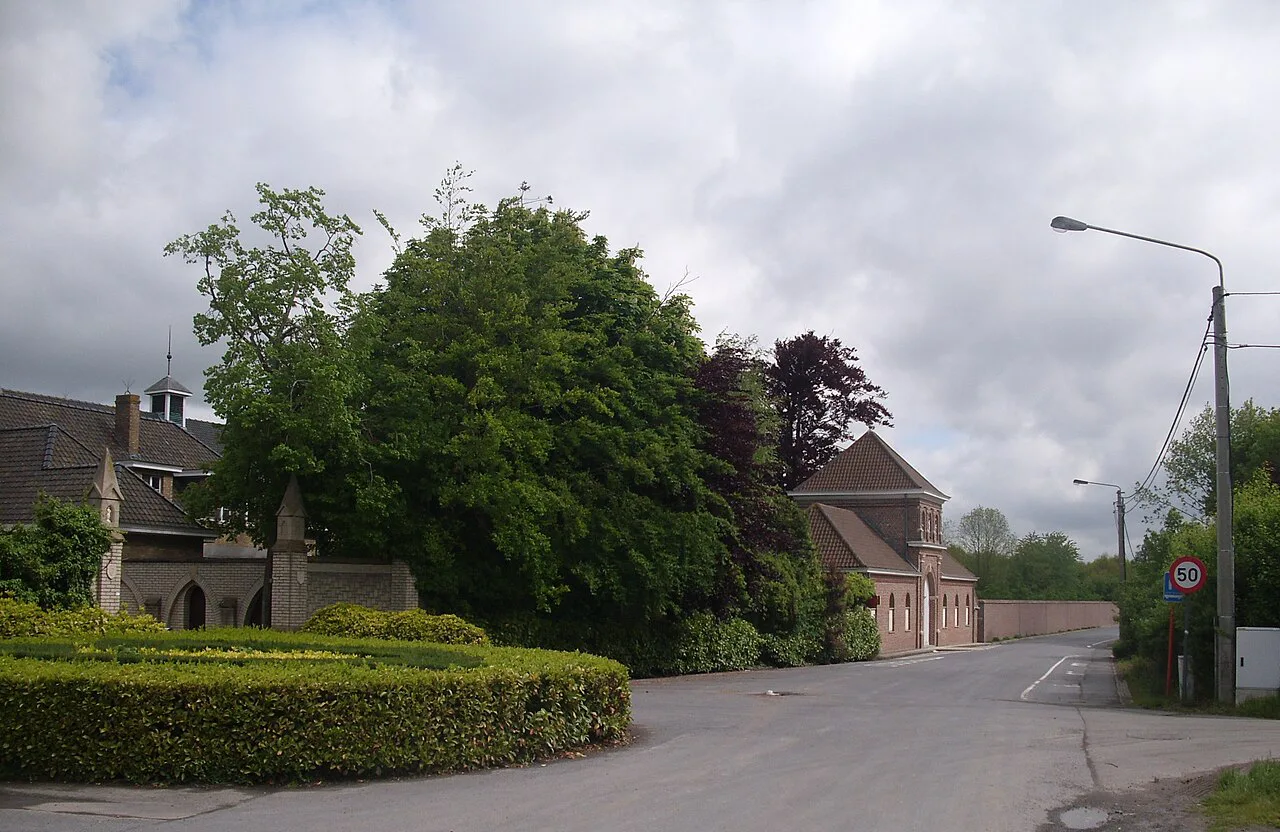
The Westvleteren beers
The abbey produces three types of beer in its brewhouse at Saint-Sixtus. They come from the same small monastic brewery rather than from a separate commercial range alongside it, which is why the range stays fixed at three.
Westvleteren 12 is the bottle most drinkers have heard of. It is a dark, strong Trappist ale, and much of the demand around it comes from its reputation among enthusiasts rather than from any official claim; the scarcity itself comes from how the monks choose to sell it, which is the next point worth understanding.
Why the abbey sells only to private consumers
The beer sales are intended for private consumers only, and the webshop is open only to them. The abbey gives its reason plainly: it wants to give everyone as fair a chance as possible to buy the beers at the correct price. That is the useful fact behind the stories about Westvleteren being hard to find: the difficulty is deliberate policy, not a marketing device.
In practice you buy as an individual rather than as a bar, shop or reseller, which changes how a visitor should plan. Treat this as a monastery that rations its beer, so anyone promising easy cases at short notice is worth a second look. The abbey also points buyers to a published calendar advertising the next sale, which is the place to find out when an order window opens.
The Authentic Trappist Product label
The word Trappist is legally protected, and the abbey explains the conditions behind it: the beer must be brewed inside the monastery walls under the monks' supervision, and the proceeds go to the monks' living, the monastery's upkeep and charitable projects. Only six Belgian beers may use the name: Achel, Chimay, Orval, Rochefort, Westmalle and Westvleteren. They are recognisable by the Authentic Trappist Product label on the bottle.
Learning to read the label is more useful than memorising brewery names, because it tells you at a glance whether a beer has a monastic community behind it. The Trappist Beer guide explains how the label works and what separates the six, and the wider survey of Trappist Breweries in Belgium sets them out one by one.
The other five sit at different removes from a Belgian city break: Westmalle Abbey is the closest of them to Antwerp, Orval abbey lies in the far south of the country, and Chimay is brewed at Scourmont Abbey in the Hainaut countryside. Reading those alongside Westvleteren makes clear how differently the six communities treat visitors and sales.
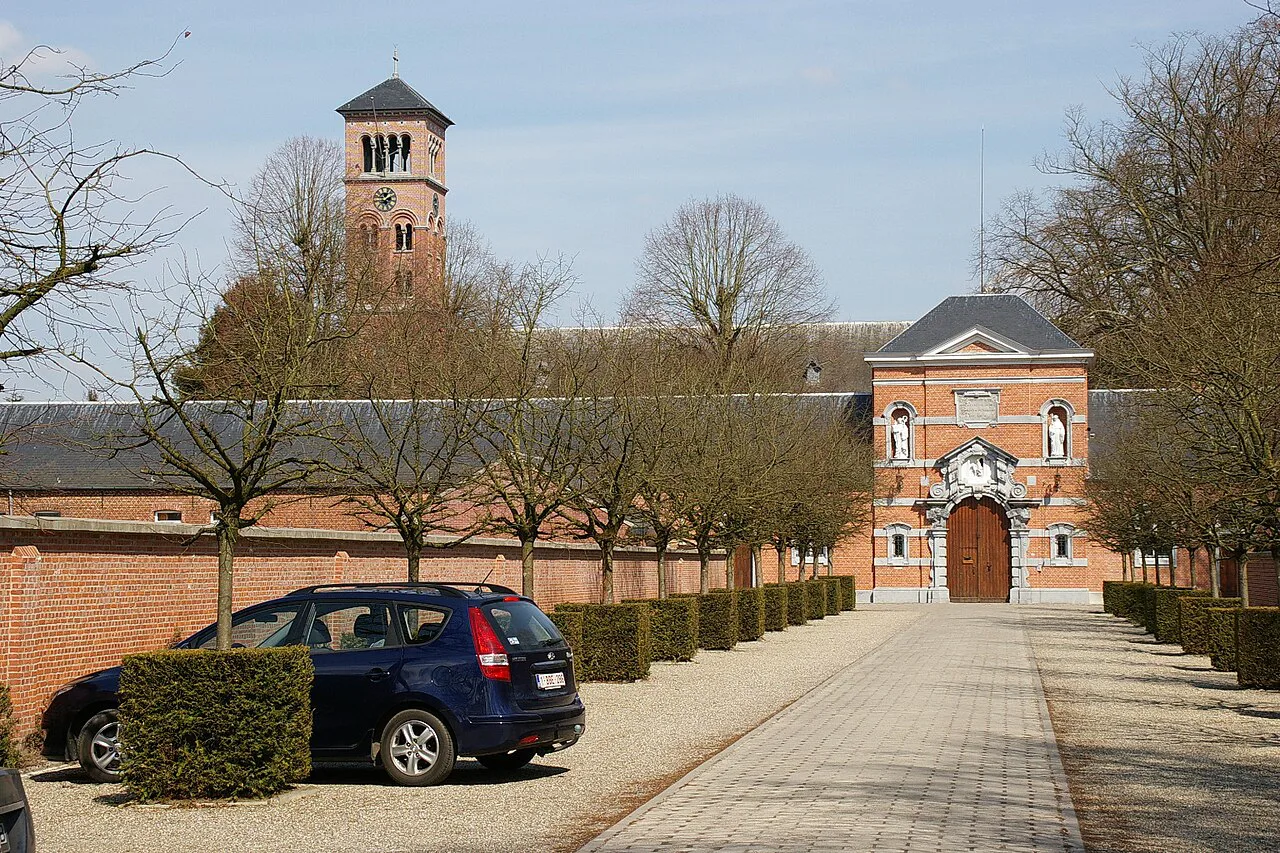
Visiting the abbey and the café
Westvleteren is a working monastery rather than an attraction built around a brewery tour, and the monks receive guests who want to live with them for a while rather than day visitors looking for a tasting flight. The abbey opens the life of its community and its hospitality to guests rather than to casual tours. Plan accordingly: this is a place to approach quietly and with modest expectations of what is on show.
For travellers who want to taste the beer without ordering through the webshop, the abbey's own site links to In de Vrede, the café beside the monastery. It is the practical answer to the question of where to actually drink Westvleteren in West Flanders.
Where Westvleteren is and how to reach it
Westvleteren sits in the Westhoek, the flat farming country of West Flanders, at Donkerstraat 12 in the municipality of Vleteren. Ypres (Ieper) is the usual base for visitors making the abbey the purpose of a day out. It is a rural destination reached by road, not a stop on a city tram line.
Allow for a half-day rather than an hour: the abbey, the café and the surrounding fields are spread out across open countryside. Filling the rest of the day with Ypres is the sensible pairing, since the Menin Gate (Menenpoort) and the rebuilt Lakenhalle (Cloth Hall) sit in the middle of that city and its WWI memorials ring the town. That combination makes a coherent day out from Ypres.
Why Westvleteren is scarce and how sales work
The abbey's stated aim is that buyers get a fair chance at the correct price through its own webshop, and the calendar there is where a sale is announced. So the price is set by the abbey itself rather than by a shop shelf: it sells to private consumers only, at its own price, and the webshop is the route to it.
Scarcity follows from the small brewhouse inside a monastery and from the decision to sell only to private buyers. The abbey says the restriction gives everyone as fair a chance as possible to buy at the correct price, and supply stays where it is by choice rather than being scaled up for the trade. That is a better explanation than any story about secret recipes, and it also tells you what to expect: patience and a well-timed order beat hunting around shops.
Should you make the trip to Westvleteren?
Go if you want to see where the beer is made and to drink it at In de Vrede in the quiet West Flanders countryside. Skip the journey if you mainly want a case to take home: the route to a bottle runs through the abbey's webshop and its sale calendar, not through a shop door.
Either way, pair it with Ypres and keep the visit modest in ambition. A monastery rewards a slow half-day and a willingness to let the beer speak for itself, and that is the honest reason to put Westvleteren on a Belgian itinerary.
Frequently Asked Questions
Can you buy Westvleteren 12 at the abbey?
Sales go through the abbey's own webshop, which is open to private consumers only. The monks say the restriction exists so that everyone has a fair chance to buy at the correct price. The webshop publishes a calendar advertising the next sale, and that calendar is the place to look for an order window.
Do you need to book to visit Westvleteren?
The abbey is a working monastery rather than a visitor attraction, and it receives guests who want to live with the community for a while rather than casual tours. For a drink, the abbey links to In de Vrede, the café by the site, which is the practical stop for most travellers.
How far is Westvleteren from Ypres?
Westvleteren lies in the Westhoek countryside of West Flanders, west of Ypres (Ieper), which is the usual base for a visit to the abbey. It is reached by road rather than rail, so allow a half-day and combine it with Ypres rather than trying to fit it into an hour.
Which Belgian beers can call themselves Trappist?
Six: Achel, Chimay, Orval, Rochefort, Westmalle and Westvleteren. The name is legally protected, and a beer may use it only if it is brewed inside the monastery walls under the monks' supervision, with the proceeds supporting the community and its charitable work.
Sources
Useful notes for your next trip
Optional updates to our guides.
You might also like



Continue reading
More guides you'll find useful





