
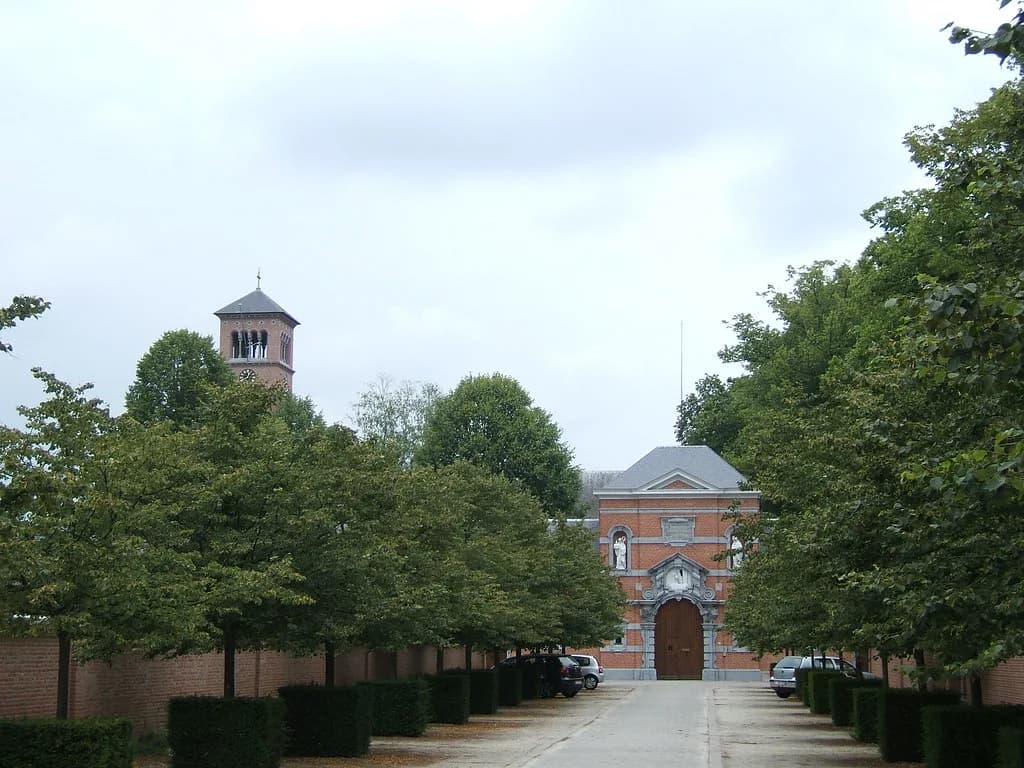
Trappist Beer: What the Label Means and What to Order
Trappist beer is brewed inside a monastery under monk supervision. Here is what the Authentic Trappist Product label means, the Belgian breweries and the styles.
On this page
Trappist beer is beer brewed inside a monastery by or under the supervision of Trappist monks, with the proceeds going to the monastic community or to charity. That three-part test, rather than the picture of a monk on the label, is what separates genuine Trappist beer from the many abbey beers that borrow the imagery. This guide sets out what the Authentic Trappist Product label certifies, where the Belgian Trappist breweries sit, what the main styles taste like and how to drink them without wrecking an afternoon.
Expect strong beer: Tripels commonly climb above 9% alcohol, and a Dubbel is no session pint either, so a tasting is usually three or four small pours rather than a pub crawl. The practical decisions here are which bottle to order first, how to tell a Trappist from an abbey beer on a shelf, and whether a brewery visit is realistic.
What makes a beer Trappist
The word comes from La Trappe Abbey in Normandy, where the Cistercian order's stricter reform began, and monastic brewing there is thought to date to the mid-1600s. The monks brewed as part of the order's rhythm of prayer and work, and the beer supported the monastery and its charitable giving. That origin is why the name refers to a religious order rather than a recipe or a region.
To be called Trappist today, a beer must be brewed inside the monastery walls under monks' supervision, and the profits must sustain the community or fund charitable causes. All three conditions apply together, which is why a brewery with monastic styling but commercial ownership cannot use the term. When you are standing in a bottle shop, that is the test to apply before paying a premium.
The Authentic Trappist Product label and the International Trappist Association
The International Trappist Association was founded in 1997 to stop breweries cashing in on the name with monk-and-monastery labels and no monastic link. It licenses the Authentic Trappist Product logo, which works much like the protected terms Champagne or Roquefort: a certification of origin and method rather than a style description. The logo is the quickest check on a bottle.
Is Leffe a Trappist beer? No. Leffe is an abbey beer with a historical link to the Norbertine abbey near Dinant, but it is brewed commercially and does not carry the Authentic Trappist Product badge.
How many Trappist breweries are there? The International Trappist Association licenses only a small group of breweries worldwide, with Belgium holding the largest share. The Belgian houses are Westmalle, Westvleteren, Chimay, Rochefort, Orval and Achel.
Can you buy Trappist beer in the UK? Yes. Online beer merchants in the UK stock Trappist ranges from Chimay, Westmalle, Rochefort, Orval and La Trappe, usually as multipacks, mixed cases and gift sets.
Look for the small hexagonal badge on the back or neck label, which also appears on Trappist cheese and other monastery produce. A beer can be brewed by monks in spirit and still fail the test if production sits outside the walls; Chimay, for instance, transfers its beer from the monastery to a bottling plant in Baileux for packaging.
How many Trappist breweries there are and where they sit
The authorised group is tiny. The International Trappist Association licenses only a small number of breweries worldwide, and Belgium holds the largest share of them. That scarcity, rather than any secret ingredient, explains much of the price and the reverence.
The Belgian houses are Westmalle, Westvleteren, Chimay, Rochefort, Orval and Achel. Any list promising a different set is either counting a brewery that has left the scheme or mixing in abbey beers, so treat the badge on the bottle as the reliable guide. These breweries sit across Flanders and Wallonia, which is why beer-minded city breaks often pair a Bruges or Antwerp base with a drive south.
The Belgian Trappist breweries: Westmalle, Chimay, Rochefort and Westvleteren
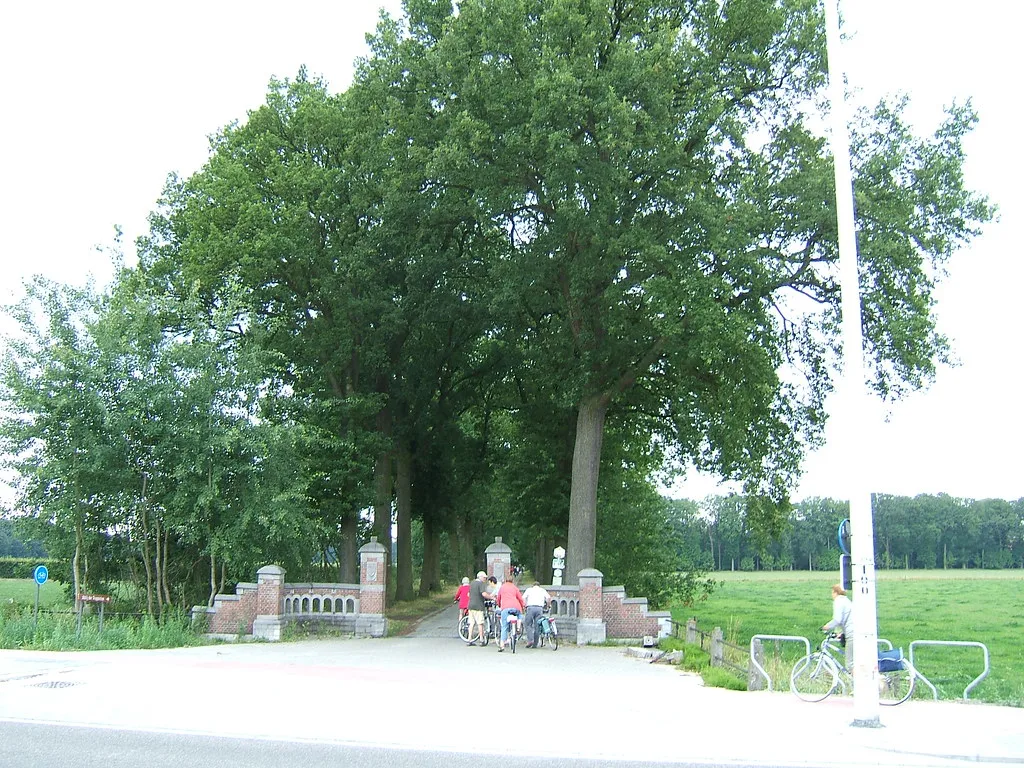
Westmalle Abbey in the Antwerp province has been brewing for more than 200 years, making it one of the longest-running Trappist houses. Its beers are widely poured in Belgian cafés, so a Westmalle Tripel is often an easy first taste of the category.
Chimay is brewed at Abbaye de Notre Dame de Scourmont in Hainaut and is the most commercially visible of the Belgian houses, with its Blue, Red and White bottlings in most good beer shops. The beer is fermented at the monastery and bottled in Baileux, and the spent mash feeds the cows that make Chimay cheese.
Trappistes Rochefort, brewed at the abbey in the Ardennes town of the same name, produces dark, strong beers numbered 6, 8 and 10 according to their strength. Rochefort 10 is the heavyweight of the range and a natural finish to a tasting rather than a starting point.
Westvleteren, brewed at St. Sixtus Abdij in West Flanders, is the hardest to find and the subject of most beer folklore. Its bottles carry no paper labels, only coloured caps, and the abbey sells to visitors by appointment through a drive-through beer collection point rather than through ordinary shops. Westvleteren beers rarely appear in Belgian pubs or beer stores except at a handful of addresses that keep the arrangement quiet.
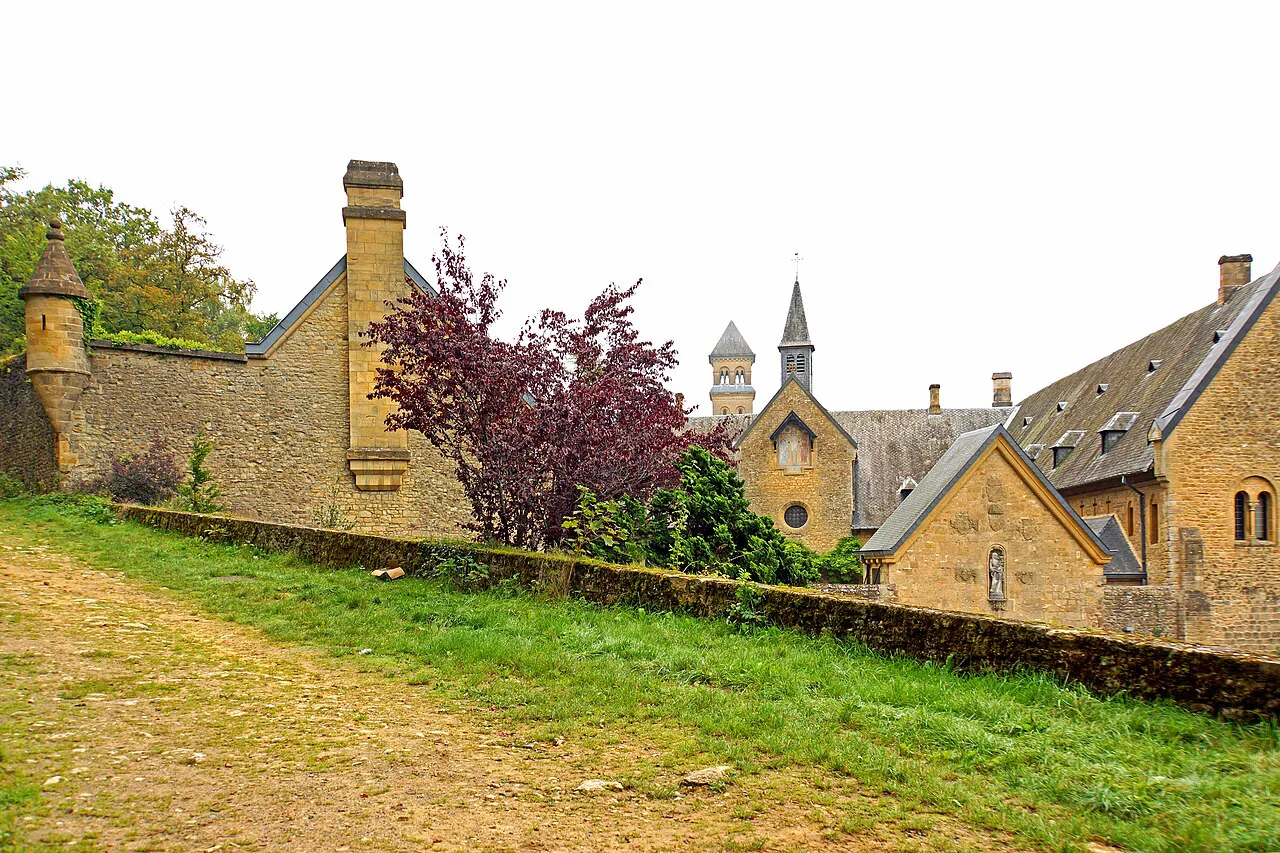
Orval, in the far south of Belgium near Florenville, makes a single beer, a distinctive dry, hoppy pale ale with a Brettanomyces character that deepens in the bottle. It is sold in its own branded glass and pairs well with stronger cheeses.
Dubbel, Tripel and Quadrupel: what the styles taste like
Dubbel and Tripel both originated in Belgian Trappist monasteries, which is why the names sound older than most beer styles. A Dubbel is copper to brown, with toasted bread, caramel and dried fruit from dark malts and sugar, plus apple, plum and prune from the yeast. Expect medium bitterness, high carbonation and a warming strength, and note that these beers are usually bottle-conditioned.
A Tripel surprises people who assume stronger means darker: it pours golden and clear, with honey and breadcrumb aromas, citrus and banana fruit, and peppercorn or clove spice. Bitterness stays moderate, but alcohol can pass 9%, so a small glass goes a long way. Quadrupel is the unofficial term for the strongest dark beers in a range, richer and sweeter than a Dubbel.
Trappist beer versus abbey beer: Leffe and the rest
Leffe is not a Trappist beer. It began as an abbey beer tied to the Norbertine abbey at Leffe near Dinant, but it is now brewed commercially and carries no Authentic Trappist Product badge. Abbey beer is a broad, looser label that any brewer can use with a historical abbey connection, so it says nothing about monks brewing on site.
The badge and the brewery name are what count, not a memorised list of houses; a beer brewed under licence by a large group is simply a different proposition from one made inside monastery walls. If you want the background to the wider category, our guide to Belgian beer covers the styles around the Trappist range.
Can you visit a Trappist brewery or its café?
Trappist breweries sit inside working cloistered monasteries and generally do not run public tours. Turning up and ringing the bell will not get you in, and the communities are not welcoming to unannounced visitors. Plan a visit around a café, guesthouse or visitor centre attached to a house instead of a brewery tour.
The picture is uneven. Koningshoeven in the Netherlands is reported to run scheduled tours, Achel lets you look at its small brew kit from the café window, and Westvleteren has a guesthouse where visitors stay and keep the monks' timetable, though the brewery itself stays closed. Most houses have some form of café where you can taste the beer, and sometimes buy bottles, but the range on sale is not guaranteed.
The best-value alternative is the wider Belgian beer café and brewery scene in the cities, where Trappist bottles are poured properly and often come with their matching glass. Bruges and Antwerp both have credible beer addresses within walking distance of their central squares and belfries of Belgium.
Buying Trappist beer in the UK and in Belgium
In Belgium, supermarkets and specialist beer shops carry Chimay, Westmalle, Rochefort and Orval without much trouble, while Westvleteren requires the abbey's appointment system. In the UK, online beer merchants stock Trappist ranges, including mixed cases and multipacks of Chimay, Westmalle, Rochefort, Orval and La Trappe, which is the practical way to try several houses side by side.
Check the badge, the bottling date and the bottle size before you buy, because these are conditioned beers that change with age and a large bottle is harder to finish than two small ones. Gift sets and mixed cases are a sensible entry point if you are buying for someone unsure of the styles.
Serving Trappist beer: temperature and glassware
Serve these beers in a chalice or goblet rather than a straight pint glass. The wide bowl releases the aromas and the stem keeps your hand's warmth away from a beer that is already strong.
Temperature matters more than most drinkers expect. A dark beer such as Westvleteren 12 is meant to be drunk at cellar temperature, roughly 12 to 14 degrees Celsius, not straight from a fridge, and a Tripel gains nothing from being ice cold either.
Trappist beer strength and how to pace a tasting
Treat a tasting as three or four small pours shared between people, ordered pale to dark and weaker to stronger. Start with a Tripel or Orval, move to a Dubbel, and finish with a Rochefort 10 or Westvleteren 12 if you still want it. Drink water alongside, and remember that a strong Tripel of above 9% in a small bottle still carries a serious amount of alcohol.
For a city break, one Trappist tasting session of an afternoon is plenty; these are not beers for a long evening. Leave the rest of the day for walking the Markt and Grote Markt or a belfry climb, and be aware that many Belgian museums close on Mondays.
Which Trappist beer to start with
Start with an approachable Tripel or a Dubbel if you are new to the category, then move to a stronger dark beer such as Rochefort 8 or 10 once you know how much sweetness and strength you enjoy. Buy a mixed case rather than a single expensive bottle, and check the badge before anything else; our Chimay guide covers its Red, White and Blue bottlings in more detail.
If Westvleteren is the draw, plan around the abbey's own appointment system and a West Flanders base rather than assuming you can walk in; for everything else, a Belgian beer shop or a UK merchant with a Trappist range will get you there faster.
Explore more Belgium guides
Frequently Asked Questions
Is Leffe a Trappist beer?
No. Leffe is an abbey beer with a historical link to the Norbertine abbey near Dinant, but it is brewed commercially and does not carry the Authentic Trappist Product badge. The badge, not the monk imagery, is the reliable test.
How many Trappist breweries are there?
The International Trappist Association licenses only a small group of breweries worldwide, with Belgium holding the largest share. The Belgian houses are Westmalle, Westvleteren, Chimay, Rochefort, Orval and Achel. Small numbers of breweries have joined or left the scheme over the years, so check the badge on the bottle rather than a fixed list.
Can you buy Trappist beer in the UK?
Yes. Online beer merchants in the UK stock Trappist ranges from Chimay, Westmalle, Rochefort, Orval and La Trappe, usually as multipacks, mixed cases and gift sets. Westvleteren is the exception and does not turn up through ordinary retail channels.
What is the difference between Dubbel and Tripel?
Dubbel is a copper-brown, malty beer with caramel and dried fruit, while Tripel is golden and clear with honey, citrus and spice and usually more alcohol. Both styles originated in Belgian Trappist monasteries. Quadrupel is the unofficial term for the strongest, darkest beer in a range.
Sources
Useful notes for your next trip
Optional updates to our guides.
You might also like



Continue reading
More guides you'll find useful



