
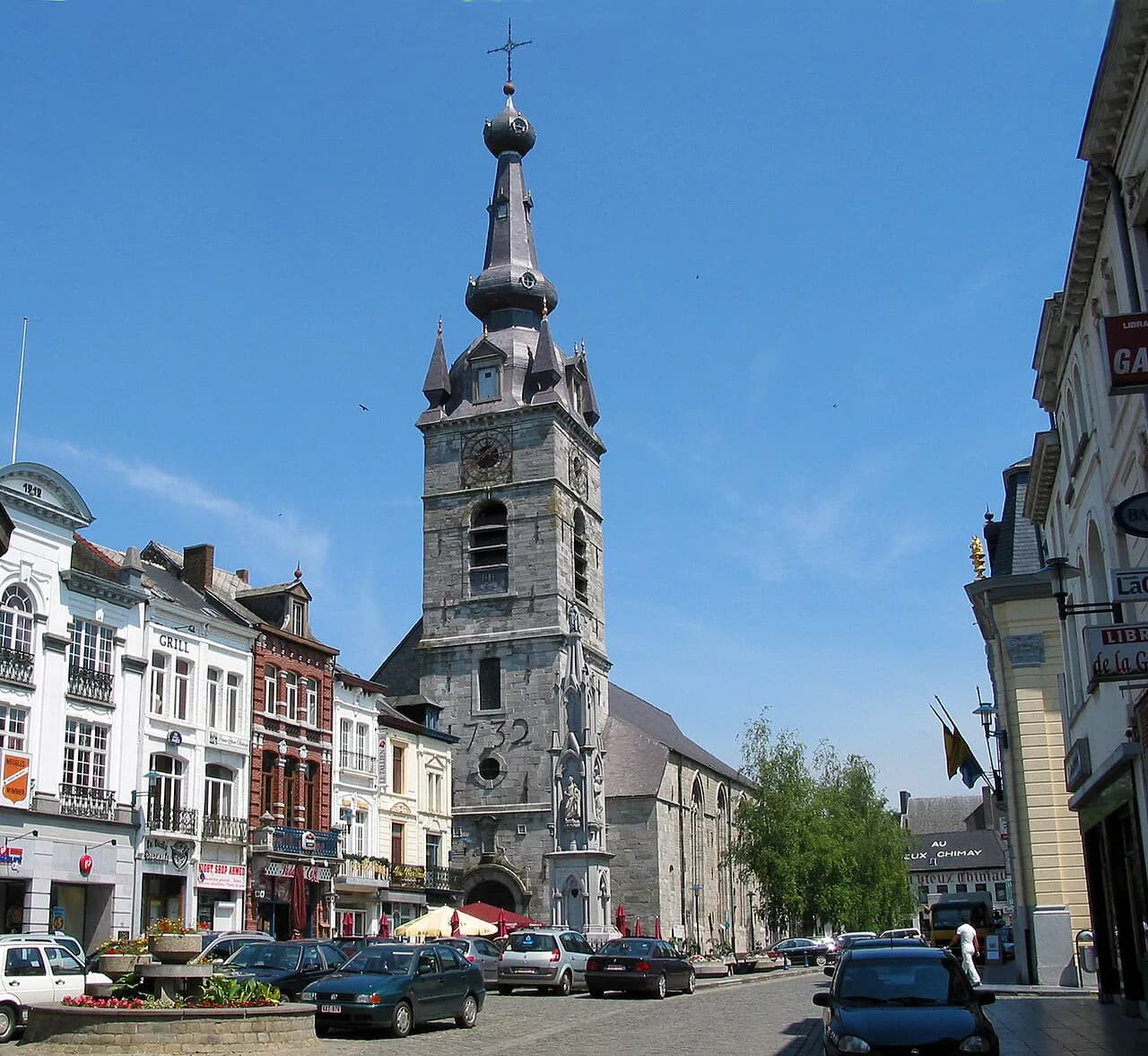
Chimay Brewery: Scourmont Abbey and the Trappist Beers
Chimay is brewed at Scourmont Abbey, a Trappist monastery in Hainaut. What the label means, the beers you will see and why it is not a city brewery.
On this page
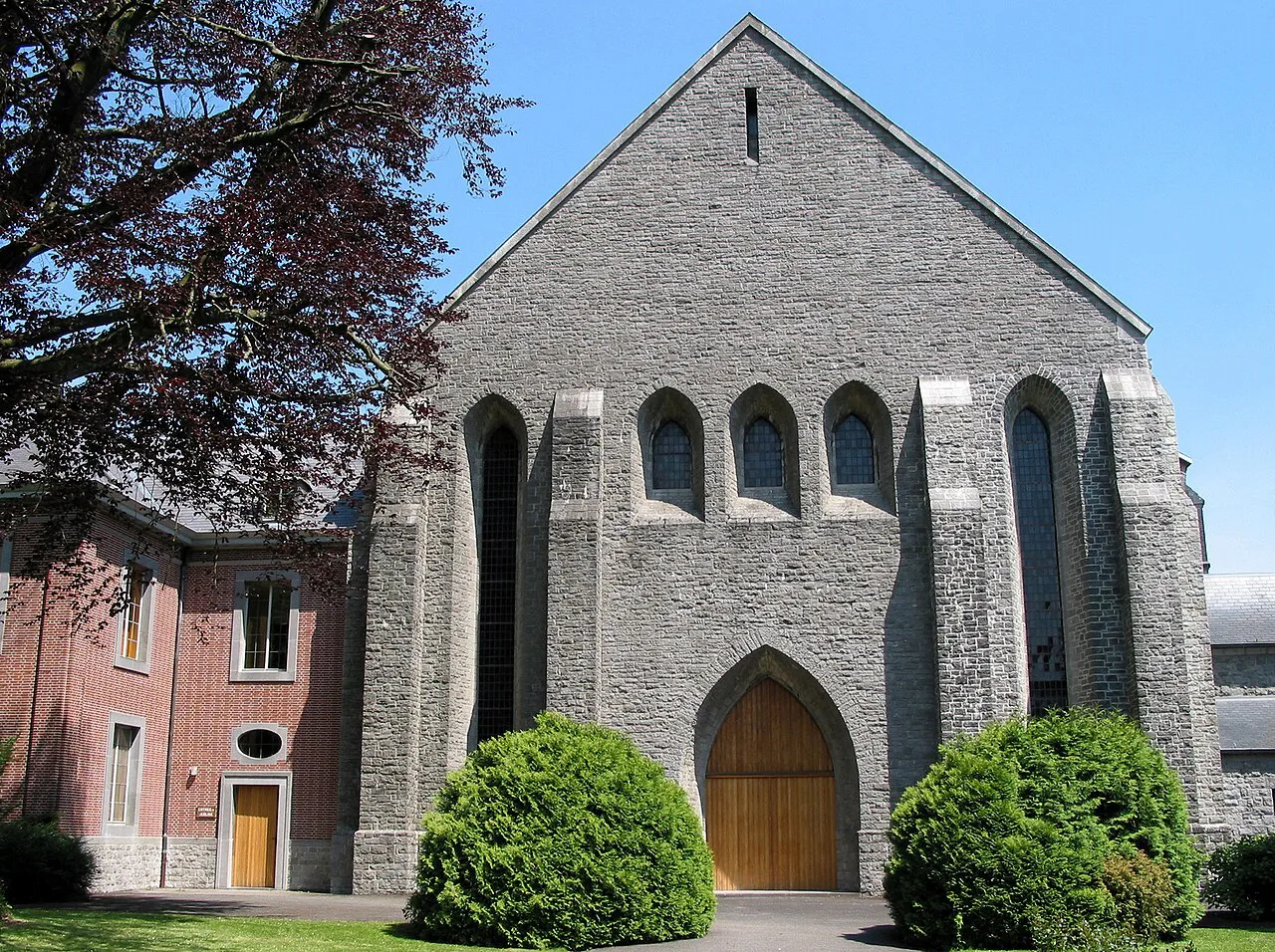
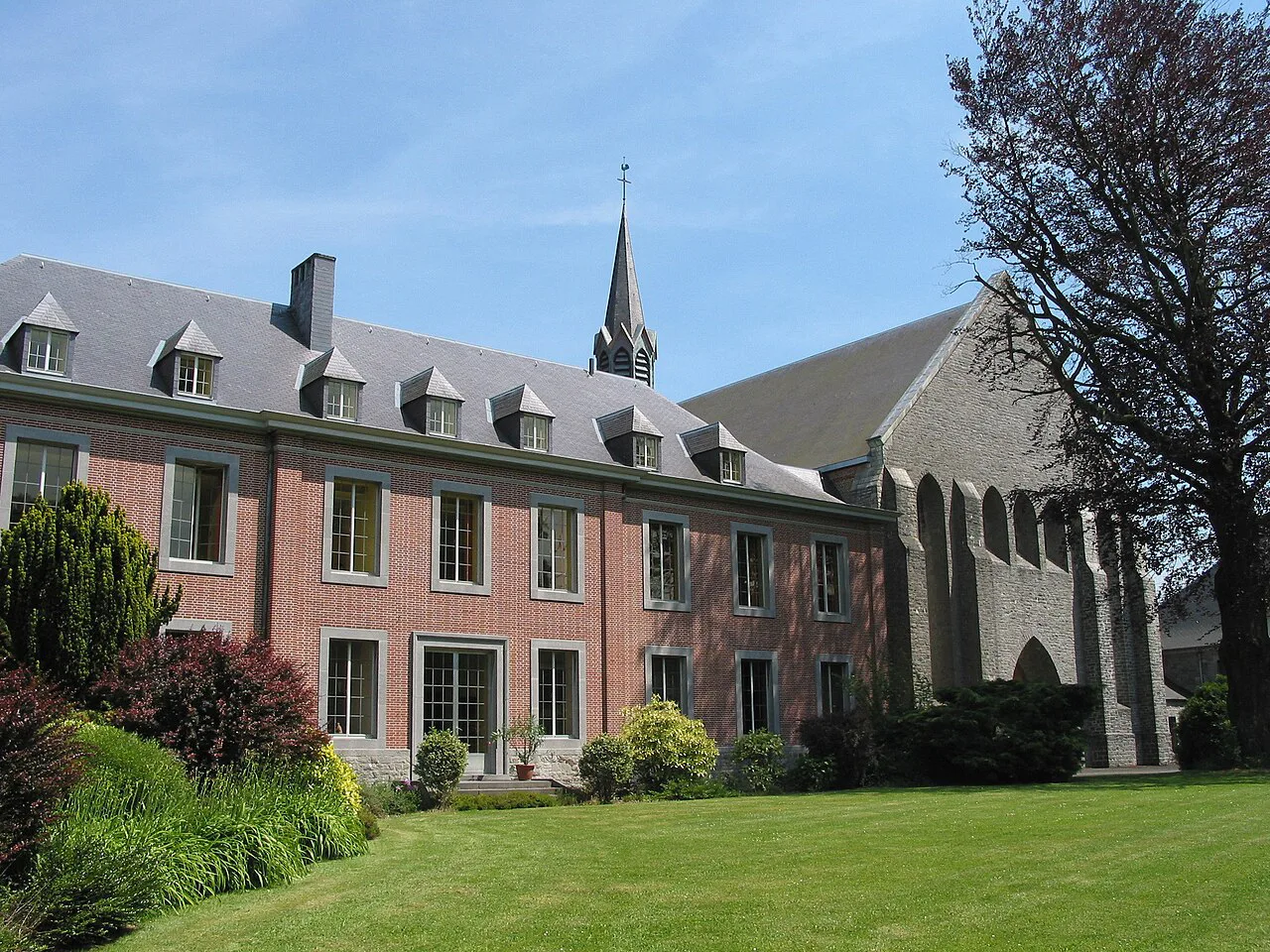
Chimay is brewed at Scourmont Abbey, a Trappist monastery at Chimay in the province of Hainaut, Belgium, in the Walloon countryside. It is not a city brewery with a taproom on a shopping street: the beer comes from an abbey site, and the abbey is a working monastery rather than a commercial brewhouse open to wandering visitors. This guide covers the abbey, the Trappist label and the beers you will see on menus.
Treat Chimay as a deliberate half-day detour rather than an afternoon you slot in between two Belgian cities. The payoff is seeing where a widely sold Trappist beer is actually made, at a monastery rather than a commercial brewhouse. The Trappist label, the beers and the question of whether the trip fits your plans follow below.
Where Chimay is brewed
Chimay is brewed at Scourmont Abbey, a Trappist monastery at Chimay in the province of Hainaut, Belgium. The label and the place share a name because the beer is made within the abbey itself, not in a separate brewery elsewhere.
Hainaut is French-speaking Wallonia, so expect French signage and French place names around the site; this is not Flanders and not a Flemish city. Picture a monastery community with a brewery attached, set in open countryside rather than streets, not a brewpub on a canal.
What the Trappist label means
Chimay is one of the Trappist breweries, with its beer produced within the walls of the Abbey of Scourmont by Trappist monks. That is the distinction worth knowing before you compare it with abbey beers that carry similar imagery but have no monastery behind them.
The wider Trappist world includes Westmalle Abbey in Flanders and Orval further south, each with its own beers. If the monastic angle is what interests you, the label system that governs the Trappist name is worth understanding before you plan a brewery stop.
The Chimay beers
Chimay is one of the standard Trappist names, and its own site is the place to check what is currently released and what each bottling contains.
Strength, packaging and availability vary by beer, so the label on the bottle is the reliable guide rather than anything printed in a guidebook.
For tasting at home or elsewhere in Belgium, Chimay sits within a Belgian Trappist line-up that includes Westmalle and Orval, and comparing them side by side is the quickest way to learn what a Trappist yeast profile tastes like. Chimay Blue is the usual gateway bottle for drinkers moving from dubbels to stronger dark beers.
Beer and cheese from one abbey
Chimay is closely associated with cheese as well as beer, and both appear under the abbey's name at the brewery's own site. A cheese board alongside a bottle is a good way to compare the abbey's two products.
Because the beer and cheese both carry the abbey's name, buying them together is a way of taking a piece of Chimay home, and the cheese is the less obvious purchase of the two.
Visiting Chimay
The abbey itself is a working monastery with an enclosed community, so any public visiting is arranged around the abbey rather than through its brewing halls or the monks' quarters. Do not plan on a walk through the cloister.
What a public visit to the abbey site actually includes, and any booking conditions, is best confirmed through Chimay directly before you commit a day to the drive. No source here promises access to the brewing halls or the monks' enclosure.
Is Chimay worth the detour on a Belgian city break?
For a committed beer traveller, yes: Scourmont is where a Trappist beer you already know is made. For a first city break built around Bruges, Ghent or Antwerp, the journey eats too much of a short trip. Be honest about which traveller you are.
Chimay is remote, in rural Hainaut, which means it pairs poorly with a one- or two-day city itinerary and better with a longer Walloon loop or a dedicated beer trip. If you are basing yourself in Flanders, the Flemish Trappist sites are the realistic stops; Chimay rewards those who build a day around it.
Getting there
Chimay sits in the Hainaut countryside, so reaching Scourmont realistically means driving, with the abbey outside the town itself. Without a car the stop becomes a logistical project rather than an easy outing, so budget the journey as the main cost of the day.
If you are coming from a Belgian city, treat Chimay as a full-day excursion with your own transport. Drivers should aim for the abbey site rather than the town centre of Chimay, which is not the same as the abbey gate.
Should you build a day around Chimay?
Go if Trappist beer is the reason for your trip and you have a car and a spare day in Wallonia. Skip it if your Belgian break is two nights in Bruges or Ghent with museums and canals already filling the hours — the beer is easy to drink in the cities, and the monastery is not.
Chimay rewards planning more than most brewery stops because the detour is the point, so decide the day around the abbey rather than around a whim on the morning.
Frequently Asked Questions
Where is Chimay beer brewed?
Chimay is brewed at Scourmont Abbey, a Trappist monastery at Chimay in the province of Hainaut, Wallonia, Belgium. The beer is produced within the abbey rather than in a separate city brewery.
Can you visit the Chimay brewery?
The abbey is a working monastery with an enclosed community, so you cannot wander through its brewing halls or the monks' quarters. Whether any public visiting is offered, and any booking conditions, should be confirmed with Chimay before you travel.
Is Chimay still brewed by monks?
Chimay is a Trappist beer, produced within the walls of the Abbey of Scourmont by Trappist monks. It is not an independent commercial brand using monastic imagery.
What is special about Chimay beer?
It is one of the Trappist beers, brewed at the monastery that gives it its name, and the abbey's name is also used on cheese.
Sources
Useful notes for your next trip
Optional updates to our guides.
You might also like



Continue reading
More guides you'll find useful





