
Getting to Belgium from the UK: Eurostar, Ferry or Flight
Compare Eurostar, ferry, Le Shuttle and flights from the UK to Belgium, matched to each Belgian city and with the Schengen entry rules UK passport holders must meet.
On this page
Eurostar is the best route for Antwerp, Ghent and Bruges, and for Liège once you change at Brussels; the car crossings suit Bruges, Ostend and Ypres, where a vehicle shortens the last stretch. The route matters less than the city you are heading for, because Belgian cities sit on different lines and different roads. This guide matches each option to a city break of one to four days, with the entry rules that apply to UK passport holders.
Eurostar to Brussels, then on to Bruges, Ghent, Antwerp and Liège
Eurostar runs from London St Pancras into Brussels Midi, which is the hinge of the whole rail plan: almost every Belgian city break continues from there rather than ending in the capital. Antwerp sits on the main northbound line and needs no change, while Bruges, Ghent and Liège mean a switch onto a domestic service. Book the London–Brussels leg first and build the rest around it, because the connecting trains are frequent and short.
For the western cities the rail arithmetic is simple. From Brussels you can reach Ghent in well under an hour and Bruges in a little over an hour, which makes either feasible as the base for a two- or three-day break with the other as a hop. Liège sits on the eastern high-speed corridor and is usually reached by changing at Brussels, so allow a comfortable buffer rather than a tight connection.
The same trains serve day trips inside Belgium. Bruges and Ghent are close enough to pair, and Antwerp works as a half-day from Brussels if your main base is elsewhere. If you want the full picture of the rail option, including terminals and onward services, our guide to the Eurostar to Belgium sets it out route by route.
Driving via Le Shuttle from Folkestone to Calais, then into Belgium
Eurotunnel to Belgium means driving onto Le Shuttle at Folkestone and off at Calais, then continuing on the motorway into Flanders or Wallonia. You stay in your car for the crossing, which makes it the quickest way to arrive with a boot full of luggage and no transfer at the far end. From Calais, Bruges and Ghent are both straightforward drives on the E40 corridor, Ostend sits further along the coast, and Ypres is reached inland via the A25.
What do British citizens need to travel to Belgium? A UK passport that was issued within the last ten years and is valid for three months beyond your planned departure from the Schengen Area. No visa is needed for a short visit, but border staff can ask for proof of accommodation and onward travel, so carry booking confirmations.
How long can UK citizens stay in Belgium without a visa? Up to 90 days in any 180-day period, counted on a rolling basis across the whole Schengen Area. Every trip counts, including business and family visits, and time in Switzerland, Norway, Iceland and Liechtenstein uses the same allowance.
Where is the Eurotunnel terminal in Belgium? There is not one. Le Shuttle runs from Folkestone to Calais, and from there you drive into Belgium by road, with Bruges and Ghent on the E40 corridor and Ypres reached via the A25.
The trade-off is the final miles. Belgian town centres are compact and parking is limited, so you need to decide whether the car earns its place on a short break or simply sits in a car park while you walk. For four days covering Bruges, Ypres and the coast, the car earns its place; for two days in Antwerp, the train is cleaner. Our guide to driving to Belgium from the UK covers the onward roads in detail.
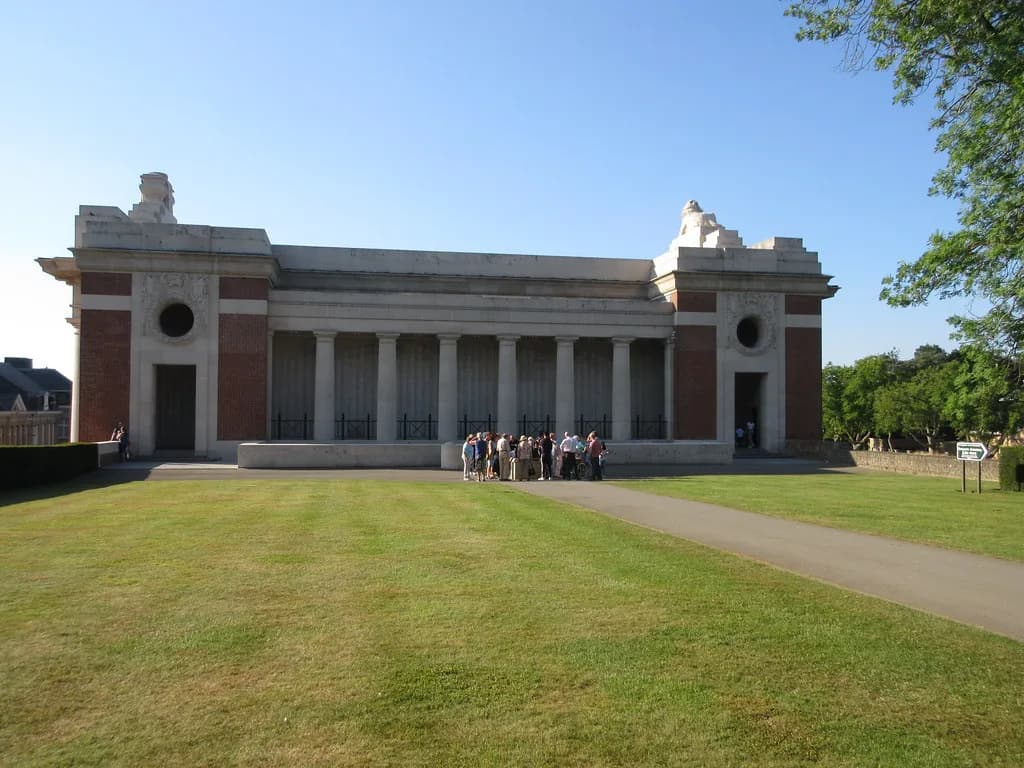
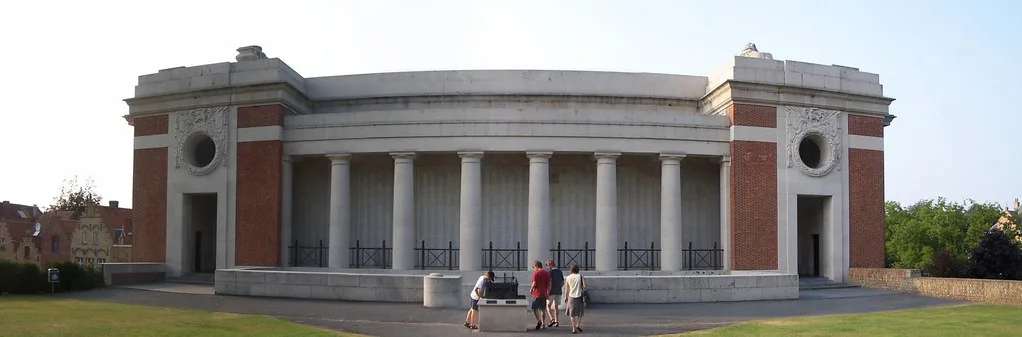
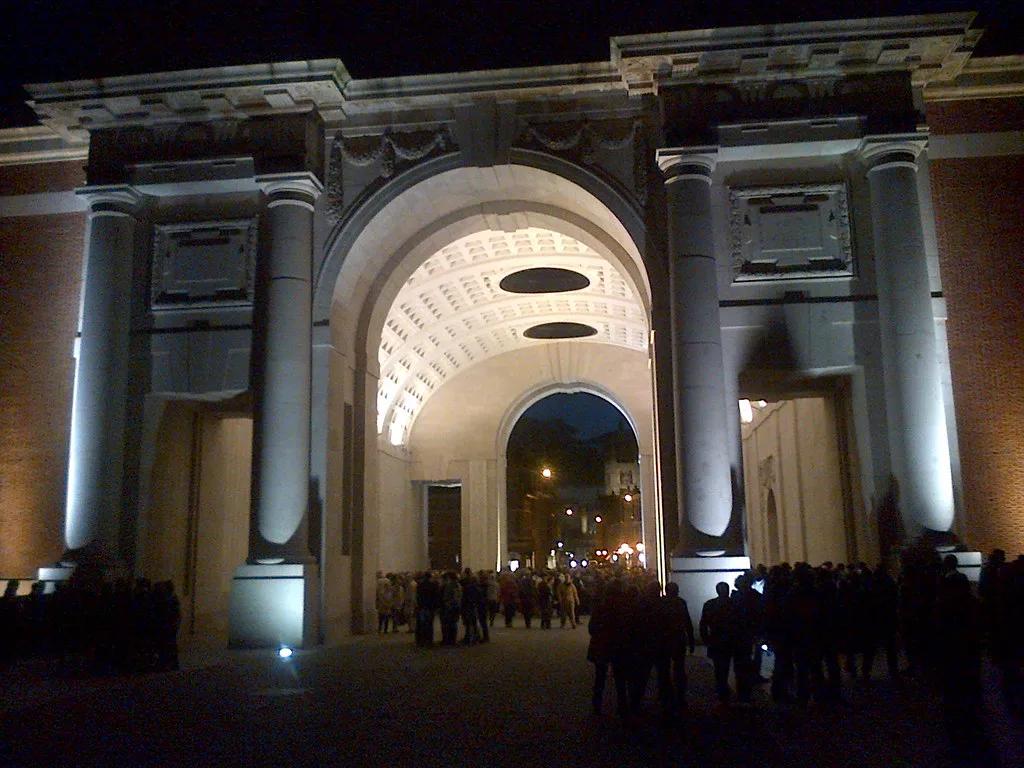
Le Shuttle has no terminal in Belgium itself, so every crossing lands at Calais and Belgium follows by road. Factor the drive honestly: a Bruges break with a car works best when you use the outskirts for parking and walk in, and Ypres rewards the car because the memorials and cemeteries around the town are spread out, including the Menin Gate (Menenpoort) in the town centre.
Ferries from Hull to Zeebrugge and Dover to Calais or Dunkirk, and the drive onward
The ferry to Belgium splits into two very different options. Dover to Calais or Dunkirk is the short sea crossing followed by a drive, which suits anyone already heading for Flanders with a car. Hull to Zeebrugge is the long one, an overnight sailing that puts you directly into the port serving Bruges, Ghent and the coast. If you are coming from the north of England, that second option removes the drive to Kent altogether.
Zeebrugge is the useful landing point for western Belgium. Bruges is a short onward hop, Ostend runs along the coast, and Ghent is reachable by road without crossing the country. Arriving off an overnight crossing gives you a full day on the ground from the moment you dock, which suits a compact two- or three-day visit better than a flight that eats the middle of the day.
Dover and Dunkirk work when your plan centres on Ypres or the wider West Flanders memorial landscape, because the road south-west from the coast is direct. The trip suits a car carrying two or more people, where the shared crossing and fuel cost less than separate rail tickets. Ferry to Belgium from the UK lays out the ports and the onward drives.
Flights from the UK to Belgium and which cities have airports
Flying works if your city is Brussels or Antwerp, or if you are coming from an airport with a direct service. London to Brussels is the main air link, so most itineraries start with a flight into Brussels and a train onward. A flight to Brussels Airport leaves you on the airport rail line into the city, and from Brussels Midi you can continue to Ghent, Bruges, Antwerp or Leuven.
For Bruges, Ostend and Ypres, the air route adds a transfer that rail or road avoids. Ostend has its own small airport, and Brussels South Charleroi serves the low-cost market, but neither sits in the centre of the city you plan to explore, so you need a bus or train at the far end. Weigh that against the cheaper fare before deciding.
The honest comparison is door to door. A direct flight can still be slower once you add the airport transfer, security and the onward train, especially for a two-day break. If your priority is time on the ground rather than the lowest fare, rail through Brussels usually wins for Ghent, Bruges and Antwerp.
Matching the route to the city: Bruges, Ghent, Antwerp, Leuven, Liège, Namur, Ostend and Ypres
Bruges (Brugge) is the classic rail city break: Eurostar to Brussels, then a direct train into a station a short walk from the Markt and the Belfort. The compact centre means you never need a car, and the belfry, canals and Groeningemuseum fill two days comfortably. If the towers are what draw you, our guide to the belfries of Belgium covers which ones you can climb. Ghent (Gent) works the same way, with its own station and a tram into the centre where the Graslei and Korenlei, Gravensteen and Sint-Baafskathedraal cluster together.
Antwerp (Antwerpen) is the easiest rail arrival in the country, because the high-speed line runs straight in and the station opens onto the diamond district within walking distance of the old town. Leuven (Louvain) is a short hop from Brussels and suits a half-day or an overnight alongside the university quarter. Liège (Luik) is the eastern outlier: reachable by rail with a change at Brussels, and better by rail than by air because the station sits close to the centre.
Namur (Namen) sits in Wallonia at the confluence of the Sambre and Meuse, with the Citadelle de Namur above the town; it is a rail journey from Brussels with the car an option if you plan to continue south. Ostend (Oostende) and Ypres (Ieper) pull you toward ferry and drive, because both sit west of the main north–south rail axis and are linked by coastal and regional lines. For a four-day trip that pairs Ypres with the coast, the overnight ferry and a car is the stronger plan.
Passport and Schengen entry rules for UK travellers
UK citizens do not need a visa for a short visit to Belgium, but the rules are now those of a visa-exempt third country, not free movement. Your passport must have been issued within the last ten years on the day you enter the Schengen Area, and it must remain valid for three months after the date you intend to leave. Check both dates before booking anything non-refundable.
The stay limit is 90 days in any 180-day period, calculated on a rolling basis, across the whole Schengen Area. Every trip counts, including business and family visits, and days in Switzerland, Norway, Iceland and Liechtenstein are included in the same allowance. For a city break of one to four days that ceiling is rarely a problem, but it matters if you travel to Europe often or have a longer trip planned.
The EU's Entry/Exit System and ETIAS are both on the horizon for UK travellers. Meanwhile, until the Entry/Exit System is in operation, ask for your passport to be stamped on entry and exit so your Schengen allowance stays traceable. Border staff can ask for proof of accommodation and onward travel, so keep booking confirmations accessible on your phone rather than buried in an inbox.
Booking timing and ticket trade-offs for each route
Rail tickets reward early booking, particularly for the London–Brussels leg, and the cheapest fares tend to go first on peak weekend services. Book the cross-Channel leg and the connecting train in one sitting so you are not left hunting for a domestic seat later. If your dates are fixed, set the booking in motion as soon as the timetable opens.
Car crossings are priced per vehicle, so the cost spreads across everyone in the car and drops per person as the group grows. The overnight Hull–Zeebrugge sailing replaces a hotel night, which makes it good value for a two-day Bruges break. Short Dover crossings are the cheapest when you only need to be over the water, and a flexible ticket is worth the premium if your departure time may shift.
Flights look cheap until you add the transfer into the city. Compare the fare against the total of airport bus or train plus the time lost at each end, then decide. Ferry to Belgium covers the sailings and ports if you are weighing the sea route against the air.
Bruges, Ghent and Ypres on one crossing
The most efficient short break combines two or three western cities on a single crossing. Arrive into Zeebrugge, base yourself in Bruges, and use the rail line to Ghent for a day. Ypres then follows by road or rail for the Menin Gate (Menenpoort) ceremony and the surrounding memorials.
This plan suits a three- or four-day trip and works best outside the depths of winter, when daylight on the memorial sites is short and the coast is bleak. Bruges and Ghent reward a full day each; Ypres needs a half-day for the town and more if you want the wider battlefield landscape. Build the days around the towns you care about rather than the transport.
These cities are small and close, and the point is the time you spend in each, not the number you tick off in a day. Choose two for a long weekend, three if you have four days, and leave the rest for another crossing.
Which route should you book?
For Antwerp, Ghent, Bruges or Leuven, take Eurostar to Brussels and continue by train; it puts you in the centre and needs no transfer. For Ypres, Ostend and a wider West Flanders trip, take the overnight Hull–Zeebrugge ferry or Le Shuttle to Calais and drive.
Check your passport issue and expiry dates against the Schengen rules before you pay for anything, then book the cross-Channel leg and the Belgian connection together.
Explore more Belgium guides
Frequently Asked Questions
What do British citizens need to travel to Belgium?
A UK passport that was issued within the last ten years and is valid for three months beyond your planned departure from the Schengen Area. No visa is needed for a short visit, but border staff can ask for proof of accommodation and onward travel, so carry booking confirmations.
How long can UK citizens stay in Belgium without a visa?
Up to 90 days in any 180-day period, counted on a rolling basis across the whole Schengen Area. Every trip counts, including business and family visits, and time in Switzerland, Norway, Iceland and Liechtenstein uses the same allowance.
Where is the Eurotunnel terminal in Belgium?
There is not one. Le Shuttle runs from Folkestone to Calais, and from there you drive into Belgium by road, with Bruges and Ghent on the E40 corridor and Ypres reached via the A25.
Which Belgian cities are easiest by train from the UK?
Antwerp is on the direct line from Brussels, and Ghent, Bruges and Leuven are a short onward train from Brussels Midi. Ostend and Ypres sit further west and are better served by ferry and road.
Sources
Useful notes for your next trip
Optional updates to our guides.
You might also like



Continue reading
More guides you'll find useful


