
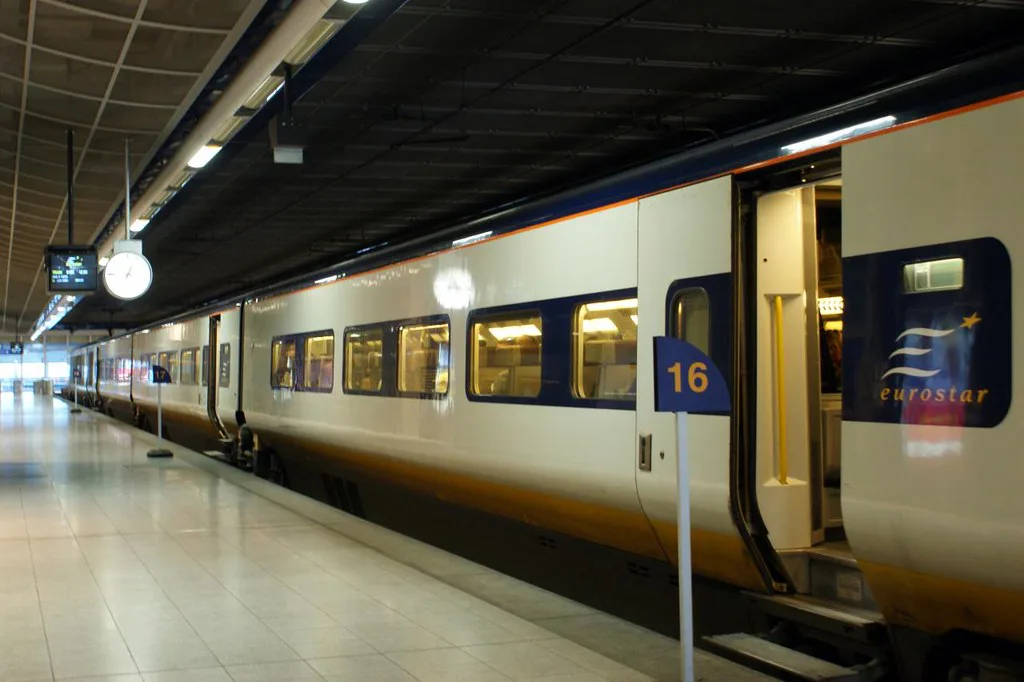
Eurostar to Belgium: Routes, Journey Times and Onward Connections
Eurostar arrives at Brussels-Midi, with onward Belgian trains to Bruges, Ghent, Antwerp, Leuven, Liège, Namur, Ostend and Ypres.
On this page
Eurostar runs into Belgium at Brussels-Midi, and Bruges is just over three hours from London by train, including the change in the capital. That makes the train a realistic way to start a one- to four-day city break rather than a journey that eats a day. This guide sets out the Brussels-Midi gateway, the onward legs towards Belgian cities, and how to build a short Bruges visit around arrival and departure.
If you are weighing the train against other ways across the Channel, our guide to getting to Belgium from the UK puts the options side by side, and the ferry to Belgium covers the sea crossing for travellers coming by car or coach.
Eurostar to Belgium: the short answer
The train arrives at Brussels-Midi, and from there you continue on the Belgian network towards Bruges, Ghent, Antwerp, Leuven, Liège, Namur, Ostend or Ypres. The change at Brussels-Midi is part of the trip rather than a workaround. Eurostar also links Brussels with London, Paris and Amsterdam, though only the London approach is covered here.
Bruges suits a first short break because the old town is compact: Eurostar describes the centre as crossable on foot in half an hour, with trains from Brussels taking just under an hour. That combination means an early London departure can put you in Bruges by lunchtime with bags dropped, leaving the afternoon and a full day free on a two-night trip.
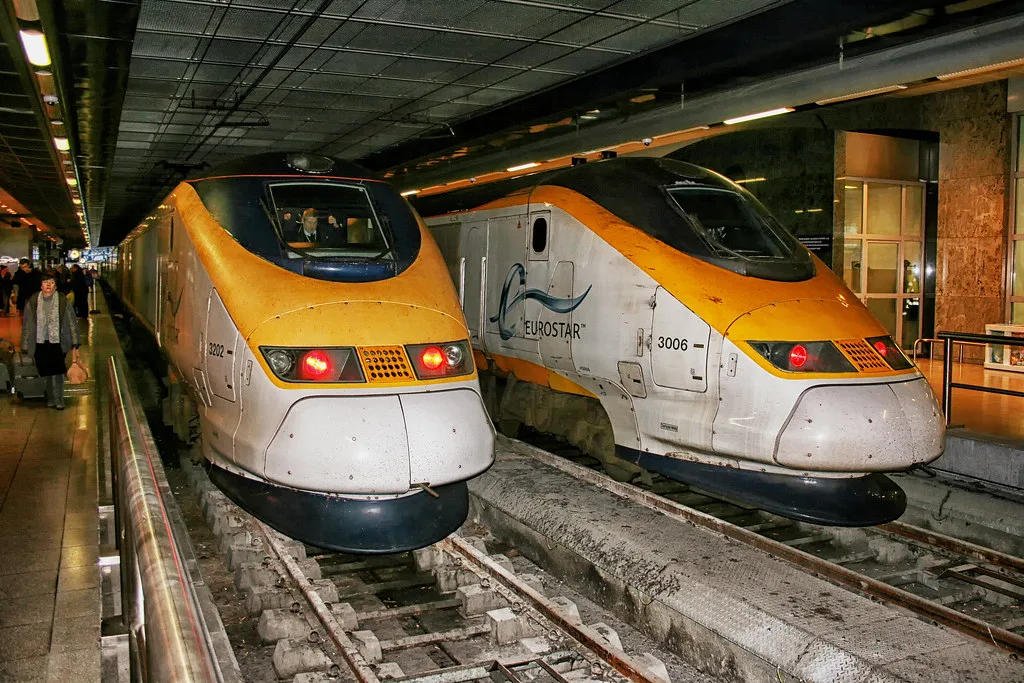
Which Belgian cities you can reach by changing at Brussels
From Brussels-Midi, the Belgian domestic network reaches onward to cities such as Bruges, Ghent, Antwerp, Leuven, Liège, Namur, Ostend and Ypres. The practical question is not whether Eurostar goes there but how long the onward leg takes and how often it runs, so treat Brussels-Midi as the gateway and pick your city by onward journey time.
Is the Eurostar a through train to Bruges? No. Eurostar runs into Brussels-Midi; from there you change to a Belgian domestic train for Bruges, Ghent, Antwerp, Leuven, Liège, Namur, Ostend or Ypres.
How often does the Eurostar run from London to Brussels? Frequencies vary by date and season, so check the operator's own timetable for your travel day rather than relying on a fixed pattern. What matters for planning is the change at Brussels-Midi: leave enough time there on the return to catch the London train even if the domestic leg is delayed.
Bruges and Ghent sit on the same western corridor and pair naturally with a Brussels arrival. Antwerp and Leuven lie north and east of the capital, while Liège, Namur and Ostend are longer legs better suited to a three- or four-day trip. Ypres rewards a dedicated visit because the town and its memorial landscape deserve unhurried time rather than a rushed afternoon.
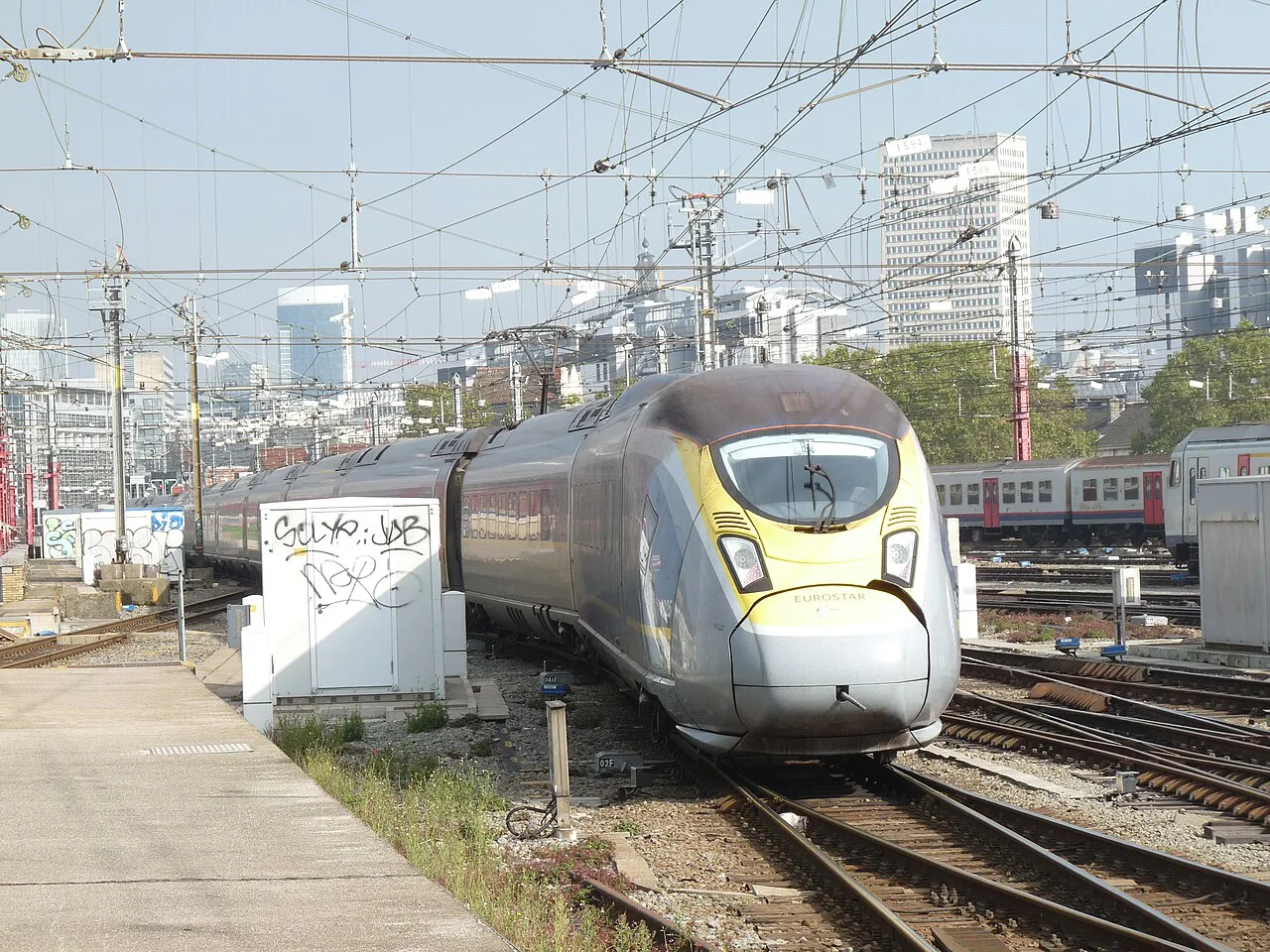
London to Brussels-Midi and the onward change
Eurostar runs from London to Brussels-Midi, and Eurostar describes Brussels to Bruges as just under an hour on the onward Belgian leg. Allow for the interchange itself when you plan: a tight connection after a cross-Channel train leaves no room for delay, so a later domestic departure is the safer choice.
Eurostar tickets and seat layouts are handled through the operator's booking pages, and SNCB-NMBS is the Belgian rail operator for the domestic legs. Exact departure times and frequencies vary by date, so confirm them when you book.
Eurostar to Bruges: journey time and the change at Brussels
Bruges is the classic Eurostar city break: Eurostar describes the old town as a UNESCO World Heritage site whose historic heart has changed little since medieval times, with trains from Brussels taking just under an hour. The change at Brussels-Midi is the main friction: allow time to move from the international to the domestic part of the station.
Build the day around that change. A morning arrival in Brussels leaves the afternoon for Bruges, and returning you reverse the process with a domestic train back to Brussels-Midi before the London service. Keep at least an hour between the two on the return, since a missed international train is far more costly than a missed local one.
Getting onward from Brussels-Midi to Belgian cities
Ghent (Gent) is a short hop on the western line and works as a base for both Bruges and the coast. Antwerp (Antwerpen) and Leuven (Louvain) are quick runs from the capital, which makes them easy add-ons to a Brussels arrival day. Liège (Luik) and Namur (Namen) sit to the south-east along the Meuse valley and take longer, so give them a full day rather than an afternoon.
Ostend (Oostende) is the end of the coastal line and the natural stop for a town-based look at the Belgian coast. Ypres (Ieper) lies west of Ghent and is the base for the Menin Gate (Menenpoort), a memorial to the missing of the First World War. Check the domestic timetable for the specific date before you commit to a tight same-day return.
How the Brussels-Midi interchange works on a city break
Treat Brussels-Midi as a station, not a stopover. International and domestic trains both use the station, so you transfer within it rather than crossing the city, and luggage stays with you throughout. That makes a same-day transfer to Bruges, Ghent or Antwerp straightforward even on a first visit.
The trade-off is time. Every city beyond Brussels costs you one change and a domestic leg, so a one-night break is only comfortable if you pick Bruges, Ghent or Antwerp. For Liège, Namur, Ostend or Ypres, plan two nights minimum and accept that the arrival and departure days are partly travel days.
Bruges in a short break: Markt, the Belfry and the Hansa District
Start at the Markt, the central square under the Belfry (Belfort), where a weekly market has run for around a thousand years and still fills the square on Wednesday mornings. It is the obvious first orientation point after the train, and everything else in the centre radiates from it.
The Belfry rises 83 metres above the Markt on top of the Cloth Hall, and the climb is 366 steps to the top, past the drum that drives a carillon of 47 bells. Eurostar notes carillon concerts at 11am on Wednesdays, Saturdays and Sundays, with summer evening concerts on Mondays and Wednesdays. Climbing rewards you with the view, but the bells and the mechanism are the more distinctive sight.
North of the Markt, the Hansa District keeps much of its historic character. Spanish traders settled on Spaanse Loskaai, Baltic merchants on Oosterlingenplein, and Jan van Eyckplein was once a wealthy port. The view from the Spiegelrei canal towards the Burgher's Lodge is one of the finest in town, and the Toll House and the narrow Rijkepijndershuis are easy to pick out.
Canals, chocolate and the walkable old town
The old town is small enough to cover on foot, and a canal boat tour is the quickest way to get your bearings. Boats board at five stops between Jan van Eyck Square and the Begijnhof (Beguinage), which lets you start and finish where it suits your route rather than doubling back.
Chocolate shops cluster around the central square, so save browsing for the walk back towards the Markt rather than making a special trip. The Groeninge Museum holds Flemish masterpieces, and the Church of Our Lady keeps a Michelangelo sculpture. Minnewater, a 15-minute walk south of the Markt, is the calmest place to end an afternoon.
One to four days: shaping an itinerary around the train
One night suits Bruges alone: arrive after lunch, see the Markt and Belfry, walk the Hansa District, and leave the next afternoon. Two nights let you add Ghent as a day trip on the same rail line, which is the best value use of a short break because you avoid a second hotel change. Three nights open up Antwerp or the coast, and four nights make Liège, Namur or Ypres realistic without rushing.
Whichever length you choose, put the longest walk on the first full day, when legs are fresh, and keep the departure morning light. If you are arriving by car or coach instead, the Eurotunnel to Belgium guide and the Hull to Zeebrugge ferry route give the alternatives, though neither drops you in the centre the way the train does.
Booking the Eurostar and onward legs
Eurostar handles the international leg, and SNCB-NMBS is the Belgian rail operator for the domestic connections onward from Brussels-Midi. Compare the total cost of getting to your city rather than the international fare alone, so the onward leg is not a surprise on the day.
Prices move with demand, date and how far ahead you book, so the operator's own booking pages are the only reliable place to look. Travelling outside peak days usually costs less.
Which Belgian city should you book first?
Book Bruges first. It is the shortest comfortable run from London, the old town fits a two-night break, and the Markt, Belfry and Hansa District give a short visit a clear spine without a tram or taxi. Add Ghent for a second day, then look at Antwerp, Leuven or the Meuse cities on a longer trip.
If you are bringing a car, the driving to Belgium from the UK guide covers the crossing options, while foot passengers and coach travellers can compare the ferry route. Either way, the Brussels-Midi change is the same, and building an hour of slack into the return leg is the one habit that keeps a city break calm.
Frequently Asked Questions
Is the Eurostar a through train to Bruges?
No. Eurostar runs into Brussels-Midi; from there you change to a Belgian domestic train for Bruges, Ghent, Antwerp, Leuven, Liège, Namur, Ostend or Ypres. Eurostar's Bruges guide puts the Brussels to Bruges leg at just under an hour.
How often does the Eurostar run from London to Brussels?
Frequencies vary by date and season, so check the operator's own timetable for your travel day rather than relying on a fixed pattern. What matters for planning is the change at Brussels-Midi: leave enough time there on the return to catch the London train even if the domestic leg is delayed.
Sources
Useful notes for your next trip
Optional updates to our guides.
You might also like



Continue reading
More guides you'll find useful



