
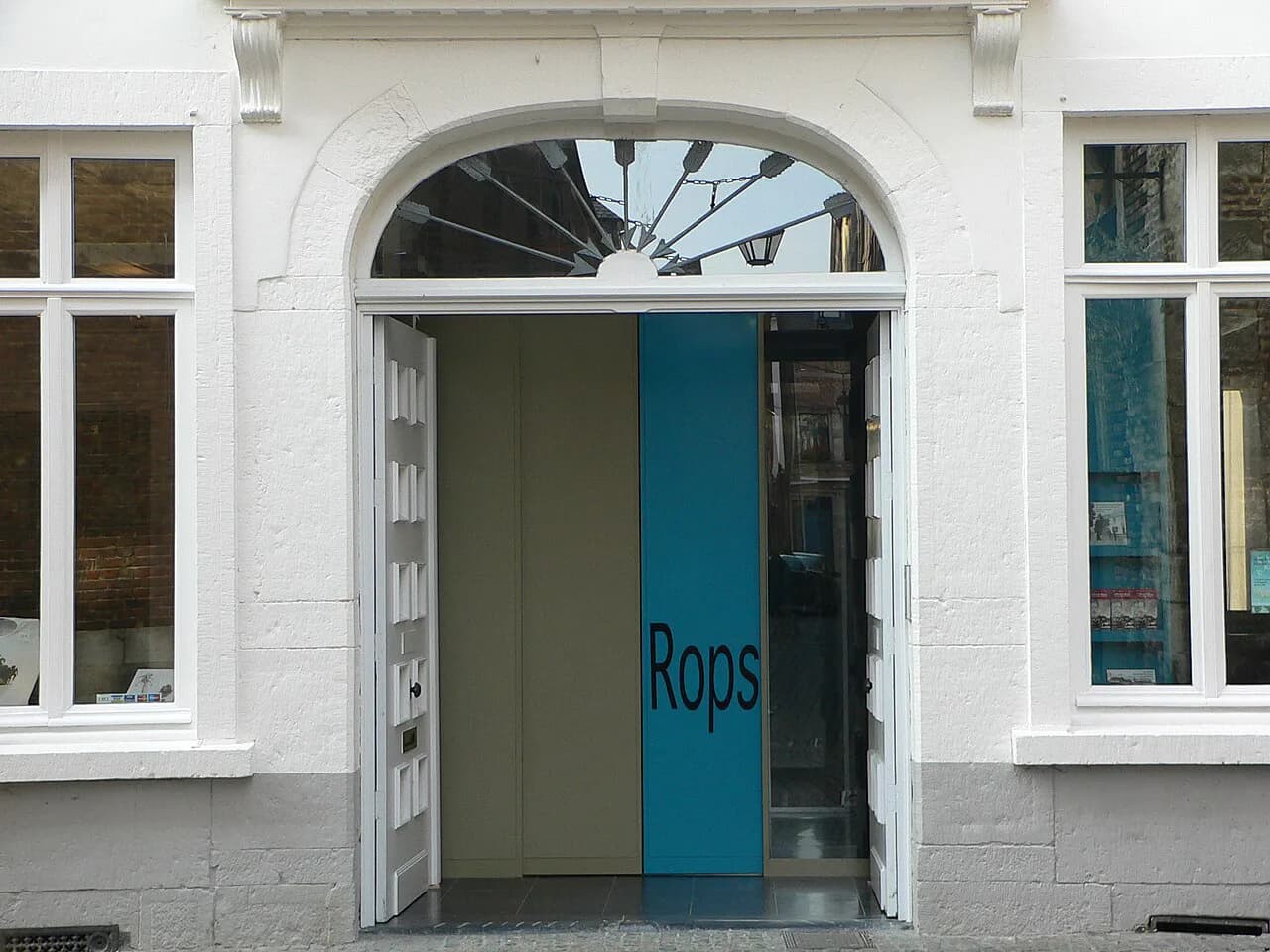
Musée Félicien Rops: Namur's Museum of the Artist Who Shocked Paris

The Musée Félicien Rops is a single-artist museum in Namur devoted to the printmaker, illustrator and painter Félicien Rops, and an hour to ninety minutes is a sensible allowance. It suits travellers who like drawings and satire more than blockbuster painting, and it rewards anyone willing to look closely at the prints rather than skim the frames.
This guide covers who Rops was, where the museum sits in the city, what it holds, how long to allow and how to build the rest of a day around it.
Who Félicien Rops was
Félicien Rops was born in Namur in 1833 and built his reputation in Paris as a graphic artist rather than a conventional painter. He worked above all as an etcher and illustrator, producing prints for books and journals, and the online collection catalogue keeps a running record of his published work, including the satirical journal Uylenspiegel.
That matters for how you read the museum: the emphasis falls on line, etching and book illustration rather than large oils in gilded frames. The museum's own collection pages group his output into themed focuses, among them a focus on Rops and the arts of Japan and one on his working life in the studio, which gives you a thread to follow when you arrive.

Where the museum is in Namur
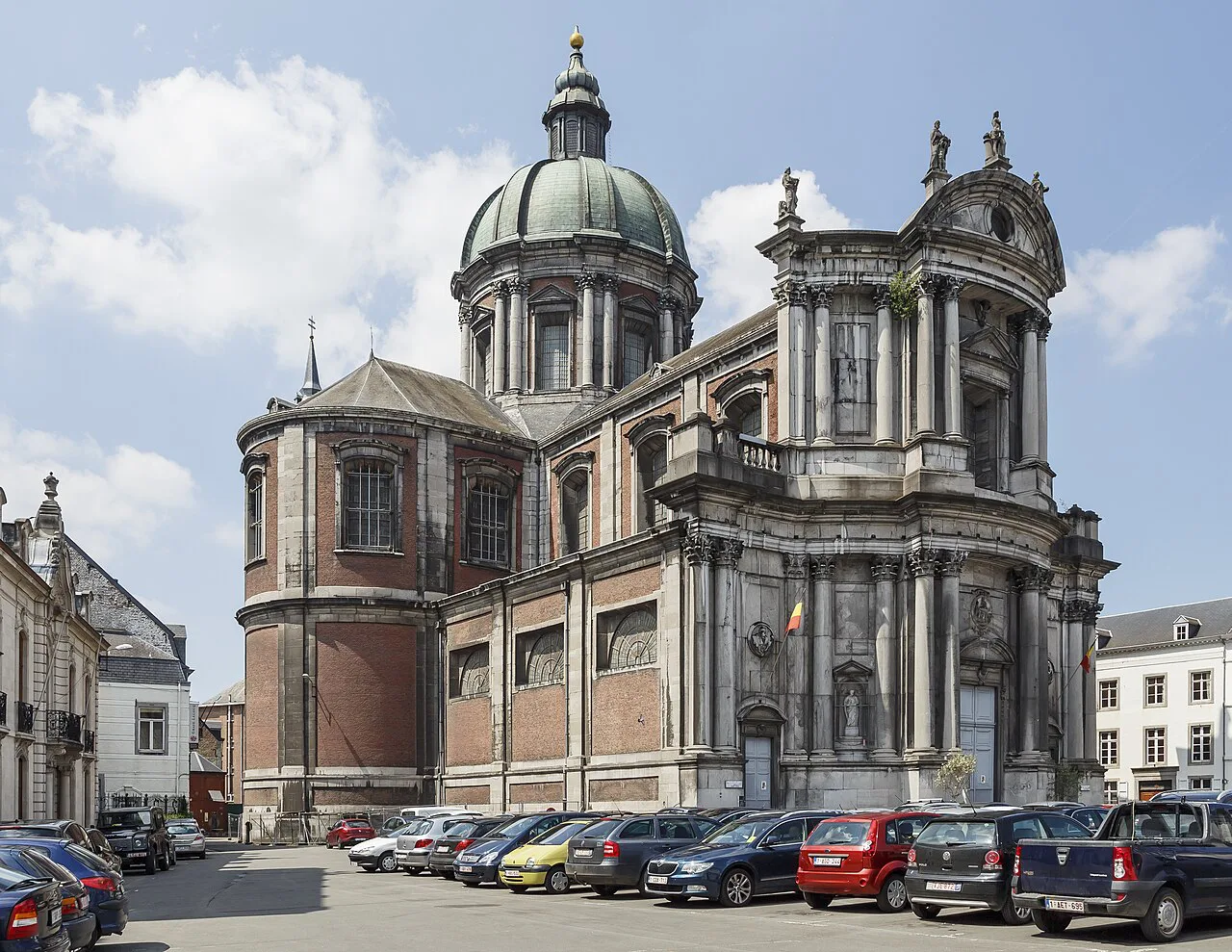
The museum is run by the Province de Namur and the city lists it among Namur's museums alongside its other cultural collections. It sits in Namur's centre, so it fits into a half-day with the streets and the riverfront; see our Namur attractions guide for the wider set of sights.
Namur is compact enough to walk between the central sights, the old streets and the riverfront, so leave the car and stay on foot once you reach the centre; the streets between the shopping core and the river are short and easy to follow.
What you will see inside
The collection is built on Rops's prints, drawings and illustrations, and the museum holds both finished works and a deep archive of his graphic production. Expect etching, aquatint and drawing rather than crowds queuing for a single famous canvas; the pleasure is in the detail and the acid humour.
Rops made work for the Parisian book trade, and his prints belong to the world of nineteenth-century illustration rather than the gallery oil. The museum's collection pages single out a long-running focus on Rops and the arts of Japan, placing his graphic work in the wider current of European printmaking in his lifetime.
The online collection and rotating focuses
The museum's collection site is unusually generous: an inventory of Rops's works can be searched online, and rotating focus articles examine particular themes and groups of objects. Reading one or two before you arrive gives you a feel for the etchings and the motifs that recur across his work.
The collection site also records acquisitions and long-term loans, so the museum's holdings shift over time rather than sitting still. The notices there include, for example, a deposit of 548 works from London and the museum's donations received between 2024 and 2026, so look at what is actually on display when you arrive rather than assuming a fixed hang.
How long to allow, and who it suits
Budget an hour to ninety minutes. The museum is small enough that a hurried forty-five minutes will get you through, but the prints reward a slow pass, and reading the focus material can double the time usefully.
Travellers who are indifferent to drawing and printmaking will find the museum thin; those who enjoy Daumier, Goya's satirical prints or nineteenth-century illustration will find plenty. It is not a rainy-day filler for a family group, and a stop of an hour here leaves the afternoon free for the Citadel of Namur (Citadelle de Namur) above the town.

Sensitive content: what to know before you go in
Some of Rops's work is erotic, and some is macabre, and the museum says so plainly on its own site. Its warning notes that the character of certain works could shock sensitive visitors, and that the online inventory includes all of the artist's creations without moral or aesthetic selection.
Practical upshot: this is not the place for young children or for anyone hoping for a gentle decorative afternoon. If you are visiting with a mixed group, split up and meet afterwards in the old town or at the riverfront.
Nearby: the Citadelle and the old town
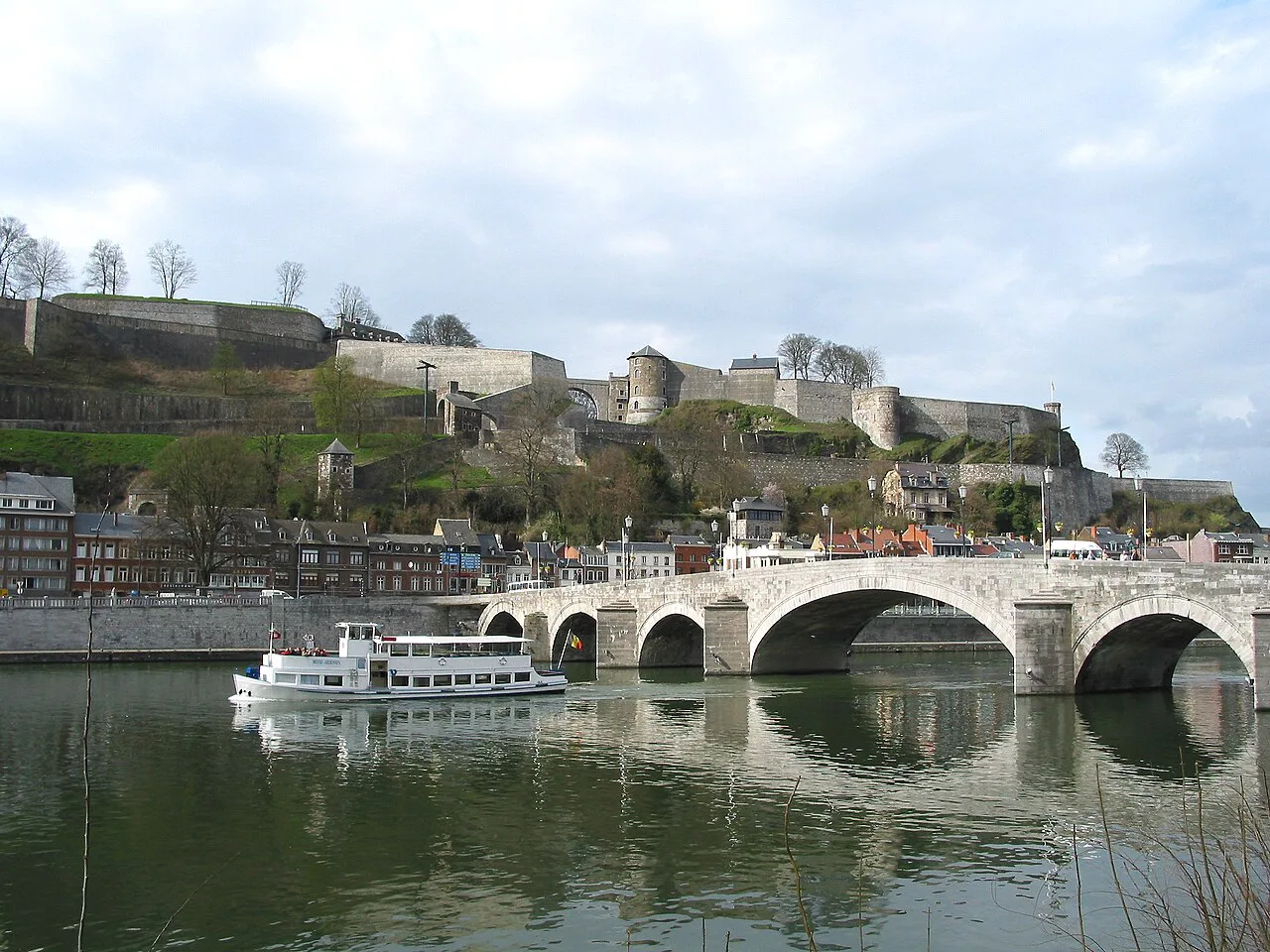
Namur's big sight is the Citadel of Namur (Citadelle de Namur) above the confluence, a walled complex with viewpoints over the Meuse valley; the climb is steep on foot, and the telepherique that links the city to the citadel closes at times for maintenance — the city's own notice gives the first days of November as an example.
Below the citadel, the Le Grognon, Namur district at the confluence holds the riverfront walk and the point where the Sambre meets the Meuse; it is a natural place to finish a walk from the museum. The old town's streets between there and the museum hold the usual Belgian city fabric of cafés and small shops.
Should the Musée Félicien Rops be on your Namur list?
Yes, if you like prints, satire or nineteenth-century Paris, and if you have a spare hour to give it. Skip it if you want the big views and military architecture of the citadel instead; Namur's pleasure is that both fit into one unhurried day.
Leave room in the day for the old town and the citadel and drop into the museum between them. It pairs well with the riverfront at Le Grognon, Namur at the confluence below.
Explore more Namur guides
Frequently Asked Questions
Is the Musée Félicien Rops suitable for children?
Some of Rops's work is explicitly erotic and some is macabre, and the museum itself warns that certain pieces could shock sensitive visitors. For a family group, consider splitting up and meeting at the riverfront afterwards.
Can I see Rops's work without visiting?
Yes. The museum maintains a searchable online inventory of Rops's works, along with focus articles on particular themes such as his engagement with Japanese art. It is a useful way to prepare and to decide whether the museum is for you.
Who runs the Musée Félicien Rops?
It is a museum of the Province de Namur and is listed among the city's museums on the Namur municipal site. The city's own pages cover the museum and the rest of its cultural institutions.