
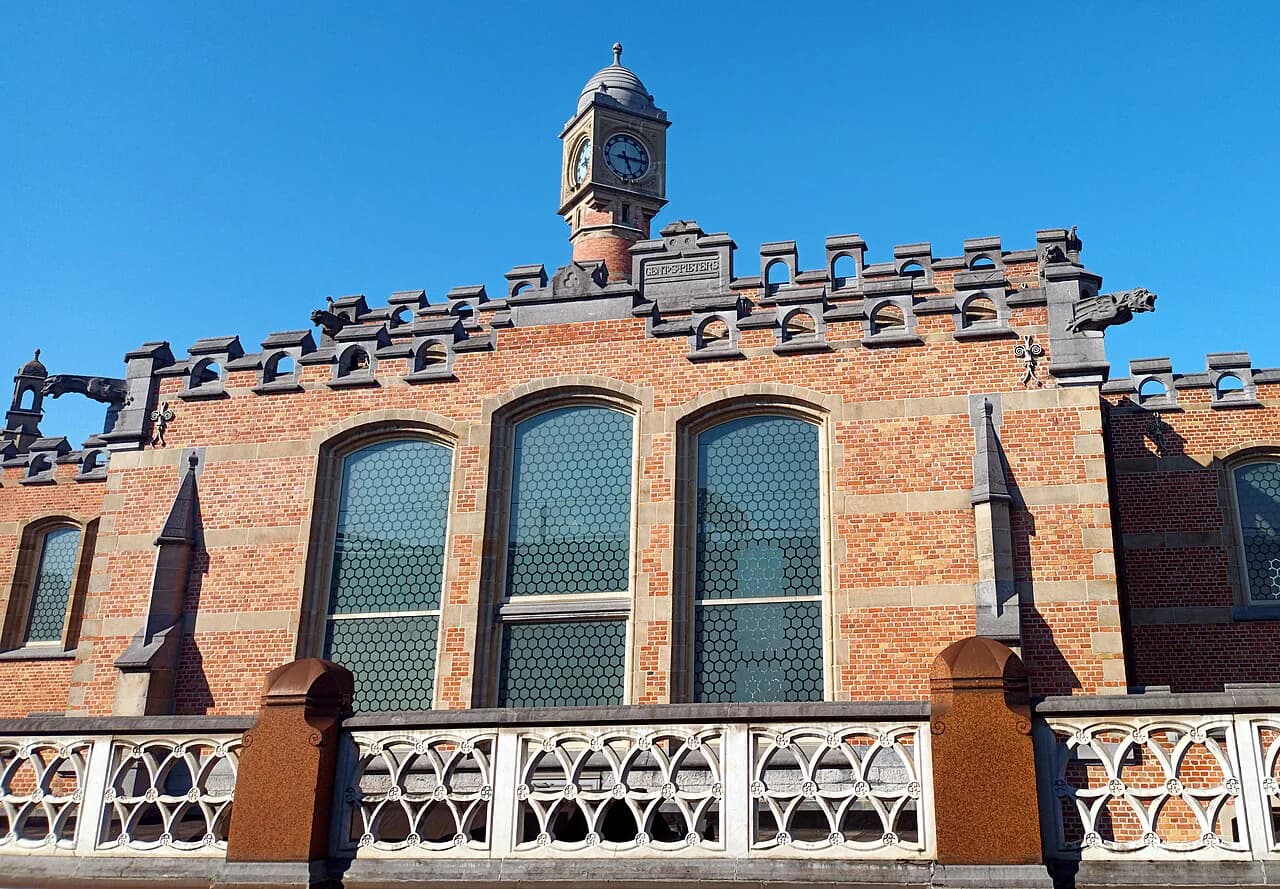
Sint-Pieters, Ghent: What the Station District Is Really Like

Sint-Pieters is the right base for a short Ghent break if you value an easy arrival over stepping straight out into medieval streets. The station district sits south of the historic centre, so the Belfry, Korenmarkt and Graslei are a tram ride or a longer walk away rather than on your doorstep. This guide covers what the district is, how it connects to the sights, and who should choose it.
Treat Sint-Pieters as a functional neighbourhood rather than a sightseeing quarter. The historic core, with the three towers and the Leie quays, is where the postcard Ghent lies, and travellers who want cobbled alleys and canal views from the hotel window should look there instead. The district works best as a base from which you travel north each day.
What Sint-Pieters is and where it sits
Sint-Pieters is Ghent's main station district, wrapped around Gent-Sint-Pieters, the city's principal railway station. It lies south of the medieval centre, separated from the Korenmarkt and the three towers by a stretch of modern city rather than canals and gabled houses. The neighbourhood is a working part of Ghent first and a visitor quarter second.
In practice you use Sint-Pieters for arrival and sleep, then travel north for the sights. The centre's landmarks cluster tightly: the Belfry (Belfort), Sint-Baafskathedraal and Sint-Niklaaskerk form the three towers of Ghent, standing within a few minutes of each other, which is why most sightseeing time is spent in the centre rather than here.
Ghent sits at the confluence of the Leie and the Scheldt, and the historic core grew up around that meeting point of water rather than by the station. From Sint-Pieters, plan your walks so the Leie quays and the old centre are your destination, not the streets around the station.
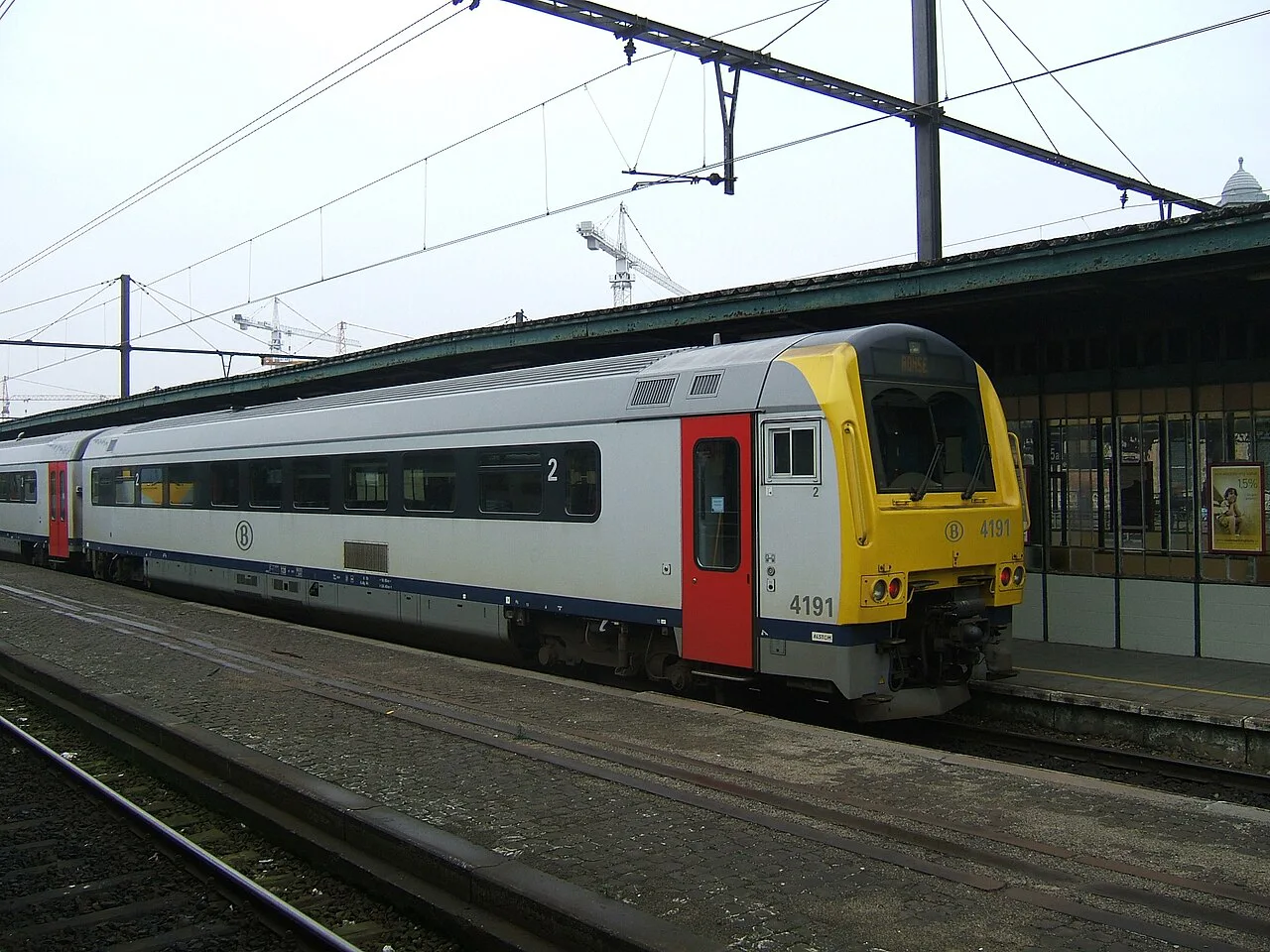

The station itself: arriving at Gent-Sint-Pieters
Gent-Sint-Pieters is the arrival point for most travellers coming into Ghent by rail. Those coming from London take Eurostar to Brussels and change onto a Belgian SNCB train, a total journey of roughly two hours fifty minutes, and the same Brussels connection serves arrivals from further afield.
The station is the main stop for intercity services, and the neighbourhood around it is in the middle of a large-scale redevelopment project. Expect a district in transition rather than a finished square: hoardings, new frontages and changing pedestrian routes are part of the current picture.
Plans for the surrounding neighbourhood include a sheltered bicycle shed with space for up to 13,500 bikes, which tells you how much of Ghent's onward travel is designed around cycling. If you plan to rent a bike, the station side of town is where the city expects you to start.
For rail planning beyond Ghent, treat Brussels as the hub: Eurostar services run to Brussels and you continue on a local train from there, which makes the station district a sensible first and last stop on a Belgian trip.
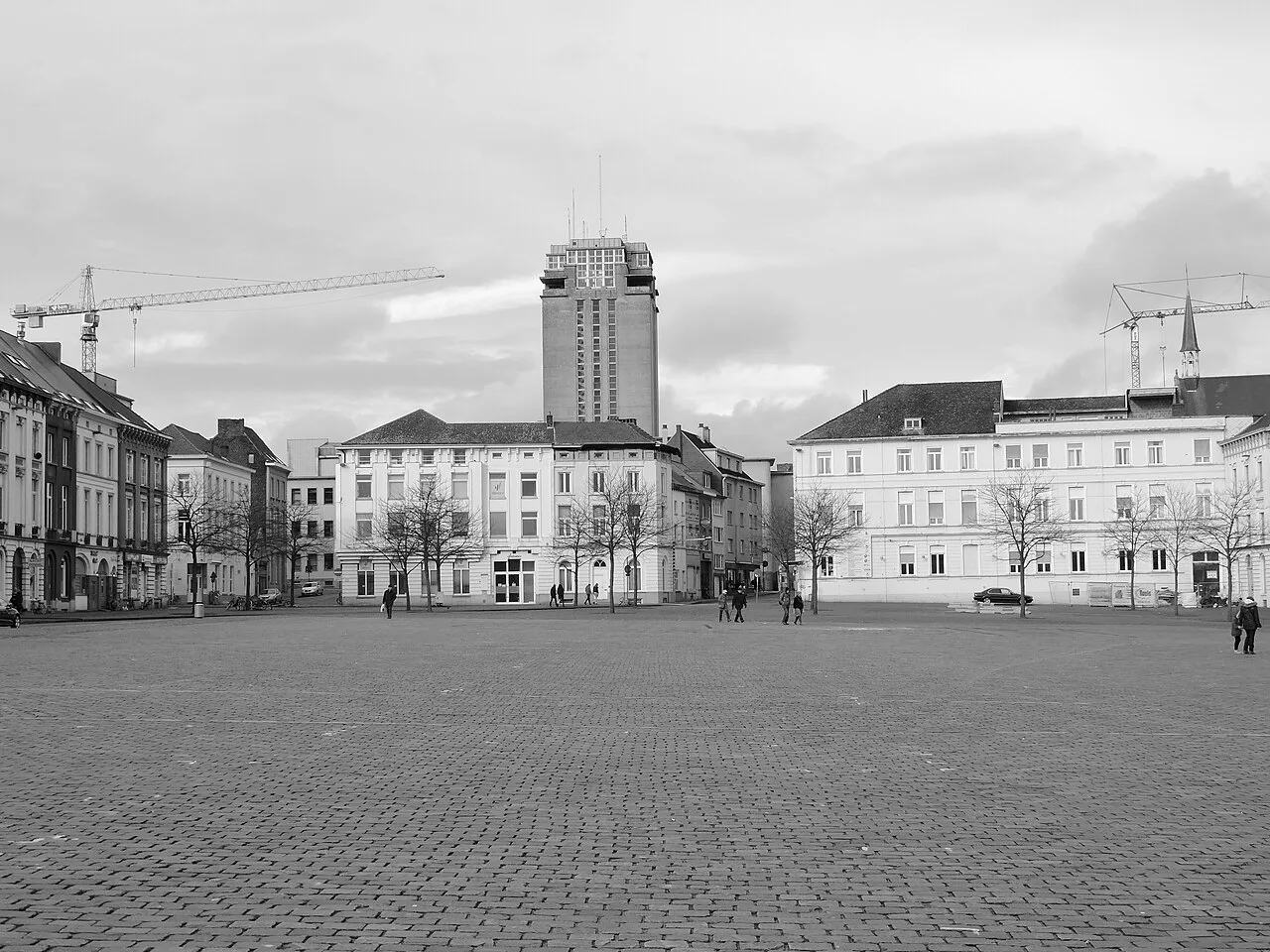

Getting from Sint-Pieters into the historic centre
Trams link the station with the centre, and the Korenmarkt is the area to aim for if your first target is the Belfry or Sint-Baafskathedraal. Keep the journey simple by heading straight into the old town rather than trying to sightsee along the route.
On foot, the walk into the centre is straightforward but long enough to matter at the end of a day. A pleasant compromise is to walk in and pick up the Leie quays once you are closer to the centre, and then continue into the old town.
Once you reach the old core, everything tightens up: the Gravensteen fortress, the Graslei and Korenlei quays and the Patershol lanes sit within a compact area you can cover on foot in an afternoon. Plan your Sint-Pieters transfers around that cluster rather than making repeated trips back to the station.
Character of the district
Sint-Pieters feels practical and everyday: offices, transport infrastructure, student housing and ordinary shops rather than souvenir windows. That is precisely why some travellers like it — you get a normal Belgian neighbourhood and a quiet night's sleep instead of street noise under your window.
The redevelopment around the station is the defining feature of the district right now, and it will shape what you see for years. Judge it as a place in the making, not a polished destination, and you will find it works well as a base without pretending to be a sight in itself.
Who Sint-Pieters suits, and who it does not
Choose Sint-Pieters if your trip is short, your arrival or departure is early or late, and you would rather not haul luggage across cobbles. It also suits travellers who want a quiet, ordinary base and a straightforward run into the centre each day.
Skip it if your idea of Ghent is waking up beside the Graslei, wandering to the Korenmarkt for breakfast and climbing the Belfry before lunch. For that trip, base yourself in the historic core and treat the station as a transfer point.
If you want a canal-side neighbourhood for the whole stay rather than a station base, Portus Ganda is the alternative to weigh against Sint-Pieters.
The museum quarter: MSK, SMAK and STAM
The strongest reason to spend a full day in the centre is the city's museum quarter, which contains MSK, SMAK and STAM. MSK Gent holds Flemish masters and centuries of European art, SMAK covers contemporary work, and STAM tells the story of the city itself. Together they can fill a full day of gallery-hopping.
A sensible plan is to make the museums your morning once you are in the centre, take a walk afterwards, and stay in the old town for the afternoon. That order keeps you moving in one direction and saves a return trip to Sint-Pieters.
When you do reach the centre, the essential Ghent sight is Jan van Eyck's Ghent Altarpiece in Sint-Baafskathedraal, which has been in the cathedral since 1432 and is the reason many visitors come at all. Pair it with the Belfry climb for a view of the three towers and the skyline.
Eating and drinking around Sint-Pieters
Eating near the station means everyday Belgian fare aimed at commuters and locals: bakeries, sandwich counters and straightforward cafés rather than destination dining. It is convenient and quick, which suits a late arrival or an early train.
For a proper meal, head into the centre: Eurostar names places such as Julie's House, De Blauwe Kiosk, Lokaal, Lekker GEC and Oak among the city's best restaurants, and around the Korenmarkt and Patershol the choice is widest. Sint-Pieters is where you sleep and eat efficiently; the old town is where you eat well and linger.
If you want a canal-side evening instead, the Portus Ganda area gives you water and quays without the station's transport bustle.
Arriving late or leaving early from Sint-Pieters
The station district earns its keep on the edges of a trip. A late arrival or a dawn departure is far easier from a hotel near Gent-Sint-Pieters than from a room beside the Graslei, and you avoid dragging bags through the medieval streets in the dark or the rush.
For a one- or two-night break, splitting the difference works: sleep in Sint-Pieters for the transport convenience, then commit one full day to the centre, including the museums, and use the rest for the old town itself. That itinerary uses the district's strengths without pretending it is the reason you came.
Should you base yourself in Sint-Pieters?
Yes, if transport ease matters more than atmospheric streets. Book near Gent-Sint-Pieters, use the trams to reach the Korenmarkt, and allow a full centre day that takes in the museum quarter as well as the old town.
No, if you want the postcard Ghent of canals, belfries and cobbles on your doorstep. In that case stay in the historic core or in Patershol, and treat Sint-Pieters as the place you arrive and leave from rather than the place you sleep.
Explore more Ghent guides
Frequently Asked Questions
Is Sint-Pieters a good area to stay in Ghent?
It is a good practical base for short breaks and early or late trains, with trams into the centre. It is less appealing if you want medieval streets and canal views straight outside your hotel.
How far is Sint-Pieters from Ghent city centre?
The district lies south of the medieval centre, with the Korenmarkt and Belfry a tram ride or a longer walk away. Allow for the transfer each time you want to sightsee in the old town.