Ghent in Summer: What to Do from June to August
Plan a summer break in Ghent with the Graslei and Korenlei quays, Gravensteen castle, the Belfry, boat tours and the Ghent Altarpiece in St Bavo's Cathedral.
On this page
Two days is the right allowance for Ghent in summer, and the best plan puts the Graslei and Korenlei quays and Gravensteen castle on day one while the light is long, leaving the Belfry and St Bavo's Cathedral for a slower morning. Summer here is a warm-weather city break rather than a resort holiday: the centre is compact, the water does most of the scene-setting, and the days stretch well into the evening. This guide covers where to go between June and August, how the quays and towers fit together on foot, and how many days the city genuinely rewards.
What summer in Ghent is like
Ghent's summer character comes from its water and its stone. The Graslei and Korenlei, the medieval quays either side of the Leie, fill with people on warm afternoons, and the historic centre is small enough to cross on foot between the main sights. Plan your days around the outdoors and hold the museums in reserve rather than the other way round.
Daylight is the quiet advantage of June and July: long evenings mean you can climb a tower or walk the quays after an afternoon indoors without losing the view to darkness. The honest trade-off is that high summer is also when the city is busiest, so an early start on the Belfry and the cathedral beats a late one.
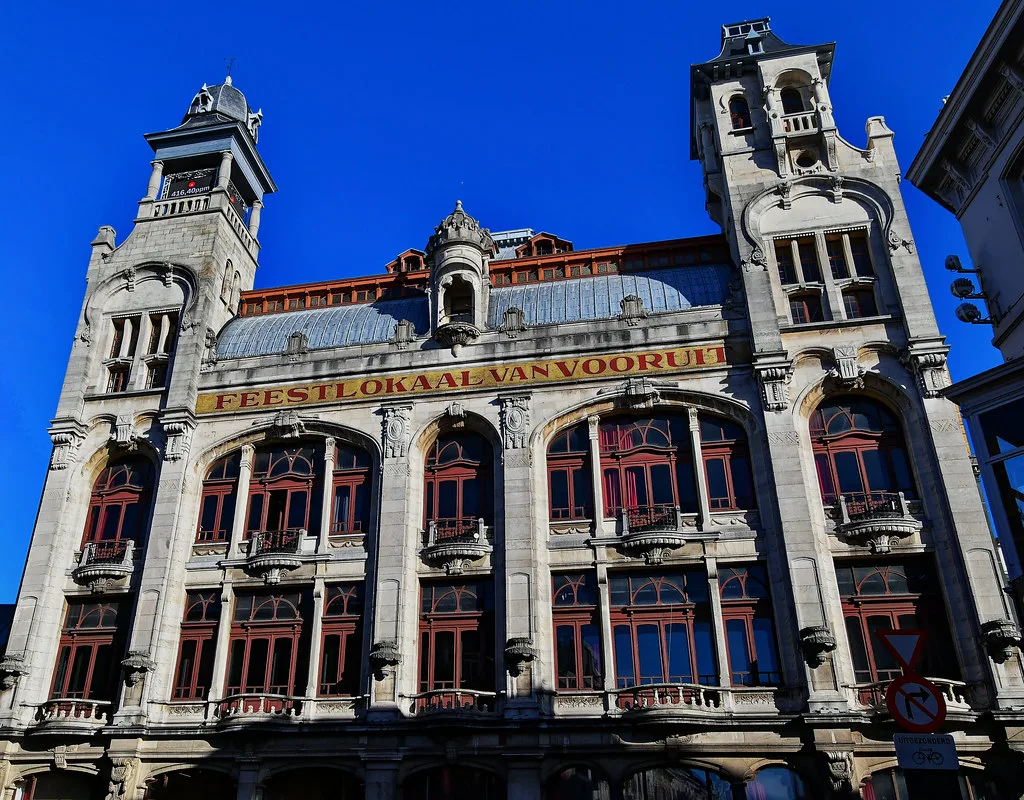
Graslei and Korenlei: the medieval quays
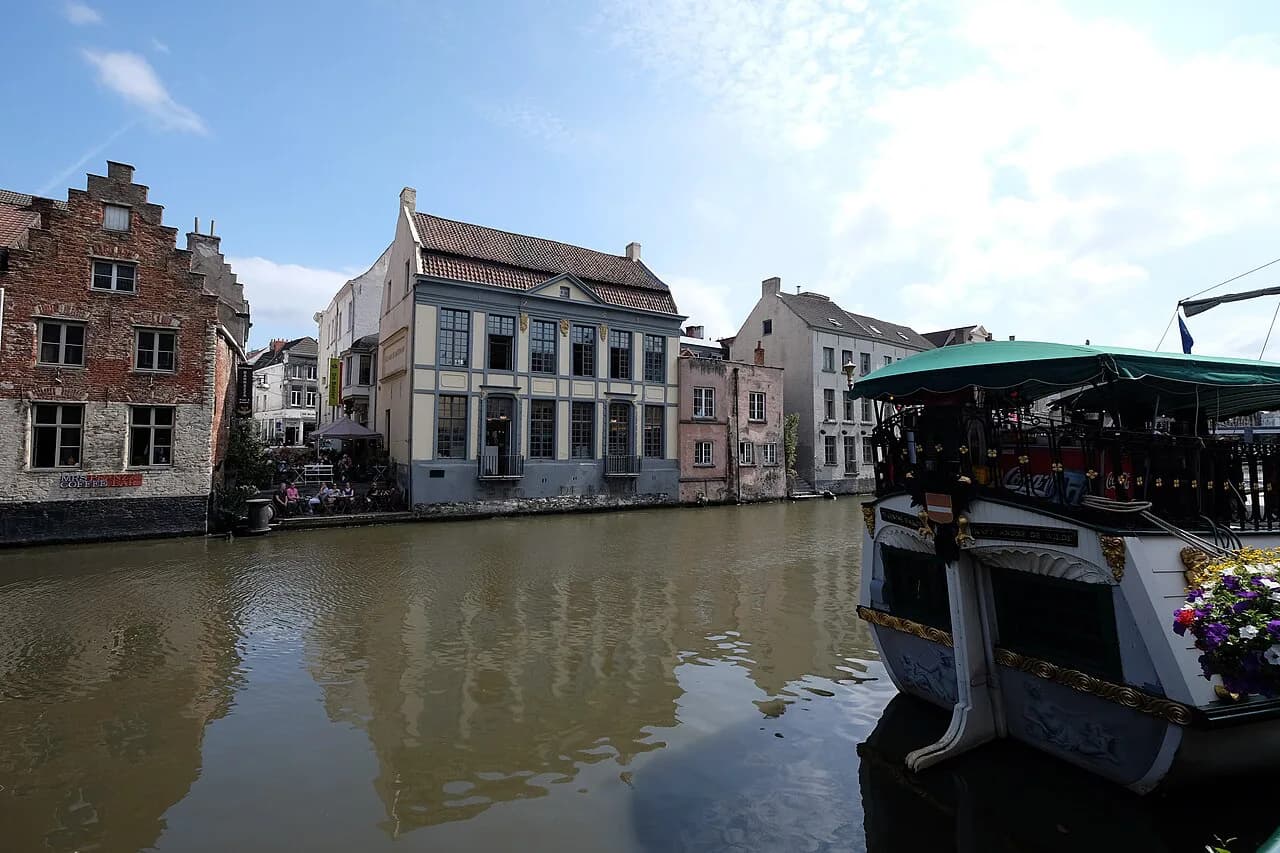
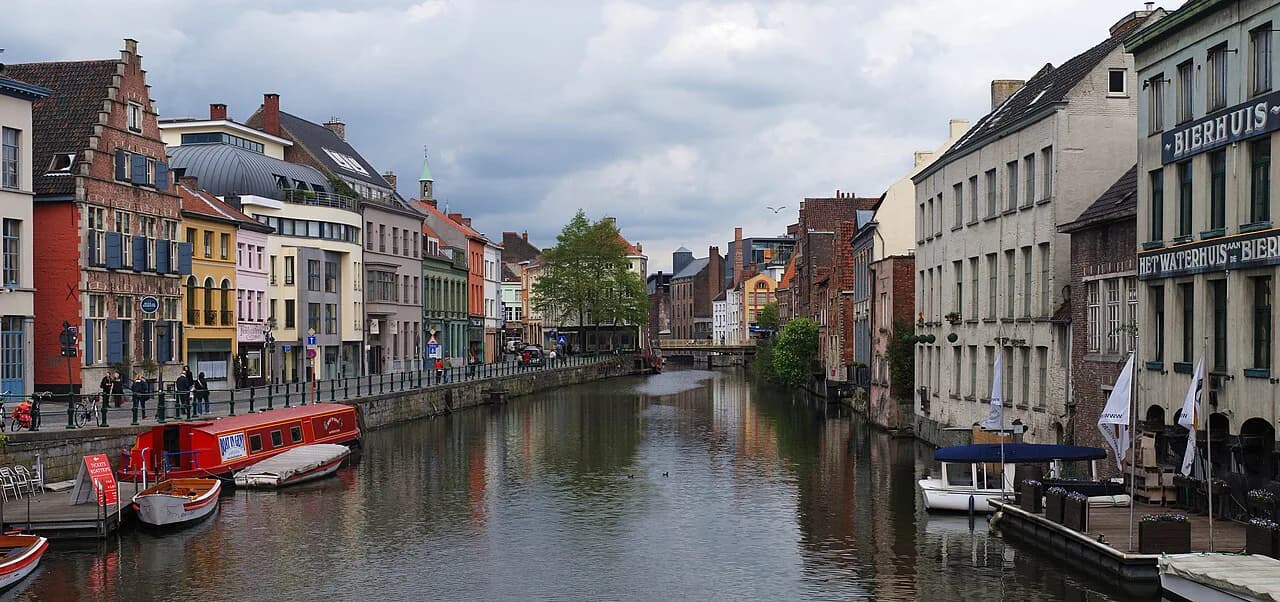
Start and end summer days on the Graslei and Korenlei, the twin quays where guildhouses line the Leie and the terraces face the water. This is Ghent's outdoor living room: walk the length of both banks in the morning before the crowds build, then come back in the evening when the light softens the gables. The two quays face each other, so a slow loop across the bridges takes in the best of the waterfront.
If you want a drink by the water in high summer, Gazon is a seasonal bar on the water that locals treat as a summer fixture, with a play area and a relaxed atmosphere. It is a place to linger rather than tick off, and it works best as an end-of-afternoon stop on the way back from the centre.
Climb the Belfry of Ghent
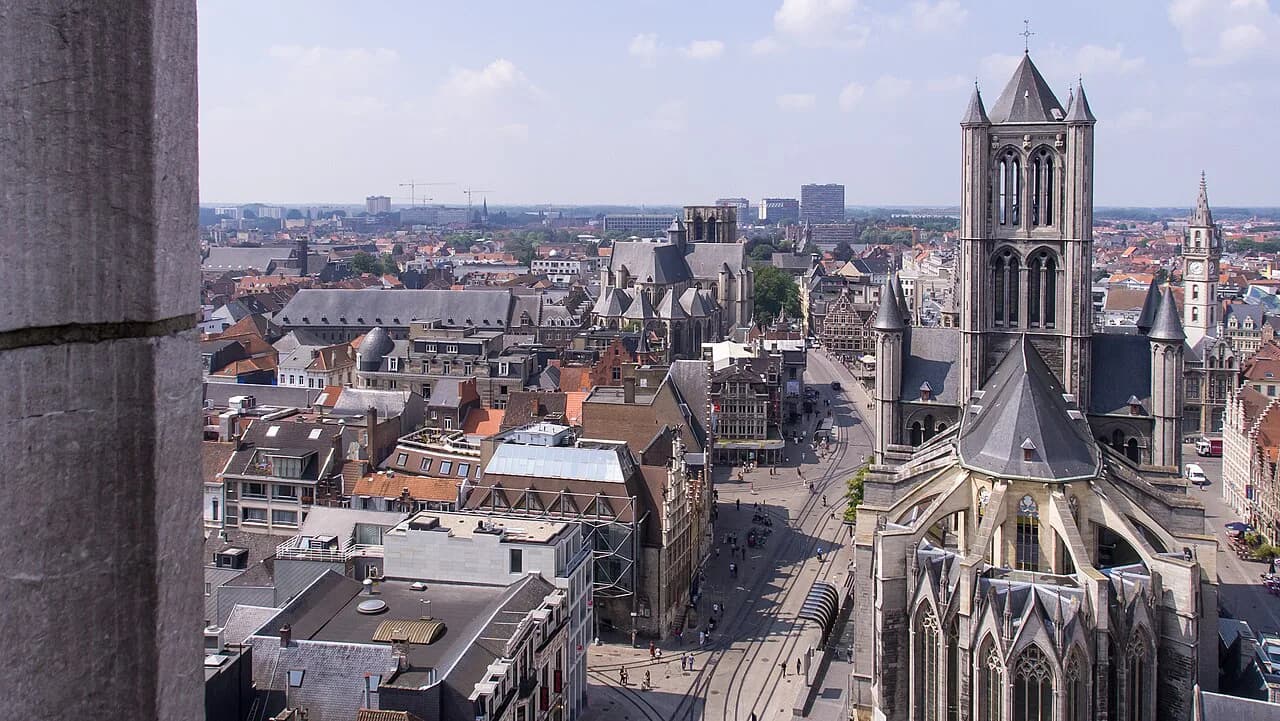
The Belfort, Ghent's UNESCO-listed belfry, gives the defining view over the summer rooftops, and climbing its tower steps is the single best use of a clear morning. Go early: the staircase is narrow and popular, and the reward is the panorama across the three towers and the canals below. Build the climb into a walking route that continues to St Nicholas Church and St Bavo's Cathedral rather than treating it as a separate trip.
Gravensteen castle in the city centre
Gravensteen, the medieval fortress in the middle of the city, is the sight that surprises visitors most: a moated castle with towers and walls standing among shops and streets. Give it a couple of hours, and go in the morning or late afternoon when the courtyards are less crowded. It pairs naturally with the Graslei and Korenlei quays a short walk away.
The Ghent Altarpiece at St Bavo's Cathedral
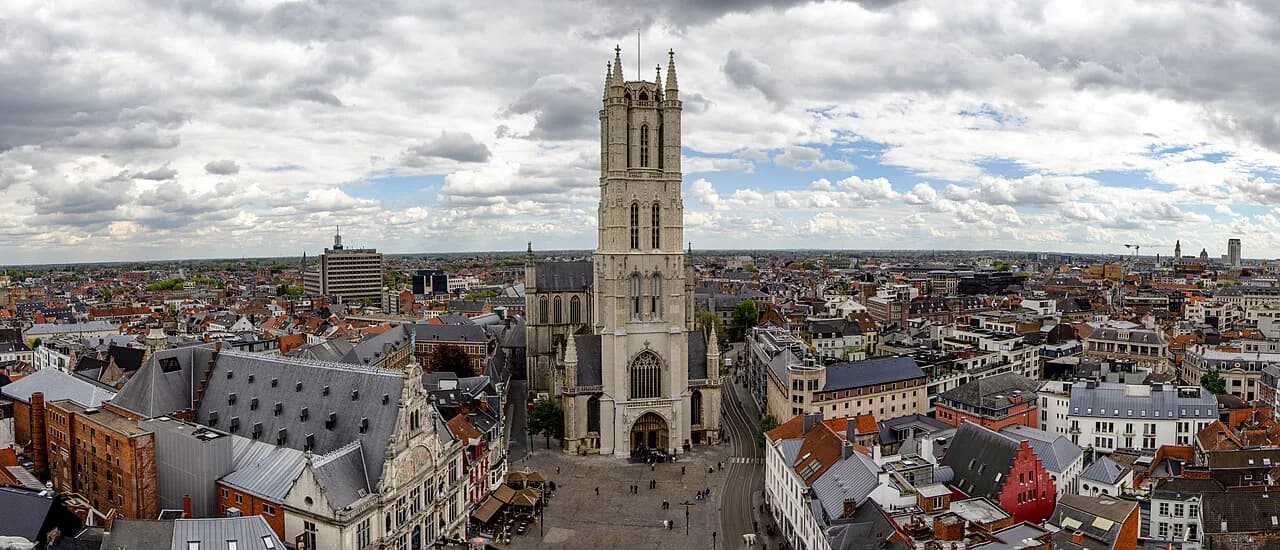
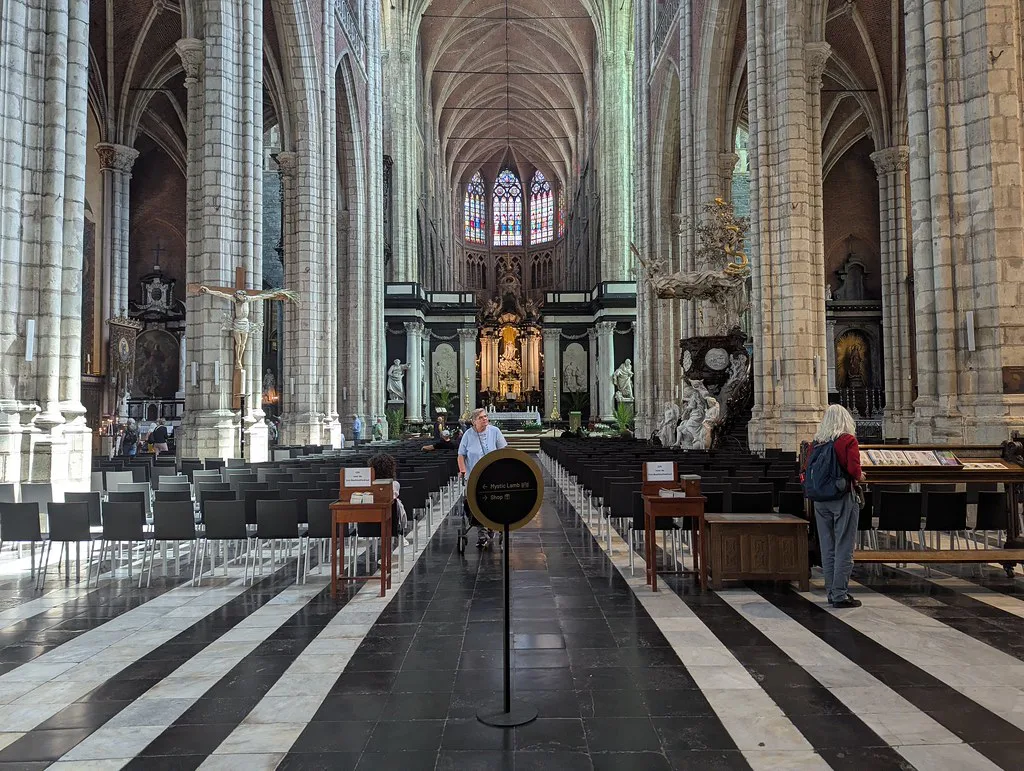
The Ghent Altarpiece by the Van Eyck brothers hangs in Sint-Baafskathedraal, and seeing it is the reason many travellers come to the city at all. It is an indoor anchor for a summer day: book it for the hottest afternoon or a showery spell, then come back out to the quays when the light improves. The cathedral sits close to the Belfry and St Nicholas Church, so the three fit into one continuous walk.
If your summer dates are flexible, checking the cathedral's own pages for the altarpiece's viewing arrangements is worth ten minutes before you fix your itinerary, since it is the one sight where a timed visit can shape the day.
St Nicholas Church and the three towers
St Nicholas Church (Sint-Niklaaskerk) is the third of Ghent's famous towers, and the walk that links it with the Belfry and St Bavo's Cathedral is the city's classic short circuit. Stand on the Korenmarkt or the Sint-Baafsplein and you can take in all three in one view, which makes a good photograph in the low evening light. Do the circuit on foot in under an hour, then choose which tower to climb.
Boat tour along the canals
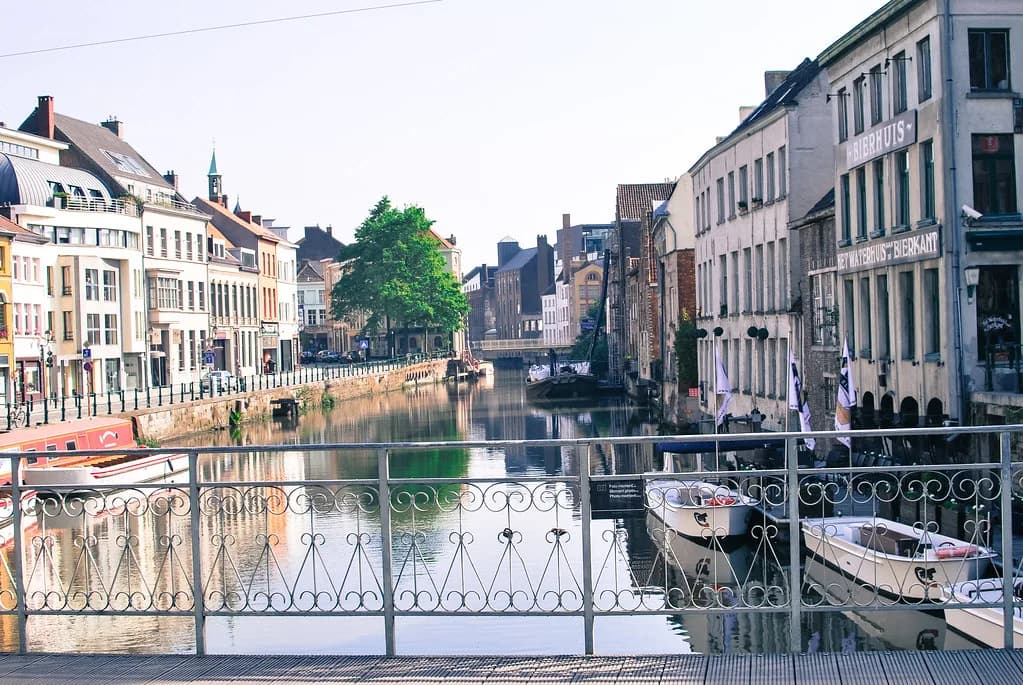
A boat tour from the Graslei and Korenlei area shows the city from the water, passing the medieval facades and bridges that make Ghent look its best in warm weather. It is a good midday move when the streets are busiest, and it gives you a sense of how the Leie threads through the centre. Operators run from the quays; confirm sailing times on the day rather than assuming a timetable.
A gentler alternative is to hire a paddleboard by the water at Gazon, where Dobber rents boards for a slow paddle past the historic facades. It suits confident paddlers more than first-timers, and it is best in calm morning water.
Gentse Feesten in July
The Gentse Feesten is the street festival that takes over the centre in July and is the single biggest variable in a Ghent summer: during it the city is at its most alive and at its most crowded, with stages and street performances across the centre. If atmosphere is the point of your trip, aim for it; if you want quiet museum mornings and easy restaurant tables, avoid those days.
The programme changes year to year, so the dates and line-up for the current edition are worth checking on the festival's own channels before you book travel. That single check decides whether you are planning a party or a calm city break.
Beer cafés and Belgian beer
Ghent takes Belgian beer seriously, and a beer café is the right way to taste it: order a local brew you have not heard of and ask what is on tap rather than defaulting to a familiar label. In summer the terraces do the work, so a late-afternoon beer on the way back from Gravensteen fits the day better than a long session.
Markets and shopping streets
Ghent's markets and shopping streets are a morning activity: browse without a fixed route, and let the centre's squares and alleys do the navigating. The city's own visitor pages list what is on in the see-and-do section, which is the place to confirm which market falls on your days.
Graffiti Alley and street art
Graffiti Alley is Ghent's open-air street-art strip, a short walk from the centre and free to wander. It is a good half-hour stop between bigger sights, and it photographs well in summer light. Go in the morning if you want it to yourself.
Museums about daily life for hot or wet afternoons
Ghent's museums about daily life are the sensible summer insurance policy: when the afternoon turns too hot or too wet, they give you an indoor couple of hours without wasting the day. Keep one in reserve rather than scheduling it, and use it as the swap when the weather changes. Ghent in October is the season for making museums the main event, but in summer they work best as the fallback.
How many days you need
Two days covers Ghent well in summer: one for the quays, Gravensteen and the Belfry, one for the cathedral and altarpiece, the boat tour and a slow afternoon on the water. Three days lets you add the street art, a museum and a proper evening on the Graslei without rushing. One day is enough only if you accept a tight circuit of the three towers and the castle and skip the water.
When to go between June and August
June and early July give you long evenings with slightly thinner crowds, while late July brings the Gentse Feesten and with it the city's peak atmosphere. August stays warm but the festival energy fades, so it suits travellers who want the outdoor sights without the street-party crush. Decide on atmosphere versus ease and the month picks itself.
Ghent alongside Bruges and Antwerp
Ghent sits between Bruges (Brugge) and Antwerp (Antwerpen), which makes it a natural middle base for a wider Belgian trip of a week or so. Bruges is the smaller, more polished medieval set piece; Antwerp is the bigger city with the fashion and the docks. Ghent keeps the best of both without the day-tripper tide, so give it two nights and treat the other two as excursions.
Should you pick Ghent for a summer break?
Choose Ghent in summer if you want a compact city where the water, the towers and the castle are all within walking distance and the evenings are long enough to use them. Book around the Gentse Feesten if the festival is the draw, and avoid it if you want quiet quays. Either way, two days is the number that lets the city breathe.
Explore more Ghent guides
Frequently Asked Questions
Does Ghent get crowded in summer?
The centre is busy in high summer, and the July street festival brings the biggest crowds of the year. Mornings on the Belfry and the quays are noticeably calmer than afternoons.
Is one day enough for Ghent in summer?
One day covers the three towers, Gravensteen and a walk along the Graslei and Korenlei, but it leaves no time for the Ghent Altarpiece or a boat tour. Two days is the better allowance.
What should I do in Ghent on a rainy summer day?
Use the Ghent Altarpiece in St Bavo's Cathedral as your indoor anchor and add a museum about daily life. The showers usually pass, so keep the quays for the next dry spell.
Sources
Useful notes for your next trip
Optional updates to our guides.
You might also like
Continue reading
More guides you'll find useful