Ghent City Break: A Two-Day Itinerary and What to Skip
Plan a two-day Ghent city break with a day-by-day route through the medieval centre, the Gravensteen and the Graslei, plus what to skip when time is short.
On this page
Two days is the right length for a first Ghent city break. The medieval core is compact enough to walk in a morning, and the second day gives you room for the museums and the streets east of the centre without rushing. This guide sets out a day-by-day route, explains how the Leie and the Graslei hold the city together, and names what to drop when time is short.
Ghent (Gent) sits between Bruges and Antwerp and takes a different tone from both. It is a working university city of roughly 265,000 people, about a quarter of them students, which keeps the centre lively without the museum-village feel of Bruges. Use this plan as a skeleton and slot in the sights that matter to you.
Why Ghent suits a short city break
Ghent rewards a two- or three-day stay because its sights sit close together. The Belfort, Sint-Baafskathedraal and the Gravensteen all fall within a compact, walkable centre, and the Graslei quays are a short walk away, so you spend your time looking rather than travelling. The tourist office describes it as a city break on a human scale, which is a fair summary of the geography.
The city also carries a strong contemporary layer alongside the medieval one. Art Nouveau apartment blocks, a design museum and a large student population give the centre a lived-in feel rather than a preserved one. That mix is what makes it a comfortable base for two days.
How Ghent is laid out
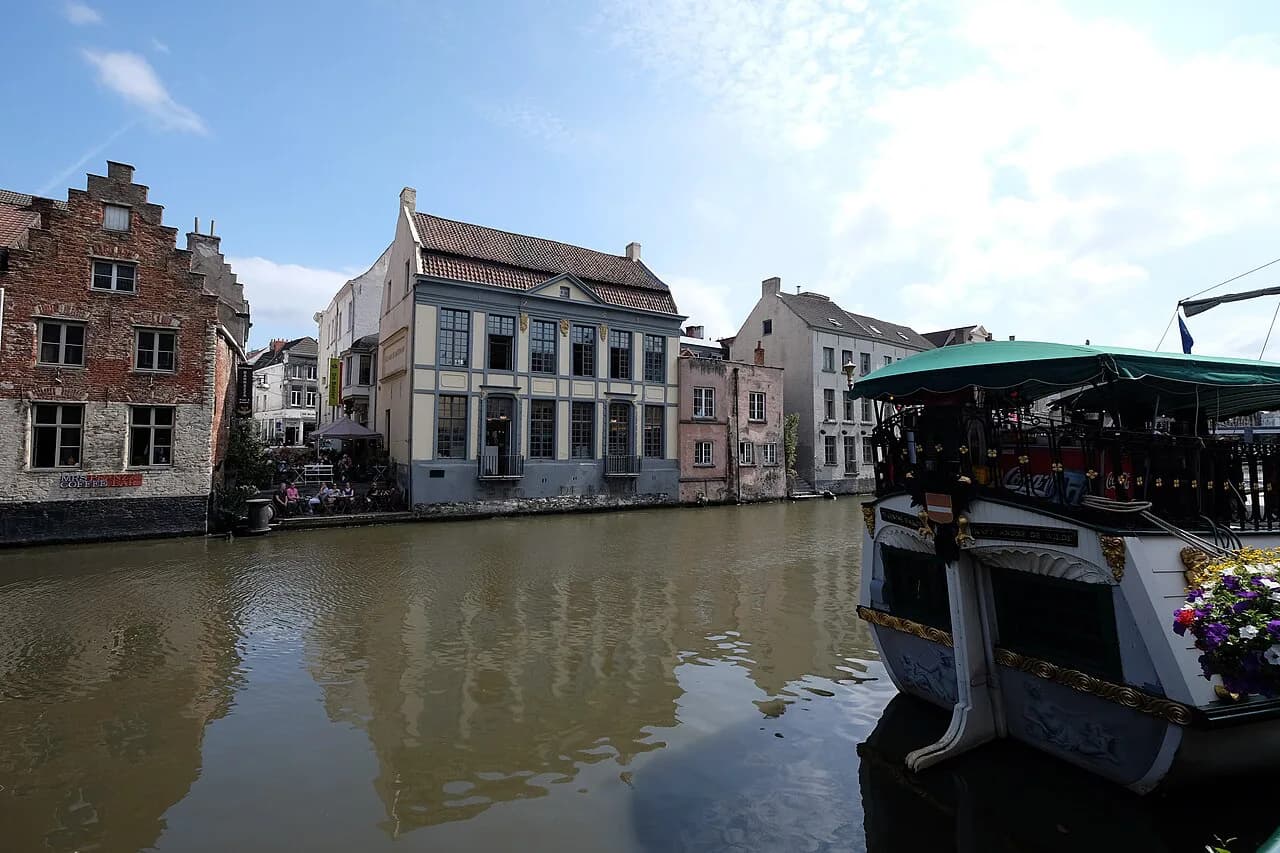
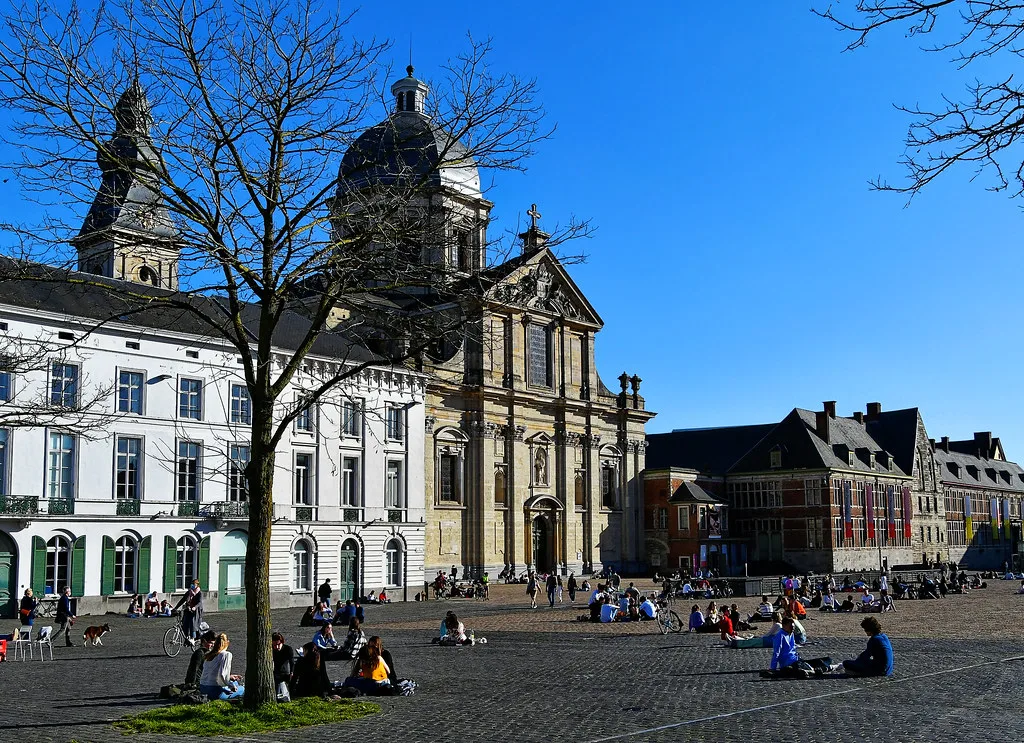
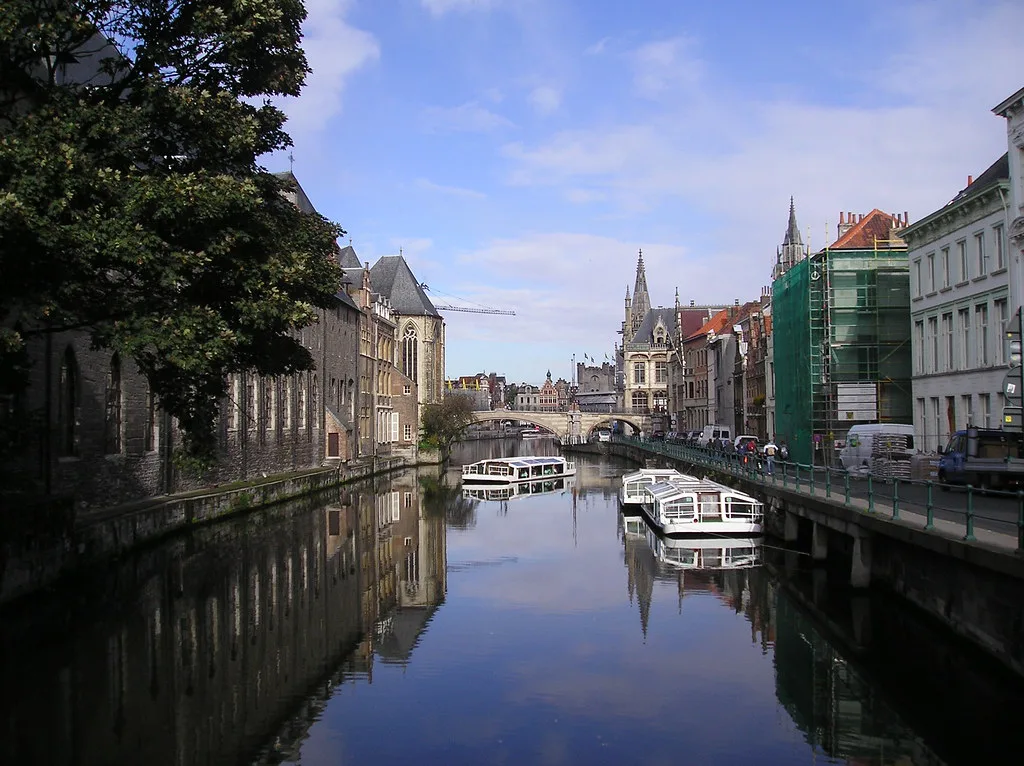
The River Leie runs through the middle of the historic centre, and its two quays, the Graslei and the Korenlei, form the postcard view of the city. Guildhouses line both banks, and the bridges between them are the natural place to start a walk. From here almost everything in the old town is within fifteen to twenty minutes on foot.
Inland from the quays, the Belfort and Sint-Baafskathedraal anchor the heart of the centre. The Gravensteen sits a short walk away, and the streets around it are worth wandering in their own right. Treat the quays as your reference point and you will rarely be more than a bridge away from where you want to be.
If you want a single page that ties the sights together, the collection of Ghent Attractions guides covers each major stop in more depth than a two-day plan can. Read it before you fix your route so you know which interiors you want to queue for.
Day one morning: the Belfort, Sint-Baafskathedraal and the centre on foot
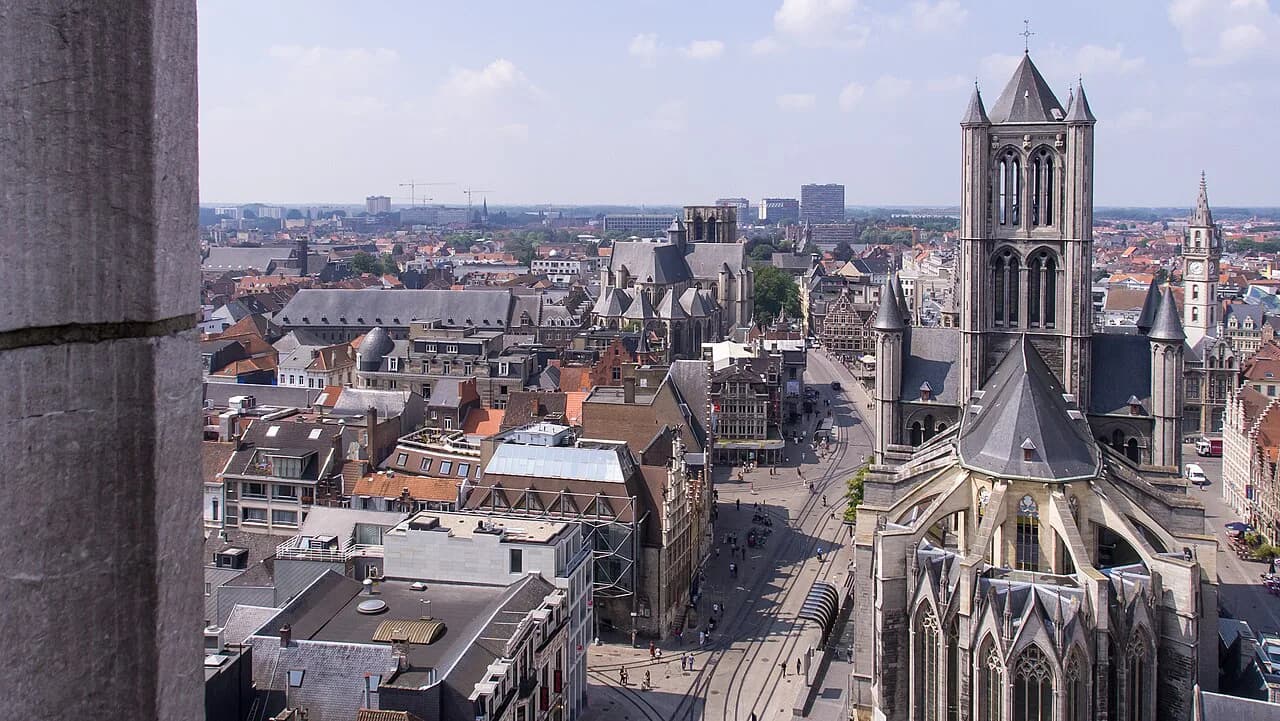
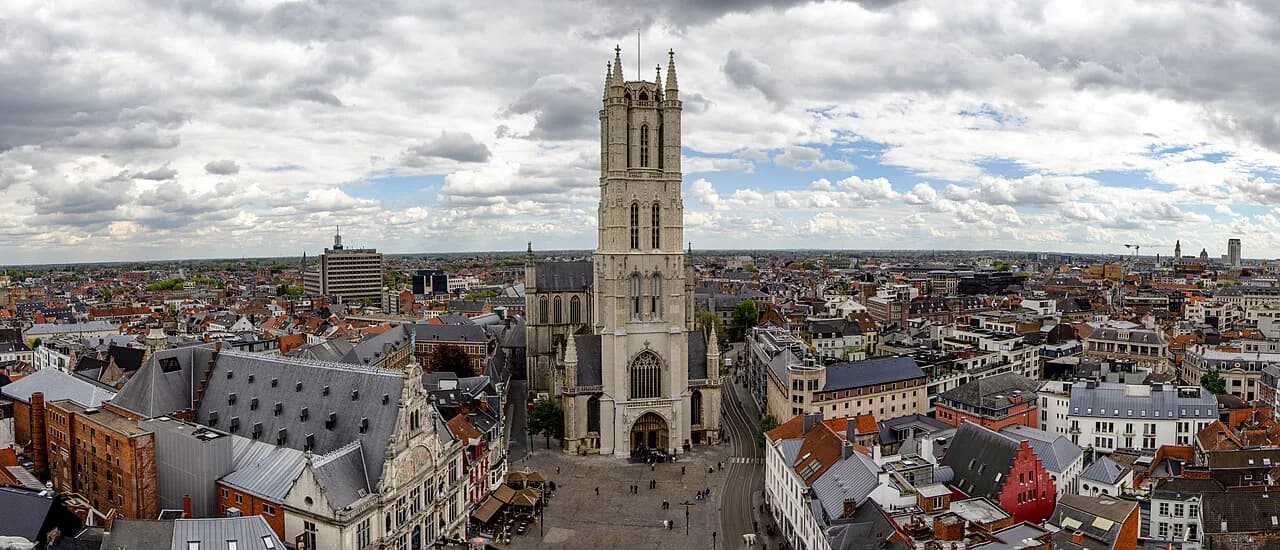
Start at the Graslei and walk into the centre towards the Belfort, the bell tower that gives the city its skyline. Climb it early if the weather is clear, since the view over the roofs is the best orientation you will get. Then cross to Sint-Baafskathedraal, where The Adoration of the Mystic Lamb hangs; the painting is the single sight most visitors come for, and it repays an unhurried look. If you are building a fuller plan, the 2 Days in Ghent route sets out the same stops in order.
From the cathedral, work through the lanes behind it without a fixed plan. The centre is small enough that a loose loop brings you back to the quays for coffee. This is also the moment to decide whether you want a second museum day or a slower wander on day two.
Day one afternoon: the Gravensteen and the streets around it
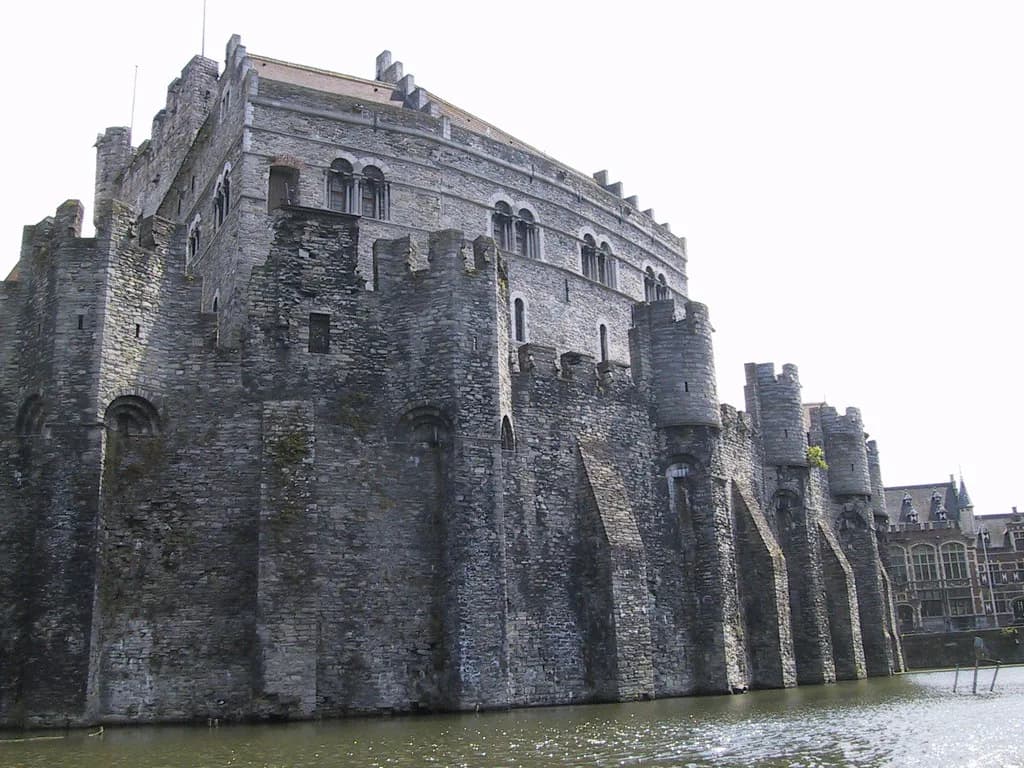
The Gravensteen, the moated castle at the heart of the old centre, is the afternoon's anchor. Its turrets and walls are what most people picture when they think of Ghent, and the walk there from the quays takes you through the densest part of the old town. Allow time to circle the outside as well as any interior you visit.
On the way back, drift through the streets towards the Leie and stop at one of the riverside cafés. Ghent's beer lists are the point rather than the atmosphere, and a riverside table beside the Leie is the best place to try a Trappist ale. Keep the evening loose; the centre is compact enough to walk home from anywhere.
Day two: museums, Art Nouveau and the student quarter
Give the second morning to a museum. The Design Museum is the obvious pick if you want the design thread that runs through the city. If you are short of time, One Day in Ghent shows how to fold a single museum into a tighter route.
Spend the afternoon on a slower wander, following the cafés and side streets that fan out from the centre. This is where Ghent feels most like a working city rather than a heritage site, and it is a good counterweight to the medieval morning. If you have a third day, this is the area to expand.
What is open on Sunday and Monday
Sunday draws day-trippers, and the quays and the Gravensteen fill up accordingly. If your two days fall around a Monday, build that day around streets, squares and quays, since the city's outdoor fabric does not depend on museum hours. Check the specific museum you want on its own website before you commit a morning to it, as many Belgian museums close on Mondays.
If your two days land on Sunday and Monday, put the walking route first and treat any open museum as a bonus. The city's outdoor fabric, the Graslei, the Korenlei and the castle exterior, does not depend on opening hours. That is the argument for a two-day plan that leans on the streets rather than a checklist of interiors.
How many days Ghent needs
One day covers the Belfort, the cathedral and the Graslei at a brisk pace. Two days lets you add the Gravensteen properly and one museum. Three days opens up the student quarter, a second museum and a slower meal, and four days starts to feel generous unless you are using Ghent as a base for the wider region.
If you are weighing Ghent against another Belgian city, the honest comparison is Bruges for compact medieval beauty and Antwerp for fashion and scale. Ghent sits between them: less polished than Bruges, less sprawling than Antwerp, and easier to cover on foot in two days. That middle position is the reason to choose it.
Where Ghent fits against Bruges and Antwerp
Choose Ghent if you want a medieval centre with a living city around it. Choose Bruges if the postcard canal view is the whole point and you do not mind the crowds. Choose Antwerp if you want bigger museums, fashion and a port-city scale. None of these is a mistake; they simply suit different trips.
For a short break from the UK, Ghent also works as a stop rather than a destination in itself, and a day trip is easy given the compact centre. If you only have one day, the Belfort, the cathedral and the quays are the sequence to follow.
What to skip when you only have two days
Skip anything that asks more of your two days than it gives back. On a two-day trip, the Belfort climb and The Adoration of the Mystic Lamb are the two interiors worth planning around; beyond that, add museums only if the weather pushes you inside. A second castle or church is rarely worth the squeeze when time is short.
Also skip the instinct to cover the whole city. Ghent's centre is walkable, but the outer neighbourhoods and the museum quarter east of the centre are a separate trip. Keep your two days inside the compact old town around the Leie, the Gravensteen and the Belfort, and you will see more rather than less.
Two days in Ghent: book the walking route first
Build your two days around the walking route first and the museums second. The Belfort, Sint-Baafskathedraal, the Graslei and the Gravensteen give you a complete Ghent in a day and a half, and the remaining half-day is yours to fill. If you are still deciding whether the city earns a slot, the answer is yes for anyone who wants a medieval centre with a working city attached.
Book your travel and your first morning's tower or cathedral slot before you leave, then leave the rest loose. The city is small enough that a plan built on foot will hold, and the quays will still be there when the museums are not.
Explore more Ghent guides
Frequently Asked Questions
How do you reach Ghent for a city break?
Ghent sits between Bruges and Antwerp, and the main Belgian rail network connects it to both. Check the operator's own timetable for the day you travel, since routes and connections change.
Sources
Useful notes for your next trip
Optional updates to our guides.
You might also like
Continue reading
More guides you'll find useful